Metabolite Discovery Could Turn ‘Bad’ Fat to ‘Good’ Fat

Obesity
Image source: Pixabay CC0

Metabolites are the substances made and used during the body’s metabolic processes – or, as a new discovery out of Scripps Research and its drug development arm, Calibr, indicates, they could also be potent molecules for treating severe diseases.

In a study published in the journal Metabolites, the researchers used novel drug discovery technologies to uncover a metabolite that converts white adipocytes (‘bad’ fat cells) to brown adipocytes (‘good’ fat cells). This discovery suggests a pathway to treating metabolic disorders such as obesity, type 2 diabetes and cardiovascular disease. This creative drug discovery method could also identify countless other potential therapeutics.

“The reason many types of molecules don’t go to market is because of toxicity,” said co-senior author Gary Siuzdak, PhD. “With our technology, we can pull out endogenous metabolites – meaning the ones that the body makes on its own – that can have the same impact as a drug with less side effects. The potential of this approach is even evidenced by the FDA’s recent approval of Relyvrio, the combination of two endogenous metabolites for the treatment of amyotrophic lateral sclerosis (ALS).”

Metabolic diseases are often caused by an imbalance in energy homeostasis. This is why certain therapeutic approaches have centred around converting white adipocytes into brown adipocytes. White adipocytes store excess energy and can eventually result in metabolic diseases like obesity, while brown adipocytes dissolve this stored energy into heat – ultimately increasing the body’s energy expenditure and helping bring balance.

To uncover a therapy that could stimulate the production of brown adipocytes, the researchers searched through Calibr’s ReFRAME drug-repurposing collection – a library of 14 000 known drug compounds that have been approved by the FDA for other diseases or have been extensively tested for human safety. Using high-throughput screening – an automated drug discovery method for searching through large pools of information –the scientists scanned ReFRAME for a drug with these specific capabilities.  

This is how they uncovered zafirlukast, an FDA-approved drug used for treating asthma. Through a set of cell culture experiments, they found zafirlukast could turn adipocyte precursor cells (known as preadipocytes) into predominantly brown adipocytes, as well as convert white adipocytes into brown adipocytes.

Unfortunately, zafirlukast is toxic at higher doses, and it wasn’t entirely clear how zafirlukast was converting the adipocytes. This is when the researchers partnered with Dr Siuzdak and his team of metabolite experts.

“We needed to use additional tools to break down the chemicals in zafirlukast’s mechanism,” explained Kristen Johnson, PhD, co-senior author of the paper. “Framed another way, could we find a metabolite that was providing the same functional effect that zafirlukast was, but without the side effects?”

Dr Siuzdak and his team designed a novel set of experiments, known as drug-initiated activity metabolomics (DIAM) screening, to help answer Johnson’s question. DIAM uses technologies such as liquid chromatography (a tool that separates components in a mixture) and mass spectrometry (an analytical technique that separates particles by weight and charge) to pool through thousands of molecules and identify specific metabolites. In this case, the researchers were searching through adipose tissue for metabolites that could lead to brown adipocyte cell production.

After reducing 30 000 metabolic features to just 17 metabolites, they came upon myristoylglycine – an endogenous metabolite that prompted the creation of brown adipocytes, without harming the cell. Of the thousands of metabolic features measured in the analysis, only myristoylglycine had this special characteristic, even among nearly structurally identical metabolites.

“Identifying myristoylglycine among the thousands of other molecules speaks to the power of Siuzdak’s approach and these technologies,” added Dr Johnson. “Our findings illustrate what happens when an analytical chemistry team and a drug discovery group closely collaborate with each other.”

Source: Scripps Research

Friendly ‘Zombie’ Cells Help Promote Tissue Repair

Photo by julien Tromeur on Unsplash

While most senescent cells may be harmful “zombies” spewing toxic compounds and should be targeted to reduce the risk of age-related disease, not all of them are like this. In fact, according to new research in Science, some of them embedded in young, healthy tissues seem to help repair damage.

Scientists have now seen these cells in action in lung tissue, as well as other organs that serve as barriers in the body, such as the small intestine, colon and skin. When they used drugs called senolytics to kill these cells, injuries to lung tissues healed more slowly.

“Senescent cells can occupy niches with privileged positions as ‘sentinels’ that monitor tissue for injury and respond by stimulating nearby stem cells to grow and initiate repair,” said Tien Peng, MD, associate professor of pulmonary, critical care, allergy and sleep medicine, and senior author of the study.

Ageing cells can both damage and heal

A/Prof Peng said it was understandable that scientists at first viewed senescent cells as purely detrimental. As people age, senescent cells – often termed “zombie cells” – accumulate that have characteristics of old, worn-out cells, including the inability to make new cells. Instead of dying like normal aged cells, they to live on, spewing a cocktail of inflammatory compounds that form the senescence associated secretory phenotype (SASP). These factors are linked to Alzheimer’s disease, arthritis, and other age-related maladies including cancer.

Using senolytics that selectively kill “zombie cells,” researchers made the exciting discovery that clearing senescent cells from animals thwarted or diminished age-related disease and extended the lifespan of the animals. Thereafter, a boom of activity ensued in research labs and pharmaceutical companies focused on discovering and refining more powerful versions of these drugs.

But killing off senescent cells has dangers, A/Prof Peng said. For one thing, this current study showed that senescent cells also possess the ability to promote normal healing through activation of stem cell repair. “Our study suggests that senolytics could adversely affect normal repair, but they also have the potential to target diseases where senescent cells drive pathologic stem cell behaviour,” said A/Prof Peng.

Lighting up senescent cells

One major challenge to studying senescent cells is that biomarkers of senescence (such as the gene p16) are often quite sparse, making it difficult to detect the cells. In early experiments, researchers extracted cells called fibroblasts into culture dishes, allowing them to grow and produce enough cells to experiment with, and then stressed the cells with chemicals that induced them to become senescent. But in living organisms, cells interact with tissues around them, strongly affecting the cells’ gene activity. This means that the characteristics of cells growing isolated in a glass dish could be quite different from that of cells in their natural environment.

To create a more powerful tool for their studies, the researchers improved on a common technique of fusing a relevant gene – in this case, the p16 gene, which is overly active in senescent cells –with green fluorescent protein (GFP) as a marker that can reveal the location of the cells under ultraviolet light. By enhancing the quantity and stability of green fluorescent protein in these senescent cells, the fluorescent signal was greatly amplified, finally enabling the researchers to see senescent cells in their natural habitat of living tissues.

“Zombies” stimulate stem cells shortly after birth

Using this highly sensitive tool, the researchers found that senescent cells exist in young and healthy tissues to a greater extent than previously thought, and actually begin appearing shortly after birth. The scientists also identified specific growth factors that senescent cells secrete to stimulate stem cells to grow and repair tissues. Relevant to aging and tissue injury is the discovery that cells of the immune system such as macrophages and monocytes can activate senescent cells, suggesting that inflammation seen in aged or damaged tissue is a critical modifier of senescent cell activity and regeneration.

In their studies of lung tissue, A/Prof Peng’s team observed green glowing senescent cells lying next to stem cells on the basement membrane that serves as a barrier preventing foreign cells and harmful chemicals from entering the body and also allows oxygen to diffuse from air in the lungs into underlying tissues. Damage can occur at this dynamic interface. The team saw senescent cells in similar positions in other barrier organs such as small intestine, colon, and skin, and their experiments confirmed that if senescent cells were killed with senolytics, lung stem cells were not able to properly repair the barrier surface.

Source: EurekAlert!

Diarrhoea in Infants Requires Urgent Attention

Holding a baby's hand
Photo by William-Fortunato on Pexels

Diarrhoea remains one of the leading causes of death, ill health and disability among children under five years of age in developing countries,1 accounting for 19% of deaths of under-fives in South Africa and for 46% on the African continent.1 Globally, diarrhoea is the second leading infectious cause of death, accounting for 9.2% of deaths in under-fives.1

The high incidence of malnutrition in South Africa2 adds to this toll. The relationship between diarrhoea and malnutrition is bidirectional: diarrhoea may lead to malnutrition, while malnutrition may aggravate the course of diarrhoea.3 Diarrhoea is more common and more severe in children with malnutrition (ie, undernutrition), and malnourished children often have persistent or repeated diarrhoea.In addition, malnourished children are more likely to develop severe diarrhoea and die from it.4 Vulnerable groups such as pregnant women and children under five years of age are the most affected by malnutrition, especially in rural areas.5

Identifying children at risk

The Centres for Disease Control advises that caregivers should be trained to recognise signs of illness or treatment failure that necessitate medical intervention.6 Infants with acute diarrhoea are more prone to becoming dehydrated than older children,6 and healthcare workers or parents of infants with diarrhoea should promptly seek medical evaluation as soon as the child appears to be in distress. Reports of changing mental status in the child are of particular concern.6

When the child’s condition is in doubt, immediate evaluation by a healthcare professional is recommended.6 Clinical examination of the child provides an opportunity for physical assessment, including vital signs, degree of dehydration, and a more detailed history, and for providing better instructions to the caregivers.6

Treatment

The treatment emphasis for acute diarrhoea in children is the prevention and management of dehydration, electrolyte abnormalities and comorbid conditions.3 The objectives of diarrhoeal disease management are to prevent weight loss, encourage catch-up growth during recovery, shorten the duration and decrease the impact of the diarrhoea on the child’s health.3

A number of studies have shown that probiotics shorten the duration of diarrhoea and prevent recurrence of other episodes.7 Furthermore, probiotics can prevent diarrhoea from infection in infants with malnutrition.7

Momeena Omarjee, Consumer Healthcare Country Head: Scientific Affairs, at Sanofi South Africa says: “Good gut health is crucial for one’s wellbeing – and healthcare professionals should encourage parents to give children a daily, regular probiotic which could go a long way in preventing diarrhoea and illness.”

How can the risk of diarrhoea be reduced?

Breastfeeding, a clean safe water supply, appropriate hand-washing and good sanitation will prevent most cases of diarrhoea.8

Research shows that diarrhoea is closely linked to socioeconomic status and has the most adverse effects in South Africa’s impoverished communities.9 South African children living in poverty are approximately 10 times more likely to die from diarrhoea than their more privileged counterparts.9

Says Omarjee: “Many of these under-privileged children in South Africa do not have adequate access to clean, potable water and quality early childcare and development, and they experience limited access to health and nutrition services. KwaZulu-Natal (KZN), for example, is experiencing outbreaks of diarrhoea and other water-borne diseases due to the recent floods.”

Although government and NGOs have been working tirelessly to distribute clean, potable water to affected areas in the province, many communities continue to face challenges and intervention is needed to not only provide clean water to the communities, but also to manage the high risk of diarrhoea and related water-borne diseases.

“Sanofi has therefore embarked on an ambitious campaign, in partnership with a non-profit organisation, Save the Children South Africa, from October 2022 to assist these areas in need, and to impact over 2,000,000 lives through hygiene education and access to water,” says Omarjee.

Sanofi, working together with Save the children South Africa, will donate water tanks to Early Childhood Care and Development (ECCD) centres in the communities identified, based on Save the Children’s baseline assessment, and will ensure access to clean, potable water.

The provision of information, counselling, education and support to children and their caregivers is also limited, which translates into low use of services and uptake of practices promoting good health. Education campaigns on healthy hygiene habits will be rolled out to children and their caregivers and will be run through the Child Health Awareness Days (CHAD) events, training of ECCD centres practitioners, and community health workers.

Sanofi is committed to ensuring that no child dies of a preventable disease, especially when there are effective treatments available. Says Omarjee: “Healthcare professionals need to encourage parents and caregivers to act promptly and seek assistance when instances of diarrhoea in children under age five do not abate swiftly.”

  1. Awotione, O.F., et al. 2016. Systematic review: Diarrhoea in children under five years of age in South Africa (1997-2014). Tropical Medicine and International Health, 21(9), 1060-1070.
  2. Cleary, K. 2020. In-depth: The long shadow of malnutrition in South Africa. Available from: https://www.spotlightnsp.co.za, accessed 29 September 2022.
  3. Nel, E. 2010. Diarrhoea and malnutrition. South African Journal of Clinical Nutrition, 23, suppl 1, 15-18.
  4. Child Healthcare. n.d. What is the relationship between diarrhoea and malnutrition? Available from: https://childhealthcare.co.za, accessed 29 September 2022.
  5. Govender, L., et al. 2021. Assessment of the nutritional status of four selected rural communities in KwaZulu-Natal, South Africa. Nutrients, 13(9), 2920.
  6. Centers for Disease Control. 2003. Managing acute gastro-enteritis among children. MMWR, 52(RR16), 1-16.
  7. Solis, B. et al. 2002. Probiotics as a help in children suffering from malnutrition and diarrhoea. European Journal of Clinical Nutrition, 56, S57-59.
  8. Child Healthcare. n.d. How can the risk of diarrhoea be reduced? Available from: https://childhealthcare.co.za, accessed 29 September 2022.
  9. Chola, L., et al. 2015. Reducing diarrhoea deaths in South Africa: costs and effects of scaling up essential interventions to prevent and treat diarrhoea in under five children. BMC Public Health, 15, 394.

Discovery Could Lead to Blood Pressure Drugs with Fewer Side Effects

Credit: Thirdman on Pexels

Researchers at the University of Virginia have identified a key contributor to hypertension that could lead to new treatments with fewer side effects. Their findings were published in the journal Circulation.

The discovery, from scientist Swapnil Sonkusare, PhD, and colleagues, sheds new light on blood pressure regulation and how problems with this critical biological process drive hypertension.

Blood pressure is partly controlled by calcium levels in smooth muscle cells that line blood vessel walls. Smooth muscle cells take in calcium and use it to regulate the contraction of blood vessels as needed. Hypertension is commonly treated with calcium blockers that reduce the movement of calcium, but since multiple organs also use this calcium mechanism, these drugs have many side effects. So a treatment option that targets the harmful effects of calcium but not its beneficial effects could be very helpful for patients with hypertension.

Dr Sonkusare and his team discovered two critical signalling centres in smooth muscle cells that bring in calcium and regulate blood pressure. These ‘nanodomains’, the researchers found, act like symphony conductors for blood vessels, directing them to contract or relax as needed. These signalling centres, the researchers determined, are a key regulator of healthy blood pressure.

Further, the UVA scientists found that disruptions in this process contribute to high blood pressure. In both mouse models of the disease and hypertensive patients, the fine balance between constrictor and dilator signalling centres is lost. This caused the blood vessels to become too constricted, driving up blood pressure.

“Our work identifies a new mechanism that helps maintain healthy blood pressure and shows how abnormalities in this mechanism can lead to hypertension,” said Dr Sonkusare. “The discovery of a new mechanism for elevation of blood pressure could provide therapeutic targets for treating hypertension.”

The research identifies a “new paradigm in hypertension,” according to an accompanying editorial. The editorial says UVA’s “innovative” discoveries fill “major gaps” in our understanding of the fundamental molecular causes of high blood pressure.

The new findings help us better understand how our bodies maintain proper blood pressure and provide enticing targets for scientists seeking to develop treatments targeting underlying causes of hypertension. Developing treatments that do not affect the beneficial effects of calcium will require additional research and a deeper understanding of the calcium-use process, but Dr Sonkusare’s team is already working toward that goal.

“We’ve shown that smooth muscle cells use ‘spatial separation’ of signalling centres to achieve constriction or dilation of arteries. We are now investigating the individual components of these signalling centres,” Dr Sonkusare said. “Understanding these components will help us target them to lower or raise the blood pressure in disease conditions that show high or low blood pressure, respectively.”

Source: University of Virginia

Do Women Have the Edge in Remembering Words?

Photo by Andrea Piacquadio on Pexels

Women are popularly believed at being better at finding and remembering words than men, but are the popular science textbooks which proclaim this actually correct? If so, this has relevance for tests such as measures of dementia. Researchers investigated this supposed difference, publishing their findings in Perspectives on Psychological Science.

Marco Hirnstein, professor at The University of Bergen, Norway, is unequivocal about the results. “Women are better. The female advantage is consistent across time and life span, but it is also relatively small.”

Prof Hirnstein is interested in how biological, psychological, and social factors contribute to sex/gender differences in cognitive abilities and what the underlying brain mechanisms are.

“So far, the focus has mostly been on abilities, in which men excel. However, in recent years the focus has shifted more towards women,” said Prof Hirnstein.

Textbooks and popular science books take it for granted that women are better at finding words. For example, when naming words that begin with the letter “F,” or words that belong to a certain category like animals or fruits. It has also been considered “fact” that women are better at remembering words.

Yet, the actual findings are much more inconsistent than textbooks imply: Some studies find a female advantage, some find a male advantage, some do not find any advantage.

“Most intellectual skills show no or negligible differences in average performance between men and women. However, women excel in some tasks, while men excel in others on average.”

Prof Hirnstein and his colleagues point out how their findings can be useful in diagnosis and in healthcare. The results help to clarify whether the female advantage is real but also have relevance for for interpreting the results of diagnostic assessments.

For example, to diagnose dementia, knowing that women are generally better in those tasks is critical to not under-diagnose women, due to their better average, baseline performance and not over-diagnose men. Currently, many but not all assessments take sex/gender into account.

The researchers conducted a meta-analysis of the available literatures, encompassing more than 500 measures from more than 350,000 participants. The researchers found that women are indeed better. The advantage is small but consistent across the last 50 years and across an individual’s lifespan.

Moreover, they found that the female advantage depends on the sex/gender of the leading scientist: Female scientists report a larger female advantage, male scientists report a smaller female advantage.

Source: University of Bergen

Medical Glue Inspired by Marine Animals could Stop Haemorrhages

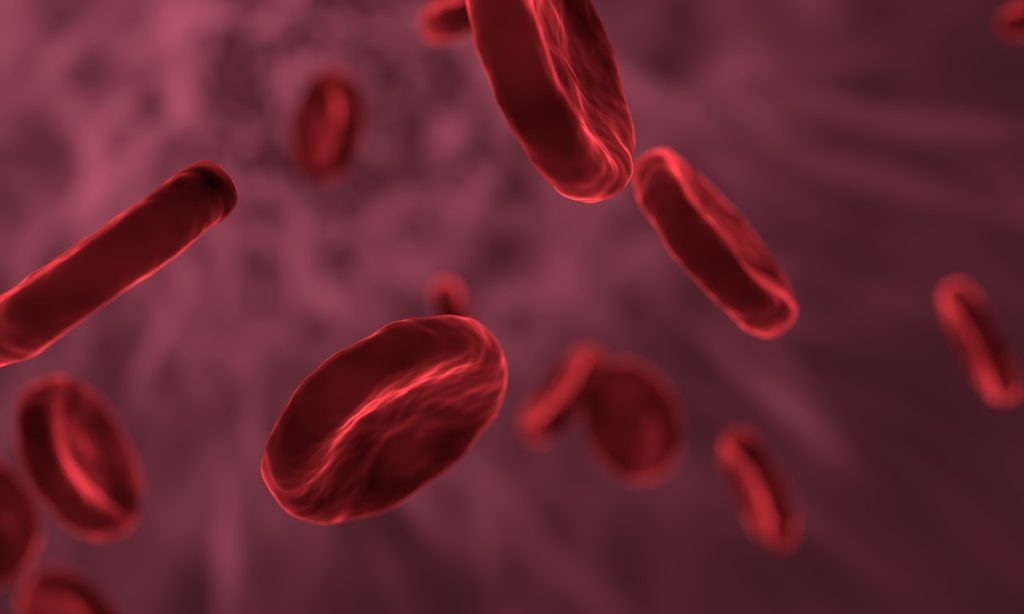
Red blood cells
Source: Pixabay

Every year around two million people die worldwide from haemorrhage, which accounts for more than 30% of trauma deaths. Medical glue, often used to stop the bleeding, is ineffective if the site is too wet or if the site can’t be compressed. But marine animals like mussels and flatworms are able to bond to surfaces underwater, inspiring researchers to develop a medical adhesive, which they describe in Nature Communications.

“When applied to the bleeding site, the new adhesive uses suction to absorb blood, clear the surface for adhesion, and bond to the tissue providing a physical seal. The entire application process is quick and pressure-free, which is suitable for non-compressible haemorrhage situations, which are often life-threatening,” says lead author Guangyu Bao, a recently graduated PhD student under the supervision of Professor Jianyu Li of Department of Mechanical Engineering.

Testing out the their new technology, the researchers found that the adhesive promotes blood coagulation. The adhesive can also be removed without causing re-bleeding or even left inside the body to be absorbed. “Our material showed much better-improved safety and bleeding control efficiency than other commercial products. Beyond bleeding control, our material could one day replace wound sutures or deliver drugs to provide therapeutic effects,” said senior author Professor Jianyu Li.

Source: McGill University

After Sepsis, Children are at Risk of New Medical Conditions

Source: Pixabay CC0

Even months after being critical ill with sepsis, children are at risk for new or worsening medical conditions, suggests a study in JAMA Pediatrics. The researchers found that a fifth of children in a nationwide US cohort either developed or experienced progressing disease within six months of leaving the intensive care unit for sepsis.

Researchers compared data from 5150 children who received ICU care for sepsis to 96 361 who experienced critical illness from other conditions. Those with sepsis were more likely to later experience chronic respiratory failure, problems requiring nutritional dependence and chronic kidney disease. Both groups also had a risk of developing a seizure disorder.

“Children who survive severe sepsis are at risk of long-term health consequences that impact their quality of life and future health needs,” said lead author Erin Carlton, MD, MSc, a paediatric intensivist at University of Michigan Health C.S. Mott Children’s Hospital.

Not all children who recover from critical illness from sepsis are impacted equally, the study suggests. Those with pre-existing illnesses were three times more likely to experience new or worsening disease.

Meanwhile, younger children, especially under twelve months old, were twice as likely to require supplemental nutrition, such as needing a feeding tube, or develop a new seizure condition such as epilepsy, than older children.

Sepsis, where an out-of-control immune response to infection damages vital organs, is a leading cause of death among children and newborns. In the US, 70 000 children in the are hospitalised with sepsis annually.

“Many children who require critical care for sepsis have debilitating physical, cognitive or emotional challenges long after recovery,” Dr Carlton said. “Our findings suggest a need for improved follow up care focused on identifying and treating new or worsening medical conditions.”

Source: Michigan Medicine – University of Michigan

Inflammatory Breast Cancer More Likely to Metastasise to the Brain

Source: National Cancer Institute

Higher rates of brain metastases in patients with inflammatory breast cancer, a rare subtype of breast cancer, have been observed in studies, but detailed information is lacking. Now, a new study published in CANCER indicates that patients inflammatory breast cancer face a higher risk that their cancer will metastasise to the brain.

To provide insights into the incidence and risk factors for brain metastases in this patient population, Laura E.G. Warren, MD, and colleagues analysed data on 372 patients with stage III inflammatory breast cancer and 159 with stage IV inflammatory breast cancer. 

Over a median follow-up of five years, the incidence of brain metastases at one, two, and five years was 5%, 9%, and 18% among patients who presented with stage III disease, and 17%, 30%, and 42% among those with stage IV disease. Patients with triple-negative breast cancer faced a particularly high risk, and when they did experience brain metastases, their survival time was shorter than those with hormone receptor–positive or HER2-positive breast cancer who experienced brain metastases. Higher risks of brain metastases were also seen in patients whose cancer had metastasised to other parts of the body besides the brain, especially when this occurred at a young age. 

“The relatively high incidence of brain metastases seen in the study population highlights the need for future research on the potential role for surveillance brain imaging for high-risk patients. There is an open, phase II, single arm study at Dana-Farber Cancer Institute examining this question,” said Dr. Warren. “It also emphasises the need to obtain brain imaging in patients with inflammatory breast cancer presenting with neurologic symptoms given the high incidence of brain metastases in this population.” Most patients in this study who were diagnosed with brain metastases had neurologic symptoms, but because some patients may have undetected, asymptomatic brain metastases, the true incidence in patients with inflammatory breast cancer is likely even higher than what Dr Warren and her colleagues observed. 

An accompanying editorial notes that when considering whether to implement routine brain imaging tests in patients with inflammatory breast cancer, it will be important to determine whether earlier detection of brain metastases leads to improvements in both survival and quality of life.

Source: Wiley

Silver Lining for Titanium Implants Reduces Infection Risk

Photo by Mehmet Turgut Kirkgoz on Unsplash

A novel method of coating titanium implants for orthopaedic and trauma surgery promises to reduce infection complications, according to a paper published in Langmuir: The ACS Journal of Fundamental Interface Science.

Infection remains a major complication when implants such as screws and plates are embedded into people during procedures like joint replacement surgery and spinal fusion surgery. Most infections occur because the devices’ titanium implant surfaces have poor antibacterial and osteoinductive properties, despite titanium possessing the highest biocompatibility of all metals.

Assistant Professor Rahim Rahimi at Purdue University has developed a process which immobilises silver onto the implant surfaces of titanium orthopaedic devices to improve their antibacterial properties and cellular integration. The process can be implemented onto many currently utilised metal implant surfaces.

The antibacterial efficacy of laser-nanotextured titanium surfaces with laser-immobilised silver was tested against both gram-positive (Staphylococcus aureus) and gram-negative (Escherichia coli) bacteria. The surfaces retained efficient and stable antimicrobial properties for more than six days. The laser-nanotextured titanium surfaces also provided a 2.5-fold increase in osseointegration properties compared with a pristine titanium implant surface.

“The first step of the two-step process creates a hierarchical nanostructure onto the titanium implant surface to enhance the bone cells’ attachment,” A/Prof Rahimi said. “The second step immobilises silver with antibacterial properties onto the titanium implant surface.

“The technology allows us to not only immobilise antibacterial silver compounds onto the surface of the titanium implants but also provide a unique surface nanotexturing that allows better settle attachment mineralisation.

“These unique characteristics will allow improving implant outcomes, including less risk of infection and fewer complications like device failure.”

A/Prof Rahimi said the traditional method to address infections caused by implanted orthopaedic devices often utilises antibiotics or other surface modifications that have their own associated complications.

“Long-term antibacterial protection is not possible with these traditional drug coatings because a large portion of the loaded drug is released in a short time,” Rahimi said. “There also is often a mixture of microbes that are found in implant-associated infection; it is essential to choose a bactericidal agent that covers a broad spectrum.”

Source: Purdue University

World Food Day (16/10) Highlights SU Study on Meat Alternatives for Africa

Photo by Nico Smit on Unsplash

It’s estimated that the majority of the expected 73% increase in the global demand for meat by 2050 will come from sub-Saharan Africa (SSA). Since human and environmental health concerns are likely to become more prominent with this increased consumption, plant-based meat alternatives have been touted as a possible alternative. But it may take some time before consumers in the region substitute their juicy steak of chicken wings for a vegan burger.

A review on plant-based meat alternatives in SSA published recently in Scientific African shows that before there can be any large-scale adoption of plant-based meat products in the region, we will first have to determine the social implications of eating less meat, the barriers to eating plant-based meat analogues, consumers’ acceptance of these products, and strategies that could get people to supplement their meat intake with plant-based alternatives. Plant-based meat analogues are foods designed to mimic the appearance, flavour, and texture of meat products. These can include, among others, burgers, sausages, nuggets, mince and meatballs.

The review was conducted by Omamuyovwi Gbejewoh and Dr Jeannine Marais from the Department of Food Science at Stellenbosch University and Dr Sara Erasmus from the Food Quality & Design Group at Wageningen University & Research in The Netherlands. They examined the available literature on the production and consumption of plant-based meat alternatives by searching the Web of Science and Scopus databases for academic papers and Google for news or popular articles.

Ahead of World Food Day on 16 October, the researchers say their review has shown that there are certain barriers to consumers’ acceptance of plant-based meat analogues even though worldwide, plant-based meat product sales accounted for $12.1 billion in 2019 and are likely to increase by 15% to reach $27.9 billion by 2025 and $149 billion by 2029. They do point out, however, that different versions of plant-based meat products have been available in South Africa and the rest of SSA over the past 25 years.

Barriers

“Consumers’ preference for meat is the most significant barrier to eating plant-based meat products or following a plant-based diet. In addition, meat has important socio-cultural connotations such as status, power, hierarchy, and subjugation of others.

“For example, studies in Zambia revealed that eating and sharing of meat, and even the type of meat that is served connote economic prosperity, power and respect. Chicken was more popular for regular consumption and entertaining guests because it is more readily accessible and relatively cheaper. On the other hand, beef is reserved for important visitors and landmark celebrations as it usually implies wealth because it is more expensive and usually eaten by well-to-do households.

“Other studies found that different ethnic groups in South Africa have various meat cuisines made from different types of domesticated and free-roaming wild animals.”

The researchers add that price is another significant barrier to the adoption of plant-based meat.

“In South Africa, for example, plant-based meat alternatives are considered expensive niche products associated with status and class.”

When it comes to the environmental and health risks associated with eating meat from domesticated animals regularly, the researchers point out that while consumers will acknowledge these risks, they are still unlikely to eat less meat. This phenomenon is known as the “meat paradox”.

‘Halo effect’

“Our review has shown that the ‘halo effect’ (consumers’ perception that plant products are more environmentally friendly) afforded to plant-based meat is not completely warranted because researchers are (un)knowingly discounting the processed nature of meat alternatives in any environmental or health risk assessment.”

“While the reduced environmental impacts of meat alternatives are apparent, a ‘cradle to grave’ environmental assessment needs to be carried out to ensure that the environmental burden is not shifted to other stages of the production cycle.”

The researchers say the review also found that plant-based meat products are similar in nutrient composition to meat, although differences in essential nutrients warrants caution.

“In terms of nutritional composition between traditional meat and meat alternatives, there is inconclusive evidence on which is healthier.”

According to them, the available literature is replete with strategies to reduce traditional meat consumption and to try plant-based meat alternatives. These include, among others, meatless days, partially substituting traditional meat with plant-based ingredients (e.g., “hybrid burgers”), cultural and lifestyle changes, food labelling, consumer education, and taxes on traditional meat or subsidies on plant-based meat.

“However, some of these strategies are not without drawbacks. For instance, food labels on the health and environmental benefits of plant-based meat may contain too much information that could confuse the consumer.

“If consumers in SSA are to be convinced to eat less meat and/or substitute it for plant-based alternatives, the latter should not be marketed as a replacement for traditional meat products but as a complement. Marketing strategies should be tailored to different sections of consumers because such a contextual approach is bound to provide more favourable and long-term results than a ‘one- size-fit-all strategy.”

The researchers emphasise the need for a comprehensive environmental and health impact assessment of meat alternatives in the region.