In the journal Molecular Therapy, researchers report that it may be possible to heal wounds by using a healing protein that is active in foetuses, but largely inactive in adults and absent in diabetic adults.
“We already know from previous studies at other institutions that if a foetus is wounded, it can regenerate the tissue, or repair it to be like new,” said Chandan K. Sen, PhD, at Indiana University School of Medicine. “But after birth, such regenerative wound healing ability is lost. Healing in adults is relatively inefficient often associated with undesirable scar formation.”
In the study, the team focused on a protein called nonselenocysteine-containing phospholipid hydroperoxide glutathione peroxidase, or NPGPx. NPGPx is active in foetal tissue but becomes mostly inactive in the skin after birth.
“Nature essentially hides this foetal regenerative repair pathway in the adult body,” Sen said. “We spotted its absence, and then activated it to improve healing of diabetic wounds.”
Researchers used tissue ‘nanotransfection’ technology to deliver the NPGPx gene to the wound site. Diabetic wounds, which are complicated skin injuries in people with diabetes, are particularly difficult to treat and often lead to amputations or other complications because of how easily they can become infected.
“This is an exciting new approach to harness foetal repair mechanisms to close diabetic wounds in adults,” Sen said. “The study results show that while NPGPx has been known to be abundant in the foetal skin, but not after birth, it can be reactivated in the skin after an injury. We look forward to continued study aiming to achieve a more complete regenerative repair by improving our understanding of how NPGPx functions.”
Reproduction permanently alters the skeletons of females in ways not previously known, a team of anthropologists has concluded from research findings published in PLOS ONE. This discovery, based on an analysis of primates, sheds new light on how giving birth can permanently change the body.
“Our findings provide additional evidence of the profound impact that reproduction has on the female organism, further demonstrating that the skeleton is not a static organ, but a dynamic one that changes with life events,” explains Paola Cerrito, who led the research as a doctoral student in NYU’s Department of Anthropology and College of Dentistry.
Specifically, the researchers found that calcium, magnesium, and phosphorus concentrations are lower in females who have experienced reproduction. These changes are linked to giving birth itself and to lactation.
However, they caution that while other clinical studies show calcium and phosphorus are necessary for optimal bone strength, the new findings do not address overall health implications for either primates or humans. Rather, they say, the work illuminates the dynamic nature of our bones.
“A bone is not a static and dead portion of the skeleton,” notes NYU anthropologist Shara Bailey, one of the study’s authors. “It continuously adjusts and responds to physiological processes.”
It’s been long-established that menopause can have an effect on females’ bones. Less clear is how preceding life-cycle events, such as reproduction, can influence skeletal composition. To address this, the researchers studied the primary lamellar bone, the main type of bone in a mature skeleton. This aspect of the skeleton is an ideal part of the body to examine because it changes over time and leaves biological markers of these changes, allowing scientists to monitor alterations during the life span.
The researchers examined the growth rate of lamellar bone in the femora, or thigh bones, of both female and male primates who had lived at the Sabana Seca Field Station in Puerto Rico and died of natural causes. Veterinarians at the field station had monitored and recorded information on these primates’ health and reproductive history, allowing the researchers to match bone-composition changes to life events with notable precision.
Cerrito and her colleagues used electron microscopy and energy-dispersive X-ray analysis to calculate changes in concentrations of calcium, phosphorus, oxygen, magnesium, and sodium in the primates’ bones.
Their results showed different concentrations of some of these elements in females who gave birth compared males as well as females who did not give birth. Specifically, in females who gave birth, calcium and phosphorus were lower in bone formed during reproductive events. Moreover, there was a significant decline in magnesium concentration during these primates’ breastfeeding of infants.
“Our research shows that even before the cessation of fertility the skeleton responds dynamically to changes in reproductive status,” says Cerrito, now a research fellow at ETH Zurich. “Moreover, these findings reaffirm the significant impact giving birth has on a female organism – quite simply, evidence of reproduction is ‘written in the bones’ for life.”
A population-based observational study has shown that babies suffering oxygen-deficiency complications at birth are almost twice as likely to develop cardiovascular disease in childhood or early adulthood, though such conditions are rare in youth. The findings are published in the journal The Lancet Regional Health – Europe.
According to the Karolinska Institutet researchers, the study could be the first of its kind to examine how complications related to asphyxiation at birth, which affects four million babies annually, affects the risk of cardiovascular disease later in life. Previous research has mostly concentrated on the association between asphyxia in the neonatal period and brain development.
Despite the relatively high risk, the absolute number of babies who suffer from cardiovascular disease despite asphyxiation at birth is very low. After the 30-year follow-up period, only 0.3% of those with asphyxia-related complications had a cardiovascular diagnosis, compared with 0.15% of those without complications.
Since the study was observational, the researchers are unable to establish any causality or propose any underlying mechanisms.
Largest risk increase for stroke and heart failure
The study followed over 2.8 million individuals born in Sweden between 1988 and 2018, of whom 31 419 suffered asphyxia-related complications at birth. A total of 4165 cases of cardiovascular disease were identified during the follow-up period. The increase in risk was particularly salient for stroke and heart failure, as well as for atrial fibrillation. The researchers took into account potential confounders such as birth weight and maternal lifestyle.
“Even if the absolute risk of cardiovascular disease is low at a young age, our study shows that asphyxia-related complications at birth are associated with a higher risk of cardiovascular disease later in life,” says the study’s corresponding author Neda Razaz, assistant professor at the Department of Medicine, Solna, Karolinska Institutet.
After being treated with a course of blue light exposure in the morning, people with post-traumatic stress disorder (PTSD) experienced better sleep, a reduction in the severity of PTSD symptoms and had more effective treatments overall, according to a new study recently published in Frontiers in Behavioral Neuroscience.
Sleep is crucial for maintaining physical and mental health, and inadequate sleep over time can impact all aspects of life with serious implications for long-term health, relationships, cognitive abilities such as learning, and healing.
The influence of sleep disruption on PTSD symptom severity is well established. Those who seek treatment to allay their PTSD symptoms often face a vicious cycle where poor sleep interferes with the effectiveness of treatments, negating any lessening of symptoms, which in turn contributes to sleep disruptions. To reduce and eliminate the emotional impact of traumatic memories, the patient needs quality sleep to integrate healing mechanisms achieved through cognitive or exposure therapy treatments.
“This research is exciting and unique because it points to an easy-to-use method for helping those with PTSD to retain the benefits of therapy long after the treatment ends,” said psychiatry professor William “Scott” Killgore, PhD, senior author on the paper, “Morning blue light treatment improves sleep complaints, symptom severity, and retention of fear extinction memory in post-traumatic stress disorder.”
Dr Killgore and the SCAN Lab team conducted a comprehensive assessment of daily morning blue-wavelength light exposure on individuals with clinically significant levels of PTSD. The goal was to ascertain if blue light therapy would help improve sleep and PTSD symptoms and sustain learned fear extinction memories, an analogue of therapeutic treatment for trauma.
Study participants committed to 30 minutes of morning light exposure daily for six weeks, with half of the participants using blue-wavelength light and half using amber light. Researchers examined the neurobiological, autonomic and behavioural outcome changes during the study.
The 43 participants who received blue light therapy not only demonstrated significant improvements in the severity of their PTSD symptoms, but also reported improvements in sleep and showed an increased retention of fear extinction memories. The control 39 controls receiving amber light did not show the same retention of the extinction memories, but rather showed a return of the original fear memories.
“While the limitations of the research include its modest sample size and difficulties monitoring compliance, the possibilities of utilising a treatment that is relatively simple, drug-free and inexpensive can offer hope for the large population of people living with the intense challenges of post-traumatic stress disorder,” Dr Killgore said.
In a world first, scientists have witnessed the fusion two viruses, influenza A virus (IAV) and respiratory syncytial virus (RSV), forming a single, hybrid virus particle (HVP). The discovery was published in Nature Microbiology.
Viruses often share tropism for the same system, such as respiratory viruses preferentially infecting the respiratory system. Coinfections by more than one virus represent between ~10–30% of all respiratory viral infections and are common among children. The clinical impact of viral coinfections is unclear: while some studies indicate that coinfections do not alter the outcome of disease, others report increased incidence of viral pneumonia.
Though evidence suggests virus–virus interactions play an important role in virus dynamics and transmission, viruses are typically studied in isolation. Recent work showed that interactions among respiratory viruses occur and have impacts at multiple levels, from populations, to individuals and tissues. However, studies characterising direct virus–virus interactions within cells are scarce. Here we report previously unknown interactions between IAV and RSV, two clinically important respiratory viruses that belong to different taxonomical families.
To investigate virus–virus interactions, the researchers infected human lung cells with both influenza A virus (IAV) and respiratory syncytial virus (RSV). Using super-resolution microscopy, live-cell imaging, scanning electron microscopy and cryo-electron tomography, the researchers found extracellular and membrane-associated filamentous structures consistent with hybrid viral particles (HVPs).
The researchers found that HVPs harbour surface glycoproteins and ribonucleoproteins of IAV and RSV. HVPs use the RSV fusion glycoprotein to evade anti-IAV neutralising antibodies and infect and spread among cells lacking IAV receptors. Finally, we show that IAV and RSV coinfection in primary cells of the bronchial epithelium results in viral proteins from both viruses latching on together at the apical cell surface.
“Our observations define a previously unknown interaction between respiratory viruses that might affect virus pathogenesis by expanding virus tropism and enabling immune evasion,” the researchers wrote.
“This kind of hybrid virus has never been described before,” virologist and senior author Pablo Murcia toldThe Guardian. “We are talking about viruses from two completely different families combining together with the genomes and the external proteins of both viruses. It is a new type of virus pathogen.”
When IAV and RSV coinfect, IAV becomes more infectious, infecting a wider array of human cells. Carrying the RSV surface proteins, IAV was able to better evade the immune system. The HVP also spread into cells lacking influenza receptors, letting it progress further down the respiratory tract.
The relationship is not mutually beneficial for the viruses as RSV loses potency. Overall though, pilfering another virus’s tools could play a role in viral pneumonia.
“RSV tends to go lower down into the lung than the seasonal flu virus, and you’re more likely to get more severe disease the further down the infection goes,” said Dr Stephen Griffin, a virologist at the University of Leeds who was not involved in the study.
“It is another reason to avoid getting infected with multiple viruses, because this [hybridisation] is likely to happen all the more if we don’t take precautions to protect our health,” he added.
The researchers also found that the combination of viruses was important; IAV did not form an effective hybrid with rhinovirus.
A multi-institution study has found that iron drives the formation of fatty tissue in the heart and leads to chronic heart failure in about 50% of myocardial infarction (MI) survivors. The discovery, recently published in Nature Communications, paves the way for treatments that have the potential to prevent heart failure.
“For the first time, we have identified a root cause of chronic heart failure following a heart attack,” said study leader Rohan Dharmakumar, PhD, of Indiana University School of Medicine.
“While advances across populations have made survival after a heart attack possible for most, too many survivors suffer long-term complications like heart failure,” said Subha Raman, MD, who is physician director of the Cardiovascular Institute. “Dr. Dharmakumar’s breakthrough science illuminates who is at risk and why and points to an effective way to prevent these complications.”
The study followed large animal models over six months. In MI with bleeding complications, scar tissue is slowly replaced by fat. Fatty tissue can’t push blood from the heart effectively, and this is what leads to heart failure and eventually to death in many survivors of haemorrhagic MI, Dharmakumar said.
“Using noninvasive imaging, histology and molecular biology techniques, and various other technologies, we have shown that iron from red blood cells is what drives this process,” he explained. “When we removed the iron, we reduced the amount of fat in the heart muscle. This finding establishes a pathway for clinical investigations to remedy or mitigate the effects associated with iron in haemorrhagic myocardial infarction patients.”
Dharmakumar’s team is currently testing iron chelation therapy to do just that in a just-launched clinical trial.
“Thanks to a clinical trial underway being led by his team at Indiana University, I’m excited to see this treatment improve the lives of millions of heart attack survivors worldwide,” said Raman.
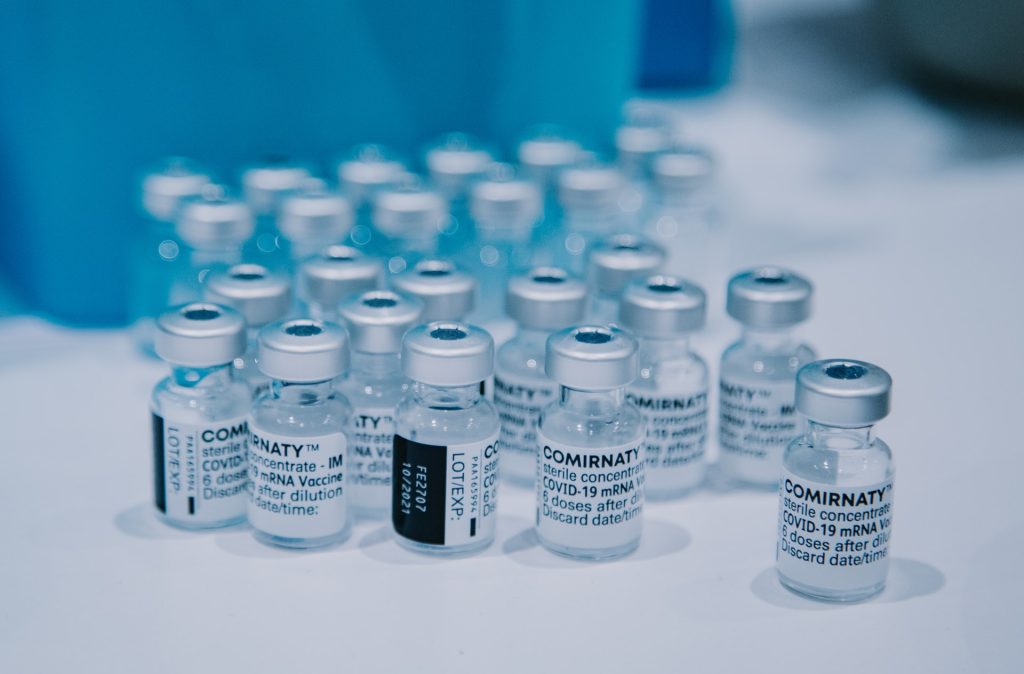
The European Medicines Agency (EMA) recommended that heavy menstrual bleeding should be added to the product information as a side effect of unknown frequency of the mRNA COVID vaccines Comirnaty (Pfizer/BioNtech) and Spikevax (Moderna).
Heavy menstrual bleeding may be defined as bleeding characterised by an increased volume and/or duration which interferes with the person’s physical, social, emotional and material quality of life. Cases of heavy menstrual bleeding have been reported after the first, second and booster doses of Comirnaty and Spikevax.
The EMA’s Pharmacovigilance Risk Assessment Committee (PRAC) assessed this safety signal after reviewing the available data, including cases reported during clinical trials, cases spontaneously reported in Eudravigilance and findings from the medical literature.
After a review of the available data, the PRAC concluded that there is at least a reasonable possibility that the occurrence of heavy menstrual bleeding is causally associated with these vaccines and therefore recommended the update of the product information.
The available data reviewed involved mostly cases which appeared to be non-serious and temporary in nature.
There is no evidence to suggest the menstrual disorders experienced by some people have any impact on reproduction and fertility. Available data provides reassurance about the use of mRNA COVID vaccines before and during pregnancy. A review carried out by EMA’s Emergency Task Force showed that mRNA COVID vaccines do not cause pregnancy complications for expectant mothers and their babies, and they are as effective at reducing the risk of hospitalisation and deaths in pregnant people as they are in non-pregnant people.
Surgical care experts published two important studies in The Lancet that will help to provide safer surgery for thousands of patients around the world – particularly in Low- and Middle-income Countries (LMIC) such as South Africa.
Researchers found that routinely changing gloves and instruments just before closing wounds could significantly reduce Surgical Site Infection (SSI), the most common post-operative complication. This switch could prevent as many as 1 in 8 cases of SSI.
Secondly, they tested a new toolkit that can make hospitals better prepared for pandemics, heatwaves, winter pressures and natural disasters that could reduce cancellations of planned procedures around the world.
Surgical infections
Patients in LMICs are disproportionately affected by wound infections. The ChEETAh trial was run in Benin, Ghana, India, Mexico, Nigeria, Rwanda and South Africa. With the publication of their findings in The Lancet, researchers are calling for the practice to be widely implemented – particularly in LMICs.
Co-author Mr Aneel Bhangu, from the University of Birmingham, commented: “Surgical site infection is the world’s most common postoperative complication – a major burden for both patients and health systems. Our work demonstrates that routine change of gloves and instruments is not only deliverable around the world, but also reduced infections in a range of surgical settings. Taking this simple step could reduce SSIs by 13% – simply and cost-effectively.”
Patients who develop SSI experience pain, disability, poor healing with risk of wound breakdown, prolonged recovery times and psychological challenges. In health systems where patients have to pay for treatment this can be a disaster and increases the risk of patients being plunged into poverty after their treatment. The simple and low-cost practice of changing your gloves and instruments just before closing the wound is something which can be done by surgeons in any hospital around, meaning a huge potential impact.
Surgical Preparedness Index
Experts from the NIHR Global Research Health Unit on Global Surgery also unveiled their ‘Surgical Preparedness Index’ (SPI) in The Lancet. This is a key study assessing the extent to which hospitals around the world were able to continue elective surgery during COVID.
Researchers identified different features of hospitals that made them more or less ‘prepared’ for times of increased pressure. Using COVID as an important example, they highlighted that health systems are put under stress for all sorts of reasons each year – from seasonal pressures to natural disasters, and warfare. A team of clinicians from 32 countries designed the SPI which scores hospitals based on their infrastructure, equipment, staff, and processes used to provide elective surgery. The higher the resulting SPI score, the more prepared a hospital is for disruptions.
After creating the SPI tool, the experts asked 4714 clinicians in 1632 hospitals across 119 countries to assess the preparedness of their local surgical department. Overall most hospitals around the world were poorly prepared, and suffered a big drop in the number of procedures they were able to provide during COVID. A 10-point increase in the SPI score corresponded to four more patients that had surgery per 100 patients on the waitlist.
Lead author Mr. James Glasbey, from the University of Birmingham, commented: “Our new tool will help hospitals internationally improve their preparation for external stresses ranging from pandemics to heatwaves, winter pressures and natural disasters. We believe it help hospitals to get through their waiting lists more quickly, and prevent further delays for patients. The tool can be completed easily by healthcare workers and managers working in any hospital worldwide – if used regularly, it could protect hospitals and patients against future disruptions.”
Professor Dion Morton, Barling Chair of Surgery at the University of Birmingham and Director of Clinical Research at the Royal College of Surgeons of England commented: “Although not all postoperative deaths are avoidable, many can be prevented by increasing investment in research, staff training, equipment, and better hospital facilities. We must invest in improving the quality of surgery around the world.”
The urge to vomit after eating contaminated food is the body’s natural defensive response to get rid of bacterial toxins. However, exactly how the brain initiates the response has remained a mystery. Now, researchers have mapped out the detailed neural pathway of the defensive responses from the gut to the brain in mice. The study, published in the journal Cell, could help scientists develop better anti-nausea medications for cancer patients who undergo chemotherapy.
Many foodborne bacteria produce toxins in the host after ingestion. After sensing their presence, the brain will initiate a series of biological responses, including vomit and nausea, to expel the substances and develop an aversion toward foods that taste or look the same.
“But details on how the signals are transmitted from the gut to the brain were unclear, because scientists couldn’t study the process on mice,” says Peng Cao, the paper’s corresponding author at the National Institute of Biological Sciences in Beijing. Rodents cannot vomit, so scientists have been studying vomit in other animals like dogs and cats, but these animals are not comprehensively studied and thus failed to reveal the mechanism of nausea and vomiting. However, Cao and his team noticed that while mice don’t vomit, they retch – meaning they also experience the urge to vomit without throwing up.
The team found that after receiving Staphylococcal enterotoxin A (SEA), which is a common bacterial toxin produced by Staphylococcus aureus that also leads to foodborne illnesses in humans, mice developed episodes of unusual mouth opening. Mice that received SEA opened their mouths at angles wider than those observed in the control group, where mice received saline water. Moreover, during these episodes, the diaphragm and abdominal muscles of the SEA-treated mice contract simultaneously, a pattern seen in dogs when they are vomiting. During normal breathing, animals’ diaphragm and abdominal muscles contract alternatively.
“The neural mechanism of retching is similar to that of vomiting. In this experiment, we successfully build a paradigm for studying toxin-induced retching in mice, with which we can look into the defensive responses from the brain to toxins at the molecular and cellular levels,” Cao says.
In mice treated with SEA, the team found the toxin in the intestine activates the release of serotonin, a type of neurotransmitter, by the enterochromaffin cells on the lining of the intestinal lumen. The released serotonin binds to the receptors on the vagal sensory neurons located in the intestine, which transmits the signals along the vagus nerves from the gut to a specific type of neurons in the dorsal vagal complex – Tac1+DVC neurons – in the brainstem. When Cao and his team inactivated the Tac1+DVC neurons, SEA-treated mice retched less compared with mice with normal Tac1+DVC neuron activities.
In addition, the team investigated whether chemotherapy drugs, which also induce defensive responses like nausea and vomiting in recipients, activate the same neural pathway. They injected mice with doxorubicin, a common chemotherapy drug. The drug made mice retch, but when the team inactivated their Tac1+ DVC neurons or serotonin synthesis of their enterochromaffin cells, the animals’ retching behaviours were significantly reduced.
Cao says some of the current anti-nausea medications for chemotherapy recipients, such as Granisetron, work by blocking the serotonin receptors. The study helps explain why the drug works.
“With this study, we can now better understand the molecular and cellular mechanisms of nausea and vomiting, which will help us develop better medications,” Cao says.
Next, Cao and his colleagues want to explore how toxins act on enterochromaffin cells. Preliminary research shows that enterochromaffin cells don’t sense the presence of toxins directly. The process likely involves complex immune responses of damaged cells in the intestine.
“In addition to foodborne germs, humans encounter a lot of pathogens, and our body is equipped with similar mechanisms to expel these toxic substances. For example, coughing is our body’s attempt to remove the coronavirus. It’s a new and exciting field of research about how the brain senses the existence of pathogens and initiates responses to get rid of them.” Cao says, adding that future research may reveal new and better targets for drugs, including anti-nausea medicines.
Fikile (Sr Fikx) Dikolomela-Lengene, a nurse activist says she has had a front-row seat to corruption unfolding in Gauteng’s public health sector. PHOTO: Supplied/Facebook
Fiery nurse activist Fikile Dikolomela-Lengene says she has had a front-row seat to corruption unfolding in Gauteng’s public health sector, and she is not afraid to speak out.
Dikolomela-Lengene grew up in the corridors of Chris Hani Baragwanath Academic Hospital in Soweto, Johannesburg – Africa’s largest health facility.
The youngest of nine siblings and the only daughter, her father died when she was three years old. After this, her mother, a nurse at Baragwanath Hospital, would take her along to work.
“There were times when my mum didn’t have a nanny so she would take me to Bara [a nickname among healthcare workers for Baragwanath], where she worked in the same surgery theatre for 40 years,” says Dikolomela-Lengene. “I was actually sleeping on stretcher beds. I would accompany her to go fetch patients. This was a single mom with a little girl and nobody to look after her and she needed to work.”
At the hospital, a young Dikolomela-Lengene grew inspired to become a nurse, while cultivating her first inkling of justice. “I saw what was happening, and I thought, this is something I would like to do,” she says. “It came with a lot of context of the profession. I mean, I saw my mom and how the profession didn’t upskill her, how she suffered because of having a child, the shifts, and all of that. And I think it’s where the love for professional activism came in. To say, if I go into this profession, I wanted to be in a place where I could influence change.”
Nurse activist
Today, with a string of qualifications behind her name, including a Bachelor’s degree in nursing from North West University and a Mandela Washington Fellowship for Young African Leaders, 36-year-old Dikolomela-Lengene describes herself as a “nurse activist” and calls herself ‘Sr Fikx’ because she is passionate about influencing change in the public health sector. Currently based at the Stretford Community Health Centre – which serves the township of Orange Farm in the south of Johannesburg – she is passionate about HIV care and heads several public health campaigns at community level.
“What is interesting to me is the non-acquiring of condoms, today in an era when HIV is so rife
Commenting on the report findings of the Stop Stockouts Project (the SSP monitors shortages in essential medicines across South Africa) launched in August, Dikolomela-Lengene laments the shortfall of contraceptives – particularly injectable contraceptives and condoms – in the country’s public health sector.
“What is interesting to me is the non-acquiring of condoms, today in an era when HIV is so rife,” she says. “We ran out of [government-issued] condoms in May. And they actually don’t even have a new tender yet. And this shocked me. We should plan, right?”
She points out the ripple effects of this shortfall, such as an increase in required abortions. “Since there are none of these types of contraceptives, how has it impacted on our TOP [termination of pregnancy] services, you know? Especially in clinics where these services are burdened as it stands?”
“rot of corruption”
Dikolomela-Lengene says “the rot” of corruption in Gauteng’s health sector runs deep.
In 2015, she was a founding member of The Young Nurses Indaba Trade Union (YNITU), which represented over 10 000 workers, who pay R70 per month for membership.
Speaking to Spotlight, Dikolomela-Lengene alleges that the union’s leadership was “hijacked” at a congress in October last year and that millions of rands from the union’s coffers disappeared. In the midst of the clash, the union’s FNB business account was frozen in November 2021. However, allegedly membership fees are still being paid into private accounts. AmaBhungane reported on the alleged hijacking of the trade union in September. The new leadership rejected claims of wrong-doing.
In February this year, Dikolomela-Lengene and fellow former union leaders put the allegations before the Department of Labour. “We told them we need assistance because the union is hijacked and is being used for activities that currently… we actually don’t even know what is happening,” she says.
Dikolomela-Lengene adds that the union had been given notice to deregister on September 28. She will continue to meet with the Department of Labour. “Let me just say it’s been a hassle,” she adds. (AmaBhungane reported on the deregistration here.)
Last year in August, Gauteng health official Babita Deokaran was assassinated shortly after flagging up to R850 million in suspicious payments authorised at Tembisa Hospital in Johannesburg. (Spotlight earlier asked the new Gauteng Health MEC Nomantu Nkomo-Ralehoko about the alleged corruption flagged by Deokaran and other corruption-related issues here.)
According to media reports, one of the people accused of capturing the YNITU – Lerato Mthunzi – is the wife of embattled Tembisa Hospital chief executive officer (CEO), Ashley Mthunzi, who was suspended on August 26 over allegations of widespread corruption – including R498 000 of the hospital budget spent on 200 pairs of skinny jeans. After his suspension, one of Mthunzi’s notable supporters had been the nursing union, now headed by his wife. Mthunzi (Lerato) has denied any wrongdoing.
‘defending and defending’
During the interview with Spotlight, Dikolomela-Lengene shakes her head, laughing. “I’m laughing, you know because it’s so sad. People are defending and defending, but there’s a family here that lost somebody. There are kids currently who don’t have a mother because there are people in positions who don’t want to do their job.
“You get to ask yourself, who authorises codes for jeans, skinny jeans, in a hospital?
“I don’t know how they’re going to get rid of corruption in health in Gauteng. You get to ask yourself, who authorises codes for jeans, skinny jeans, in a hospital? It’s like somebody’s mocking the governance.
“You have to ask yourself, how many processes are there before payment is actually made? So all those processes were flawed, or were people in those processes flawed themselves? And then, you have condoms not being on tender. You start asking yourself [how are] people able to get money for jeans, but there’s no money for a tender for condoms?”
Looted
Shaking her head, Dikolomela-Lengene says the province’s health budget is being looted.
“We’re not going anywhere unless they actually bring a lot of people to account,” she says. “R850 million, imagine! I’m looking at my clinic. Our budget is around R20 million. How many clinics could have been revamped for R850 million? How many hospitals could have been looking A-class, private style, with that money? It is possible to revamp our clinics. It is possible to revamp our hospitals. There is money. There is money, but there is no political will.”
“into the lion’s den”
On Gauteng’s new health MEC Nomantu Nkomo-Ralehoko, Dikolomela-Lengene says, “We’ll see with the new MEC. The past two MECs disappointed us and they were both health professionals. (Nkomo-Ralehoko is not a healthcare professional by training).”
“I mean, having to fight with a patient because you don’t have a Panado. You don’t have Panado! A simple thing like that.
Nkomo-Ralehoko, in response to questions by Spotlight, vowed to act on recommendations by a Special Investigating Unit (SIU) currently conducting a forensic investigation into transactions at Tembisa Hospital.
“At this moment, I’m not going to be judgmental,” says Dikolomela-Lengene. “You know, we just want to see change. I mean, having to fight with a patient because you don’t have a Panado. You don’t have Panado! A simple thing like that. And as a nurse, you have to take the brunt of it. She’s [Nkomo-Ralehoko] going into a lion’s den. She will need a thick skin.”
Earlier this year, Dikolomela-Lengene was one of 700 young African leaders who studied in the United States for six weeks as Mandela Washington Fellows. She was placed at Howard University, which counts former US President Barack Obama among its alumni.
“It’s what we call a historically black college, one of the colleges that Barack Obama went to. So I think that was an honour on its own,” she says.
As part of her training, she got to shadow and even debate with high-ranking American government officials. “I learned a lot of skills, but what stood out was the ‘huddle system’. This is a programme whereby we have meetings more frequently so that changes can be made more frequently. I think in South Africa, we stick with things that are wrong for too long. If a policy isn’t working, we wait for five years. If a system isn’t working, we wait for five years. So with the huddle approach, you continuously monitor and make changes when things are not working.”
a “downgrade” in nurse training
Dikolomela-Lengene lives in Johannesburg but says she prefers not to divulge particulars due to safety concerns.
She did, however, share about her current reading material.
The book currently on her bedside table is ‘Who Ate My Cheese? The Road to Freedom’ by Rowland Rose – a gift from the United States embassy during her recent trip.
Another issue keeping Dikolomela-Lengene awake at night is South Africa’s nurse training curriculum. In 2019, she served on the ministerial task team that oversaw amendments brought to South Africa’s nurse training strategy, as chronicled in The National Strategic Direction for Nursing Education and Practice: A Road Map for Strengthening Nursing and Midwifery in South Africa (2020/21−2025/26).
“Our qualifications have been downgraded.
She is highly critical of this new strategy, calling it a “big mistake”, and effectively a “downgrade” in nurse training in the country.
“I’ve got a four-year diploma. I’ve got a one-year post-graduate, [and] I’ve got a three-year degree. I’m not even going to talk about the side courses I’ve done. There are more than ten. Can I tell you that I cannot access a university in South Africa? Our qualifications have been downgraded. I’ve got more than nine years of formal study and I can’t do my Masters [degree] because my accreditation has been brought two to one level lower,” says Dikolomela-Lengene.
“You’ve got academia and professors making a curriculum for nurses – not nurses. It’s shocking… So there is a big fight between the National Department of Health, the South African Nursing Council, which is the regulatory body of nursing, and the Department of Higher Education.”
The nurse activist says that her salary could triple if she moved from the public sector into private, but that she wouldn’t dream of such a step. “The passion I have for what I do is what fuels me,” she says. “And it’s effortless, you know? I love what I do. Whatever time they call me, I’m ready. I just show up – always.”
Republished from Spotlight under a Creative Commons 4.0 Licence. Read the original article here.