COVID Vaccination Protection Wanes Faster in People with Obesity

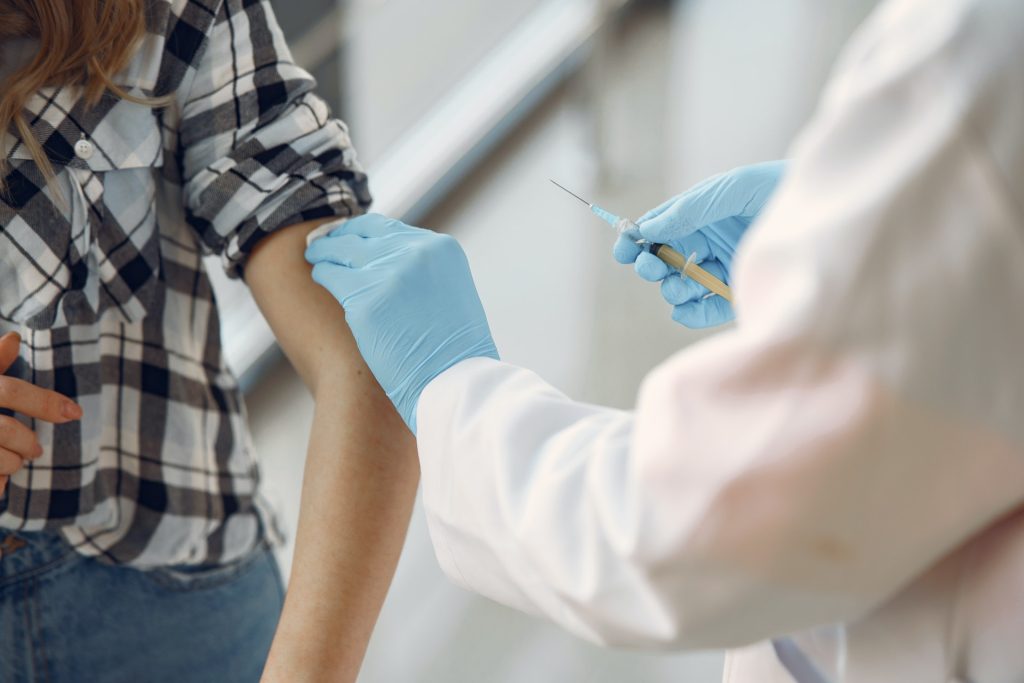
Antibodies by Pikisuperstar on Freepix

According to new research from the Universities of Cambridge and Edinburgh, COVID vaccination protection in people with severe obesity wanes faster than in people of normal weight. The study suggests that people with obesity are likely to need more frequent booster doses to maintain their immunity.

Previous studies on COVID vaccines have suggested that antibody levels may be lower in vaccinated people who have obesity and that they may remain at higher risk of severe disease than vaccinated people with normal weight. The reasons for this have, however, remained unclear.

This study, published in the journal Nature Medicine, shows that the ability of antibodies to neutralise the virus (their ‘neutralisation capacity’) declines faster in vaccinated people who have obesity. The findings have important implications for vaccine prioritisation policies around the world.

During the pandemic, people with obesity were more likely to be hospitalised, require ventilators and to die from COVID. In this study, supported by the NIHR Bioresource and funded by UKRI, the researchers set out to investigate how far two of the most extensively used vaccines protect people with obesity compared to those with a normal weight, over time.

A team from the University of Edinburgh looked at real-time data tracking the health of 3.5 million people in the Scottish population as part of the EAVE II study. They looked at hospitalisation and mortality from COVID in adults who received two doses of COVID vaccine (either Pfizer-BioNTech or AstraZeneca).

They found that people with severe obesity (a BMI > 40kg/m2) had a 76% higher risk of severe COVID outcomes, compared to those with a normal BMI. A modest increase in risk was also seen in people with obesity (30-39.9kg/m2), which affects a quarter of the UK population, and those who were underweight. ‘Break-through infections’ after the second vaccine dose also led to hospitalisation and death sooner (from 10 weeks) among people with severe obesity, and among people with obesity (after 15 weeks), than among individuals with normal weight (after 20 weeks).

University of Edinburg leader Prof Sir Aziz Sheikh said: “Our findings demonstrate that protection gained through COVID vaccination drops off faster for people with severe obesity than those with a normal body mass index. Using large-scale data assets such as the EAVE II Platform in Scotland have enabled us to generate important and timely insights that enable improvements to the delivery of COVID vaccine schedules in a post-pandemic UK.”

The University of Cambridge team studied people with severe obesity attending the Obesity clinic at Addenbrooke’s Hospital in Cambridge, and compared the number and function of immune cells in their blood to those of people of normal weight.

They studied people six months after their second vaccine dose and then looked at the response to a third ‘booster’ vaccine dose over time. The Cambridge researchers found that six months after a second vaccine dose, people with severe obesity had similar levels of antibodies to the COVID virus as those with a normal weight – but those antibodies were less effecctive.

The antibodies’ neutralisation capacity was reduced in 55% of individuals with severe obesity were found to have unquantifiable or undetectable ‘neutralising capacity’ compared to 12% of people with normal BMI.

“This study further emphasises that obesity alters the vaccine response and also impacts on the risk of infection,” said first author Dr Agatha van der Klaauw. “We urgently need to understand how to restore immune function and minimise these health risks.”

The researchers found that antibodies produced by people with severe obesity were less effective at neutralising the SARS-CoV-2 virus, potentially because the antibodies were not able to bind to the virus with the same strength.

When given a third (booster) dose of a COVID vaccine, neutralisation capacity was restored in both the normal weight and severely obese groups. But the researchers found that immunity again declined more rapidly in people with severe obesity, putting them at greater risk of infection with time.

Strong Link Between Polycyclic Aromatic Hydrocarbons and Rheumatoid Arthritis Risk

Photo by Kouji Tsuru on Pexels

Exposure to polycyclic aromatic hydrocarbons (PAH), formed from burning various substances such as coal, wood or tobacco, or from grilled meat, is strongly linked to a person’s risk of developing rheumatoid arthritis, suggests research published in the open access journal BMJ Open.

These chemicals also seem to account for most of smoking’s impact on risk of the disease, the findings indicate. Growing evidence links several environmental toxicants with various long term conditions. But few studies have looked at their association with inflammatory conditions, such as rheumatoid arthritis, which is thought to arise from an interplay between genes, sex, and age, and environmental factors, including smoking, nutrition, and lifestyle.

To try and shed some light on the potential role of environmental exposure on rheumatoid arthritis risk, the researchers drew on responses to the nationally representative US National Health and Nutrition Examination Survey (NHANES) between 2007 and 2016.

NHANES evaluates a wide variety of toxicants, including PAH; chemicals used in the manufacture of plastics and various consumer products (PHTHTEs); and volatile organic compounds (VOCs), derived from paints, cleaning agents, and pesticides, among other things; along with data related to health, nutrition, behaviours and the environment.

The study included 21 987 adults, 1418 of whom had rheumatoid arthritis and 20 569 of whom didn’t. Blood and urine samples were taken to measure the total amount of PAH (7090 participants), PHTHTEs (7024), and VOCs (7129) in the body.

The odds of rheumatoid arthritis were highest among those in the top 25% of bodily PAH levels, irrespective of whether or not they were former or current smokers.

After accounting for potentially influential factors, including dietary fibre intake, physical activity, smoking, household income, educational attainment, age, sex, and weight (BMI), only one PAH, 1-hydroxynaphthalene, was strongly associated with higher odds (80%) of the disease.

PHTHTE and VOC metabolites weren’t associated with heightened risk after accounting for potentially influential factors.

Somewhat surprisingly, however, smoking wasn’t associated with heightened rheumatoid arthritis risk either, after accounting for PAH levels in the body. 

And further analysis to separate out the influences of PAH and smoking showed that bodily PAH level accounted for 90% of the total effect of smoking on rheumatoid arthritis risk.

This is an observational study, and as such, can’t determine cause. And the researchers acknowledge various limitations to their findings, including that measurements of environmental toxicants in fat (adipose) tissue weren’t available.

Nor did they measure heavy metal levels which have previously been linked to rheumatoid arthritis risk. Cigarettes are a major source of the heavy metal cadmium.

But they write: “To our knowledge, this is the first study to demonstrate that PAH not only underlie the majority of the relationship between smoking and [rheumatoid arthritis], but also independently contribute to [it]. 

“This is important as PAH are ubiquitous in the environment, derived from various sources, and are mechanistically linked by the aryl hydrocarbon receptor to the underlying pathophysiology of [rheumatoid arthritis].”

They add: “While PAH levels tend to be higher in adults who smoke…other sources of PAH exposure include indoor environments, motor vehicle exhaust, natural gas, smoke from wood or coal burning fires, fumes from asphalt roads, and consuming grilled or charred foods.

“This is pertinent as households of lower socioeconomic status generally experience poorer indoor air quality and may reside in urban areas next to major roadways or in high traffic areas.” These people may therefore be particularly vulnerable, they suggest.

Source: The BMJ

In the ICU, Artificial Intelligence Beats Humans

Image created using an AI art program, Craiyon, with the prompt “An AI monitoring a patient in an ICU ward”.

In the future, artificial intelligence will play an important role in medicine. In diagnostics, successful tests have already been performed with AI, such as accurately categorising images according to whether they show pathological changes or not. But training an AI run in real time to examine the time-varying conditions of patients in an ICU and to calculate treatment suggestions has remained a challenge. Now, University of Vienna Researchers report in the Journal of Clinical Medicine that they have accomplished such a feat.

With the help of extensive data from ICUs of various hospitals, an AI was developed that provides suggestions for the treatment of people who require intensive care due to sepsis. Analyses show that AI already surpasses the quality of human decisions making it important to also discuss the legal aspects of such methods.

Making optimal use of existing data

“In an intensive care unit, a lot of different data is collected around the clock. The patients are constantly monitored medically. We wanted to investigate whether these data could be used even better than before,” says Prof Clemens Heitzinger from the Institute for Analysis and Scientific Computing at TU Wien (Vienna).

Medical staff make their decisions on the basis of well-founded rules. Most of the time, they know very well which parameters they have to take into account in order to provide the best care. But now, a computer can easily take many more parameters than a human into account – sometimes leading to even better decisions.

The computer as planning agent

“In our project, we used a form of machine learning called reinforcement learning,” says Clemens Heitzinger. “This is not just about simple categorisation – for example, separating a large number of images into those that show a tumour and those that do not – but about a temporally changing progression, about the development that a certain patient is likely to go through. Mathematically, this is something quite different. There has been little research in this regard in the medical field.”

The computer becomes an agent that makes its own decisions: if the patient is well, the computer is “rewarded”. If the condition deteriorates or death occurs, the computer is “punished”. The computer programme has the task of maximising its virtual “reward” by taking actions. In this way, extensive medical data can be used to automatically determine a strategy which achieves a particularly high probability of success.

Already better than a human

“Sepsis is one of the most common causes of death in intensive care medicine and poses an enormous challenge for doctors and hospitals, as early detection and treatment is crucial for patient survival,” says Prof Oliver Kimberger from the Medical University of Vienna. “So far, there have been few medical breakthroughs in this field, which makes the search for new treatments and approaches all the more urgent. For this reason, it is particularly interesting to investigate the extent to which artificial intelligence can contribute to improve medical care here. Using machine learning models and other AI technologies are an opportunity to improve the diagnosis and treatment of sepsis, ultimately increasing the chances of patient survival.”

Analysis shows that AI capabilities are already outperforming humans: “Cure rates are now higher with an AI strategy than with purely human decisions. In one of our studies, the cure rate in terms of 90-day mortality was increased by about 3% to about 88%,” says Clemens Heitzinger.

Of course, this does not mean that one should leave medical decisions in an ICU to the computer alone. But the artificial intelligence may run along as an additional device at the bedside – and the medical staff can consult it and compare their own assessment with the AI’s suggestions. Such AIs can also be highly useful in education.

Discussion about legal issues is necessary

“However, this raises important questions, especially legal ones,” says Clemens Heitzinger. “One probably thinks of the question who will be held liable for any mistakes made by the artificial intelligence first. But there is also the converse problem: what if the artificial intelligence had made the right decision, but the human chose a different treatment option and the patient suffered harm as a result?” Does the doctor then face the accusation that it would have been better to trust the artificial intelligence because it comes with a huge wealth of experience? Or should it be the human’s right to ignore the computer’s advice at all times?

“The research project shows: artificial intelligence can already be used successfully in clinical practice with today’s technology – but a discussion about the social framework and clear legal rules are still urgently needed,” Clemens Heitzinger is convinced.

Source: EurekAlert!

Frequent YouTube Use Tied to Loneliness and Mental Health Problems

Photo by Steinar Engeland on Unsplash

Frequent users of YouTube have higher levels of loneliness, anxiety, and depression according to researchers from the Australian Institute for Suicide Research and Prevention (AISRAP). Published online in MDPI, their study found that the most severely impacted were those under age 29, or who regularly watched content about other people’s lives.

Lead author Dr Luke Balcombe said the development of parasocial relationships between content creators and followers could be cause for concern, however some neutral or positive instances of creators developing closer relationships with their followers also occurred.

“These online ‘relationships’ can fill a gap for people who, for example, have social anxiety, however it can exacerbate their issues when they don’t engage in face-to-face interactions, which are especially important in developmental years,” he said.

“We recommend individuals limit their time on YouTube and seek out other forms of social interaction to combat loneliness and promote positive mental health.”

Dr Balcombe said the amount of time spent on YouTube was often a concern for parents, who struggled to monitor their children’s use of the platform for educational or other purposes.

In the study, two hours per day of YouTube consumption was classed as high frequency use and over five hours a day as saturated use.

In addition, the study determined more needed to be done to prevent suicide-related content being suggested to users by YouTube algorithms. 

While ideally, people shouldn’t be able to search for these topics and be exposed to methods, the YouTube algorithm does push recommendations or suggestions based on previous searches, which can send users further down a disturbing ‘rabbit hole’. 

Users can report this type of content, but sometimes it may not be reported, or it could be there for a few days or weeks and with the sheer volume of content passing through, it’s almost impossible for YouTube’s algorithms to stop all of it.

If a piece of content is flagged as possibly containing suicide or self-harm topics, YouTube then provides a warning and asks the user if they want to play the video.

“With vulnerable children and adolescents who engage in high frequency use, there could be value in monitoring and intervention through artificial intelligence,” Dr Balcombe said.

“We’ve explored human–computer interaction issues and proposed a concept for an independent-of-YouTube algorithmic recommendation system which will steer users toward verified positive mental health content or promotions.

“YouTube is increasingly used for mental health purposes, mainly for information seeking or sharing and many digital mental health approaches are being tried with varying levels of merit, but with over 10,000 mental health apps currently available, it can be really overwhelming knowing which ones to use, or even which ones to recommend from a practitioner point of view.

“There is a gap for verified mental health or suicide tools based on a mix of AI-based machine learning, risk modelling and suitably qualified human decisions, but by getting mental health and suicide experts together to verify information from AI, digital mental health interventions could be a very promising solution to support increasing unmet mental health needs.”  

Source: EurekAlert!

New Guidance Advises Stopping Antibiotics after Incision Closure

Antibiotics administered before and during surgery should be discontinued immediately after a patient’s incision is closed, according to updated recommendations for preventing surgical site infections.

Experts found no evidence that continuing antibiotics after a patient’s incision has been closed, even if it has drains, prevents surgical site infections. Continuing antibiotics does increase the patient’s risk of C. difficile infection, which causes severe diarrhoea, and antimicrobial resistance.

Strategies to Prevent Surgical Site Infections in Acute Care Hospitals: 2022 Update, published in the journal Infection Control and Healthcare Epidemiology, provides evidence-based strategies for preventing infections for all types of surgeries from top experts from five medical organisations led by the Society for Healthcare Epidemiology of America.

“Many surgical site infections are preventable,” said Michael S. Calderwood, MD, MPH, lead author on the updated guidelines. “Ensuring that healthcare personnel know, utilise, and educate others on evidence-based prevention practices is essential to keeping patients safe during and after their surgeries.”

Surgical site infections are among the most common and costly healthcare-associated infections, occurring in approximately 1% to 3% of patients undergoing inpatient surgery. Patients with surgical site infections are up to 11 times more likely to die compared to patients without such infections.

Other recommendations:

  • Obtain a full allergy history from patients who self-report penicillin allergy. Many patients with a self-reported penicillin allergy can safely receive cefazolin, a cousin to penicillin, rather than alternate antibiotics that are less effective against surgical infections.
  • For high-risk procedures, especially orthopaedic and cardiothoracic surgeries, decolonise patients with an anti-staphylococcal agent in the pre-operative setting. Decolonization, which was elevated to an essential practice in this guidance, can reduce post-operative S. aureus infections.
  • For patients with an elevated blood glucose level, monitor and maintain post-operative blood glucose levels between 110 and 150mg/dL regardless of diabetes status. Higher glucose levels in the post-operative setting are associated with higher infection rates. However, more intensive post-operative blood glucose control targeting levels below 110mg/dL has been associated with a risk of significantly lowering the blood glucose level and increasing the risk of stroke or death.
  • Use antimicrobial prophylaxis before elective colorectal surgery. Mechanical bowel preparation without use of oral antimicrobial agents has been associated with significantly higher rates of surgical site infection and anastomotic leakage. The use of parenteral and oral antibiotics prior to elective colorectal surgery is now considered an essential practice.
  • Consider negative-pressure dressings, especially for abdominal surgery or joint arthroplasty patients. Placing negative-pressure dressings over closed incisions was identified as a new option because evidence has shown these dressings reduce surgical site infections in certain patients. Negative pressure dressings are thought to work by reducing fluid accumulation around the wound.

Additional topics covered in the update include specific risk factors for surgical site infections, surveillance methods, infrastructure requirements, use of antiseptic wound lavage, and sterile reprocessing in the operating room, among other guidance.    

Hospitals may consider these additional approaches when seeking to further improve outcomes after they have fully implemented the list of essential practices. The document classifies tissue oxygenation, antimicrobial powder, and gentamicin-collagen sponges as unresolved issues according to current evidence.  

Source: Society for Healthcare Epidemiology of America

Functional MRI is Now Able to Read People’s Minds

Photo by Mart Production on Pexels

In a study in Nature, researchers reported being able to identify words and phrases in volunteers undergoing fMRI imaging reasonable accuracy. The process is non-invasive, unlike implanted electrodes, but requires hours of preparation and scanning.

This technology would be a significant breakthrough for people suffering debilitating conditions that prevent them from speaking or otherwise communicating. Previously, decoding language required the use of extensive electrode implants.

The participants, two male and one female, listened to recordings of radio shows. This was used to train a language model which was based on an early version of ChatGPT. By looking at the brain’s responses, the language model was able to capture the gist of what the participants were thinking, sometimes replicating exact words or entire phrases.

Marked safe from ‘Big Brother’… for now

At this stage, the technology used requires the subject to cooperate, the researchers wrote, allaying concerns over any malicious use of this technology to tap into people’s private thoughts. Testing the decoding model on people who it hadn’t been trained on produced unintelligible results, as was the case when the trained participants put up resistance.

While the technology cannot be used for nefarious mind-reading, the march of progress means that one day such concerns will become real.

Nita Farahany, JD, PhD, of Duke University in Durham, North Carolina, told MedPage Today that the technology could one day be used against people. “This research illustrates the rapid advances being made toward an age of much greater brain transparency, where even continuous language and semantic meaning can be decoded from the brain.

“While people can employ effective countermeasures to prevent decoding their brains using fMRI, as brain wearables become widespread that may not be an effective way to protect us from interception, manipulation, or even punishment for our thoughts.”

While lugging around a massive MRI machine would be a challenge for future thought police, smaller, more portable means of measuring brain activity remotely. Senior author Alexander Huth, PhD, of the University of Texas at Austin, says that one such technology could be functional near-infrared spectroscopy (fNIRS).

“fNIRS measures where there’s more or less blood flow in the brain at different points in time, which, it turns out, is exactly the same kind of signal that fMRI is measuring,” Huth said. “So, our exact kind of approach should translate to fNIRS,” but the resolution with fNIRS would be lower.

Limited Evidence for Menstrual Changes After COVID Vaccination

Photo by Gustavo Fring on Pexels

Results from a Swedish study of nearly three million women and girls published by The BMJ found that there was no evidence of an increased risk of post-COVID vaccination menstrual changes that were significant enough for healthcare interaction.

The researchers found only weak and inconsistent associations were found between COVID vaccination and contact with healthcare for postmenopausal bleeding. These were even less consistent for menstrual disturbance and premenstrual bleeding.

These findings do not provide any substantial support for a causal association between COVID vaccination and diagnoses related to menstrual or bleeding disorders, say the researchers.

Many women have reported changes to their periods after a COVID vaccination, such as the number of days they bleed and the heaviness of the flow. Self-reporting may capture events that normally would not result in a healthcare contact but may still be sufficiently disturbing to be relevant for the affected women. But calculating the strength of a potential association based on self reports can be unreliable.

To address this, researchers in Sweden drew on high quality health registry data to evaluate the risks of menstrual disturbance and bleeding after COVID vaccination in 2 946 448 women and girls aged 12-74 years from December 2020 to February 2022.

Contact with healthcare included primary care visits, specialist outpatient visits, and days of hospital stay related to menstrual disturbance or bleeding before or after menopause.

Risks were assessed by vaccine (Pfizer-BioNTech, Moderna, or Oxford-AstraZeneca) and dose (unvaccinated and first, second, and third dose) over two time windows (1-7 days, considered the control period, and 8-90 days).

In the main analysis, more than 2.5 million (88%) of women received at least one covid-19 vaccination and over 1.6 million (64%) of vaccinated women received three doses during the study period.

The highest risks for bleeding in postmenopausal women were seen after the third dose in the 1-7 days risk window (28%) and in the 8-90 days risk window (25%).

Adjusting for socioeconomic factors, previous healthcare use, and for several specific medical conditions had only a modest effect on these results.

Analyses of individual vaccines and risk of postmenopausal bleeding suggested a 23-33% increased risk after 8-90 days with Pfizer-BioNTech, and Moderna after the third dose, but a less clear association with Oxford-AstraZeneca.

In premenopausal women, weak associations were found for menstrual disturbance or bleeding after vaccination with any dose (13% or 8% after 1-7 days and 6% or 1% after 8-90 days, respectively). However, adjusting for other factors almost completely removed these weak associations, suggesting that a causal effect is unlikely.

These are observational findings and the authors point to several limitations, including the fact that the time between onset, start of symptoms, and date of healthcare contact might be considerable, making the interpretation of effect of different risk windows challenging. 

But this was a large study with near complete follow-up, using mandatory data from nationwide registers.

As such, they say: “We observed weak and inconsistent associations between SARS-CoV-2 vaccination and healthcare contacts for postmenopausal bleeding, and even less consistent for menstrual disturbance, and premenstrual bleeding.”

They add: “These findings do not provide any substantial support for a causal association between SARS-CoV-2 vaccination and healthcare contacts related to menstrual or bleeding disorders.”

Source: The BMJ

Preterm Births Concern Raised Over New Maternal RSV Vaccine

Experts have called for further scrutiny of a new Pfizer vaccine given during pregnancy to prevent respiratory infection in infants, after trials of a similar GSK vaccine were stopped after increased preterm birth and infant deaths. Pfizer says its vaccine is safe and effective, but experts contacted as part of an investigation published by The BMJ say that Pfizer’s trial data should be reviewed in light of the trend for preterm births seen in GSK’s trial.

Pfizer’s maternal RSV vaccine aims to protect infants from severe illness caused by the respiratory syncytial virus (RSV). RSV is very common but can be fatal, especially in young children. In 2019, an estimated 3.6% of all deaths worldwide in children aged 1-6 months were due to RSV, with 97% of these deaths occurring in low and middle income countries.

The vaccine has not yet been approved for use, but a decision by the US Food and Drug Administration is expected by August. The European Medicines Agency is also set to make a decision about the vaccine later this year.

In February 2022, GSK halted vaccination in its phase 3 trials of its maternal RSV vaccine after finding an increased risk of preterm birth in vaccinated mothers, mainly in low and middle income countries.

Pfizer published the results of an interim analysis of its phase 3 trial last month, saying that the vaccine was effective against medically attended severe RSV in children and that no safety concerns were identified.

And while the difference in preterm births in the Pfizer trials was not statistically significant, the results have raised concerns about a possible increase in preterm births, and now experts are calling for further analyses of the data and post-approval monitoring of the vaccine should the FDA approve it.

“My interpretation of all these data is that there may be a safety signal for preterm births that should be followed up on,” said Klaus Überla, director of the Virological Institute of the University Hospital Erlangen and member of the RSV working group of the Standing Committee on Vaccination (STIKO), which develops national recommendations for the use of licensed vaccines in Germany. 

And a scientist at the National Institutes of Health (NIH) said the Pfizer data should be analysed using more sensitive measures such as average birth weight and subgroup analyses to detect possible signals.

Meanwhile, Cody Meissner, professor of paediatrics and medicine at the Dartmouth Geisel School of Medicine and consultant in the US Centers for Disease Control and Prevention (CDC)’s maternal RSV working group, predicts that possible adverse effects such as premature births will be “closely monitored” in assessment programs by FDA and CDC.  “We need a safe vaccine,” he added.

Pfizer did not respond when asked about a possible increase in preterm births associated with its vaccine, but told The BMJ that “no imbalance of neonatal deaths was observed” in its phase 3 trial. 

In a linked editorial, researchers point to challenges for RSV vaccine development and the main approaches to protection currently being pursued. 

They argue that, while the burden of illness caused by RSV is substantial worldwide, it is particularly important that new vaccines and other prevention strategies are available to infants in low and middle income countries, where the greatest illness and deaths occur.

And they say further research is urgently needed “to identify the best prevention strategies for low and middle income countries, where affordability is paramount and timing of administration is complicated by the lack of predictable seasonal RSV epidemics.”

Source: EurekAlert!

Tuberculosis Weakens HIV Antibody Response in Those with HIV

Tuberculosis bacteria. Credit: CDC

According to new research findings published in iScience, people living with HIV with a history of pulmonary tuberculosis had broader and more potent HIV antibody responses and differences in HIV sequences predicted to be antibody-resistant as compared to those without tuberculosis. The study suggests that concomitant tuberculosis disease has a significant impact on HIV immune responses and the viruses circulating in people living with HIV.

Tuberculosis infects more than 2 billion people in the world, and although tuberculosis is the most common co-infection in people living with HIV, previous studies have not examined how tuberculosis impacts HIV immune responses and virus characteristics.

This study suggest that tuberculosis may impact the efficacy of antibody based prevention and therapeutic strategies. Vaccines to elicit antibodies and antibodies are also being investigated as a means to treat and cure HIV. Higher prevalence of antibody resistant strains along with tuberculosis disease implies that these antibody-based interventions are more likely to in fail in these individuals.

“Tuberculosis is extremely common, especially in regions of the world with high levels of ongoing HIV transmission, and impacts both the immune responses and the characteristics of the circulating virus in people living with HIV so it is imperative we understand the relationship between the two,” said Manish Sagar, MD, an internist at Boston Medical Center and Professor of Medicine at Boston University Chobanian & Avedisian School of Medicine. “These studies have implications for HIV vaccines and antibody based HIV therapeutics.”

Researchers worked closely with investigators in Uganda and at the AIDS Clinical Trial Group (ACTG) to collect samples from people newly diagnosed with HIV that either did or did not have tuberculosis. From these individuals, they examined samples collected prior to and about 6 months after the start of HIV medications. Researchers compared antibodies, plasma inflammatory markers, and HIV sequences in the baseline and in treatment samples.

Tuberculosis disease is associated with higher prevalence of the some antibody-resistant HIV. High ongoing HIV transmission in areas of the world with frequent tuberculosis disease suggest that a potential vaccine that elicits broad and potent antibodies may not work because these geographic regions are more likely to have antibody resistant strains.

This has implications for HIV vaccine strategies as they aim to generate antibodies that can block the virus after exposure. Generating broad and potent HIV antibodies remains a monumentally difficult goal. Understanding the biological pathways behind the broadly potent antibody responses generated by tuberculosis could provide insight into how tuberculosis enhances HIV antibody responses. This in turn could be leveraged to develop novel strategies for eliciting broad and potent HIV antibodies.

Source: Boston Medical Center

Neanderthal DNA Shaped Noses in Some Human Populations

Diagram comparing the nose shape of a Neanderthal with that of a modern human by Dr Macarena Fuentes-Guajardo.

Humans inherited genetic material from Neanderthals that affects the shape of noses of many populations, finds a new study published in Communications Biology. The new study finds that a particular gene, which leads to a taller nose (from top to bottom), may have been the product of natural selection as ancient humans adapted to colder climates after leaving Africa, and is even found in native populations of the Americas.

Co-corresponding author Dr Kaustubh Adhikari (UCL Genetics, Evolution & Environment and The Open University) said: “In the last 15 years, since the Neanderthal genome has been sequenced, we have been able to learn that our own ancestors apparently interbred with Neanderthals, leaving us with little bits of their DNA.

“Here, we find that some DNA inherited from Neanderthals influences the shape of our faces. This could have been helpful to our ancestors, as it has been passed down for thousands of generations.”

The study used data from more than 6000 volunteers across Latin America, of mixed European, Native American and African ancestry, who are part of the UCL-led CANDELA study, which recruited from Brazil, Colombia, Chile, Mexico and Peru. The researchers compared genetic information from the participants to photographs of their faces, specifically looking at distances between points on their faces, such as the tip of the nose or the edge of the lips, to link different facial traits to different genetic markers.

The researchers newly identified 33 genome regions associated with face shape, 26 of which they were able to replicate in comparisons with data from other ethnicities using participants in east Asia, Europe, or Africa.

In one genome region in particular, called ATF3, the researchers found that many people in their study with Native American ancestry (as well as others with east Asian ancestry from another cohort) had genetic material in this gene that was inherited from the Neanderthals, contributing to increased nasal height. They also found that this gene region has signs of natural selection, suggesting that it conferred an advantage for those carrying the genetic material.

First author Dr Qing Li (Fudan University) said: “It has long been speculated that the shape of our noses is determined by natural selection; as our noses can help us to regulate the temperature and humidity of the air we breathe in, different shaped noses may be better suited to different climates that our ancestors lived in. The gene we have identified here may have been inherited from Neanderthals to help humans adapt to colder climates as our ancestors moved out of Africa.”

Co-corresponding author Professor Andres Ruiz-Linares (Fudan University, UCL Genetics, Evolution & Environment, and Aix-Marseille University) added: “Most genetic studies of human diversity have investigated the genes of Europeans; our study’s diverse sample of Latin American participants broadens the reach of genetic study findings, helping us to better understand the genetics of all humans.”

The finding is the second discovery of DNA from archaic humans, distinct from Homo sapiens, affecting our face shape. The same team discovered in a 2021 paper that a gene influencing lip shape was inherited from the ancient Denisovans.*

The study involved researchers based in the UK, China, France, Argentina, Chile, Peru, Colombia, Mexico, Germany, and Brazil.

Source: University College London