Legal Review – Subrogation: Medical Schemes Act on Motor Vehicle Accidents Payments

Photo by Pixabay

John Letsoalo – Senior Manager; Legal Services

Mpho Sehloho – Senior Analyst – Benefits Management

In the ensuing court battle between Discovery Health and the Road Accident Fund (RAF) over reimbursements to be paid on motor vehicle claims, medical schemes members had always sought clarity or a position from the Council for Medical Schemes regarding this. In normative terms, the CMS is not obliged to release commentary on matters remote to its mandate, however, as a responsible regulator, it became a necessary act to clear any anomality.

Medical scheme members usually do not always have the full understating of the arrangements between RAF and medical schemes. At best, members sometimes have difficulty engaging with their scheme’s rules or RAF due to language barrier or be it of a technical nature of the matter.

In terms of the Medical Schemes Act 131 of 1998 (the “MSA”), Medical Schemes undertake liability in return for a contribution by among others granting assistance in defraying expenditure incurred in connection with the rendering of any relevant health services.

MSA further obliges medical schemes to pay for Prescribed Minimum Benefits (PMB), which include any emergency medical condition, under which motor vehicle claims could fall, in full. Unless a claim is specifically excluded in terms of the schemes’ rules and/or does not meet the criteria in terms of the definition of relevant healthcare, the medical scheme must still pay.

Most medical schemes provide for the handling of motor vehicle claims in their rules, wherein members of medical aid can claim compensation from the Road Accident Fund (the “RAF”) for such claims and any future healthcare services which may arise due to such motor vehicle accident. 

It is also common cause that where RAF is responsible for claims, which a medical scheme has paid in terms of its rules and the MSA, that the RAF should refund to such medical scheme the amounts paid. Members of medical schemes who would have claimed directly from the RAF and received compensation for such claims, must also pay such amounts back to the medical scheme. This is commonly known as subrogation.

Should a member not receive any compensation from the RAF even after claiming, the scheme remains liable for the costs of the treatment subject to the registered scheme rules and must not be required to repay/refund such funds to the scheme.

The scheme may, however, attempt to recover such amounts paid from the RAF for the benefit of its members.

Subrogation allows medical schemes to minimise losses as a result of these claims and keep members’ contributions reasonable, by holding responsible parties accountable. It also prevents members from being “overcompensated” or unjustifiably enriched for the loss since they should not receive double compensation from both the medical scheme claim payout and the recovery from the RAF.

It must be emphasized that the financial risk associated with health interventions for which the need is uncertain is equitably shared within the covered population through a risk pool managed by medical schemes under the Medical Schemes Act. Therefore, CMS cannot condone a situation where members of medical schemes are forced to be out of pocket due to the non-payment of medical costs by RAF where these have since been paid out by medical schemes.

In line with our mandate under Section 7 of the Medical Schemes Act, it is not in the members interest if medical schemes are required to claw back payment made on behalf of members due to non-payment of these costs by RAF.

Moreover, the non-recovery of these costs by medical schemes negatively and unfairly withdraws from the entire risk pool that is aimed at benefitting the whole membership.

The World Health Organization (WHO) defines pooling as “…accumulation and management of revenues in such a way as to ensure that the risk of having to pay for healthcare is borne by all members within the pool, not by each contributor individually…” (WHO, 2000).

By implication, the refusal to refund medical schemes by RAF leads to the unfair deterioration of the entire risk pool funds.

Within this background, CMS believes that the refusal to refund medical schemes by RAF is not in line with the provisions of the Medical Schemes Act and it is not in the interest of beneficiaries of medical schemes.

DISCLAIMER: COUNCIL FOR MEDICAL SCHEMES. 2023

This document has been prepared by the author(s) from the Council for Medical Schemes Legal Services Unit and Benefits Management Unit. The views and information expressed in this article are for information purposes only. CMS cannot be held liable for any incorrectness of statements and statistical errors. Recommendations and conclusions are based on the author(s) research outcomes/findings and does not necessarily espouse or state as a CMS policy stance. The information is subject to change without notice. Companies and individuals wishing to use the information must reference the CMS in company reports, news reports, interviews, panel discussions etc.


Multidrug-resistant Hypervirulent K. Pneumoniae Still Vulnerable to Immune Defences

A human neutrophil interacting with Klebsiella pneumoniae (pink), a multidrug–resistant bacterium that causes severe hospital infections. Credit: National Institute of Allergy and Infectious Diseases, National Institutes of Health

New “hypervirulent” strains of the bacterium Klebsiella pneumoniae have emerged in healthy people in community settings, prompting researchers to investigate how the human immune system defends against infection by it. After exposing the strains to components of the human immune system in vitro, they found that some strains were more likely to survive in blood and serum than others, and that neutrophils are more likely to ingest and kill some strains than others. The study, published in mBio, was led by researchers at NIH’s National Institute of Allergy and Infectious Diseases (NIAID).

“This important study is among the first to investigate interaction of these emergent Klebsiella pneumoniae strains with components of human host defence,” Acting NIAID Director Hugh Auchincloss, MD, said. “The work reflects the strength of NIAID’s Intramural Research Program. Having stable research teams with established collaborations allows investigators to draw on prior work and quickly inform peers about new, highly relevant public health topics.”

K. pneumoniae was identified over a hundred years ago as a cause of serious, often fatal, human infections, mostly in already ill or immunocompromised patients and especially if hospitalised. Over decades, some strains developed resistance to multiple antibiotics. Often called classical Klebsiella pneumoniae (cKp), this bacterium ranks as the third most common pathogen isolated from hospital bloodstream infections. Certain other Klebsiella pneumoniae strains cause severe infections in healthy people in community settings (outside of hospitals) even though they are not multidrug-resistant. They are known as hypervirulent Klebsiella pneumoniae, or hvKp. More recently, strains with both multidrug resistance and hypervirulence characteristics, so-called MDR hvKp, have emerged in both settings.

NIAID scientists have studied this general phenomenon before. In the early 2000s they observed and investigated virulent strains of methicillin-resistant Staphylococcus aureus (MRSA) bacteria that had emerged in US community settings and caused widespread infections in otherwise healthy people.

Now, the same NIAID research group at Rocky Mountain Laboratories in Hamilton, Montana, is investigating similar questions about the new Klebsiella strains, such as whether the microbes can evade human immune system defenses. Their findings were unexpected: the hvKp strains were more likely to survive in blood and serum than MDR hvKp strains. And neutrophils had ingested less than 5% of the hvKp strains, but more than 67% of the MDR hvKp strains – most of which were killed.

The researchers also developed an antibody serum specifically designed to help neutrophils ingest and kill two selected hvKp and two selected MDR hvKp strains. The antiserum worked, though not uniformly in the hvKp strains. These findings suggest that a vaccine approach for prevention/treatment of infections is feasible.

Based on the findings, the researchers suggest that the potential severity of infection caused by MDR hvKp likely falls in between the classical and hypervirulent forms. The work also suggests that the widely used classification of K. pneumoniae into cKp or hvKp should be reconsidered.

The researchers also are exploring why MDR hvKp are more susceptible to human immune defences than hvKp: Is this due to a change in surface structure caused by genetic mutation? Or perhaps because combining components of hypervirulence and antibiotic resistance reduces the bacterium’s ability to replicate and survive in a competitive environment.

As a next step, the research team will use mouse models to determine the factors involved in MDR hvKp susceptibility to immune defences. Ultimately, this knowledge could inform treatment strategies to prevent or decrease disease severity.

Source: NIH/National Institute of Allergy and Infectious Diseases

An ‘Epidemic’ of Sepsis in Southern Sweden

Photo by Camilo Jimenez on Unsplash

A research team in Sweden has found that more than 4% of all hospital admissions in southern Sweden, also known as Skåne, are associated with sepsis. The results, published in JAMA Network Open, suggest that is a significantly under-diagnosed condition that can be likened to an epidemic.

In 2016, the researchers conducted an initial study where they revealed that sepsis is much more common than previously believed. The incidence turned out to be 750 adults per 100 000 individuals. In the latest study in the same region, the results showed that more than 4% of all hospitalisations involved the patient suffering from sepsis, and 20% of all sepsis patients died within three months.

“This makes sepsis as common as cancer with similar negative long-term consequences, and as deadly as an acute myocardial infarction. Among sepsis survivors, three-quarters also experience long-term complications such as heart attacks, kidney problems, and cognitive difficulties,” says Adam Linder, sepsis researcher and associate professor at the Departmentof infection medicine at Lund University, as well as a senior physician at Skåne University Hospital.

The European Sepsis Alliance has assigned the researchers with assessing how common sepsis is in the rest of Europe. Given the differing healthcare systems across countries, it wasn’t immediately clear how they should proceed to obtain accurate figures. Consequently, the researchers conducted a pilot study southern Sweden to determine if their methods were applicable to other European hospitals.

“Doctors classify patients using diagnostic codes. Since sepsis is a secondary diagnosis resulting from an infection, the condition is significantly underdiagnosed, as the primary disease often dictates the diagnostic code. This makes it challenging to find a way to accurately determine the number of sepsis cases,” says Lisa Mellhammar, sepsis researcher at Lund University and assistant senior physician at Skåne University Hospital.

The research showed that 7500 patients in southern Sweden were associated with sepsis in 2019, and the incidence increased to 6% during the COVID pandemic. However, even in the absence of COVID, the researchers believe that sepsis should be viewed as an epidemic.

The aim is to use the publication to influence the EU to establish a common surveillance system for sepsis. The team are in contact with authorities and researchers from around thirty European countries and hope that the research project can secure sufficient funding to start soon. There is no indication that the number of sepsis cases would be lower in other parts of Europe than in Sweden. In Swedish hospitals, only two percent of all sepsis patients are antibiotic-resistant, and the researchers speculate that the proportion of resistant cases is higher in many other European countries.

“Although sepsis care has improved in recent years, we need to enhance our diagnostic methods to identify patients earlier and develop alternative treatment methods beyond antibiotics to avoid resistance. Increasing awareness about sepsis among the public and decision-makers is crucial to ensure that resources are allocated appropriately,” concludes Adam Linder.

Source: Lund University

Diet Extremes of Carbohydrate and Fat Tied to Sex-specific Mortality Risks

Photo by I Yunmai on Unsplash

New research suggests that extreme dietary habits involving carbohydrates and fats affect life expectancy. Results published in The Journal of Nutrition show that a low carbohydrate intake in men and a high carbohydrate intake in women are associated with a higher risk of all-cause and cancer-related mortality and that women with higher fat intake may have a lower risk of all-cause mortality. Their findings suggest that people should pursue a balanced diet rather than heavily restricting their carbohydrate or fat intake.

While low-carbohydrate and low-fat diets are becoming popular as a way to promote weight loss and improve blood glucose levels, their long-term effects on life expectancy are less clear. Interestingly, recent studies conducted in Western countries suggest that extreme dietary habits for carbohydrates and fats are associated with a higher risk of mortality. However, few studies have explored these associations in East Asian populations, including Japanese individuals who typically have relatively low fat and high-carbohydrate dietary intakes.

Researchers from Nagoya University Graduate School of Medicine in Japan led by Dr Takashi Tamura conducted a follow-up survey over a period of 9 years with 81 333 Japanese people (34,893 men and 46 440 women) to evaluate the association between carbohydrate and fat intakes and the risk of mortality. Daily dietary intakes of carbohydrates, fats, and total energy were estimated using a food frequency questionnaire and calculated as a percentage of total energy intake for carbohydrates and fats. Carbohydrate intake quality (ie, refined compared with minimally processed carbohydrate intake) and fat intake quality (ie, saturated compared with unsaturated fat intake) were also assessed to examine the impact of food quality on the association with mortality.

They found that men who consumed less than 40% of their total energy from carbohydrates experienced significantly higher risks of all-cause and cancer-related mortality. The trend was observed regardless of whether refined or minimally processed carbohydrate were considered. On the other hand, among women with 5 years or longer of follow-up, those with a high carbohydrate intake of more than 65% had a higher risk of all-cause mortality. No clear association was observed between refined or minimally processed carbohydrate intake and the risk of mortality in women.

For fats, men with a high fat intake of more than 35% of their total energy from fats had a higher risk of cancer-related mortality. They also found that a low intake of unsaturated fat in men was associated with a higher risk of all-cause and cancer-related mortality. In contrast, total fat intake and saturated fat intake in women showed an inverse association with the risk of all-cause and cancer-related mortality. They concluded that this finding does not support the idea that high fat intake is detrimental to longevity in women.

“The finding that saturated fat intake was inversely associated with the risk of mortality only in women might partially explain the differences in the associations between the sexes,” Dr Tamura stated. “Alternatively, components other than fat in the food sources of fat may be responsible for the observed inverse association between fat intake and mortality in women.”

This study is extremely important because restricting carbohydrates and fats, such as extremely low-carbohydrate and low-fat diets, are now popular dieting strategies aimed at improving health, including the management of metabolic syndrome. However, this study shows that low-carbohydrate and low-fat diets may not be the healthiest strategy for promoting longevity, as their short-term benefits could potentially be outweighed by long-term risk.

Overall, an unfavourable association with mortality was observed for low-carbohydrate intake in men and for high carbohydrate intake in women, whereas high fat intake could be associated with a lower mortality risk in women. The findings suggest that individuals should carefully consider how to balance their diet and ensure that they are taking in energy from a variety of food sources, while avoiding extremes.

Source: Nagoya University

Medical Sector Airs their Concerns about the NHI Bill and the Impact on the Health of Citizens

At a recent media briefing session hosted by the Board of Healthcare Funders (BHF), managing director, Dr Katlego Mothudi, together with a distinguished panel of healthcare leaders addressed critical concerns regarding the National Health Insurance (NHI) Bill proposed by the South African government. The panellists, including BHF’s Chairperson, Ms Neo Khauoe, Dr Stan Moloabi, Chairperson of the BHF’s Universal Health Coverage Committee (UHC), Dr Mvuyisi Mzukwa, Chairperson of the South African Medical Association (SAMA), Prof Alex van der Heever, an expert in Health Care Governance at University of Witwatersrand  (WITS), and BHF’s Head of Health System Strengthening, Dr Rajesh Patel, jointly emphasised the critical importance of addressing the current shortcomings in the NHI Bill. The panel highlighted the urgent need for systematic amendments before the Bill’s implementation. 

While the BHF supports the concept of universal health coverage, Neo Khauoe strongly disagrees with the approach of the NHI Bill that public healthcare funding must increase at the expense of medical schemes.  “The private health funding sector in South Africa should not be sacrificed in favour of NHI. It is too valuable in terms of jobs, scarce skills, infrastructure, financial investment, the quality of the health care services its beneficiaries receive, the value it adds to the economy, and the support it has lent to the public health sector,’’ she said.  

Rajesh Patel, highlighting concerns within Section 33 of the Bill, pointing out the need for clarity in the Minister’s decision-making processes regarding the inclusion of rules for thorough implementation and addressed ambiguity in NHI contracting with health service providers. He said, one of the bigger complications is that maternity care has been excluded from the medical scheme’s benefits.  

“There are absolutely no indicators in Section 33 to guide the Minister as to when NHI is fully implemented. Section 33 is thus contrary to the constitutional principle of administrative justice and allows the Minister to act arbitrarily. The determination by the Minister is an administrative decision that is subject to Section 33 of the Constitution and the Promotion of Administrative Justice Act No. 3 of 2000. As such, it must be lawful, reasonable, and procedurally fair. How is the Minister to know what will make his decision lawful if Parliament gives him no guidance in the NHI Act? The minister is not the lawmaker. That is Parliament’s role,” said Patel. 

He emphasised the complexity of the NHI fund contracting health service providers and proposed the simplification of the process to encourage the participation of private sector firms in this undertaking. The private health service providers are estimated to be between 65 000 and 70 000 individuals and entities. The issues raised include the capacity for the responsible party for certifying and accrediting these health service providers and facilities, which will thereafter determine their eligibility for contractual engagement. The slow pace of certification and accreditation may limit access to care for healthcare users, as the user must register with NHI via accredited health service providers. Should contractual arrangements fail the health citizens risk not being funded from the NHI.

Stan Moloabi, Chair of the UHC Committee at BHFs, emphasised that medical schemes are important in healthcare provision and this importance is beyond just financial aspects. Serving as an integral stakeholder in the ecosystem that allows the health citizen’ to access the necessary health services in a timely, effective, and efficient manner, ultimately ensuring the provision of high-quality care.  Moloabi concluded by saying, “We are currently facing uncertainties regarding the specific details that will arise from the ongoing policy changes outlined in the NHI Bill.  As private healthcare funders, our primary goal is to actively collaborate with policymakers, which is crucial to achieving our shared objective of achieving UHC.“

According to Alex van der Heever, the NHI Bill is designed in a manner that will further undermine the already precarious situation of the South African healthcare sector. The discourse surrounding the move towards the achievement of universal health coverage in the country necessitates a comprehensive examination of the underlying goals associated with the concept of universal health care. Medical schemes are currently an integral component of the health system providing cover to 9 million lives. The hybrid universal coverage model is widely employed across the globe. He expressed his concerns pertaining to the single funder in the NHI Bill and the pressure on the health care system should all citizens rely on a single scheme. Furthermore a single fund is an impractical approach for both rich and developing countries Given South Africa’s limited GDP strength, such a proposition appears particularly unreasonable. 

Neo Khaoue provided an in-depth analysis of the prospective financial consequences that enterprises may encounter because of the implementation of the NHI programme. Khaoue specifically emphasised the expected discrepancy in healthcare accessibility rates among employees under the NHI Bill in comparison to the existing system. The discrepancy is anticipated to extend the duration of employees’ recuperation, resulting in supplementary expenses for employers because of the postponed resumption of employees’ work duties. Considering the democratic nature of South Africa, it is crucial to prioritise the provision of opportunities for South African citizens to exercise their autonomy in shaping the course of their own future.  Khauoe questioned the means through which discrepancies between private and public healthcare systems can be mitigated, particularly considering the existing difficulty of lengthy waiting times for various medical treatments.  She said, “What strategies could be used to help the NHI Bill to simplify some of its processes, for example, if one is prepared for a certain operation but there is no anaesthesia available and the procedure is not performed on the specified day, what then? Furthermore, it is imperative to establish a reliable mechanism to guarantee that those who have been scheduled for operations or procedures will indeed undergo them on the designated days without any rescheduling. This demonstrates the necessity of both public and private sector involvement in addressing and resolving existing imbalances as a primary concern.” 

 According to Mvuyisi Mzukwa, the Chairman of SAMA, the NHI Bill has the potential to impose financial consequences on healthcare practitioners. Although healthcare providers may qualify for payment for services provided to beneficiaries of the NHI, it is important to note that the rates for these services may be standardised. This standardisation could potentially lead to a decrease in their revenue compared to the fees charged in private practice. Therefore, it may be necessary for practitioners to adjust their financial expectations and business strategies. He affirmed that the potential consequences of NHI could vary significantly depending on the legislative and regulatory framework in place. He went on to say, “Nevertheless, it is crucial to consider the financial implications for healthcare professionals when finalising the NHI Bill. The most important thing is that as the private health care practitioners we want to participate via collaboration with the policy makers in ensuring that we achieve those ideas they have.” 

“As BHF, we are resolute that we provide the health citizen with a comprehensive understanding of the potential implications, challenges, and shortcomings of the NHI Bill before the upcoming provincial briefing sessions to be convened by the government. This is essential for fostering transparency, informed public discourse, and evidence-based policymaking in healthcare reforms and for giving South Africans a clear understanding of how the Bill will affect the lives of every citizen. I urge all South Africans to participate as it will impact all of us,” Katlego Mothudi said. 

Mothudi highlighted that BHF firmly supports the freedom of the people of South Africa to spend their disposable income as they see fit, including insuring any of their health needs through medical schemes. This right is derived from the constitutional value of personal freedom in a democratic society and the rights to human dignity, privacy, freedom of association, freedom of thought, belief, and opinion, and the right to have access to health care services and emergency medical treatment. 

“The NHI Bill is anticipated to have a cascading impact on the already declining state of the public health system in South Africa,” concluded Mothudi.    

Keeping Cardiovascular Risk in Check Safeguards against Dementia

Credit: Centro Nacional de Investigaciones Cardiovasculares

A study published in The Lancet Healthy Longevity shows that brain metabolism, detected with advanced imaging techniques, declines more sharply in middle-aged people with a sustained high cardiovascular risk over 5 years

Cardiovascular disease and dementia frequently occur together in elderly people. Nevertheless, few longitudinal studies have examined how atherosclerosis and its associated risk factors affect brain health from middle age. Now, a new study by scientists at the Centro Nacional de Investigaciones Cardiovasculares (CNIC) in Madrid provides new data on this relationship; the results confirm the importance of controlling traditional cardiovascular risk factors, such as hypertension, cholesterol, diabetes, smoking, and a sedentary lifestyle, not only to preserve cardiovascular health, but also to prevent Alzheimer’s disease and other dementias. 

The CNIC study shows that atherosclerosis (accumulation of fatty deposits in the arteries) and its associated risk factors, in addition to being the main cause of cardiovascular disease, are also implicated in the cerebral alterations typically found in Alzheimer’s disease, the most frequent cause of dementia.

According to study author Dr Valentín Fuster, CNIC General Director, the new findings are important because they open up the possibility of treating a modifiable disorder, ie cardiovascular disease, to prevent the development a presently untreatable disease – dementia. “The sooner we act to control cardiovascular risk factors, the better it is for our brain health,” said Dr. Fuster.

“Everybody knows that a healthy lifestyle and controlling cardiovascular risk factors are important for preventing a heart attack,” continued Dr Fuster. “Nevertheless, the additional information linking the same risk factors to a decline in brain health could further increase awareness of the need to acquire healthy habits from the earliest life stages.”

In 2021, CNIC scientists discovered that the presence of cardiovascular risk factors and subclinical (presymptomatic) atherosclerosis in the carotid arteries (the arteries that supply the brain) was associated with lower glucose metabolism in the brains of apparently healthy 50-year-old participants in the PESA-CNIC-Santander study. Glucose metabolism in the brain is considered an indicator of brain health.

The PESA-CNIC-Santander study directed by Dr Fuster is a prospective study that includes more than 4000 asymptomatic middle-aged participants who have been exhaustively assessed for the presence and progression of subclinical atherosclerosis since 2010.

Dr Fuster’s team, led by Drs Marta Cortés Canteli and Juan Domingo Gispert, have continued to monitor the cerebral health of these participants over 5 years. Their research shows that individuals who maintained a high cardiovascular risk throughout this period had a more pronounced reduction in cerebral glucose metabolism, detected using imaging techniques such as positron emission tomography (PET).

“In participants with a sustained high cardiovascular risk, the decline in cerebral metabolism was three times greater than in participants who maintained a low cardiovascular risk,” commented Catarina Tristão-Pereira, first author on the study and INPhINIT fellow.

Glucose is the main energy source for neurons and other brain cells. “If there is a sustained decline in cerebral glucose consumption over several years, this may limit the brain ability to withstand neurodegenerative or cerebrovascular diseases in the future,” explained Dr Gispert, an expert in neuroimaging at the CNIC and Barcelonaβeta Research Center.

Through a collaboration with Drs Henrik Zetterberg and Kaj Blennow, world experts in the identification of new blood biomarkers at the University of Gothenburg in Sweden, the CNIC team discovered that the individuals showing this metabolic decline already show signs of neuronal injury. “This is a particularly important finding because neuronal death is irreversible”, said Dr. Cortés Canteli, a neuroscientist at the CNIC and a Miguel Servet fellow at the Fundación Jiménez Díaz Health Research Institute.

The CNIC team also discovered that the progression of subclinical atherosclerosis in the carotid arteries over five years is linked to a metabolic decline in brain regions vulnerable to Alzheimer’s disease, in addition to the effect of cardiovascular risk factors. “These results provide yet another demonstration that the detection of subclinical atherosclerosis with imaging techniques provides highly relevant information,” said Dr Fuster, who is the principal investigator on the PESA study. “The interaction between the brain and the heart is a fascinating topic, and with this study we have seen that this relationship begins much earlier than was thought.”

The scientists conclude that, “carotid screening has great potential to identify individuals at risk of cerebral alterations and cognitive decline in the future.” In the published article they write, “this work could have important implications for clinical practice since it supports the implementation of primary cardiovascular prevention strategies early in life as a valuable approach for a  healthy cerebral longevity.”

“Although we still don’t know what impact this decline in cerebral metabolism has on cognitive function, the detection of neuronal injury in these individuals shows that the earlier we start to control cardiovascular risk factors, the better it will be for our brain,” concluded Dr Cortés Canteli.

Source: CNIC

World’s Top Heart Specialists to Train Locals this October

South African non-profit company, the SA Heart Association’s renowned annual congress will be taking place this year at the Sandton Convention Centre in Johannesburg from 27 – 29 October and will feature unique, hands-on training sessions by some of the world’s leading cardiologists.

The congress, a key event on this year’s health calendar and eponymously dubbed the ‘Cardiac Collaboration’, will boast joint symposia in highly specialised fields such as cardiac anaesthesiology, endocrinology, critical and emergency care, sports medicine, and radiology, to name a few. The aim is to develop future collaboration with other academic societies and create a footprint for cardiologists to work in tandem with them and other special interest groups.

Speaking ahead of the annual congress, unlike any of the 22 preceding events, Cardiologist, Congress Convenor and Wits University lecturer, Dr Farouk Mamdoo, says several internationally renowned cardiologists and opinion leaders, local and global, will hold ‘Training Villages’ offering valuable, hands-on training to delegates. These will be held at times separate to the overarching congress presentations and spread across the three congress days, allowing delegates the chance to interact with international masters, some of whom will be using state-of-the art devices and equipment in these personalised training sessions.

The congress has sparked global interest and attendance is considered essential among cardiologists and related disciplines wanting to update their knowledge and take advantage of the unique collaborative gathering that will have far reaching future clinical and research implications.

The organizers have also taken the stellar expert input one step further. The trend-setting cardiologists will conduct roadshows at major hospitals around the country, both before and after the congress, giving local colleagues an unprecedented opportunity to work on patients with them, whether it be through consultations or surgical procedures. The roadshows will also provide continuity for delegates who attend the Training Villages at the Sandton congress.

Says Mamdoo: “Normally special devices, simulators and equipment are statically displayed on exhibition stands in the conference hall. However, at this year’s congress, delegates will be able to see them being used in real time – some of which this country hasn’t even seen before.”

Mamdoo says additional pre-congress workshops will consist of didactic and practical lectures about hands-on procedures, with ‘tips, tricks and advice,’ and case studies presented. Echocardiography, electrophysiology, paediatric cardiology, and cardiology for non-cardiologists will be among the fields embraced.

“The Training Villages will each have their own agenda with specific key learning topics and a timetable. Delegates can access these via the conference program on our website – and find out where the experts will be during the roadshow,” says Mamdoo.

Some of the top global names in cardiology, many of them local, that will be attending, presenting, and leading workshops at the congress, include: Professor Mark Petri,Cardiologist at the Institute of Cardiovascular and Medical Sciences at the University of Glasgow; Professor Javed Butler, Patrick H. Lehan Chair in Cardiovascular Research and Chairman of the Department of Medicine at the University of Mississippi; Professor Renato Lopes, Department of Medicine within the Division of Cardiology at Duke University Medical Centre, North Carolina; Dr Seth Worley, Electrophysiology and Interventional Implants, Medstar Heart Vascular Institute in Washinton DC; Dr George McDaniel,Paediatric and Adult Congenital Electrophysiologist, UVA Children’s, Virginia; and Professor Jeroen Bax, Leiden University, Netherlands; Non-invasive imaging.

Among the most cutting-edge developments to be presented will be breakthroughs in heart failure therapy, new ways of treating complex coronary disease plus advances in the latest techniques, technology, and diagnostic tools – and the evidence to support their use.

Local experts presenting at the congress – many of whom are globally recognized – include: Professor Karen Sliwa, clinician-scientist and Director of the Hatter Institute for Cardiovascular Research in Africa at the University of Cape Town (Managing cardio vascular risk factors during pregnancy); Dr Brian Allwood, Consultant Pulmonologist at Stellenbosch University and Tygerberg Hospital, where he has been responsible for expanding the pulmonary hypertension service and starting the first dedicated post-tuberculosis clinic in the country (Idiopathic pulmonary hypertension); Mpiko Ntsekhe, Cardiology Head of Department at Groote Schuur Hospital (HIV and cardiovascular disease – an update); and Fathima Paruk, Academic and Clinical Head of the Department of Critical Care at the University of Pretoria and Steve Biko Academic Hospital (Navigating social media as a clinician). Case-based plenaries will be a feature of the conference while cardiac Fellows will present their work in separate sessions with prestigious awards for the best abstract and oral presentations, plus a Henley Business School award sponsored by medical scheme, Discovery Health.

Cardiologists from the public sector, particularly registrars, are likely to find the conference particularly rewarding as few will have had the opportunity to work with much of the newer equipment that will be present – or interact with globally recognized expert’s face to face.

Says Mamdoo: “We look forward to hosting this exciting, world-class event with a jam-packed agenda and interacting with each other, celebrating our achievements and collaborating in an inclusive and diverse space with welcome encouragement from our learned peers – and fresh talent from across our beautiful country.”

To view the full congress agenda, access further information and book your place, visit: www.saheartcongress.org

Adding Complex Milk Component to Infant Formula Confers Long-term Cognitive Benefits

Photo by Burst on Pexels

Breastfeeding in infancy has been shown to confer cognitive and health benefits. For decades, researchers have sought to create a viable complement or alternative to breast milk to give children their best start for healthy development. New research out of the University of Kansas and published in the Journal of Pediatrics has shown how a complex component of milk that can be added to infant formula has been shown to confer long-term cognitive benefits, including measures of intelligence and executive function in children.

The research by John Colombo, KU Life Span Institute director and investigator, along with colleagues at Mead Johnson Nutrition and in Shanghai, China, adds to the growing scientific support for the importance of ingredients found in milk fat globule membrane (MFGM) in early human development.

The study showed that feeding infants formula supplemented with MFGM and lactoferrin for 12 months raised IQ by 5 points at 5 ½ years of age. The effects were most evident in tests of children’s speed of processing information and visual-spatial skills. Significant differences were also seen in children’s performance on tests of executive function, which are complex skills involving rule learning and inhibition.

All forms of mammalian milk contain large fat globules that are surrounded by a membrane composed of a variety of nutrients important to human nutrition and brain development, Colombo said. When milk-based infant formula is manufactured, the membrane has typically been removed during processing.

“No one thought much about this membrane,” Colombo said, “until chemical analyses showed that it’s remarkably complex and full of components that potentially contribute to health and brain development.”

The 2023 study was a follow-up to a 2019 one also published in the Journal of Pediatrics, which showed that babies who were fed formula with added bovine MFGM and lactoferrin had higher scores on neurodevelopmental tests during the first year and on some aspects of language at 18 months of age.

The global nutrition research community has been looking at MFGM for about a decade, Colombo said. Because the membrane is made up of several different components, it isn’t known whether one of the components is responsible for these benefits, or whether the entire package of nutrients act together to improve brain and behavioural development.

These benefits were seen in children long after the end of formula feeding at 12 months of age.

“This is consistent with the idea that early exposure to these nutritional components contribute to the long-term structure and function of the brain,” said Colombo, who has spent much of his career researching the importance of early experience in shaping later development.

Source: University of Kansas

Red Blood Cells Exposed to Oxygen Deficiency Protect against Myocardial Infarction

Source: Pixabay CC0

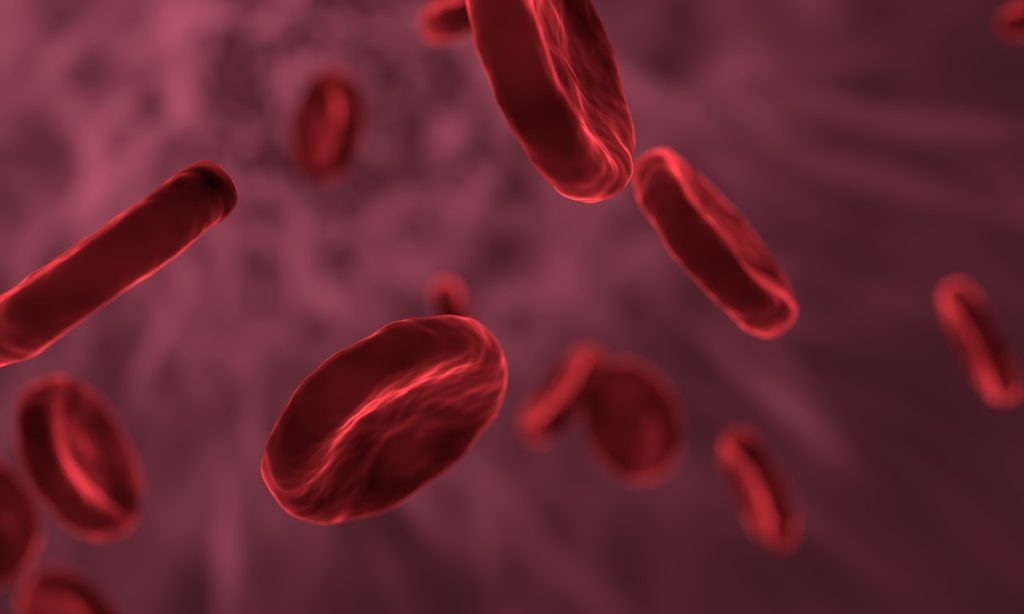
Red blood cells exposed to oxygen deficiency protect against myocardial infarction, according to a new study published in the Journal of Clinical Investigation. This study, conducted at Karolinska Institutet in collaboration with Karolinska University Hospital, also shows that that protection can be enhanced by a diet containing nitrate-rich vegetables, such as arugula and other green leafy vegetables.

“This effect was also shown in a clinical study in patients with high blood pressure who were randomly assigned to eat nitrate-rich vegetables or a diet low in nitrates,” says John Pernow, Professor of Cardiology at the Department of Medicine, Karolinska Institutet in Solna and senior physician at Karolinska University Hospital, and the study’s corresponding author together with Jon Lundberg, professor at the Department of Physiology and Pharmacology, Karolinska Institutet.

Part of the study was conducted through experiments with red blood cells from mice that were added to a myocardial infarction model with hearts from mice. Before the experiment, the red blood cells were exposed to low oxygen pressure, while nitrate was added to the drinking water.

In a clinical study, red blood cells were collected from patients with high blood pressure who were randomly assigned a nitrate-rich diet with green leafy vegetables or a diet with nitrate-poor vegetables. These red blood cells were given to the corresponding myocardial infarction model with hearts from rats.

“The results show both that the red blood cells convey protection against injury in the heart in the event of low oxygen levels, and how that protection can be enhanced through a simple dietary advice. This may be of great importance for patients at risk of myocardial infarction,” says the study’s first author Jiangning Yang, a researcher at the Department of Medicine, Solna, Karolinska Institutet.

The next step in the research is to develop additional drugs that can activate the protective signalling mechanism in red blood cells to provide protection to the body’s tissues and cells in the event of oxygen deficiency.

“In addition, we need to map how the blood cells transmit their protective signal to the heart muscle cells,” says John Pernow.

Source: Karolinska Institutet

Burning Candles and Cooking Fumes are Harmful for People with Mild Asthma

Photo by Jarl Schmidt on Unsplash

A new study from Aarhus University has shown that young people with mild asthma can experience inflammation and irritation from candles as well as cooking fumes. The results, published in Particle and Fibre Toxicology, suggest that asthma sufferers should try and reduce exposure, for example by opening kitchen windows while cooking.

For this randomised controlled double-blind exposure study, exposed 36 young asthmatics to three different exposures in the climate chambers at Aarhus University. They were exposed to emissions from cooking, emissions from burning candles and finally clean air. Each time, the participants were exposed for five hours under highly controlled conditions. Particles and gases were measured during exposures, and participants reported symptoms related to irritation and general well-being. Biomarkers in relation to airway and systemic inflammatory changes were assessed before exposure, immediately after exposure and again the next morning.

Karin Rosenkilde Laursen, a postdoc at the university’s Department of Public Health and co-author of the study, says:

“Our study shows that indoor air pollution caused by fumes from cooking and burning candles can lead to adverse health effects such as irritation and inflammation in young individuals with mild asthma. Among other things, we’ve found indications of DNA damage and signs of inflammation in the blood.”

When ovens are turned, pans put on the hob, or candles are lit, particulate matter and gases are produced, which can be inhaled. Previous studies have shown that these particles and gases can be detrimental to health. What sets this study apart is that the researchers have focused on the effects on young individuals with mild asthma, aged between 18 and 25, says Karin Rosenkilde Laursen:

“In the study, we observed that even very young individuals with mild asthma can experience discomfort and adverse effects if the room is not adequately ventilated during cooking or when burning candles. Young people are generally fitter and more resilient than older and middle-aged individuals. Therefore, it is concerning that we observed a significant impact from the particles on this particularly young age group.”

But not only people diagnosed with asthma need to keep an eye on the indoor climate, she says.

“Even though the study focused on young asthmatics, its findings are interesting and relevant for all of us. Winter is approaching, a time when we tend to light many candles and perhaps are less likely to open doors and windows while cooking. By prioritising a healthier indoor climate, even when we’re cosying up indoors, we may be able to help reduce the incidence of serious lung and cardiovascular diseases, as well as cancer.”

Karin Rosenkilde Laursen plans to follow up this study with another examining how emissions from cooking and candles affect healthy adults.

Source: Aarhus University