Scientists Reveal how Drug Locks Hepatitis D Virus out of Liver Cells

Colourised transmission electron micrograph of hepatitis B virus particles (colourised red and yellow). Credit: NIAID and CDC (Transmission electron micrograph image courtesy of CDC; colourisation by NIAID).

Over 12 million people worldwide suffer from a chronic infection with the hepatitis D virus. This most severe viral liver disease is associated with a high risk of dying from liver cirrhosis and liver cancer. It is caused by the hepatitis D virus (HDV), which uses the surface proteins of the hepatitis B virus (HBV) as a vehicle to specifically enter liver cells via a protein in the cell membrane – the bile salt transporter protein NTCP. This cell entry can be prevented by the active agent bulevirtide.

An international research team has now succeeded in deciphering the molecular structure of bulevirtide in complex with the HBV/HDV receptor NTCP at the molecular level. The research results published in the journal Nature Communications pave the way for more targeted and effective treatments for millions of people chronically infected with HBV/HDV.

The entry inhibitor bulevirtide is the first and currently only approved drug (under the drug name Hepcludex) for the treatment of chronic infections with the hepatitis D virus. The active agent effectively inhibits the replication of hepatitis D viruses and leads to a significant improvement in liver function. But the exact mechanism by which bulevirtide interacts with the virus entry receptor on the surface of the liver cells – the bile salt transporter protein NTCP (sodium taurocholate cotransporting polypeptide) – and thereby inhibits the entry of the viruses into the cells was previously unknown.

In order to understand the molecular interaction of bulevirtide and NTCP at the molecular level, the researchers first generated an antibody fragment that specifically recognises the NTCP-bulevirtide complex and makes it accessible for analysis when bound to nanoparticles. This complex was then analysed using cryo-electron microscopy, which allowed to visualise structural details with atomic resolution. The research results represent a milestone in understanding both the interaction of HBV and HDV with their cellular entry receptor NTCP and the mechanism of cell receptor blockade by bulevirtide.

How bulevirtide blocks the cell entry receptor NTCP

The analysis showed that bulevirtide forms three functional domains in the interaction with the HBV/HDV receptor NTCP: a myristoyl group that interacts with the cell membrane on the outside of the cell; an essential core sequence (‘plug’) that fits precisely into the bile salt transport tunnel of the NTCP like the bit of a key into a lock; and an amino acid chain that stretches across the extracellular surface of the receptor, enclosing it like a brace.

“The formation of a ‘plug’ in the transport tunnel and the associated inactivation of the bile salt transporter is so far unique among all known virus-receptor complexes. This structure explains why the physiological function of the NTCP is inhibited when patients are treated with bulevirtide,” says Prof Stephan Urban, DZIF Professor of Translational Virology and Deputy Coordinator of the DZIF research area Hepatitis, in whose laboratory at Heidelberg University the active agent bulevirtide was developed.

“Thanks to the structural details of the interaction with bulevirtide, we have also gained insights that enable the development of smaller active agents – so-called peptidomimetics – with improved pharmacological properties. Our structural analysis also lays the foundation for the development of drugs that are not only based on peptides and possibly enable oral administration,” adds the co-author of the study, Prof Joachim Geyer from the Institute of Pharmacology and Toxicology at Justus Liebig University Giessen.

Evolutionary adaptation of hepatitis B viruses to host species

The structural analysis also helped to decode an important factor in the species specificity of hepatitis B and D viruses. According to the findings of the analysis, the amino acid at position 158 of the NTCP amino acid chain plays an essential role in virus-receptor interaction. A change in the amino acid at this position prevents the binding of HBV/HDV. This explains why certain Old World monkeys, such as macaques, cannot be infected by HBV/HDV.

“Our findings enable a deeper understanding of the evolutionary adaptation of human and animal hepatitis B viruses to their hosts and also provide an important molecular basis for the development of new and targeted drugs,” adds co-author Prof Dieter Glebe, DZIF scientist at the Institute of Medical Virology at Justus Liebig University Giessen.

“Thanks to the structural details of the interaction with bulevirtide, we have also gained insights that enable the development of smaller active agents — so-called peptidomimetics — with improved pharmacological properties. Our structural analysis also lays the foundation for the development of drugs that are not only based on peptides and possibly enable oral administration,” adds the co-author of the study, Prof Joachim Geyer from the Institute of Pharmacology and Toxicology at Justus Liebig University Giessen.

Evolutionary adaptation of hepatitis B viruses to host species

The structural analysis also helped to decode an important factor in the species specificity of hepatitis B and D viruses. According to the findings of the analysis, the amino acid at position 158 of the NTCP amino acid chain plays an essential role in virus-receptor interaction. A change in the amino acid at this position prevents the binding of HBV/HDV. This explains why certain Old World monkeys, such as macaques, cannot be infected by HBV/HDV.

“Our findings enable a deeper understanding of the evolutionary adaptation of human and animal hepatitis B viruses to their hosts and also provide an important molecular basis for the development of new and targeted drugs,” adds co-author Prof Dieter Glebe, DZIF scientist at the Institute of Medical Virology at Justus Liebig University Giessen.

Source: German Center for Infection Research

“Anti-vax” Doctor’s Disciplinary Inquiry gets Underway

Shankara Chetty is accused of failing to act in the best interests of patients

Photo by Tingey Injury Law Firm on Unsplash

By Tania Broughton for GroundUp

The disciplinary hearing against “anti-vax” doctor Shankara Chetty got underway in Durban this week, after changes to the charge sheet were made.

This comes after Chetty asked that the charges be dismissed or revised – or he would approach the high court for relief.

The charges are based on allegations by Francois Venter, a medical professor at Wits University who was at the forefront of Covid research in South Africa. He said Chetty was practicing “pseudo-science” at the height of the pandemic, with Chetty claiming that vaccines made no sense.

Chetty’s argument, in the main, focusses on his right to freedom of expression and claims that expressing a view is not a violation of the ethical guidelines of the Health Professions Council of South Africa (HPCSA).

His lawyers argued that the charges should have been dropped. Instead, the disciplinary committee ordered that they be amended.

The revised charge sheet contains four charges of unprofessional conduct.

They include that he contravened norms and standards by using unproven and unrecommended health technologies, namely Chetty’s “8th day” protocol, and that he failed to act in the best interests of patients by prescribing ivermectin, corticosteroids, and hydroxychloroquine for Covid, which were not approved by the South African Health Products Regulatory Council for this purpose.

He is also charged with casting aspersions on expert health care professionals who were authorised to provide advice and develop protocols, by stating that they engineered protocols in hospitals to “cause death and damage” to Covid patients.

The final, and fourth charge, is based on allegations that he “mischaracterised the cause and identification of the Covid illness, spike proteins and the toxicity of the virus”, which was not in line with the tenets of science.

In his complaint to the HPCSA, Venter said Chetty had made unprecedented claims in a video regarding the toxicity of Covid vaccines and that they were a “deliberate mass poisoning and planned to kill billions”.

He said Chetty, on his own website, had also made “outlandish physiological claims” which undermined the most basic tenets of accepted science about the vaccines, and advocated outpatient remedies of his own.

He said the video and the website “were more than enough evidence of gross misrepresentation of the vaccine programme: anybody watching would be justified in being severely alarmed at the prospect of mass poisoning”.

Chetty’s narrative, Venter said, went against the Department of Health, local experts, and international guidelines.

“This level of pseudo-science within the profession needs to be firmly and quickly clamped down on. The HPCSA must do its duty in protecting the public and discipline Chetty.”

In his written response, Chetty said the video was taken at a three-day Caribbean Summit held by the Word Council for Health, which brought together experts in various fields to share opinions and insights on the pandemic. (Wikipedia describes the World Council for Health as a pseudo-medical organisation dedicated to spreading misinformation to discourage COVID-19 vaccination and promoting fake COVID-19 treatments.)

The summit was not open to the general public and was a behind-closed-doors robust discussion.

Chetty said he did not consent to any recording being shared with the public.

He said he was not an “anti-vaxxer” but he was of the view that the vaccine technology had been rushed to market, with poor safety surveillance by clinical trials, and with a disregard for informed consent and individual choice.

In a written response, Venter said Chetty’s right to freedom of speech did not absolve him of his ethical duties.

This included not posting opinions on the professional reputations of their colleagues on social media “lest the public lose faith in the healthcare profession”.

Chetty is expected to plead not guilty to all the charges. According to the minutes of a pre-inquiry conference, both the HPCSA and Chetty intend to call expert witnesses.

Republished from GroundUp under a Creative Commons Attribution-NoDerivatives 4.0 International License.

Source: GroundUp

Study Reveals Sex Differences in Sleep, Circadian Rhythms and Metabolism

Photo by Ketut Subiyanto on Pexels

A new review of research evidence has explored the key differences in how women and men sleep, variations in their body clocks, and how this affects their metabolism. Published in Sleep Medicine Reviews, the paper highlights the crucial role sex plays in understanding these factors and suggests a person’s biological sex should be considered when treating sleep, circadian rhythm and metabolic disorders.

Differences in sleep

The review found women rate their sleep quality lower than men’s and report more fluctuations in their quality of sleep, corresponding to changes throughout the menstrual cycle.

“Lower sleep quality is associated with anxiety and depressive disorders, which are twice as common in women as in men,” says senior author Dr Sarah L. Chellappa from the University of Southampton. “Women are also more likely than men to be diagnosed with insomnia, although the reasons are not entirely clear. Recognising and comprehending sex differences in sleep and circadian rhythms is essential for tailoring approaches and treatment strategies for sleep disorders and associated mental health conditions.”

The paper’s authors also found women have a 25 to 50% higher likelihood of developing restless legs syndrome and are up to four times as likely to develop sleep-related eating disorder, where people eat repeatedly during the night.

Meanwhile, men are three times more likely to be diagnosed with obstructive sleep apnoea (OSA). OSA manifests differently in women and men, which might explain this disparity. OSA is associated with a heightened risk of heart failure in women, but not men.

Sleep lab studies found women sleep more than men, spending around 8 minutes longer in non-REM (Rapid Eye Movement) sleep, where brain activity slows down. While the time we spend in NREM declines with age, this decline is more substantial in older men. Women also entered REM sleep, characterised by high levels of brain activity and vivid dreaming, earlier than men.

Variations in body clocks

The all-woman research ream from the University of Southampton in the UK, and Stanford University and Harvard University in the United States, found differences between the sexes are also present in our circadian rhythms.

They found melatonin, a hormone that helps with the timing of circadian rhythms and sleep, is secreted earlier in women than men. Core body temperature, which is at its highest before sleep and its lowest a few hours before waking, follows a similar pattern, reaching its peak earlier in women than in men.

Corresponding to these findings, other studies suggest women’s intrinsic circadian periods are shorter than men’s by around six minutes.

Dr Renske Lok from Stanford University, who led the review, says: “While this difference may be small, it is significant. The misalignment between the central body clock and the sleep/wake cycle is approximately five times larger in women than in men. Imagine if someone’s watch was consistently running six minutes faster or slower. Over the course of days, weeks, and months, this difference can lead to a noticeable misalignment between the internal clock and external cues, such as light and darkness.

“Disruptions in circadian rhythms have been linked to various health problems, including sleep disorders, mood disorders and impaired cognitive function. Even minor differences in circadian periods can have significant implications for overall health and well-being.”

Men tend to be later chronotypes, preferring to go to bed and wake up later than women. This may lead to social jet lag, where their circadian rhythm doesn’t align with social demands, like work. They also have less consistent rest-activity schedules than women on a day-to-day basis.

Impact on metabolism

The research team also investigated if the global increase in obesity might be partially related to people not getting enough sleep – with 30% of 30- to 64-year-olds sleeping less than six hours a night in the United States, with similar numbers in Europe.

There were big differences between how women’s and men’s brains responded to pictures of food after sleep deprivation. Brain networks associated with cognitive (decision making) and affective (emotional) processes were twice as active in women than in men. Another study found women had a 1.5 times higher activation in the limbic region (involved in emotion processing, memory formation, and behavioural regulation) in response to images of sweet food compared to men.

Despite this difference in brain activity, men tend to overeat more than women in response to sleep loss. Another study found more fragmented sleep, taking longer to get to sleep, and spending more time in bed trying to get to sleep were only associated with more hunger in men.

Both women and men nightshift workers are more likely to develop type 2 diabetes, but this risk is higher in men. Sixty-six per cent of women nightshift workers experienced emotional eating and another study suggests they are around 1.5 times more likely to be overweight or obese compared to women working day shifts.

The researchers also found emerging evidence on how women and men respond differently to treatments for sleep and circadian disorders. For example, weight loss was more successful in treating women with OSA than men, while women prescribed zolpidem may require a lower dosage than men to avoid lingering sleepiness the next morning.

Dr Chellappa added: “Most of sleep and circadian interventions are a newly emerging field with limited research on sex differences. As we understand more about how women and men sleep, differences in their circadian rhythms and how these affect their metabolism, we can move towards more precise and personalised healthcare which enhances the likelihood of positive outcomes.”

Source: University of Southampton

International Pompe Day

Early diagnosis is key to transformative treatment in Pompe disease

Photo by National Cancer Institute on Unsplash

15 April is recognised as International Pompe Day, a time dedicated to increasing awareness about Pompe Disease – a rare, inherited disorder that leads to progressive muscle and heart weakness. The day emphasises global awareness with the message: “Together We Are Strong.”

Pompe Disease is a condition resulting from mutations in a gene responsible for producing acid alpha-glucosidase (GAA), the enzyme necessary for breaking down glycogen, a sugar the body uses for energy.1 These mutations lead to a reduced or absent production of this enzyme, causing an accumulation of glycogen that damages muscles and the heart. The impact of the disease, including its severity and the age when symptoms appear, depends on how much the enzyme’s activity is reduced.1

Pompe Disease is classified into two types2: the infantile form, characterised by severe GAA deficiency and symptoms appearing in the first months of life1, and the late-onset form, where symptoms may start in childhood or adulthood, usually without affecting the heart.1

Early diagnosis is vital for managing Pompe Disease effectively and improving outcomes.2 Kelly du Plessis, CEO and Founder of Rare Diseases South Africa (RDSA), says: “The rise in adult diagnoses stresses the importance of recognising symptoms such as difficulty walking, frequent chest infections, fatigue, muscle weakness, and frequent falls. Symptoms in infants include feeding problems, poor weight gain, breathing difficulties, muscle weakness, an enlarged heart, floppiness, and delayed milestones.”1

Obtaining a Pompe Disease diagnosis can be challenging. Du Plessis’ own path to finding a diagnosis for her son confirms the difficulties of identifying Pompe Disease. “The journey to a diagnosis is fraught with complexity because of the many ways in which the disease presents. I urge parents to trust their intuition and seek medical counsel without delay, as early intervention is critical.”

Although there is no cure for the disease, Enzyme Replacement Therapy (ERT), available since 2006, supplies the body with a version of the GAA enzyme that people with Pompe Disease lack, and has significantly improved outcomes for patients.3

Monique Nel, Medical Advisor for Rare Diseases at Sanofi South Africa, emphasises the importance of early screening and treatment to prevent or minimise complications. “Access to ERT in South Africa has been life-changing for patients, offering improved energy levels and quality of life,” says Nel. “Starting ERT before the onset of symptoms can prevent or slow the progression of the disease. This means patients may experience fewer complications and a slower decline in their condition over time.”

Some of the key benefits of ERT include:

Improvement in muscle function: ERT helps to break down glycogen, preventing its harmful accumulation in muscle cells. Patients often experience improvements in muscle strength and function2, which can enhance mobility and daily living activities.

Enhanced respiratory function: Many individuals with Pompe Disease suffer from respiratory complications due to muscle weakness. ERT can lead to improved respiratory function2, reducing the need for ventilatory support and decreasing the frequency of respiratory infections.

Cardiac benefits: In the infantile form of Pompe Disease, heart enlargement and dysfunction are significant concerns. ERT has been shown to improve heart function2, which can be life-saving for infants affected by the disease.

“By addressing some of the primary symptoms of Pompe Disease, ERT can significantly improve the quality of life for patients,” says Nel. “This includes increased energy levels, reduced fatigue, and the ability to participate more fully in social, educational, and professional activities.”

“We also encourage healthcare professionals to consider Pompe Disease when evaluating patients with muscle weakness, respiratory issues, or unexplained cardiac symptoms, to ensure early diagnosis. Early diagnosis facilitates timely intervention and treatment, optimising patient outcomes and quality of life.”

For more information, visit: www.rarediseases.co.za

References:

1. National Institute of Neurological Disorders and Stroke. Pompe disease. N.d. Available at: https://www.ninds.nih.gov/health-information/disorders/pompe-disease#, accessed 9 April 2024.
2. Bhengu, L, et al. Diagnosis and management of Pompe disease. South African Medical Journal, 2014; 104(4):273-274.
3. Ficicioglu, C, et al. Newborn screening for Pompe disease: Pennsylvania experience. International Journal of Neonatal Screening, 2020; 6: 89.

Focus on Children, Urges President of SA Society of Psychiatrists

Dr Anusha Lachman is the first child psychiatrist to hold the position as president of the SA Society of Psychiatrists. Photo supplied to Spotlight

By Sue Segar for Spotlight

There are serious gaps in psychiatry regarding treatment, prevention and care for children and adolescents in South Africa. Offering solutions, Dr Anusha Lachman tells Spotlight psychiatric services should be offered in ways that are Afro-centric and culturally sensitive.

“There’s a mental health crisis in South Africa and yet, today, there are fewer than 40 registered child psychiatrists in the country,” Dr Anusha Lachman tells Spotlight.

She is the first child psychiatrist to hold the position as president of the SA Society of Psychiatrists (SASOP) and she hopes to prioritise the “grossly under-represented and under-resourced” field of child and adolescent health in the country. While the field is certainly neglected, Lachman is not alone in trying to draw more attention to it – the 2020/2021 edition of the Children’s Institute’s excellent Child Gauge also concentrated on the mental health of children in South Africa.

Lack of data

One of the biggest issues in child and adolescent psychiatry, Lachman laments, is the lack of reliable data. She explains that most of the current research, literature and thinking about infant mental health is focused on Western, high-income settings but her focus is on the African context and in limited-resource settings. “We don’t have many figures on how many young people are suffering from the various mental health disorders,” she says.

While it is a struggle to get concrete, reliable statistics, Lachman adds there are some data to work with but South Africa lacks a collective data base that ties it all together.

Insight into the country’s mental health crisis, she says, is partly gauged from the number of referrals to primary health care centres for mental health support and evidenced by the long waiting lists for children to be assessed at specialist mental health clinics and at hospitals. “All we have, across our public hospitals, is the waiting list data which only tell us the duration that children with severe mental illness wait to get into secondary and tertiary level hospitals to access hospital-based care,” she says. The problem is that this type of data tells us little about the vast majority of adolescents with mental health issues who do not require hospitalisation.

Lachman is also head of the Clinical Unit Child Psychiatry at Tygerberg Hospital. The unit is the Western Cape’s only tertiary hospital based assessment unit for adolescents aged from 13 to 18 years with complex psychiatric presentations and severe mental illness. The young people they help often face not only mental health issues, but the full range of psychosocial challenges – from poverty to exposure to violence, substance abuse, and HIV.

“We know, for example,” she says, “what substance-use disorder looks like in children under twelve, and in young people under 21 because we get that from substance-use centres and rehabilitation centres. We know what proportion of children have HIV and TB and some infectious diseases, which by extension have psychosocial consequences and comorbidities, and we know about neurodevelopmental delays because we track things like school attendance and requests for access to support in special needs.

“We do have statistics on issues which affect children in South Africa disproportionately,” she says, “on food insecurity, intimate partner violence, instability in terms of accommodation etc. There are huge occurrences of abuse but there are inadequate services for children to be removed from those abusive homes, because we don’t have sufficient children’s homes or safety placements for example. So these are children who are disproportionally disadvantaged and that in itself is hard to quantify – and the psychosocial support structures are just not there.”

Lachman says the Western Cape department of Health and Wellness is making inroads into the lack of data by tracking and digitising child mental health statistics, through its Child and Adolescent Mental Health Strengthening Project. “This will give us some important data across emergency rooms throughout the Western Cape. Hopefully that can roll out to the rest of the country so that we can understand what children are presenting with.”

Hard to categorise

Asked which mental illnesses South African children and adolescents mainly suffer from, Lachman says child mental health is a function of multiple psycho-social stressors, structural problems, and fundamental relational challenges  –  and that’s hard to categorise.

“It’s a complex relationship between environmental stressors and vulnerabilities to mental illnesses.” She explains that environments that are high risk – with violence, poverty, untreated mental illness in caregivers, food insecurity and economic burdens – predispose children to mental illness expressed commonly in mood disorders, anxiety and trauma responses. “These take the form of poor functioning at school, learning challenges, suicide and self-harming attempts, drug-seeking behaviours and, in some instances, expressions of severe mental illnesses. ADHD is also commonly seen in this context.”

Lack of relevant research

Lachman bemoans what she calls the “distaste” for research that originates from the global South. “The biggest problem we face is the inability to publish and compete in international journals, not because our research is inadequate but because there’s a distrust of information originating from the lower-middle income countries or the global South.”

In terms of publication bias, she says the huge issue is that editorial boards and funders of journals consist largely of privileged white men.

“They don’t represent people of colour and ethnic majorities outside of the industrialised northern hemisphere countries. When we aren’t able to publish, we aren’t able to get the data out there, and when you don’t get the data out, there’s a vacuum of information and evidence-based treatment – and interventions are often  coloured by information that doesn’t represent the lower-income communities and population groups.”

Lachman says research published a few years ago, by Stellenbosch University academic Mark Tomlinson, showed that less than three percent of all articles published in peer reviewed literature include data from low- and middle-income countries, where 90 percent of children live.

Low number of child psychiatrists

Turning to the shockingly low number of registered child psychiatrists in the country, Lachman notes that in the last three years, South Africa has lost five child psychiatrists to New Zealand. “This is about the brain drain, where there is targeted recruitment of qualified people [by] first-world or industrialised regions who can offer incentivised work opportunities which we, in South Africa, cannot compete with.”

She adds: “One child psychiatrist is trained only every two years. And only from a university that can train them. There are only four universities that can  do that here – Stellenbosch, Wits, UCT and Pretoria. It depends after two years if the student passes the exam or not so that is why there are so few.” (Prior to training in child psychiatry candidates first have to complete the normal training to become a medical doctor.)

“So far there were two that qualified 2022 and one that qualified in 2023. And at the beginning of 2023, we had lost five child psychiatrists to New Zealand and Australia. It’s dire,” she emphasises. People remain registered with the Health Professions Council of South Africa (HPCSA) but that doesn’t mean they are physically in the country, Lachman adds. “Recent stats show that we have under 40 [child] psychiatrists in working environments, including those who have retired.

“We still sit with provinces that have zero representation for child psychiatry. We recently deployed one to the Eastern Cape, but, currently North West, Limpopo, Mpumalanga, don’t have any qualified [child] psychiatrists.”

‘Everybody’s business’

Yet, Lachman does not believe the only answer is to train more child psychiatrists. “The answer is more nuanced. It’s about upskilling and task shifting, and an openness to the idea that child and adolescent psychiatry is everybody’s business.”

“If you’re an adult psychiatrist, a physician a paediatrician, or a nurse, or even somebody treating adults, it’s your job to be aware of mental health problems in children,” Lachman adds. “I feel strongly about changing the narrative and moving away from the idea that it’s a specialist realm, because mental health is everybody’s business and child mental health should be pervasive in terms of focus, across various sectors.”

She also feels strongly that psychiatric services should be offered in ways that are Afro-centric and culturally sensitive. Such an “Afro-centric approach”, she says, “must include a diverse spectrum of input – so not just the mental health care providers who punt a specific model of medication and therapy – but partnerships with the educators, community workers, caregivers and allied health professionals to be able to effectively attempt to support and re-think models that can work in our setting.”

She suggests exploring opportunities for children to be screened early, recognised, and offered treatment. For instance, Lachman says, nurses at Well Baby clinics – where babies get immunised – can be trained in child mental health. “Whilst checking the child’s growth and immunisations, they could also look at whether the child is making eye contact, or engaging in reciprocal contact. If this is not happening, they need to know what further questions to ask and what to do next.”

Similarly, mental health awareness and screening should be in schools. Why do we offer sexual education, but not address mental health issues, she asks. “Just as we have so easily incorporated into school curriculums how people can get condoms, we need to ask them how they’re feeling, whether they feel isolated, want to harm themselves or want to die.”

Republished from Spotlight under a Creative Commons licence.

Source: Spotlight

At-home Nasal Spray for Episodes of Arrhythmia

Photo by CDC on Unsplash

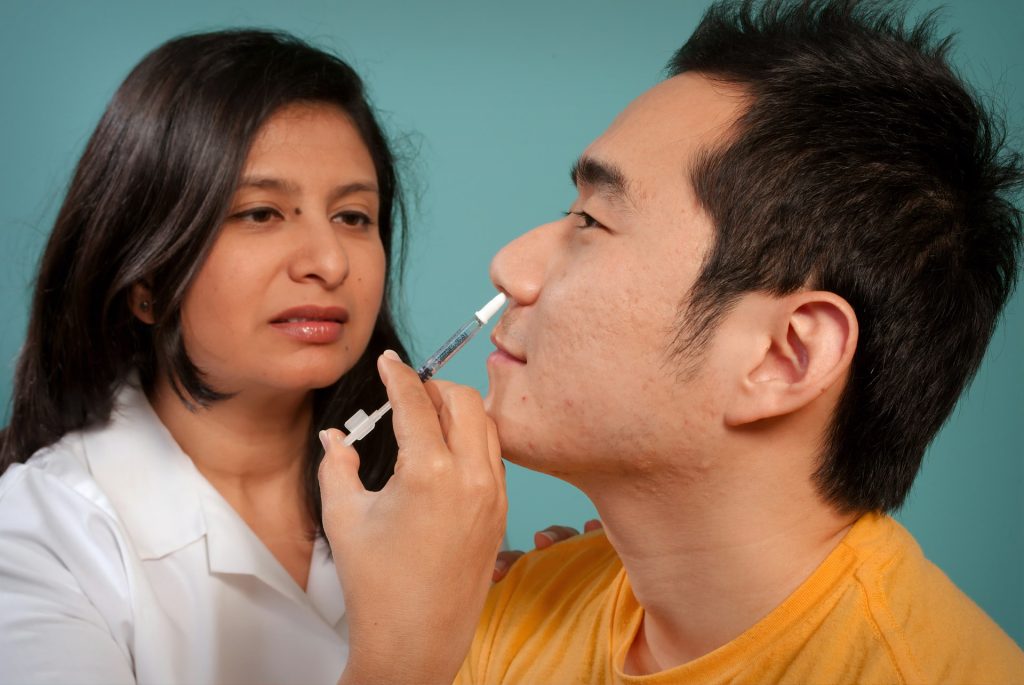
A clinical trial led by Weill Cornell Medicine investigators showed that a nasal spray that patients administer at home, without a physician, successfully and safely treated recurrent episodes of a condition that causes arrythmia. The study, published in the Journal of the American College of Cardiology, provides real-world evidence that a wide range of patients can safely and effectively use the experimental drug etripamil to treat recurrent paroxysmal supraventricular tachycardia (PSVT) episodes at home. For many, this could spare the need for repeated hospital trips for more invasive treatments.

The study is the latest in a series of studies by lead author Dr James Ip, professor of clinical medicine at Weill Cornell Medicine and a cardiologist at New York-Presbyterian/Weill Cornell Medical Center, and colleagues to demonstrate the potential of nasal spray calcium-channel blocker etripamil as an at-home treatment for PSVT.

Patients with PSVT experience sudden and recurrent rapid heart rhythms triggered by abnormal electrical activity in the upper chambers of the heart.

Though the episodes are not commonly life-threatening, they can be frightening and cause shortness of breath, chest pain, dizziness or fainting and lead to frequent emergency department visits. Treatment for PSVT often requires hospitalisation to receive intravenous medication. Some patients undergo cardiac ablation.

Dr Ip and colleagues previously showed that almost two-thirds of patients with PSVT who took one or more doses of the calcium channel blocker etripamil without a physician present experienced symptom relief on average in 17 minutes.

The latest study builds on those findings, showing that etripamil is safe and effective under more real-world circumstances in a larger patient population, and could be safely used to treat multiple episodes of PSVT.

The new study enrolled 1116 patients at 148 sites in the United States, Canada and South America. It did not require a pretest dose supervised by a physician as the previous studies did. It also included patients with a history of atrial fibrillation or atrial flutter, who were excluded from the previous studies. Patients monitored their heart for one hour with a home electrocardiogram monitor after self-administering the first dose, took an additional dose if necessary, and were allowed to self-treat up to four PSVT episodes with etripamil. Two-thirds of the patients experienced relief within an hour, and the average time needed for symptom relief was 17 minutes. Mild, temporary nasal symptoms such as runny nose, nasal congestion or discomfort, and bloody nose were common after the first use of etripamil but became less common with subsequent use.

Source: Weill Cornell Medicine

In Alzheimer’s, Bungled Instructions are Carried between Neurons

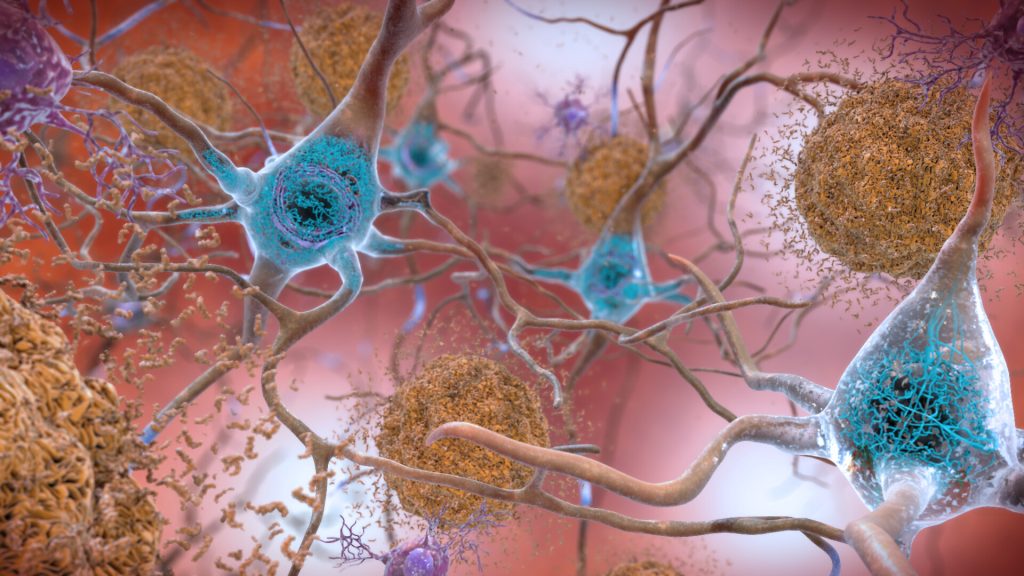
Neurons in the brain of an Alzheimer’s patient, with plaques caused by tau proteins. Credit: NIH

In findings published in Cell Reports, researchers discovered that the biological instructions within vesicles that communicate between cells differed significantly in postmortem brain samples donated from patients suffering from Alzheimer’s disease.

Small extracellular vesicles (sEVs) are tiny containers are produced by most cells in the body to ferry a wide variety of proteins, lipids and byproducts of cellular metabolism, as well as RNA nucleic acid codes used by recipient cells to construct new proteins.

Because this biologically active cargo can easily elicit changes in other cells, scientists are interested in brain sEVs as a medium for passing along normal as well as bungled instructions for misfolded proteins that accumulate in the brain as neurodegenerative diseases such as Alzheimer’s disease progress.

To be a potential contributor to the buildup of unwanted proteins, sEVs would have to carry blueprints with sufficient information to enable other cells to produce the problematic proteins. Most previous research had indicated that the messenger RNA (mRNA) carrying plans for proteins were chopped into too many shorter fragments to allow recipient cells to change their construction patterns.

“We found quite the opposite to be true in our study,” says senior author Jerold Chun, MD, PhD, professor in the Center for Genetic Disorders and Aging Research at Sanford Burnham Prebys. “We identified more than 10 000 full-length mRNAs through the use of a relatively newer DNA sequencing technique called PacBio long-read sequencing.”

The team isolated sEVs from the prefrontal cortex of 12 postmortem brain samples donated from patients diagnosed with Alzheimer’s disease and 12 from donors without Alzheimer’s disease (or any other known neurological disease). Nearly 80% of identified mRNAs were full-length, allowing them to be transcribed by recipient cells into viable proteins.

“To corroborate the results of long-read sequencing in the human samples, we also looked at vesicles isolated from mouse cells,” says first author Linnea Ransom, PhD, postdoctoral fellow. “We found similar averages of between 78% and 86% full-length transcripts in three brain cell types: astrocytes, microglia and neurons.”

The researchers also compared the sequence of genes reflected in the sEV mRNA transcriptome. In Alzheimer’s disease samples, 700 genes showed increased expression whereas nearly 1500 were found to have reduced activity.

The scientists determined that the 700 upregulated genes are associated with inflammation and immune system activation, which fits within known patterns of brain inflammation present in neurodegenerative diseases such as Alzheimer’s disease. The researchers also found many genes associated with Alzheimer’s disease in prior genome-wide association studies also were present in Alzheimer’s disease sEVs.

“The changes in gene expression contained in these vesicles reveal an inflammatory signature that may serve as a window into disease processes occurring in the brain as Alzheimer’s disease progresses,” says Chun.

Following this study, Chun and team will dig deeper into how cells package sEVs and how the enclosed mRNA codes lead to functional changes in other brain cells affected in Alzheimer’s disease. Better understanding of sEVs and their mRNA contents may enable the discovery of biomarkers that could be used to improve early detection of Alzheimer’s disease and potentially other neurological conditions, while identifying new disease mechanisms to provide new therapeutic targets.

“Additionally, sEVs naturally occur as a vehicle for transporting biologically active cargo between cells, so it also may be possible to leverage them as a targeted delivery system for future brain therapies” says Chun.

Source: Sanford-Burnham Prebys

Study Shows no Thyroid Cancer Risk from GLP-1 Agonists

By HualinXMN – Own work, CC BY-SA 4.0, https://commons.wikimedia.org/w/index.php?curid=133759262

GLP-1 analogues have become increasingly popular to treat diabetes and obesity, but there have been concerns that they might increase the risk of thyroid cancer. Now an extensive Scandinavian study led by researchers at Karolinska Institutet has found no evidence of such a link. The study is published in The BMJ.

GLP-1 receptor agonists, also known as GLP-1 analogues, reduce blood sugar levels and appetite. They are widely used in the treatment of type 2 diabetes and obesity, with their clinical use steadily increasing. Earlier studies and adverse event data have suggested that these drugs could be associated with an increased risk of thyroid tumours. However, due to limitations in data and methodology, clear conclusions could not be drawn, leading to uncertainty about this potential side effect.

“Many people take these medicines, so it is important to study potential risks associated with them,” says Björn Pasternak, principal researcher at the Department of Medicine, Solna, at Karolinska Institutet in Sweden. “Our study covers a broad group of patients and provides strong support that GLP-1 analogues are not associated with an increased risk of thyroid cancer.” 

The researchers analysed national register data from Denmark, Norway, and Sweden of about 145 000 patients treated with GLP-1 analogues, mainly liraglutide or semaglutide, and 290 000 patients treated with another diabetes drug (DPP4 inhibitors). The risk of thyroid cancer was compared between the groups over an average follow-up period of just under four years. 

GLP-1 treatment was not associated with an increased risk of thyroid cancer. The results were consistent also when compared to a third diabetes medication group (SGLT2 inhibitors).

“We cannot rule out that the risk of certain subtypes of thyroid cancer is increased in smaller patient groups that we could not study here, for example in people with a high congenital risk of medullary thyroid cancer who are advised against using these drugs,” says Peter Ueda, assistant professor at the Department of Medicine, Solna, at Karolinska Institutet.

The ongoing research program at Karolinska Institutet investigates the effects and potential side effects of newer diabetes medications such as GLP-1 analogues and SGLT2 inhibitors. These medications are now being used to treat broader patient groups, including those with obesity, heart failure, and kidney failure.

“We know from randomised clinical trials that they have positive effects, but clinical reality is different with patients varying in disease severity, comorbidities, and adherence to treatment recommendations,” says Björn Pasternak. “It’s therefore essential to investigate how these medicines perform in everyday clinical settings.”

Source: Karolinska Institutet

Virtual Reality Sessions can Lessen Cancer Pain, Trial Shows

Photo by Bradley Hook on Pexels

Hospitalised cancer patients who engaged in a 10-minute virtual reality (VR) session experienced significantly lessened pain in a trial published in CANCER, a peer-reviewed journal of the American Cancer Society. Participants still experienced sustained benefits a day later.

Most cancer patients experience pain, and treatment usually involves medications including opioids. VR sessions that immerse the user in new environments have been shown to be a noninvasive and nonpharmacologic way to lessen pain in different patient populations, but data are lacking in individuals with cancer. To investigate, Hunter Groninger, MD, of Georgetown University School of Medicine and MedStar Health and his colleagues randomized 128 adults with cancer with moderate or severe pain to a 10-minute immersive VR intervention involving calm, pleasant environments or to a 10-minute two-dimensional guided imagery experience on an iPad tablet.

The investigators found that both interventions lessened pain, but VR sessions had a greater impact. Based on patient-reported scores from 0 to 10, patients in the guided imagery group reported an average decrease of 0.7 in pain scores, whereas those in the VR group reported an average drop of 1.4. Twenty four hours after the assigned intervention, participants in the VR group reported sustained improvement in pain severity (1.7 points lower than baseline before the VR intervention) compared with participants in the guided imagery group (only 0.3 points lower than baseline before the active control intervention).

Participants assigned to the VR intervention also reported improvements related to pain “bothersomeness” (how much the pain bothered them, regardless of the severity of the pain) and general distress, and they expressed satisfaction with the intervention. 

“Results from this trial suggest that immersive VR may be a useful non-medication strategy to improve the cancer pain experience,” said Dr Groninger. “While this study was conducted among hospitalized patients, future studies should also evaluate VR pain therapies in outpatient settings and explore the impact of different VR content to improve different types of cancer-related pain in different patient populations. Perhaps one day, patients living with cancer pain will be prescribed a VR therapy to use at home to improve their pain experience, in addition to usual cancer pain management strategies like pain medications.”

Source: Wiley

Are Brain Organoids Derived from Foetal Tissue Ethical?

Image from Pixabay.

Brain organoids (BOs), though often referred to as “mini brains,” are not truly human brains. But the concerns over these lab-grown brain tissues, especially when they are developed from human foetal tissues, can be very human indeed.

In a paper published in EMBO Reports, researchers from Hiroshima University offer valuable insights into the complexities inherent in brain organoid research, highlighting often-overlooked ethical dilemmas for better decision-making, especially for foetal brain organoids (FeBOs).

Brain organoids are three-dimensional human brain tissues derived from stem cells. They replicate the complexity of the human brain in vitro, allowing researchers to study brain development and diseases.

Traditionally, brain organoids (BOs) are grown from pluripotent stem cells, an especially potent sub-type that is typical of early embryonic development, but new technologies now make it possible to generate these organoids from human foetal brain cells.

The research comes amid increasingly heated debates over human BOs. Central concerns are that lab-grown BOs might achieve consciousness and the ethical implications of transplanting them into animal models. The discourse includes matters of consent, commercialisation, integration with computational technologies, and legal ramifications. In addition, the public perception of BOs, often shaped by inaccurate media depictions.

Issues of consciousness arising and transplantation into animal models are particularly morally sensitive for tissue donors, and so rigorous informed consent is needed. With FeBOs, these become even more important. FeBOs, for example, can grow past the developmental stage of the initial foetal donor tissue.

“Our research seeks to illuminate previously often-overlooked ethical dilemmas and legal complexities that arise at the intersection of advanced organoid research and the use of foetal tissue, which is predominantly obtained through elective abortions,” said Tsutomu Sawai, an associate professor at Hiroshima University and lead author of the study.

The study highlights the urgent need for a sophisticated and globally harmonised regulatory framework tailored to navigate the complex ethical and legal landscape of FeBO research. One example is the 14-day rule used in embryo research, as neurogenesis does not occur in embryos prior to 14 days post-fertilisation. Using FeBOs derived from 12-15 week old foetuses therefore raises significant ethical questions, especially as there is a proposed 20-week ethical boundary.

The paper emphasises the importance of informed consent protocols, ethical considerations surrounding organoid consciousness, transplantation of organoids into animals, integration with computational systems, and broader debates related to embryo research and the ethics of abortion.

“Our plan is to vigorously advocate for the development of thorough ethical and regulatory frameworks for brain organoid research, including FeBO research, at both national and international levels,” said Masanori Kataoka, a fellow researcher at Hiroshima University.

“Rather than being limited to issues of consciousness, it’s imperative, now more than ever, to systematically advance the ethical and regulatory discussion in order to responsibly and ethically advance scientific and medical progress,” Sawai said.

Moving forward, the research duo plans to continue supporting the advancement of ethical and regulatory discussions surrounding brain organoid research. By promoting responsible and ethical progress in science and medicine, they aim to ensure that all research involving brain organoids, including FeBOs, is conducted within a framework that prioritises human dignity and ethical integrity.

Source: Hiroshima University