Health and Economic Benefits of Breastfeeding Quantified

Among half a million Scottish infants, those exclusively breastfed were less likely to use healthcare services and incurred lower costs to the healthcare system

Photo by Wendy Wei

Breastmilk can promote equitable child health and save healthcare costs by reducing childhood illnesses and healthcare utilisation in the early years, according to a new study published this week in the open-access journal PLOS ONE by Tomi Ajetunmobi of the Glasgow Centre for Population Health, Scotland, and colleagues.

Breastfeeding has previously been found to promote development and prevent disease among infants. In Scotland – as well as other developed countries – low rates of breastfeeding in more economically deprived areas are thought to contribute to inequalities in early childhood health. However, government policies to promote child health have made little progress and more evidence on the effectiveness of interventions may be needed.

In the new study, researchers used administrative datasets on 502,948 babies born in Scotland between 1997 and 2009. Data were available on whether or not infants were breastfed during the first 6-8 weeks, the occurrence of ten common childhood conditions from birth to 27 months, and the details of hospital admissions, primary care consultations and prescriptions.

Among all infants included in the study, 27% were exclusively breastfed, 9% mixed fed and 64% formula fed during the first 6-8 weeks of life. The rates of exclusively breastfed infants ranged from 45% in the least deprived areas to 13% in the most deprived areas.

The researchers found that, within each quintile of deprivation, exclusively breastfed infants used fewer healthcare services and incurred lower costs compared to infants fed any formula milk. On average, breastfed infants had lower average costs of hospital care per admission (£42) compared to formula-fed infants (£79) in the first six months of life and fewer GP consultations (1.72, 95% CI: 1.66 – 1.79) than formula-fed infants (1.92 95% CI: 1.88 – 1.94). At least £10 million of healthcare costs could have been avoided if all formula-fed infants had instead been exclusively breastfed for the first 6-8 weeks of life, the researchers calculated.

The authors conclude that breastfeeding has a significant health and economic benefit and that increasing breastfeeding rates in the most deprived areas could contribute to the narrowing of inequalities in the early years.

Provided by PLOS

CRISPR Treatment Improves Vision in Inherited Retinal Degeneration

Photo by Jeffrey Riley on Unsplash

About 79% of clinical trial participants experienced measurable improvement after receiving experimental, CRISPR-based gene editing that is designed to fix a rare form of blindness, according to a paper published in the New England Journal of Medicine.

“This trial shows CRISPR gene editing has exciting potential to treat inherited retinal degeneration,” said corresponding author Mark Pennesi, MD, PhD. “There is nothing more rewarding to a physician than hearing a patient describe how their vision has improved after a treatment. One of our trial participants has shared several examples, including being able to find their phone after misplacing it and knowing that their coffee machine is working by seeing its small lights.

Pennesi is an ophthalmologist and Oregon Health & Science University’s lead scientist for the Phase 1/2 BRILLIANCE trial, which evaluated the safety and effectiveness of EDIT-101, an experimental CRISPR-based gene editing treatment developed by Editas Medicine. The experimental treatment was designed to edit a mutation in the CEP290 gene, which provides instructions to create a protein that is critical for sight.

People with this gene mutation have a rare condition that is commonly called Leber Congenital Amaurosis, or LCA, Type 10, for which there is currently no Food and Drug Administration-approved treatment. LCA’s various types occur in about 2 or 3 out of 100 000 newborns.

The OHSU Casey Eye Institute treated the trial’s first participant in early 2020. That procedure also marked the first time that CRISPR had been used to edit genes within the human body, called in vivo gene editing.

The new paper describes the study’s findings through February 2023 and details how the trial’s 14 participants – 12 adults and two children – responded to receiving EDIT-101 in one eye. Key results include:

  • 11 participants, about 79%, showed improvement in at least one of four measured outcomes.
  • 6 participants, about 43%, showed improvement in two or more outcomes.
  • 6 participants, about 43%, reported improved vision-related quality of life.
  • 4 participants, about 29%, had clinically meaningful improvement in visual acuity, or how well they could identify objects or letters on a chart.
  • There were no serious adverse events related to the treatment.
  • Most adverse events were mild or moderate, and all have since been resolved.

Four specific outcomes were used to evaluate the experimental treatment’s effectiveness:

  • Visual acuity
  • How well participants did in a full-field test, which involves seeing coloured points of light while looking into a specialised device
  • How well participants navigated a research maze with physical objects and varying amounts of light
  • How much participants reported experiencing improved quality of life

Further research for a future treatment

In November 2022, trial sponsor Editas Medicine announced that it was pausing the trial’s enrolment and would seek another partner to continue the experimental therapy’s development. Pennesi and colleagues are exploring working with other commercial partners to conduct additional trials, in collaboration with Editas. The researchers hope future studies can examine ideal dosing, whether a treatment effect is more pronounced in certain age groups such as younger patients, and include refined endpoints to measure impacts on activities of daily living.

Source: Oregon Health & Science University

New Insights into How Exercise Slows Age-related Cognitive Decline

Photo by Ketut Subiyanto on Unsplash

New research published in Aging Cell provides insights into how exercise may help to prevent or slow cognitive decline during aging.

For the study, investigators assessed the expression of genes in individual cells in the brains of mice. The team found that exercise has a significant impact on gene expression in microglia, the immune cells of the central nervous system that support brain function. Specifically, the group found that exercise reverts the gene expression patterns of aged microglia to patterns seen in young microglia.

Treatments that depleted microglia revealed that these cells are required for the stimulatory effects of exercise on the formation of new neurons in the brain’s hippocampus, a region involved in memory, learning, and emotion.

The scientists also found that allowing mice access to a running wheel prevented and/or reduced the presence of T cells in the hippocampus during aging. These immune cells are not typically found in the brain during youth, but they increase with age.

“We were both surprised and excited about the extent to which physical activity rejuvenates and transforms the composition of immune cells within the brain, in particular the way in which it was able to reverse the negative impacts of aging,” said co–corresponding author Jana Vukovic, PhD, of The University of Queensland, in Australia. “It highlights the importance of normalising and facilitating access to tailored exercise programs. Our findings should help different industries to design interventions for elderly individuals who are looking to maintain or improve both their physical and mental capabilities.”

Source: Wiley

Best Practice in POPIA Compliance in TeleHealth

By Wayne Janneker, Executive for Mining Industrial and Health Management at BCX

In the intricate field of healthcare, where privacy and patient’s data security are of utmost importance the Protection of Personal Information Act (POPIA) emerges as a cornerstone legislation. Specifically crafted to safeguard individual privacy, POPIA carries profound implications for the healthcare sector, particularly in the protection of a patient’s medical data.

POPIA establishes a framework for healthcare professionals, mandating that they exert reasonable efforts to inform patients before obtaining personal information from alternative sources. The Act places significant emphasis on the secure and private management of patient’s medical records, instilling a sense of responsibility within the healthcare community.

Section 26 of the Act unequivocally prohibits the processing of personal health information, yet Section 32(1) introduces a caveat. This section extends exemptions to medical professionals and healthcare institutions, but only under the condition that such information is essential for providing proper treatment and care pathways. It’s a delicate balance, ensuring the patient’s well-being while respecting the boundaries of privacy.

A breach of POPIA transpires when personal information is acquired without explicit consent, accessed unlawfully, or when healthcare professionals fall short of taking reasonable steps to prevent unauthorised disclosure, potentially causing harm or distress to the patient. The consequences for non-compliance are severe, ranging from substantial monetary compensation to imprisonment.

For healthcare providers, especially those venturing into the realm of telehealth services, navigating POPIA compliance is of critical importance. Good clinical practices become the guiding principles in this journey of upholding patient confidentiality and privacy.

Let’s delve into the essentials of ensuring privacy in healthcare, where understanding the nuances of privacy laws becomes the bedrock for healthcare providers. It’s not merely about keeping up with regulations; it’s about aligning practices with the legal landscape, creating a solid foundation for what follows.

When we shift the focus to telehealth, selecting platforms tailored to meet POPIA requirements becomes even more crucial—it’s imperative. Envision these platforms as protectors of patient information, featuring end-to-end encryption and secure data storage, creating a fortress around sensitive data. But we can’t merely stop there; we need to be proactive. Regular risk assessments become the secret weapon, requiring healthcare providers to stay ahead of the game, constantly evolving, and nipping potential security threats in the bud.

Managing the human element—the healthcare team—becomes significant. Educating them about compliance, data security, and the significance of patient confidentiality adds another layer of protection. When everyone comprehends their role in maintaining compliance, it’s akin to having a team of protectors ensuring the safety of patient data.

Establishing clear policies and procedures around telehealth use, patient consent, and the secure handling of patient data is our compass for ethical and legal navigation. It’s not just about ticking boxes; it’s about creating a roadmap that ensures we’re on the right path.

Informed consent is the cornerstone of this journey. It’s about building trust with patients by transparently communicating through secure communication channels, encryption of patient data, stringent access controls, regular internal audits, and airtight data breach response plans, all of which forms part of a strategy, ensuring a state of readiness to tackle any challenges that come our way.

In this dynamic landscape, technology can’t be static. Regular updates to telehealth technology, software, and security measures are our way of staying in sync with evolving threats and regulations.

Healthcare providers aren’t necessarily experts on the Act or technology, which is why consulting with legal experts specialising in healthcare can provide accurate information on which to base decisions. It ensures that practices aren’t just compliant but resilient against any legal scrutiny that may come their way.

The final and most crucial element is the patient. Their feedback is like a map, guiding healthcare providers to areas of improvement. By monitoring and seeking insights from patients regarding their telehealth experiences, providers uncover ways to enhance their compliance measures.

In embracing these best practices and remaining vigilant to changes, healthcare practitioners and providers can navigate POPIA compliance successfully and deliver high-quality health and telehealth services. It’s a commitment to patient privacy, data security, and the evolving landscape of healthcare regulations that will propel the industry forward.

“Silent Disease” Outed at African Hepatitis Convention

Many South Africans with hepatitis go undiagnosed

By Liezl Human for GroundUp

The African Viral Hepatitis Convention, held in Cape Town, has put a spotlight on the need to eliminate from the African continent hepatitis B and C, the “silent disease”.

The World Health Organisation(WHO) says Africa “accounts for 63% of new hepatitis B infections, and yet only 18% of newborns in the region receive the hepatitis B birth-dose vaccination”.

In South Africa, 2.8-million people are infected with hepatitis B and 240 000 have chronic hepatitis C. Of those with hepatitis B, only about 23% have been diagnosed.

The convention, hosted by The Gastroenterology and Hepatology Association of sub-Saharan Africa (GHASSA) in conjunction with the International Hepato-Pancreato Biliary Association (IHPBA), took place over several days.

On the last day, a declaration was adopted, demanding the “immediate prioritisation of national elimination plans”, allocation of resources domestically, and the political commitment to eliminate hepatitis.

“As a community of people living with viral hepatitis, advocates for those living with viral hepatitis, healthcare workers, academics and those who simply care, we say no more … All the tools to eliminate viral hepatitis are available and are uncomplicated interventions,” the declaration read.

Hepatitis B

– Liver infection caused by the Hepatitis B virus

– Usually transmitted from mother to child, as well as between children under the age of five, and via injection drug use and sex in adults

Source: Wikipedia

Hepatitis C

– Liver infection caused by the Hepatitis C virus

– Usually transmitted by injection drug use, poorly sterilised medical equipment, needlestick injuries, and transfusions

Source: Wikipedia

The convention follows a WHO 2024 global hepatitis report that says globally deaths are on the rise and that 1.3 million people died of viral hepatitis in 2022, with hepatitis B causing 83% and hepatitis C causing 17% of deaths.

In Africa, 300,000 people died from hepatitis B and C. This is despite having the “knowledge and tools to prevent, diagnose and treat viral hepatitis”.

There are vaccines available for hepatitis B, and hepatitis C can be cured with medication. Hepatitis B is spread through blood and bodily fluids.

Hepatitis-related liver cancer rates and deaths are also on the rise, according to the WHO report.

At the convention Mark Sonderup, a hepatologist at Groote Schuur Hospital, said, “Inaction now results in a bigger problem later.”

Danjuma Adda, former president of the World Hepatitis Alliance, spoke about stigma as barriers to receiving care.

“Because of high stigma we have low testing because people are not motivated to be tested … We need to change the narrative,” he said.

Anban Pillay, the deputy director-general of the National Department of Health, said that at a national level, guidelines around hepatitis education and treatment can be created, but there “has to be advocacy at a local level” too. He also stressed the importance that voices of patients on the challenges they face be heard at a national and provincial level.

Pillay said that the conference had highlighted “gaps in our programme” and that it will identify and implement interventions that have worked in other countries.

At the end of the last session of the hepatitis convention, the declaration was read and signed by those in attendance.

Republished from GroundUp under a Creative Commons Attribution-NoDerivatives 4.0 International License.

Source: GroundUp

Extreme Heat Linked to Children’s Asthma Hospital Visits

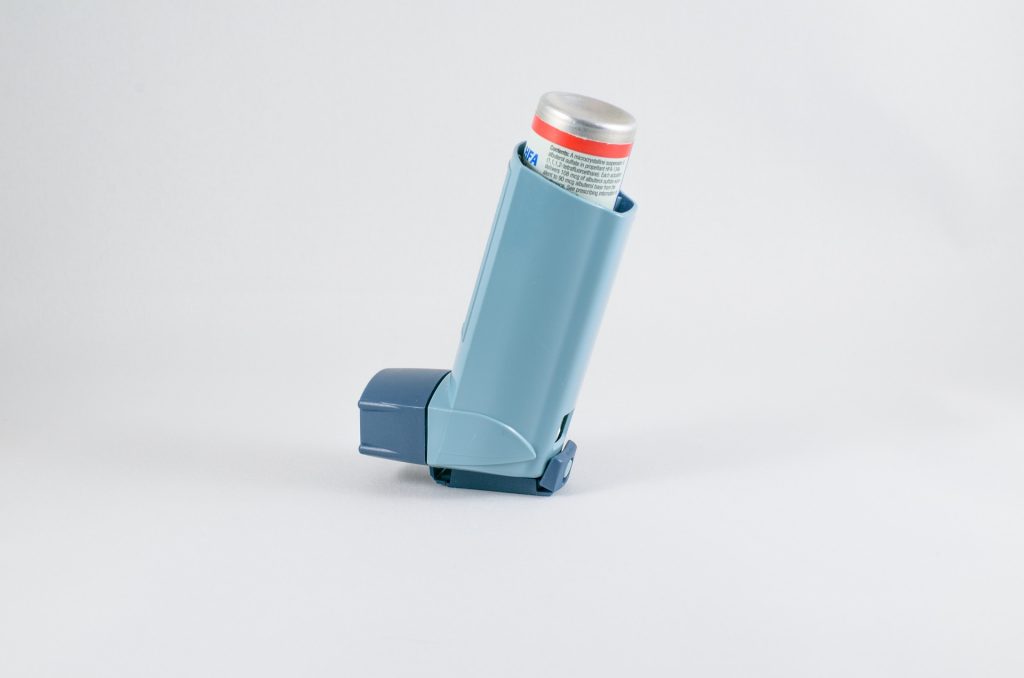
Credit: Pixabay CC0

For children seeking care at a California urban paediatric health centre, extreme heat events were associated with increased asthma hospital visits, according to research published at the ATS 2024 International Conference.

“We found that both daily high heat events and extreme temperatures that lasted several days increased the risk of asthma hospital visits,” said corresponding author Morgan Ye, MPH, research data analyst, Division of Pulmonary and Critical Care Medicine, University of California, San Francisco School of Medicine. “Understanding the impacts of climate-sensitive events such as extreme heat on a vulnerable population is the key to reducing the burden of disease due to climate change.”

Ms Ye and colleagues looked at 2017-2020 electronic health records from the UCSF Benioff Children’s Hospital Oakland, which included data on asthma hospital visits by patients of the hospital, some of whom are from Benioff Oakland’s Federally Qualified Health Center, and demographics including patients’ zip codes. They used data from the PRISM Climate Group of Oregon State University to determine the timing of daily maximum (daytime heat waves) and minimum (nighttime heat waves) for each zip code. The researchers restricted their analyses to the region’s warm season (June to September). To evaluate the potential range of effects of different heat wave measurements, they used 18 different heat wave definitions, including the 99th, 97.5th and 95th percentile of the total distribution of the study period for one, two or three days.

They designed the study in a way that allowed them to determine the association between each heat wave definition and a hospital visit. They repeated the analysis for Bay Area and Central California zip codes.

The team discovered that daytime heat waves were significantly associated with 19% higher odds of children’s asthma hospital visits, and longer duration of heat waves doubled the odds of hospital visits. They did not observe any associations for night-time heat waves.

According to Ye, “We continue to see global temperatures rise due to human-generated climate change, and we can expect a rise in health-related issues as we observe longer, more frequent and severe heat waves. Our research suggests that higher temperatures and increased duration of these high heat days are associated with increased risk of hospital visits due to asthma. Children and families with lower adaptation capacity will experience most of the burden. Therefore, it is important to obtain a better understanding of these heat-associated health risks and susceptible populations for future surveillance and targeted interventions.”

The authors note that past research has suggested positive associations between extreme heat and asthma, but findings regarding hospitalisations and emergency room visits have been conflicting. Additionally, many other studies have focused on respiratory hospitalizations and not hospitalizations for asthma, specifically, and have not included or had a focus on children. This study is also unique because it investigated the effect of daily high temperatures but also the effects of persistent extreme temperatures.

The San Francisco Bay Area and California overall are unique areas of interest because the state is considered a coastal region with less prevalence of cooling units, such as air conditioners. While temperatures may not reach the extremes experienced in other parts of the country, this study demonstrates that even milder extreme heat temperatures may significantly impact health. These effects are more pronounced in climate-susceptible populations, including children and those who are medically vulnerable, such as those served by the urban paediatric health centre in this study. The authors hope these study results will lead to more equitable health outcomes and reduce racial/ethnic disparities observed in climate-sensitive events.

“These results can be used to inform targeted actions and resources for vulnerable children and alleviate health-related stress during heat waves,” they conclude.

Source: American Thoracic Society

First Test of Drug in a Patient with Rare Blood Clotting Disorder is a Success

Source: Wikimedia CC0

A team led by investigators from Massachusetts General Hospital, a founding member of the Mass General Brigham healthcare system, used a new drug to save the life of a patient with immune thrombotic thrombocytopenic purpura (iTTP), a rare disorder characterised by uncontrolled clotting throughout the small blood vessels. The group describes the first clinical use of the drug for iTTP in the New England Journal of Medicine.

“The drug is a genetically engineered version of the missing enzyme in iTTP, and we showed that it was able to reverse the disease process in a patient with an extremely severe form of this condition,” said lead author Pavan K. Bendapudi, MD, an investigator in the Division of Hematology and Blood Transfusion Service at Massachusetts General Hospital and an assistant professor of Medicine at Harvard Medical School.

iTTP results from an autoimmune attack against an enzyme called ADAMTS13 that is responsible for cleaving a large protein involved in blood clotting. The current mainstay of therapy for this life-threatening blood disorder is plasma exchange, which removes the harmful autoantibodies and provides extra ADAMTS13. Plasma exchange induces a clinical response in most patients but can restore at best only about half of normal ADAMTS13 activity. By contrast, a recombinant form of human ADAMTS13 (rADAMTS13) offers the possibility of greatly increased ADAMTS13 delivery.

rADAMTS13 was recently approved for patients with congenital thrombotic thrombocytopenic purpura, which occurs in patients born with complete loss of the ADAMTS13 gene. It’s questionable whether rADAMTS13 could be effective in iTTP given the presence of inhibitory anti-ADAMTS13 autoantibodies, but Bendapudi and his colleagues received permission from the US Food and Drug Administration to utilize rADAMTS13 donated from the manufacturer under a compassionate use protocol in a dying patient with treatment-resistant iTTP.

“We found that rADAMTS13 rapidly reversed this patient’s disease process despite the current dogma that inhibitory autoantibodies against ADAMTS13 would render the drug useless in this condition,” said Bendapudi. “We were the first physicians to use rADAMTS13 to treat iTTP in the United States, and in this case it helped to save the life of a young mother.”

Bendapudi noted that the infused rADAMTS13 overwhelmed the inhibitory autoantibodies in the patient and reversed the thrombotic effects of iTTP. This impact was observed almost immediately upon administration of rADAMTS13, after daily plasma exchange had failed to induce remission.

“I think rADAMTS13 has the potential to replace the current standard of care in acute iTTP. We will need larger, well-designed trials to evaluate this possibility,” said Bendapudi.

A phase 2b randomized clinical trial of rADAMTS13 in iTTP was recently initiated.

Source: Massachusetts General Hospital

SARS-CoV-2 can Cross the Blood–Retinal Barrier, Infecting the Eyes

Photoreceptor cells in the retina. Credit: Scientific Animations

The blood-retinal barrier is designed to protect vision from infections by preventing microbial pathogens from reaching the retina where they could trigger an inflammatory response with potential vision loss. But researchers at the University of Missouri School of Medicine have discovered that SARS-CoV-2 can breach this protective retinal barrier with potential long-term consequences in the eye. Their findings are reported in PLOS Pathogens.

Pawan Kumar Singh, PhD, an assistant professor of ophthalmology, leads a team researching new ways to prevent and treat ocular infectious diseases. Using a humanised ACE2 mice model, the team found that SARS-CoV-2, can infect the inside of the eyes even when the virus doesn’t enter the body through the surface of the eyes. Instead, they found that when viruses enter the body through inhalation, it not only infects organs like lungs, but also reaches highly protected organs like eyes through the blood-retinal barrier by infecting the cells lining this barrier.

This finding is important as we increase our understanding of the long-term effects of SARS-CoV-2 infection,” said Singh. “Earlier, researchers were primarily focused on the ocular surface exposure of the virus. However, our findings reveal that SARS-CoV-2 not only reaches the eye during systemic infection but induces a hyperinflammatory response in the retina and causes cell death in the blood-retinal barrier. The longer viral remnants remain in the eye, the risk of damage to the retina and visual function increases.”

Singh also discovered that extended presence of SARS-CoV-2 spike antigen can cause retinal microaneurysm, retinal artery and vein occlusion, and vascular leakage.

“For those who have been diagnosed with COVID-19, we recommend you ask your ophthalmologist to check for signs of pathological changes to the retina,” Singh said. “Even those who were asymptomatic could suffer from damage in the eyes over time because of COVID-19 associated complications.”

While viruses and bacteria have been found to breach the blood-retinal-barrier in immunocompromised people, this research is the first to suggest that the virus that causes COVID-19 could breach the barrier even in otherwise healthy individuals, leading to an infection that manifests inside the eye itself. Immunocompromised patients or those with hypertension or diabetes may experience worse outcomes if they remain undiagnosed for COVID-19 associated ocular symptoms.

“Now that we know the risk of COVID-19 to the retina, our goal is to better understand the cellular and molecular mechanisms of how this virus breaches the blood-retinal barrier and associated pathological consequences in hopes of informing development of therapies to prevent and treat COVID-19 induced eye complications before a patient’s vision is compromised,” Singh said.

Source: University of Missouri-Columbia

Researchers Identify New Marker for Breast Cancer Prognosis

Photo by National Cancer Institute on Unsplash

A protein called retinitis pigmentosa GTPase regulator interacting protein 1-like (RPGRIP1L) performs various functions that are important for development and for health throughout life, and mutations in the RPGRIP1L gene have been linked to different diseases. New research published in The FASEB Journal indicates that expression levels of the RPGRIP1L gene might serve as a new prognostic marker for individuals with invasive breast cancer.

When investigators examined breast tissue specimens from different women, they found that the expression of RPGRIP1L was elevated in invasive breast cancer specimens compared with normal breast tissue specimens. Also, among patients with invasive breast cancer, those with higher RPGRIP1L gene expression had shorter survival times than those with low expression. Furthermore, elevated expression of RPGRIP1L corresponded with a spectrum of unfavourable clinicopathological features such as the presence of more aggressive forms of cancer and larger tumours.

The researchers also identified 50 genes and 15 proteins whose expression was positively related to RPGRIP1L expression, with most of these proteins and genes being involved in different aspects of the immune response and metabolism.

Finally, the team found that 4 compounds used against cancer – abrine, epigallocatechin gallate, gentamicin, and tretinoin – showed potential for reducing the expression of RPGRIP1L in lab experiments.

“The findings of our research underscore the potential of RPGRIP1L as a significant prognostic biomarker for breast cancer and suggest the viability of novel therapeutic strategies that may modify disease progression, thus potentially enhancing survival rates among affected individuals,” said co–corresponding author Jie Zeng, PhD, of the First Affiliated Hospital of Hunan Normal University, in China.

Source: Wiley

With Gain, No Pain: Exercise Protects against Chronic Pain

Photo by Jonathan Borba on Unsplash

In 2023, researchers in Norway found that among more than 10 000 adults, those who were physically active had a higher pain tolerance than those who were sedentary; and the higher the activity level, the higher the pain tolerance.

After this finding, the researchers wanted to understand how physical activity could affect the chances of experiencing chronic pain several years later. And they wondered if this was related to how physical activity affects our ability to tolerate pain.

This prompted a new study from the researchers at UiT The Arctic University of Norway, the University Hospital of North Norway (UNN), and the Norwegian Institute of Public Health, which was published in the journal PAIN.

“We found that people who were more active in their free time had a lower chance of having various types of chronic pain 7-8 years later. For example, being just a little more active, such as going from light to moderate activity, was associated with a 5% lower risk of reporting some form of chronic pain later,” says doctoral fellow Anders Årnes at UiT and UNN and study author.

He adds that for severe chronic pain in several places in the body, higher activity was associated with a 16% reduced risk.

Measured cold pain tolerance

The researchers found that the ability to tolerate pain played a role in this apparent protective effect. That explains why being active could lower the risk of having severe chronic pain, whether or not it was widespread throughout the body.

“This suggests that physical activity increases our ability to tolerate pain and may be one of the ways in which activity helps to reduce the risk of severe chronic pain,” says Årnes.

The researchers included almost 7000 people in their study, recruited from the large Tromsø survey, which has collected data on people’s health and lifestyle over decades.

After obtaining information about the participants’ exercise habits during their free time, the researchers examined how well the same people handled cold pain in a laboratory. Later, they checked whether the participants experienced pain that lasted for three months or more, including pain that was located in several parts of the body or pain that was experienced as more severe.

Among the participants, 60% reported some form of chronic pain, but only 5% had severe pain in multiple parts of the body. Few people experienced more serious pain conditions.

Pain and exercise

When it comes to exercising if you already have chronic pain, the researcher says:

“Physical activity is not dangerous in the first place, but people with chronic pain can benefit greatly from having an exercise program adapted to help them balance their effort so that it is not too much or too little. Healthcare professionals experienced in treating chronic pain conditions can often help with this. A rule of thumb is that there should be no worsening that persists over an extended period of time, but that certain reactions in the time after training can be expected.”

Source: UiT The Arctic University of Norway