By James White, Director: Sales and Marketing at Turnberry Management Risk Solutions
Medical aid is essential for accessing private healthcare in South Africa, but it does not always cover the full cost of treatment. Shortfalls related to specialist fees, co-payments, and sub-limits, are an ongoing reality, leaving many medical aid members exposed to significant out-of-pocket expenses. This is why gap cover is no longer an optional conversation for advisers. As these shortfalls become increasingly common, clients rely on advisers to identify where cover may fall short and to explain how these risks can be managed. Gap cover plays an important role in addressing this challenge by covering the difference between what medical schemes pay and what providers charge, making it an integral part of the advice process.
Making gap cover part of the conversation
As medical expense shortfalls become increasingly common, addressing them is becoming part of a financial adviser’s responsibility. When recommending or reviewing medical aid, it is not enough to focus only on contributions and benefits. Advisers also need to ensure that their clients are fully aware that their medical aid may not cover the full cost of treatment, particularly where specialist fees, co-payments and sub-limits apply.
Areas where clients are likely to face out-of-pocket costs need to be explained clearly, together with how gap cover can reduce them. Advisers need to position gap cover not as an optional extra, but as an essential part of ensuring that clients are not left exposed to avoidable out-of-pocket costs.
The cost of not addressing shortfalls
If financial advisers do not discuss gap cover with clients, the impact is typically not felt immediately. However, the problem becomes clear when a claim arises. If a member receives treatment expecting their medical aid to cover the full cost, and then ends up with a large bill for the shortfall, or has to pay a large co-payment upfront, this can result in significant dissatisfaction.
The reality is that medical expense shortfalls are no longer unusual, and both the size and frequency of these costs are increasing. Specialists may charge several times the scheme rate, while co-payments and benefit limits are increasingly used by medical aids to manage costs and keep premiums affordable. Without additional cover, patients must pay these costs out of pocket, and they can run into tens or even hundreds of thousands of rands.
This is why it is important that these gaps be raised upfront. Clients rely on their advisers to explain how medical aid works and what costs may arise, so they can make informed decisions before a claim happens, rather than being caught off guard by costs that place pressure on their finances.
What advisers should be explaining
Gap cover should form part of every discussion around medical aid, rather than being treated as an optional extra. When recommending or reviewing medical aid, it is important for advisers to highlight where out-of-pocket costs may still arise, including specialist tariff gaps, co-payments, sub-limits and network restrictions.
These risks need to be explained clearly, together with how gap cover can reduce them. Discussing this upfront helps clients understand what their medical aid will and will not pay, so they are not surprised by costs when they claim. It also ensures that decisions around cover are based on a clear view of the full healthcare funding picture, not only the monthly premium.
Over time, this approach builds trust and reinforces the adviser’s role in helping clients manage healthcare costs, rather than reacting to them after the fact.
Complete advice requires a complete view of healthcare risk
Medical aid remains essential, but it does not remove the risk of medical expense shortfalls, co-payments, or sub-limits. These are now a routine part of private healthcare and need to be addressed as part of the advice process.
Advisers have a responsibility to identify and explain these risks clearly, and to make them a consistent part of every client conversation.
Helping clients understand how their medical aid works, where shortfalls may arise, and how gap cover can address those gaps ensures that their cover reflects a complete view of their healthcare costs and is genuinely aligned to their needs.
Study links shifts to buildup of susceptible hosts, explores similar shifts in heart-related deaths
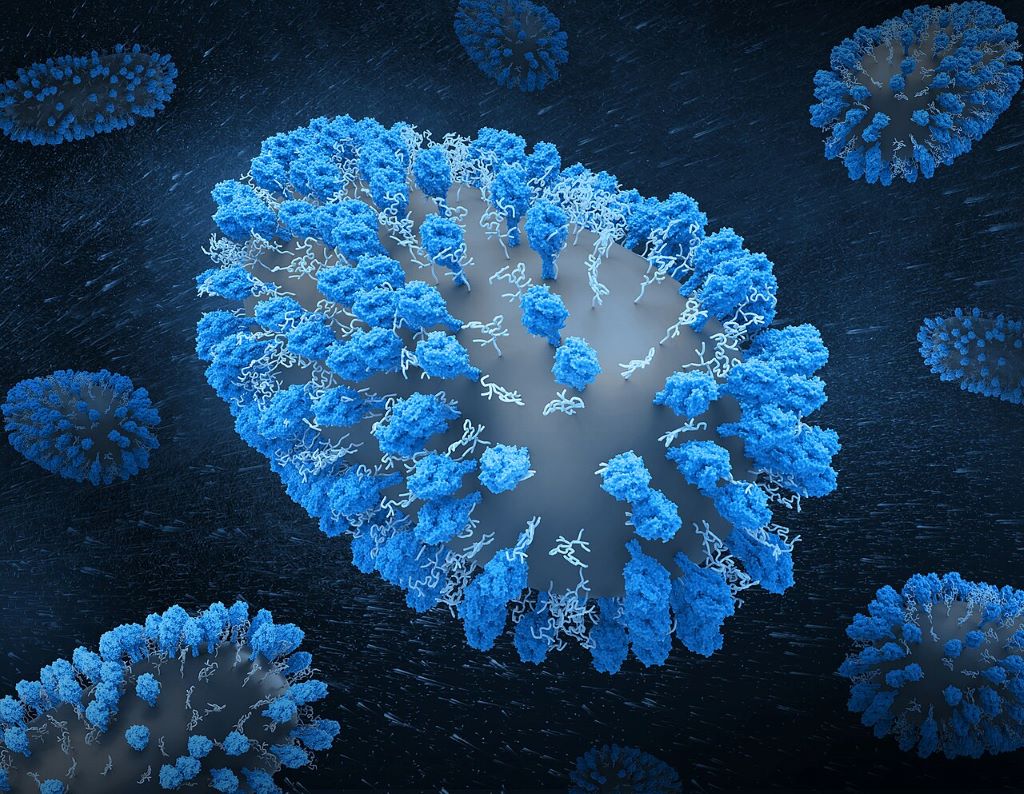
Creative layout featuring scientifically-based 3D renderings of respiratory syncytial virus (RSV). RSV is a common contagious virus that infects the human respiratory tract. Credit: NIAID
A German analysis explores what underlies shifts in the timing of seasonal surges of respiratory diseases, as well as shifts in surges of heart-related deaths, that occurred after the COVID-19 pandemic began. Michael Sieber and Arne Traulsen of the Max Planck Institute for Evolutionary Biology, Germany, present these findings in the open-access journal PLOS Global Public Health on July 15, 2026.
Rates of respiratory infections such as the flu and RSV typically peak during seasons when transmission rates rise. Rates of death from any cause – not just from infection – follow a similar seasonal pattern.
However, the drivers underlying the exact timing of these surges have been unclear. The COVID-19 pandemic provided a unique opportunity to explore these dynamics, since interventions like social distancing and masking disrupted typical transmission patterns of other respiratory diseases. Sieber and Traulsen analysed data on weekly respiratory infection rates and death rates in Germany, covering the last 14 years.
The analysis showed that, pre-pandemic, respiratory infections almost always surged for a few weeks February and March. After the pandemic began, intervention efforts tamped down infections, eliminating one seasonal surge. Once infections rose again, surges shifted to December or earlier. Now, these peak weeks are gradually resuming pre-pandemic timing.
Using well-established epidemiological modelling tools, the researchers found that population-level loss of immunity after the skipped seasonal surge led to buildup of susceptible hosts, resulting in higher transmission earlier in the season. That is, seasonal transmission variations present a window of opportunity for a surge, and the size of the pool of susceptible hosts at the start of that window determines when, exactly, the surge occurs.
Similarly, typical seasonal surges in rates of death from any cause – but particularly from cardiovascular disease – also shifted earlier post-pandemic. Thus, respiratory infections may be key drivers of the timing of seasonal surges in cardiovascular deaths. More research is needed to explore this connection, but it aligns with other evidence that respiratory infections are a significant risk factor for cardiovascular disease.
On the basis of their findings, the researchers emphasize the importance of monitoring people’s infection history and improving vaccination coverage.
The authors add: “News stories of an earlier than usual onset of the flu season during the COVID-19 pandemic motivated us to look into the available epidemiological data more closely. We were surprised by the magnitude of the shift in timing of seasonal respiratory infections in Germany, and interested in trying to predict if this would turn out to be a long-term effect of the pandemic or if we should expect a quick return to the normal seasonal timing. The most recent flu seasons confirmed that the seasonal timing indeed shifts back to normal within one or two seasons, most likely due to a return to the pre-pandemic population-levels of immunity to the most common respiratory pathogens. We were even more surprised to see that the seasonal dynamics of all-cause mortality, which is dominated by cardiovascular diseases, closely followed the shift in timing of respiratory infections. This adds to the growing evidence that respiratory infections are an important risk factor for cardiovascular problems.”
A targeted approach using bacteriophages to disarm harmful microbes without disrupting the broader gut ecosystem
Credit: CC0
A research team at McMaster University has developed a targeted approach to treating inflammatory bowel disease (IBD) using bacteriophages, viruses that infect specific bacteria, to disarm harmful microbes without disrupting the broader gut ecosystem.
The study, published in Science Translational Medicine and featured on the cover of the journal, brings together researchers from the Faculty of Engineering and the Faculty of Health Sciences, combining expertise in microbiome science and targeted antimicrobials to tackle a complex challenge in gut health.
Although current treatments for IBD can be effective, they can fail long-term or require escalating doses, increasing the risk of serious side effects.
IBD is shaped by a combination of genetics, immune responses and the gut microbiome. The research team focused on a group of bacteria known as adherent-invasive Escherichia coli (AIEC), which have been linked to inflammation in some people with Crohn’s disease. These bacteria can be difficult to identify and selectively target, making them an important test case for more precise microbiome-based therapies.
“One challenge is that AIEC are defined by what they do, not simply by how they appear in a microbiome analysis,” says Elena Verdu, professor in the Department of Medicine, director of the Farncombe Family Digestive Health Research Institute, and an executive member of NexusHealth.
“To identify them, we need to test their behaviour, such as their ability to adhere to and invade intestinal cells and persist in immune cells.”
Working with E. coli strains isolated from patients with Crohn’s disease, the team used controlled experimental models to isolate how AIEC contribute to inflammation and explore ways to neutralise their harmful behaviour without damaging beneficial bacteria.
To target AIEC without collateral damage, the team turned to bacteriophages, or phages, which are naturally occurring viruses that infect bacteria with remarkable precision.
“Phages work like a lock-and-key system – each phage targets only certain bacteria. That precision gives us a way to intervene without wiping out the entire microbiome,” explains Zeinab Hosseinidoust, associate professor in the Department of Chemical Engineering and the School of Biomedical Engineering and a member of the Michael G. DeGroote Institute for Infectious Disease Research (IIDR).
The team identified and characterised phages that selectively target AIEC strains isolated from patients with IBD and found that this approach significantly reduced gut inflammation.
The phages did not eliminate the bacteria entirely. Instead, they altered their behaviour by supressing a molecular “grappling hook” that helps AIEC attach to the gut lining and trigger immune responses. When that virulence mechanism was turned off, inflammation subsided.
“The bacteria were still there, but they lost the traits that drive inflammation,” says Hosseinidoust.
“We like to think of it as knocking out a few teeth. The bacteria can’t do as much damage anymore.”
The researchers also found that phage therapy enhanced the effectiveness of a commonly used steroid treatment for IBD. When combined with the phage, a lower-than-standard dose produced benefits comparable to higher doses of the drug alone.
While phages have previously been shown to increase the effectiveness of antibiotics, this is the first time a positive collaboration between phage and a non-antibiotic drug has been reported.
The findings point to a precision-medicine approach for IBD. The bacterial function targeted by the phage can be measured in stool samples and was found to be higher in a subset of patients with Crohn’s disease, suggesting a potential way to identify those who could benefit most from this therapy.
“If we can identify which patients carry the harmful bacterial function, we could, in the future, intervene with a targeted therapy designed specifically to turn down that activity,” says Verdu.
“This is what personalised medicine should look like: matching the right biological tool to the right patient,” says Hosseinidoust.
Next steps for the team include evaluating broader collections of bacterial strains from IBD patients and developing combinations of phages – work that brings the approach closer to human trials.
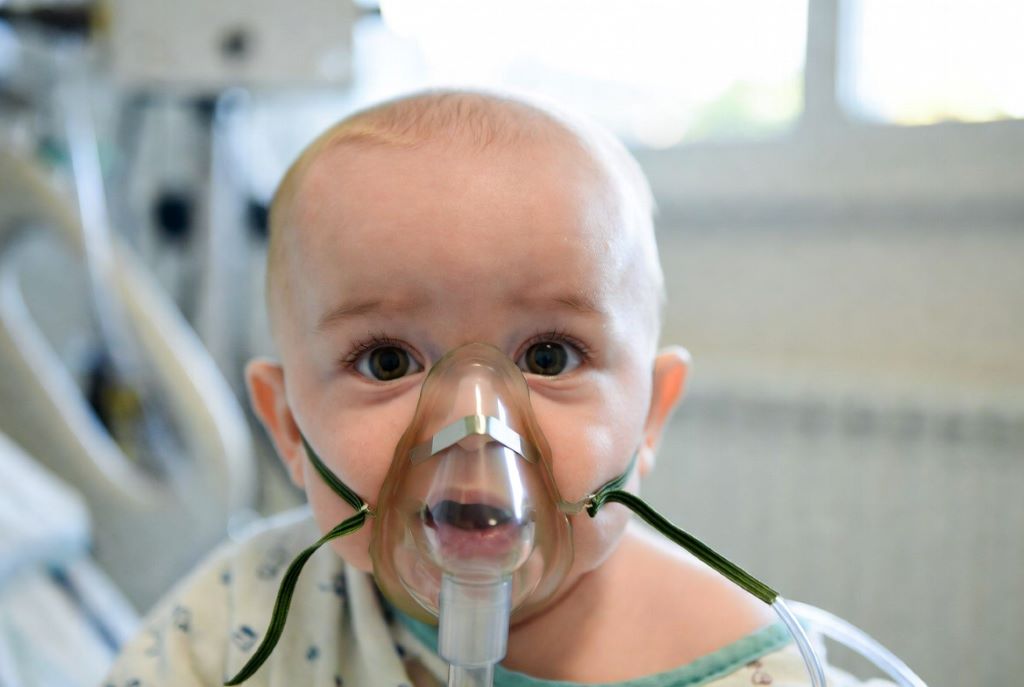
Future therapies for respiratory syncytial virus (RSV) must target both the virus and its immune response to ensure babies get the best possible outcomes, finds a new study by researchers at UCL and Great Ormond Street Hospital for Children (GOSH).
RSV is the biggest cause of serious illness in babies, with over three million hospital admissions worldwide because of the virus every year. It causes wheezing and breathing difficulties, and in the worst cases babies end up in intensive care. Despite this, treatment options for infants who develop severe disease remain extremely limited.
As part of the new study, published in Nature Communications and funded by Animal Free Research UK and UK Research and Innovation (UKRI), researchers built a new lab model of baby lungs to show why RSV makes infants so much sicker than adults and allow them to test new treatments before they reach patients.
The miniature model of a baby’s airways was created using real infant airway cells, blood vessel cells and neutrophils (a type of white blood cell that acts as the immune system’s primary response to infection).
To compare with an adult response to RSV, the research team also made a model of an adult’s airways.
Dr Claire Smith (UCL Great Ormond Street Institute of Child Health), who led the study, said: “This model allows us to watch early immune responses unfold and study them in a human setting that reflects the infant airway. That’s something animal models often struggle to capture, especially when it comes to age-specific effects.”
When the models were infected with RSV, the team found that baby airway cells attracted far more white blood cells than adult airway cells did. This influx can block babies’ small airways and make it harder for them to breathe.
Neutrophils normally circulate in the blood but enter lung tissue in response to infection. In the baby airway model, researchers found that the neutrophils that entered the lung tissue were more activated and triggered a stronger inflammatory reaction than in the adult model.
This effect depended on the immune cells physically moving through the infected tissue, not just responding to chemical signals released by it, making this type of model essential for studying it.
This suggests it’s the infant airway itself, not just the virus, that ramps up the immune response and causes damage to the lungs.
First author, Dr Machaela Palor (UCL Great Ormond Street Institute of Child Health), said: “These findings help explain why RSV is often much more severe in infants than in adults. The paediatric airway actively shapes how immune cells behave during the infection.”
The researchers then tested two antiviral drugs (remdesivir and RSV604). Both stopped the virus from multiplying, but only RSV604 also calmed the overactive immune response, reducing levels of a key inflammatory protein released by white blood cells – high levels of which are linked to more severe RSV disease in babies.
Remdesivir had no effect on this, suggesting that not all antivirals are equal when it comes to protecting the infant airway from immune-driven damage.
This suggests that treating severe RSV in babies may require more than just stopping the virus – it may also be important to calm an overactive immune response.
The researchers hope their findings and the new approach to research on RSV will accelerate the development of treatments better tailored to infants.
Dr Smith said: “Our model gives us a way to assess both sides of the problem at once. We can not only ask whether the drug stops the virus but also whether it helps control immune response in the infant airway.
“This work reinforces the idea that age matters in respiratory infection. Understanding how infant airways shape immune responses will be key to designing safer and more effective RSV treatments.”
A major new international study led by Curtin University, has found diabetes risk is about more than just body weight or obesity, revealing muscle health also likely plays a big role in whether people will develop the condition.
The team found people with both excess body fat and poor muscle health – a condition known as sarcopenic obesity – were more than three-and-a-half times as likely to develop type 2 diabetes than people with healthy body composition.
It also found people with sarcopenic obesity were 19 per cent more likely to develop type 2 diabetes than people with obesity alone and 91 per cent more likely to develop type 2 diabetes than people with low muscle mass and strength (sarcopenia) alone.
Lead author and PhD candidate Zhongyang Guan said the findings challenge the common perception diabetes risk is primarily driven by body weight.
“Most people know carrying excess weight can increase the risk of type 2 diabetes, but our findings show muscle health is also an important piece of the puzzle,” Mr Guan said.
“People with both excess body fat and low muscle mass had a substantially higher risk of developing type 2 diabetes than those with obesity alone.
“This suggests we need to look beyond the number on the scales when assessing diabetes risk, as maintaining muscle strength and muscle mass may be just as important as managing body weight.”
The study found nearly 15 per cent of people with sarcopenic obesity developed type 2 diabetes within 10 years, compared with around 11 per cent of people with obesity alone and just 3 per cent of people without sarcopenia or obesity.
The link was particularly strong among women and adults under the age of 60.
Project senior lead Professor Mario Siervo said the results supported a broader approach to diabetes prevention.
“Healthcare professionals routinely monitor body weight and obesity, but our findings suggest assessing muscle health could help identify people at high risk earlier,” Professor Siervo said.
“As populations age and rates of obesity continue to rise, preserving muscle health through regular physical activity and healthy lifestyle habits could play an important role in reducing the burden of type 2 diabetes.”
Diabetes WA Clinical Services Manager Jessica Weiss said the findings highlighted the important role muscle plays in controlling blood sugar levels and reflected what health practitioners were seeing firsthand.
“We know our muscles use a lot of our glucose for fuel and working them during physical activity is a great way to help use up glucose from our blood and regulate glucose levels,” Ms Weiss said.
“Physical activity also reduces our body’s resistance to insulin, an important element to type 2 diabetes.
“The more muscle we have and the more regularly we use them, the better equipped our body is to prevent or manage type 2 diabetes.”
New platform paves the way for patient-specific lenses in a single visit to the optometrist
A breakthrough combination of new silicone materials and advanced 3D printing technology developed by University of Waterloo researchers could transform how contact lenses are manufactured.
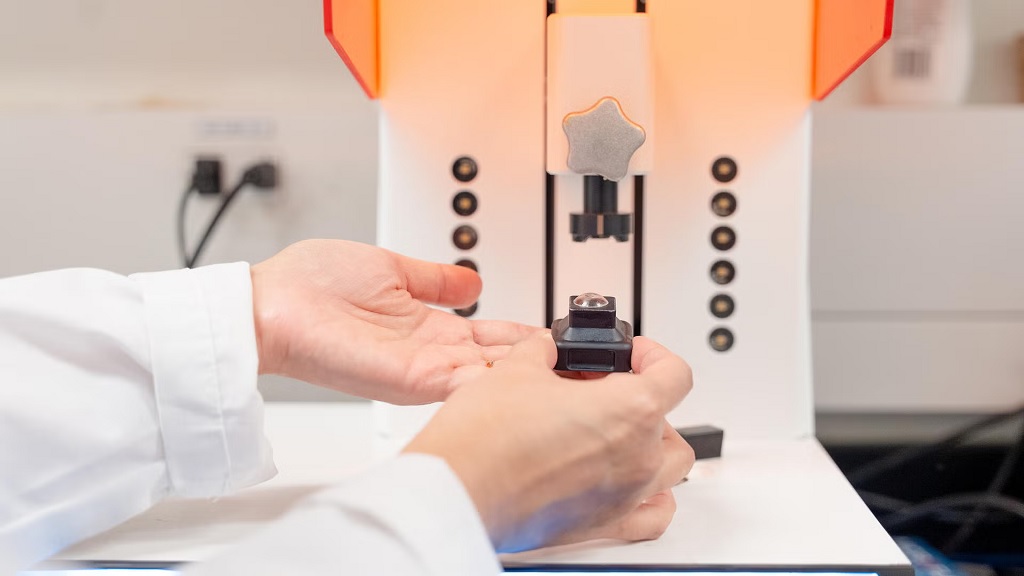
The award-winning innovation can produce patient-specific contact lenses in as little as 20 minutes, paving the way for specialised lenses to be designed, manufactured and dispensed during a single visit to the optometrist. The technology is described in the journal Materials and Design.
Most contact lenses are manufactured in a limited range of sizes and shapes rather than being custom-made for each person’s eye. While soft lenses are suitable for many wearers, patients with irregularly shaped corneas often require rigid lenses to achieve clear vision. Finding the right fit can require several appointments over weeks or months before patients receive lenses that fit properly and provide the function they need.
Researchers in Waterloo’s Department of Chemistry developed the digital manufacturing platform to address these challenges.
“We are very excited about this work because it brings us closer to contact lenses that are truly personalised,” said Dr Shirley Tang, professor in Waterloo’s Department of Chemistry. “Our technology produces lenses with patient-specific surfaces for a precise fit while delivering the optical clarity and mechanical performance expected of commercial contact lenses.”
The platform combines custom lens design software, a newly developed silicone material, and advanced manufacturing techniques.
Silicone is widely used in contact lenses because it is safe, biocompatible and highly oxygen permeable. However, conventional silicone materials are generally not compatible with 3D printing. To overcome this barrier, the Waterloo team developed a new hydrophilic silicone formulation specifically designed for additive manufacturing while maintaining the properties required for contact lens applications.
“Our software designs a lens with an inner surface that precisely matches the patient’s cornea and an outer surface that provides the required vision correction,” said Dr Sayan Ganguly, Chemistry research associate at Waterloo. “The novel hydrophilic silicone material we created, combined with our manufacturing process, produces smooth, transparent lenses that are comfortable to wear.”
Because 3D-printed objects are built layer by layer, tiny stair-step imperfections can form on curved surfaces and reduce optical clarity and wearer comfort. To address this issue, the team developed an ultra-thin, non-contact coating process that smooths the surface without altering the customised shape of the lens or compromising its optical performance.
Laboratory testing confirmed the lenses are biocompatible and the team is preparing for in vivo studies. Researchers have filed a provisional patent for the hydrophilic silicone material and are preparing a full patent application.
Working with the Centre for Vision and Eye Research (CEVR), a joint research institute of the University of Waterloo and the Hong Kong Polytechnic University, the researchers are advancing the technology toward commercialization.
The project recently received a Gold Medal at the Shanghai International Exhibition of Inventions in June 2026.
Sudden unexpected postnatal collapse during the first week of life is rare but can have deleterious consequences. A new study from Karolinska Institutet shows that the condition is more common than previously estimated and highlights measures that may reduce the risk.
Sudden unexpected postnatal collapse (SUPC) occurs when an apparently healthy newborn suddenly stops breathing and collapses during the first week of life. In a new study, published in the journal Acta Paediatrica, researchers investigated how common the condition is and when it occurs.
The researchers analysed approximately 483 000 births at seven maternity units in Stockholm between 2002 and 2022 and identified 149 cases of SUPC. This corresponds to 31 cases per 100 000 live births.
“It is important to remember that this is a very rare condition. According to our findings, it affects around 30 infants each year in Sweden, and two to four of these cases lead to death. Most cases occur during the infant’s first day of life,” says the study’s senior author, Eric Herlenius, paediatrician at Karolinska University Hospital and Professor of Paediatrics at the Department of Women’s and Children’s Health, Karolinska Institutet.
The study found that 81 per cent of collapses occurred during the first 24 hours after birth, with half taking place within four hours of delivery. Seven per cent of affected infants died and 26 per cent sustained permanent neurological injuries. Two-thirds of the cases occurred while the infant was sharing a bed with a parent.
“Skin-to-skin contact is important for newborn infants, but parents need to ensure that the baby’s airways are always clear and visible. Adults should not fall asleep while holding their baby skin to skin, and infants should not sleep in the same bed as their parents during the first three months of life,” says Eric Herlenius
The researchers point out that SUPC still lacks a specific diagnostic code, making the condition difficult to monitor. According to the researchers, this may have contributed to an underestimation of its true incidence.
Reviewed medical records
To identify cases, the researchers reviewed electronic medical records of infants born after at least 35 weeks of pregnancy. The records were searched for symptoms suggestive of collapse, such as episodes of apnoea, bluish skin discolouration, or sudden loss of muscle tone. Each suspected case was then assessed according to internationally established criteria for SUPC.
Since 2011, the researchers have also collected urine samples from affected infants and compared them with samples from healthy infants of the same age. They found higher levels of a prostaglandin E2 metabolite in infants who experienced SUPC during the first days of life, the same period during which most collapses occurred
“We believe that clearer guidelines for safe skin-to-skin care and safe sleep environments are needed and could help reduce the number of cases further,” says Eric Herlenius.
At the same time, the researchers aim to improve understanding of the biological mechanisms underlying the condition, including the elevated levels of prostaglandin E2 metabolite observed in some affected infants. By studying the relationship between these levels and the brainstem’s control of breathing, the researchers hope to gain a better understanding of why some newborns develop SUPC and, in some cases, sudden unexpected death.
Several tools are currently used to assess the health of older people and their risk of future health problems, but it is unclear which ones perform best. A new study published in BMC Medicine compares seven widely used geriatric assessment tools. The results show that a relatively simple tool developed by researchers at Karolinska Institutet – can be just as reliable as more advanced and comprehensive approaches.
As populations age, healthcare systems face growing challenges in identifying older adults at increased risk of declining health, care dependency, and other adverse outcomes. Although numerous assessment tools have been developed for this purpose, few studies have directly compared their ability to predict a broad range of health outcomes.
In the current study, researchers analysed data from 3108 people aged 60 years and over who participated in the Swedish National study on Aging and Care in Kungsholmen, SNAC-K. Participants were followed for up to six years.
The researchers compared seven different assessment tools commonly used in healthcare and research. They evaluated how well each tool predicted a broad range of outcomes, including formal care use, nursing home admission, hospitalisation, dementia, disability, injurious falls, quality of life, and death. The results showed that three tools – the Health Assessment Tool (HAT), Intrinsic Capacity (IC) and the Frailty Index – consistently performed best across outcomes.
The simpler tool, HAT, combines a small number of measures that are relatively easy to collect in clinical practice, including an individual’s ability to manage everyday activities, cognitive function, walking speed, and number of chronic conditions.
“Our findings suggest that relatively simple tools that capture multiple dimensions of health can effectively identify older people at increased risk of future health decline and support clinical decision-making,” says Amaia Calderón-Larrañaga, the study’s senior author and senior researcher at the Aging Research Centre, and director of the TraCeDem research centre at Karolinska Institutet.
The study also found that several widely used tools, which are often endorsed by guidelines, performed less well for certain outcomes compared to HAT, IC, and the Frailty Index.
The researchers note that the findings should be interpreted with some caution. Participants in the study were, on average, healthier and more highly educated than the general older population, which may influence how well the results generalise to other settings.
See the scientific article for information on funding and potential conflicts of interest.
Mycobacterium tuberculosis drug susceptibility test. Photo by CDC on Unsplash
By Elri Voigt
Being a researcher who studies tuberculosis in the lab is one thing, having the TB bug in your lungs is quite another. Spotlight sat down with two of a relatively small number of people who have experienced both.
One morning in April, Constance Schreuder, a senior medical technologist at a large research group at the University of Cape Town, was called into the campus’s occupational health office. “I was thinking, did I do something wrong?” she recalls.
When she got to the office, she says the doctor immediately opened the window behind him. She wondered “what is going on now?”.
The doctor told her that she has tested positive for the very illness she’s been studying at the South African Tuberculosis Vaccine Initiative (SATVI) for over two decades.
Part of Schreuder’s job involves working with post-mortem samples and tissues, as well as clinical trial samples sent from different TB research sites.
“We always protect ourselves by wearing the correct PPE [personal protective equipment]. So, we’re always safety first,” she says. “I was actually exposed [to TB] in the office where I sit. After all the years that I’ve been working in the lab.”
TB, caused by Mycobacterium tuberculosis, is typically spread when someone with the bacterium in their lungs coughs it up and those droplets are inhaled by others. The droplets are just the right size to hang suspended in the air, allowing TB to survive in a room for several hours.
Schreuder was confused by the diagnosis because she didn’t, and still does not, feel ill at all. She had been tested two months prior as a precaution after a PhD student in the lab had been diagnosed with TB and gotten very sick.
Her initial test results looked good. She had produced a sputum sample, a thick phlegm from the lungs, which was sent to the lab for molecular testing (using the GeneXpert platform). The test came back negative for TB DNA. She had also had a chest X-ray done, which showed no signs of TB in her lungs.
It was another test result that raised the alarm. In addition to the GeneXpert test, her sputum sample had been sent to be cultured. This involves putting the sample into a special tube, called a Mycobacteria Growth Indicator Tube (MGIT), and attempting to grow the bacteria if any is present. If TB bacteria has grown after around 50 days, then it means the TB bug was present in the sample. In Schreuder’s case, the TB bacteria did grow, although the bacterial count was low, a result in-keeping with her lack of symptoms.
Although she was sceptical of the result and wondered about a potential laboratory error, Schreuder’s thoughts immediately went to her close contacts – her 81-year-old mom who she sees on weekends, her pregnant daughter who lives nearby, and her son who lives with her. What did this mean for them, she wondered.
No one else from the office who had been tested showed any sign of TB disease, although Schreuder says that not everyone’s sputum sample had been cultured due to the cost of the test.
Only about one in ten people who are exposed to the bacterium will become sick with TB. In most people, the immune system contains and eventually starves the bacterium to death. In others, however, the bug survives inside the body and eventually causes illness, weeks, months, or even years later.
A silent form of TB
Schreuder very likely has what is called asymptomatic TB. This is a state where the bug is active in someone’s body, but it is not, or not yet, resulting in symptoms. There are many unknowns about this state, how much it actually contributes to TB transmission and how best to test for and treat it.
While there is much uncertainty about the prevalence of asymptomatic TB, some rough numbers exist. South Africa’s first National TB prevalence survey found that just over half of the participants with TB that was confirmed through molecular testing, did not report having any TB symptoms.
Schreuder says that she knew about TB symptoms but was under the impression that people had to show at least some symptoms if they were ill.
She says she was issued with a sick note, was told by the doctor at the occupational health office to go to a public healthcare sector clinic to get treatment, and that she was booked off for the next 14 days. People who are ill with TB generally become non-infectious after having taken TB treatment for around two weeks.
South Africa’s TB treatment guidelines does not recommend different treatment courses based on whether or not someone has symptoms. That means that Schreuder has to take the full six-month course of TB treatment.
‘I thought it was something very serious’
Schreuder’s experience is one side of the coin, the other side is a story from the same lab, one that may seem more familiar.
Tatenda Bvudzijena, an energetic young student, says he came to do his PhD at the SATVI lab because of the world class research that he felt he could learn a lot from. He shares an office space with several staff members at SATVI, including Schreuder. It was his TB diagnosis that had prompted the staff to get tested.
Bvudzijena describes himself as hard-working, so it was very unusual when he started feeling too tired to complete laboratory work near the end of 2025. He was finishing up the second year of his PhD at the time. He says he tried taking some vitamin B, but it didn’t help. Then he started to develop some of the typical symptoms of TB, persistent cough and weight-loss. The cough didn’t go away after he treated it with over-the-counter medicines.
“I had those coughing symptoms, then they disappear for a while, then it comes back again. It’s oscillating…coming back, stopping, coming back again,” he says.
Bvudzijena says a private sector doctor told him he might have asthma, but none of the medication he was prescribed – anti-inflammatories, cough syrup, antibiotics, and asthma pills – worked.
Meanwhile, he kept getting sicker.
“That’s when I was like, ‘no, this is not helping’. By that time, I had chest pains and I was losing a lot of weight,” Bvudzijena says. “I just remember back then I used to wear like a size 32 jeans…then I was wearing size 28…I was less than 55kg, but I used to be like 70kg,” he recalls.
He says he was starting to panic since the pain in his chest felt sharp. Gesturing to an area underneath his ribs on his left, he says: “I thought it was something very serious.” He adds: “At first I thought, maybe I could be having lung cancer, because I used to vape.”
Then, one Monday morning in February, Bvudzijena went to see another private sector doctor. This time he was immediately sent to get a TB test and a chest X-ray. “Your chest X-ray is showing symptoms suggestive of TB”, the doctor told him two days later.
Bvudzijena says he was both scared and relieved. He was relieved because TB can be cured and he did not have something incurable but also scared because seeing his own chest X-rays, he realised he was quite sick with TB.
Bvudzijena has to take the same six months course of treatment as Schreuder.
What taking TB treatment is like
In South Africa, “typical” or drug susceptible pulmonary (of the lungs) TB in adults is treated with a six-month treatment course – consisting of four drugs for two months and then two drugs for the next four months.
TB is mostly treated in the public healthcare sector, so even if someone has medical aid or access to private sector healthcare, they might still go to public sector facilities to get treatment.
TB treatment and diagnosis is covered under the minimum prescribed benefits for medical aid members. According to a notice by the Council for Medical Schemes, TB treatment can be made available to members of medical aid schemes through public sector clinics, but they should be given the option of getting their treatment through the private sector. Whether they can get treatment in the private sector is likely to depend on whether they can find a private sector doctor comfortable with treating TB and a pharmacy that stocks TB medicines.
Still showing no symptoms of TB when she started treatment, Schreuder says she was surprised to learn from the package insert that came with the medicine that the pills must be taken on an empty stomach. The initial two months is five tablets per day (dosage depends on a person’s weight), she explains grimacing.
She has had some side effects. At first, it was only constipation and her urine turning orange, a side effect of rifampicin, one of the four antibiotics used to treat drug-susceptible TB. But by the second month of taking the medication, she also started experiencing muscle and joint pains as well as burning feet.
Schreuder will start on the less intensive four remaining months of the course soon, when the regimen drops from four down to two antibiotics. But she worries about what the drugs might be doing to her body.
With TB already taking its toll on Bvudzijena, he says he started treatment knowing that he had to be serious about taking it as prescribed.
“I was in that situation whereby you know you’re very sick and based on the chest X-rays I was seeing, this [TB disease] was intensive. So like I had to take meds, I had to,” he says, tapping his finger on the table for emphasis.
He says he was surprised by the size of the tablets, eyes wide as he describes them. “They’re big! I’ve never seen something like that. It was my first time seeing a pill for TB,” he says.
For Bvudzijena, the side effects have been relatively mild, a runny stomach and a skin rash, as well as joint pain when he started the two-drug phase of treatment.
He says he started feeling better soon after starting treatment, got his appetite back, and his TB symptoms disappeared completely.
Two clinics, two different treatment experiences
But before they could start taking their treatment, Bvudzijena and Schreuder had to get access to the drugs, which was easier said than done.
Bvudzijena, upon getting his chest X-ray, says he was told nothing other than he needed to go to Groote Schuur Hospital. So he went, only to find that because Groote Schuur Hospital’s waiting rooms employ a triage system – where patients who are in the most critical condition are seen first – he’d likely have to wait several hours.
So, he left and later went to a doctor at another private hospital and got referred to see a specialist at that hospital. He says the specialist would have only been able to see him a week later. At his wits end, he went to campus health, who put him in touch with a nurse at a nearby public sector clinic.
Once at that clinic, he says he was well taken care of, got given a little green card, identifying him as a TB patient. This card is his ticket to travelling through the clinic quickly and not having “to wait in a long queue wearing a mask”.
“My only problem was from being diagnosed to getting help,” he says.
Schreuder, after being booked off, had Googled the nearest public sector clinic that offers TB treatment. The next day, on a rainy Friday, she drove from her home in Cape Town’s Northern Suburbs to a clinic in the Durbanville area. She wore a clean mask she had found in a bag, a remnant of the COVID-19 pandemic.
“I actually was there 06:30 in the morning because I wanted to just get it over with and start with this medication because they say if you drink it for 14 days, then you’re not infectious anymore,” she says.
At the clinic, she says she was taken to a separate room to wait by herself, as it turns out for five hours. Eventually she says she was helped by a nurse, who filled out her paperwork and took another sputum sample.
Another hour later, she says she left with six packs of TB medication, enough for the first month of treatment. But she had to stop at a private sector pharmacy on the way home because the clinic was out of vitamin B6, which she had been told to take to help with the potential side effect of “pins and needles in your hands and feet”.
Her frustrations with the system would mount. At a subsequent clinic visit Schreuder discovered that her phone number hadn’t been captured, meaning she hadn’t received the test results from her second sputum test. When she asked for her TB medicines to be dispensed to her ahead of time since she was already at the clinic, she says she was told the medicines were out of stock.
When she arrived for her next appointment at 12:00 on a Friday in May, she says the clinic seemed empty. When she eventually found a nurse, she claims the nurse told her she was only working until 12:00, and that the rest of the staff had left to attend a party for someone who had resigned, and that Schreuder must come back on Monday. A frustrated Schreuder says she didn’t accept this and eventually the nurse agreed to give her the medication.
“What’s worrying for me,” says Schreuder, “is, I said to her, ‘I work in this clinical trial lab where we want to find a cure for TB. But are we going to reach a TB free world if it [the health system] works like this?’.”
What needs to change?
Both Bvudzijena and Schreuder say it needs to be made easier for people with TB to start and collect TB treatment. They suggest that private sector pharmacies could be a convenient alternative to public sector clinics. Bvudzijena adds that stable patients could also collect their medication from selected community pharmacies or other collection points closer to home, reducing unnecessary travel and long waiting times.
He also touched on the need for better, clearer information for people who have just been diagnosed with TB about where they need to go, what documents they might need and how to start treatment.
“When you’ve just been told you have TB, you’re already worried,” he says. “The last thing you need is to be sent from one place to another without knowing where to get help.” He adds that there needs to be better coordination between private healthcare providers and public clinics.
Both touched on the stigma associated with a TB diagnosis. Schreuder says she received support from family members but otherwise it felt like people were simply checking that she had been cleared to go back to work. Bvudzijena says overall the reaction to his diagnosis was mixed. Some people like his roommates and friends were supportive, but not everyone was so understanding. “It was tough,” he says.
Change in perspective
Bvudzijena says that getting sick with TB changed his perspective on the research he’s involved with.
“What I realise now, after having TB, is that this research is about so much more than science. My work is focused on improving TB diagnosis so people can be diagnosed earlier, while many of my colleagues are working on better treatments and vaccines. After going through TB myself, I know how much that work can mean to someone who’s sick. It’s really going to change people’s lives,” he says.
To Schreuder, the experience has also been eye-opening but in a different way. She recounts some of the stories she heard while waiting at the clinic, a woman who has arrived at 05:30 but hours later still hadn’t been helped because her file was missing. A man who is afraid he’ll lose his job if he waits any longer. Patients sent to wait outside on cold benches and concrete floors, some looking very ill. Data from community-led monitoring group Ritshidze suggests that long waiting times is a common problem.
“I can fight my own battles, but what about all those that are too afraid to say something?” Schreuder asks.
Every Mandela Day, South Africans answer the call to make a difference. Across the country, people dedicate 67 minutes to uplifting others by serving meals, painting schools, planting trees, mentoring young people, and supporting those in need.
But what if your 67 minutes could leave a legacy of hope? What if they could help save up to three lives? This Mandela Day, the South African National Blood Service (SANBS) is inviting South Africans to transform a simple act of generosity into a lifetime of impact by donating blood.
Unlike many acts of service, the impact of a blood donation doesn’t end when you leave the donor centre. It continues in emergency rooms, operating theatres, maternity wards and hospital beds across the country, where donated blood gives someone another chance to recover, celebrate another milestone, and experience another tomorrow.
Every lifesaving blood transfusion begins with one person making one simple decision: to show up.
That’s why SANBS is encouraging more South Africans, especially first-time donors to become part of a community of everyday heroes whose generosity gives strangers a second chance at life.
“Whether you have donated before or have always wondered if you should, Mandela Day is the perfect opportunity to take that first step,” says Monique Schreiner, Senior Manager: Donor Relations at SANBS. “The donation process is safe, simple and takes less than 67 minutes from start to finish. Yet those minutes could mean a lifetime for someone else.”
Nelson Mandela believed that each of us has the power to make a meaningful difference through service. Blood donors live that legacy every day – not for recognition or reward, but because they understand that, somewhere, someone is depending on the kindness of a stranger.
This Mandela Day, let your 67 minutes create a lifetime of impact.