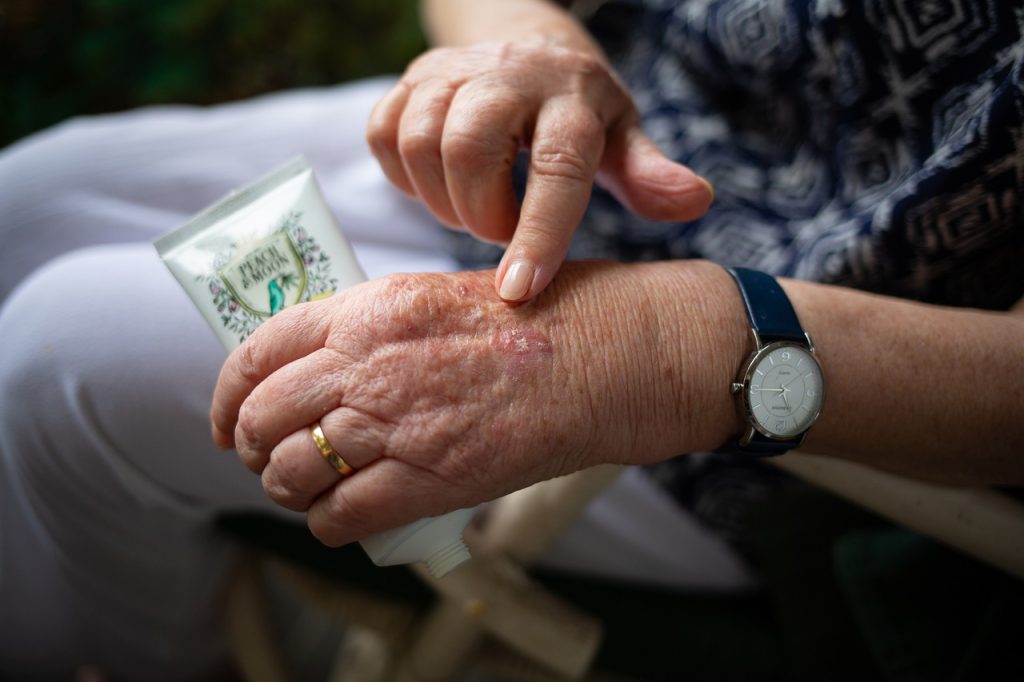
In a study published in Arthritis & Rheumatology, people with hand osteoarthritis, higher body mass index was associated with greater pain severity in the hands, feet, knees, and hips.
Osteoarthritis is one of the most debilitating joint disorders worldwide, affecting up to 10% of men and 13% of women. Osteoarthritis is characterised by a progressive onset of joint damage, commonly associated with pain. Joints commonly affected include the knee, hip and hand. Various stressors, risk factors and genetics may predispose an individual to developing osteoarthritis in a particular joint.
In a study of 281 patients, researchers noted that observed associations of body mass index with hand pain and total body joint pain seemed to involve certain inflammatory markers (leptin and high-sensitivity C-reactive protein, respectively).
The researchers suggest that systemic effects of obesity, measured by leptin, could have a larger mediating role for pain in hands than in lower extremities. Low-grade inflammation, measured by hs-CRP, may contribute to generalised pain in overweight or obese individuals.
“Our results highlight the complexity of pain in hand osteoarthritis. Obesity is not only leading to pain through increased loading of joints in the lower extremities, but seems to have systemic effects leading to pain in the hands and overall body,” said lead author Marthe Gløersen, MD, of Diakonhjemmet Hospital, in Norway.
Having a spinal cord injury increases risk of developing mental health conditions such as depression and anxiety by nearly 80% compared to those without the traumatic injury, a new study shows. However, chronic pain may have an equally large, negative effect on mental health.
The study, published in Spinal Cord, compared private insurance claims from more than 9000 adults with a traumatic spinal cord injury with those of more than 1 million without. Researchers accounted for a range of psychological conditions, from anxiety and mood disorders to insomnia and dementia.
People living with a spinal cord injury had a diagnosis of a mental health condition more often than those without – 59.1% versus 30.9%. While depression and adverse mental health effects are not inevitable consequences of every traumatic spinal injury, previous studies have consistently echoed higher levels of psychological morbidity among this group than the general population without spinal cord injuries.
However, this study found that chronic centralised and neuropathic pain among adults living with a spinal cord injury were robustly associated with post-traumatic stress disorder, substance use disorders and other mental health conditions. In most cases, chronic pain was an even greater influence on these conditions than exposure to living with the injury itself.
The study authors said the findings should prompt physicians to identify mental health conditions when seeing patients with spinal cord injuries and refer them for treatment.
“Improved clinical efforts are needed to facilitate screening of, and early treatment for, both chronic pain and psychological health in this higher-risk population,” said lead author Dr Mark Peterson, associate professor of physical medicine and rehabilitation at Michigan Medicine.
However, researchers note a lack of insurance coverage and limited available services will likely cause the issue to remain largely unaddressed.
“Stakeholders need to work together to lobby for more federal research funding and special policy amendments to ensure adequate and long-term insurance coverage for both physical and mental health to meet the needs of folks living with spinal cord injuries,” Dr Peterson said.
A new study found that duloxetine, a medication that is prescribed to treat depression and may also reduce chronic pain, did not benefit patients with hip or knee osteoarthritis.
Off-label uses for duloxetine include chemotherapy-induced peripheral neuropathy and stress urinary incontinence. It is in the Serotonin and norepinephrine reuptake inhibitors (SNRIs) class of medications.
An open label, cluster randomised trial was conducted in patients experiencing chronic osteoarthritis-related pain in the hip or knee that did not go away with paracetamol and NSAIDs. Of 133 patients, 66 were assigned to duloxetine 60mg/day plus usual care and 66 were assigned to only usual care.
The findings, published in Arthritis & Rheumatology howed that duloxetine did not lessen WOMAC (Western Ontario and McMaster Universities Osteoarthritis Index) pain at 3 months or 12 months. For the subgroup of patients with symptoms of centralised pain no effect of duloxetine was found either.
“There was no clinically relevant effect of duloxetine added to usual care compared to usual care alone for chronic osteoarthritis pain, and it should not be implemented,” the authors concluded.
A new systematic review has found only very low-quality evidence that substances claiming to treat or prevent alcohol-induced hangover have any effectiveness. In light of this, the researchers called for more rigorous scientific exploration of the effectiveness of these remedies for hangovers to provide practitioners and the public with accurate evidence-based information for decision making.
Numerous remedies claim to be effective against hangover symptoms; however, up-to-date scientific examination of the literature is lacking. To address this gap, a team of researchers from King’s College London and South London and Maudsley NHS Foundation Trust conducted a systematic review to consolidate and assess the current evidence for hangover treatments.
The study, published today by the scientific journal Addiction, assessed 21 placebo-controlled randomised trials of clove extract, red ginseng, Korean pear juice, and other hangover cures. Although some studies showed statistically significant improvements in hangover symptoms, all evidence was of very low quality, usually because of methodological limitations or imprecise measurements. In addition, no two studies reported on the same hangover remedy and no results have been independently replicated.
Of the 21 included studies, eight were conducted exclusively with male participants. The studies were generally limited in their reporting of the nature and timing of alcohol challenge that was used to assess the hangover cures and there were considerable differences in the type of alcohol given and whether it was given alongside food.
Common painkillers such as paracetamol or aspirin have not been evaluated in placebo controlled randomised controlled trials for hangover. Future studies ought to be more rigorous, such as using validated scales to assess hangover symptoms, the researchers advised. More female participants are also needed in hangover research.
Lead author Dr Emmert Roberts said: “Hangover symptoms can cause significant distress and affect people’s employment and academic performance. Given the continuing speculation in the media as to which hangover remedies work or not, the question around the effectiveness of substances that claim to treat or prevent a hangover appears to be one with considerable public interest. Our study has found that evidence on these hangover remedies is of very low quality and there is a need to provide more rigorous assessment. For now, the surest way of preventing hangover symptoms is to abstain from alcohol or drink in moderation.”
The hangover cures assessed in this study included Curcumin, Duolac ProAP4 (probiotics), L-cysteine, N-Acetyl-L-Cysteine (NAC), Rapid Recovery (L-cysteine, thiamine, pyridoxine and ascorbic acid), Loxoprofen (loxoprofen sodium), SJP-001 (naproxen and fexofenadine), Phyllpro (Phyllanthus amarus), Clovinol (extract of clove buds), Hovenia dulcis Thunb. fruit extract (HDE), Polysaccharide rich extract of Acanthopanax (PEA), Red Ginseng, Korean Pear Juice, L-ornithine, Prickly Pear, Artichoke extract, ‘Morning-Fit’ (dried yeast, thiamine nitrate, pyridoxine hydrochloride, and riboflavin), Propranolol, Tolfenamic acid, Chlormethiazole, and Pyritinol.
In treating knee osteoarthritis pain, topical medication for pain relief is safer and more effective than opioids, according to a new meta-analysis.
The paper, which appears in BMJ, compared the benefits and harms of different doses of commonly prescribed treatments for hip and knee osteoarthritis, including oral non-steroidal anti-inflammatory drugs (NSAIDs), topical NSAIDs, opioids, and acetaminophen (Tylenol). The meta-analysis looked at 192 large, randomised clinical trials with a total of over 102 000 participants.
Researchers found, regardless of preparation or dose, opioids did not significantly relieve pain for osteoarthritis patients. They also found that topical Diclofenac – known to consumers as Voltaren – is effective in treating knee osteoarthritis.
The topical treatment, which can be purchased over-the-counter, is generally safer than oral NSAIDs and should be considered as first-line pharmacological treatment for knee osteoarthritis, the study authors say. Osteoarthritis affects millions of Canadians.
Study lead author, Dr. Bruno R. da Costa, Acting Director of the Applied Health Research Centre (AHRC) at the Li Ka Shing Knowledge Institute of St. Michael’s Hospital, stated that recent clinical practice guidelines recommend the lowest possible dose to minimise the risk of adverse events.
However, he said, “it is currently unclear what the lowest but still effective doses of these drugs are. Osteoarthritis affects more than 4.6 million people in Canada. Our findings allow physicians, patients, or their caregivers to have a better understanding of which of these treatments at their lowest doses would be safest while still being effective.”
“Although there is robust evidence about the harmful effects of opioids, and international concerns around the opioid epidemic, opioids remain among the most prescribed drugs for osteoarthritis pain in Canada, the United States, the United Kingdom and Australia.”
Dr da Costa said that none of the opioid interventions, regardless of dose, seemed to have a clinically relevant effect on pain or physical function. Opioids should therefore only play a secondary role in osteoarthritis treatment, when conventional treatment is exhausted.
What was most surprising was that maximum recommended daily doses of opioids do not have an effect in osteoarthritis pain that patients would consider relevant. They did not see an association between higher opioid doses and greater pain relief.
Lower doses of topical diclofenac (Voltaren) also have a similar beneficial effect to the most effective oral NSAIDs in knee osteoarthritis – an important finding as some patients with gastrointestinal complaints and other comorbidities. Adverse events of topical NSAIDs are minimal. The topical diclofenac trials had only knee osteoarthritis, and in hip osteoarthritis the depth is likely too great for any benefit.
The next step is to better understand the safety of oral NSAIDs in patients with comorbidities, and long-term use on an as-needed-basis with varying versus fixed daily doses. It would also be useful to identify if there are patients who have exhausted treatment options but could benefit from opioids or acetaminophen.
First author Matilda Forni with the ultra-thin microelectrodes during production (Photo: Agata Garpenlind)
In an entirely new stimulation method to combat severe pain, researchers at Lund University in Sweden have developed ultra-thin microelectrodes which are inserted into the pain centres of the brain.
This approach, which was tested in rats, provides effective and personalised analgesia, without the side effects of drugs. The findings were reported in Science Advances.
The quality of life of patients experiencing pain is greatly impacted by the lack of side-effect free treatment, and pain also impacts society in terms of reduced productivity. Side effects of pain medication can include reduced mental capacity and, in some cases, addiction. According to a recent American report, about 8% of the American population suffer from high-impact chronic pain.
To address this, professor of neurophysiology Jens Schouenborg led a research team which developed a method to combat pain via personalised stimulation using ultra-thin, tissue-friendly microelectrodes.
“The electrodes are very soft and extremely gentle on the brain. They are used to specifically activate the brain’s pain control centres without simultaneously activating the nerve cell circuits that produce side effects. The method involves implanting a cluster of the ultra-thin electrodes and then selecting a sub-group of the electrodes that provide pure pain relief, but no side effects. This procedure enables extremely precise and personalised stimulation treatment that was shown to work for every individual,” explained Prof Schouenborg.
Pain control is achieved by activating the brain’s pain control centres, these in turn block only the signal transfer in the pain pathways to the cerebral cortex.
“We have achieved an almost total blockade of pain without affecting any other sensory system or motor skill, which is a major breakthrough in pain research. Our results show that it is actually possible to develop powerful and side effect-free pain relief, something that has been a major challenge up to now,” explained first author and doctoral student Matilde Forni.
Over several years, the researchers developed a tissue-friendly, gelatine-based technology and surgical techniques that allowed them to precisely implant the flexible microelectrodes. According to the researchers, the new technique should work on all sorts of pain that are conveyed by the spinal cord, which is most types of pain.
“In our study we also compared our method with morphine, which was shown to deliver considerably less pain relief. In addition, of course, morphine has a powerful sedative effect as well as other cognitive effects. In the study we could also show that pain after sensitisation (hyperalgesia), which is common in chronic pain, was blocked”, said Prof Schouenborg.
The researchers plan to test the technology in humans and that within five to eight years yield an effective pain treatment, for pain from cancer or chronic pain in connection with spinal cord injuries, for which there is no currently satisfactory pain treatment..
The researchers also consider that the method could be used in a broader way to treat conditions besides pain.
“In principle, the method can be tailored to all parts of the brain, so we believe that it could also be used in the treatment of degenerative brain diseases such as Parkinson’s disease as well as in depression, epilepsy and probably stroke as well. The electrode technique also has applications in diagnostics and not least in research on how the mysterious brain works,” said Prof Schouenborg.
Patients who have electroacupuncture during total knee replacement surgery report less pain and need far fewer opioids to manage their discomfort. In the study, 65% of patients who received acupuncture during surgery were able to have a low-dose or opioid-free postoperative experience, compared to 9% of patients outside of the study.
“Total knee replacements are one of the most common operative procedures in the United States and often very painful, so there’s a great need to explore non-opioid pain relief techniques for this type of surgery,” said lead author Stephanie Cheng, MD, DABMA, assistant attending anaesthesiologist at the Hospital for Special Surgery and assistant professor of clinical anaesthesiology at Weill Cornell Medicine. “Acupuncture is extremely safe and can help reduce pain with few unwanted side effects, but it has not been well researched as part of surgical anesthesia.”
The study enrolled 41 patients who had primary total knee replacement, all of whom received the institution’s standard opioid-sparing multimodal analgesic protocol, with the addition of electroacupuncture, which is a modified form of traditional acupuncture that applies a small electric current to thin needles that are inserted at known acupuncture points on the body. The acupuncture was administered during surgery by Dr Cheng, who is board-certified in medical acupuncture, to eight specific points in the ear to provide targeted pain relief in the knee.
With the addition of acupuncture, the majority of patients had reduced postoperative opioid use, compared to historical controls, while 65% of patients either maintained a low-dose opioid regimen of 15 oxycodone pills or less (57.5%) or remained completely opioid-free (7.5%) from induction of anaesthesia to 30 days post-surgery. Historically, only 9% of patients outside of the study were able to maintain a low-dose or opioid-free regimen post-surgery. Thirty days after surgery, all patients discontinued opioid use.
“Our study shows that if a trained medical acupuncturist is available to perform acupuncture in the operating room, it can help patients with postoperative pain recovery,” said Dr Cheng. “Most studies fail to incorporate nontraditional techniques, such as acupuncture, to help decrease the dependence on opioid medications for postoperative pain control.”
Low-dose perioperative opioid consumption is key to mitigating the opioid epidemic and opioid misuse by patients. Dr Cheng pointed out that with acupuncture being commonly used outside of the hospital as an effective therapy for pain management and treatment for a range of health issues and symptoms, it’s time to consider its benefits inside the hospital as well. “Additional research is needed to further define acupuncture’s effects and encourage its use in all aspects of disease treatment.”
More than a fifth of ‘opioid-naïve’ patients continue to use opioids three months after having a procedure, underscoring the often-overlooked role surgery plays in the opioid epidemic.
In research presented at the ANESTHESIOLOGY® 2021 annual meeting, smokers and people with bipolar disorder, depression or pulmonary hypertension were found to be at highest risk.
Persistent opioid use was much higher than expected among opioid-naïve patients (those who did not have an opioid prescription filled in the previous year). Surgery is the first time many patients have used opioids, often prescribed for post-surgical pain management.
The study examined data on 13 970 opioid-naïve adults from 2013-2019. In the study, opioid-naïve patients were those who had not filled an opioid prescription 31 days to one year before surgery (patients often are prescribed opioids in advance so they are available immediately after the surgery). Researchers found that 21.2% of patients refilled their opioid prescription three months to one year after the procedure. Unless they have cancer or had chronic pain before surgery, very few patients should still need opioids three months after surgery, the researchers note.
Analysing 46 potential risk factors, researchers found many patients were still using opioids after three months. The top four risk-factors identified, which were modifiable, were: smoking, bipolar disorder, depression and pulmonary hypertension. They also found that procedures with cardiac and podiatry surgical providers and patients who had cataract surgery were at an increased risk of persistent opioid use.
“To reduce the likelihood of ongoing opioid use, physician anesthesiologists should use the preoperative assessment to identify patients at highest risk for persistent use,” said lead author Gia Pittet, AuD, PhD, visiting graduate researcher for anesthesiology and perioperative medicine at the University of California, Los Angeles. “Before they have surgery, patients who smoke should be encouraged to quit, those with pulmonary hypertension should see a doctor to help them get the condition under control and patients with bipolar disorder or depression may require a preoperative adjustment of their medications.”
Patients should also receive counseling about the safe use of opioids and be offered alternative pain management, such as limited or non-opioid multimodal treatment and be monitored frequently and closely while they are taking opioids.
New research from the University of Connecticut has brought the drug-free technology of electrical anaesthesia for all chronic pain sufferers a step closer.
Pain stimuli, or ‘nociceptive stimuli’ is picked up by nociceptors which send signals to the spinal cord, which passes it on to the brain where the perception of pain is manifested.
Bin Feng, associate professor in the Biomedical Engineering Department, led research which discovered how electrical stimulation of the dorsal root ganglia (DRG), sensory neural cell body clusters, can block nociceptive signal transmission to the spinal cord and prevent the brain from perceiving chronic pain signals. The findings are reported in PAIN.
Electrical devices to treat pain typically deliver electrical signals to the peripheral nervous system and spinal cord to block nociceptive signals from reaching the brain.
A major obstacle with these devices is that while some patients find them beneficial in relieving their chronic pain, others have little or no pain reduction. Despite incremental developments of neurostimulator technologies, there has not been much improvement in getting the devices to work for these patients.
“The trouble with this technology is that it can benefit a portion of patients very well, but for a larger portion of patients it has little benefit,” Prof Feng said.
One of the reasons is that such devices lag behind research into neural stimulation.
“We’re sitting on a huge pile of clinical data,” Prof Feng says. “But the science of neuromodulation remains understudied.”
Neurostimulators relieve pain according to a ‘gate control’ theory. Our bodies can detect both innocuous stimuli, like something brushing against the skin, and painful stimuli, through low- and high-threshold sensory neurons, respectively.
The spinal cord ‘gate’ can be shut by activating low-threshold sensory neurons, preventing painful nociceptive signals from high-threshold sensory neurons from crossing the spinal cord to the brain.
Neurostimulators reduce pain in patients by activating low-threshold sensory neurons with electrical pulses. This usually causes a non-painful tingling sensation in certain areas of the skin, or paresthaesia, masking the perception of pain.
Many patients receiving DRG stimulation treatment reported pain relief without the expected paraesthesia.
Seeking to understand this, Prof Feng’s lab discovered that electrical stimulation to the DRG can block transmission to the spinal cord at frequencies as low as 20 hertz. This is in contrast to previous research indicating that blocking requires kilohertz electrical stimulation.
“The cell bodies of sensory neurons form a T-junction with the peripheral and central axons in the DRG,” Feng says. “This T-junction appears to be the region that causes transmission block when DRG is stimulated.”
More remarkably, sensory nerve fibres with different characteristics are blocked by different electrical stimulation frequency ranges at the DRG, allowing the development of new neural stimulation protocols to enhance selective transmission blocking with different sensory fibre types.
“A-fibre nociceptors with large axon diameters are generally responsible for causing acute and sharp pain,” Prof Feng explained. “It is the long-lasting and dull-type pain that bothers the chronic pain patients mostIn a chronic pain condition, C-fibre nociceptors with small axon diameter and no myelin sheath play central role in the persistence of pain. Selectively blocking C-fibres while leaving A-fibres intact can be a promising strategy to target the cause of chronic pain.”
This provides evidence to place more electrodes for devices that target the DRG and surrounding neuronal tissues, letting doctors provide more precise neuromodulation.
“The next-generation neurostimulators will be more selective with fewer off-target effects,” Prof Feng said. “They should also be more intelligent by incorporating chemical and electrical sensory capabilities and ability to communicate bidirectionally to a cloud-based server.”
Prof Feng hopes that more people will be eventually able to achieve chronic pain relief with this technology. He is now working toward conducting clinical studies with his collaborators at UConn Health to test the efficacy of this method in humans.
Atogepant (Qulipta) has become the first oral calcitonin gene-related peptide (CGRP) receptor antagonist (gepant) specifically developed for migraine prevention to win FDA approval, manufacturer AbbVie announced on Monday.
Following on after rimegepant, which is also indicated by the FDA for acute migraine treatment, atogepant became the second gepant approved for prevention of episodic migraine in adults.
The atogepant decision “reflects a broader shift in the treatment and management paradigm for the migraine community,” noted Peter Goadsby, MD, PhD, DSc, of the University of California Los Angeles and King’s College London.
“Qulipta provides a simple oral treatment option specifically developed to prevent migraine attacks and target CGRP, which is believed to be crucially involved in migraine in many patients,” said Dr Goadsby in a statement. Atogepant has a high affinity at the CGRP receptor, and being a small-molecule drug it can be taken orally, unlike injectable anti-CGRP monoclonal antibodies approved for migraine prevention. An oral CGRP-receptor antagonist is easier for patients, Goadsby noted when he presented data from atogepant’s pivotal phase IIb/III trial at the 2019 American Academy of Neurology annual meeting. “It could facilitate, with time, the greater use of this mechanism in primary care,” he told MedPage Today. “Primary care doctors will more easily use a medicine that’s relatively simple to use and well-tolerated, and that means more migraine patients can get treated.”
In the phase III ADVANCE trial, 873 participants were randomised to receive a once-daily dose of oral atogepant (10mg, 30mg, or 60mg) or placebo. After 12 weeks, average days with migraine per month dropped from baseline by 3.7 days with atogepant 10mg, 3.9 days with atogepant 30mg, 4.2 days with atogepant 60mg, and 2.5 days with placebo. The most common adverse events with atogepant were constipation and nausea, along with fatigue. Patients should notify their healthcare provider if they have kidney problems or are on dialysis, have liver problems, are pregnant or plan to become pregnant, or are breastfeeding or plan to breastfeed, AbbVie said.