Researchers have found that compounds in the edible Lions’ Mane mushroom (Hericium erinaceus), already used in herbal medicine for stomach complaints, can promote nerve growth and boost memory. Their findings are published in The Journal of Neurochemistry.
The compounds are neurotrophins – a family of proteins associated with the growth, functioning and maintenance of neurons. In mammals, brain-derived neurotrophic factor (BDNF) is highly expressed in central nervous system neurons. Because BDNF pathway impairment is associated with several diseases, including schizophrenia, Alzheimer’s disease, Rett syndrome, and Huntington’s disease, experimental treatments for neurological and neurodegenerative disorders often target neutrophins.
So far, such treatments have run into problems with crossing the blood-brain barrier and off-target effects. H. erinaceus is high in neutrophins, though it has traditionally been used in herbal medicine to treat stomach complaints and cancer. It is also known for promoting peripheral nerve regeneration.
Two of the biologically active types of compounds, hericenones and erinacines, can successfully cross the the blood-brain barrier and confer neuroprotective effects.
The researchers tested crude and purified H. erinaceus extracts and found that they exhibited BDNF-like neurotrophic activity in both in vitro cultured hippocampal neurons and in mouse models of hippocampal memory. The extracts also promoted neurite outgrowth and improved memory.
They concluded that Hericene A acts through a novel signalling pathway, giving rise to improved cognitive performance. These findings however will need to be validated by future research.
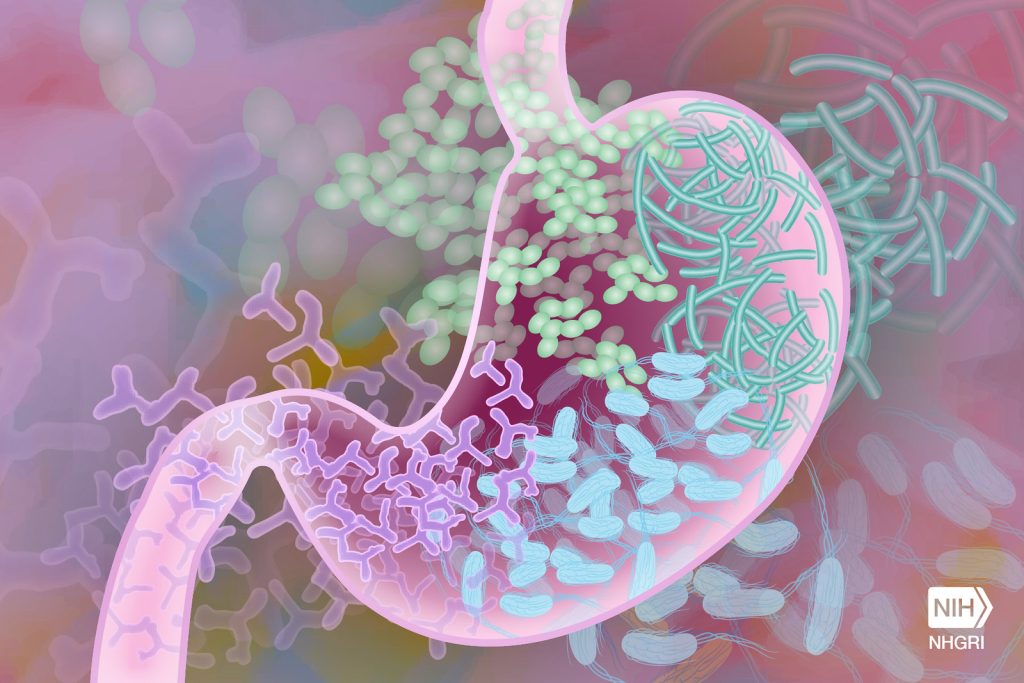
Changing the structure of a dietary fibre commonly found in a range of food products has been found to promote healthy gut bacteria and reduce gas formation, a finding that could help people with intolerances to fibre and irritable bowel conditions. The findings have been published in Food Hydrocolloids.
A team of scientists from the University of Nottingham, Quadram Institute Biosciences and the University of East Anglia examined psyllium, a type of natural dietary fibre that is used in a range of products including cereals and yoghurts. They showed that the physical state of the fibre has a major impact on gas production which often is linked to bowel discomfort.
The team performed in vitro fermentation experiments seeded with human stool. They conducted analysis of fermentation products and evaluated the impact of different structures on the broad categories of microorganisms.
Dr Gleb Yakubov, Associate Professor in Food Physics at the University of Nottingham was one of the lead researchers on the study, he explains: “Although fibre is an important part of any diet, for many people it can cause bowel discomfort and for people with IBS or IBD fibre can be a trigger. This is because some foods cause bacterial interactions in the gut that create gas that can lead to pain or discomfort. Our study shows that the physical state of the fibre has a major impact on gas production by creating beneficial compounds that promote the creation of the good bacteria in the gut.”
Psyllium fibre comes from the seeds of Plantago ovata plants, known by many common names such as blond plantain. These seeds produce a jelly-like material called mucilage, which comes in a variety of shapes and forms and these feature long-chain sugars, called polysaccharides. It is these polysaccharides that lead to the production of beneficial short-chain fatty acids that contribute positively to gut health and systemic metabolism. This study shows that different physical states of fibre impact the way dietary fibre breaks down and that microbes ‘colonise fibre’ during fermentation.
Professor Yakubov continues: “These findings show that there are new opportunities for designing targeted structures using psyllium, either through seed processing or selective breeding, to achieve new fibre materials with clear clinical benefit above that of unrefined psyllium powders aiding in the treatment of gastrointestinal discomfort.”
Research is already underway to create and test psyllium-mimicking materials as medical nutrition which could provide a source of fibre for people with some bowel conditions.
Imidazole dipeptides (IDPs), which are abundant in meat and fish, have been reported to be effective in relieving fatigue and preventing dementia. Researchers have discovered that most of these IDPs identified in beef, chicken and pork also have remarkably high antioxidant activity. They detailed their findings in the journal Antioxidants.
Professor Hideshi Ihara from the Osaka Metropolitan University Graduate School of Science led a research team that was the first to discover 2-oxo-imidazole-containing dipeptides (2-oxo-IDPs), which have one more oxygen atom than normal IDPs. Found at concentrations of 0.015–0.11% that of normal IDPs, these were also shown to be potent antioxidants.
In their study, the researchers came up with a method for selective and highly sensitive detection of five types of 2-oxo-IDPs using mass spectrometry, which enables quantitative detection of trace 2-oxo-IDPs in living organisms. Using this method, they revealed for the first time that beef, pork, chicken, and other meats contain antioxidants, not only IDPs but a variety of different 2-oxo-IDPs.
“We hope that this research method, which enables advanced analysis of 2-oxo-IDPs, will be applied not only to basic biology but also to medicine, agriculture, and pharmacy, where it will help improve peoples’ health and prevent diseases,” concluded Professor Ihara.
Among its many health benefits, brown rice has long been known to protect against oxidative stress – but it was not known which compound was responsible for this. Researchers in Japan have identified the compound that confers this protective effect, with their findings published in the International Journal of Molecular Sciences.
In a recent study led by Professor Yoshimasa Nakamura from the Graduate School of Environmental and Life Science, Okayama University, researchers from Japan have identified cycloartenyl ferulate (CAF) as the main “cytoprotective” or cell-protecting compound in brown rice. CAF is a unique compound owing to its hybrid structure. As Professor Nakamura explains, “CAF is a hybrid compound of polyphenol and phytosterol and is expected to be a potent bioactive substance with various pharmacological properties, such as antioxidant effect and blood fat-lowering effect.”
In this study, the researchers provide evidence of CAF’s antioxidant properties by demonstrating that it can protect cells from stress caused by hydrogen peroxide. Although hydrogen peroxide is a by-product of a cell’s metabolic processes, abnormal amounts of the compound can be toxic to cells and cause irreversible damage. Treatment of cells with CAF increased their resistance to toxic stress induced by hydrogen peroxide. Moreover, CAF provided greater protection from hydrogen peroxide-induced stress compared to alpha-tocopherol and gamma-tocopherol, two other prominent antioxidant compounds that were earlier speculated to be major contributors to the antioxidant capacity of brown rice.
According to the study’s estimates, the amount of CAF in the whole grain of brown rice is five-fold higher than that of other antioxidant compounds found in brown rice. Further, CAF increases the concentration of heme oxygenase-1 or HO-1, an enzyme that facilitates the production of antioxidants. “We demonstrated here that CAF significantly increased the mRNA level of HO-1, the small molecular weight antioxidant-producing enzyme, at concentrations similar to that required for cytoprotective effects in resistance to oxidative damage,” Professor Nakamura explains.
The researchers further explored this mechanism of action through experiments where blocking HO-1 activity using inhibitors reduced the antioxidant effect of CAF considerably. The high abundance and unique mechanism of action are evidence that CAF is the major contributing antioxidant in brown rice.
Through this study, the researchers have not only uncovered the secret to the health benefits of brown rice, but also locked down on the component that is majorly responsible for these benefits. This will allow the use of CAF in the development of better novel supplements and food products focused on consumer health. As an optimistic Professor Nakamura observes, “Our study can help in the development of new functional foods and supplements based on the functionality of CAFs, like CAF-based nutraceuticals.”
Regulatory T cells ensure that immune responses happen in a controlled way. But eating too much salt weakens these cells’ energy supply, thus rendering them temporarily dysfunctional. This salt-induced ‘load shedding’ may have implications for autoimmunity, researchers report in Cell Metabolism.
Excessive salt consumption not only causes cardiovascular problems, it could also adversely impact the immune system. The study found that salt can disrupt regulatory T cells by impairing their energy metabolism. The findings may provide new avenues for exploring the development of autoimmune and cardiovascular diseases.
A few years ago, research by teams led by Professor Dominik Müller and Professor Markus Kleinewietfeld revealed that excess salt in the diet can negatively affect the metabolism and energy balance in certain types of innate immune cells called monocytes and macrophages and stop them from working properly. They further showed that salt triggers malfunctions in the mitochondria. Inspired by these findings, the research groups wondered whether excessive salt intake might also create a similar problem in adaptive immune cells like regulatory T cells.
Important immune regulators
Regulatory T cells, also known as Tregs, are an essential part of the adaptive immune system. They are responsible for maintaining the balance between normal function and unwanted excessive inflammation.
Scientists believe that the deregulation of Tregs is linked to the development of autoimmune diseases like multiple sclerosis. Recent research has identified problems in mitochondrial function of Tregs from patients with autoimmunity, yet the contributing factors remain elusive.
“Considering our previous findings of salt affecting mitochondrial function of monocytes and macrophages as well as the new observations on mitochondria in Tregs from autoimmune patients, we were wondering if sodium might elicit similar issues in Tregs of healthy volunteers,” says Müller, who co-heads the Hypertension-Mediated End-Organ Damage Lab at the Max Delbrück Center and the ECRC.
Previous research has also shown that excess salt could impact Treg function by inducing an autoimmune-like phenotype. In other words, too much salt makes the Treg cells look like those involved in autoimmune conditions. However, exactly how sodium impairs Treg function had not yet been uncovered.
Salt interferes with mitochondrial function of Tregs
The new international study led by Kleinewietfeld and Müller has now discovered that sodium disrupts Treg function by altering cellular metabolism through interference with mitochondrial energy generation. This mitochondrial problem seems to be the initial step in how salt modifies Treg function, leading to changes in gene expression that showed similarities to those of dysfunctional Tregs in autoimmune conditions.
Even a short-term disruption of mitochondrial function had long-lasting consequences for the fitness and immune-regulating capacity of Tregs in various experimental models. The new findings suggest that sodium may be a factor that could contribute to Treg dysfunction, potentially playing a role in different diseases, although this needs to be confirmed in further studies.
“The better understanding of factors and underlying molecular mechanisms contributing to Treg dysfunction in autoimmunity is an important question in the field. Since Tregs also play a role in diseases such as cancer or cardiovascular disease, the further exploration of such sodium-elicited effects may offer novel strategies for altering Treg function in different types of diseases,” says Kleinewietfeld, who heads the VIB Laboratory for Translational Immunomodulation. “However, future studies are needed to understand the molecular mechanisms in more detail and to clarify their potential relationship to disease.”
An ancient human instinct for foraging, fuelled by fructose production in the brain, may hold clues to the development and possible treatment of Alzheimer’s disease (AD), according to a new study published recently in The American Journal of Clinical Nutrition.
The findings provide a new way of looking at the neurodegenerative disease.
“We make the case that Alzheimer’s disease is driven by diet,” said the study’s lead author Richard Johnson, MD, professor at the University of Colorado School of Medicine specializing in renal disease and hypertension. The study co-authors include Maria Nagel, MD, research professor of neurology at the CU School of Medicine.
Johnson and his team suggest that AD is a harmful adaptation of an evolutionary survival pathway used in animals and our distant ancestors during times of scarcity.
“A basic tenet of life is to assure enough food, water and oxygen for survival,” the study said. “Much attention has focused on the acute survival responses to hypoxia and starvation. However, nature has developed a clever way to protect animals before the crisis actually occurs.”
When threatened with the possibility of starvation, early humans developed a survival response which sent them foraging for food. Yet foraging is only effective if metabolism is inhibited in various parts of the brain. Foraging requires focus, rapid assessment, impulsivity, exploratory behavior and risk taking. It is enhanced by blocking whatever gets in the way, like recent memories and attention to time. Fructose, a kind of sugar, helps damp down these centers, allowing more focus on food gathering.
In fact, the researchers found the entire foraging response was set in motion by the metabolism of fructose whether it was eaten or produced in the body. Metabolizing fructose and its byproduct, intracellular uric acid, was critical to the survival of both humans and animals.
The researchers noted that fructose reduces blood flow to the brain’s cerebral cortex involved in self-control, as well as the hippocampus and thalamus. Meanwhile, blood flow increased around the visual cortex associated with food reward. All of this stimulated the foraging response.
“We believe that initially the fructose-dependent reduction in cerebral metabolism in these regions was reversible and meant to be beneficial,” Johnson said. “But chronic and persistent reduction in cerebral metabolism driven by recurrent fructose metabolism leads to progressive brain atrophy and neuron loss with all of the features of AD.”
Johnson suspects the survival response, what he calls the `survival switch,’ that helped ancient humans get through periods of scarcity, is now stuck in the `on’ position in a time of relative abundance. This leads to the overeating of high fat, sugary and salty food prompting excess fructose production.
Fructose produced in the brain can lead to inflammation and ultimately Alzheimer’s disease, the researchers theorised. Animals given fructose show memory lapses, a loss in the ability to navigate a maze and inflammation of the neurons.
“A study found that if you keep laboratory rats on fructose long enough they get tau and amyloid beta proteins in the brain, the same proteins seen in Alzheimer’s disease,” Johnson said. “You can find high fructose levels in the brains of people with Alzheimer’s as well.”
Johnson suspects that the tendency of some AD patients to wander off might be a vestige of the ancient foraging response.
The study said more research is needed on the role of fructose and uric acid metabolism in AD.
“We suggest that both dietary and pharmacologic trials to reduce fructose exposure or block fructose metabolism should be performed to determine if there is potential benefit in the prevention, management or treatment of this disease,” Johnson said.
Scientists have discovered that a high-fat diet might actually have a benefit in some cases: it allows the immune system to eliminate a parasitic worm which is a major cause of death and illness in the developing world. Their findings appear in the journal Mucosal Immunology.
Parasitic worms affect up to a billion people, particularly in developing nations with poor sanitation. One of these parasites known as “whipworm” can cause long lasting infections in the large intestine.
Lead author Dr Evelyn Funjika, formerly at Manchester and now at the University of Zambia, said: “Just like the UK, the cheapest diets are often high in fat and at-risk communities to whipworm are increasingly utilising these cheap diets. Therefore, how worm infection and western diets interact is a key unknown for developing nations.
“In order to be able to study how nutrition affects parasite worm infection, we have been using a mouse model, Trichuris muris, closely related to the human whipworm Trichuris trichiura and seeing how a high-fat diet impacts immunity.”
It has been previously shown that immune responses which expel the parasite rely on white blood cells called T-helper 2 cells, specialised for eliminating gastrointestinal parasites.
The findings demonstrate how a high-fat diet, rather than obesity itself, increases a molecule on T-helper cells called ST2 and this allows an increased T-helper 2 response which expels the parasite from the large intestinal lining.
Dr John Worthington from the Department of Biomedical and Life Science at Lancaster University co-led the research.
“We were quite surprised by what we found during this study. High-fat diets are mostly associated with increased pathology during disease. However, in the case of whipworm infection this high fat diet licenses the T-helper cells to make the correct immune response to expel the worm.”
Co-lead Professor Richard Grencis from the University of Manchester said: “Our studies in mice on a standard diet demonstrate that ST2 is not normally triggered when expelling the parasite, but the high-fat diet boosts the levels of ST2 and hence allows expulsion via an alternative pathway.”
Co-lead Professor David Thornton from the University of Manchester added: “It was really fascinating that simply altering the diet completely switched the immune response in the gut from one that fails to expel the parasite, to one that brings about all the correct mechanisms to eliminate it.”
However, Dr Worthington added caution to the findings.
“Before you order that extra take-away, we have previously published that weight loss can aid the expulsion of a different gut parasite worm. So these results may be context specific, but what is really exciting is the demonstration of how diet can profoundly alter the capacity to generate protective immunity and this may give us new clues for treatments for the millions who suffer from intestinal parasitic infections worldwide.”
Regularly eating a high fat/calorie diet could reduce the brain’s ability to regulate calorie intake, according to a study published in The Journal of Physiology. Rat studies revealed a signalling pathway which causes a quick response to high fat/high calorie intake, reducing food and calorie intake. But continuously eating a high fat/calorie diet seems to disrupt this signalling pathway, sabotaging this short-term protection.
Senior author Dr Kirsteen Browning said, “Calorie intake seems to be regulated in the short-term by astrocytes. We found that a brief exposure (three to five days) of high fat/calorie diet has the greatest effect on astrocytes, triggering the normal signalling pathway to control the stomach. Over time, astrocytes seem to desensitise to the high fat food. Around 10–14 days of eating high fat/calorie diet, astrocytes seem to fail to react and the brain’s ability to regulate calorie intake seems to be lost. This disrupts the signalling to the stomach and delays how it empties.”
Astrocytes initially react when high fat/calorie food is ingested, triggering the release of gliotransmitters, chemicals (including glutamate and ATP) that excite nerve cells and enable normal signalling pathways to stimulate neurons that control stomach function. This ensures the stomach contracts correctly to fill and empty in response to food passing through the digestive system. When astrocytes are inhibited, the cascade is disrupted. The decrease in signalling chemicals leads to a delay in digestion because the stomach doesn’t fill and empty appropriately.
The vigorous investigation used behavioural observation to monitor food intake in rats which were fed a control or high fat/calorie diet for one, three, five or 14 days. This was combined with pharmacological and specialist genetic approaches (both in vivo and in vitro) to target distinct neural circuits, which enabled the researchers to specifically inhibit astrocytes in a particular region of the brainstem. In this way, they assessed the response of individual neurons.
Human studies will need to be carried out to confirm if the same mechanism occurs in humans. If this is the case, further testing will be required to assess if the mechanism could be safely targeted without disrupting other neural pathways.
The researchers have plans to further explore the mechanism. Dr Browning said, “We have yet to find out whether the loss of astrocyte activity and the signalling mechanism is the cause of overeating or that it occurs in response to the overeating. We are eager to find out whether it is possible to reactivate the brain’s apparent lost ability to regulate calorie intake. If this is the case, it could lead to interventions to help restore calorie regulation in humans.”
Researchers have found new evidence that vitamin D may be metabolised differently in people with high body mass index (BMI), who don’t benefit as greatly from supplements of the nutrient. The study, published in JAMA Network Open, is a new analysis of data from the large-scale VITAL trial, which investigated the effect of vitamin D or marine omega-3 supplements on reducing the risk of developing cancer, heart disease, or stroke.
“The analysis of the original VITAL data found that vitamin D supplementation correlated with positive effects on several health outcomes, but only among people with a BMI under 25,” said first author Deirdre K. Tobias, ScD, an associate epidemiologist in Brigham’s Division of Preventive Medicine. “There seems to be something different happening with vitamin D metabolism at higher body weights, and this study may help explain diminished outcomes of supplementation for individuals with an elevated BMI.”
Vitamin D is an essential nutrient involved in many biological processes, most notably for mineral absorption. While some vitamin D is generated in the body from sunlight, vitamin D deficiencies are often treated with supplementation. Evidence from laboratory studies, epidemiologic research and clinical research has also suggested that vitamin D may play a role in the incidence and progression of cancer and cardiovascular disease, and it was this evidence that prompted the original VITAL trial.
The VITAL trial was a randomised, double-blind, placebo-controlled trial in 25,871 U.S. participants, which included men over the age of 50 and women over the age of 55. All participants were free of cancer and cardiovascular disease at the time of enrolment. While the trial found little benefit of vitamin D supplementation for preventing cancer, heart attack, or stroke in the overall cohort, there was a statistical correlation between BMI and cancer incidence, cancer mortality, and autoimmune disease incidence. Other studies suggest similar results for type 2 diabetes.
The new study aimed to investigate this correlation. The researchers analysed data from 16 515 participants from the original trial who provided blood samples at baseline, as well as 2742 with a follow-up blood sample taken after two years. The researchers measured the levels of total and free vitamin D, as well as many other novel biomarkers for vitamin D, such as its metabolites, calcium, and parathyroid hormone, which helps the body utilise vitamin D.
“Most studies like this focus on the total vitamin D blood level,” said senior author JoAnn E. Manson, MD, DrPH, chief of the Division of Preventive Medicine at the Brigham and principal investigator of VITAL. “The fact that we were able to look at this expanded profile of vitamin D metabolites and novel biomarkers gave us unique insights into vitamin D availability and activity, and whether vitamin D metabolism might be disrupted in some people but not in others.”
The researchers found that vitamin D supplementation increased most of the biomarkers associated with vitamin D metabolism in people, regardless of their weight. However, these increases were significantly smaller in people with elevated BMIs.
“We observed striking differences after two years, indicating a blunted response to vitamin D supplementation with higher BMI,” Tobias said. “This may have implications clinically and potentially explain some of the observed differences in the effectiveness of vitamin D supplementation by obesity status.”
“This study sheds light on why we’re seeing 30–40 percent reductions in cancer deaths, autoimmune diseases, and other outcomes with vitamin D supplementation among those with lower BMIs but minimal benefit in those with higher BMIs, suggesting it may be possible to achieve benefits across the population with more personalised dosing of vitamin D,” said Manson. “These nuances make it clear that there’s more to the vitamin D story.”
The authors conclude that the VITAL findings are a call to action for the research community to continue exploring the potential benefits of vitamin D supplementation for preventing cancer and other diseases and to take BMI into account when evaluating the supplement’s health impacts.
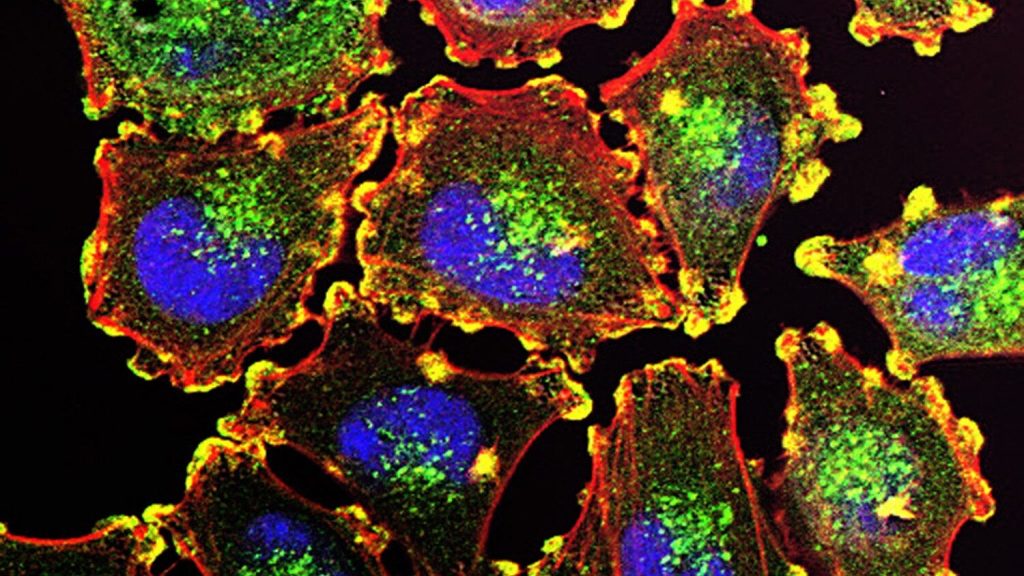
Melanoma cells. Source: National Cancer Institute.
Fewer cases of melanoma were observed among regular users of vitamin D supplements than among non-users, researchers in Finland found. People taking vitamin D supplements regularly also had a considerably lower risk of skin cancer, according to a study of nearly 500 people with increased skin cancer risk, which was published in Melanoma Research.
A key micronutrient, vitamin D may play a role in many diseases. Previous studies investigating the link between vitamin D and skin cancers, have been inconclusive or contradictory, but they mainly focussed on serum levels of calcidiol, which is a metabolite of vitamin D. Serum calcidiol levels have been associated with both a slightly higher or lower risk of different skin cancers. This may be partly due to the fact that serum calcidiol analyses do not provide information on vitamin D metabolism in the human skin, which can express enzymes that generate biologically active vitamin D metabolites or inactivate them.
The new study took a different approach: 498 adult patients with an increased risk of a skin cancer, such as basal cell carcinoma, squamous cell carcinoma or melanoma, were recruited and classified into low risk, moderate risk and high risk. Based on their use of oral vitamin D supplements, the patients were divided into three groups: non-users, occasional users and regular users. Serum calcidiol levels were analysed in half of the patients and found to correspond to their self-reported use of vitamin D.
A key finding of the study is that there were considerably fewer cases of melanoma among regular users of vitamin D than among non-users, and that the skin cancer risk classification of regular users was considerably better than non-users’. Logistic regression analysis showed that melanoma risk among regular users was more than halved compared to non-users.
The findings suggest that even occasional users of vitamin D may have a lower risk for melanoma than non-users. However, there was no statistically significant association between the use of vitamin D and the severity of photoaging, facial photoaging, actinic keratoses, nevus count, basal cell carcinoma and squamous cell carcinoma. Serum calcidiol levels were not significantly associated with these skin changes, either. Since the research design was cross-sectional, the researchers were unable to demonstrate a causal relationship.
Other relatively recent studies, too, have provided evidence of the benefits of vitamin D in melanoma, such as of the association of vitamin D with a less aggressive melanoma.
“These earlier studies back our new findings from the North Savo region here in Finland. However, the question about the optimal dose of oral vitamin D in order to for it to have beneficial effects remains to be answered. Until we know more, national intake recommendations should be followed,” Professor of Dermatology and Allergology Ilkka Harvima of the University of Eastern Finland notes.