Category: Neurodegenerative Diseases

Unexpected Cognitive Effect of ARNI Therapy in Heart Failure

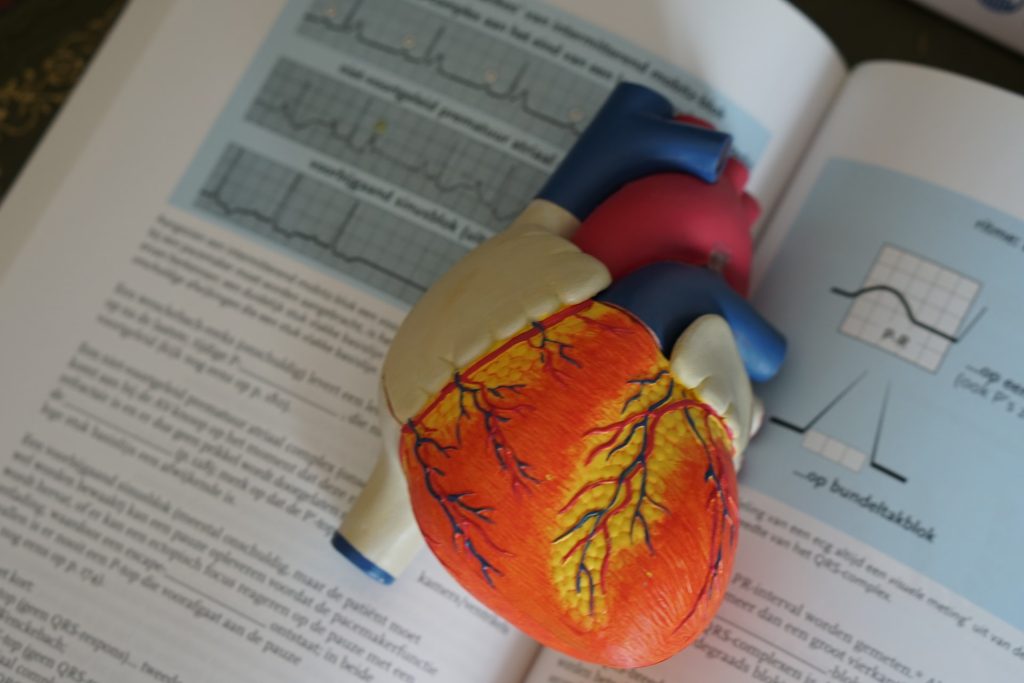
Source: Unsplash CC0

Despite fears about cognitive decline in heart failure patients taking angiotensin receptor-neprilysin inhibition (ARNI), an observational study found that the drug instead had a protective effect.

Adults with systolic heart failure taking sacubitril/valsartan (Entresto) starting from 2015–2019 had fewer neurocognitive diagnoses up to 5 years later compared with a those staying on angiotensin-converting enzyme (ACE) inhibitors or angiotensin receptor blockers (ARBs) alone.

  • Alzheimer’s disease: 1.11% on ARNI vs 1.24% on ACE inhibitors/ARBs
  • Dementia: 4.18% vs 6.49%
  • Cognitive decline: 11.82% vs 14.53%

On the basis of the PARAGON-HF trial,  sacubitril/valsartan won a broad heart failure indication, reaching into the normal ejection fraction range, for prevention of cardiovascular death and hospitalisation.

“Experimental studies with sacubitril/valsartan have fueled theoretical concerns about neurocognitive side effects, but long-term clinical data are scarce,” noted Prabhjot Grewal, MD, of Stony Brook University Hospital in New York, who reported the findings for the Heart Failure Society of America annual virtual meeting.

She explained that neprilysin inhibition by sacubitril could theoretically inadvertently interfere with the degradation of beta amyloid in the central nervous system, where neprilysin is expressed, in addition to the kidneys where it is most abundant.

However there are many factors in cognitive decline in heart failure, such as the circulatory deficit itself; vascular dementia resulting from comorbidities such as hypertension and vascular disease; and Alzheimer’s disease or Lewy body dementia. By ameliorating heart failure and improving blood pressure, drugs such as ACE inhibitors and sacubitril/valsartan could protect cognition, according to Mandeep Mehra, MBBS, MSc, of Brigham and Women’s Hospital and Harvard Medical School in Boston.

“Thus, even if a drug like sacubitril may cause worsening of one type of cognitive decline, it may be counterbalanced by positive effects on other domains since the reasons for cognitive decline in such patients are almost always multi-factorial and the signals may therefore be obfuscated in general analyses,” explained Mehra, who was not involved in the study.

The authors acknowledged that the observational study lacked systematic characterisation, and also leaves room for residual confounding despite propensity matching.

“This is why we require a prospective study that includes mechanistic end points (degree of beta amyloid protein deposition) in concert with functional outcomes (sensitive measures of cognitive decline) while ensuring that sufficient time is allowed to be evaluated since these are slow and subtle effects,” Mehra said, adding that the PERSPECTIVE trial will likely publish findings in 2022.

Source: MedPage Today

Small Study Hints at Omega-3 Protection of Memory in Alzheimer’s

Photo by Kindel Media on Pexels

A first-of-its-kind study on Alzheimer’s disease found an indication that omega-3 fatty acids taken early on protect against Alzheimer’s disease, despite not finding biomarkers in patients’ cerebrospinal fluid.

The researchers published their findings in Journal of Alzheimer’s Disease.

“We are careful not to draw any wider conclusions, but we can see a difference in the results of the memory tests. Patients who were taking omega-3 supplements at an early stage of the disease scored better,” cautioned Yvonne Freund-Levi, researcher in neuroscience at Örebro University.

The small study enrolled 33 patients, 18 of which were given omega-3 supplements morning and evening, and15 were in the control group. Spinal fluid samples were collected, and patients performed a memory test at the start of the study and after six months.

“We can see that the memory function of the patients in the group that had taken omega-3 is stable, whereas the patients in the control group have deteriorated. That’s what the memory tests show,” said Yvonne Freund-Levi.

“But we can’t see any differences between the groups when we look at the various biomarkers in the spinal fluid samples.”

However there are differences within the group given omega-3: an increase of two of the markers that are linked to damaged nerve cells. There is no clinical link to the memory tests, however.

“Even if this data isn’t enough for us to change our recommendations to patients at this time, it is an interesting material for researchers to build on.”

This study is based on a larger study with over 200 patients with mild to moderate Alzheimer’s disease, initiated by Yvonne Freund-Levi and her research team 15 years ago. In that previous study, the researchers found that omega-3 transfers from the supplements to the brain.

“We are cautious about giving recommendations, but we know that starting early is by far the best thing – it is difficult to influence the disease at a later stage. The best piece of advice we have to offer at the moment is to be physically active and to include omega-3 in your diet – in the form of oily fish or as supplements.”

In future, researchers will be able to measure biomarkers in blood samples rather than having to perform spinal tap procedures.

“We have already tested this approach at Sahlgrenska University Hospital. Without a doubt, it is so much better for the patients.”

Source: Örebro University

Study Uncovers Assortment of New Biomarkers for Dementia

Source: National Cancer Institute on Unsplash

An international study identified 15 novel biomarkers that are linked to late-onset dementias. These protein biomarkers predict cognitive decline and subsequent increased risk of dementia 20 years before the disease onset. 

The proteins identified by the study are involved with immune system dysfunction, blood-brain-barrier dysfunction, vascular pathologies, and central insulin resistance. Six of these proteins can be modified with currently available medications.  

“These findings provide novel avenues for further studies to examine whether drugs targeting these proteins could prevent or delay the development of dementia,” explained lead author Joni Lindbohm MD, PhD from the University College London and University of Helsinki.

The study findings have been published in Alzheimer’s & Dementia: The Journal of the Alzheimer’s Association.

Pathophysiological research on dementia aetiology has focused on amyloid beta and tau proteins, but thus far prevention and treatment trials targeting these biomarkers have been unsuccessful. This has spurred the search for other potential mechanisms that could predispose to dementia. Recent development of scalable platforms has made it possible to analyse a wide range of circulating proteins, which may reveal novel dementia-linked biological processes.

In this study, the researchers analysed proteins with a novel large-scale protein panel from stored blood samples of the British Whitehall II and US Atherosclerosis Risk in Communities (ARIC) study collected 20 years ago. Using a panel of 5000 proteins, the researchers identified proteins in plasma that predicted cognitive decline in 5-yearly screenings and subsequent onset of clinical dementia. The 15 proteins that were identified were predictive of dementia in both the British and US cohorts.

“This new study is the first step in our 5-year Wellcome Trust funded research programme. We will next examine whether the identified proteins have a causal association with dementia, and whether they are likely to be modifiable, and druggable”, said study author Professor Mika Kivimäki, Director of the Whitehall II study at University College London.

The research programme ultimately aims to identify novel drug targets for dementia prevention.

Source: EurekAlert!

Sustained Antipsychotic Benefits of Pimavanesirn Shown in Study

Photo by Kindel Media from Pexels

Evidence of the sustained benefits of an investigational antipsychotic treatment for people with dementia-related psychosis has been published.

Up to half of the 45 million people worldwide who are living with Alzheimer’s disease will experience psychotic episodes, a figure that is even higher in some other forms of dementia. Psychosis is linked to a faster deterioration in dementia, and currently there is no safe and effective treatment for it. Widely-used antipsychotics have significant drawbacks in people with dementia, leading to sedation, falls and increased risk of deaths.

Pimavanserin works by blocking serotonin 5HT2A receptors, with no interaction with dopamine receptors. In the US, it is licensed to treat hallucinations and delusions in people with Parkinson’s disease psychosis.

To test this drug, a clinical trial was conducted in 392 people with psychosis associated with Alzheimer’s disease, Parkinson’s disease, Lewy body, frontotemporal, or vascular dementia. All participants were given pimavanserin for 12 weeks, with those reaching a certain level of symptom improvement were then assigned to pimavanserin or placebo for up to 26 weeks. Due to positive efficacy results however, the trial was concluded early. 

Of the 351 participants, 217 (61.8%) had a sustained initial treatment benefit, of whom 112 were assigned to placebo and 105 to pimavanserin. Relapse occurred in 28/99 (28.3%) of the placebo group, compared to 12/95 (12.6%) of the pimvanserin group, with pimvanserin more than halving the relapse rate and significantly improving the sustained benefit.

Professor Clive Ballard, Executive Dean of the University of Exeter Medical School, said: “Psychosis affects up to half of all people with dementia, and it’s a particularly distressing symptom – yet there’s currently no safe and effective treatment. Currently used antipsychotics are known to cause harms, and best practice guidelines recommend prescribing for no longer than 12 weeks for people with dementia as a result. We urgently need alternatives. It’s exciting that the relapse rate in the pimavanserin group was lower than the placebo group, indicating that the treatment benefits may be sustained over time. We now need longer and larger scale trials to explore this further.”

The trial found headache, urinary tract infection and constipation occurred more frequently in the pimavanserin group, but there was no increase in mortality or the other serious events, such as stroke, which are seen in other antipsychotics.

The full paper is published in the New England Journal of Medicine.

Source: EurekAlert!

MRI and Ultrasound Combo Opens Blood-brain Barrier

In a mouse model study of MRI-guided focused ultrasound-induced blood-brain barrier (BBB) opening at MRI field strengths ranging from ­approximately 0 T (outside the magnetic field) to 4.7 T, the static magnetic field dampened the detected microbubble cavitation signal and decreased the BBB opening volume. Credit: Washington University School of Medicine in St. Louis

Using a combination of ultrasound, MRI field strength and microbubbles can open the blood-brain barrier (BBB) and allow therapeutic drugs to reach the diseased brain location with MRI guidance. 

Using the physical phenomenon of cavitation, it is a promising technique that has been shown safe in patients with various brain diseases, such as Alzheimer’s diseases, Parkinson’s disease, ALS, and glioblastoma.
While MRI has been commonly used for treatment guidance and assessment in preclinical research and clinical studies, until now, researchers did not know the impact that MRI scanner’s magnetic field had on the BBB opening size and drug delivery efficiency.

Hong Chen, associate professor of biomedical engineering at Washington University in St. Louis, and her lab have found for the first time that the magnetic field of the MRI scanner decreased the BBB opening volume by 3.3-fold to 11.7-fold, depending on the strength of the magnetic field, in a mouse model. The findings were in Radiology.

Prof Chen conducted the study on four groups of mice. After they were injected microbubbles, three groups received focused-ultrasound sonication at different strengths of the magnetic field: 1.5 T (teslas), 3 T and 4.7 T, and one group was never exposed to the field. 

The researchers found that the microbubble cavitation activity, or the growing, shrinking and collapse of the microbubbles, decreased by 2.1 decibels at 1.5 T; 2.9 decibels at 3 T; and 3 decibels at 4.7 T, compared with those that had received the dose outside of the magnetic field. Additionally, the magnetic field decreased the BBB opening volume by 3.3-fold at 1.5 T; 4.4-fold at 3 T; and 11.7-fold at 4.7 T. No tissue damage from the procedure was seen.

Following focused-ultrasound sonication, the team injected a model drug, Evans blue dye, to investigate whether the magnetic field affected drug delivery across the BBB. The images showed that the fluorescence intensity of the Evans blue was lower in mice that received the treatment in one of the three strengths of magnetic fields compared with mice treated outside the magnetic field. The Evans blue trans-BBB delivery was decreased by 1.4-fold at1.5 T, 1.6-fold at 3.0 T and 1.9-fold at 4.7 T when compared with those treated outside of the magnetic field.

“The dampening effect of the magnetic field on the microbubble is likely caused by the loss of bubble kinetic energy due to the Lorentz force acting on the moving charged lipid molecules on the microbubble shell and dipolar water molecules surrounding the microbubbles,” said Yaoheng (Mack) Yang, a doctoral student in Prof Chen’s lab and the lead author of the study.

“Findings from this study suggest that the impact of the magnetic field needs to be considered in the clinical applications of focused ultrasound in brain drug delivery,” Prof Chen said.

In addition to brain drug delivery, cavitation is also used in several other therapeutic techniques, such as histotripsy, the use of cavitation to mechanically destroy regions of tissue, and sonothrombolysis, a therapy used after acute ischaemic stroke. The magnetic field’s damping effect on cavitation is expected to affect the treatment outcomes of other cavitation-mediated techniques when MRI-guided focused-ultrasound systems are used.

Source: Washington University in St. Louis

Journal information: Yang, Y., et al. (2021) Static Magnetic Fields Dampen Focused Ultrasound–mediated Blood-Brain Barrier Opening. Radiology. doi.org/10.1148/radiol.2021204441

Probe over Controversial Alzheimer’s Drug’s Approval

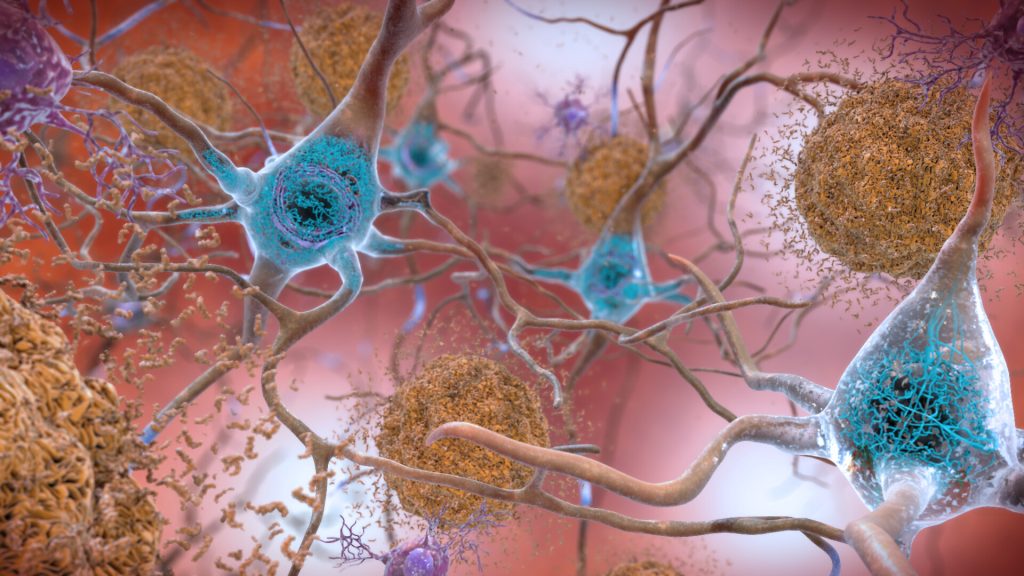
Amyloid plaques and neurons. Source: NIAH

The interim commissioner of the US Food and Drug Administration, Janet Woodcock, MD, last week requested the country’s Office of Inspector General to perform an independent investigation into the regulator’s decision to approve Biogen’s controversial Alzheimer’s drug Aduhelm.

Dr Woodcock noted in her letter that there “continues to be concerns raised” regarding the contact between FDA officials and Biogen ahead of the agency’s decision, “including some that may have occurred outside of the formal correspondence process.”

Dr Woodcock’s request comes after a bombshell report from Stat, which found that Biogen executives met with FDA officials, specifically Billy Dunn, MD, director of the FDA’s neuroscience unit, as early as 2019 to discuss a regulatory pathway for Aduhelm. The meetings took place even when it seemed there was no progress for the drug.

Earlier this week, a US House Representative, charged Biogen with “undue influence” over the FDA’s review process. Less than two weeks earlier, the House Committee on Oversight and Reform said it would conduct its own probe into the approval along with Biogen’s pricing strategies.

In the letter from Friday, Dr Woodcock said the agency would fully cooperate with the potential investigation to determine whether any of its interactions with Biogen were inconsistent with FDA policies and procedures.

“Given the ongoing interest and questions, today I requested that @OIGatHHS conduct an independent review and assessment of interactions between representatives of Biogen and FDA during the process that led to the approval of Aduhelm,” tweeted Dr Woodcock.

However, she maintained that she has “tremendous confidence” in the leadership at the FDA’s Center for Drug Evaluation and Research, which was involved in the review of Aduhelm.

“We believe this review and assessment will help ensure continued confidence in the integrity of FDA’s regulatory processes and decision-making,” Woodcock said in a tweet.

A spokesperson from Biogen told Fierce Pharma that the company would “of course” cooperate with “any inquiry in connection with a possible review of the regulatory process.”

The commissioner’s request is only the latest event in a bizarre and twisted story since the FDA’s Aduhelm approval just one month prior.

Facing fierce criticism of its wide-labelled approval, the FDA made the surprising move to narrow Aduhelm’s label last week Thursday, restricting the recommendation to just those with milder Alzheimer’s.

This comes after Biogen’s drug was essentially allowed access to the nation’s some 6 million Alzheimer’s patients. That decision was met with almost immediate pushback, as it was pointed out that the drug could overwhelm the payer budgets of most Alzheimer’s patients.

Source: Fierce Pharma

New Treatment Candidate May Reverse Neurodegenerative Decline

In the Alzheimer’s affected brain, abnormal levels of the beta-amyloid protein clump together to form plaques (seen in brown) that collect between neurons and disrupt cell function. Abnormal collections of the tau protein accumulate and form tangles (seen in blue) within neurons, harming synaptic communication between nerve cells.
Credit: National Institute on Aging, NIH

Researchers  at Tohoku University in Japan have identified a new treatment candidate that seems to not only halt but partially reverse neurodegenerative symptoms in mouse models of dementia and Alzheimer’s disease.

Kohji Fukunaga, professor emeritus in Tohoku University’s Graduate School of Pharmaceutical Sciences and paper author, said: “There are currently no disease-modifying therapeutics for neurodegenerative disorders such as Alzheimer’s disease, Lewy body dementia, Huntington disease and frontotemporal dementia in the world. We discovered the novel, disease-modifying therapeutic candidate SAK3, which, in our studies, rescued neurons in most protein-misfolding, neurodegenerative diseases.”

In previous work, the team found that the SAK3 molecule – the base structure of which is found in the enhancement of T-type Ca2+ channel activity – apparently improved memory and learning in a mouse model of Alzheimer’s disease.

SAK3 enhances the function of a cell membrane channel thereby promoting neuronal activity in the brain. Typically, SAK3 promotes neurotransmitter releases of acetylcholine and dopamine — neurotransmitters which are lowered in Alzheimer’s disease and Lewy body dementia. The Ca2+ channel enhancement is thought to trigger a change from resting to active in neuronal activity. When the Ca2+ channel is dysregulated in the brain, less acetylcholine and dopamine is released. Cognitive confusion and uncoordinated motor function arises from this dysregulated system.

SAK3 binds directly  to the subunit of this channel, enhancing neurotransmission and so improving cognitive deficits. The researchers found that the same process also seemed to work in a mouse model of Lewy body dementia, which is characterised by a buildup of proteins known as Lewy bodies.

“Even after the onset of cognitive impairment, SAK3 administration significantly prevented the progression of neurodegenerative behaviors in both motor dysfunction and cognition,” Prof Fukunaga said.

In comparison, Aduhelm, the Alzheimer’s drug recently approved by the US Food and Drug Administration, reduces the number of amyloid plaques in the brain, but whether the amyloid reduction actually prevents further cognitive or motor decline in patients is not yet known. According to Prof Fukunaga, SAK3 helps destroy amyloid plaque – at least in mice.

SAK3 also helps destroy misfolded alpha-synuclein, which normally helps regulate neurotransmitter transmission in the brain. The misfolded protein can aggregate, contributing to what researchers suspect may be an underlying cause of neurodegenerative symptoms. This aggregation can also cause loss of dopamine neurons, which are associated with learning and memory.

“We found that chronic administration of SAK3 significantly inhibited the accumulation of alpha-synuclein in the mice,” Prof Fukunaga said, noting that the mice received a daily oral dose of SAK3.

According to Prof Fukunaga, SAK3 enhances the activity of the system that identifies and destroys misfolded proteins. In neurodegenerative diseases, this system is often dysfunctional, leaving misfolded proteins to wreak havoc in the cell’s machinery.

“SAK3 is the first compound targeting this regulatory activity in neurodegenerative disorders,” Fukunaga said. “SAK3 administration promotes the destruction of misfolded proteins, meaning the therapeutic has the potential to solve the problems of diverse protein misfolding diseases such as Parkinson’s disease, Lewy body dementia and Huntington disease, in addition to Alzheimer’s disease.”

The team published their results in the International Journal of Molecular Sciences. This treatment candidate has been declared safe by Japan’s governing board, and the researchers are planning to start human clinical trials in the next year.

Source: Tohoku University

Journal information: Xu, J., et al. (2021) T-Type Ca2+ Enhancer SAK3 Activates CaMKII and Proteasome Activities in Lewy Body Dementia Mice Model. International Journal of Molecular Sciencesdoi.org/10.3390/ijms22126185.

Are We Wrong About Amyloid Plaques in Alzheimer’s?

A recent study sheds new light on the disease and the highly debated aducanumab, a new drug recently approved by the FDA that treats the amyloid plaques.

Led by the University of Cincinnati and conducted in collaboration with the Karolinska Institute in Sweden, the study claims that the treatment of Alzheimer’s disease might lie in normalising levels of a brain protein called amyloid-beta peptide. This protein is needed in its original, soluble form to keep the brain healthy, but it sometimes hardens into ‘brain stones’ or clumps, called amyloid plaques.

“It’s not the plaques that are causing impaired cognition,” said senior author Alberto Espay, professor of neurology at UC. “Amyloid plaques are a consequence, not a cause,” of Alzheimer’s disease, stated Prof Espay, who is also a member of the UC Gardner Neuroscience Institute.

Since its discovery, scientists have focused on treatments to eliminate the plaques. But the UC team, he said, viewed it differently: Cognitive impairment could be due to a decline in soluble amyloid-beta peptide instead of the corresponding accumulation of amyloid plaques. 
To test their hypothesis, they analyzed the brain scans and spinal fluid from 600 individuals enrolled in the Alzheimer’s Disease Neuroimaging Initiative study, who all had amyloid plaques. From there, they compared the amount of plaques and levels of the peptide in the individuals with normal cognition to those with cognitive impairment. They found that individuals with high levels of the peptide were cognitively normal, despite the numbers of plaques in their brains.

They also found that higher levels of soluble amyloid-beta peptide were associated with a larger hippocampus, the area of the brain most important for memory.

According to the authors, as we age most people develop amyloid plaques, but few people develop dementia. In fact, by the age of 85, 60% of people will have these plaques, but only 10% develop dementia.

“The key discovery from our analysis is that Alzheimer’s disease symptoms seem dependent on the depletion of the normal protein, which is in a soluble state, instead of when it aggregates into plaques,” said co-author Kariem Ezzat from the Karolinska Institute.

The most relevant future therapeutic approach for the Alzheimer’s program would then be to restore these brain soluble proteins to their normal levels, said Prof Espay.

The research team is now working to test their findings in animal models. If successful, future treatments may be very different from those tried over the last two decades. Treatment, says Espay, may consist of increasing the soluble version of the protein in a manner that keeps the brain healthy while preventing the protein from hardening into plaques.  

Source: University of Cincinnati 

Journal information: Andrea Sturchio et al, High cerebrospinal amyloid-β 42 is associated with normal cognition in individuals with brain amyloidosis, EClinicalMedicine (2021). DOI: 10.1016/j.eclinm.2021.100988

New Imaging Technique Picks up Earliest Stages of Neurological Disorders

A new imaging technique has the potential to detect neurological disorders such as Alzheimer’s disease at their earliest stages. 

The imaging methodology, called super-resolution, combines position emission tomography (PET) with an external motion tracking device to create highly detailed images of the brain. PET scanning, which is mostly used for oncology, where the activity of radioactive tracers introduced into the body is measured. Higher activity corresponds to greater uptake of that particular tracer.

In normal brain PET imaging, image quality is often limited by unwanted movements of the patient during scanning. In this study, researchers utilised super-resolution to make use of the normally unwanted head motion of subjects to enhance the resolution in brain PET.

Moving phantom and non-human primate experiments were performed on a PET scanner in conjunction with an external motion tracking device that continuously measured head movement with extremely high precision. Static reference PET acquisitions with no induced movement were also performed. After combining data from the imaging devices, researchers obtained PET images with higher resolution than the standard static reference scans.

Yanis Chemli, MSc, PhD candidate, Gordon Center for Medical Imaging, said: “This work shows that one can obtain PET images with a resolution that outperforms the scanner’s resolution by making use, counterintuitively perhaps, of usually undesired patient motion. Our technique not only compensates for the negative effects of head motion on PET image quality, but it also leverages the increased sampling information associated with imaging of moving targets to enhance the effective PET resolution.”

Though this super-resolution technique has only been tested in preclinical studies, researchers are preparing to try it with human subjects. Looking to the future, Chemli noted the important impact that super-resolution may have on brain disorders, specifically Alzheimer’s disease. “Alzheimer’s disease is characterized by the presence of tangles composed of tau protein. These tangles start accumulating very early on in Alzheimer’s disease–sometimes decades before symptoms–in very small regions of the brain. The better we can image these small structures in the brain, the earlier we may be able to diagnose and, perhaps in the future, treat Alzheimer’s disease,” he noted.

Source: Society of Nuclear Medicine and Molecular Imaging

Lifestyle Changes Shown to Reduce Risk of Dementia

Photo by Ketut Subiyanto from Pexels

After almost two decades, a new drug for Alzheimer’s disease has been approved in the US. However, some experts say it doesn’t really work — only treating amyloid plaques which are thought to cause the disease — and worry that it may cost a lot.

The amount of attention around this news reflects the importance of preventing dementia, with its devastating toll on families and patients. But millions of adults could lower their chances of needing such a drug by taking preventative measures.

That’s why a national panel of experts including the University of Michigan’s Deborah Levine, MD, MPH, recently published a guide for primary care providers on this topic as an official Scientific Statement from the American Heart Association.

People dread Alzheimer’s disease, she said. Helping people understand that they can prevent or slow future dementia by taking specific steps now could motivate them to increase their healthy behaviours for a positive effect.

The first step is to recognise that dementia risk is higher among people with seven major modifiable risk factors.

These are: depression, hypertension, physical inactivity, diabetes, obesity, hyperlipidaemia, poor diet, smoking, social isolation, excessive alcohol use, sleep disorders and hearing loss. Addressing each of these factors can, to varying extents, help reduce the risk of developing dementia, a fact backed by decades of research.

The second step is using medication, lifestyle change and other interventions to help patients reduce their dementia risk.

“Dementia is not inevitable,” said Dr Levine, a primary care provider at the University of Michigan Health, part of Michigan Medicine. “Evidence is growing that people can better maintain brain health and prevent dementia by following healthy behaviours and controlling vascular risk factors.”

These strategies can help preserve cognitive function and lower risk for heart attacks and strokes, said Dr Levine, who heads the Cognitive Health Services Research Program and sees patients at the Frankel Cardiovascular Center.

“We need to address the significant disparities that lead women, Black, Hispanic and less-educated Americans to have a much higher risk of dementia,” said Levine, a member of the U-M Institute for Healthcare Policy and Innovation.

She added that it’s never too late in life to start working on cognitive risk factor control.

“We have no treatments that will halt dementia – so it’s important to protect your brain health.”

Source: University of Michigan