Category: Medical Research & Technology

Social Bonding Gets People on the Same Wavelength

Forming social bonds facilitates effective communication and neural synchronisation across individuals of different social status within a group

When small hierarchical groups bond, neural activity between leaders and followers aligns, promoting quicker and more frequent communication, according to a study published on March 19th in the open-access journal PLOS Biology by Jun Ni from Beijing Normal University, China, and colleagues.

Social groups are often organised hierarchically, where status differences and bonds between members shape the group’s dynamic. To better understand how bonding influences communication within hierarchical groups and which brain regions are involved in these processes, the researchers recorded 176 three-person groups of human participants (who had never met before) while they communicated with each other, sitting face-to-face in a triangle. Participants wore caps with fNIRS (functional near-infrared spectroscopy) electrodes to non-invasively measure brain activity while they communicated with their group members. Each group democratically selected a leader, so each group of three ultimately included one leader and two followers. After strategising together, groups played two economic games designed to test their willingness to make sacrifices to benefit their group (or harm other groups).

Experimenters assigned some triads to go through a bonding session, where they were grouped according to colour preferences, given uniforms, and led through an introductory chat session to build familiarity. Bonded groups spoke more freely and bounced between speakers more frequently and rapidly, relative to groups that didn’t experience this bonding session. This bonding effect was stronger between leaders and followers than between two followers. Neural activity in two brain regions linked to social interaction, the right dorsolateral prefrontal cortex (rDLPFC) and the right temporoparietal junction (rTPJ), aligned between leaders and followers if they had bonded. The authors state that this neural synchronisation suggests that leaders may be anticipating followers’ mental states during group decision-making, though they acknowledge that their findings are restricted to East Asian Chinese individuals communicating via text (without non-verbal cues), whose culture emphasises group cohesion and commitment towards group leaders.

The authors add, “Social bonding increases information exchange and prefrontal neural synchronisation selectively among individuals with different social statuses, providing a potential neurocognitive explanation for how social bonding facilitates the hierarchical structure of human groups.”

Source: PLOS
Leakage of Mitochondrial DNA may Drive Many Inflammatory Disorders

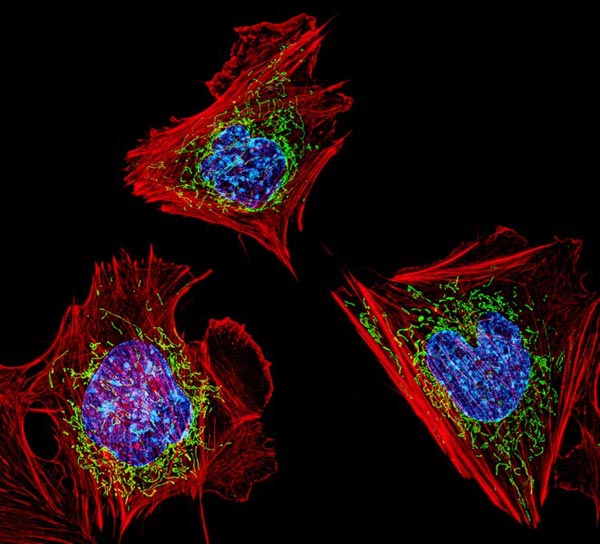
Cells with nuclei in blue, energy factories in green and the actin cytoskeleton in red. Credit: NIH

A new discovery, which was published in Nature Cell Biology, reveals how genetic material can escape mitochondria, prompting the body to launch a damaging immune response, setting off diseases such as lupus and rheumatoid arthritis. By developing therapies to target this process, doctors may one day be able to stop the harmful inflammation and prevent the toll it takes on our bodies.

“When mitochondria don’t correctly replicate their genetic material, they try to eliminate it. However, if this is happening too often and the cell can’t dispose of all of it, it can cause inflammation, and too much inflammation can lead to disease, including autoimmune and chronic diseases,” said researcher Laura E. Newman, PhD, of the University of Virginia School of Medicine. “Now that we are beginning to understand how this inflammation starts, we might be able to prevent this process, with the ultimate goal of limiting inflammation and treating disease.”

Powering inflammation

Mitochondria have their own set of genetic material, separate from the DNA that serves as the operating instructions for our cells. Scientists have known that this mitochondrial DNA, known as mtDNA, can escape into our cells and cause inflammation. But exactly what caused this has been a mystery until now.

“We knew that mtDNA was escaping mitochondria, but how was still unclear,” said Gerald Shadel, PhD, director of the San Diego-Nathan Shock Center of Excellence in the Basic Biology of Aging at the Salk Institute. “Using imaging and cell biology approaches, we’re able to trace the steps of the pathway for moving mtDNA out of the mitochondria, which we can now try to target with therapeutic interventions to hopefully prevent the resulting inflammation.”

Shadel and Newman, then a postdoctoral researcher in Shadel’s lab, and their collaborators used sophisticated imaging techniques to determine what was happening inside the leaky mitochondria. They found that the leak was triggered by a malfunction in mtDNA replication. This caused the accumulation of protein masses caused nucleoids.

To try to fix this problem, the cell containing the faulty mitochondrion begins to export the excess nucleoids to its cellular trash bins. But the trash bins, called endosomes, can become overwhelmed by the volume of debris, the scientists found. These overburdened endosomes respond by releasing mtDNA into the cell — in short, the trash can overflows.

“We had a huge breakthrough when we saw that mtDNA was inside of a mysterious membrane structure once it left mitochondria. After assembling all of the puzzle pieces, we realised that structure was an endosome,” Newman said. “That discovery eventually led us to the realisation that the mtDNA was being disposed of and, in the process, some of it was leaking out.”

The cell responds to this hazardous waste spill by flagging the nucleoids as foreign DNA, like a virus, and launches an immune response that results in harmful inflammation, the scientists determined.

“Using our cutting-edge imaging tools for probing mitochondria dynamics and mtDNA release, we have discovered an entirely novel release mechanism for mtDNA,” said researcher Uri Manor, PhD, former director of the Waitt Advanced Biophotonics Core at Salk and current assistant professor at UC San Diego. “There are so many follow-up questions we cannot wait to ask, like how other interactions between organelles control innate immune pathways, how different cell types release mtDNA, and how we can target this new pathway to reduce inflammation during disease and aging.”

Newman will continue to seek these answers in her new role at the UVA School of Medicine’s Department of Cell Biology. “We want to understand the physiological and disease contexts where this process can become activated,” she said. “For example, many viruses attack mitochondria during infection, so we will be testing whether mitochondria purposely use this pathway to sound the alarm against invading viruses, and whether over-reliance on this pathway to fight off infection can later trigger chronic diseases.”

Source: University of Virginia Health System

Freezer Failure Ruins Decades of Medical Samples in Sweden

Photo by National Cancer Institute on Unsplash

During the 2023 Christmas holidays, a freezer failure occurred at the Karolinska Institutet’s Neo building, where the automatic refilling of cryotanks with liquid nitrogen was interrupted for some reason. As a result, the temperature in 16 of 19 cryogenic tanks rose and large amounts of biological research material have been destroyed, including medical research samples which stretch back for decades.

An investigation with internal and external experts is now underway to find out how this failure could have happened, although there are no signs of sabotage. On the evening of 22 December, the level of liquid nitrogen in the Neo building’s cryo tanks, which contain biomaterial and cell lines from multiple departments, was due to be routinely topped up from an external tank.   

The automatic refilling of nitrogen ensures that the correct temperature of -190°C can be maintained in the isothermal (cryo) tanks. 

However, for reasons unknown, the flow of nitrogen from the external storage tank malfunctioned that evening, and the temperature in 16 of the tanks rose. 

Automatic alarm 

The cryotanks are able to maintain a sufficiently low temperature for up to 96 hours without refilling. During the Christmas break, they remained un-refilled for around 120 hours, and their internal temperature increased.

“When the flow of nitrogen ceased on 22 December, an automatic alert was supposed to be sent out, both by email and SMS, to registered owners of material in the freezers. However, a malfunction in the alarm unit meant that the alerts did not work properly. The email reached the recipients, but the texts got stuck in the server and never arrived,” explains Elisabeth Raschperger, researcher and senior lab manager at Neo. 

According to Dr Raschperger, there has been a history of false alarms from freezers and cryotanks at Neo, partly caused by overly sensitive settings for when alarms should go off.

The alarm supplier inspected the system in 2023 and gave approval for its continued use in November. 

Troubleshooting by the suppliers

Five days after the incident when the Neo service team found out what had happened, they called in the suppliers to make an initial check of the valves, pipes and pressure regulation tanks. The alarm was also tested.

“The companies went through every part of the system and found no faults or indications that any piece of equipment was faulty or broken, with the exception of the SMS alarm,” says Dr Raschperger. “We also looked through the operational logbook for the external nitrogen tank for October, November and December, and the refilling system had been working perfectly.”

The affected departments

From a research perspective, the Department of Medicine, Huddinge (MedH), was most affected, but so too were researchers at the Department of Biosciences and Nutrition (BioNut).

“At MedH, the research areas of haematology, endocrinology and cardiology have been particularly affected by the crash. It involves a very large amount of irreplaceable research material with samples, cell lines and biomaterials collected over decades,” says Professor Petter Höglund, head of MedH. He continues:

“The affected research teams are now working to take stock of the full extent of the losses. The analyses made so far speak for themselves: the malfunction will have far-reaching consequences for the department’s research in the affected areas.”

The staff at Neo, BioNut and MedH receive regular updates on the incident and the steps being taken to investigate the cause. They are also receiving crisis support from HR. 

Expert inquiry

An inquiry to ensure that the incident never happens again is now underway. The inquiry will take a technical and procedural – rather than a personal – approach to chart and analyse the incident and look into how KI can build sustainable, robust systems going forward. Pending the inquiry’s report, it is important not to make a bad situation worse. 

“Rumours are circulating that the malfunction was an act of sabotage,” says Dr Raschperger. “I would like to emphasise that there are at the present no such indications, and urge everyone to wait for the experts’ conclusions.”

Source: Karolinska Institutet

Rare-X 2024 a Beacon of Hope for Those Living with Rare Diseases

Source: Unsplash CC0

Amongst the intricacies of South Africa’s healthcare landscape, a silent but significant challenge lurks – the prevalence of rare diseases. Behind the curtain of mainstream medical discourse, millions grapple with the complexities of these often overlooked conditions, a stark reality often overshadowed by the glare of more prevalent health concerns. 

With more than 7000 identified rare diseases to date, they affect as many as 4.2 million South Africans, of which 50 – 70% are children1. These conditions are more prevalent than predicted, each posing unique and often debilitating challenges for patients and families alike. 

With 29 February commemorated as Rare Diseases Day, Rare Diseases South Africa (RDSA), is hosting its third biennial rare diseases conference, Rare-X 2024, at the Indaba Hotel in Fourways, from 14 to 17 February. 

More than just a conference, Rare-X 2024 will focus on patient advocacy, education, policy reform, and improving equitable access to ensure better outcomes and support for individuals living with rare diseases.

As the first in-person conference since the COVID-19 pandemic, the event brings together patients, policymakers, academics, government and pharmaceutical companies to discuss the plight of rare diseases and find collaborative ways to improve patients’ lives and treatment efforts. 

The conference will comprise several activities, including keynote speeches by renowned experts in rare diseases; interactive panel discussions; workshops and training sessions; scientific presentations; networking opportunities and policy roundtables. 

Some of the renowned speakers to share their insights and global developments on rare diseases include Prof Alex van den Heever, Chair of Social Security Systems Administration and Management Studies at the Wits School of Governance; Professor Fatima Suleman, Professor in the School of Health Sciences at the University of KwaZulu-Natal; and Professor Chris Hendriksz, Global Clinical Development Lead for Rare Diseases at Nestle Health Science, amongst others. Bringing a wealth of practical experience following his work with health professionals, will be traditional health practitioners (THPs), Mr Elliot Makhathini and Dr Conradie from North-West University’s Centre for Human Metabolomics, to name a few.

A rare disease relates to a condition that is considered rare when it affects one person in 20002. Currently, South Africa does not have its own definition of a rare disease, which is one of the major issues that need to be addressed by the government3.

As a patient-focused non-profit organisation, RDSA was launched in 2013 by CEO and Rare-X Director, Kelly du Plessis. The mother of a child with a rare condition, du Plessis realised the dire need for support for a highly under-acknowledged community, with the organisation advocating that people living with rare diseases and congenital disorders experience greater recognition, support, improved health services, and overall, a better quality of life. 

“Despite the need for increased representation, the rare diseases community remains vulnerable from a medical and policy perspective,” says du Plessis. “As part of our mandate, RDSA brings together international best practice and local medical innovation, driving a collective voice and playing a fundamental role in bridging the gap between vulnerable communities and medical advancement.”

To date, RDSA has successfully launched initiatives that have positively impacted the lives of over 6500 patients including engaging with various governmental departments, organs of state, industry players and strategic stakeholders to raise awareness and move rare disease policy forward.

For more information on the Rare-X conference, kindly visit www.rare-x.co.za 

References:

1. Marhebe, HL. Introducing the South African Rare Diseases Access Initiative. SAMJ. 2023;113(8).

2. Reserved IUA. Orphanet: About rare diseases [Internet]. [cited 2024 Feb 2]. Available from: https://www.orpha.net/consor/cgi-bin/Education_AboutRareDiseases.php?lng=EN

3. FAQs [Internet]. Rare Diseases SA. [cited 2024 Feb 2]. Available from: https://www.rarediseases.co.za/faqs

Low-frequency Ultrasound Improves Blood Oxygenation

Source: CC0

Research conducted by a team of scientists from Kaunas universities, Lithuania, revealed that low-frequency ultrasound influences blood parameters. The findings suggest that ultrasound’s effect on haemoglobin can improve oxygen’s transfer from the lungs to bodily tissues.

The research was undertaken on 300 blood samples collected from 42 pulmonary patients.

The samples were exposed to six different low-frequency ultrasound modes at the Institute of Mechatronics of Kaunas University of Technology (KTU). The calculations were made at the KTU Artificial Intelligence Centre.

Improved oxygen circulation and reduced blood pressure

KTU professors Vytautas Ostasevicius and Vytautas Jurenas say that the ongoing research papers are related to blood platelet aggregation.

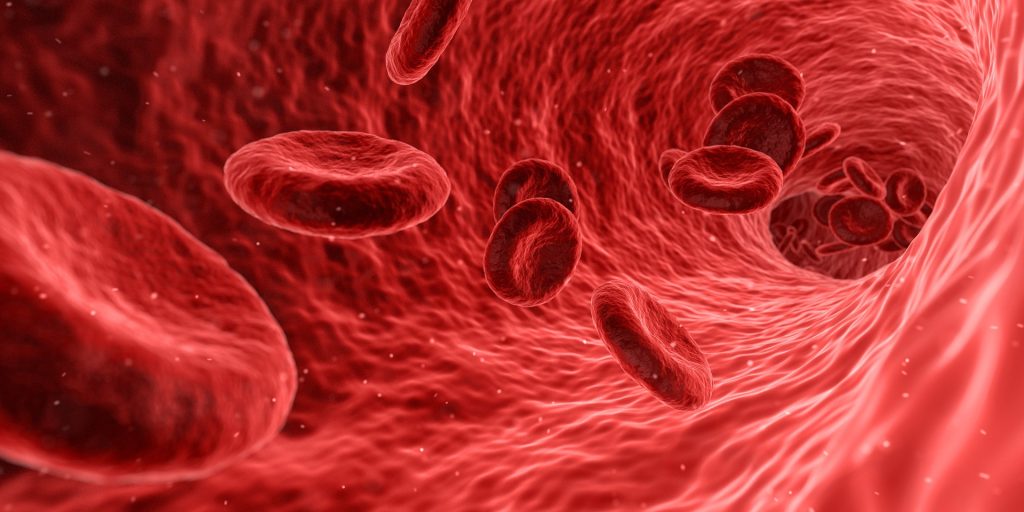
The research of the KTU team revealed that the ultrasound affects not only platelet count but also red blood cells (RBC), which can result in better oxygen circulation and lowered blood pressure.

“During exposure to low-frequency ultrasound, aggregated RBCs are dissociated into single RBCs, whose haemoglobin molecules interact with oxygen over the entire surface area of RBCs, which is larger than that of aggregated RBCs and improves oxygen saturation in blood. The number of dissociated single RBCs per unit volume of blood decreases due to the spaces between them, compared to aggregates, which reduces blood viscosity and affects blood pressure,” explains Prof Ostasevicius, the Head of KTU Institute of Mechatronics.

The scientists claim that the effect of ultrasound on the haemoglobin in RBCs was higher than its impact on platelet aggregation, which is responsible for blood clotting.

Their findings have been supported by an additional analysis made at the LSMU Laboratory of Molecular Cardiology.

“This means that low-frequency ultrasound can be potentially used for improving oxygen saturation in lungs for pulmonary hypertension patients. Keeping in mind the recent COVID-19 pandemic, we see a huge potential in exploring the possibilities of our technology further,” says Prof Ostasevicius.

Partnership between medical and engineering scientists

In medicine, high-frequency ultrasound from 2 to 12MHz is used for both diagnostic and therapeutic purposes.

“Acoustic waves emitted by high-frequency ultrasound have a limited penetration depth into the body, so external tissues are more affected by high-frequency ultrasound than internal organs. Low-frequency ultrasound acoustic waves, penetrate deeper into the internal organs with a more uniform sound pressure distribution,” explains Prof Jurenas.

There are numerous applications for ultrasound in medical settings.

“For example, focused ultrasonic waves are used to break kidney stones, and to kill cancer cells. Maybe ultrasound can be used to activate certain medications. Or, to alleviate the delivery of antibiotics to the inflamed areas?” says Prof Jurenas.

The technology used in the above-described study is only one illustration of many successful working partnerships between engineers and physicians.

For example, just recently, the researchers of KTU Institute of Mechatronics have created the frame for immobilising the Gamma Knife radiosurgery patients at the Clinics of the Lithuanian University of Health Sciences.

“We believe, that using the know-how of different areas one can achieve greater results,” say KTU researchers about interinstitutional and interdisciplinary cooperation.

Source: Kaunas University of Technology

Soft Robotic Garments Help Parkinson’s Patients to Walk More Freely

Photo by Kampus Production on Pexels

Freezing is one of the most common and debilitating symptoms of Parkinson’s disease, when they suddenly lose the ability to move their feet, often mid-stride, resulting in a series of staccato stutter steps that get shorter until the person stops altogether. These episodes are one of the biggest contributors to falls among people living with Parkinson’s disease. 

Today, freezing is treated with a range of pharmacological, surgical or behavioural therapies, none of which are particularly effective. What if there was a way to stop freezing altogether?

In a Nature Medicine report, researchers used a soft, wearable robot to help a person living with Parkinson’s walk without freezing. The robotic garment, worn around the hips and thighs, gives a gentle push to the hips as the leg swings, helping the patient achieve a longer stride. The device completely eliminated the participant’s freezing while walking indoors, allowing them to walk faster and further. 

The soft robotic apparel was developed by researchers from the Harvard John A. Paulson School of Engineering and Applied Sciences (SEAS) and the Boston University Sargent College of Health & Rehabilitation Sciences.

“We found that just a small amount of mechanical assistance from our soft robotic apparel delivered instantaneous effects and consistently improved walking across a range of conditions for the individual in our study,” said Conor Walsh, professor at SEAS and co-corresponding author of the study. 

For over a decade, Walsh’s Biodesign Lab at SEAS has been developing assistive and rehabilitative robotic technologies to improve mobility for individuals’ post-stroke and those living with ALS or other diseases that impact mobility. Some of that technology, specifically an exosuit for post-stroke gait retraining, received support to develop and commercialise the technology.

“Leveraging soft wearable robots to prevent freezing of gait in patients with Parkinson’s required a collaboration between engineers, rehabilitation scientists, physical therapists, biomechanists and apparel designers,” said Walsh, whose team collaborated closely with that of Terry Ellis,  Professor and Physical Therapy Department Chair and Director of the Center for Neurorehabilitation at Boston University.

The team spent six months working with a 73-year-old man with Parkinson’s disease, who, despite using both surgical and pharmacologic treatments, endured substantial and incapacitating freezing episodes more than 10 times a day, causing him to fall frequently. These episodes prevented him from walking around his community and forced him to rely on a scooter to get around outside.

In previous research, Walsh and his team leveraged human-in-the-loop optimization to demonstrate that a soft, wearable device could be used to augment hip flexion and assist in swinging the leg forward to provide an efficient approach to reduce energy expenditure during walking in healthy individuals.

Here, the researchers used the same approach but to address freezing. The wearable device uses cable-driven actuators and sensors worn around the waist and thighs. Using motion data collected by the sensors, algorithms estimate the phase of the gait and generate assistive forces in tandem with muscle movement.

The effect was instantaneous. Without any special training, the patient was able to walk without any freezing indoors and with only occasional episodes outdoors. He was also able to walk and talk without freezing, a rarity without the device.

“Our team was really excited to see the impact of the technology on the participant’s walking,” said Jinsoo Kim, former PhD student at SEAS and co-lead author on the study.

During the study visits, the participant told researchers: “The suit helps me take longer steps and when it is not active, I notice I drag my feet much more. It has really helped me, and I feel it is a positive step forward. It could help me to walk longer and maintain the quality of my life.”

“Our study participants who volunteer their time are real partners,” said Walsh. “Because mobility is difficult, it was a real challenge for this individual to even come into the lab, but we benefited so much from his perspective and feedback.”

The device could also be used to better understand the mechanisms of gait freezing, which is poorly understood.

“Because we don’t really understand freezing, we don’t really know why this approach works so well,” said Ellis. “But this work suggests the potential benefits of a ‘bottom-up’ rather than ‘top-down’ solution to treating gait freezing. We see that restoring almost-normal biomechanics alters the peripheral dynamics of gait and may influence the central processing of gait control.”

Source: Harvard John A. Paulson School of Engineering and Applied Sciences

Study Exposes Opportunities for Strengthening Cancer Drugs Trials in China

Of more than four hundred phase 2 and 3 randomised trials of cancer drugs registered in China between 2016 and 2017, about sixty had suboptimal control arms

Photo by Rodion Kutsaiev on Unsplash

More than one-eighth of the randomised trials of cancer drugs seeking regulatory approval in China in recent years used inappropriate controls to test the effectiveness and safety of the drugs, according to a new study published December 12th in the open access journal PLOS Medicine by Professor Xiaodong Guan of Peking University, China, and colleagues.

In randomised trials, patients are assigned to either a control arm, in which they receive the current optimal treatment, or an experimental arm, in which they receive the new drug being tested. However, studies have previously found that control arms in cancer clinical trials (including in the United States) are not supported by relevant guidelines, instead using treatments other than the standard-of-care. Adopting a suboptimal control group may bias a study’s results in favour of the experimental arm, potentially exposing patients to substandard therapy and producing unreliable results of clinical efficacy.

In the new study, researchers analysed the control arms of 453 Phase II/III and Phase III randomised oncology trials authorised by Chinese institutional review boards between 2016 and 2021, supporting investigational new drug applications of these drugs in China.

Overall, 60 trials (13.2%) used suboptimal control arms. Of those suboptimal trials, 35 (58.3%) used comparators that were not recommended by a prior guideline. In total, 18 610 people enrolled in clinical trials (15.1% of the total number in all samples trials) were exposed to suboptimal treatments due to the control arms. Trials using suboptimal controls were more likely to report a positive result for the experimental arm. In addition, the researchers found an overall upward trend in the number of trials using inappropriate control arms.

“Trial sponsors, ethical review boards, and oncologists should make collaborative efforts to protect patients from unnecessary harm and drugs with uncertain clinical benefits over the existing standard of care,” the authors say. “Regulatory agencies should be cautious when reviewing investigational new drug applications whose supporting trial used a suboptimal control.”

The authors add, “This research highlights the necessity to refine the design of randomised trials to generate optimal clinical evidence for new cancer therapies. In November 2021, China issued the Guidance on Clinical Value-Oriented Oncology Drug Research and Development, aiming to promote a better generation of clinically relevant novel oncology drugs in China. We hope our research findings can provide empirical evidence to the stakeholders and draw regulators’ attention to this matter so that the guideline can be delivered in the manner that it set out to be.”

Provided by PLOS One

An Ultrasonic Injection Takes the Sting out of Vaccinations

Photo by Raghavendra V Konkathi on Unsplash

An estimated quarter of adults and two-thirds of children have strong fears around needles, according to the US Centers for Disease Control and Prevention. Yet, public health depends on the willingness of people receive vaccines, typically administered by a subcutaneous injection.

Darcy Dunn-Lawless, a doctoral student at the University of Oxford’s Institute of Biomedical Engineering, is investigating the potential of a painless, needle-free vaccine delivery by ultrasound.

He will share the recent advancements in this promising technique as part of Acoustics 2023 Sydney, running Dec. 4-8 at the International Convention Centre Sydney.

“Our method relies on an acoustic effect called ‘cavitation,’ which is the formation and popping of bubbles in response to a sound wave,” said Dunn-Lawless.

“We aim to harness the concentrated bursts of mechanical energy produced by these bubble collapses in three main ways. First, to clear passages through the outer layer of dead skin cells and allow vaccine molecules to pass through. Second, to act as a pump that drives the drug molecules into these passages. Lastly, to open up the membranes surrounding the cells themselves, since some types of vaccine must get inside a cell to function.”

Though initial in vivo tests reported 700 times fewer vaccine molecules were delivered by the cavitation approach compared to conventional injection, the cavitation approach produced a higher immune response.

The researchers theorize this could be due to the immune-rich skin the ultrasonic delivery targets in contrast to the muscles that receive the jab.

The result is a more efficient vaccine that could help reduce costs and increase efficacy with little risk of side effects.

“In my opinion, the main potential side effect is universal to all physical techniques in medicine: If you apply too much energy to the body, you can damage tissue,” Dunn-Lawless said.

“Exposure to excessive cavitation can cause mechanical damage to cells and structures. However, there is good evidence that such damage can be avoided by limiting exposure, so a key part of my research is to try and fully identify where this safety threshold lies for vaccine delivery.”

Dunn-Lawless works as part of a larger team under the supervision of Dr Mike Gray, Professor Bob Carlisle, and Professor Constantin Coussios within Oxford’s Biomedical Ultrasonics, Biotherapy and Biopharmaceuticals Laboratory (BUBBL). Their cavitation approach may be particularly conducing to DNA vaccines that are currently difficult to deliver. With cavitation able to help crack open the membranes blocking therapeutic access to the cell nucleus, the other advantages of DNA vaccines, like a focused immune response, low infection risk, and shelf stability, can be better utilised.

Source: Acoustical Society of America

Infection-preventing Air Treatment Systems may All Just be Hot Air

Photo by Brittany Colette on Unsplash

Air filtration systems do not reduce the risk of picking up viral infections, according to new research from the University of East Anglia. A new study published in Preventive Medicine reveals that technologies designed to make social interactions safer in indoor spaces are not effective in the real world. The team studied technologies including air filtration, germicidal lights and ionisers.

They looked at all the available evidence but found little to support hopes that these technologies can make air safe from respiratory or gastrointestinal infections.

Prof Paul Hunter said: “Air cleaners are designed to filter pollutants or contaminants out of the air that passes through them.

“When the Covid pandemic hit, many large companies and governments – including the NHS, the British military, and New York City and regional German governments – investigated installing this type of technology in a bid to reduce airborne virus particles in buildings and small spaces.

“But air treatment technologies can be expensive. So it’s reasonable to weigh up the benefits against costs, and to understand the current capabilities of such technologies.” 

The research team studied evidence about whether air cleaning technologies make people safe from catching airborne respiratory or gastrointestinal infections. They analysed evidence about microbial infections or symptoms in people exposed or not to air treatment technologies in 32 studies, all conducted in real world settings like schools or care homes. So far none of the studies of air treatment started during the Covid era have been published.

‘Disappointing’ findings

Lead researcher Dr Julii Brainard said: “The kinds of technologies that we considered included filtration, germicidal lights, ionisers and any other way of safely removing viruses or deactivating them in breathable air.

“In short, we found no strong evidence that air treatment technologies are likely to protect people in real world settings.

“There is a lot of existing evidence that environmental and surface contamination can be reduced by several air treatment strategies, especially germicidal lights and high efficiency particulate air filtration (HEPA).  But the combined evidence was that these technologies don’t stop or reduce illness.

“There was some weak evidence that the air treatment methods reduced likelihood of infection, but this evidence seems biased and imbalanced. We strongly suspect that there were some relevant studies with very minor or no effect but these were never published.

“Our findings are disappointing – but it is vital that public health decision makers have a full picture. Hopefully those studies that have been done during Covid will be published soon and we can make a more informed judgement about what the value of air treatment may have been during the pandemic.”

Source: University of East Anglia

When it Comes to Personalised Cancer Treatments, AI is no Match for Human Doctors

Cancer treatment is growing more complex, but so too are the possibilities. After all, the better a tumour’s biology and genetic features are understood, the more treatment approaches there are. To be able to offer patients personalised therapies tailored to their disease, laborious and time-consuming analysis and interpretation of various data is required. In one of many artificial intelligence (AI)projects at Charité – Universitätsmedizin Berlin and Humboldt-Universität zu Berlin, researchers studied whether generative AI tools such as ChatGPT can help with this step.

The crucial factor in the phenomenon of tumour growth is an imbalance of growth-inducing and growth-inhibiting factors, which can result, for example, from changes in oncogenes.

Precision oncology, a specialised field of personalised medicine, leverages this knowledge by using specific treatments such as low-molecular weight inhibitors and antibodies to target and disable hyperactive oncogenes.

The first step in identifying which genetic mutations are potential targets for treatment is to analyse the genetic makeup of the tumour tissue. The molecular variants of the tumour DNA that are necessary for precision diagnosis and treatment are determined. Then the doctors use this information to craft individual treatment recommendations. In especially complex cases, this requires knowledge from various fields of medicine.

At Charité, this is when the “molecular tumour board” (MTB) meets: Experts from the fields of pathology, molecular pathology, oncology, human genetics, and bioinformatics work together to analyse which treatments seem most promising based on the latest studies.

It is a very involved process, ultimately culminating in a personalised treatment recommendation.

Can artificial intelligence help with treatment decisions?

Dr Damian Rieke, a doctor at Charité, and his colleagues wondered whether AI might be able to help at this juncture.

In a study just recently published in the journal JAMA Network Open, they worked with other researchers to examine the possibilities and limitations of large language models such as ChatGPT in automatically scanning scientific literature with an eye to selecting personalised treatments.

AI ‘not even close’

“We prompted the models to identify personalised treatment options for fictitious cancer patients and then compared the results with the recommendations made by experts,” Rieke explains.

His conclusion: “AI models were able to identify personalised treatment options in principle – but they weren’t even close to the abilities of human experts.”

The team created ten molecular tumour profiles of fictitious patients for the experiment.

A human physician specialist and four large language models were then tasked with identifying a personalised treatment option.

These results were presented to the members of the MTB for assessment, without them knowing where which recommendation came from.

Improved AI models hold promise for future uses

Dr. Manuela Benary, a bioinformatics specialist reported: “There were some surprisingly good treatment options identified by AI in isolated cases. “But large language models perform much worse than human experts.”

Beyond that, data protection, privacy, and reproducibility pose particular challenges in relation to the use of artificial intelligence with real-world patients, she notes.

Still, Rieke is fundamentally optimistic about the potential uses of AI in medicine: “In the study, we also showed that the performance of AI models is continuing to improve as the models advance. This could mean that AI can provide more support for even complex diagnostic and treatment processes in the future – as long as humans are the ones to check the results generated by AI and have the final say about treatment.”

Source: Charité – Universitätsmedizin Berlin