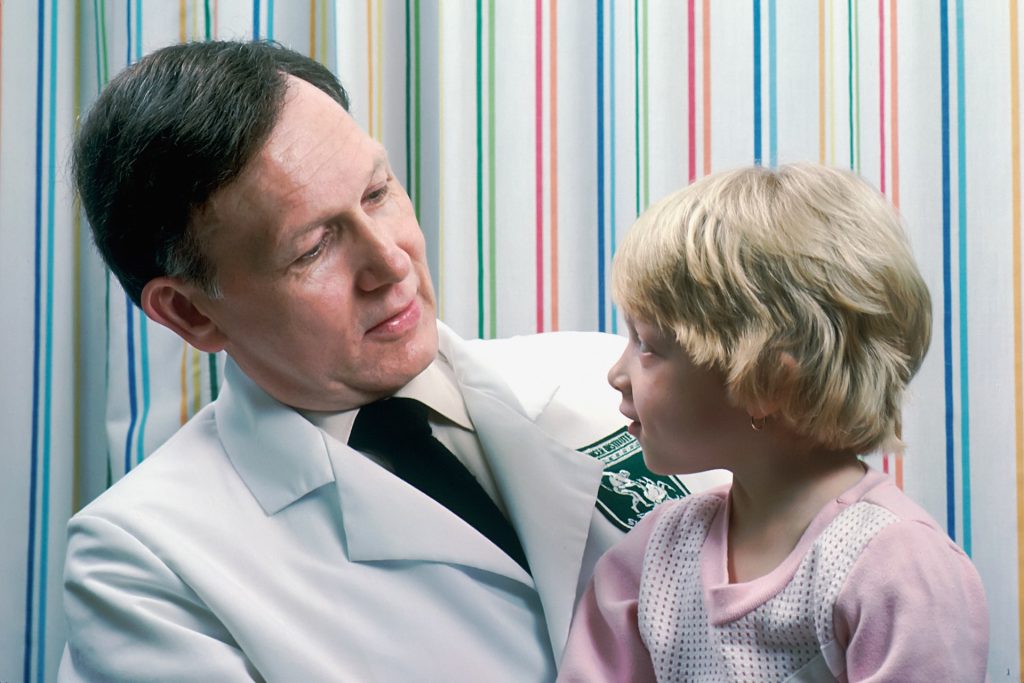
A new thought piece led by the Harvard Pilgrim Health Care Institute with collaborators from Duke University and Kaiser Permanente Washington Health Research Institute highlights the challenges facing healthcare researchers and decision makers in the quest to improve population health in a constantly evolving healthcare landscape. The authors offer strategies to enhance the effectiveness of pragmatic clinical trials and increase their impact on real-world healthcare settings.
Pragmatic clinical trials, designed to inform health care decision-makers about the comparative benefits, burdens, and risks of health interventions, have seen a significant increase in interest over the past decade. Since 2012, the NIH Pragmatic Trials Collaboratory has supported 32 such trials, addressing critical issues like suicide prevention, opioid prescribing, and infection control.
Pragmatic clinical trials are designed to bridge the gap between research and care, and we believe this bridge can be built even more efficiently. – Richard Platt, MD, MSc
Pragmatic clinical trials compare treatments in everyday clinical settings, rather than under ideal conditions. However, the authors note that the adoption of trial findings by healthcare systems has been inconsistent.
“Our goal is to ensure that the findings from these trials are not only scientifically sound but also readily implementable in diverse healthcare settings,” says lead author Richard Platt, Harvard Medical School distinguished professor of population medicine at the Harvard Pilgrim Health Care Institute. “Pragmatic clinical trials are designed to bridge the gap between research and care, and we believe this bridge can be built even more efficiently.”
The authors identify key challenges and propose solutions to align trial goals with healthcare system needs, including:
Identifying relevant outcomes: Collaborate with healthcare leaders to determine the clinical or cost-saving outcomes that would motivate adoption.
Shortening trial duration: Designing trials to span 2-3 years to match the decision-making timelines of healthcare systems.
Conducting interim assessments: Utilizing interim analyses to provide timely information and potentially stop or modify trials early.
Considering costs: Understanding and planning for associated costs to ensuring interventions are sustainable post-trial.
“By accommodating the priorities of healthcare leaders and introducing adaptive trial designs, we can generate actionable evidence that truly improves patient care,” adds Dr Platt.
Healthcare professionals are increasingly giving advice to patients on how to improve their health, but there is often a lack of scientific evidence if this advice is actually beneficial. This is according to a study from the University of Gothenburg, which also guides towards more effective recommendations.
The researchers do not criticise the content of the advice – after all, it is good if people lose weight, stop smoking, eat a better diet or exercise more. But there is no evidence that patients actually do change their lifestyle after receiving this advice from healthcare professionals.
“There is often a lack of research showing that counselling patients is effective. It is likely that the advice rarely actually helps people,” says study lead author Minna Johansson, Associate Professor at Sahlgrenska Academy at the University of Gothenburg and General Practitioner at Herrestad’s Healthcare Center in Uddevalla.
Few pieces of advice are well-founded
The study, published in the Annals of Internal Medicine, was conducted by an international team of researchers. They have previously analysed medical recommendations from the National Institute for Health and Care Excellence (NICE) in the UK. This organisation is behind 379 recommendations of advice and interventions that healthcare professionals should give to patients, with the aim of changing their lifestyle.
In only 3% of cases there were scientific studies showing that the advice has positive effects in practice. A further 13% of this advice had some evidence, but with low certainty. The researchers also reviewed additional guidelines from other influential institutions around the world and found that these often overestimate the positive impact of the advice and rarely take disadvantages into account.
“Trying to improve public health by giving lifestyle advice to one person at a time is both expensive and ineffective. Resources would probably be better spent on community-based interventions that make it easier for all of us to live healthy lives,” says Minna Johansson, who also believes the advice could increase stigmatisation for people with, eg, obesity.
Showing the way forward
Today’s healthcare professionals would not be able to give all the advice recommended while maintaining other care. The researchers’ calculations show that in the UK, for example, five times as many nurses would need to be hired, compared to current levels, to cope with the task.
The study also presents a new guideline to help policy makers and guideline authors consider the pros and cons of the intervention in a structured way before deciding whether or not to recommend it.
Victor Montori, Professor of Medicine at the Mayo Clinic in the United States is a co-author of the study: “The guideline consists of a number of key questions, which show how to adequately evaluate the likelihood that the lifestyle intervention will lead to positive effects or not,” says Victor Montori.
The Department of Health has missed another deadline to provide nurses at public hospitals and clinics with uniforms by 1 September. Instead, a once-off allowance of R3 307 will be paid to nurses by 30 November to buy their own uniforms.
The Democratic Nursing Organisation of South Africa (DENOSA) says its 84 000 members “can hardly afford to get one set of uniforms” with that allowance.
Since 2005, nurses have received an annual allowance to buy their uniforms. In terms of a new agreement signed in March 2023, the department committed to providing uniforms directly to nurses, instead of the allowance of R2,600.
According to the bargaining council agreement, nurses were to receive seven sets of uniforms over two years. The uniform set includes a dress, or a skirt and a top (blouse or shirt), or a pair of trousers and a top (blouse or shirt). Accessories include a brown belt, brown shoes, a maroon jacket and a maroon jersey.
The agreement required the department to supply nurses with four sets of uniforms, one pair of shoes and one jersey in the first year, and three sets of uniforms, one belt, and one jacket in the second year.
However, as the 1 October 2023 deadline approached, the department said it was facing difficulties with the procurement process. In a last-minute bargaining council meeting in September 2023, the department informed nurses’ unions that it would not meet the 1 October 2023 deadline. Instead, it said, the supply of uniforms would be postponed until 1 September 2024 and a temporary allowance would again be paid meanwhile. Uniforms were to be procured through tenders in each province.
But in response to concerns expressed by DENOSA at a meeting in June 2024, the department acknowledged that it was battling with suppliers and would not meet the new deadline either.
Department spokesperson Foster Mohale said there were delays in procurement in some provinces and this was “receiving the urgent attention it deserves”.
He said the department had proposed a new plan and a new deadline of 1 September 2025.
Meanwhile, he said, nurses would be paid a once-off uniform allowance of R3307.60 by 30 November 2024. But DENOSA says this is “too little to buy uniforms”.
“With that amount, a nurse can hardly afford to get one set of uniforms. For a nurse to buy a proper uniform for the whole week, they need between R8500 and R14 000,” the union said in a statement.
Mohale said the uniforms will be supplied in line with the Preferential Procurement Policy Framework Act which stipulates that goods ordered by state institutions must contain a minimum of local content. The policy was first introduced in 2011 in a bid to protect South African industry and jobs.
But DENOSA said a centralised procurement system, similar to those used for police and army uniforms would be more effective than provincial procurement.
“The issue of quality is extremely concerning to us…This is going to open up the whole process to corruption which we have warned against, but it looks like the department has closed its ears on that matter,” DENOSA spokesperson Sibongiseni Delihlazo said.
With South Africa’s healthcare system facing a myriad challenges, experts at a health conference have put forward a range of practical solutions to address some of the country’s pressing issues. Ufrieda Ho rounds up some of the proposed solutions to improve patient care, including the use of public-private partnerships.
Closing the inequality gap and making trusted healthcare services accessible to the majority will require a whole systems overhaul. This was the underlying message of speakers at the recent Hospital Association of South Africa Conference who tackled the question of pragmatic steps to address the divides and failings of the country’s healthcare system. They put forward a range of solutions, models and case studies while highlighting the looming crises as more people fall through the cracks.
Around 15% of people in South Africa are members of private medical aid schemes, leaving 85% of people in the country largely reliant on a severely strained public healthcare system (though some do pay out-of-pocket to visit private sector doctors). As reported in Business Day, an argument was made at the conference for making medical scheme membership compulsory for everyone in formal employment, a move it is estimated could triple the number of people with medical scheme coverage and result in a 25% reduction in medical scheme premiums.
Delegates at the conference also heard that an integrated and coordinated whole systems approach is necessary. Speakers stressed that implementable interventions and innovations must kick in with urgency. Some argued that more political will is required, along with greater corporate commitment if effective public-private partnerships are to be established. Such partnerships was a key theme of the conference.
A kidney care example
Dr Chevon Clark, chief executive of National Renal Care, a private renal therapy provider, outlined the stark reality of an enlarging public health crisis as more people face kidney dysfunction.
“Globally, 850 million people have chronic kidney disease, acute kidney injury or are on renal replacement therapy. This signals a significant public health issue. This is twice the number of individuals estimated to have diabetes, and is 20 times higher than the number of individuals affected by HIV/AIDS.
“There has also been a 29.3% increase in reported chronic kidney disease over the last three decades. Not only is this increase deeply concerning, but so is the ability of our healthcare system to manage and treat individuals impacted by chronic kidney disease,” said Clark.
Last week marked Kidney Awareness week in South Africa. Against this backdrop, Clark said South Africa falls behind other middle income countries in having enough nephrologists and nephrology nurses for their populations. There is a combined 147 facilities for treatment and care in the public and private sectors – a shortfall, she said.
Clark said smarter public-private partnership initiatives are needed. She added these need to be focused on stronger stakeholder engagement, innovative funding mechanisms, advocacy and refining weak policy frameworks.
She presented a case study of National Renal Care (a private company) partnering with the Western Cape Department of Health and Wellness to set up a dialysis clinic at the Vredenburg Provincial Hospital. The hospital services a rural community. Before the unit was opened, patients had to travel long distances to access care in Cape Town. The inflow of patients from outside Cape Town also added to congestion at its facilities.
A benefit of the partnership, she said, is that they have been able to introduce newer technologies. Clark said they have a system that enables online and remote monitoring of patients. Patients’ records can be updated continuously and are maintained digitally. Clark said that patients have also been enrolled on a mobile app making patients “active partners in their healthcare and to drive compliance for better outcomes”.
Tele-health to track diabetes patients
Dr Atiya Mosam, a public health consultant and founder of Mayibuye Health, highlighted the importance of getting the basics right. She presented a case study of a public-private partnership in which a ‘tele-health doctor’ called diabetes patients from the Hanover Park Clinic daily for two weeks to monitor their glucose levels, adjust their medication when needed, and offer health advice.
Mosam said 74% of the patients contacted had to have their medication adjusted, indicating the need for this kind of immediate monitoring and treatment management. Mosam added that the intervention saw improvements in patients’ conditions and improvements in patients staying in targeted ranges for their glucose readings.
She added: “One man articulated that he had a new lease on life, attested to by his family. They said before the intervention, he was really very grumpy. Very interesting for us too was that many patients articulated that by having this contact with the ‘tele-health doctor’, they felt that the government cared for them.”
Cancer care
One area where efforts at a public-private partnership appears to have failed is cancer care in Gauteng. As widely reported, the Gauteng Department of Health set aside R784m early in 2023 for radiation oncology services, which would have included the outsourcing of some services to the private sector. That outsourcing hasn’t yet happened and the Cancer Alliance has since taken the department to court over the ongoing cancer treatment backlogs.
Health activist Mark Heywood, speaking at the conference on behalf of The Cancer Alliance, mentioned the ongoing litigation and said a hearing has been scheduled for 21 November.
Heywood drew parallels between HIV and cancer to illustrate how the fight for cancer treatment looks set to evolve, but also where wins could be achieved.
He said: “Cancer treatment and cancer medicines, like HIV medicines two decades ago, is inordinately expensive. It means that whilst cancer can be cured for the vast majority of people it is unaffordable and inaccessible. For the vast majority of people in our country, a cancer diagnosis is often a diagnosis that indicates a vastly shortened lifespan and the beginning of a journey to severe illness, very often indignity and death, and that is not how it should be.”
Heywood said government had an obligation to follow the constitutional framework to ensure access to cancer treatment as a basic health right. He also said private healthcare providers had to do better.
“There have been complaints of discrimination by medical schemes of only partial coverage of the costs and needs of care. This leaves people unable to complete treatment. There are allegations of overcharging by hospitals and specialists. There’s also a lack of collaboration between the private and the public sector, a lack of monitoring and a lack of a determination of healthcare outcomes when it comes to cancer,” he said.
But Heywood said the long – but ultimately successful – fight for access to treatment for HIV positive people in the country held important lessons that could be applied to cancer.
“What we learned with HIV was that with political will and with resource mobilisation, it is possible to dramatically alter the landscape of care and to tip the balance towards greater equality and social justice in healthcare,” he said.
“The question remains for the Hospital Association of South Africa and private health providers – what can you do to make cancer care more affordable, more accessible, and to build on public private partnerships to take them to scale to reach a greater number of people in a shorter period of time?,” Heywood said.
Mandatory health cover of formally employed is tried and tested and if put to use in South Africa could reduce the public health burden, increase public per capita spend on health, and free up resources that could help address the country’s most pressing health crises.
With widespread concern that the National Health Insurance Fund is unaffordable and will take too long to implement while most South Africans already struggle to access quality healthcare services, Netcare Chief Executive Office Dr Richard Friedland has raised the possibility of near-term solutions including an under-explored alternative.
Speaking at the Hospital Association of South Africa Conference in Sandton, he stated that private hospitals wish to work with government to find solutions to our country’s healthcare problems. He pointed to mandatory medical cover for the formally employed as a potential solution that has been well-researched over two decades and is a “workable solution that if implemented will be quick to roll out and in a very short time provide enhanced healthcare to all South Africans.”
Friedland pointed out that the African National Congress’ 1994 Health Plan recommended mandatory cover for the formally employed and the National Department of Health Social Health Insurance Working Group in 1997 recommended that mandatory cover for formal sector employees should be confined to those above the income tax threshold, due to affordability concerns.
What this all offers, explained Friedland, is a middle ground option. If the government mandates those South Africans who are formally employed together with their families to be covered by some form of health insurance or medical aid, “This will enable public health sector resources to be dedicated to the informally employed, unemployed and indigent.”
“With a formally employed population of 11.5 million, together with the estimated number of dependants, based on a 2.4 beneficiary ratio, this could result in up to 27.5 million of our population that could potentially over time become covered, leaving the remaining 35.5 (56% of the population) people dependent on public health resources,” Friedland said.
Government public health per capita spend, he said, could increase over time by 52% without any additional funding of the public sector budget.
“In simple terms, if one considered the entire population in South Africa, government’s responsibility would reduce from the current 85% of the population covered by public health to 56%,” he said.
The latest per capita public expenditure based on a consolidated health budget of R271 billion works out to R5054, when considering the population and excluding medical scheme users. With formal employment coverage, that per capita public expenditure on public health users would increase 52% to R7 659, research shows.
Friedland also told the audience that getting the scheme off the ground could be done in three phases.
Phase one would involve including the formally employed and their dependants who are above the tax threshold. This would grow the medical scheme coverage from 9,2 to 15,4 million. The completion of Phase 1 would also expand public per capita spend by 12,9% at present day levels.
Phase 2 would include those formally employed and dependents who are below the tax threshold. This would push medical scheme coverage to 27,5 million and expand public per capita spend to 52%.
Phase 3, Friedland explained, will allow for the expansion of the economy through recovery and an increase in employment.
This will have further benefits to South Africa’s health care system with research showing that for every one million formal jobs created, the public health system would benefit with a reduction of approximately 2.4 million people, it will no longer have to serve. Additionally, this will add a 7% increase from Phase 2 on per capita public health spend.
“The health system stands to benefit in more immediate and visceral ways. The reduced load on the public sector will result in a reduced burdens on doctors, nurses and other healthcare workers, will reduce overcrowding, shorten queues and free up funding to fix infrastructure, fund unfunded medical posts, and grow our medical skills training capacity – remember, we have a shortage of 27 000 nurses in South Africa, and this is expected to grow to 70 000 by 2030.
Not only is the idea not new, says Friedland, but similar approaches are adopted elsewhere. In Africa 61% of countries have contributory mandatory programmes for civil servants and 50% of them programmes for sector employees.
The private hospital sector, says Friedland, stands ready to explore this idea and others that result in lessening the load on the shoulders of all South Africans who need accessible quality healthcare today.
“We stand ready to collaborate on further system strengthening, to more private public partnerships, to addressing public sector elective surgery waiting lists, to joint efforts on human resource training collaboration,” he says.
Scientists at The University of Warwick have made a breakthrough which could help find new ways to prevent ventilator-associated pneumonia, which can affect up to 40% of hospital patients on mechanical ventilators.
Ventilator-associated pneumonia (VAP) is a common infection in ventilated patients, particularly for those with existing respiratory conditions. VAP is transmitted by pathogens, often antibiotic resistant, that form stubborn biofilms on the inside of endotracheal tubes. Up to 40% of ventilated patients in intensive care wards will develop VAP, with 10% of those patients dying as a result.
In a study recently published in Microbiology, researchers recreated hospital conditions to improve understanding of the infection. They used the same type of endotracheal tubes and created a special mucus to simulate the conditions inside a human body. Bacteria and fungi formed a biofilm on these tubes.
Dr Dean Walsh, Research Fellow, University of Warwick, said: “Our study found that the biofilms in our model were different and more complex than those usually grown in standard lab conditions, making them more realistic.
“The biofilms formed in this new model were very tough to get rid of, even with strong antibiotics, much like what happens in real patients.
“Significantly, when we combined antibiotics with enzymes that break down the biofilm’s protective slime layer, the biofilms were more successfully removed than with antibiotics alone. With the enzymes, we could halve the concentration of antibiotics needed to kill the biofilms. So, that suggests we can use our model to identify new VAP treatments that attack the slime layer.”
Dr Freya Harrison, School of Life Sciences, University of Warwick, added: “VAP is a killer, and there are currently no cost-effective ways of making the tubes harder for microbes to colonise. Our new model can help scientists develop better therapies and design special tubes that prevent biofilms, which could improve the health of patients on ventilators.”
This project was part of an international research program in antimicrobial resistance that brings together colleagues at the University of Warwick with those at Monash University in Melbourne and is supported by the Monash-Warwick Alliance.
Professor Ana Traven, co-Director of the Monash-Warwick Alliance programme in emerging superbug threats, and co-author of the study, added: “It is exciting that we could join forces with our colleagues at Warwick for this important study. Many promising new anti-infectives fail because experiments done in the laboratory do not recapitulate very well the more complex infections that occur in patients. As such, the development of laboratory models that mimic disease, such as was done in this study, is important for accelerating the discovery of credible antimicrobial therapies that have a higher chance of clinical success.”
Pneumonia diagnoses are marked by pronounced uncertainty, according to an AI-based analysis of over 2 million hospital visits. The study, published in Annals of Internal Medicine, found that more than half the time, a pneumonia diagnosis made in the hospital will change from a patient’s entrance to their discharge – either because someone who was initially diagnosed with pneumonia ended up with a different final diagnosis, or because a final diagnosis of pneumonia was missed when a patient entered the hospital (not including cases of hospital-acquired pneumonia).
Understanding that uncertainty could help improve care by prompting doctors to continue to monitor symptoms and adapt treatment accordingly, even after an initial diagnosis.
Barbara Jones, MD, pulmonary and critical care physician at University of Utah Health and the first author on the study, found the results by searching medical records from more than 100 VA medical centres across the country, using AI-based tools to identify mismatches between initial diagnoses and diagnoses upon discharge from the hospital. More than 10% of all such visits involved a pneumonia diagnosis, either when a patient entered the hospital, when they left, or both.
“Pneumonia can seem like a clear-cut diagnosis,” Jones says, “but there is actually quite a bit of overlap with other diagnoses that can mimic pneumonia.” A third of patients who were ultimately diagnosed with pneumonia did not receive a pneumonia diagnosis when they entered the hospital. And almost 40% of initial pneumonia diagnoses were later revised.
The study also found that this uncertainty was often evident in doctors’ notes on patient visits; clinical notes on pneumonia diagnoses in the emergency department expressed uncertainty more than half the time (58%), and notes on diagnosis at discharge expressed uncertainty almost half the time (48%). Simultaneous treatments for multiple potential diagnoses were also common.
When the initial diagnosis was pneumonia, but the discharge diagnosis was different, patients tended to receive a greater number of treatments in the hospital, but didn’t do worse than other patients as a general rule. However, patients who initially lacked a pneumonia diagnosis, but ultimately ended up diagnosed with pneumonia, had worse health outcomes than other patients.
A path forward
The new results call into question much of the existing research on pneumonia treatment, which tends to assume that initial and discharge diagnoses will be the same. Jones adds that doctors and patients should keep this high level of uncertainty in mind after an initial pneumonia diagnosis and be willing to adapt to new information throughout the treatment process. “Both patients and clinicians need to pay attention to their recovery and question the diagnosis if they don’t get better with treatment,” she says.
Scientists at ADA Forsyth Institute (AFI) have identified a critical factor that may contribute to the spread of hospital-acquired infections (HAIs), shedding light on why these infections are so difficult to combat. Their study reveals that the dangerous multidrug resistant (MDR) pathogen, Klebsiella, thrives under nutrient-deprived polymicrobial community conditions found in hospital environments.
According to the World Health Organization, HAIs pose significant risks to patients, often resulting in prolonged hospital stays, severe health complications, and a 10% mortality rate. One of the well-known challenging aspects of treating HAIs is the pathogens’ MDR. In a recent study published in Microbiome, AFI scientists discovered that Klebsiella colonising a healthy person not only have natural MDR capability, but also dominate the bacterial community when starved of nutrients.
“Our research demonstrated that Klebsiella can outcompete other microorganisms in its community when deprived of nutrients,” said Batbileg Bor, PhD, associate professor at AFI and principal investigator of the study. “We analysed samples of saliva and nasal fluids to observe Klebsiella‘s response to starvation conditions. Remarkably, in such conditions, Klebsiella rapidly proliferates, dominating the entire microbial community as all other bacteria die off.”
Starvation environments
Klebsiella is one of the top three pathogens responsible for HAIs, including pneumonia and irritable bowel disease. As colonising opportunistic pathogens, they naturally inhabit the oral and nasal cavities of healthy individuals but can become pathogenic under certain conditions. “Hospital environments provide ideal conditions for Klebsiella to spread,” explained Dr Bor. “Nasal or saliva droplets on hospital surfaces, sink drains, and the mouths and throats of patients on ventilators, are all starvation environments.”
Dr Bor further elaborated, “When a patient is placed on a ventilator, they stop receiving food by mouth, causing the bacteria in their mouth to be deprived of nutrients and Klebsiella possibly outcompete other oral bacteria. The oral and nasal cavities may serve as reservoirs for multiple opportunistic pathogens this way.”
Additionally, Klebsiella can derive nutrients from dead bacteria, allowing it to survive for extended periods under starvation conditions. The researchers found that whenever Klebsiella was present in the oral or nasal samples, they persisted for over 120 days after being deprived of nutrition.
Other notable findings from the study include the observation that Klebsiella from the oral cavity, which harbours a diverse microbial community, was less prevalent and abundant than those from the nasal cavity, a less diverse environment. These findings suggest that microbial diversity and specific commensal (non-pathogenic) saliva bacteria may play a crucial role in limiting the overgrowth of Klebsiella species.
The groundbreaking research conducted by AFI scientists offers new insights into the transmission and spread of hospital-acquired infections, paving the way for more effective prevention and treatment strategies.
Review of research suggests patients feel better when providers sit or crouch during bedside conversations
Photo by National Cancer Institute on Unsplash
Doctors and other healthcare workers, you may want to sit down for this news. A systematic review of studies suggests that getting at a patient’s eye level when talking with them about their diagnosis or care can really make a difference.
Their findings, published in the Journal of General Internal Medicine, revealed that sitting or crouching at a hospitalised patient’s bedside was associated with more trust, satisfaction and even better clinical outcomes than standing, according to the review of evidence.
The study’s authors, from the University of Michigan and VA Ann Arbor Healthcare System, note that most of the studies on this topic varied with their interventions and outcomes, and were found to have high risk of bias.
So, the researchers sat down and figured out how to study the issue as part of their own larger evaluation of how different nonverbal factors impact care, perceptions and outcomes.
Until their study ends, they say their systematic review should prompt clinicians and hospital administrators to encourage more sitting at the bedside.
Something as simple as making folding chairs and stools available in or near patient rooms could help – and in fact, the VA Ann Arbor has installed folding chairs in many hospital rooms at the Lieutenant Colonel Charles S. Kettles VA Medical Center.
Nathan Houchens, MD, the U-M Medical School faculty member and VA hospitalist who worked with U-M medical students to review the evidence on this topic, says they focused on physician posture because of the power dynamics and hierarchy of hospital-based care.
We hope our work will bring more recognition to the significance of sitting and the general conclusion that patients appreciate it.”
-Nathan Houchens, M.D.
An attending or resident physician can shift that relationship with a patient by getting down to eye level instead of standing over them, he notes.
He credits the idea for the study to two former medical students, who have now graduated and gone on to further medical training elsewhere: Rita Palanjian, M.D., and Mariam Nasrallah, M.D.
“It turns out that only 14 studies met criteria for evaluation in our systematic review of the impacts of moving to eye level, and only two of them were rigorous experiments,” said Houchens.
“Also, the studies measured many different things, from length of the patient encounter and patient impressions of empathy and compassion, to hospitals’ overall patient evaluation scores as measured by standardised surveys like the federal HCAHPS survey.”
In general, he says, the data paint the picture that patients prefer clinicians who are sitting or at eye level, although this wasn’t universally true.
And many studies acknowledged that even when physicians were assigned to sit with their patients, they didn’t always do so – especially if dedicated seating was not available.
Houchens knows from supervising U-M medical students and residents at the VA that clinicians may be worried that sitting down will prolong the interaction when they have other patients and duties to get to.
But the evidence the team reviewed suggests this is not the case.
He notes that other factors, such as concerns about infection transmission, can also make it harder to consistently get to eye level.
“We hope our work will bring more recognition to the significance of sitting and the general conclusion that patients appreciate it,” said Houchens.
Making seating available, encouraging physicians to get at eye level, and senior physicians making a point to sit as role models for their students and residents, could help too.
A recently launched VA/U-M study, funded by the Agency for Healthcare Research and Quality and called the M-Wellness Laboratory study, includes physician posture as part of a bundle of interventions aimed at making hospital environments more conducive to healing and forming bonds between patient and provider.
In addition to encouraging providers to sit by their patients’ bedsides, the intervention also includes encouraging warm greetings as providers enter patient rooms and posing questions to patients about their priorities and backgrounds during conversations.
The researchers will look for any differences in hospital length of stay, readmissions, patient satisfaction scores, and other measures between the units where the bundle of interventions is being rolled out, and those where it is not yet.
The former manager of an operating theatre at Universitas Hospital has successfully sued Netcare for failing to protect her and take action against an abusive surgeon because, she claimed, it was well known that he was a “money spinner” for the company.
Tilana Alida Louw also sued Dr Stephen Paul Grobler but, following his sudden death in June 2022, entered into a confidential settlement agreement with the executor of his estate.
She then pursued her case against Netcare Universitas Hospital.
In a ruling this month, Bloemfontein High Court Judge Ilsa van Rhyn directed Netcare to pay her R300 000 for damages, past and future medical expenses, and to pay part of her costs on a punitive scale.
Louw was appointed as surgical theatre manager at the hospital in 2005. Her role was to oversee and manage operating theatres and theatre staff and monitor patient care.
At that time, she was warned by the then hospital manager, and others, that Grobler had an “aggressive type personality”.
She said she soon experienced first hand his temper tantrums.
In her claim, she said he had verbally abused her continually, hurling profanities, insults, using blasphemous language and obscenities at her in the presence of other operating theatre staff and even members of the public.
She said Netcare had failed to come to her assistance, in spite of her numerous requests and complaints.
Netcare had also failed to act against Grobler, even though it was common knowledge that he behaved this way.
Louw alleged that Netcare had failed in its legal duty to create a work environment free from verbal abuse and intimidation and to take reasonable care of her safety and protect her from psychological harm.
As a result she was humiliated, degraded and suffered shock, anguish, fear and anxiety. She experienced post-traumatic stress syndrome.
She wanted to be compensated for this. And she wanted Netcare to publish a written apology in a local newspaper.
Netcare defended the action. It denied that it had breached its duty to Louw and said it had taken action against Grobler.
After Louw and her witness, labour law expert Professor Halton Cheadle, testified, Netcare offered to pay her for damages and to apologise.
Louw accepted the financial offer, but she was not happy with the wording of the apology and the scale of costs tendered.
Judge van Rhyn said Louw had testified that her complaints and those of others had been largely ignored by management.
“She explained that several of the scrub nurses refused to work with Dr Grobler and she would step in and assist him during surgeries. Her sense of duty and pity for the patients, many of them being cancer patients who were in dire need of urgent and timeous surgeries, caused her to bear the brunt and endure the constant abuse.”
Louw had said she and other personnel were “not allowed” to lay complaints against Grobler because he was a “so-called money-spinner for Netcare”.
Cheadle, in his evidence, said given the number of grievances lodged against Grobler and given Netcare’s professed zero-tolerance approach to harassment, a reasonable employer would have warned Grobler about his behaviour after the first complaint and would have terminated his contract at the very least, after the third complaint.
Judge van Rhyn said Netcare’s offer of damages during the trial had been made after Louw had endured years of abuse at the hands of Grobler and eight years of litigation.
“I also agree with argument on behalf of the Plaintiff (Louw) that Netcare evidently allowed its employees to be abused by Dr Grobler for its own financial interests. Netcare was acquainted with Dr Grobler’s disgusting behaviour even prior to her (Louw’s) appointment as the unit manager,” she said.
This conduct was deserving of a punitive costs order, the judge said.
Louw had rejected the proposed apology because it contained the words “we apologise sincerely that you felt that Netcare did not sufficiently support you”.
The judge said she agreed with Louw’s perception that this did not, in its plain and ordinary meaning, convey a sincere regret and remorseful apology.
She said she had been informed during argument that Netcare had published the apology in the local newspaper.
However, she said, she would not make any order regarding the apology, because it would not be lawful in a case which was not based on defamation.