Category: Healthcare Politics and Regulations

Health Department Secures Lower Antiretroviral Prices

Image by Cottonbro on Pexels

By Liezl Human

The national Department of Health (DOH) has managed to secure a significant reduction in prices for antiretroviral medicines that treat HIV, with the price of the regimen that is prescribed to most new patients (tenofovir/lamivudine/dolutegravir – TLD) dropping over 30%, from R99 to R68. By comparison the regimen costs well over R250 in the private sector.

TLD is recommended by the World Health Organisation as the preferred first-line regimen for adults living with HIV.

Currently over 4 million South Africans are using this regimen, according to statistics from the DOH. There are about over 5.5 million people receiving treatment for HIV, and 8 million people living with the virus in this country. 

Prices of ABC/3TC, commonly used to treat children with HIV, also fell with the DOH’s new contract.

Khadija Jamaloodien, director of the Affordable Medicines Directorate in the DOH, told GroundUp that South Africa is the biggest buyer of ARVs in the world. She said because of the sheer number of people needing ARVs, the department was able to bring the price down.

“Our volumes are just so huge that it makes it more efficient for manufacturers to be able to supply at reasonable prices,” said Jamaloodien.

She said another reason the department was able to reduce the price was that the manufacturers were applying for a three-year contract with “a certainty of demand”. She said constant communication with manufacturers about changes in demand also helped. If demand is likely to be reduced, the department would inform manufacturers who then would not “sit with stock that they are going to have to write off”.

The contract, which is already being executed, was awarded from July 2022 and ends in June 2025.

Jamaloodien said lower prices meant that the department could serve more patients and provide more medicines within the same budget envelope. (ARVs are provided free to public sector patients.)

Juliet Houghton, CEO of the Southern African HIV Clinicians Society (SAHCS), praised the DOH’s efforts to secure the ARVs so cheaply. She said a “healthy” degree of competition between manufacturers also helped drive prices down.

Houghton added that the reduction in prices “offers an opportunity to reinvest some of the savings into more expensive, particularly prevention drugs, that are coming”.

“As a country, we don’t want to just keep treating more and more people with HIV, we actually want to prevent it,” said Houghton. She said that the remaining budget could also be invested in prevention injectables, which might be more expensive.

Jamaloodien said that the injectable pre-exposure prophylaxis (PrEP) medicines are not yet registered with South African Health Products Regulatory Authority (SAHPRA). These help prevent sexually active people from contracting HIV. She said after the medicines are registered, they will have to look at whether they are affordable.

Francois Venter, executive director of Ezintsha at Wits, also praised the DOH’s “excellent work in securing these price reductions”.

“We also need the department to start using these processes better to secure similar world-class treatments for other common diseases – including diabetes, cancer, obesity, and TB,” he said.

Republished from GroundUp under a Creative Commons Attribution-NoDerivatives 4.0 International License.

Source: GroundUp

European Medicines Agency Moves to Minimise JAK Inhibitor Risks

Photo by Myriam Zilles on Unsplash

The European Medicines Agency’s safety committee (PRAC) has recommended measures to minimise the risk of serious side effects associated with Janus kinase (JAK) inhibitors used to treat several chronic inflammatory disorders. These side effects include cardiovascular conditions, blood clots, cancer and serious infections.

The Committee recommended that these medicines should be used in the following patients only if no suitable treatment alternatives are available: those aged 65 years or above, those at increased risk of major cardiovascular problems (such as heart attack or stroke), those who smoke or have done so for a long time in the past and those at increased risk of cancer.

The Committee also recommended using JAK inhibitors with caution in patients with risk factors for blood clots in the lungs and in deep veins (venous thromboembolism, VTE) other than those listed above. Further, the doses should be reduced in some patient groups who may be at risk of VTE, cancer or major cardiovascular problems.

The recommendations follow a review of available data, including the final results from a clinical trial of the JAK inhibitor tofacitinib and preliminary findings from an observational study involving baricitinib, another JAK inhibitor. During the review, the PRAC sought advice from an expert group of rheumatologists, dermatologists, gastroenterologists and patient representatives.

The review confirmed tofacitinib increases the risk of major cardiovascular problems, cancer, VTE, serious infections and death due to any cause when compared with TNF-alpha inhibitors. The PRAC has now concluded that these safety findings apply to all approved uses of JAK inhibitors in chronic inflammatory disorders (rheumatoid arthritis, psoriatic arthritis, juvenile idiopathic arthritis, axial spondyloarthritis, ulcerative colitis, atopic dermatitis and alopecia areata).

The product information for JAK inhibitors used to treat chronic inflammatory disorders will be updated with the new recommendations and warnings. In addition, the educational material for patients and healthcare professionals will be revised accordingly. Patients who have questions about their treatment or their risk of serious side effects should contact their doctor.

More about the medicines

The Janus kinase inhibitors subject to this review are abrocitinib, filgotinib, baricitinib, upadacitinib and tofacitinib. These medicines are used to treat several chronic inflammatory disorders (rheumatoid arthritis, psoriatic arthritis, juvenile idiopathic arthritis, axial spondyloarthritis, ulcerative colitis, atopic dermatitis and alopecia areata). The active substances in these medicines work by blocking the action of enzymes known as Janus kinases. These enzymes play an important role in the process of inflammation that occurs in these disorders. By blocking the enzymes’ action, the medicines help reduce the inflammation and other symptoms of these disorders.

Some JAK inhibitors are used to treat myeloproliferative disorders; the review did not include these medicines. The review also did not cover the use of baricitinib in the short-term treatment of COVID, which is under assessment by EMA.

Source: European Medicines Agency

In the Hot Seat: New Gauteng Health MEC Responds to 10 Questions from Spotlight

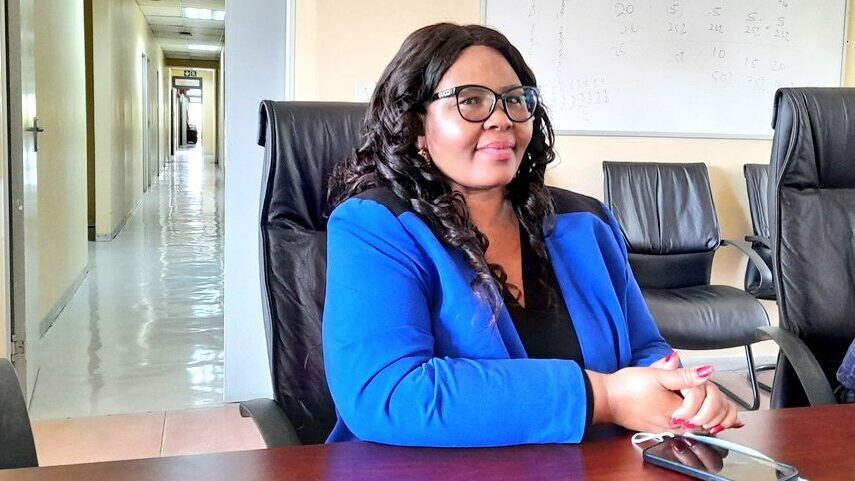
Nomantu Nkomo-Ralehoko, MEC for Health in Gauteng. Photo: GP Health and Wellness/Twitter

By Spotlight Editors

On 7 October, Gauteng Premier Panyaza Lesufi appointed Nomantu Nkomo-Ralehoko to the position of MEC for Health in the province. Nkomo-Ralehoko replaced Nomathemba Mokgethi, who had been in the job for less than two years.

The position of MEC for Health in Gauteng is one of the most important, and probably one of the toughest public sector health jobs in South Africa. Spotlight sent Nkomo-Ralehoko ten questions about her plans and on the chronic problems plaguing health in Gauteng. We received the below responses via Tshepo Shawa, the MEC’s spokesperson.

1. After the murder of Babita Deokaran, the Gauteng Health Department was very slow to follow up on the alleged corruption that Deokaran had exposed at Tembisa Hospital. What steps will you take as MEC to ensure that the alleged corruption at Tembisa Hospital is fully investigated and that justice is done?

Nkomo-Ralehoko: The Gauteng Provincial Government has already, through the Office of the Premier, taken action to ensure that the Special Investigating Unit (SIU) conducts a forensic investigation into the transactions at Tembisa Hospital. I am also aware that the Hawks are probing the matter.

I have made a commitment that as soon as the SIU concludes the forensic investigation, we will definitely not hesitate to act on the recommendations.

Sometimes, justice might seem delayed, but it is important that we allow law enforcement agencies to complete their work so that firm action can be taken where there is wrongdoing.

2. From PPE-related corruption to alleged corruption at Tembisa Hospital, the Gauteng Department of Health appears to have a chronic and systemic problem with corruption. What steps will you take as MEC to:

i) root out corruption in the department at a systemic level;

ii) and ensure there are consequences for those implicated?

Nkomo-Ralehoko: One of my immediate focus areas is to ensure that the department’s systems across delivery areas such as Finance, Human Resources, Monitoring and Evaluation, Risk Management, etc. are strengthened so that processes are not dependent on human vulnerability but there are clear checks and balances.

An environment that has no consequence management breeds ill-discipline and a culture of ignoring processes and procedures as prescribed in our legislative framework. Our environment is highly regulated through various prescripts and it is important for oversight purposes and for good governance that the distinctive roles in terms of the role of Executive Authority and the role of Accounting Officer are appreciated.

I have already made an undertaking to work with stakeholders internally and externally to ensure that there is accountability and consequence management. Equally so, it will be important to also recognise people that go beyond the call of duty. We need to encourage an environment where we get back to the Batho Pele principles by ensuring that our work is geared towards improving patient experience of care and improving our service offering. We also need to make sure that employees work in an environment that appreciates the service they are rendering to communities and allows them to thrive.

3. The work of restoring Charlotte Maxeke Johannesburg Academic Hospital was handed over to the National Department of Health after the Gauteng government botched the job. What steps will you take as MEC to ensure that Charlotte Maxeke is fully functional again as soon as possible?

(Here, the MEC referred us to a response provided to the provincial legislature regarding the rebuilding of Charlotte Maxeke)

4. There have in recent years been chronic management-level vacancies in the Gauteng Department of Health. What steps will you take as MEC to ensure that all vacancies in the department are filled with suitably qualified people?

Nkomo-Ralehoko: Part of the intervention programme for the remainder of the 6th Administration term of office will be to review the age-old organisational structure which was last updated in 2006 to ensure that it is relevant and fit-for-purpose and takes into consideration the size of the Gauteng healthcare system and the kind of skills that are needed to provide adequate and effective care to the over 16 million people of the province, majority of whom rely on the public healthcare system.

We have put in place an ambitious plan called Turning The Tide: Reclaiming the Jewel of Public Health in Gauteng, which looks at a number of intervention areas. Key amongst these is the Human Resource component.

This is to ensure that we have a structure that responds adequately to clinical, administrative, social, and economic challenges faced by the province. This will enable the department to be able to deliver on the workforce that positively impacts its strategy execution efforts and acceptable levels of organisational performance.

5. Are you in favour of cadre deployment in the provincial health department?

Nkomo-Ralehoko: If by cadre deployment you mean a situation where highly trained and qualified personnel who understand the delivery imperatives of the developmental state and are committed to a high ethical standard embracing a culture and ethos of service, then indeed I am for cadre development.

However, if by cadre development you are referring to bringing incapable and unqualified people into the public service at the expense of delivery, then I can’t support such.

6. Healthcare workers often work under very difficult conditions and surveys have shown that many healthcare facilities are understaffed. What steps will you take as MEC to ensure sufficient numbers of healthcare workers are employed in Gauteng and work under decent working conditions?

Nkomo-Ralehoko: Kindly refer to the response to question 4 above. Additional to that response is that the Turning the Tide plan has also prioritised health infrastructure to ensure that healthcare workers work in a safe environment.

Our Department is now called the Department of Health and Wellness that on its own is a clear indication that issues of wellness will also receive special focus. We can’t preach a message of wellness while our employees are unwell and unhappy. In my first address to the staff at head office on 10 October 2022, I made a commitment to the team that charity will begin at home. For this reason, we will soon be rolling out Wellness Wednesdays, the aim of which is to bring the spotlight on employee wellness and to ensure that we pay more attention to the softer but critical issues that make the workplace a more conducive environment.

7. In your view, what is the key difference between the role of the MEC for health and the HoD of the province’s health department?

Nkomo-Ralehoko: The roles of the Executive Authority (MEC) and Accounting Officer (HoD) are clearly defined by various laws and regulations, such as the Public Service Act, Public Service Regulations, and Public Finance Management Act. The executive authority is the political head and is responsible for policy direction and oversight. The executive authority delegates certain functions to the accounting officer to ensure effective public management and administration.

The accounting officer is the administrative head of the department and is responsible for the day-to-day operations of the department.

8. As MEC, will you listen to and support healthcare workers like Dr Tim de Maayer who blow the whistle when the situation at health facilities becomes untenable, or will you take steps against such people?

Nkomo-Ralehoko: I have made a commitment to staff to work with them to turn the health system around. This means that performance systems and tools will have to be strengthened while we also create a conducive environment that allows employees to be heard. Everyone’s voice matters if it is a voice that seeks to move us forward. We all have a role to play to restore the tarnished image of the Gauteng public health system.

9. As the province’s new MEC for Health, what lessons do you take from the Life Esidemeni tragedy?

Nkomo-Ralehoko: You will appreciate that I am just a few days in office and I am obviously getting appraised with the myriad of issues confronting the healthcare system in the province. One of the commitments made by this 6th Administration was to be a patient-centred, clinician-led, and stakeholder-driven healthcare system. This is a commitment we intend to see through in the remaining period of the term of office. My job is to ensure that patients are at the centre of our work by giving clinicians space to do what they are trained to do while at the same time listening to the voice of the many stakeholders who want to see public health live up to its promise.

10. As we understand, you are not a medical doctor and in a SABC interview you said you are “a politician by accident”. What in your background and experience would you say makes you the right candidate for the role of MEC for Health?

Nkomo-Ralehoko: Yes I said I am a politician by accident given that I was drawn by many lived experiences which harnesses the activist in me that was driven to change things for the better. I am an administrator at heart, but I am also an experienced leader, having led across various structures in society.

I understand the plight of the people of Gauteng and I am committed to putting my skills and knowledge to change things for the better. I may not be a clinician or a nurse, but I do know that the healthcare system is nothing without healthcare workers.

Republished from Spotlight under a Creative Commons 4.0 Licence.

Source: Spotlight

Liquor Amendment Bill Might be Further Toughened up

Source: Pixabay CC0

By Marecia Damons

Information about alcohol abuse gathered during the COVID lockdown may prompt further changes to the Liquor Amendment Bill, says the Department of Trade, Industry and Competition. The Bill has been on hold since 2018.

The Bill seeks to amend the National Liquor Act of 2003, by tightening alcohol restrictions and advertising and regulating where alcohol is sold.

Spokesperson Bongani Lukhele said the Bill was under review by the department.

“During the Covid-19 pandemic, it became more apparent that the problem of liquor abuse is quite huge in South Africa and requires more concerted measures, and that the Bill may not address the scale of the problem as the problem requires a concerted effort in government,” said Lukhele.

He said the department would reintroduce the bill to Parliament. Lukhele said as well as legislation to address liquor use, there was a need for health, education and behaviour issues to be addressed as well.

“Provincial laws must also be reviewed as it impacts directly on the retail trade,” Lukhele added.

Meanwhile, lobby groups are growing impatient with delays in the implementation of the bill.

Maurice Smithers, director of the Southern African Alcohol Policy Alliance in South Africa, said the Liquor Act had been reviewed in 2015 and found to be inadequate and inconsistent with the World Health Organisation’s Global Strategy to reduce the harmful use of alcohol. The Global Strategy suggests three priorities: reducing the availability of alcohol, increasing its cost, and limiting or banning marketing.

As a result, changes were proposed in the Liquor Bill, drafted in 2016, including:

  • restricting advertising of alcohol on public platforms;
  • increasing the legal drinking age from 18 to 21 years;
  • regulating specific trading days and hours for alcohol to be distributed and manufactured; and
  • placing liability on alcohol retailers and manufacturers for harm related to the contravention of regulations.

The amendments also propose banning alcohol advertising on radio and television at certain times and on billboards less than 100 metres away from junctions, street corners and traffic circles.

The bill was approved by Cabinet for public comment in 2016.

Smithers told GroundUp that the socio-economic and health problems associated with alcohol would worsen over time if the Bill and other legislation was not passed.

“The overall cost to society of such harm will continue to burden the state and divert resources from other delivery areas. Some specific consequences are that petrol stations are now applying for licences, something they would not be able to do if the bill were passed.”

“The current proposals in the Basic Education Laws Amendment Bill which will allow schools to have alcohol at schools and at school functions off school premises for fund-raising purposes would also not be allowed if the bill were passed,” said Smithers.

Basic Education Minister Angie Motshekga has said the department supports zero tolerance of alcohol at schools, but schools do sell alcohol during fund-raising and do hire out halls for functions where alcohol is consumed. She said the clauses in the Basic Education Laws Amendment Act are intended only to regulate this.

Onesisa Mtwa, innovation manager at the DG Murray Trust, told GroundUp that stronger regulations were necessary to address and reduce harmful patterns of consumption such as heavy and binge drinking.

In its 2018 Global Survey on Alcohol and Health, the WHO indicated that in 2016, South African drinkers over the age of 15 years consumed, on average, 64.6 grams of pure alcohol per day.

The data further showed that South African drinkers over 15 years old consumed 29.9 litres of pure alcohol in a year —the third highest consumption in Africa.

Citing a 2017  by economics-based consulting firm Genesis Analytics, Mtwa said the Bill could reduce alcohol consumption by between 3.2% and 7.4% which would, in turn, reduce public health costs by R1.9 billion per year.

“Despite the industry’s claims that this Bill will destroy the industry,” Mtwa said, the impact assessment suggested that South Africa’s gross domestic product would drop by less than 1%.

study by the University of Cape Town and the Medical Research Council found that alcohol bans during COVID were strongly associated with a large drop in unnatural deaths (murders, vehicle collisions, suicides and accidents).

Researchers looked at death data during alcohol restrictions and curfews under the national lockdown from the end of December 2019 to late April 2021. The drop in unnatural deaths associated with a full alcohol ban ranged from 42 deaths per day under a curfew of 4 to 7 hours to 74 per day under hard lockdown.

Mtwa said implementing the bill would need “extensive” national and provincial cooperation.

“Some areas of regulation such as retail sales and liquor licences lie with provinces, while liability issues, manufacturers and the drinking age would be regulated by the national government. This highlights the need for a whole-of-government approach to reducing alcohol-related harm,” she adds.

Smithers said although the bill is not a silver bullet, it would send a signal to society that the government is serious about addressing the issue of alcohol-related harm.

“It’s not a perfect bill and it won’t result in a perfect act, but it is a step in the right direction,” he said.

Republished from GroundUp under a Creative Commons Attribution-NoDerivatives 4.0 International License.

Source: GroundUp

New Laws Set to Turn the Screws on Smoking in South Africa

Cigarette butts
Source: Pawel Czerwinski on Unsplash

New legislation will soon place further curbs on tobacco smoking in South Africa – and these laws will also now extend to e-cigarettes. In South Africa, lung cancer is the third most common cancer among men and seventh for women. More than two-thirds of lung cancer patients are diagnosed at an advanced stage, resulting in poorer outcomes for treatment.

The proposed laws impose harsher penalties against smoking in smoke-free zones, being punishable with a fine or up to three months imprisonment. More areas would be designated smoke-free zones, essentially ending the smoking sections currently set aside for restaurants and bars. This would also extend to the homes of people who employ domestic workers – the employers would not be able to smoke while those workers are present.

Smoking would also be banned in homes used for teaching, tutoring and commercial childcare. Shared residences would also have smoking banned in common areas, as would smoking in vehicles with occupants under the age of 18.

Cigarette packaging will also be targeted, with a move to plain packaging with graphic health warnings. It will no longer be legal to sell cigarettes through vending machines, nor display cigarettes at the point of sale. Sweets and toys resembling cigarettes would also be banned – however, the sugar ‘cigarettes’ that many may remember from their youth are already banned.

Vaping and e-cigarette products will also be liable to the same legislation, and are also soon to have an excise tax levied upon them.

TAC Slams Mbeki over His Views on HIV

Photo: Mohamed Nanabhay (via Flickr, CC BY 2.0)

By Mary-Anne Gontsana for GroundUp

The Treatment Action Campaign (TAC) has called on former president Thabo Mbeki to offer an apology to the public for the “dissident” views he expressed about HIV/AIDS while delivering a speech at the University of South Africa (UNISA) last week Wednesday.

In a scathing statement published by the TAC on Tuesday, the organisation said the “repetition of his scientifically erroneous views with such insensitive arrogance is an insult to the 8 million people living with HIV in SA and the families of 4 million South Africans who have died from HIV over the last three decades”.

Mbeki, who is also the Chancellor at UNISA, was speaking to students, diplomats and members of the media at an event which takes place twice each year and allows students to interact with him on pertinent issues that affect Africans.

The TAC accuses Mbeki of misleading the public when he questions the cause of AIDS. The organisation also goes on to say that they were stunned again by Mbeki’s support of the views of the late former Minister of Health, Manto Tshabalala-Msimang “who was ridiculed for promoting garlic and beetroot as the essential ingredient to manage AIDS, giving it a higher premium than antiretroviral (ARV) treatment”.

“Whilst there may be benefits in all healthy foods, the idea that these vegetables are what are most required in the management of AIDS has no basis in fact and is misleading to the public,” said the statement.

Speaking about HIV/AIDS after a question was raised in the event, Mbeki said the questions that he raised then, he would still raise today. He emphasized that AIDS was a syndrome and not a disease.

“Now this syndrome in medical terms is a group of diseases. So all of these diseases which fall under this syndrome, meningitis, TB, they’re in the syndrome.”

“Causes of Tuberculosis are known and historical, but it’s part of the syndrome. So you can’t say one virus causes all of these illnesses, what you can say is this virus impacts negatively on the immune system, it’s that weakened immune system which results in a syndrome.”

“But there’s a consequence to that kind of thinking which is when you go to test and that test says HIV positive… it does not necessarily mean you’ve got the virus. What it means is that the immune system is responding to something that is threatening the body, and therefore you need a clinical analysis in order to determine what is this thing that the immune system is rejecting. It’s in all the medical documents that go about it, and it’s correct, because then you have to go and do this clinical examination in order to determine which of these illnesses in the syndrome is the one that’s affecting this person. And then you treat the person for that particular disease,” said Mbeki.

Mentioning the views of Tshabalala-Msimang, Mbeki started off by saying as government they had to respond in an effective manner to the HIV/AIDS pandemic and various interventions were needed to do this.

“Which is why the question was raised by the then Minister of Health in a very dramatic fashion. Nutrition. Nutrition is very very critical to solving this problem and that’s why she was saying that we must take garlic and beetroot and so on. She was not saying that with those things you’re going to be cured.”

“She was raising the matter about the importance of nutrition. And those particular types of foods even today have been raised in the context of this Covid-19,” said Mbeki.

The TAC, which successfully campaigned in the 2000s for Mbeki’s government to roll out life-saving medicines, was not impressed.

“There is much ongoing stigma and denial when it comes to HIV and we call on Mr Mbeki to desist from statements about HIV that have no basis in fact,” said the TAC statement.

It said: “The former president’s statements remind us that his unscientific views led to a delay in the rollout of the ARV programme during his presidency.”

The TAC’s General Secretary, Anele Yawa, said that if Mbeki was not prepared to apologise, the organisation would make sure that his HIV denialism and the thousands of deaths that resulted, would be the only thing that he would be remembered for.

These are the facts when it comes to HIV/AIDS under Thabo Mbeki’s presidency

By Nathan Geffen, GroundUp Editor

It’s seldom clear what Thabo Mbeki means when it comes to HIV/AIDS. There is much obfuscation. But the key facts are this:

  1. HIV destroys immune system cells in infected people.
  2. Usually over a period of several years, if left untreated, the immune system collapses, causing the person to become ill with life-threatening infections. This is known as AIDS.
  3. Only antiretroviral medicines can halt this process. They have been so effective that the life-expectancy for people with HIV who take them is brought back to almost normal.
  4. HIV tests are reliable. If proper protocols are followed the odds of an incorrect result are extremely small.
  5. Mbeki’s government delayed the rollout of antiretroviral treatment in the public sector until 2004, even though an effective combination of antiretroviral medicines was available from the mid to late 1990s.
  6. It was only due to pressure from the TAC and its allies that Mbeki’s government made antiretrovirals available in the public sector.
  7. The prices of these medicines also became affordable because of the TAC’s (and its allies) campaigning against pharmaceutical companies. Mbeki’s government was largely AWOL in these efforts, despite Mbeki’s rhetoric about these companies.
  8. Two different studies have estimated that the delayed rollout of antiretrovirals resulted in well over 300 000 avoidable deaths. These estimates are conservative.
  9. These estimates also exclude those who died because they were convinced by Mbeki, Tshabalala-Msimang and their acolytes to try treatments promoted by as alternatives to antiretroviral medicines. The promotion of these nonsense remedies by Mbeki and his health minister continued long after the antiretroviral treatment rollout began.

Geffen was involved with the TAC from 2000 to 2013.

Republished from GroundUp under a Creative Commons Attribution-NoDerivatives 4.0 International License.

Views expressed are those of GroundUp and not Quicknews.

Source: GroundUp

Debunking the Myth that Africa Responded Well to COVID

COVID heat map. Photo by Giacomo Carra on Unsplash

By Nathan Geffen and Francois Venter

There is a view being promoted that COVID didn’t hit Africa as badly as the rest of the world. The reason for this, as recently expressed in an article by Boniface Oyugi in The Conversation, was the effective and well-coordinated response of African governments.

We understand the desire to find good news on the continent. But, on balance, the very little evidence available shows that COVID has hit Africa hard. The continent is highly diverse with over 50 states, so broad generalisations should be treated cautiously but, with an exception or two, there is little evidence of an effective response to the COVID pandemic. For one thing, Africa has the lowest vaccination rate of any continent.

Oyugi uses the WHO’s official COVID infection and death statistics to claim that the continent fared better than elsewhere. These state that as of late July, less than 2% of global cases and less than 3% of global deaths occurred in Africa, which has about 17% of the world’s population. (Oyugi also cites a study which pretty much says the same thing.)

COVID test statistics and confirmed COVID deaths don’t paint an accurate picture of how seriously the pandemic has hit a country (see here). If you don’t measure something properly, you can’t conclude that it’s a small problem. COVID tests are typically only administered with any regularity to a small, predominantly better off, part of a country’s population, and countries that test more tend to find more cases. Official COVID death tolls typically count people who have died in hospital with a confirmed positive test result. But it often doesn’t happen this way, especially on a continent with large rural populations and under-resourced hospitals.

Excess deaths: a vital measure

This is why the most important measure of how hard COVID has hit a country is the excess death toll. By excess deaths, we mean the number of deaths that occurred above what you’d expect given recent historical mortality. In sub-Saharan Africa, the only country that has a system capable of reliably estimating this is South Africa. Every week since the beginning of the epidemic, the Medical Research Council (MRC), using death certificate data provided by Home Affairs, has diligently analysed excess deaths. (Many countries wealthier than South Africa do not have as good a system, so it’s something to be proud of.)

The MRC researchers calculate that there have been over 320 000 excess deaths in South Africa since May 2020 (as of July 2022). As they’ve explained, conservatively 85% of these are COVID deaths. It may be as high as 95%. We can conclude that close to 300 000 people have died of COVID in South Africa. Over the past two years about 1 in 200 people in the country have died of this new infection.

The Economist has been reporting excess deaths by country. It states: “Among developing countries that do produce regular mortality statistics, South Africa shows the grimmest picture, after recording three large spikes of fatalities.”

Official deaths are much lower than excess deaths

But if you look at South Africa’s official, and much less accurate, COVID death toll you get a very different picture: Then we’re only 65th worst in the world (source: Worldometer deaths per million people). Lesotho is in 167th place, suggesting it has had a very small epidemic. Is it plausible that an area with a porous border entirely surrounded by South Africa has a completely different epidemic? (See this set of tweets – by one of the authors of South Africa’s weekly mortality report – that explains how the little mortality data we have from Lesotho suggests it had a serious pandemic.)

What about Namibia at position 74 in the Worldometer list, Botswana at 89, Zimbabwe at position 143 and Mozambique at position 190? Is it plausible that this ordering, almost in reverse order of industrial development, accurately reflects how these countries were affected by COVID?

Depending on your bias, you can approach these statistics in two ways. You can be very optimistic and see this as evidence of a smaller epidemic in sub-Saharan Africa. Or you can be realistic and acknowledge that the official numbers are likely very badly undercounted.

We can’t know for sure though because nearly all African governments did not have the systems in place to count excess deaths.

Most African countries need much better death registration systems

Attempts to estimate excess mortality in most African countries are based on almost no data. To the extent that there is data, it supports the view that the numbers have been badly undercounted. For example, a study published in the British Medical Journal, albeit with many caveats, found death rates in developing countries were twice those of rich countries.

During the height of the AIDS pandemic in the 2000s there was much optimism that the massive influx of foreign aid in response could be used to build better health systems. Bits and pieces of evidence do suggest health on the continent has improved. But it’s very disappointing that most countries on the continent still do not have the vital registration systems in place to measure mortality with decent accuracy. This is one of the most important measures of how a population is doing.

By claiming that African governments have responded well to COVID, when there’s no proper evidence to support this, we fail to hold politicians accountable. We also create the impression that institutions like the World Health Organisation and the African Union’s African Centre for Disease Control are more successful than they’ve actually been. This is a disservice to the vast majority of people living in Africa.

Geffen is GroundUp’s editor. Professor Venter is an infectious diseases clinician and head of Ezintsha at Wits University.

This article is republished from GroundUp under a Creative Commons Attribution-NoDerivatives 4.0 International License.

Source: GroundUp

Battling to Increase Nurse Numbers, SA Looks Abroad

Image by Hush Naidoo from Unsplash

The addition of specialist nurses by the Department of Home Affairs to the critical skills list has drawn renewed attention to and criticism of the chronic shortage of nurses in South Africa.

According to a statement by Life Healthcare last year, the country would need as many 26 000 additional nurses in 2022 to meet growing demand.

“Nurses have been on the frontline of the efforts to combat COVID for over two years. They are understandably exhausted and require our support as they continue to deliver quality care to our patients,” the group said, adding that it was embarking on programme to train an additional 3000 nurses per year.

In an open letter on the situation, the Hospital Association of South Africa (HASA) said that there was considerable training capacity and willingness from private sector hospitals, while also noting that the transition to new nursing qualifications has interrupted nurse training.

Last week, following engagement with the Minister of Health, South African Nursing Council, Health Professions Council of South Africa, public hospital CEOs and other experts, the DHA published an updated critical skills list, which was expanded to include specialist nurses and medical specialists.

The registered nurse specialties are intensive/critical care, psychiatric, peri-operative, trauma and paediatric nursing, as well as midwife specialists.

What many seen as the government’s inaction over the situation has not gone without criticism.

Speaking to the the Sunday Tribune, Sibongiseni Delihlazo of the Democratic Nursing Organisation of SA said that they were “extremely angry that we have to import specialist nurses because of the government’s actions.”

He points to falling numbers of nurses being produced each year and the shutting of nursing colleges as a sign of government neglect. World Health Organization studies showed a worldwide nursing shortage of 10 million positions by 2030, which needed an 8% annual increase in new nurses.

“Our country has not adhered to the warning, but has done the opposite,” he said.

Delihlazo said that most nursing students received government funding which was drying up, yet the population growth continued as did public healthcare system demand.

Public healthcare was not releasing nurses for specialist training, as doing so would cause the system to crumbled, Delihlazo said. In addition, local nurses are being effectively poached by first world nations.

“We could have produced our own nurses in a country with serious unemployment issues. The government doesn’t have a strategy to keep our nurses,” he said.

Despite Disagreement, WHO Sounds Highest Alert for Monkeypox

Source: Pixabay CC0

On 22 July, World Health Organisation (WHO) director general Dr Tedros Adhanom Ghebreyesus declared the global spread of monkeypox a Public Health Emergency of International Concern (PHEIC) – a move which went against the recommendation of a special committee. This was the first time since the PHEIC’s inception in 2005 that it had done so. The special committee’s reluctance to recommend a PHEIC has previously drawn criticism from public health experts.

The 21 July meeting of WHO’s Emergency Committee, did not reach a consensus on whether to declare the growing monkeypox outbreak a PHEIC; a narrow majority voting against doing so. But Dr Tedros invoked a PHEIC at a press conference the next day in Geneva. “We have an outbreak that has spread around the world rapidly, through new modes of transmission, about which we understand too little and which meets the criteria in the International Health Regulations,” he said.

Data presented during the meeting including modelling which showed the basic reproduction number (R0) to be above 1 among gay or bisexual men, and below 1 in other groups. For example, in Spain, the estimated R0 is 1.8, in the United Kingdom 1.6, and in Portugal 1.4.

In June, the committee first recommended against declaring a PHEIC , which was roundly criticised by epidemiologists and global health experts. Dr Tedros reconvened the group this week and asked it to reconsider the question. Nine members were against declaring a PHEIC and six in favour, Dr Tedros said at the press conference.

According to Science, the Thursday meeting of the expert panel was followed by tense exchanges via email and text messages between its participants.

One of the objections to a PHEIC was that few deaths had been caused by the disease so far and was not spreading in the general population. Another was that a PHEIC could possibly lead to further stigmatisation of men who have sex with men (MSM), the group primarily affected.

Many gay rights and sexual health advocates were for the PHEIC, as it would help raise awareness and help protect the most at-risk group of MSM.

“Although I’m declaring a public health emergency of international concern, for the moment, this is an outbreak that’s concentrated among men who have sex with men, especially those with multiple sexual partners,” Dr Tedros said. “That means that this is an outbreak that can be stopped with the right strategies in the right groups.”

Those who push for declaring a PHEIC also cited the rising number of monkeypox cases (over 15 000) and the countries affected (70), and that many cases are likely still not being picked up. The virus could also potentially establish itself permanently worldwide – indeed, the CDC reported that two children in the US had been infected.

Sources familiar with the deliberations of the committee said the votes for a PHEIC were driven by those with expertise in monkeypox and LGBT health, and those against by more generalist global heath voices.

According to Science, sources familiar with the committee’s deliberation said that those in favour of a PHEIC had monkeypox and LGBT health expertise, and those against were from a global health standpoint.

While a PHEIC can give the WHO some extra powers, it is the loudest level of alert it can sound. Since its creation in 2005, PHEIC has been declared six times: for outbreaks of H1N1 influenza, polio, Zika, COVID (ongoing), and twice for Ebola outbreaks (one ongoing).

Source: Science.org

Employees’ Rights: What Does The Law Say about COVID Vaccination?

Photo by Gustavo Fring on Pexels

In the past year, the Commission for Conciliation, Mediation and Arbitration (CCMA) has delivered several arbitration awards which have upheld the dismissals of employees who refused to get vaccinated against COVID.

But a recent award has created some confusion about whether this is still allowed and under what circumstances.

On 22 June, CCMA Commissioner Richard Byrne found that it was unfair and unconstitutional for Baroque Medical, which supplies and sells medical equipment, to retrench Kgomotso Tshatshu for refusing to get a Covid vaccination. The company was ordered to pay her 12 months’ salary as compensation (the maximum allowed).

But this contradicts an earlier CCMA award by Commissioner Piet van Staden, delivered in May, who found that Baroque Medical was within its rights to retrench another employee, Cecilia Bessick, who had also refused to get a COVID vaccine.

These conflicting decisions may be understandable, because CCMA arbitration awards do not create binding legal precedent in the same way as court judgments. The most recent CCMA ruling therefore does not set a binding legal precedent that employees cannot be dismissed for refusing to get a COVID vaccine.

The Labour Court has also not yet delivered any binding judgment about whether an employer can fairly dismiss an employee who refuses to get a Covid vaccination. Until this occurs, it is likely the CCMA will continue to give conflicting decisions about whether employers can fairly dismiss employees who refuse to get a vaccine.

Below, we explain what the law currently says about whether an employee can be dismissed for refusing to get a COVID vaccine and under what circumstances.

Labour Relations Act

The Labour Relations Act (LRA) says that an employee can only be dismissed for these reasons: when they are guilty of misconduct; suffer from an incapacity, such as ill health or injury, which prevents them from performing their duties; have to be retrenched because of the economic, structural, technological or similar needs of their employer.

The LRA also requires an employer to follow a fair procedure before dismissing an employee. Usually, this would involve explaining to an employee why they could be dismissed if they refuse to get a Covid vaccine and give the employee an opportunity to explain why they should not be dismissed.

The LRA, however, does not explain whether an employee who refuses to get vaccinated can be dismissed for misconduct or incapacity. The LRA also does not explain whether an employee who refuses to get a Covid vaccine can be retrenched.

Occupational Health and Safety Act

But the Occupational Health and Safety Act does require employers to take all reasonable steps to provide their employees with a safe and healthy working environment. The act also requires employers to take reasonable steps to ensure other people who may be affected by their business activities (such as customers or suppliers) are not exposed to a hazard to their health or safety – such as Covid.

During March, the Minister of Labour issued a Code of Good Practice which explains the steps that an employer should take to manage Covid in their workplace and to comply with their legal duties to provide a safe and healthy working environment.

This code was enacted after a previous directive on managing Covid in the workplace was repealed after the State of Disaster came to an end.

Code of Good Practice

According to the new Code of Good Practice, every employer with at least 20 employees must conduct a “risk assessment” and must develop a COVID plan with the measures it will implement regarding vaccination of employees and when they should be fully vaccinated. When developing the plan, the employer must consult with any representative trade union in its workplace or an employee representative.

The risk assessment and plan, among other things, should identify employees who must be vaccinated and must notify them of their duty to get a vaccination.

The code also states employers can require employees to disclose their vaccination status and to produce a vaccine certificate in order to give effect to the code.

The code further states that employees can lawfully refuse work when there exists a serious risk that they may imminently be exposed to COVID in the workplace. Should this occur, the employer cannot take any action against that employee for refusing to work, such as later dismissing or suspending them from work.

There may be situations where a refusal by employees to work because other employees refuse to get vaccinated, could justify the dismissal of the employees who refuse to get a COVID vaccine. This is because the refusal of many employees to work could affect the ability of a company or business to operate. This could potentially justify retrenchment of employees who refuse to get a COVID vaccine.

However, should an employee refuse to get vaccinated, the code also says that the employer should take steps to reasonably accommodate them in a position that does not require them to be vaccinated. Should an employee produce a valid medical certificate, which provides legitimate reasons why they cannot be vaccinated, the employer can send that employee to another doctor at their own expense.

The code does recognise that it would be unfair to dismiss employees who cannot be vaccinated on valid medical grounds. But, the duty to accommodate employees who refuse to get vaccinated on other grounds would depend on whether an employer has another position available which does not require that employee to be vaccinated. Should the employer not have an alternative position which does not require the employee to be vaccinated, this could be a fair reason to dismiss them.

It is important to note that the code does state that it reflects the policy position of the Department of Labour and that it should be applied until any of its provisions are reversed by a court judgment. Until the Labour Court delivers a binding judgment on when employees can be dismissed for refusing to get a COVID vaccination, it would seem it would be best to follow the provisions of the code.

By Geoffrey Allsop

Republished from GroundUp under a Creative Commons Attribution-NoDerivatives 4.0 International License.

Source: GroundUp