Category: Genetics

Once-off Gene Therapy Reduces Haemophilia B Bleeding in Patients

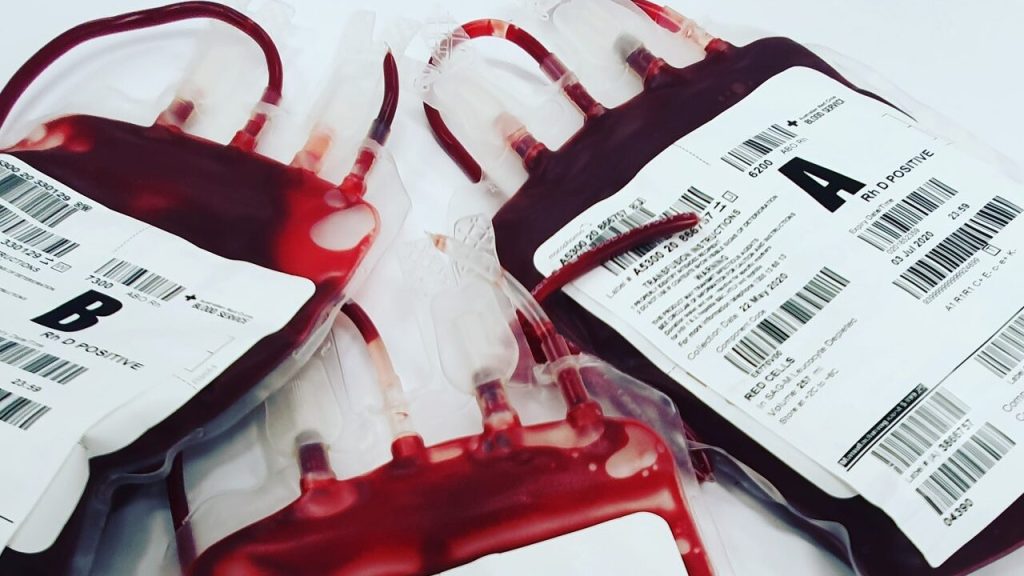
https://www.pexels.com/photo/a-close-up-shot-of-bags-of-blood-4531306/
Photo by Charlie-Helen Robinson on Pexels

A single gene therapy injection could dramatically reduce the bleeding risk faced by people with haemophilia B, according to the results of a Phase I/II clinical trial published in the New England Journal of Medicine.

Low levels of the factor IX (FIX) protein, needed for clot formation, are behind haemophilia B. The FIX protein gene is on the X chromosome, so the severe form of haemophilia B is much more common in men, though it can occur in women due to X chromosome inactivation.

To prevent excessive bleeding, patients with haemophilia B typically need regular replacement therapy consisting of weekly injections of recombinant FIX. Despite advances in treatment, patients may continue to see debilitating joint damage.

The new treatment, from University College London, Royal Free Hospital and biotechnology company Freeline Therapeutics, is a type of adeno-associated virus (AAV) gene therapy candidate, called FLT180a, is being developed to treat severe and moderately severe cases of haemophilia B.

The Phase I/II multi-centre clinical trial, called B-AMAZE, and the related long-term follow up study found that a single treatment with FLT180a led to sustained production of FIX protein from the liver in 9 of 10 patients, across four different dose levels, removing the need for regular replacement therapy.

Out of 17 male patients aged 18 or over who underwent screening, 10 with severe or moderately severe haemophilia B took part in the 26-week trial of FLT180a, will be followed-up to assess safety and durability of FIX expression for 15 years.

Lead author Professor Pratima Chowdary of the Royal Free Hospital said: “Removing the need for haemophilia patients to regularly inject themselves with the missing protein is an important step in improving their quality of life. The long term follow up study will monitor the patients for durability of expression and surveillance for late effects.”

One patient, Elliott Mason, told the BBC: “I’ve not had any treatment since I had my therapy, it’s all a miracle really, well it’s science, but it feels quite miraculous to me.

“My life is completely normal, there’s nothing that I have to stop and think ‘how might my haemophilia affect this?’.”

AAV gene therapy works uses a packaging from the proteins found in the outer coat of the virus to deliver a functional copy of a gene directly to patient tissues. Newly synthesised proteins are released into the blood and a one-time infusion can have long-term effects.

Over several weeks to several months, patients took immunosuppressive drugs to prevent their immune systems from rejecting the therapy, and all reported known side effects.

Though the therapy was well tolerated, patients all experienced adverse events, with an abnormal blood clot in one who received the highest FLT180a dose and had the highest levels of FIX protein.

Professor Amit Nathwani, who co-authored the study, said: “Gene therapy is still a young field that pushes the boundaries of science for people with severe genetic diseases.

“The B-AMAZE long-term data add to the growing body of evidence that gene therapy has the potential to free patients from the challenges of having to adhere to lifelong therapy or could provide treatment where none exists today.”

In nine out of the ten patients, the treatment led to a sustained increase in FIX protein production, which led to a decrease in excessive bleeding. They also no longer required weekly injections of FIX protein.

After 26 weeks, five patients had normal levels of FIX protein, three had low but increased levels, and one patient treated at the highest dose had an abnormally high level.

Pamela Foulds, MD, Chief Medical Officer of Freeline, said: “The B-AMAZE long-term data continue to support our confidence that a single dose of FLT180a could protect people with haemophilia B from bleeding and the need for lifelong FIX replacement through durable expression of FIX at protective levels.”

Source: EurekAlert!

‘Silent’ Mutations in Genes Found to be Mostly Harmful

Genetics
Image source: Pixabay

New research with yeast strains carrying ‘silent’ gene mutations, where misspellings occur but do not affect the protein they code for, shows that they are not harmless as previously assumed – rather, they are mostly harmful. The findings, which appear in the journal Nature,  could overturn decades of thinking if they are applicable to organisms such as humans.

In the early 1960s, University of Michigan alumnus Marshall Nirenberg and a few other scientists deciphered the genetic code, determining the rules by which information in DNA molecules is translated into proteins.

They identified three-letter units in DNA sequences, known as codons, that specify each of the 20 amino acids that make up proteins, work for which Nirenberg later shared a Nobel Prize with two others.

Occasionally, single-letter misspellings occur, which are known as point mutations. Point mutations that alter the resulting protein sequences are called nonsynonymous mutations, while those that do not are called silent or synonymous mutations.

Around one-quarter to one-third of point mutations in protein-coding DNA sequences are synonymous. Ever since the genetic code was cracked, those mutations have generally been assumed to be neutral, or nearly so.

But a new study involving the genetic manipulation of yeast cells in the laboratory demonstrates that most synonymous mutations are strongly harmful.

The strong nonneutrality of most synonymous mutations – if found to be true for other genes and in other organisms – would have major implications for the study of human disease mechanisms, population and conservation biology, and evolutionary biology, according to the study authors.

“Since the genetic code was solved in the 1960s, synonymous mutations have been generally thought to be benign. We now show that this belief is false,” said the study’s senior author, Professor Jianzhi “George” Zhang at the University of Michigan.

“Because many biological conclusions rely on the presumption that synonymous mutations are neutral, its invalidation has broad implications. For example, synonymous mutations are generally ignored in the study of disease-causing mutations, but they might be an underappreciated and common mechanism.”

In the past decade, anecdotal evidence has suggested that some synonymous mutations are nonneutral, which Prof Zhang and his colleagues wanted to investigate.

They chose to address this question in budding yeast (Saccharomyces cerevisiae) because the organism’s short generation time (about 80 minutes) and small size allowed them to measure the effects of a large number of synonymous mutations relatively quickly, precisely and conveniently.

With gene editing, they constructed more than 8000 mutant yeast strains, each carrying a synonymous, nonsynonymous or nonsense mutation in one of 21 selected genes.

Then they quantified the “fitness” of each mutant strain by measuring how quickly it reproduced relative to the nonmutant strain. Darwinian fitness, simply put, refers to the number of offspring an individual has. In this case, measuring the reproductive rates of the yeast strains showed whether the mutations were beneficial, harmful or neutral.

To their surprise, the researchers found that 75.9% of synonymous mutations were significantly deleterious, while 1.3% were significantly beneficial.

“The previous anecdotes of nonneutral synonymous mutations turned out to be the tip of the iceberg,” said study lead author Xukang Shen, a graduate student research assistant in Prof Zhang’s lab.

“We also studied the mechanisms through which synonymous mutations affect fitness and found that at least one reason is that both synonymous and nonsynonymous mutations alter the gene-expression level, and the extent of this expression effect predicts the fitness effect.”

Prof Zhang said the researchers knew beforehand, based on the anecdotal reports, that some synonymous mutations were likely nonneutral.

“But we were shocked by the large number of such mutations,” he said. “Our results imply that synonymous mutations are nearly as important as nonsynonymous mutations in causing disease and call for strengthened effort in predicting and identifying pathogenic synonymous mutations.”

The U-M-led team said that while there is no particular reason why their results would be restricted to yeast, confirmations in diverse organisms are required to verify the generality of their findings.

Source: University of Michigan

One in 500 Men Carry an Extra Sex Chromosome, Increasing Disease Risk

Photo by Cottonbro on Pexels

Around one in 500 men could be carrying an extra sex chromosome (X or Y), putting them at increased risk of diseases such as type 2 diabetes, atherosclerosis and thrombosis, according to a study published in Genetics in Medicine.

Researchers from the universities of Cambridge and Exeter analysed genetic data on 200 000 men aged 40 to 70 from UK Biobank. They found 356 men who carried either an extra X chromosome or an extra Y chromosome.

Some men have an extra X or Y chromosome – XXY or XYY, which is usually not obvious without a genetic test. Men with extra X chromosomes, a condition known as Klinefelter syndrome, are sometimes identified during investigations of delayed puberty and infertility; however, most are unaware that they have this condition. Men with an extra Y chromosome tend to be taller as boys and adults, but otherwise they have no distinctive physical features.

In today’s study, the researchers identified 213 men with an extra X chromosome and 143 men with an extra Y chromosome. As the participants in UK Biobank tend to be ‘healthier’ than the general population, this suggests that around one in 500 men may carry an extra X or Y chromosome.

Only a small minority of these men had a diagnosis of sex chromosome abnormality on their medical records or by self-report: fewer than one in four (23%) men with XXY and only one of the 143 XYY men (0.7%) had a known diagnosis.

By linking genetic data to routine health records, the team found that men with XXY have much higher chances of reproductive problems, including a three-fold higher risk of delayed puberty and a four-fold higher risk of being childless. These men also had significantly lower blood concentrations of testosterone. Men with XYY appeared to have a normal reproductive function.

Men with either XXY or XYY had higher risks of several other health conditions: a three-fold higher risk of developing type 2 diabetes, six-fold risk of venous thrombosis, three-fold risk of pulmonary embolism, and four-fold risk of chronic obstructive pulmonary disease (COPD).

It is unclear why an extra chromosome should increase the risk, said the researchers, or why the risks were so similar regardless of which sex chromosome was duplicated.

Yajie Zhao, a PhD student at the Medical Research Council (MRC) Epidemiology Unit at the University of Cambridge, the study’s first author, said: “Even though a significant number of men carry an extra sex chromosome, very few of them are likely to be aware of this. This extra chromosome means that they have substantially higher risks of a number of common metabolic, vascular, and respiratory diseases — diseases that may be preventable.”

Professor Ken Ong, also from the MRC Epidemiology Unit at Cambridge and joint senior author, added: “Genetic testing can detect chromosomal abnormalities fairly easily, so it might be helpful if XXY and XYY were more widely tested for in men who present to their doctor with a relevant health concern.

“We’d need more research to assess whether there is additional value in wider screening for unusual chromosomes in the general population, but this could potentially lead to early interventions to help them avoid the related diseases.”

Professor Anna Murray, at the University of Exeter, said: “Our study is important because it starts from the genetics and tells us about the potential health impacts of having an extra sex chromosome in an older population, without being biased by only testing men with certain features as has often been done in the past.”

Previous studies have found that around one in 1,000 females have an additional X chromosome, which can result in delayed language development and accelerated growth until puberty, as well as lower IQ levels compared to their peers.

Source: University of Cambridge

A Blindness Gene That Also Increases Intelligence

DNA repair
Source: Pixabay/CC0

A new study published in Brain shows that a genetic mutation which causes blindness in humans also increases intelligence, possibly through an increase in synaptic activity between the very same neurons damaged by the mutation.

The present study came about when Professors Tobias Langenhan and Manfred Heckmann, came across a paper on a mutation that damages a synaptic protein. The mutation caused patients to go blind, but then doctors noticed that the patients were also of above-average intelligence, something which piqued the two neurobiologists’ interest. “It’s very rare for a mutation to lead to improvement rather than loss of function,” said Prof Langenhan.

The two neurobiologists have been using fruit flies to analyse synaptic functions for many years. “Our research project was designed to insert the patients’ mutation into the corresponding gene in the fly and use techniques such as electrophysiology to test what then happens to the synapses. It was our assumption that the mutation makes patients so clever because it improves communication between the neurons which involve the injured protein,” explained Prof Langenhan. “Of course, you can’t conduct these measurements on the synapses in the brains of human patients. You have to use animal models for that.”

“75 per cent of genes that cause diseases in humans also exist in fruit flies”

Professor Tobias Langenhan

First, in collaboration with Oxford researchers, the scientists showed that the fly protein called RIM looks molecularly identical to that of humans. This was essential in order to be able to study the changes in the human brain in the fly. In the next step, the neurobiologists inserted the genetic mutation into flies. They then took electrophysiological measurements of synaptic activity. “We actually observed that the animals with the mutation showed a much increased transmission of information at the synapses. This amazing effect on the fly synapses is probably found in the same or a similar way in human patients, and could explain their increased cognitive performance, but also their blindness,” concludes Professor Langenhan.

The scientists also found out how the increased transmission at the synapses occurs: the molecular components in the transmitting nerve cell that trigger the synaptic impulses move closer together as a result of the mutation effect and lead to increased release of neurotransmitters. A novel method, super-resolution microscopy, was one of the techniques used in the study. “This gives us a tool to look at and even count individual molecules and confirms that the molecules in the firing cell are closer together than they normally are,” said Prof Langenhan.

“The project beautifully demonstrates how an extraordinary model animal like the fruit fly can be used to gain a very deep understanding of human brain disease. The animals are genetically highly similar to humans. It is estimated that 75% of the genes involving disease in humans are also found in the fruit fly,” explained Professor Langenhan, pointing to further research on the topic: “We have started several joint projects with human geneticists, pathologists and the team of the Integrated Research and Treatment Center (IFB) Adiposity Diseases; based at Leipzig University Hospital, they are studying developmental brain disorders, the development of malignant tumours and obesity. Here, too, we will insert disease-causing mutations into the fruit fly to replicate and better understand human disease.”

Source: Universität Leipzig

People with Blue Eyes Share a Single Ancestor

Eye
Source: Daniil Kuzelev on Unsplash

New research published in Human Genetics shows that people with blue eyes trace their ancestry back to a single individual. Researchers tracked down a genetic mutation which took place 6–10 000 years ago and is the cause of the eye colour of all blue-eyed humans without albinism alive on the planet today.

While blue eyes evolved only once, blonde hair has evolved at least twice: in Melanesian populations, blonde hair evolved independently to European populations, involving a mutation in a different gene.

“Originally, we all had brown eyes,” said Professor Hans Eiberg from the University of Copenhagen. “But a genetic mutation affecting the OCA2 gene in our chromosomes resulted in the creation of a ‘switch’, which literally ‘turned off’ the ability to produce brown eyes.” The OCA2 gene codes for the P protein, which is involved melanin production. This ‘switch’, located in the gene next to OCA2, does not completely shut off production but instead is limited to reducing the production of melanin in the iris, effectively ‘diluting’ brown eyes to blue. The switch’s effect on OCA2 is very specific therefore. If the OCA2 gene is completely destroyed or turned off, albinism would be the result.

Eye colours from brown to green depend on the amount of melanin in the iris, but blue-eyed individuals only have a small degree of variation in the amount of melanin in their eyes. “From this we can conclude that all blue-eyed individuals are linked to the same ancestor,” said Professor Eiberg. “They have all inherited the same switch at exactly the same spot in their DNA.” Brown-eyed individuals, by contrast, have considerable individual variation in the area of their DNA that controls melanin production.

Professor Eiberg and his team studied mitochondrial DNA and compared the eye colour of blue-eyed individuals in countries as diverse as Jordan, Denmark and Turkey. His research stretches back to 1996, when he first implicated the OCA2 gene as being responsible for eye colour.

The mutation of brown to blue eyes does not confer any evolutionary advantage, as with others such as hair colour.

As Professor Eiberg explained, “it simply shows that nature is constantly shuffling the human genome, creating a genetic cocktail of human chromosomes and trying out different changes as it does so.”

Source: University of Copenhagen

Rare COVID Vaccine Blood Clots May Result from Genetics

Photo by Spencer Davis on Unsplash

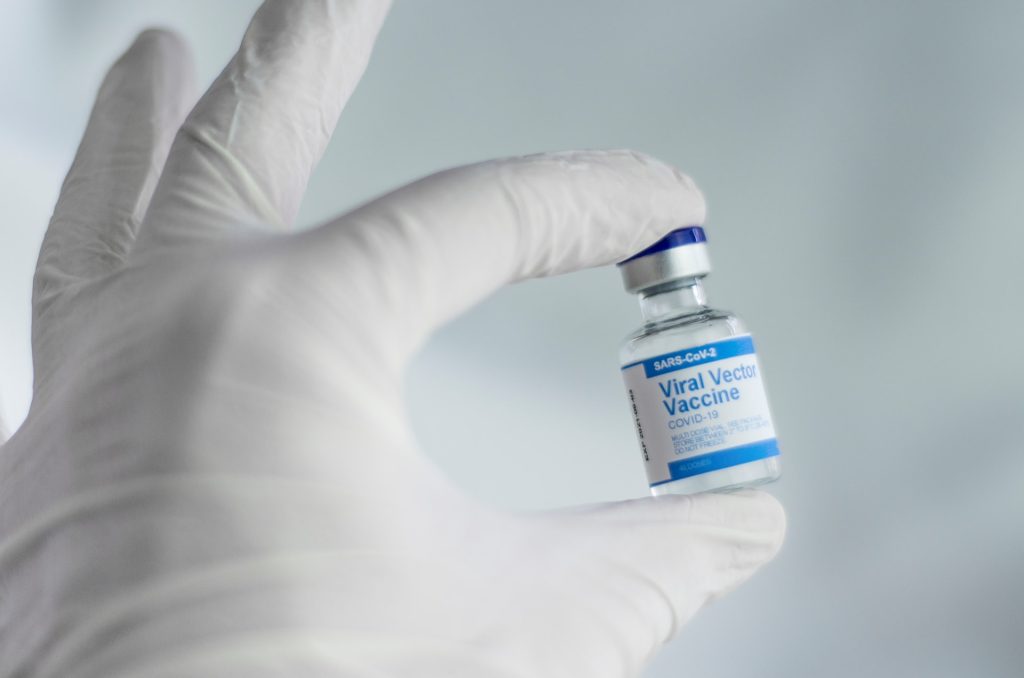
Scientists have discovered that the rare blood clot side-effect associated with some COVID vaccines could be the result of a specific gene variant, which could make a genetic screening test possible.

Vaccine-induced thrombotic thrombocytopenia (VITT), a rare disorder causing thrombosis and thrombocytopenia (low blood platelet counts), was linked to AstraZeneca’s COVID vaccine in early 2021, leading some countries to pause or restrict its use. It is also associated with the Johnson & Johnson vaccine, which also uses a viral vector.

Now, a new study may help to explain what’s causing the rare side effect. The study by Flinders University and SA Pathology is now available on the medRxiv preprint server and is awaiting peer review.

Examining five unrelated individuals who all had the clotting complication after vaccination, the researchers found that all of the patients had unusually structured antibodies against a protein called platelet factor 4 (PF4), which is involved in blood clotting.

In addition, all five shared a specific version of a gene responsible for producing these antibodies.

“We knew previously that PF4 was directly involved in the clotting disorder, and we knew that aberrant antibodies against PF4 are responsible, but what we don’t know is how and why some people develop them,” explained lead author Dr Jing Jing Wang.

The antibodies were all found to be derived from the same amino acid sequence. The researchers then found that all of the patients carried a specific variant of one gene, called IGLV3-21*02, most commonly occurring in people of European descent.

“The other specific amino acid sequences of these antibodies from each patient were derived from separate basic sequences but had all evolved to carry very similar properties, making them very potent attackers of the PF4 protein,” explained research team leader Professor Tom Gordon.

“Together, this suggests that it is the combination of a variant in a gene and the evolution of this antibody towards targeting the PF4 protein in a destructive manner, which is leading to this harmful side-effect.”

Though why the antibody is found in such a tiny number of vaccine recipients remains unknown, the identification of the gene could enable a genetic screening tool to identify patients who are at risk of this severe complication.

“It also provides a unique opportunity for targeted, specific therapy development aimed at neutralising this highly damaging but very specific antibody,” said Dr Wang.

Source: Flinders University

Cancer Drugs May Help Children with Severe Congenital Myopathy

Photo by National Cancer Institute on Unsplash

For the first time, children with severe congenital myopathy may have a better chance at learning to walk thanks to a new therapeutic approach using enzyme-inhibiting cancer drugs, as reported in the journal eLife.

Professor Susan Treves remembers seeing one child affected by the condition at the age of six months. The boy seemed more like a newborn, she said. Today, several years later and thanks to intensive physiotherapy, he is at least able sit. “He made it,” she said. As yet there is no cure for children like this one. Their first priority is survival. Another child with mutations in the same gene as the boy mentioned above, did not survive. However, his genetic alterations now form the basis of a therapeutic approach presented by the research group led by Professors Susan Treves and Francesco Zorzato.

The affected gene is for the calcium channel RYR1 in skeletal muscle. The mutations render the gene useless, which severely impacts muscle function. The researchers used the gene alterations found in a patient, as a template to develop a mouse model for this type of congenital myopathy. “The mice don’t die, but their muscle system is severely impaired,” says Treves. “They’re smaller, and move much less.” With a combination of two drugs, however, the research team was able to significantly improve muscle function and movement of the mice.

The therapy is based on the observation that certain enzymes are produced in excessive quantities in the skeletal muscles of affected patients. These enzymes – histone deacetylases and DNA methyltransferases – affect how densely genes are packed, making them less accessible to the cellular machinery that reads them and translates them into instructions for protein production.

Prof Treves and her team used inhibitors against these enzymes, which are already approved as cancer drugs or are in clinical trials. The treatment significantly improved the mice’s movement ability, although they were still smaller. No adverse side effects were noted during the study period.

The approach is still far from being a clinical therapy, said Prof Treves. “But it’s a first step in the right direction.” The researchers aim to further optimise the treatment and test combinations of newly developed drugs targeting the same enzymes for even better effects. “We anticipate around about two more years of optimisation and testing before we can initiate a phase I clinical trial,” she said.

For Profs Treves and Zorzato, these first promising results are the culmination of 10 years of research – especially as Prof Zorzato was the one who first isolated the gene affected in these muscle disorders years ago. “We’ve now succeeded in bridging the gap from the isolation of the affected gene to a therapeutic approach,” said Prof Treves.

Source: University of Basel

How Cancer Cells Repair their DNA so Quickly

DNA repair
Source: Pixabay/CC0

Research into how the body’s DNA repair process works has made a discovery into how the process works, and by understanding how cancer cells repair their DNA so rapidly may lead to potent new chemotherapy treatments.

One of the great mysteries of medical science is the ability of DNA to be repaired after damage, but complicating the study of this is how different pathways are involved in the repair process over the cell’s life cycle. In one of the repair pathways known as base excision repair (BER), the damaged material is removed, and proteins and enzymes work together to create DNA to fill in and then seal the gaps.

In a study appearing in Proceedings of the National Academy of Sciences, Eminent Professor Zucai Suo led a team that discovered that BER has a built-in mechanism to increase its effectiveness: it just needs to be captured at a very precise point in the cell life cycle.

In BER, an enzyme called polymerase beta (PolyB) fulfils two functions: It creates DNA, and it initiates a reaction to clean up the leftover ‘chemical junk’. Through five years of study, Prof Suo’s team learned that by capturing PolyB when it is naturally cross-linked with DNA, the enzyme will produce new genetic material 17 times faster than when the two are not cross-linked. This suggests that the two functions of PolyB are interlocked, not independent, during BER.

The research improves the understanding of cellular genomic stability, drug efficacy and resistance associated with chemotherapy.

“Cancer cells replicate at high speed, and their DNA endures a lot of damage,” Prof Suo said. “When a doctor uses certain drugs to attack cancer cells’ DNA, the cancer cells must cope with additional DNA damage. If the cancer cells cannot rapidly fix DNA damage, they will die. Otherwise, the cancer cells survive, and drug resistance appears.”

This research examined naturally cross-linked PolyB and DNA, unlike previous research that mimicked the process. Studies had previously identified the enzymes involved in BER but did not fully grasp how they work together.

“When we have nicks in DNA, bad things can happen, like the double strand breaking in DNA,” said Thomas Spratt, a professor of biochemistry and molecular biology at Penn State University College of Medicine who was not a part of the research team. “What Zucai found provides us with something we didn’t understand before, and he used many different methods to reach his findings.”

Source: Florida State University

A Life-changing Genetic Cure for Sickle Cell Patient

Sickle cell disease occurs in people who inherit two copies of the sickle cell gene, one from each parent. This produces abnormal haemoglobin, called haemoglobin S. Credit: Darryl Leja, National Human Genome Research Institute, National Institutes of Health

Jimi Olaghere, who had suffered all his life from the chronic pain of sickle cell disease, recently received a genetic cure decades sooner than he would have believed possible.

Mr Olaghere is one of the first seven sickle cell patients who received a new gene-editing treatment going through its first clinic trials in the US. “It’s like being born again,” he said, adding that it has changed his life. “When I look back, it’s like, ‘Wow, I can’t believe I lived with that.'”

Mr Olaghere, 36 said: “You always have to be in a war mindset, knowing that your days are going to be filled with challenges.”

Sickle cell disease is caused by a mutated gene that results in abnormal haemoglobin, leading to blood cells becoming more rigid and taking on their characteristic sickle shape. These malformed cells often get stuck in blood vessels, giving rise to ischaemias and an increase in cardiovascular disease risk and organ damage. Mr Olaghere may need a hip replacement due to avascular necrosis.

The disease also causes chronic pain, which he likened to “shards of glass flowing through your veins or someone taking a hammer to your joints.”

Severe pain episodes known as crises are the hallmark of sickle cell disease. For years, Mr Olaghere was hospitalised on a monthly basis. Winters worsened the problem as the cold restricted surface blood vessels, increasing the risk of blockages. He moved to a warmer city, and became a tech entrepreneur as he didn’t think any employer would be sympathetic to going to the hospital so often.

His family urged him to participate in clinical trials or receive a bone marrow transplant. However, he thought it would take too much time and instead pinned his hopes on DNA editing “in the future, probably 20 to 50 years from now”.

But in 2019 he read about a new gene editing therapy and emailed the medical team right away. When he learned he was accepted, he said it was “the best Christmas present ever”. As the pandemic hit and flights were cancelled, he was still able to make the four-hour drive for treatment appointments.
In order to genetically edit his stem cells the stem cells were flushed out of his bone marrow and into the bloodstream for collection.

“You sit there for eight hours and this machine is literally just sucking all the blood out of you,” he said.

The process left him physically and mentally drained, and still needed  blood transfusions. Mr Olaghere had to go through this process, the most difficult of all for him, four times. 

The key to the treatment lies not in correcting the genetic defect that produces the cell but rather sidestepping it by getting the body to use an alternative: foetal haemoglobin 

Ordinarily, at around 40 weeks of pregnancy, a genetic switch called BCL11A is flipped and the body starts producing adult haemoglobin – which is the only form affected by sickle cell disease. 

“Our approach is to turn that switch off and increase the production of foetal haemoglobin again, basically turning the clock back,” explained Dr Haydar Frangoul, who treated Mr at the Sarah Cannon Research Institute.

Mr Olaghere’s stem cells were sent to Vertex Pharmaceuticals’ laboratories for genetic editing. By September 2020, the engineered cells were ready to be infused into his body. “It was the week of my birthday, actually. So it was almost like getting a new life,” he recalled.

The original faulty stem cells that remained in his body were killed off with chemotherapy, and then genetically engineered replacements were infused into his body to produce sickle-free blood.

“I remember waking up without any pain and feeling lost,” he said. “Because my life is so associated with pain, it’s just a part of who I am. It’s weird now that I don’t experience it any more.'”

Dr Frangoul said that the first seven patients’ results have been “nothing short of amazing” and represented a “functional cure” for their disease.
“What we are seeing is patients are going back to their normal life, none have required admission to hospital or doctor visits because of sickle cell related complications,” Dr Frangoul said.

So far, the genetic technique has been conducted on 45 patients with either sickle cell disease or beta thalassaemia. However, the data are still being gathered.

Source: BBC News

Prevalence of Cardiac Arrhythmia Risk Genes Greater Than Believed

Source: Pixabay/CC0

By sequencing genes linked to cardiac arrhythmia risk in more than 20 000 people without an indication for genetic testing, scientists were able to identify possible pathogenic variants in 0.6% of individuals, according to a study published in Circulation.

This rate is higher than those previously reported, according to Carlos G. Vanoye, PhD, research associate professor of Pharmacology and a co-author of the study.

“This study suggests the prevalence of genetic susceptibility to cardiac arrhythmia may be underestimated,” Dr Vanoye said.

The American College of Genetics and Genomics (ACMG) currently recommends that incidentally discovered pathogenic or likely pathogenic variants in 73 Mendelian disease genes be reported back to patients. This includes many genetic variants associated with congenital cardiac arrhythmias, causing irregular heartbeats which can lead to stroke or sudden cardiac death.

However, the pathogenicity of many genetic variants in these known arrhythmia genes is uncertain, and classification of these variants is still in the early stages.

“A person can carry a disease-causing gene variant but exhibit no obvious signs or symptoms of the disease,” Dr Vanoye said. “Because the genes we studied are associated with sudden death, which may have no warning signs, discovery of a potentially life-threatening arrhythmia gene variant can prompt additional clinical work-up to determine risks and guide preventive therapies.”

The current study used data from the Electronic Medical Records and Genomics sequencing (eMERGEIII) study. The eMERGEIII study investigated the feasibility of population genomic screening by sequencing 109 genes implicated across the spectrum of Mendelian (single inherited gene mutation) diseases in over 20 000 individuals, returning variant results to the participants, and using Electronic Health Record (EHR) and follow-up clinical data to ascertain patient phenotypes.

In the current study, investigators analysed 10 arrhythmia-associated genes in individuals without an indication for genetic testing.

The researchers determined the functional consequences of these variants of uncertain significance and used the data to refine the assessment of pathogenicity. In the end, they reclassified 11 of these variants: three that were likely benign and eight that were likely pathogenic.

In all, 0.6% of the studied population had a variant that increases risk for potentially life-threatening arrhythmia and there was overrepresentation of arrhythmia phenotypes among these patients. This is a rate higher than previously known for genetic arrhythmia syndromes (approximately 1 in 2000) and illustrates the potential for population genomic screening, Dr Vanoye said.

“Population genomic screening can positively affect public health. Many rare, disease-associated variants can be found this way which can then help determine the disease-risk of the carriers of these variants,” Dr Vanoye said. “Although the costs of genomic screening may be currently high, assessing patient risk followed up by clinical care would reduce the financial and emotional cost of the disease.”

Source: Northwestern Medicine