Category: General Interest

Growing the Beta Variant – Young Scientist Remembers the Day They Danced in the Lab

By Biénne Huisman

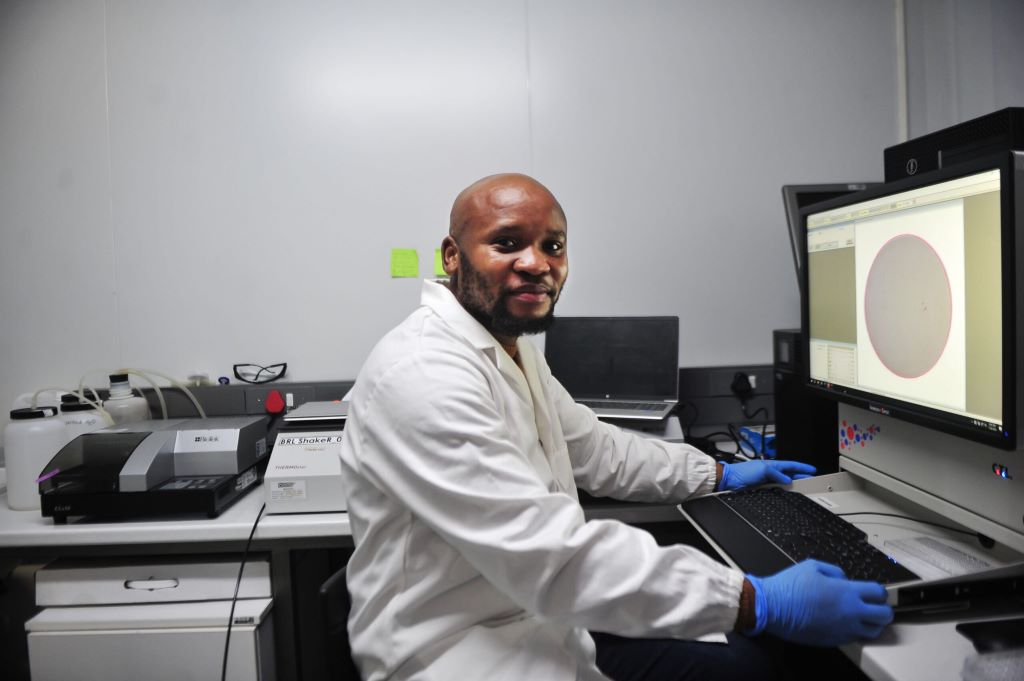
During South Africa’s COVID-19 hard lockdown, Dr Sandile Cele became the first to successfully grow the beta variant of SARS-CoV-2 in the lab. PHOTO: Rosetta Msimango/Spotlight

In a Durban laboratory in 2020, there was dancing and scientists jumping with joy when Dr Sandile Cele realised they had finally successfully “grown” the SARS-CoV-2 Beta variant. It was the holiday season and Cele and a few colleagues had sacrificed their Christmas to continue research at an otherwise deserted laboratory.

The Beta variant (501Y.V2) was first detected in the Eastern Cape in October 2020 and was announced to the public on 18 December that year.

“It was December 2020 and Tulio [Professor Tulio de Oliveira] had just flagged the beta variant and we had been struggling trying to grow it, really struggling for about two weeks,” says Cele. “But then as a scientist, you have to think outside the box and eventually it [the virus] did catch on. I was with Professor Alex Sigal that day in the laboratory. We were so excited. There was a lot of dancing in the lab, jumping up and down…”

The 35-year-old’s work on the Beta and Omicron variants helped propel South Africa to the forefront of COVID-19 research. Cele is the scientist credited with growing both Beta and Omicron in record time as the world reeled under lockdown pressure. Last year, he was awarded a special ministerial Batho Pele excellence award for his contribution to COVID-19 research in South Africa.

The moment of greatest fulfilment

Speaking to Spotlight, Cele says growing the beta variant was the moment of greatest fulfilment in his career so far.

“It was just a crazy, crazy moment. Like, you know when you are with your superior, usually you meet on a basis of respect. I mean, you talk seriously. They ask a question, you answer, and so on. But [at] that moment, all that got thrown out the window. We were celebrating. So yes, it was really special.”

At the time, they were leaping with joy inside PPE (personal protective equipment), including specialised masks, double gloves, plastic sleeves, and boots. Cele points out that due to all the safety measures in place, infection risk was smaller in their lab than at an average mall.

He was working inside a state-of-the-art biosafety level 3 (BSL-3) laboratory at the Africa Health Research Institute (AHRI). The laboratory is on the third floor of the University of KwaZulu-Natal’s medicine building. In the same eight-storey glass and face brick building, on the first floor, de Oliveira had been studying virus samples for genetic clues at KRISP, the KwaZulu-Natal Research and Innovation Sequencing Platform, from where the discovery of Beta and Omicron was first announced.

How he did it – growing the beta variant

Cele explains that viruses are isolated or “outgrown” by infecting cells in the laboratory, using swab samples from infected individuals.

“Growing a virus simply means isolating it from an infected host (humans) and making more of it in the lab for research purposes,” Cele explains. “You cannot study a virus within an infected person, especially a new virus. You need to have it in the lab for identification and clarification. Usually, you get small quantities from an infected person, thus you have to expand or grow – or make more of it – for research.”

Photo by Shvets Production on Pexels

However, the beta variant had not responded like previous SARS-CoV-2 variants. At the time, Cele found a creative solution using both human and monkey cell lines. First, he infected human cell lines with the beta variant, incubating the assay for four days. Then he used the infected human cell lines to infect monkey cell lines, which successfully lead to production of the virus.

Their moment of triumph arrived when they noticed the monkey cell lines starting to die, meaning that the virus was growing. The isolated virus could then be used in the laboratory to run experiments, like testing vaccine efficacy.

“Looking at the cells under the microscope, you can see them starting to die,” he says. “That they’re not happy. That they have been infected, which then obviously needed to be confirmed.”

While Cele’s Durban mentors – de Oliveira and Sigal – kept the public abreast of research developments, the young scientist kept his head down, pouring over his microscopes. “The world was going crazy, everything was crazy, but I had work to do,” he says.

‘a rising star’

During the interview, Cele readily shares anecdotes and laughs often.

From Ndwedwe, a rural area forty kilometres north of Durban, Cele joined Sigal’s laboratory team at the AHRI in 2014, where he studied HIV drug resistance and later COVID-19. His PhD obtained from UKZN in 2021, focused specifically on understanding the beta variant and its escape from antibodies.

“Actually, Professor Alex Sigal really took a chance on me,” he says. “Because on that post for a laboratory technologist, they stipulated that they wanted someone with three years experience. And I had only been doing my internship [at the Technology Innovation Agency] for eight months.”

But Sigal’s faith paid off, and he subsequently praised Cele in national press interviews on COVID-19. “Sandile is a rising star who spent all his holidays in a laboratory,” Sigal told journalists in January 2021.

Last year, the Bill and Melinda Gates Foundation invited Cele to present his findings at the Grand Challenges Annual Meeting in Brussels. This was his first time abroad. “It was my first time traveling outside South Africa and my first time talking in front of so many people. I presented my go-to talk – based on a paper I did on COVID-infection and HIV – and it went well,” he says.

Earlier this year, Cele was named one of Mail & Guardian’s 200 trailblazing young South Africans in the technology and innovation category. At the time, he could not attend the gala event as he was at the University of Nairobi in Kenya for training relating to a project involving HIV research for the Aurum Institute. Cele started a new job at the Aurum Institute in Johannesburg in March.

Over Zoom, Cele is speaking from his new home in Johannesburg. He is wearing a fluffy blue robe over his clothes, laughing as he says how cold Johannesburg is coming from Durban.

A sudden death

In Ndwedwe, Cele was one of ten boys born to his father, who was away from home often for work. Describing his mother as “a busy lady”, Cele says she was the one who shaped his young everyday life. Growing up in a mud hut without electricity and running water, he recalls how his mother would get up early every morning to prepare vetkoek, which she sold at a local school, and to boil water so her children could have a bath before leaving for school.

In the afternoons, he would look after his father’s goats and play soccer. He says that as a child he preferred herding goats to cows, as goats grazed for only about five hours, whereas cows took all day to eat their fill. From Grade 9 on, he attended school in Durban, at Overport Secondary School.

A childhood memory that inspired him? “Before my mother died, she sat us down and said one day I will be gone and I want you to know there are no shortcuts in life. Work hard and look after one another and you will be okay.”

His mother’s death was sudden, following complications from minor surgery.

“Like, I came back from school on a Friday only to find my father wasn’t around and had left a note… On the Saturday morning, I found out my mother had passed. And I think she went for, I don’t know, an operation or something. But as a kid, I guess they didn’t tell us because they thought it was something minor; that she would get operated [on], then go back home. I’m not really sure what happened. So, yes, it was a sudden death.”

The year after his mother died, Cele’s matric marks suffered. He says his final grade 12 marks had been 48% for maths, 53% for physics, and 66% for biology.

“I wasn’t really studying, I couldn’t really concentrate,” he says. “There was a lot going on when I was doing my matric. My mother passing away… and also the move from a rural school to the city where we were taught in English, everything in English.”

Cele came to study biology quite at random. He applied to study at UKZN only in October of his matric year – with admissions to most of the university’s courses having closed the previous month. He picked one of the last remaining options, which had been biology.

Soon, the young student started excelling. Cele obtained his BSc Biomedical Sciences degree with a Dean’s commendation and his Honours in Medical Microbiology, summa cum laude. He completed his Masters in Biochemistry with an upper-class pass.

To the Mail and Guardian, he shared advice he would give to his younger self: “Do not be afraid, you are a force to be reckoned with.”

Cele’s driving passion is to advance public healthcare, which he will continue to do at the Aurum Institute – an organisation that amongst others does research into Africa’s tuberculosis and HIV response. Cele has a ten-year-old son who lives in Durban.

Note: The Bill and Melinda Gates Foundation is mentioned in this article. Spotlight receives funding from the foundation, but is editorially independent – an independence that the editors guard jealously. Spotlight is a member of the South African Press Council.

Republished from Spotlight under a Creative Commons licence.

Read the original article.

Researchers Spot Chimpanzees Using Medicinal Leaves to Perform First Aid

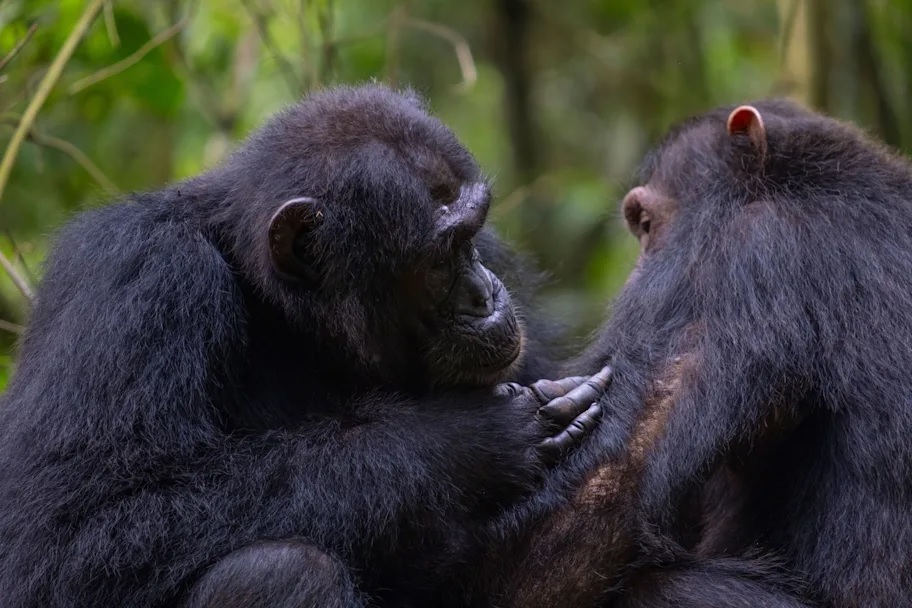
Social grooming between two chimpanzees in the Budongo Forest. Photograph by Dr Elodie Freymann.

Researchers monitoring chimpanzee communities in the Budongo Forest, Uganda, noticed that individuals were helping each other with wound care and hygiene. Some of the chimpanzees even used fresh, chewed leaves from plants known for their traditional medicinal uses and bioactive properties to treat their own and their companions’ wounds. Remarkably, they helped individuals they were genetically related to and individuals they weren’t, despite the potential risk from being exposed to pathogens. Researchers believe these findings could help us understand the cognitive and social foundations of healthcare. 

Researchers studying chimpanzees in Budongo Forest, Uganda, have observed that these primates don’t just treat their own injuries, but care for others, too – information which could shed light on how our ancestors first began treating wounds and using medicines. Although chimpanzees elsewhere have been observed helping other community members with medical problems, the persistent presence of this behaviour in Budongo could suggest that medical care among chimpanzees is much more widespread than we realised, and not confined to care for close relatives.  

“Our research helps illuminate the evolutionary roots of human medicine and healthcare systems,” said Dr Elodie Freymann, research affiliate at the School of Anthropology and Museum Ethnography, Oxford University, first author of the article in Frontiers in Ecology and Evolution. “By documenting how chimpanzees identify and utilise medicinal plants and provide care to others, we gain insight into the cognitive and social foundations of human healthcare behaviours.” 

The researchers studied two communities of chimpanzees in the Budongo Forest – Sonso and Waibira. Like all chimpanzees, members of these communities are vulnerable to injuries, whether caused by fights, accidents, or snares set by humans. About 40% of all individuals in Sonso have been seen with snare injuries. 

The researchers spent four months observing each community, as well as drawing on video evidence from the Great Ape Dictionary database, logbooks containing decades of observational data, and a survey of other scientists who had witnessed chimpanzees treating illness or injury. Any plants chimpanzees were seen using for external care were identified; several turned out to have chemical properties which could improve wound healing and relevant traditional medicine uses. 

During their direct observational periods, the researchers recorded 12 injuries in Sonso, all of which were likely caused by within-group conflicts. In Waibira, five chimpanzees were injured – one female by a snare, and four males in fights. The researchers also identified more cases of care in Sonso than in Waibira. 

“This likely stems from several factors, including possible differences in social hierarchy stability or greater observation opportunities in the more thoroughly habituated Sonso community,” said Freymann. 

The researchers documented 41 cases of care overall: seven cases of care for others – prosocial care – and 34 cases of self-care. These cases often included several different care behaviours, which might be treating different aspects of a wound, or might reflect a chimpanzee’s personal preferences.  

“Chimpanzee wound care encompasses several techniques: direct wound licking, which removes debris and potentially applies antimicrobial compounds in saliva; finger licking followed by wound pressing; leaf-dabbing; and chewing plant materials and applying them directly to wounds,” said Freymann. “All chimpanzees mentioned in our tables showed recovery from wounds, though of course we don’t know what the outcome would have been had they not done anything about their injuries.  

“We also documented hygiene behaviours, including the cleaning of genitals with leaves after mating and wiping the anus with leaves after defecation – practices that may help prevent infections.” 

Of the seven instances of prosocial care, the researchers found four cases of wound treatment, two cases of snare removal assistance, and one case where a chimpanzee helped another with hygiene. Care wasn’t preferentially given by, or provided to, one sex or age group. On four occasions, care was given to genetically unrelated individuals.  

“These behaviours add to the evidence from other sites that chimpanzees appear to recognise need or suffering in others and take deliberate action to alleviate it, even when there’s no direct genetic advantage,” said Freymann. 

The researchers call for more research into the social and ecological contexts in which care takes place, and which individuals give and receive care. One possibility is that the high risk of injury and death which Budongo chimpanzees all face from snares could increase the likelihood that these chimpanzees care for each other’s wounds, but more data is needed to explore this.  

“Our study has a few methodological limitations,” cautioned Freymann. “The difference in habituation between the Sonso and Waibira communities creates an observation bias, particularly for rare behaviours like prosocial healthcare. While we documented plants used in healthcare contexts, further pharmacological analyses are needed to confirm their specific medicinal properties and efficacy. Also, the relative rarity of prosocial healthcare makes it challenging to identify patterns regarding when and why such care is provided or withheld. These limitations highlight directions for future research in this emerging field.” 

Source: Oxford University

Immune System the Focus of PhD’s Research at UKZN

Elated at graduating with a doctoral degree is Dr Aviwe Ntsethe. Credit: University of KwaZulu-Natal

Dr Aviwe Ntsethe’s curiosity in the Medical field deepened when he started exploring the complexities of human physiology and the crucial role of the immune system in cancer, leading to him graduating with a PhD.

Growing up in the small town of Bizana in the Eastern Cape, Ntsethe attended Ntabezulu High School, where his passion for Medical Science took root. Despite facing significant challenges, including limited funding opportunities for his studies, he remained determined to advance in the discipline.

Throughout his PhD journey at UKZN, Ntsethe had to juggle multiple jobs to support himself and his studies while conducting his research. He worked at Netcare Education and the KwaZulu-Natal College of Emergency Care, and later took up a position as a contractual laboratory technician in the Department of Physiology at UKZN. It was with the guidance of his PhD supervisor, Professor Bongani Nkambule, that he learned critical work ethics and advanced laboratory techniques. The co-supervision of Professor Phiwayinkosi Dludla further enriched his research experience and contributed to his academic growth.

Ntsethe’s thesis focused on investigating B cell function and immune checkpoint expression in patients with Chronic Lymphocytic Leukaemia (CLL). The study found that patients with CLL had higher levels of immune checkpoint proteins in their B cell subsets, which play a crucial role in regulating the immune system.

Furthermore, using monoclonal antibodies that target these immune checkpoints, he found these patients could potentially benefit from immunotherapy. Specifically, immunotherapy may improve the function of B cells, key players in fighting infections and cancers, thereby offering new hope for better outcomes in patients with CLL.

He has published three papers from this study. ‘I am excited and proud when I reflect on my achievement of completing this significant journey which was both challenging and rewarding, pushing me to expand my knowledge and skills in ways I never imagined.’

Now, a lecturer at Nelson Mandela University, Ntsethe is committed to mentoring the next generation of Medical scientists. He continues to use the invaluable knowledge and experience he gained during his PhD studies to inspire students and cultivate their passions in research and health sciences. Looking ahead, Ntsethe hopes to expand his research, focusing on immune system interactions in chronic diseases while also encouraging students from diverse backgrounds to pursue careers in Medical Science.

Outside academia, Ntsethe enjoys travelling, staying physically active through workouts, playing chess and indulging in coding or programming.

Source: University of KwaZulu-Natal

Don’t Skip the Numbers When Speaking with Patients

Photo by Cottonbro on Pexels

When a physician says a procedure is “rarely risky,” what does that really mean? Although terms like “common” and “unlikely” may sound descriptive enough, experts in medical decision-making suggest that leaving out numbers may be misleading for patients.

In a paper published in the Journal of General Internal Medicine, a team of researchers and clinicians explained that patients often overestimate risk estimates, like possible side effects or medical conditions, when given only verbal descriptions. They encourage doctors not to shy away from including numbers, offering a list of five science-backed tricks on how to make those numbers count.

“One of the purposes of this paper is to help physicians figure out how to communicate numeric information about risks so that patients can understand and use them to make better choices, take charge of their health and be healthier long term,” said Ellen Peters, a professor at the University of Oregon School of Journalism and Communication and Department of Psychology.

Peters draws on two decades of research on how patients understand numbers and make decisions. She said it’s a common concern that patients won’t understand numerical information, as about a third of American adults have limited numerical skills.

But she’s found that people often prefer getting numbers. According to her previous studies, people rated messages more trustworthy and their messenger more expert when they provided data.

In collaboration with physicians Paul K.J. Han of the National Cancer Institute and Clara N. Lee at the University of North Carolina, Peters hopes their recommended strategies will facilitate stronger shared decision-making between patients and their health care providers.

“There’s a whole raft of strategies that you can use, some of which might be more appropriate in one situation versus the other,” she said. “But by choosing one of them, you can help people use statistics more than they typically would. Otherwise, numbers are just abstract and meaningless.”

  1. Communicate with numbers, not just words

Physicians often default to verbal terms, knowing that a sizable portion of American adults struggle with simple numeric concepts, Peters said. But research has shown that people better understand risks and react appropriately when numbers are discussed alongside verbal descriptions.

“When you present numeric evidence, like the likelihood of side effects for a prescription medication, what ends up happening is that it helps correct people’s original expectation,” Peters said. “They’re much less likely to overestimate the risk and are more likely to take on a physician’s recommendations.”

Do: “Headache is a common side effect and occurs in 7 percent of people.”

Don’t: “Headache is a common side effect.”

  1. Make numbers more manageable

When patients are overwhelmed by medical information, they may rely on mental problem-solving techniques, like gut feelings, pre-existing beliefs and anecdotes they’ve heard from others. To avoid cognitive overload, Peters suggests limiting information to what’s important. If a disease has three intervention options but a patient has a condition that eliminates one as a viable option, she advises not to mention that option.

The authors also suggest clinicians do the math for their patients. For example, they can calculate the risk of birth control based on the number of years the patient expects to use it instead of the annual risk.

Do: Highlight only the key facts and tailor information to the patient’s situation.

Don’t: Provide information that isn’t relevant to a specific patient.

  1. Provide context to statistics

Numbers said alone can be meaningless, so Peters suggests using evaluative labels, like “a 6 percent risk is generally considered poor,” or comparisons to indicate whether it’s high or low risk.

Do: “Ninety-three percent of patients survive with treatment A compared to 99 percent who survive with treatment B.” 

Don’t: “Ninety-three percent of patients survive with treatment A.”

  1. Acknowledge uncertainty

Risk information is an estimate. In some cases, being upfront about the uncertainty of whether a patient will be a part of the 40 percent side or the 60 percent side of a risk, for example, can help convey to patients how seriously they should take it.

Do: “Estimates of the chance of something happening are only a best guess based on the scientific knowledge we have right now. We do not know your personal real risk because of things about you that have never been studied and we don’t yet understand.” 

Don’t: Present numeric risk information as unerringly precise and correct.

  1. Test your communication through the teach-back technique

Experts tend to overestimate how much other people know and how clearly they’ve communicated. So doctors can use the teach-back technique, Peters said, in which they ask their patient to repeat what they understood and found important. The physician can then insert more information to either correct what’s wrong or remind them of something.

Do: “This can be hard to understand. I’d like to make sure I’ve explained it clearly. Could you tell me how you understand the pros and cons of taking drug X?”

Don’t: “What questions do you have?”

Such strategies also can be used by patients to advocate for themselves, Peters said. If told about a possible side effect, they can ask how statistically likely it is. If given too many possible side effects or treatments, they can request to simplify the information to the most important facts.

Peters plans to conduct a series of studies to test which of the five strategies is the most effective. She also is interested in how storytelling and anecdotes affect patient decision-making.

“Physicians have very limited time in any one appointment and are often faced with a similar patient over and over,” Peters said. “What that means is, if you’re trying to help them better communicate with patients, you’ve got to provide things that are fast and scripted so that everyone can make informed decisions about their care.”

Source: University of Oregon

Girl Effect in the Youth Drive at VUT to Close the HIV Treatment Gap

Image caption, left to right: Dr Lisa Mulenga, Country Director of Girl Effect and Gauteng MEC for Health, Ms. Nomantu Nkomo-Ralehoko, engaging with a student at VUT.

Johannesburg, 13 May25: Girl Effect South Africa, a non-profit organisation, joined the Department of Health, South African National Aids Council, Higher Health, and other partners at the ‘Close the Gap Higher Education’ event which took place on Friday, 9 May, at the Vaal University of Technology (VUT). The campaign aims to connect young people with essential health services, encourage HIV testing and treatment, and help close the country’s significant treatment gap.

With young people making up a large proportion of the estimated 5.7 million South Africans living with HIV but not on antiretroviral therapy (ART), the campaign focuses on improving access to youth-friendly healthcare on campuses and in communities. The VUT activation is part of a national strategy to achieve the UNAIDS 95-95-95 targets, which aims to ensure that 95% of people living with HIV know their status, 95% of those are on treatment, and 95% of those on treatment achieve viral suppression.

Girl Effect brings its experience in youth-centred communication, behaviour change, and media to help break down stigma and promote informed, confident decision-making among young people. Its focus is especially on adolescent girls and young women, who remain at higher risk of HIV infection and are often underserved by the health system.

Through its flagship programme, Jik’iZinto, Girl Effect connects young women with transformative health education and digital engagement, empowering them to make informed decisions about their health and wellbeing.

Over 1 687 students accessed HIV counselling, testing, ART initiation and contraceptive services at the event and 38 700 female and male condoms where distributed amongst the young people. The young people were educated on oral Pre-Exposure Prophylaxis (PrEP), a daily pill that significantly reduces the risk of contracting HIV. Young people were also encouraged to conduct screenings for STIs, TB, and chronic diseases. Additionally, students actively participated in youth dialogues and peer-to-peer health education.

“Too often, young people face barriers, whether social, structural or emotional, that prevent them from seeking the healthcare they need,” said Dr Lisa Mulenga, Country Director of Girl Effect South Africa. “At Girl Effect, we work to remove those barriers by creating platforms where young people can access accurate information, engage with relatable content, and feel supported in making decisions about their health.”

Dr Mulenga, a public health and health systems expert with over two decades of experience, leads Girl Effect’s national strategy and programme delivery. The organisation collaborates with government departments, civil society and local partners to strengthen health messaging and improve access to services for underserved groups.

Gauteng MEC for Health, Ms. Nomantu Nkomo-Ralehoko, engaged with stakeholders during the event, culminating in a pledge signing ceremony. This event demonstrated the health department’s commitment to collaborative efforts in addressing health challenges and promoting meaningful partnerships.

The ‘Close the Gap Higher Education ’ campaign aligns with the National Strategic Plan on HIV, TB and STIs (2023 – 2028), which calls for improved service integration, greater community outreach, and targeted youth interventions. In addition to healthcare services, the VUT activation featured student-led dialogues, physical wellness activities, live performances, and keynote addresses from key decision-makers.

The campaign is being delivered in partnership with Shout It Now, Soul City, LoveLife, Aids Healthcare Foundation, the South African Police Service (SAPS), and various youth organisations. The goal is not only to increase uptake of services but to change the way young people experience healthcare, making it accessible, welcoming, and relevant to their lives.

Two Heart Transplants, One Epic Ride

Four Cyclists Take on the 2025 KAP sani2c to Inspire South Africans with a Message of Hope

L-R_Steph Bester CEO of AllLife with Billy McLeod

From 8 to 10 May 2025, four cyclists will take on one of South Africa’s most iconic and challenging mountain bike stage races – the KAP sani2c. Covering 265 kilometres over three days from the Southern Drakensberg to Scottburgh on the KwaZulu-Natal South Coast, the event is known for its tough terrain, stunning scenery, and relentless pace. But this year, one team will be racing with more than just medals in mind.

Team Change of Heart is made up of two heart transplant recipients – Billy Macleod (56) and Pedro Basson (20) – and their two experienced cycling partners: Steph Bester, CEO of AllLife, and long-time cycling companion Guy Dudley. Together, they’re not just riding to finish – they’re riding to inspire.

Billy, once an accomplished cyclist and triathlete, was sidelined for six years by heart disease and given just two weeks to live before receiving his transplant.          

He made a remarkable comeback in 2024 when he became the first South African heart transplant recipient to complete the KAP sani2c. This year, Billy returns with a renewed purpose – not just to ride, but to support 20-year-old Pedro through his very first stage race. For Billy, this ride is about passing the baton of hope and helping another transplant recipient believe in the impossible.

Pedro, the youngest team member at just 20 years old, will be attempting his first-ever mountain bike stage race. Having received his transplant as a teenager, Pedro’s journey to recovery has been nothing short of remarkable. Taking on sani2c is a bold and symbolic step, one he hopes will encourage other young people with chronic health conditions to dream big and push boundaries.

“This is more than a race – it’s a celebration of life and second chances,” says Steph Bester, who was set to ride alongside Billy last year but had to withdraw at the last minute due to a sudden illness. “Missing out in 2024 was heartbreaking for me, especially because this cause and this team are so close to my heart. I can’t wait to finally be on the bike with them this year. Billy and Pedro are living proof that your story doesn’t end with a diagnosis. At AllLife, we believe in the power of resilience, and this team embodies that belief. It’s an honour to support them – not only on the bike but in sharing their powerful message with the country.”

The team will be riding on e-bikes, enabling them to manage pace, terrain, and energy levels more effectively while still tackling the full challenge of the race. For Pedro, who has never raced before, the support of his three teammates – all experienced sani2c finishers – is crucial.

“Knowing I have a team behind me who understands the journey and is there to support every climb and descent makes all the difference,” Pedro shared. “It’s not just about the bike – it’s about proving to myself that anything is possible.”

AllLife is once again using this race to raise awareness for Hero777, a non-profit foundation focused on increasing organ and tissue donor registrations in South Africa. The foundation is deeply personal to the AllLife family as they deal with so many people in need of transplants daily.

It takes a community that truly understands both the unique challenges individuals face and the deep love for cycling to make something like this possible. The team is incredibly grateful for the support from AllLife, the wider cycling community, and especially race founder Glen Haw (Farmer Glen). Pedro will ride an e-bike generously sponsored by Cannondale, allowing him to tackle this life-affirming challenge alongside his team.

Whether it’s climbing steep hills or sharing laughs around the campfire, Team Change of Heart is ready to show that with support, courage, and a whole lot of heart – anything is possible.

Follow their journey on Instagram and Facebook (https://www.facebook.com/AllLifeSA and https://www.instagram.com/alllife_sa), and visit www.odf.org.za to learn more about organ and tissue donation or register as a donor today.

Roman-era Skeleton from Britain is Rare Evidence of Human–animal Gladiator Combat

The bones show evidence of bite marks from a large cat such as a lion, used in some gladiator shows

Although most Roman-era gladiators are believed to have mostly fought animal as well as human opponents, to date there has been little archaelogical evidence of this. Photo by David Cruz asenjo

A skeleton from Roman-era England has bite marks consistent with those of a large cat like a lion, suggesting that this individual may have died as part of a gladiator show or execution, according to a study published April 23, 2025 in the open-access journal PLOS One by Tim Thompson from Maynooth University, Ireland, and colleagues.

Records of gladiator combat in the Roman Empire have been well-documented, with evidence of both human-human conflicts and fights between humans and animals such as lions and bears. But actual gladiator remains are relatively scarce in the archaeological record – and in Britain specifically, which was occupied by the Romans from the first through fifth centuries, there has so far been no confirmed evidence of human-animal combat.

Puncture injuries by large felid scavenging on both sides of bone. Credit: Thompson et al., 2025, PLOS One, CC-BY 4.0

The skeleton described in the new paper was likely buried sometime between 200-300 CE, near the Roman city of Eboracum, which is now York. This site contains the remains of mostly younger men, often with evidence of trauma, which has led to speculation that it could be a gladiator burial site. This specific skeleton has a series of depressions on the pelvis, which had previously been suggested as possible evidence of carnivore bites. By creating a three-dimensional scan of these marks, the researchers on this new study could compare these marks to bites from a variety of different animals.

They determined that these marks were likely bite marks from a large cat, possibly a lion. Since they were on the pelvis, they note it’s possible that these bites came as a result of the lion scavenging on the body around the time of death.

This skeleton is the first direct, physical evidence of human-animal combat from Europe during the Roman Empire. By demonstrating the possibility of gladiatorial combat or similar spectacles in modern York, this finding also gives archaeologists and historians new insight into the life and history of Roman-era England.

Lead author Prof Tim Thompson, of Maynooth University, adds: “The implications of our multidisciplinary study are huge. Here we have physical evidence for the spectacle of the Roman Empire and the dangerous gladiatorial combat on show. This provides new evidence to support our understanding of the past.”

Co-author Dr John Pearce, of King’s College London, adds: “As tangible witnesses to spectacles in Britain’s Roman amphitheatres, the bitemarks help us appreciate these spaces as settings for brutal demonstrations of power. They make an important contribution to desanitising our Roman past.”   

David Jennings, CEO of York Archaeology, adds: “One of the wonderful things about archaeology is that we continue to make discoveries even years after a dig has concluded, as research methods and technology enable us to explore the past in more detail; it is now 20 years since we unearthed 80 burials at Driffield Terrace. This latest research gives us a remarkable insight into the life – and death – of this particular individual, and adds to both previous and ongoing genome research into the origins of some of the men buried in this particular Roman cemetery. We may never know what brought this man to the arena where we believe he may have been fighting for the entertainment of others, but it is remarkable that the first osteo-archaeological evidence for this kind of gladiatorial combat has been found so far from the Colosseum of Rome, which would have been the classical world’s Wembley Stadium of combat.”

Provided by PLOS

A Right to Life: Ensuring Access to Stem Cell Transplants for SA’s Children

Photo by Jeffrey Riley on Unsplash

Every year, hundreds of South African children courageously battle blood disorders which are treatable through stem cell transplants. Yet, while at least 250 paediatric transplants are needed annually, only 18 are performed – leading to survival rates of just 20%, compared to 80% in countries like the USA and Europe.

Ahead of Human Rights Day, Palesa Mokomele, Head of Community Engagement and Communications at DKMS Africa, highlights the urgent need for action: “Every child has the right to healthcare, which should include stem cell transplants. By working together – government, healthcare providers, and the private sector – we can remove the barriers preventing children from receiving the treatment they need.”

Overcoming Barriers to Life-Saving Transplants

Mokomele notes that while there are challenges, there are also solutions. “By addressing issues such as financial constraints, medication shortages, and limited infrastructure, we can ensure that more children receive these vital treatments. Through collaboration, we can create meaningful change.”

Addressing the Cost Challenge

One of the major hurdles in providing this life-saving treatment is the high cost of stem cell transplants, which ranges from R1 million to R1.5 million. “When a child has a matching family donor, the public healthcare system covers their transplant fully. However, for the 70% of patients who require an unrelated donor, the state covers the transplant, but not the additional costs of finding and securing a suitable donor such as tissue typing, donor searches, and stem cell procurement.,” explains Mokomele.

“Public-private partnerships, however, can ensure that all associated costs are also covered,” she points out. “Together, we can make a difference in the lives of children who need these life-saving procedures. To be effective, we must collaborate more closely and take a holistic approach.”

Building Medical Expertise

“South Africa is challenged by the lack of clinically skilled haematology nurses and clinical haematologists, but we are looking into how ways to increase capacity at this level. Training and scholarships for medical and non-medical staff in haematology and transplantation can improve the level of care provided,” says Mokomele.

She outlines some of the work of non-profit organisations like DKMS Africa in supporting knowledge transfer initiatives for healthcare professionals. “Through a combination of theoretical courses, hands-on observerships, or a hybrid of both, we aim to enhance patient outcomes. We also frequently host and participate in symposia for the medical community to exchange knowledge and explore best practices, which are essential for providing the highest quality care.”

Encouraging Donor Commitment

A strong donor registry is crucial, yet despite DKMS Africa recruiting over 100 000 potential donors, 56% of those matched decline to donate when called upon. “Becoming a donor is a powerful act – it’s a chance to give a child a second chance at life,” urges Mokomele.”

Expanding Transplant Capacity

Increasing the number of transplant beds is another crucial step. Currently, only four paediatric transplant beds are available in public transplant centres – two in the Western Cape and two in Pretoria. However, she shares encouraging news: “We are in conversations with the private sector to support the expansion of more beds in Gauteng, where the bulk of patients reside. This expansion represents a crucial step toward improving access to care.”

A Call to Action: How You Can Help

“The progress we’re seeing is promising. Together, we can ensure that no child is denied a life-saving transplant due to financial, medical, or infrastructure constraints,” concludes Mokomele. “Whether by registering as a donor, supporting fundraising efforts, or advocating for policy changes, every contribution makes a difference. With collective effort and commitment, South Africa could transform paediatric stem cell treatment – offering hope, healing, and a future to the children who need it most.”

My Five-hour Wait for Treatment at Mamelodi Hospital

Gauteng Health MEC has said Mamelodi Regional Hospital meets National Health Insurance standards, but my experience was not good

The writer waited five hours for treatment for a broken wrist and head injuries at Mamelodi Regional Hospital in Tshwane. Photo: Warren Mabona.

By Warren Mabona

I waited five hours to get medical treatment at Mamelodi Regional Hospital in Tshwane, with a broken wrist and an injured head.

On 19 February 2025 at about 4pm I was walking in Mamelodi West. I was on a journalism assignment, heading to informal settlements that are prone to flooding.

The street was quiet, but I felt safe because I had walked there before. Suddenly, a car stopped in front of me, and two men got out of it and tried to rob me. I ran away and jumped into the stormwater passage, but slipped and fell, hitting my face against the concrete.

When I managed to stand up, I was dizzy and my vision was blurred. I was drenched in dirty water and my belongings — my cell phone, my wallet and my camera bag — were wet.

The men who attacked me were no longer on the street. My right wrist was swollen and painful, an injury above my eye was bleeding profusely, and my head was aching. But I was relieved that I was still alive and I still had all my belongings.

I decided not to call an ambulance, but to walk about 800 metres to Mamelodi Regional Hospital.

I went to the casualty unit, expecting that I would receive treatment quickly. At the front desk, a clerk took more than 20 minutes to fill in my file. He said the hospital’s computer system was offline and he had to fill in the file with a pen. I then went to sit at the reception area. My head was aching and I repeatedly requested headache tablets from the nurses, who gave me two tablets after 30 minutes. But my pain lingered.

The wound on my face was still bleeding and my wrist was swollen and bent. About 40 minutes after my arrival, a nurse cleaned my wound and wrapped it with a bandage, stopping the bleeding.

At about 8pm, a man sitting next to me said he had arrived at the hospital at 2pm after falling from scaffolding at a construction site. He was still waiting for his X-ray results.

I went for X-rays and long afterwards, at about 10pm, I had a cast put on my wrist. I was given injections which helped with the pain. I was discharged at 11pm and went home.

In September last year, the Gauteng MEC for Health Nomantu Nkomo-Ralehoko said that Mamelodi Regional Hospital was the first hospital in Gauteng ready to meet National Health Insurance (NHI) standards.

In response to GroundUp’s questions, Gauteng Department of Health spokesperson Motalatale Modiba said a triage priority system is followed at the hospital, meaning that four patients with critical wounds that required life-saving emergencies were attended to first. He said this affected my waiting time for wound care and the application of a cast.

“You were classified as Orange P2, that is a person who is in a stable condition and is not in any immediate danger, but requires observation,” said Modiba.

“At the time of your arrival, the casualty unit had 31 other patients to be seen. These include four critical cases in the resuscitation unit, ten trauma cases, 16 medical cases and four pediatric cases,” he said.

Modiba confirmed that the hospital’s computer system was offline when I arrived.

I asked Modiba whether the Gauteng Department of Health can still confidently regard this hospital as NHI-ready despite the slow delivery of medical services I experienced. Modiba said: “Mamelodi Regional Hospital remains committed to provide best healthcare services.”

Republished from GroundUp under a Creative Commons Attribution-NoDerivatives 4.0 International License.

Read the original article.

Össur South Africa Launches ‘What’s Your Epic?’ to Further Empower Those Living with Limb Loss

Transform Lives, Break Barriers, Redefine Possibilities

Dane Wilson, Michael Stevens and Reuben van Niekerk of Jumping Kids, a nonprofit that supports young amputees.

Ahead of this year’s Cape Epic, Össur South Africa has announced the launch of its ‘What’s Your Epic?’ initiative. In partnership with Aramex, this campaign supports three nonprofit organisations (NPOs) – all of which provide hope, mobility, and independence to individuals with limited movement. ‘What’s Your Epic?’ aims to further empower amputees to overcome barriers, move freely, and live life to the fullest.

“Movement is a fundamental right. While not everyone may be an elite athlete, everyone deserves the freedom to move,” says Blignaut Knoetze, MD of Össur South Africa, a global provider of non-invasive orthopaedics. “We are committed to improving people’s mobility so that they can live their life without limitations. Our efforts and expertise are focused on helping those living with limb loss to be confident, safe and mobile, regardless of injuries or conditions that could compromise their quality of life.”

To help drive awareness for these NPOs and the valuable work that they do, so closely aligned with its own mission, Össur South Africa has entered three teams into the prestigious Cape Epic mountain bike race, with each team representing and raising funds for one of the selected NPOs. These teams not only showcase the resilience of their riders but also shine a light on the important and essential work carried out by these organisations.

The NPOs and Riders Making a Difference

Rejuvenate SA
After an elective amputation in 2020, Travis Warwick-Oliver turned to adaptive sports and co-founded Rejuvenate SA with prosthetist Luvan Cass. Their nonprofit provides mobility aids and vocational training to underprivileged individuals, particularly in rural KwaZulu-Natal. As they gear up for another Cape Epic, they see it as more than just a race – it’s an opportunity to raise awareness and inspire involvement. “We’re not just trying to get people moving; we’re trying to create a better future and give them the opportunity to fend for themselves,” explains Cass. Their journey embodies resilience, community, and the belief that movement is the key to opportunity and dignity.

Jumping Kids
Led by director Michael Stevens, Jumping Kids supports young amputees by providing prosthetics, education, and sporting opportunities – equipping children with limb loss with the prosthetic technology they need to run, play, and chase their dreams. Ambassadors Reuben van Niekerk and Dane Wilson (both amputees) advocate for mobility solutions, emphasising that the ‘What’s Your Epic?’ campaign is about more than just sports—it’s about redefining possibilities. “Whether through donations, raising awareness, or inspiring others, every action helps build a future where children with disabilities can thrive,” says Stevens.

Zimele NPC
Rentia Retief lost her leg in a 2023 cycling accident. Just a year later, she is set to compete in the Cape Epic alongside teammate Jackie Church. Supporting Zimele NPC (‘independence’ in Xhosa), a nonprofit dedicated to empowering adult amputees to lead independent lives, Rentia is proving that disability does not define potential. “Being part of this experience is truly inspiring,” says Church, an Össur South Africa employee. “Rentia is showing others what’s possible and breaking barriers for amputees everywhere.”

“These three NPOs are lifelines for those who often lack essential resources or healthcare,” says Knoetze, Össur South Africa aims to support them by raising vital funds, thereby helping them to expand their impact and, in turn, help ensure that more amputees have the freedom to move, dream, and live fully.

“’What’s Your Epic?’ is more than a fundraising initiative—it’s a movement to shift perceptions, raise awareness, and advocate for individuals with limb loss,” adds Knoetze. “Movement changes lives. Together, we can empower amputees to overcome challenges, dream boldly, and achieve the extraordinary.”

What’s your Epic?

To support these heroes taking part in the upcoming Cape Epic, and help to extend the impact of these three NPOs (Rejuvenate SA, Jumping Kids and Zimele), please visit GivenGain:  https://www.givengain.com/event/ossur-sa-giving-back.