Category: Gender

Do Women Have the Edge in Remembering Words?

Photo by Andrea Piacquadio on Pexels

Women are popularly believed at being better at finding and remembering words than men, but are the popular science textbooks which proclaim this actually correct? If so, this has relevance for tests such as measures of dementia. Researchers investigated this supposed difference, publishing their findings in Perspectives on Psychological Science.

Marco Hirnstein, professor at The University of Bergen, Norway, is unequivocal about the results. “Women are better. The female advantage is consistent across time and life span, but it is also relatively small.”

Prof Hirnstein is interested in how biological, psychological, and social factors contribute to sex/gender differences in cognitive abilities and what the underlying brain mechanisms are.

“So far, the focus has mostly been on abilities, in which men excel. However, in recent years the focus has shifted more towards women,” said Prof Hirnstein.

Textbooks and popular science books take it for granted that women are better at finding words. For example, when naming words that begin with the letter “F,” or words that belong to a certain category like animals or fruits. It has also been considered “fact” that women are better at remembering words.

Yet, the actual findings are much more inconsistent than textbooks imply: Some studies find a female advantage, some find a male advantage, some do not find any advantage.

“Most intellectual skills show no or negligible differences in average performance between men and women. However, women excel in some tasks, while men excel in others on average.”

Prof Hirnstein and his colleagues point out how their findings can be useful in diagnosis and in healthcare. The results help to clarify whether the female advantage is real but also have relevance for for interpreting the results of diagnostic assessments.

For example, to diagnose dementia, knowing that women are generally better in those tasks is critical to not under-diagnose women, due to their better average, baseline performance and not over-diagnose men. Currently, many but not all assessments take sex/gender into account.

The researchers conducted a meta-analysis of the available literatures, encompassing more than 500 measures from more than 350,000 participants. The researchers found that women are indeed better. The advantage is small but consistent across the last 50 years and across an individual’s lifespan.

Moreover, they found that the female advantage depends on the sex/gender of the leading scientist: Female scientists report a larger female advantage, male scientists report a smaller female advantage.

Source: University of Bergen

Male and Female Running Speeds are Closer in Shorter Sprints

Man and woman about to sprint
Source: Andrea Piacquadio on Pexels

Conventional wisdom holds that men run 10–12% faster than women regardless of the distance raced. But new research published in the Journal of Applied Physiology suggests that the performance gap narrows at shorter sprint distances.

Speed over short distances is determined by different factors – specifically, the magnitude of the ground forces athletes can apply in relation to their body mass. Muscular force to body mass ratios are greater in smaller individuals.

PhD candidate Emily McClelland, working with Peter Weyand, the Director of SMU’s Locomotor Performance Lab, quantified sex performance differences using data from sanctioned international athletic competitions such as the Olympics and World Championships. An accomplished athlete, McClelland has always had a natural interest in the scientific basis of human performance. The researchers hypothesised that these data would reveal smaller male-female performance differences at shorter distances.

The understanding of comparative strength, speed and endurance capabilities of male and female athletes has been a contentious issue for modern sport.  Yet, prior to the new SMU study, quantitative understanding of sex performance differences for short sprint events had received little attention. McClelland’s background, male-female differences in force/mass capabilities, and existing data trends led her to hypothesise that sex differences in sprint running performance might be relatively small and increase with distance.

Her analysis of race data from sanctioned international competitions between 2003 and 2018 supported her initial hypothesis. These data revealed that the difference between male and female performance time increased with event distance from 8.6% to 11% from shortest to longest sprint events (60 to 400m). Additionally, within-race analysis of each 10-meter segment of the 100m event revealed a more pronounced pattern across distance: sex differences rose from 5.6% for the first segment to 14.2% in the last segment.

Why then are women potentially less disadvantaged versus men at shorter sprint distances?

Unlike other running species like horses and dogs, there is significant variation in body size between human males and females. Holding all other factors equal, body size differences result in muscular force to body mass ratios that are greater in relatively smaller individuals.  Since sprinting velocities are directly dependent on the mass-specific forces runners can apply during the foot-to-ground contact phase of the stride, greater force/mass ratios of smaller individuals provide a theoretical relative advantage. A female runner’s shorter legs may confer the advantage of more steps and pushing cycles per unit time during the acceleration phase of a race. These factors offset male advantages (longer legs and greater muscularity) that become more influential over longer distances.

Source: Southern Methodist University

Low Testosterone may be a Risk Factor for Severe COVID

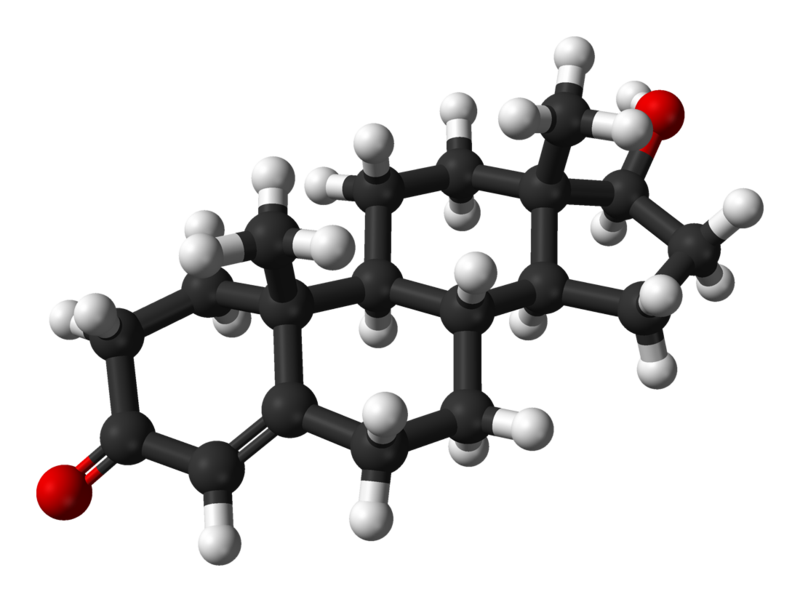
Testosterone molecule
Model of a testosterone molecule. Source: Wikimedia CC0

Among men with COVID, those with low testosterone levels are more likely to become seriously ill and be hospitalised than men with normal levels of the hormone, according to a study which appears in JAMA Network Open.

Analysis of data for 723 men who tested positive for COVID, mostly in 2020 before vaccines were available, indicated that low testosterone is an independent risk factor for COVID hospitalisation, similar to diabetes, heart disease and chronic lung disease.

They found that men with low testosterone who developed COVID were 2.4 times more likely to require hospitalisation than men with hormone levels in the normal range. Further, men who were once diagnosed with low testosterone but successfully treated with hormone replacement therapy were no more likely to be hospitalised for COVID than men whose testosterone levels had always tested in the normal range.

The findings, by researchers from the Washington University School of Medicine in St. Louis and Saint Louis University School of Medicine, suggest that treating men with low testosterone may help protect them against severe disease and reduce the burden on hospitals during COVID waves.

“It is very likely that COVID is here to stay,” said co-senior author Abhinav Diwan, MD, a professor of medicine at Washington University. “Hospitalizations with COVID are still a problem and will continue to be a problem because the virus keeps evolving new variants that escape immunization-based immunity. Low testosterone is very common; up to a third of men over 30 have it. Our study draws attention to this important risk factor and the need to address it as a strategy to lower hospitalisations.”

Prof Diwan and co-senior author Sandeep Dhindsa, MD, an endocrinologist at Saint Louis University, had previously shown that men hospitalised with COVID have abnormally low testosterone levels. However, severe illness or traumatic injury can cause a temporary drop in hormone levels, so causation cannot be proved in data from men already hospitalised with COVID. Data were needed for men with chronically low testosterone before COVID infection.

Profs Diwan, Dhindsa and colleagues identified 723 men whose testosterone levels had been measured between Jan. 1, 2017, and Dec. 31, 2021, and who had documented cases of COVID in 2020 or 2021. In some cases, testosterone levels were measured after the patient recovered from COVID. Since low testosterone is a chronic condition, men who tested low a few months after recovering from COVID probably had low levels before as well, Prof Dhindsa said.

The researchers identified 427 men with normal testosterone levels, 116 with low levels, and 180 who previously had low levels but were being successfully treated, meaning that they were on hormone replacement therapy and their testosterone levels were in the normal range at the time they developed COVID.

“Low testosterone turned out to be a risk factor for hospitalisation from COVID, and treatment of low testosterone helped to negate that risk,” Prof Dhindsa said. “The risk really takes off below a level of 200 nanograms per decilitre, with the normal range being 300 to 1000 nanograms per decilitre. This is independent of all other risk factors that we looked at: age, obesity or other health conditions. But those people who were on therapy, their risk was normal.”

Men with low testosterone levels can experience sexual dysfunction, depressed mood, irritability, difficulty with concentration and memory, fatigue, loss of muscular strength and a reduced sense of well-being overall. When a man’s quality of life is clearly diminished, he is typically treated with testosterone replacement therapy. When the symptoms are mild, though, doctors and patients may hesitate to treat.

The two main concerns related to testosterone therapy are an increased risk of prostate cancer and heart disease. Testosterone is well known to boost prostate cancer, but for heart disease, the evidence for risk is more ambiguous. A large clinical trial on the relationship between heart health and testosterone supplementation is expected to be completed soon.

“In the meantime, our study would suggest that it would be prudent to look at testosterone levels, especially in people who have symptoms of low testosterone, and then individualise care,” said Prof Diwan, whose specialty is cardiology. “If they are at really high risk of cardiovascular events, then the doctor could engage the patient in a discussion of the pros and cons of hormone replacement therapy, and perhaps lowering the risk of COVID hospitalisation could be on the list of potential benefits.”

Since this study is observational, it only suggests that boosting testosterone levels may help men avoid severe COVID, Diwan cautioned. A clinical trial would be needed to demonstrate conclusively whether such a strategy works.

Source: Washington University School of Medicine

New Guidelines for CVD Rehabilitation for Women

Photo by Stephen Andrews on Unsplash

All over the world, women with cardiovascular disease (CVD) generally experience worse outcomes and are less likely to attend prevention and rehabilitation programmes than men. An expert panel has developed a clinical practice guideline endorsed by 24 clinical societies worldwide to provide guidance to the cardiac rehabilitation community on how to deliver more effective women-focused programming. The guideline appears in the Canadian Journal of Cardiology.

“It has long been established that women are significantly less likely to access and complete cardiac rehab (CR), and that their outcomes are often poorer, despite greater need than men,” explained lead author Sherry L. Grace, PhD, a professor at the University of Toronto. “Accordingly, ‘women-focused’ models of CR have been developed to better engage women and optimise their outcomes. There is now sufficient evidence on women-focused CR to make recommendations to the CR community.”

The clinical practice guideline provided by the International Council of Cardiovascular Prevention and Rehabilitation (ICCPR) offers guidance to the CR community on how best to design programs for women with CVD, including stroke and peripheral arterial disease (PAD), and how to increase their engagement, with the goal of optimising women’s health outcomes. Cost, resource implications, feasibility, and patient preferences are foremost considerations in the recommendations.

The ICCPR identified women-focused CR researchers through a review of the scientific literature and programs offering women-focused CR around the world as identified through ICCPR’s Global Audit. Individuals and programs that consented to participate formed a writing and consensus panel including experts with diverse geographic representation who are multidisciplinary healthcare providers, a policymaker, and patient partners. This group drafted and reviewed the recommendations. The draft then underwent external review from CR societies internationally and was posted online for public comment before finalisation. One third of the studies identified in the review that formed the basis for the guideline came from Canada, which is considered to be a leader in women-focused CR.

The guideline presents 15 recommendations relating to referral (ie, automatic plus encouragement), setting (eg, choice of delivery mode, environment, tailoring, and staff training), and delivery (eg, session timing options, preferred form of exercise, psychosocial assessment and care, and education on women and heart disease). When adopted, these recommendations and the associated tools compiled can feasibly support some degree of women-focused CR as part of any program.

Key recommendations are:

  • Women should be systematically referred to CR to reduce bias and encouraged to attend before hospital discharge through two-way fulsome discussion to overcome gender-related barriers.
  • Particular considerations when developing a woman’s tailored rehab plan include considering their contextual and full clinical history, such as any mental health and psychosocial issues, menopausal status, frailty, cancer history, and concerns about urinary incontinence, falls risk/osteoporosis, as well as autoimmune conditions.
  • All programmes should offer women-focused programming, comprising as many of the definitional elements of women-focused CR as possible. Where resources are limited, this could include offering, for example, some women-only virtual education or exercise sessions or peer support programs.
  • Women should be given a choice in participating in a centre-based (clinical or community) or home-based setting, delivered in a women-friendly environment, and their needs/preferences should be taken into consideration when formulating their programs.
  • Programs should include a strong psychosocial component, choice of exercise modalities, as well as specific education on women and CVD. The psychosocial needs of women should be assessed and addressed in an evidence-based manner (eg, social support, relationship health, depression, anxiety, stress, socioeconomic issues, informal caregiving activities).

“For the first time, there are a consensus definition and recommendations for women-focused CR, so it is hoped now that many programmes will incorporate these elements into their programmes,” said Prof Grace. “If implemented, more women may engage in CR, and as a result have significantly greater quality and quantity of life.”

Source: Elsevier

Women Could Counteract Effects of Dietary Salt with Potassium

Banana
Source: Pixabay CC0

By increasing the amount of potassium-rich foods in their diets, women could reduce the negative effects of salt, according to a study published today in European Heart Journal. However, this association was not observed in men.

“It is well known that high salt consumption is associated with elevated blood pressure and a raised risk of heart attacks and strokes,” said study author Professor Liffert Vogt of Amsterdam University Medical Centers, the Netherlands. “Health advice has focused on limiting salt intake but this is difficult to achieve when our diets include processed foods. Potassium helps the body excrete more sodium in the urine. In our study, dietary potassium was linked with the greatest health gains in women.”

The study included 11 267 male and 13 696 female participants of the EPIC-Norfolk study, which recruited 40 to 79 year-olds from general practices in Norfolk, UK, between 1993 and 1997. Participants completed a questionnaire on lifestyle habits, blood pressure was measured, and a urine sample was collected. Urinary sodium and potassium served as an estimate for dietary. Participants were divided into tertiles according to sodium intake (low/medium/high) and potassium intake (low/medium/high).

The researchers analysed the association between potassium intake and blood pressure after adjusting for age, sex and sodium intake. Potassium consumption (in grams per day) was associated with blood pressure in women — as intake went up, blood pressure went down. When the association was analysed according to sodium intake (low/medium/high), the relationship between potassium and blood pressure was only observed in women with high sodium intake, where every 1 gram increase in daily potassium was associated with a 2.4mmHg lower systolic blood pressure. In men, there was no association between potassium and blood pressure.

During a median follow-up of 19.5 years, 13 596 (55%) participants were hospitalised or died due to cardiovascular disease. The researchers analysed the association between potassium intake and cardiovascular events after adjusting for confounding factors. In the overall cohort, people in the highest tertile of potassium intake had a 13% lower risk of cardiovascular events compared to those in the lowest tertile. When men and women were analysed separately, the corresponding risk reductions were 7% and 11%, respectively. The amount of salt in the diet did not influence the relationship between potassium and cardiovascular events in men or women.

Professor Vogt said: “The results suggest that potassium helps preserve heart health, but that women benefit more than men. The relationship between potassium and cardiovascular events was the same regardless of salt intake, suggesting that potassium has other ways of protecting the heart on top of increasing sodium excretion.”

The WHO-recommened adult intake is at least 3.5 grams of potassium and less than 2 grams of sodium (5 grams of salt) per day. Foods rich in potassium include vegetables, fruit, nuts, beans, dairy products and fish.

Professor Vogt concluded: “Our findings indicate that a heart healthy diet goes beyond limiting salt to boosting potassium content. Food companies can help by swapping standard sodium-based salt for a potassium salt alternative in processed foods. On top of that, we should all prioritise fresh, unprocessed foods since they are both rich in potassium and low in salt.”

Source: European Society of Cardiology

Losing their Y Chromosome Shortens Men’s Lifespans

DNA repair
Source: Pixabay/CC0

As many men age, they lose their Y chromosome, which causes heart muscle to scar and can lead to deadly heart failure, new research from the shows. The finding, which appears in Science, may help explain why men die, on average, several years younger than women.

University of Virginia School of Medicine researcher Kenneth Walsh, PhD, says the new discovery suggests that men who suffer Y chromosome loss – estimated to include 40% of 70-year-olds – may particularly benefit from an existing drug that targets dangerous tissue scarring. The drug, he suspects, may help counteract the harmful effects of the chromosome loss – effects that may manifest not just in the heart but in other parts of the body as well.

On average, women live five years longer than men in the United States. The new finding, Prof Walsh estimates, may explain nearly four of the five-year difference.

“Particularly past age 60, men die more rapidly than women. It’s as if they biologically age more quickly,” said Prof Walsh. “There are more than 160 million males in the United States alone. The years of life lost due to the survival disadvantage of maleness is staggering. This new research provides clues as to why men have shorter lifespans than women.”

Many men begin to lose their Y chromosome in a fraction of their cells as they age, especially in smokers. The loss occurs predominantly in cells that undergo rapid turnover, such as blood cells. However, Y chromosome loss does not occur in male reproductive cells, so it is not inherited by the children of men who exhibit Y chromosome loss. It has been observed that men who suffer Y chromosome loss are more likely to die at a younger age and suffer age-associated maladies such as Alzheimer’s disease. This new research however is believed to be the first hard evidence that the chromosome loss harms men’s health.

Walsh and his team used CRISPR gene-editing technology to develop a special mouse model to better understand the effects of Y chromosome loss in the blood. The loss accelerated age-related diseases, made the mice more prone to heart scarring, leading to earlier death. But more than just the results of inflammation, there was complex series of responses in the immune system, leading to fibrosis throughout the body. This tug-of-war within the immune system, the researchers believe, may accelerate disease development.

The scientists also looked at the effects of Y chromosome loss in human men. They conducted three analyses of data compiled from the UK Biobank, a massive biomedical database, and found that Y chromosome loss was associated with cardiovascular disease and heart failure. As chromosome loss increased, the scientists found, so did the risk of death.

The findings suggest that targeting the effects of Y chromosome loss could help men live longer, healthier lives. One treatment option might be a drug, pirfenidone, approved in the US for the treatment of idiopathic pulmonary fibrosis. The drug is also being tested for the treatment of heart failure and chronic kidney disease, two conditions for which tissue scarring is a hallmark. Based on his research, Walsh believes that men with Y chromosome loss could respond particularly well to this drug, and other classes of antifibrotic drugs that are being developed, though more research will be needed to determine that.

At the moment, doctors have no easy way to determine which men suffer Y chromosome loss. Prof Walsh’s collaborator Lars A. Forsberg, of Uppsala University in Sweden, has developed an inexpensive polymerase chain reaction (PCR) test that can detect Y chromosome loss, but the test is largely confined to his and Prof Walsh’s labs. Prof Walsh, however, can foresee that changing: “If interest in this continues and it’s shown to have utility in terms of being prognostic for men’s disease and can lead to personalised therapy, maybe this becomes a routine diagnostic test,” he said.

“The DNA of all our cells inevitably accumulate mutations as we age. This includes the loss of the entire Y chromosome within a subset of cells within men. Understanding that the body is a mosaic of acquired mutations provides clues about age-related diseases and the aging process itself,” said Walsh, a member of UVA’s Department of Biochemistry and Molecular Genetics. “Studies that examine Y chromosome loss and other acquired mutations have great promise for the development of personalised medicines that are tailored to these specific mutations.”

Source: University of Virginia Health System

Why Depression Treatments May Have Different Efficacy for Women

Woman with depression
Photo by Sydney Sims on Unsplash

It is not clear why women experience higher rates of depression than men, complicating treatments that are already prone to failure. Research exploring the reasons behind this found a difference in a part of the brain associated with motivation, social interactions and reward. The researchers’ findings were published in the journal Biological Psychiatry.

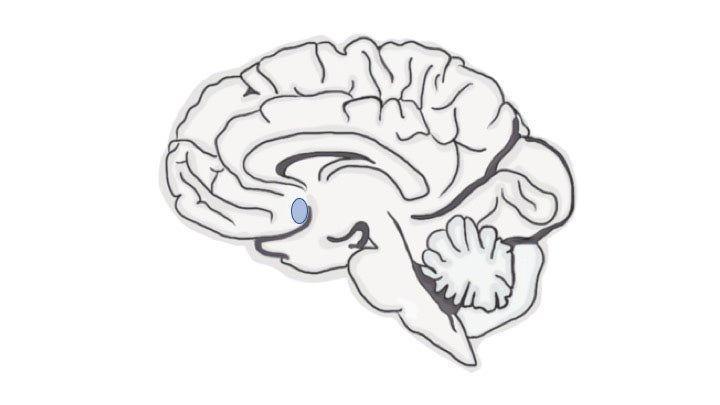
The study set out to understand how a specific part of the brain, the nucleus accumbens, is affected during depression. The nucleus accumbens is important for motivation, response to rewarding experiences and social interactions – all of which are affected by depression.

Brain drawing
The nucleus accumbens (represented in blue) is a part of the brain that controls motivation. Researchers from UC Davis compared samples of the nucleus accumbens in mice and humans to find clues to how this part of the brain is affected by stress and depression in males and females.

Previous analyses within the nucleus accumbens showed that different genes were turned on or off in women, but not in men diagnosed with depression. These changes could have caused symptoms of depression, or alternatively, the experience of being depressed could have changed the brain. To differentiate between these possibilities, the researchers studied mice that had experienced negative social interactions, which induce stronger depression-related behavior in females than males.

“These high-throughput analyses are very informative for understanding long-lasting effects of stress on the brain. In our rodent model, negative social interactions changed gene expression patterns in female mice that mirrored patterns observed in women with depression,” said study leader Alexia Williams, a doctoral researcher. “This is exciting because women are understudied in this field, and this finding allowed me to focus my attention on the relevance of these data for women’s health.”

After identifying similar molecular changes in the brains of mice and humans, researchers chose one gene, regulator of g protein signaling-2, or Rgs2, to manipulate. This gene controls the expression of a protein that regulates neurotransmitter receptors that are targeted by antidepressant medications such as Prozac and Zoloft. “In humans, less stable versions of the Rgs2 protein are associated with increased risk of depression, so we were curious to see whether increasing Rgs2 in the nucleus accumbens could reduce depression-related behaviorus,” said Professor Brian Trainor, senior author on the study.

When the researchers experimentally increased Rgs2 protein in the nucleus accumbens of the mice, they effectively reversed the effects of stress on these female mice, noting that social approach and preferences for preferred foods increased to levels observed in females that did not experience any stress.

“These results highlight a molecular mechanism contributing to the lack of motivation often observed in depressed patients. Reduced function of proteins like Rgs2 may contribute to symptoms that are difficult to treat in those struggling with mental illnesses,” Williams said.

Findings from basic science studies such as this one may guide the development of pharmacotherapies to effectively treat individuals suffering from depression, the researchers said.

“Our hope is that by doing studies such as these, which focus on elucidating mechanisms of specific symptoms of complex mental illnesses, we will bring science one step closer to developing new treatments for those in need,” said Williams.

Source: UC Davis

Females ‘Significantly’ More Likely to Experience Long COVID

Photo by Stephen Andrews on Unsplash

A new study published in Current Medical Research and Opinion has revealed that females are “significantly” more likely to suffer from Long COVID than males and will experience substantially different symptoms.

Long COVID is a syndrome in which complications persist more than four weeks after the initial infection of COVID, sometimes for many months.

In a review of studies, researchers observed females with Long COVID are presenting with a variety of symptoms including ear, nose, and throat issues; mood, neurological, skin, gastrointestinal and rheumatological disorders; as well as fatigue.

Male patients, however, were more likely to experience endocrine disorders such as diabetes and kidney disorders.

“Knowledge about fundamental sex differences underpinning the clinical manifestations, disease progression, and health outcomes of COVID is crucial for the identification and rational design of effective therapies and public health interventions that are inclusive of and sensitive to the potential differential treatment needs of both sexes,” the authors explained.

“Differences in immune system function between females and males could be an important driver of sex differences in Long COVID syndrome. Females mount more rapid and robust innate and adaptive immune responses, which can protect them from initial infection and severity. However, this same difference can render females more vulnerable to prolonged autoimmune-related diseases.”

In their review, researchers gathered a total sample size amounting to 1 393 355 unique individuals.

While the number of participants sounds large, only 35 of the 640 634 total articles in the literature provided sex disaggregated data in sufficient details about symptoms and sequalae of COVID disease to understand how females and males experience the disease differently.

The findings showed that, with the initial onset of COVID, female patients were far more likely to experience mood disorders such as depression, ear, nose, and throat symptoms, musculoskeletal pain, and respiratory symptoms. Male patients, on the other hand, were more likely to suffer from renal disorders.

The authors note that this synthesis of the available literature is among the few to break down the specific health conditions that occur as a result of COVID-related illness by sex. Plenty of studies have examined sex differences in hospitalisation, ICU admission, ventilation support, and mortality. But the research on the specific conditions that are caused by the virus, and its long-term damage to the body, have been understudied when it comes to sex.

“Sex differences in outcomes have been reported during previous coronavirus outbreaks,” the authors added. “Therefore, differences in outcomes between females and males infected with SARS-CoV-2 could have been anticipated. Unfortunately, most studies did not evaluate or report granular data by sex, which limited sex-specific clinical insights that may be impacting treatment.” Ideally, sex disaggregated data should be made available even if it was not the researcher’s primary objective, so other interested researchers can use the data to explore important differences between the sexes.

Greater occupational exposure through traditionally female-dominated jobs may may complicate interpretation the COVID sequelae.

Source: EurekAlert!

Sex of Red Blood Cell Donors Does not Affect Recipient Survival

https://www.pexels.com/photo/a-close-up-shot-of-bags-of-blood-4531306/
Photo by Charlie-Helen Robinson on Pexels

A study published in JAMA Internal Medicine shows that, after taking haemoglobin levels into count, sex and previous pregnancy of blood donors do not affect the survival of patients receiving red blood cell transfusions. Differences in recipient survival depend rather on the haemoglobin quantity in the transfusion, the researchers found.

Female donor sex and previous pregnancy are established risk factors for transfusion-related acute lung injury following plasma and platelet transfusions, which is a leading cause of transfusion-related mortality.

Previous studies have produced conflicting results as to how donor sex affects the recipient’s survivability in the recipient following red blood cell transfusion. Some studies have indicated higher mortality in patients who have received red blood cells from women, in men who have received red blood cells from women who have been pregnant, and in sex-mismatched transfusions. Other studies, however, have not reported such correlations.

This question has now been further explored by researchers from Karolinska Institutet in a register study of almost 370 000 patients in Sweden who received a red blood cell transfusion for the first time between 2010 and 2018.

The aim of the study was to see how the sex and previous pregnancy status of the donor affects survival in the recipient within two years from transfusion. It also looked at how the risk of needing more transfusions differed between patients who received red blood cells from female and male donors. Blood from women on average contains less haemoglobin than blood from men, meaning that more transfusions might be required to obtain the desired level of haemoglobin in a recipient.

The study demonstrates that the median value for haemoglobin was lower in female blood donors (135g/L than male (149g/L) and that patients who received blood from a woman had a 12% higher risk of needing another transfusion within 24 hours than blood from a man. However, this sex difference was eliminated when adjusting for the donors’ haemoglobin levels, which the researchers say was an expected effect that had not been factored into previous studies.

“When we take into account the lower haemoglobin levels in blood from women, we see no difference in survival among patients who received a blood transfusion from women compared with from men, regardless of how many times the female donors had been pregnant and of the patients’ sex and age,” said the study’s first author Jingcheng Zhao, adjunct researcher at Karolinska Institutet. “Differences in haemoglobin levels are a source of error that previous studies have not taken into consideration and that might explain the conflicting results that has been seen previously.”

Data for the study was drawn from national population, health and blood donor registries. The study also shows that donor sex is naturally randomly distributed in the patient material since no regard is paid to the sex and previous pregnancies of the donors by the blood donor centres when supplying blood. According to the researchers, this means that more far-reaching conclusions be drawn.

Dr Zhao said this allows them to determine causality. “We’ll now continue developing methods for studying causal relationships in transfusion epidemiology using observational data, on things like donor characteristics and how blood is handled. There’s still much we don’t know about blood transfusion and its effects.”

One limitation is that it was not possible to separately study transfusions where the red blood cells had not undergone leukoreduction (the filtering out of white blood cells), since this procedure has been standard in Sweden since the 1990s. The researchers therefore add a caveat about generalizing the conclusions to erythrocyte concentrates that have not undergone leukoreduction, which, however, is relatively uncommon now.

Source: Karolinska Institutet

June Marks Men’s Health Awareness Month

According to the Centers for Disease Control and Prevention, men, on average, die five years earlier than women and die at higher rates from three leading causes of death – heart disease, cancer, unintentional injuries – and, more recently, from COVID. During Men’s Health Month, we encourage men to take control of their health and for families to teach young boys healthy habits throughout childhood.

In June every year, we pay special attention to men’s health. Men’s Health Month aims to heighten the awareness of preventable health problems and encourage early detection and treatment of disease among men and boys. This month allows health care providers, public policymakers, the media, and individuals to encourage men and boys to seek regular medical advice and early treatment for disease and injury.

Men are more reluctant to seek healthcare

A health gap exists – men die younger than women, and they are more burdened by illness during life. They fall ill at a younger age and have more chronic conditions than women. Research by Harvard Health Publishing shows that men are more than three times more likely than women to develop kidney stones, become alcoholics, or have bladder cancer. They are about twice as likely to suffer from emphysema or a duodenal ulcer. Although women see doctors more often than men, the healthcare investment required for caring for men amounts to much more, especially beyond the age of 65.

However, society expects men to be seen as tough, push through pain, and rarely show signs of weakness. This mindset subconsciously trains men to believe that seeking help of any kind – including going to the doctor – exhibits weakness. But it is not only society’s influence that plays a part. Further research shows that 21% of men tend to avoid the doctor because of fear. They worry about an adverse diagnosis or a bad outcome. This same research finds that only 40% of men go to the doctor only when they have a severe health issue and never go for routine check-ups. It is far lower than women’s frequency of doctor visits, and it is a concerning figure.

Unfortunately, mental health is also one of the most stigmatised issues affecting men. The American Psychological Association reports that 30.6% of men have suffered from depression in their lifetime, and their hesitation to seek care may be worsening this issue. As a trend, men are notorious for not talking about their feelings. Psychologists have documented that discussing emotions is just another form of vulnerability that can lead to discomfort for men. It can be scary for many men to begin sharing their feelings. But the payoff is worth it: men who express their feelings verbally are less likely to express them violently.

How Medshield supports men

Medshield offers a variety of plans that suit members of every age and budget. Our Managed Care Programmes assist our members with managing chronic conditions in collaboration with the member’s respective treating practitioners. We encourage men to utilise our Wellness Benefits which include cover for annual tests e.g. cholesterol and PSA Screening, for early diagnosis and treatment. Our benefit plans allow you the freedom to visit your doctor for a general appointment at any time to monitor your overall health, and our plans have robust mental health benefits to ensure holistic care.

Many people feel that medical aid schemes cost too much, but having the right plan means you won’t need to rely on state clinics and hospitals for care. It also means you can have tests, screenings, and procedures done early without waiting to save enough cash for it (and potentially worsening your condition). Healthcare does not always just require hospital stays, either – sometimes other expenses appear in physiotherapy, dental visits, and even costly chronic medication that most would struggle to cover each month. Nobody can predict what the future holds, and unfortunately, sometimes the sudden onset of illness or an accident are common aspects of life.

We encourage men to take charge of their health!

Let’s work together to turn these trends around. This June, we invite all men to take that step toward a healthier lifestyle and to get screened for any potential illnesses. You may be resistant at first, but persistence is powerful, and you’ll be doing your part to improve your health.

Here are ten tips to start on your new health journey:

  • Avoid tobacco in all its forms.
  • Eat well. That means eating more healthful foods and fewer harmful foods.
  • Get at least 30 minutes of moderate exercise nearly every day.
  • Stay lean. It’s equally hard for men and women, but partial success will help.
  • If you choose to drink, limit yourself to one to two drinks a day, counting 150ml of wine, 375ml of beer, and 30 ml of spirits as one drink.
  • Reduce stress by getting enough sleep and building social ties and community support.
  • Avoid risky behaviour, including drug abuse, unsafe sex, dangerous driving, unsafe firearm use, and living in hazardous household conditions.
  • Get regular medical check-ups, screening tests, and immunisations.
  • Seek joy and share it with others – laughter is good medicine. Fun and optimism improve health as well as happiness.