Category: Exercise

Female Athletes’ Metabolism Drops if They Cut Energy Intake

Photo by Andrea Piacquadio on Pexels

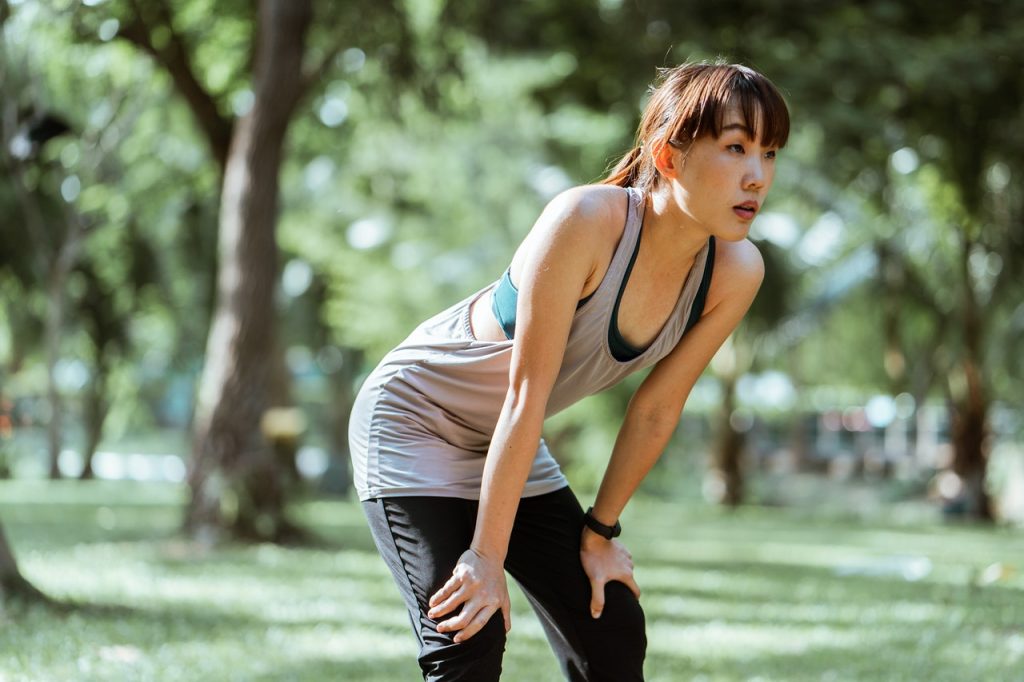
Most athletes know that diet and training go hand in hand for the best results, and many of them closely monitor their energy intake and training. However, a new study from Aarhus University shows that the bodies of female athletes are negatively affected when they consume too little energy through their diet in comparison with their training volume, explains PhD student Mikkel Oxfeldt. He and Associate Professor Mette Hansen are behind the study, which is published in the Journal of Physiology.

“We know that both elite female athletes and active women at times, either consciously or unconsciously, don’t have an energy intake that matches their energy expenditure when training. The study shows that insufficient energy intake can negatively affect muscles’ ability to respond to training. After just ten days of low energy intake, we began seeing changes to the hormonal system such as a decrease in the metabolic hormone followed by a decrease in metabolism.”

The study shows that it is important that women are careful not to reduce their energy intake too much. In fact, they should actually be increasing their energy intake if they increase their training volume, says Mikkel Oxfeldt:

“When you don’t get enough energy from your diet, your body will begun to pare down processes that require a lot of energy, just like a mobile phone that goes into battery-saving mode. We know from previous studies that it can cause some women’s periods to stop. However, our results show that other processes in the body, such as building new muscle proteins, are also affected.”

We must confront the unilateral focus on weight

Thirty fit women aged 18–30 participated in the study which is part of the Novo Nordic-funded Team Denmark network called ‘competition preparation and training optimisation’. All the women started the study right after the start of their menstrual period and followed a very controlled training and diet regimen for three weeks.

“Under the supervision of the researchers, the participants carried out individual training programmes aimed at increasing muscle mass, strength and overall fitness. The women’s meals were also provided by us. By controlling their training regimen and their diets, we were able to see how much energy they expended and what they ate during the study,” says Mikkel Oxfeldt and continues:

“This is the first time that such a well-controlled study has been carried out in this area, where both the diet and training of a group of fit women has been regulated to this extent. During the study, all participants drank doubly labelled water, which is enriched with a trace material. When we combine this tracer technique with the retrieval and subsequent analysis of muscle tissue samples, we can gain detailed insight into the muscles’ response to the experimental protocol,” explains Mikkel Oxfeldt.

Mikkel and the research group believe it’s necessary to confront the idea that weight loss leads to medals when in fact weight loss can negatively impact a number of the body’s systems, including muscles.

“In recent years, we’ve heard about public weigh-ins within some elite sports. They are part of promoting a culture in which some women are constantly trying to lose weight. However, our results show that this focus on weight loss can have short and potentially long-term negative consequences for women, both in relation to their health and training results. The study will hopefully provide athletes and coaches with a more nuanced picture of possible side effects.”

In collaboration with colleagues from the University of Copenhagen and University of Southern Denmark, the researchers behind the study are now investigating how physical performance, the immune system and metabolism are affected by an insufficient energy intake. They hope to one day be able to establish whether there is a difference between how women’s and men’s bodies react to inadequate energy intake.

Source: Aarhus University

For People with T2DM, Type and Timing of Physical Activity Matters

Photo by Ketut Subiyanto on Unsplash

An analysis on the positive effects of exercise on blood sugar levels in people with Type 2 diabetes mellitus (T2DM) shows that while all exercise helps, certain activities – and their timing – are especially beneficial. The study, published in The American Journal of Medicine, provides a comprehensive but straightforward summary of the benefits of exercise on controlling blood glucose levels in people with T2DM.

“The challenge with this is that most, if not all, people know exercise is good for them but they don’t know the best approach,” said Steven Malin, an associate professor in the Department of Kinesiology and Health at the Rutgers School of Arts and Sciences and an author of the study. “We targeted this issue by focusing on a few key parameters: the utility of aerobics versus weightlifting, the time of day that is optimal for exercise, whether to exercise before or after meals and whether we have to lose weight to get benefits or not.”

As part of the analysis, researchers sifted through dozens of studies and extracted common conclusions. Some of the key findings include:

  • Habitual aerobic exercise: increases the heart rate and the body’s use of oxygen helps manage blood glucose.
  • Resistance exercise: benefits insulin sensitivity in those with Type 2 diabetes.
  • Movement throughout the day by breaking up sitting time benefits blood glucose control and insulin levels.
  • Performing exercise later in the day can result in better control of blood sugar levels as well as improve insulin sensitivity.

“In short, any movement is good and more is generally better,” Malin said. “The combination of aerobic exercise and weightlifting is likely better than either alone. Exercise in the afternoon might work better than exercise in the morning for glucose control, and exercise after a meal may help slightly more than before a meal. And, you don’t have to lose weight to see the benefits of exercise. That is because exercise can lower body fat and increase muscle mass.”

While insulin resistance in T2DM is harmful, scientists believe increased insulin sensitivity is beneficial. High insulin sensitivity allows the cells of the body to use blood glucose more effectively, reducing blood sugar.

Malin researches insulin sensitivity and teaches kinesiology, the study of human movement. He and several other faculty members at Rutgers support the concept of “exercise as medicine.” The idea, which is supported by the American College of Sports Medicine and is increasingly being borne out by research, is that exercise can be considered a first-line therapy.

“I’m one of those individuals who subscribes to that notion, and in that way, I think of exercise as a drug,” Malin said.

Malin and colleagues authored the study to offer the medical community up-to-date practical advice for their patients.

“Together, this idea of exercise timing and type is important because it helps medical professionals more accurately recommend exercise prescriptions to combat high blood glucose,” Malin said.

Source: Rutgers University

Prehabilitation Improves Orthopaedic Surgery Outcomes

Photo by Barbara Olsen on Pexels

Pre-surgery exercise and education, or ‘prehabilitation’, can significantly improve outcomes for patients undergoing orthopaedic surgery, according to new research published in JAMA Network Open.

An ageing population plus the COVID pandemic has put great strains on healthcare systems, creating a longer waiting time for patients due to undergo routine elective surgical procedures. This can cause mental and physical deconditioning in patients, potentially impacting their surgical outcomes.

The study found prehabilitation may mitigate these negative factors and assist in improving strength and function prior to a surgical intervention. This may include exercise, patient education, pain management and psychological support.

Researchers from Anglia Ruskin University (ARU), Addenbrooke’s – Cambridge University Hospitals NHS Foundation Trust (CUH) and Western University in Ontario, Canada, examined the results of 48 unique clinical trials involving prehabilitation techniques such as exercise, pain management and acupuncture among patients about to undergo orthopaedic surgery.

Outcomes were measured prior to surgery as well as at intervals post-operation. Results were graded for certainty, or confidence that results were true.

Prior to surgery, the study found strong evidence that prehabilitation led to a reduction in back pain for people waiting for lower back surgery and evidence of moderate certainty for improvement in their health-related quality of life.

For patients waiting for total knee replacement, evidence of moderate certainty showed prehabilitation improved function and muscle strength. For patients waiting for a total hip replacement, evidence of moderate certainty showed prehabilitation improved health-related quality of life and hip muscle strength.

Following an operation, the study found that prehabilitation improved function in the short to medium term compared with no prehabilitation. In particular, evidence of moderate certainty suggested prehabilitation had favourable outcomes on function in those who had undergone knee replacement surgery at six weeks post-operatively. Evidence of moderate certainty also suggests prehabilitation improved function six months after lower back surgery.

Lead author Anuj Punnoose, ARU PhD candidate and Clinical Specialist Physiotherapist at CUH, said: “This study stemmed out of a need to find the best ways to prepare orthopaedic patients prior to surgery and prevent them from further deconditioning. Furthermore, any prehabilitation programme should ideally be delivered for at least four to six weeks prior to the surgical intervention and twice a week for optimum results. Health services looking at developing such programmes could utilise recommendations from this study.”

Source: Anglia Ruskin University

Strong Legs Reduce Risk of Heart Failure after Heart Attack

Photo by Henry Xu on Unsplash

People with strong legs are less likely to develop heart failure after a heart attack, according to new research. Myocardial infarction is the most common cause of heart failure, with around 6–9% of heart attack patients going on to develop the condition. Previous research has shown that having strong quadriceps is associated with a lower risk of death in patients with coronary artery disease.

Presented at Heart Failure 2023, a scientific congress of the European Society of Cardiology (ESC), this study tested the hypothesis that leg strength is associated with a lower risk of developing heart failure after acute myocardial infarction. The study included 932 patients hospitalised in 2007 to 2020 with acute myocardial infarction who did not have heart failure prior to the admission and did not develop heart failure complications during their hospital stay. The median age was 66 years and 753 participants (81%) were men.

Maximal quadriceps strength was measured as an indicator of leg strength. Patients sat on a chair and contracted the quadriceps muscles as hard as possible for five seconds. A handheld dynamometer attached to the ankle recorded the maximum value in kg. The measurement was performed on each leg and the researchers used the average of both values. Strength was expressed relative to body weight, meaning that quadriceps strength in kg was divided by body weight in kg and multiplied by 100 for a % body weight value. Patients were classified as ‘high’ or ‘low’ strength according to whether their value was above or below the median for their se

The median value for women was 33% body weight and the median value for men was 52% body weight. A total of 451 patients had low quadriceps strength and 481 had high strength. During an average follow-up of 4.5 years, 67 patients (7.2%) developed heart failure. The incidence of heart failure was 10.2 per 1000 person-years in patients with high quadriceps strength and 22.9 per 1000 person-years in those with low strength.

The researchers analysed the association between quadriceps strength (low vs. high) and the risk of developing heart failure. The analysis was adjusted for factors known to be associated with the development of heart failure after myocardial infarction including age, sex, body mass index, prior myocardial infarction or angina pectoris, diabetes, atrial fibrillation, chronic obstructive pulmonary disease, peripheral arterial disease and kidney function. Compared with low quadriceps strength, a high strength level was associated with a 41% lower risk of developing heart failure (hazard ratio [HR]: 0.59; 95% confidence interval [CI] 0.35–1.00; p=0.048).

The investigators also analysed the association between quadriceps strength as a continuous variable and the risk of developing heart failure. Each 5% body weight increment in quadriceps strength was associated with an 11% lower likelihood of heart failure (HR 0.89; 95% CI 0.81–0.98; p=0.014).

Study author Mr. Kensuke Ueno, a physical therapist at the Kitasato University Graduate School of Medical Sciences, Sagamihara, Japan said: “Quadriceps strength is easy and simple to measure accurately in clinical practice. Our study indicates that quadriceps strength could help to identify patients at a higher risk of developing heart failure after myocardial infarction who could then receive more intense surveillance. The findings need to be replicated in other studies, but they do suggest that strength training involving the quadriceps muscles should be recommended for patients who have experienced a heart attack to prevent heart failure.”

Source: European Society of Cardiology

Physical Activity may Reduce Bleed Volume of Intracerebral Haemorrhages

Photo by Barbara Olsen on Pexels

Regular physical activity and exercise may reduce bleeding in individuals with intracerebral haemorrhage, a University of Gothenburg study shows. The study, published in the journal Stroke and Vascular Neurology, analysed data on 686 people treated for intracerebral haemorrhage at Sahlgrenska University Hospital in Gothenburg during the years 2014 to 2019.

The study was a retrospective analysis and could not determine causation. Nonetheless, it was clear that those who reported regular physical activity had smaller haemorrhages than those who reported being inactive.

Physically active was defined as engaging in at least light physical activity, such as walking, cycling, swimming, gardening, or dancing, for at least four hours weekly.

50 percent less bleeding volume

The main author of the study is Adam Viktorisson, a PhD student in clinical neuroscience at Sahlgrenska Academy, University of Gothenburg, and doctor in general practice at Sahlgrenska University Hospital.

“We found that individuals who engage in regular physical activity had, on average, bleeding volumes that were 50 percent smaller upon arriving to the hospital. A similar connection has previously been seen in animal studies, but no prior study has demonstrated this in humans.”

Everyone who comes to the hospital with a suspected intracerebral haemorrhage undergoes a computerized tomography (CT) scan of the brain. Depending on the severity of the haemorrhage, neurosurgery may be required. However, in most cases, non-surgical methods and medications are used to manage symptoms and promote patient recovery.

Intracerebral haemorrhage is the most dangerous type of stroke and can lead to life-threatening conditions. The risk of severe consequences from the haemorrhage increases with the extent of the bleeding.

“In cases of major intracerebral haemorrhages, there is a risk of increased pressure within the skull that can potentially lead to fatal outcomes” says Thomas Skoglund, associate professor of neurosurgery at the University of Gothenburg, neurosurgeon at the University Hospital, and one of the study’s co-authors.

Better understanding of intracerebral hemorrhages

The findings were significant regardless of the location within the cerebrum. Physically active individuals exhibited reduced bleeding in both the deep regions of the brain, which are often associated with high blood pressure, and the surface regions, which are linked to age-related conditions like dementia.

The study creates scope for further research on intracerebral haemorrhages and physical activity. Katharina Stibrant Sunnerhagen, professor of rehabilitation medicine at the University of Gothenburg and senior consultant physician at Sahlgrenska University Hospital, oversees the study.

“We hope that our findings contribute to a deeper understanding of intracerebral haemorrhages and aid in the development of more effective preventive measures” she concludes.

Source: University of Gothenburg

For Stroke Recovery, Physical Activity is Crucial

Photo by Kampus Production on Pexels

A University of Gothenburg study shows that after a stroke, physical activity can be pivotal to successful recovery. People who spend four hours a week exercising after their stroke achieve better functional recovery within six months than those who do not.

The study, published in JAMA Network Open, analysed data from 1500 stroke patients who were grouped according to their post-stroke patterns of physical activity.

The results show that increased or maintained physical activity, with four hours’ exercise weekly, doubled the patients’ chances of recovering well by six months after a stroke. Men and people with normal cognition kept up an active life relatively more often, with better recovery as a result.

Positive programming from exercise

The researchers have previously succeeded in demonstrating a clear inverse association between physical activity and the severity of stroke symptoms at the actual onset of the condition. These new findings highlight the importance of maintaining a healthy, active lifestyle after a stroke.

The first and corresponding author of the study, Dongni Buvarp, is a researcher in clinical neuroscience at Sahlgrenska Academy, University of Gothenburg. Besides her research internship, she is a resident doctor at an initial stage of specialist training at Sahlgrenska University Hospital.

“Physical activity reprograms both the brain and the body favourably after a stroke. Exercise improves the body’s recovery at the cellular level, boosts muscle strength and well-being, and reduces the risk of falls, depression, and cardiovascular disease. Regardless of how severe the stroke has been, those affected can derive benefits from exercising more,” she says.

Knowledge and support vital

“Being physically active is hugely important, especially after a stroke. That’s a message that health professionals, stroke victims and their loved ones should all know. Women and people with impaired cognition seem to become less active after stroke. The study results indicate that these groups need more support to get going with physical activity,” Buvarp says.

One weakness of the study is that, with a few exceptions, the researchers were unable to study the participants’ degree of activity before the stroke. The patients included were treated in Sweden in the period from 2014 to 2019.

Source: University of Gothenburg

More Physical Activity a Health Benefit of a Three-day Weekend

Photo by Julian Jagtenberg on Pexels

With a three-day weekend being trialled in countries across the globe, new empirical research by Australian researchers shows that the extra time off increases active healthy behaviours, lending extra support to a shorter but still productive work week.

The researchers assessed study participants’ changes in daily movements before, during and after holidays, finding that physical activity increased when they were on holiday, even with just a three-day break. Their findings were published in the International Journal of Behavioral Nutrition and Physical Activity.

Across the 13-month study period, participants generally took two to three holidays on average, each being around 12 days. The most common holiday type was ‘outdoor recreation’ (35%), followed by ‘family/social events’ (31%), ‘rest and relaxation’ (17%) and ‘non-leisure pursuits’ such as caring for others or home renovations (17%).

Specifically, it showed that on holiday, participants:

  • engaged in 13% more moderate-to-vigorous physical activity (MVPA) each day (or five min/day more)
  • were 5% less sedentary each day (or 29 min/day less)
  • slept 4% more each day (or 21 min/day more).

University of South Australia researcher Dr Ty Ferguson says that the research indicates that people display healthier behaviours when they are on holiday.

“When people go on holiday, they’re changing their everyday responsibilities because they’re not locked down to their normal schedule,” Dr Ferguson says.

“In this study, we found that movement patterns changed for the better when on holiday, with increased physical activity and decreased sedentary behaviour observed across the board.

“We also found that people gained an extra 21 minutes of sleep each day they were on holiday, which can have a range of positive effects on our physical and mental health. For example, getting enough sleep can help improve our mood, cognitive function, and productivity. It can also help lower our risk of developing a range of health conditions, such as obesity, diabetes, cardiovascular disease, and depression.

“Interestingly, the size of these changes increased in line with the length of the holiday – so the longer the holiday, the better the health benefits.”

The study used data from the Annual rhythms in adults’ lifestyle and health (ARIA) study where 308 adults (mean age 40.4 years) wore fitness trackers 24 hours a day for 13 months. Minute-by-minute

movement behaviour data were aggregated into daily totals to compare movement behaviours pre-holiday, during holiday and post-holiday.

Senior researcher UniSA’s Prof Carol Maher says that the study offers support for the growing movement for a four-day week.

“A shorter working week is being trialled by companies all over the world. Not surprisingly, employees reported less stress, burnout, fatigue, as well as better mental health and improved work-life balance,” Prof Maher says.

“This study provides empirical evidence that people have healthier lifestyle patterns when they have a short break, such as a three-day weekend. This increase in physical activity and sleep is expected to have positive effects on both mental and physical health, contributing to the benefits observed with a four-day work week.

“Importantly, our study also showed that even after a short holiday, people’s increased sleep remained elevated for two weeks, showing that the health benefits of a three-day break can have lasting effects beyond the holiday itself.

“As the world adapts to a new normal, perhaps it’s time to embrace the long weekend as a way to boost our physical and mental health.”

Source: University of South Australia

Dopamine’s Role in Exercise Feeling ‘Hard’ or ‘Easy’

Photo by Jonathan Borba on Unsplash

Dopamine, long associated with pleasure, motivation and reward-seeking, also appears to play an important role in why exercise and other physical efforts feel ‘easy’ to some people and exhausting to others. These are the findings of of a study of people with Parkinson’s disease, which is published in NPG Parkinson’s Disease. Parkinson’s disease is marked by a loss of dopamine-producing cells in the brain over time.

According to the researchers, the findings might eventually lead to more effective ways to help people establish and stick with exercise regimens, new treatments for fatigue associated with depression and many other conditions, and a better understanding of Parkinson’s disease.

“Researchers have long been trying to understand why some people find physical effort easier than others,” says study leader Vikram Chib, Ph.D., associate professor in the Department of Biomedical Engineering at the Johns Hopkins University School of Medicine and research scientist at the Kennedy Krieger Institute. “This study’s results suggest that the amount of dopamine availability in the brain is a key factor.”

Chib explains that after a bout of physical activity, people’s perception and self-reports of the effort they expended varies, and also guides their decisions about undertaking future exertions. Previous studies have shown that people with increased dopamine are more willing to exert physical effort for rewards, but the current study focuses on dopamine’s role in people’s self-assessment of effort needed for a physical task, without the promise of a reward.

For the study, Chib and his colleagues from Johns Hopkins Medicine and the Kennedy Krieger Institute recruited 19 adults diagnosed with Parkinson’s disease, a condition in which neurons in the brain that produce dopamine gradually die off, causing unintended and uncontrollable movements such as tremors, fatigue, stiffness and trouble with balance or coordination.

In Chib’s lab, 10 male volunteers and nine female volunteers with an average age of 67 were asked to perform the same physical task, that of squeezing a hand grip equipped with a sensor, on two different days within four weeks of each other. On one of the days, the patients were asked to take their standard, daily synthetic dopamine medication as they normally would. On the other, they were asked not to take their medication for at least 12 hours prior to performing the squeeze test.

On both days, the patients were initially taught to squeeze a grip sensor at various levels of defined effort, and then were asked to squeeze and report how many units of effort they put forth.

When the participants had taken their regular synthetic dopamine medication, their self-assessments of units of effort expended were more accurate than when they hadn’t taken the drug. They also had less variability in their efforts, showing accurate squeezes when the researchers cued them to squeeze at different levels of effort.

In contrast, when the patients hadn’t taken the medication, they consistently over-reported their efforts, meaning they perceived the task to be physically harder, and had significantly more variability among grips after being cued.

In another experiment, the patients were given a choice between a sure option of squeezing with a relatively low amount of effort on the grip sensor or flipping a coin and taking a chance on having to perform either no effort or a very high level of effort. When these volunteers had taken their medication, they were more willing to take a chance on having to perform a higher amount of effort than when they didn’t take their medication.

A third experiment offered participants the choice between getting a small amount of guaranteed money or, getting either nothing or a higher amount of money on a coin flip. Results showed no difference in the subjects on days when they took their medication and when they did not. This result, researchers say, suggests that dopamine’s influence on risk-taking preferences is specific to physical effort-based decision-making.

Together, Chib says, these findings suggest that dopamine level is a critical factor in helping people accurately assess how much effort a physical task requires, which can significantly affect how much effort they’re willing to put forth for future tasks. For example, if someone perceives that a physical task will take an extraordinary amount of effort, they may be less motivated to do it.

Understanding more about the chemistry and biology of motivation could advance ways to motivate exercise and physical therapy regimens, Chib says. In addition, inefficient dopamine signalling could help explain the pervasive fatigue present in conditions such as depression and long COVID, and during cancer treatments. Currently, he and his colleagues are studying dopamine’s role in clinical fatigue.

Source: John Hopkins Medicine

Strenuous Jobs Increase Men’s Cardiovascular Risk, but Reduce Women’s

Photo by K. Mitch Hodge on Unsplash

A long-term Danish study found that high physical activity at work was associated with higher risk of ischaemic heart disease (IHD) in men, but in women, this was associated with lower risk. The findings, published in the European Journal of Preventive Cardiology, highlight the importance of taking gender into account when considering the impact of high levels of occupational physical activity (OPA).

While previous studies have shown that physical activities in leisure time are protective against cardiovascular disease, high levels of OPA were shown to have no benefit – or even a detrimental effect.

The study followed up participants aged 30–61 years old after 34 years who took part in the Danish Monica 1 study in 1982–84. Participants, 1399 women and 1706 men, were actively employed, without prior IHD and who answered a question on OPA. The participants’ medical records were located in the Danish National Patient Registry and the researchers analysed the data, controlling for increasing numbers of factors such as age, then age and sex, and then age and sex plus factors such as smoking.

Compared to women doing sedentary work, women in all other OPA categories had a lower hazard ratio (HR) for IHD. Among men, the risk of IHD was 22% higher among those with light OPA, and 42% and 46% higher among those with moderate OPA with some lifting or strenuous work with heavy lifting, respectively, compared to men with sedentary OPA. Compared to women with sedentary work, HR for IHD was higher among men in all OPA categories, and a statistically significant interaction between OPA and sex was found.

Demanding or strenuous OPA seems to be a risk factor for IHD among men, whereas a higher level of OPA seems to protect from IHD among women. The researchers wrote that this underlines the importance of taking into account sex differences in studies of health effects of OPA. Future studies should investigate the underlying mechanisms for this difference, such as differences in exposure and physiology.

Regular Physical Activity can Improve Mental Health of Young Adolescents

Boys running
Photo by Margaret Weir on Unsplash

Regular physical activity can improve young adolescents’ mental health and help with behavioural difficulties, suggests research published in Mental Health and Physical Activity. Investigators found that engaging in regular moderate to vigorous physical activity at age 11 was associated with better mental health between the ages of 11 and 13.

Physical activity was also associated with reduced hyperactivity and behavioural problems, such as loss of temper, fighting with other children, lying, and stealing, in young people.

Researchers from the Universities of Edinburgh, Strathclyde, Bristol, and Georgia in the United States explored data from the Children of the 90s study (also known as the Avon Longitudinal Study of Parents and Children; ALSPAC). They looked at the levels of physical activity of 4755 11-year-olds which was measured using devices.

The devices recorded levels of moderate physical activity, typically defined as brisk walking or cycling, as well as vigorous activity which boosts heart rate and breathing, such as aerobic dancing, jogging or swimming.

The young people and their parents reported on their levels of depressive symptoms from age 11 and at age 13 years. Participants’ parents and teachers were also quizzed about the young people’s general behaviour and emotional difficulties.

In analysing the impact of moderate to vigorous exercise on the young people’s mental health and behaviour, the team also considered factors such as age, sex and socio-economic status.

They found that higher levels of moderate or intense physical activity had a small but detectable association with decreases in depressive symptoms and emotional difficulties.

Regular exercise had a small but detectable association with reduced behavioural problems, even after controlling for other possible influences, the study found.

The findings suggest regular moderate and intense physical activity may have a small protective influence on mental health in early adolescence, researchers say.

Dr Josie Booth, of the University of Edinburgh’s Moray House School of Education and Sport, said: “This study adds to the increasing evidence base about how important physical activity is for all aspects of young people’s development – it can help them feel better, and do better at school. Supporting young people to lead healthy active lives should be prioritised.”

Researchers say the study is the first to offer such a comprehensive approach to examining mental health and exercise in young people.

Professor John Reilly, at the University of Strathclyde, said: “While it might seem obvious that physical activity improves mental health the evidence for such a benefit in children and young people has been scarce, so the study findings are important. The findings are also important because levels of moderate-to-vigorous intensity activity globally are so low in pre-teens globally – less than a third achieve the 60 minutes per day recommended by the WHO and UK Health Departments.”

The study is a long-term health-research project that enrolled more than 14 000 pregnant women in 1991 and 1992.

Children of the 90s has been following the health and development of the parents and their children in detail and is currently recruiting the children and the siblings of the original children into the study. It receives core funding from the Medical Research Council, the Wellcome Trust and the University of Bristol.

Source: University of Edinburgh