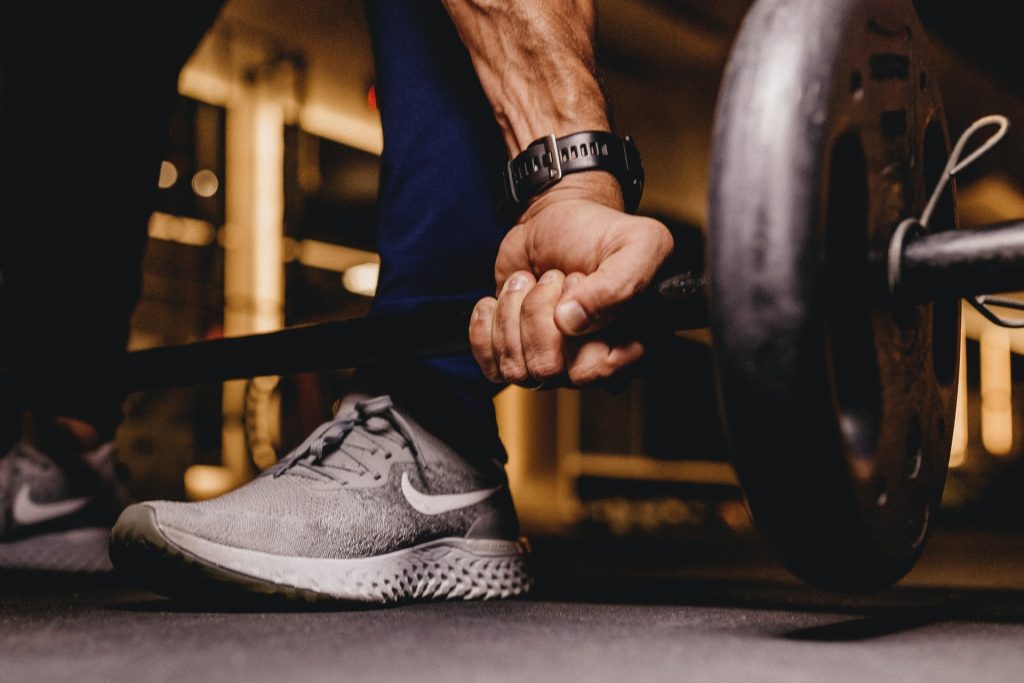
People using anabolic steroids could be increasing their underlying risk of atrial fibrillation, according to new research published in the Journal of Physiology.
The team found that male sex hormones, such as testosterone, also called androgenic anabolic steroids (AAS), which are misused for muscle building particularly among in young men can increase the risk of atrial fibrillation in individuals genetically predisposed to heart diseases.
Dr Laura Sommerfeld, Postdoctoral Researcher at the UKE Hamburg, who completed her PhD at the Institute of Cardiovascular Sciences at the University of Birmingham focusing on this work is lead author of the study.
Dr Sommerfeld said: “Our study can significantly contribute to understanding the impact on the heart health of young men who misuse anabolic steroids to increase muscle mass. Recent reports have shown that young men in particular are being targeted on social media such as TikTok being sold testosterone products, but we have shown how the misuse of steroids carries a specific risk that many people will not be aware of.”
Professor Larissa Fabritz, Chair of Inherited Cardiac Conditions at UKE Hamburg and Honorary Chair in the Institute of Cardiovascular Sciences at the University of Birmingham added:
“Heart muscle diseases like ARVC affect young, athletic individuals and can lead to life-threatening heart rhythm disturbances. Atrial fibrillation is a common condition in the general population. Elevated testosterone levels can result in an earlier onset of these diseases.”
The scientists examined potential effects on a condition called arrhythmogenic right ventricular cardiomyopathy (ARVC), which is genetically determined and primarily attributed to disruptions in the formation of cell connections critical for heart muscle stability.
The scientists initially confirmed, based on clinical patient data from UHB and elsewhere, that ARVC occurs more frequently and severely in men than in women.
In laboratory experiments, they discovered that six weeks of AAS intake, combined with impaired cell connections, could lead to reduced sodium channel function in heart tissue and a slowing of signal conduction within the atria.
Dr Andrew Holmes, co-author and Assistant Professor in the Institute of Clinical Sciences at the University of Birmingham said:
“This work implies that young male individuals with key inherited genetic changes have a greater risk of developing electrical problems in the heart in response to anabolic steroid abuse.”
The research was conducted by an interdisciplinary consortium of clinicians and researchers led by University of Birmingham and collaborators in Germany.
Contrary to popular belief, the benefits of physical activity do not outweigh the risks of cardiovascular disease associated with drinking sugar-sweetened beverages, according to a new study led by Harvard T.H. Chan School of Public Health and published in The American Journal of Clinical Nutrition.
Sugar-sweetened beverages are the largest source of added sugars in the North American diet. Their consumption is associated with a higher risk of cardiovascular disease, the world’s leading cause of death.
“The marketing strategies for these drinks often show active people drinking these beverages. It suggests that sugary drink consumption has no negative effects on health if you’re physically active. Our research aimed to assess this hypothesis,” says co-author Jean-Philippe Drouin-Chartier, professor at Université Laval’s Faculty of Pharmacy.
For the study, the scientists used two cohorts totalling around 100 000 adults, followed for about 30 years.
The data show that those who consumed sugar-sweetened beverages more than twice a week had a higher risk of cardiovascular disease, regardless of physical activity levels.
The study found that even if the recommended 150 minutes of weekly physical activity protects against cardiovascular disease, it’s not enough to counter the adverse effects of sugar-sweetened beverages.
“Physical activity reduces the risk of cardiovascular disease associated with sugar-sweetened beverages by half, but it does not fully eliminate it,” says Drouin-Chartier.
The frequency of consumption considered in the study – twice a week – is relatively low but still is significantly associated with cardiovascular disease risk.
With daily consumption, the risk of cardiovascular disease is even higher. For this reason, Drouin-Chartier underlines the importance of targeting the omnipresence of sugar-sweetened beverages in the food environment.
This category includes soft and carbonated drinks (with or without caffeine), lemonade, and fruit cocktails. The study did not specifically consider energy drinks, but they also tend to be sugar-sweetened.
For artificially sweetened drinks, often presented as an alternative solution to sugar-sweetened beverages, their consumption was not associated with higher risk of cardiovascular diseases.
“Replacing sugar-sweetened beverages by diet drinks is good, because it reduces the amount of sugar. But the best drink option remains water,” explains Drouin-Chartier.
“Our findings provide further support for public health recommendations and policies to limit people’s intake of sugar-sweetened beverages, as well as to encourage people to meet and maintain adequate physical activity levels,” added lead author Lorena Pacheco, a research scientist in the Department of Nutrition at Harvard Chan School.
A new study has demonstrated the impact that resistance exercise training can have in the treatment of anxiety and depressive symptoms. The findings, published in Trends in Molecular Medicine, provide evidence to support the benefits of resistance exercise training can have on anxiety and depression and offers an examination of possible underlying mechanisms.
The research was carried out by Professor Matthew P. Herring at University of Limerick and Professor Jacob D. Meyer at Iowa State University.
“We are tremendously excited to have what we expect to be a highly cited snapshot of the promising available literature that supports resistance exercise training in improving anxiety and depression.
“Notwithstanding the limitations of the limited number of studies to date, there is exciting evidence, particularly from our previous and ongoing research of the available studies, that suggests that resistance exercise training may be an accessible alternative therapy to improve anxiety and depression.
“A more exciting aspect is that there is substantial promise in investigating the unknown mechanisms that may underlie these benefits to move us closer to maximizing benefits and to optimising the prescription of resistance exercise via precision medicine approaches,” Dr Herring added.
Professor Meyer, a co-author on the study, said: “The current research provides a foundation for testing if resistance training can be a key behavioural treatment approach for depression and anxiety.
“As resistance training likely works through both shared and distinct mechanisms to achieve its positive mood effects compared to aerobic exercise, it has the potential to be used in conjunction with aerobic exercise or as a standalone therapy for these debilitating conditions.
“Our research will use the platform established by current research as a springboard to comprehensively evaluate these potential benefits of resistance exercise in clinical populations while also identifying who would be the most likely to benefit from resistance exercise.”
Women who follow vegan diets during pregnancy may face higher risks of developing preeclampsia and of giving birth to newborns with lower birth weight, suggests a recent study published in Acta Obstetricia et Gynecologica Scandinavica.
For the study, 65 872 women identified themselves as omnivorous, 666 as fish/poultry vegetarians, 183 as lacto/ovo vegetarians, and 18 as vegans. Based on a questionnaire completed mid-pregnancy, investigators found that protein intake was lower among lacto/ovo vegetarians (13.3%) and vegans (10.4%) compared with omnivorous participants (15.4%). Micronutrient intake was also much lower among vegans, but when dietary supplements were considered, no major differences were observed.
Compared with omnivorous mothers, vegan mothers had a higher prevalence of preeclampsia (a pregnancy complication characterised by high blood pressure), and their newborns weighed an average of 240 g less.
“Further research is needed regarding possible causality between plant-based diets and pregnancy and birth outcomes, to strengthen the basis for dietary recommendations,” the authors wrote.
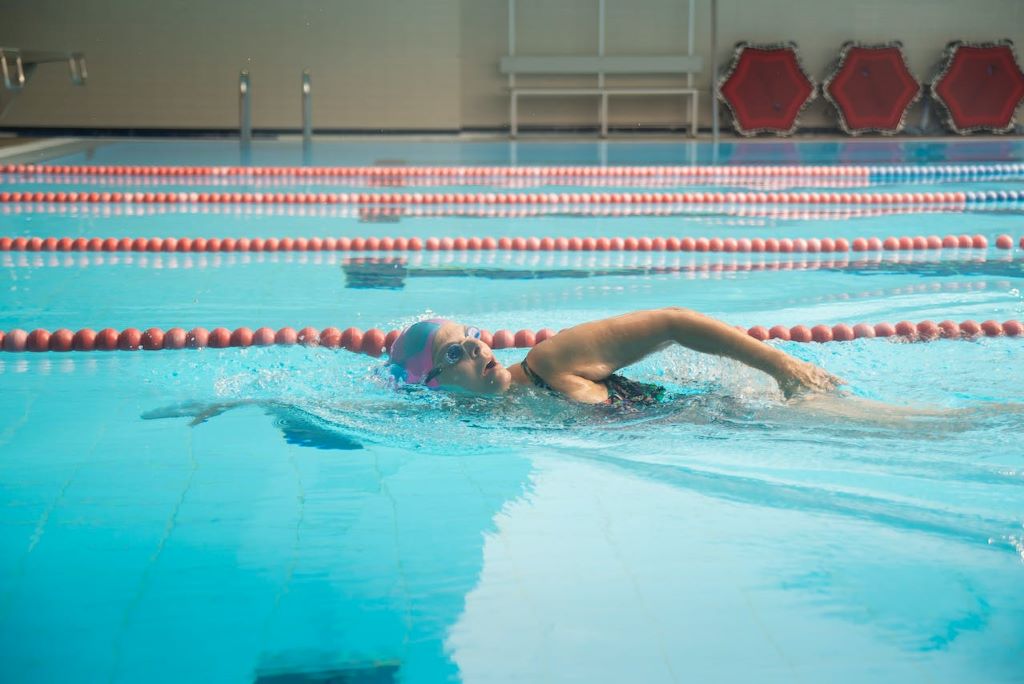
Researchers have found that swimming in cold water results in a significant improvement in menopause symptoms for women. The research, published inPost Reproductive Health, surveyed 1114 women, 785 of which were going through the menopause, to examine the effects of cold water swimming on their health and wellbeing.
The findings showed that menopausal women experienced a significant improvement in anxiety (as reported by 46.9% of the women), mood swings (34.5%), low mood (31.1%) and hot flushes (30.3%) as a result of cold water swimming.
In addition, a majority of women (63.3%) swam specifically to relieve their symptoms.
Some of the women quoted in the study said that they found the cold water to be “an immediate stress/ anxiety reliever” and described the activity as “healing.”
One 57-year-old woman stated: “Cold water is phenomenal. It has saved my life. In the water, I can do anything. All symptoms (physical and mental) disappear and I feel like me at my best.”
Senior author, Professor Joyce Harper (UCL EGA Institute for Women’s Health), said: “Cold water has previously been found to improve mood and reduce stress in outdoor swimmers, and ice baths have long been used to aid athletes’ muscle repair and recovery.
“Our study supports these claims, meanwhile the anecdotal evidence also highlights how the activity can be used by women to alleviate physical symptoms, such as hot flushes, aches and pains.
“More research still needs to be done into the frequency, duration, temperature and exposure needed to elicit a reduction in symptoms. However, we hope our findings may provide an alternative solution for women struggling with the menopause and encourage more women to take part in sports.”
Most of the women involved in the study were likely to swim in both summer and winter and wear swimming costumes, rather than wet suits.
Alongside aiding menopausal symptoms, the women said their main motivations for cold water swimming were being outside, improving mental health and exercising.
Professor Harper said: “The majority of women swim to relieve symptoms such as anxiety, mood swings and hot flushes. They felt that their symptoms were helped by the physical and mental effects of the cold water, which was more pronounced when it was colder.
“How often they swam, how long for and what they wore were also important. Those that swam for longer had more pronounced effects. The great thing about cold water swimming is it gets people exercising in nature, and often with friends, which can build a great community.”
The researchers also wanted to investigate whether cold water swimming improved women’s menstrual symptoms.
Of the 711 women who experienced menstrual symptoms, nearly half said that cold water swimming improved their anxiety (46.7%), and over a third said that it helped their mood swings (37.7%) and irritability (37.6%).
Yet despite the benefits of cold water swimming, the researchers were also keen to highlight that the sport comes with certain risks.
Professor Harper explained: “Caution must be taken when cold water swimming, as participants could put themselves at risk of hypothermia, cold water shock, cardiac rhythm disturbances or even drowning.
“Depending on where they are swimming, water quality standards may also vary. Raw sewage pollution is an increasingly common concern in UK rivers and seas. And, sadly, this can increase the likelihood of gastroenteritis and other infections.”
Study limitations
The study may contain some bias due to the survey only being taken by women who already cold water swim. And, as the survey was conducted online, it is likely that women were more likely to complete the survey if they noticed an association between menopause symptoms and cold water swimming.
There is a well-known relationship between good physical fitness at a young age and a lower risk of cardiovascular disease later in life. But when researchers adjusted for familial factors by means of sibling analysis, they found a weaker association, although the link between high body mass index (BMI) and cardiovascular disease remained strong. The study, which was conducted by researchers from Karolinska Institutet and other universities, is published in JAMA Network Open.
“This does not mean that fitness is irrelevant,” cautions the study’s last author Viktor Ahlqvist, doctoral student at the Department of Global Public Health, Karolinska Institutet. “We could still see an association, although it was weaker after taking into account factors shared by full siblings. We also think that adolescence is an important time in life for establishing good habits such as exercising and having a healthy diet.”
Many observational studies have previously demonstrated links between various risk factors at a young age and cardiovascular disease in adulthood. However, whether the associations are causal is challenging to prove because of the potential influence of unaccounted genetic and environmental factors. A collaborative team including researchers from Karolinska Institutet in Sweden has therefore tried to examine if a large proportion of cardiovascular diseases in adulthood could indeed be prevented with a lower BMI, lower blood pressure, improved physical fitness or improved muscle strength in adolescence.
Data from the Military Conscription Register
Sourcing data from the Swedish Military Conscription Register and other Swedish registries, the researchers identified over a million 18-year-old males and followed them for 60 years. Almost half of them were full brothers.
“The strength of our study, which makes it more reliable than many other conventional observational studies, is that we have used sibling analyses,” says the study’s first author Marcel Ballin, researcher at Uppsala University and analyst at Region Stockholm’s Centre for Epidemiology and Community Medicine. “By doing so we could examine how the relationship changes when controlling for all shared sibling factors. This includes environmental factors such as childhood environment and half of the genetics.”
The results show that a high BMI in late adolescence was strongly associated with future cardiovascular disease, even after the researchers had controlled for shared familial factors. However, the association between physical fitness and cardiovascular disease was considerably weaker in the sibling analysis, suggesting that many previous observational studies might have overestimated the relevance of adolescent fitness to cardiovascular health later in life.
High BMI the strongest risk factor
“Our conclusion is that of the risk factors studied, high BMI is the strongest individual risk factor for cardiovascular disease, and that efforts to tackle the obesity epidemic should continue to be given high priority,” says co-author Daniel Berglind, docent at the Department of Global Public Health, Karolinska Institutet. “A good level of fitness and muscle strength in adolescence doesn’t seem as crucial, but physical activity still remains important for public health, as it can bring other health benefits.”
The study examined the association between risk factors at a young age and future cardiovascular disease; other disease outcomes were not investigated. The researchers had no data on whether the participants’ risk factors varied later in life, and they only studied men, which makes it difficult to extend their findings to women. The Military Conscription Register also lacks details on certain risk factors for future cardiovascular disease, such as diet, alcohol consumption, smoking, blood lipids and blood glucose.
The researchers received no specific grant for this study. Co-author Martin Neovius is on the advisory panels for Ethicon, Johnson & Johnson and Itrim and has been a consultant for the Swedish armed forces outside the scope of this study. No other conflicts of interest have been reported.
Increased sedentary time in childhood can raise cholesterol levels by two thirds as an adult, but a new study has found light physical activity may completely reverse the risks and is far more effective than moderate-to-vigorous physical activity.
The study was published in The Journal of Clinical Endocrinology & Metabolism. Researchers used data from the University of Bristol study Children of the 90s (also known as the Avon Longitudinal Study of Parents and Children), which included 792 children aged 11 years who were followed up until the age of 24.
Results from this study found that accumulated sedentary time from childhood can increase cholesterol levels by two thirds (67%) by the time someone reaches their mid-twenties. Elevated cholesterol and dyslipidaemia from childhood and adolescence have been associated with premature death in the mid-forties and heart problems such as subclinical atherosclerosis and cardiac damage in the mid-twenties.
Healthy lifestyles are considered important in the prevention of dyslipidaemia and one of the primary ways of lowering cholesterol, apart from diet, is movement behaviour. For the first time, this study objectively examined the long-term effects of sedentary time, light physical activity, and moderate-to-vigorous physical activity on childhood cholesterol levels.
The World Health Organization currently recommends children and adolescents should accumulate on average 60 minutes of moderate-to-vigorous physical activity a day and reduce sedentary time but have limited guidelines for light physical activity. Yet this new study and other recent studies has found light physical activity – which includes exercises such as long walks, house chores, or slow dancing, swimming, or cycling – is up to five times more effective than moderate-to-vigorous physical activity at promoting healthy hearts and lowering inflammation in the young population.
Dr Andrew Agbaje from the University of Exeter led the study and said: “These findings emphasise the incredible health importance of light physical activity and shows it could be the key to preventing elevated cholesterol and dyslipidaemia from early life. We have evidence that light physical activity is considerably more effective than moderate-to-vigorous physical activity in this regard, and therefore it’s perhaps time the World Health Organization updated their guidelines on childhood exercise — and public health experts, paediatricians, and health policymakers encouraged more participation in light physical activity from childhood.”
During the research, accelerometer measures of sedentary time, light physical activity, and moderate-to-vigorous physical activity were collected at ages 11, 15, and 24 years. High-density lipoprotein cholesterol, low-density lipoprotein cholesterol, triglyceride, and total cholesterol were repeatedly measured at ages 15, 17, and 24 years. These children also had repeated measurement of dual-energy X-ray absorptiometry assessment of total body fat mass and muscle mass, as well as fasting blood glucose, insulin, and high sensitivity C-reactive protein, with smoking status, socio-economic status, and family history of cardiovascular disease.
During the 13-year follow-up, sedentary time increased from approximately six hours a day to nine hours a day. Light physical activity decreased from six hours a day to three hours a day while moderate-to-vigorous physical activity was relatively stable at around 50 minutes a day from childhood until young adulthood. The average increase in total cholesterol was 0.69 mmol/L. It was observed without any influence from body fat.
An average of four-and-a-half hours a day of light physical activity from childhood through young adulthood causally decreased total cholesterol by (-0.53 mmol/L), however, body fat mass could reduce the effect of light physical activity on total cholesterol by up to 6%. Approximately 50 minutes a day of moderate-to-vigorous physical activity from childhood was also associated with slightly reduced total cholesterol (-0.05 mmol/L), but total body fat mass decreased the effect of moderate-to-vigorous physical activity on total cholesterol by up to 48%. Importantly, the increase in fat mass neutralised the small effect of moderate-to-vigorous physical activity on total cholesterol.
A study of firefighters on a punishing training course has revealed clues as to why extreme exercise temporarily weakens the immune system – a phenomenon seen in elite athletes. The findings, published in Military Medical Research, may lead to better ways to support the health of people who undergo extreme exertion, such as firefighters tackling wildfires.
Thirteen firefighters volunteered for the study, average age 25 and male. They went through a rigorous training exercise, carrying 9 to 20kg of gear over hilly terrain during a 45-minute training exercise in the California sun. Gloves, helmets, flashlights, goggles, and more weighted them down as they sprinted through the countryside wearing fire-resistant clothing to show they were ready to serve as wildland firefighters.
After the training, they immediately gave samples of their blood, saliva, and urine for analysis. Two were excluded, one being unable to finish the course and the other arriving to late to provide a sample. The 11 participants who completed the course lost an average of 2.2% of their initial weight.
Then, the scientists from the Department of Energy’s Pacific Northwest National Laboratory (PNNL) analysed more than 4700 molecules, consisting of proteins, lipids, and metabolites, from each of the firefighters, looking to understand what happens when the body undergoes intense physical exercise. Measuring and interpreting the data from thousands of such measurements is a specialty of PNNL scientists who explore issues related to climate science and human health by analysing millions of sensitive measurements using mass spectrometry each year.
The researchers’ aim was to increase safety for first responders and others.
“Heat stress can be life threatening,” said Kristin Burnum-Johnson, a corresponding author of the study. “We wanted to take an in-depth look at what’s happening in the body and see if we’re able to detect danger from exhaustion in its earliest stages. Perhaps we can reduce the risk of strenuous exercise for first responders, athletes, and members of the military.”
As expected, the team detected hundreds of molecular changes in the firefighters. The differences before and after exercise underscored the body’s efforts at tissue damage and repair, maintenance of fluid balance, efforts to keep up with increased energy and oxygen demand, and the body’s attempts to repair and regenerate its proteins and other important substances.
But in the saliva, the team found some unexpected results. There was a change in the microbial mix of the mouth – the oral microbiome – showing that the body was increasingly on the lookout for bacterial invaders. Scientists also saw a decrease in signaling molecules important for inflammation and for fighting off viral infections.
A decrease in inflammation makes sense for people exercising vigorously; less inflammation allows people to breathe in air more quickly, meeting the body’s eager demand for more oxygen. Having fewer inflammatory signals in the respiratory system helps the body improve respiration and blood flow.
Less inflammation, more inhalation
But less inflammation leaves the body more vulnerable to viral respiratory infection, which other studies observed in elite athletes and others who exercise vigorously. Some studies have shown that a person is up to twice as likely to come down with a viral respiratory infection in the days after an especially energetic workout.
“People who are very fit might be more prone to viral respiratory infection immediately after vigorous exercise. Having less inflammatory activity to fight off an infection could be one cause,” said Ernesto Nakayasu, a corresponding author of the paper. He notes that the work provides a molecular basis for what clinicians have noticed in their patients who do strenuous workouts.
The team hopes that the findings will help explain why come people are more vulnerable to respiratory infection after a workout.
An international study led by the University of Granada (UGR) has identified for the first time the optimal number of steps at which most people obtain the greatest benefits. The findings, published in the Journal of the American College of Cardiology, also show that walking pace provides additional benefits.
The idea that you should take 10 000 steps a day originated in Japan in the 1960s, but with no scientific basis – rather it is a popular number there. Researchers have now shown that, focusing on cardiovascular disease mortality, most of the benefits are seen at around 7000 steps.
The study provided the first scientific proof for how many steps you need to take per day to significantly reduce the risk of premature death: 8000. Given the average length of a human stride (76cm for men and 67cm for women), taking 8000 steps is equivalent to walking approximately 6.4km a day.
Researchers have also shown that the pace at which we walk has additional benefits, and that it is better to walk fast than slow. With regard to the risk of dying from cardiovascular disease, most of the benefits are seen at around 7000 steps.
The study identifies for the first time the optimal number of steps at which most people obtain the greatest benefits, and also shows that the pace at which you walk provides additional benefits.
The research was carried out in collaboration between researchers from the Netherlands (Radboud University Medical Center), Spain (Universities of Granada and Castilla-La Mancha) and the United States (Iowa State University).
“Traditionally, many people thought that you had to reach about 10 000 steps a day to obtain health benefits – an idea that came out of Japan in the 1960s but had no basis in science,” explains the lead author of the study, Francisco B. Ortega, a professor at the UGR’s Department of Physical Education and Sports.
Previously, no scientific basis
In Japan and China, the number 10 000 is a significant number, being the largest order of magnitude for common usage and also expressing the idea of ‘unending’. The Japanese cheer of banzai literally translates as ‘ten thousand years’.
For instance, the first pedometer marketed to the general public was the “10 000 steps meter” (a literal translation), but the figure had no scientific basis. “We’ve shown for the first time that the more steps you take, the better, and that there is no excessive number of steps that has been proven to be harmful to health,” says Ortega, who also points out that reaching 7000–9000 steps a day is a sensible health goal for most people.
The researchers conducted a systematic literature review and meta-analysis of data from twelve international studies involving more than 110 000 participants.
The results of this study are in line with other recent studies, which show that health benefits are obtained at less than 10 000 steps. “What makes our study different is that, for the first time, we set clear step targets,” explains Esmée Bakker, currently a Marie Curie Postdoctoral Research Fellow at the University of Granada and one of the lead authors of the study.
“In this study, we show that measurable benefits can be obtained with small increases in the number of steps per day, and that for people with low levels of physical activity, every additional 500 steps improves their health. This is good news because not everyone can walk almost 9000 steps a day, at least not at first, so you can set small, reachable goals and gradually make progress and increase the number of steps per day,” the researchers note.
The study revealed no difference between men and women. It also found that faster walking is associated with a reduced risk of mortality, regardless of the total number of steps per day. Additionally, according to Bakker, “it doesn’t matter how you count your steps, whether you wear a smartwatch, a wrist-based activity tracker or a smartphone in your pocket: the step targets are the same.”
Physical activity recommendations: steps
So, should we stop walking when we reach around nine thousand steps? “Absolutely not,” insists Francisco B. Ortega. “More steps are never bad. Our study showed that even as many as 16 000 steps a day does not pose a risk; on the contrary, there are additional benefits compared to walking 7000–9000 steps a day, but the differences in risk reduction are small. Furthermore, the step target should be age appropriate, with younger people being able to set a higher target than older people. It is also important to note that our study only looked at the effect on the risk of all-cause mortality and cardiovascular disease. There are other studies and a large body of scientific evidence that show that doing moderate and even vigorous physical activity is associated with many health benefits, including improvements in sleep quality and mental health, among many others.”
“Our study gives people clear and easily measurable goals,” Bakker continues. “The (inter)national physical activity recommendations advise adults to get 150–300 minutes of moderate-intensity exercise per week. But most people don’t know what exercises count as moderate intensity, making it difficult to verify their compliance with this exercise standard. Counting steps is much simpler, especially since most people have a smartphone or smartwatch these days. Herein lies the importance of our study: to provide simple and concrete targets for the number of daily steps that people can easily measure with their phones and smartwatches or wristbands, and thereby contribute to people’s health,” the authors conclude.
While top sports teams like the Springboks all know the importance of warming up their muscles before a game, it has not always been clear as to what is actually going on when muscles are warmed up, and whether all muscles are the same. Now, in a study recently published in the Journal of General Physiology, a Japanese research team has revealed how heating affects the contraction of different muscles, and how this might benefit populations in need of improved exercise performance as well as on the sports field.
Skeletal muscle contracts in response to electrical signals from the nervous system, which activate proteins in muscle cells, resulting in movement. The team previously explored how cardiac muscle contractions are affected by temperature, determining that the heart can contract efficiently within the body temperature range.
Next, using muscle proteins and advanced microscopy, the Osaka University-led team wanted to determine how temperature affects skeletal muscle: do skeletal muscles have similar temperature sensitivity, or are they different from cardiac muscle?
The research team found that some of the proteins in the muscle cells act as a temperature sensor, and that heating affects skeletal and cardiac contractile systems differently. “Our findings point to differences in the temperature sensitivity of proteins responsible for contraction in skeletal vs. cardiac muscles,” says co-lead author Kotaro Oyama. “Basically, the skeletal muscle that moves our body around is more sensitive to heating than the heart.”
The physiological significance of these findings will become clear when the functional difference between skeletal and cardiac muscle is considered. While skeletal muscle only generates a certain amount of force when required, the heart is meant to beat continuously.
“The higher temperature dependence of skeletal muscle may allow it to contract relatively quickly upon warming up, even from slight warming due to light movement or exercise. This means that the muscle can save energy and rest when not needed. In contrast, the lower temperature sensitivity of the heart may be beneficial for maintaining a continuous beat, regardless of temperature,” explains co-lead author Shuya Ishii.
This study provides new insights into how, at the protein level, warm-up before exercise enhances muscle performance. The discovery that some muscle proteins act as a temperature sensor may lead to a new hyperthermia strategy, in which skeletal muscle performance is improved by warming up the muscle. Incorporating appropriate warm-up routines into the daily lives of individuals, particularly the elderly population, could improve their muscle and exercise performance, thereby reducing the risk of injury and helping to maintain their independence.