Category: Exercise

Any Form of Exercise can Significantly Boost Brain Function

Research findings are good news for couch potatoes

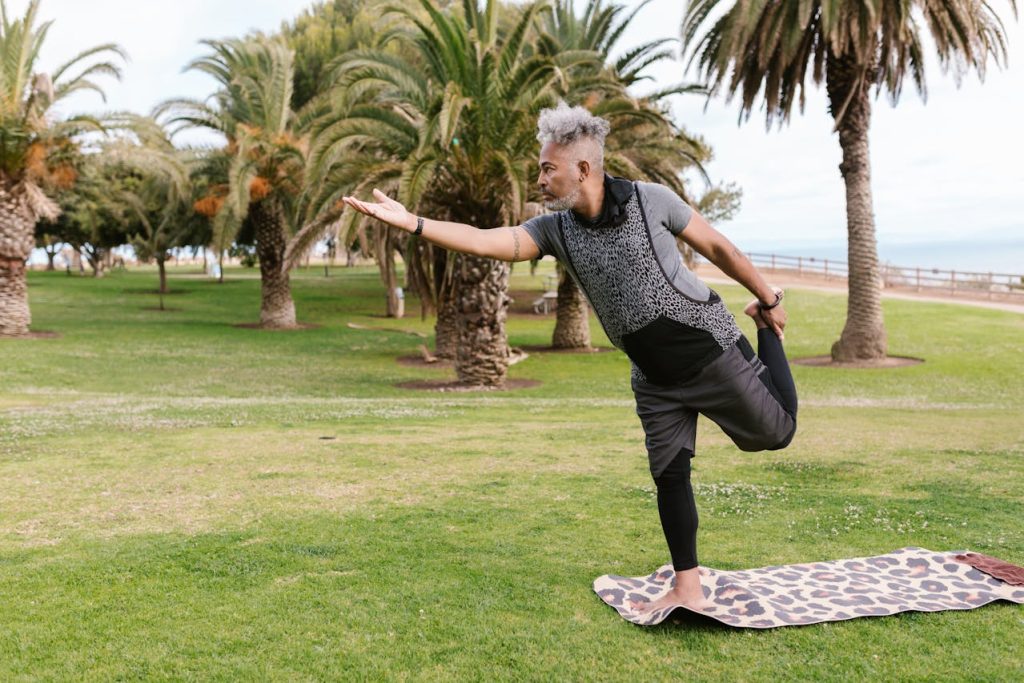
Photo by RDNE Stock project

Whether it’s an early morning jog, or a touch of Tai Chi, groundbreaking research from the University of South Australia shows that any form of exercise can significantly boost brain function and memory across children, adults, and older adults.

In the largest, most comprehensive umbrella review to date, researchers found that regular exercise improves general cognition, memory, and executive function in both healthy individuals and those with clinical conditions, reinforcing exercise as an essential, inclusive activity for optimising cognitive health. The review appears in the British Journal of Sports Medicine.

Synthesising findings from 133 systematic reviews, covering 2724 randomised controlled trials and 258 279 participants, the systematic umbrella and meta-meta-analysis found that:

  • low- to moderate-intensity exercise had the greatest benefits for brain function and memory
  • children and adolescents showed the greatest improvements in memory, while people with ADHD saw the biggest gains in executive function
  • yoga, Tai Chi, and exergames (active video games) delivered the most significant cognitive benefits.

Lead researcher, UniSA’s Dr Ben Singh, says the findings provide a comprehensive understanding of how different types, intensities, and durations of exercise influence cognitive function.

“Exercise has a profound effect on physical health, but we also know it benefits brain function. What this study confirms is that even low-intensity exercise – like yoga or walking – can improve cognition, making it accessible to people of all ages and abilities,” Dr Singh says.

“In particular, we found that benefits were delivered quickly – with clear gains within 1-3 months, highlighting that even small bursts of activity can make a big difference. It also signals that trying out new activities could play a key role in keeping the brain engaged and active.

“For children and teens, exercise was especially beneficial for developing memory, while for people with ADHD, it helped improve focus, reduce impulsivity, and enhance executive function.

“We also found that mind-body exercises, like Tai Chi and yoga, had the most significant impact on memory, while exergames – such as Pokémon Go – were highly effective for general cognition. This is an encouraging finding, as it suggests that engaging, low-impact activities can offer real cognitive benefits.”

Senior researcher, Professor Carol Maher says exercise should be encouraged as a cognitive health strategy across all ages and fitness levels.

Cognitive decline and neurodegenerative diseases are growing global health concerns, underscoring the urgent need to identify effective strategies to preserve and enhance cognitive function across the lifespan,” Prof Maher says.

“This study presents compelling evidence that exercise should be integrated into healthcare and education settings to promote cognitive well-being.

“Knowing that even small amounts of exercise can improve memory and brain function – especially for those at higher risk – presents a clear opportunity for exercise to be included in clinical and public health guidelines.”

Source: University of South Australia

Preventable Cardiac Deaths during Marathons are Down

Photo by Barbara Olsen on Pexels

While more people than ever are running marathons in the U.S., the risk of dying from a heart attack during a run has fallen dramatically in recent years. That’s a key conclusion from a new study by Jonathan Kim, associate professor in the Emory School of Medicine. Kim’s research is a follow-up to a study he published in 2012 — the first investigation into unexpected cardiac arrests during long distance running events.

The new findings, published in JAMA, indicate that, while the rate of marathon runners who suffer cardiac arrests remained unchanged, their chance for survival is twice what it was in the past. Far fewer marathon runners who suffer cardiac arrest are now dying of it.

“We continue to see media reports about unfortunate cases of cardiac arrest during long distance running events,” Kim says. “But, has the incidence of these events changed? Have there been changes in the most common causes of cardiac arrest? What are the factors associated with death and survival? It was a novel question to ask 13 years after our first analysis, and an important one because recreational running continues to increase in popularity.”

The challenge of finding data

More than 29 million people completed marathons in the U.S. between 2010 and 2023, triple the number of the previous decade, which Kim examined in his first study. There’s no central registry of race-related cardiac events, so for both studies, his team had to find their data through a range of sources, starting by contacting individual race directors.

“We leveraged a few sources including a comprehensive review of media reports,” Kim says. “We also had contact information for all race directors and were able to reach approximately 70% of them who helped and told us the number of events during this specific timeline, including if the individual died and the sex of the participant.”

The researchers used extensive public internet searches to identify and reach out to runners who survived cardiac arrests or next-of-kin to construct detailed profiles of as many cases as possible. “The vast majority of cases were identifiable by public search engines. And all of the deaths were as well,” he says.

Analyzing this extensive database, Kim found that while the rate of cardiac arrests was about the same during the two periods — .60 per 100 000 participants now versus .54 per 100 000 participants in the earlier period — the rate of deaths from these cases, however, fell by half: from .39 per 100 000 to .19 per 100 000. That’s about a 50% decline in the death rate since 2000–2009. As before, cardiac arrests remained far more common among men than among women and more common in marathons than half marathons.

The sport’s growing awareness of cardiac death risk

What led to the dramatic change in death rates? Kim thinks the whole sport has become more aware of the risks and of the need to have emergency services available to runners, a conclusion he reached after interviewing as many survivors as he could find. “What we found was that every one of those people got hands-on cardiopulmonary resuscitation, but the vast majority also had immediate access to an automated external defibrillator. That’s the difference,” he says.

That survival rate is comparable to the cardiac arrest survival rate in other public places that now make defibrillators routinely available such as airport and casinos, which have seen similar declines in deaths.

Kim says his findings offer additional evidence of how important it is to make CPR training available to race participants and to strategically place defibrillators along the racecourse. It’s also important, he says, to better identify the most vulnerable in a population before they run a race.

“These are more often potentially preventable events,” he says. “Being able to identify people, more commonly older individuals with unrecognized cardiovascular risk factors, doesn’t mean they can’t run a race. Rather, it affords the opportunity to improve primary preventive cardiovascular care and potentially further reduce the risk of cardiac arrest during these events. The incidence of sudden cardiac arrest during long-distance races hasn’t changed in over twenty years. I think this is an important arena of future research.”

Source: Emory Health Sciences

Can Exercise Help Reduce Survival Disparities in Colon Cancer Survivors?

Study indicates that higher levels of physical activity may lessen and even eliminate survival disparities.

Photo by Barbara Olsen on Pexels

Physical activity may help colon cancer survivors achieve long-term survival rates similar to those of people in the general population, according to a recent study published by Wiley online in CANCER, a peer-reviewed journal of the American Cancer Society.

Individuals with colon cancer face higher rates of premature mortality than people in the general population with matched characteristics such as age and sex. To assess whether exercise might reduce this disparity, investigators analysed data from two posttreatment trials in patients with stage 3 colon cancer, with a total of 2875 patients who self-reported physical activity after cancer surgery and chemotherapy. The researchers also examined data on a matched general population from the National Center for Health Statistics. For all participants, physical activity was based on metabolic equivalent (MET) hours per week. (Health guidelines recommend 150 minutes of moderate-intensity exercise per week, translating to approximately 8 MET-hours/week.)

In the analysis of data from the first trial (called CALGB 89803), for patients who were alive at three years after cancer treatment, those with <3.0 MET-hours/week had subsequent 3-year overall survival rates that were 17.1% lower than the matched general population, but those with ≥18.0 MET-hours/week had only 3.5% lower subsequent 3-year overall survival rates than the matched general population. In the second trial (CALGB 80702), among patients who were alive at three years, those with <3.0 and ≥18.0 MET-hours/week had subsequent 3-year overall survival rates that were 10.8% and 4.4% lower than the matched general population, respectively.

In pooled analyses of the two trials, among the 1908 patients who were alive and did not have cancer recurrence by year three, those with <3.0 and ≥18.0 MET-hours/week had subsequent 3-year overall survival rates that were 3.1% lower and 2.9% higher than the matched general population, respectively. Therefore, cancer survivors who were tumour-free by year three and regularly exercised achieved even better subsequent survival rates than those seen in the matched general population.

“This new information can help patients with colon cancer understand how factors that they can control—their physical activity levels—can have a meaningful impact on their long-term prognosis,” said lead author Justin C. Brown, PhD, of the Pennington Biomedical Research Center and the Louisiana State University Health Sciences Center. “Also, medical and public health personnel and policymakers are always seeking new ways to communicate the benefits of a healthy lifestyle. Quantifying how physical activity may enable a patient with colon cancer to have a survival experience that approximates their friends and family without cancer could be a simple but powerful piece of information that can be leveraged to help everyone understand the health benefits of physical activity.”

Source: Wiley

Twin Study Offers New Insights into Whether Exercise Extends life

Photo by Robert Ruggiero on Unsplash

In a decades-long study following twins, researchers from the University of Jyväskylä, Finland, investigated the links between long-term leisure-time physical activity and mortality. They also sought to determine whether physical activity can mitigate the increased risk of mortality due to genetic predisposition to diseases. Moreover, they examined the relationship between physical activity and later biological aging. 

The study included 22 750 Finnish twins born before 1958 whose leisure-time physical activity was assessed in 1975, 1981 and 1990. Mortality follow-up continued until the end of 2020.

Moderate activity yields maximum longevity benefits

Four distinct sub-groups were identified from the data, which was based on leisure-time physical activity over the 15-year follow-up: sedentary, moderately active, active and highly active groups. When the differences in mortality between the groups were examined at the 30-year follow-up, it was found that the greatest benefit – a 7% lower risk of mortality – was achieved between the sedentary and moderately active groups. A higher level of physical activity brought no additional benefit. 

When mortality was examined separately in the short and long term, a clear association was found in the short-term: the higher the level of physical activity, the lower the mortality risk. In the long term, however, those who were highly active did not differ from those who were sedentary in terms of mortality.

“An underlying pre-disease state can limit physical activity and ultimately lead to death, not the lack of exercise itself.”

“This can bias the association between physical activity and mortality in the short term”,  says Associate Professor Elina Sillanpää from the Faculty of Sports and Health Sciences. 

Meeting physical activity guidelines does not guarantee a lower mortality risk

The researchers also investigated whether following the World Health Organization’s physical activity guidelines affects mortality and genetic disease risk. The guidelines suggest 150 to 300 minutes of moderate or 75 to 150 minutes of vigorous activity weekly. The study found that meeting these guidelines did not lower mortality risk or alter genetic disease risk. Even for twins who met the recommended levels of PA over a 15-year period, no statistically significant difference in mortality rates was found compared to their less active twin pair.

“The widely observed favorable association between physical activity and mortality are based on observational studies that are prone to bias from different sources.” 

“In our studies, we aimed to account for various sources of biases, and combined with the long follow-up period, we could not confirm that adhering to physical activity guidelines mitigates genetic cardiovascular disease risk or causally reduces mortality”, says postdoctoral researcher Laura Joensuu from the Faculty of Sports and Health Sciences.  

Link between physical activity and biological aging is U-shaped

For the subsample of twins, biological aging was determined from blood samples using epigenetic clocks. Epigenetic clocks allow a person’s biological aging rate to be estimated based on methyl groups that regulate gene expression and are linked to aging process. 

“We found that the association between leisure-time physical activity and biological aging was U-shaped: Biological aging was accelerated in those who exercised the least and the most,” says Sillanpää.

Other lifestyles, such as smoking and alcohol consumption, largely explained the favourable associations of physical activity with biological aging. 

Genetic data were available for 4897 twins. The genetic susceptibility of twins to coronary artery disease, as well as systolic and diastolic blood pressure was assessed using new polygenic risk scores, which sum the genome-wide susceptibility to morbidity. In addition, all-cause and cardiovascular mortality was followed in 180 identical twin pairs. The biological aging rate of 1153 twins was assessed from a blood sample.

Source: University of Jyväskylä

Brown Fat Could Help Maintain Exercise Capacity in Aging

Photo by Barbara Olsen on Pexels

Rutgers Health researchers have made discoveries about brown fat that may open a new path to helping people stay physically fit as they age. A team from Rutgers New Jersey Medical School found that mice lacking a specific gene developed an unusually potent form of brown fat tissue that expanded lifespan and increased exercise capacity by roughly 30%. The team is working on a drug that could mimic these effects in humans.

“Exercise capacity diminishes as you get older, and to have a technique that could enhance exercise performance would be very beneficial for healthful aging,” said Stephen Vatner, university professor and director of the Cardiovascular Research Institute in the medical school’s Department of Cell Biology and Molecular Medicine and senior author of the study in Aging Cell. “This mouse model performs exercise better than their normal littermates.”

Unlike white fat, which stores energy, brown fat burns calories and helps regulate body temperature. This study revealed brown fat also plays a crucial role in exercise capacity by improving blood flow to muscles during physical activity.

The genetically modified mice produced unusually high amounts of active brown fat and showed about 30% better exercise performance than normal mice, both in speed and time to exhaustion.

The discovery emerged from broader research into healthy aging. The modified mice, which lack a protein called RGS14, live about 20% longer than normal mice, with females living longer than males – similar to the pattern seen in humans. Even at advanced ages, they maintain a healthier appearance, avoiding the typical signs of aging, such as loss of hair and graying that appear in normal elderly mice. Their brown adipose tissue also protects them from obesity, glucose intolerance, cardiovascular disorders, cancer and Alzheimer’s disease, in addition to reduced exercise tolerance.

To test whether the brown fat – rather than some other result from the missing genes –accounted for the benefits, the researchers transplanted the brown fat to normal mice. They noted that the recipients gained similar benefits within days. Transplants using regular brown fat from normal mice, by contrast, took eight weeks to produce much milder improvements.

The discovery could eventually improve human lifespans – the total time when people enjoy good mental and physical health.

“With all the medical advances, aging and longevity have increased in humans, but unfortunately, healthful aging hasn’t,” Vatner said. “There are a lot of diseases associated with aging – obesity, diabetes, myocardial ischemia, heart failure, cancer – and what we have to do is find new drugs based on models of healthful aging.”

Rather than develop a treatment that addresses aging broadly, which poses regulatory challenges, Vatner said his team plans to test for specific benefits such as improved exercise capacity and metabolism. This approach builds on their previous success in developing a drug based on a different mouse healthful longevity model.

“We’re working with some people to develop this agent, and hopefully, in another year or so, we’ll have a drug that we can test,” Vatner said.

In the meantime, techniques such as deliberate cold exposure can increase brown fat naturally. Studies have found such efforts to produce short-term benefits that range from enhanced immune system function to improved metabolic health, but Vatner said none of the studies have run long enough to find any effect on healthful aging.

He added that most people would prefer to increase brown fat levels by taking pills rather than ice baths and is optimistic about translating the newest finding into an effective medication.

Source: Rutgers University

Researchers Debunk Common Beliefs About ‘Cycle Syncing’ and Muscles

Photo by John Arano on Unsplash

New research from McMaster kinesiologists is challenging the internet belief that timing resistance training to specific phases of the menstrual cycle boosts the body’s ability to build muscle and strength.

The researchers have shown that exercising at various points in the cycle had no impact — positive or negative — on the synthesis of new muscle proteins, a process essential to building and maintaining muscle.

The results, published in the print edition of the Journal of Physiology, debunk the popularly touted practice of cycle syncing, or tailoring workouts to align with the way hormones change throughout a woman’s menstrual cycle.

“Our findings conflict with the popular notion that there is some kind of hormonal advantage to performing different exercises in each phase,” explains Lauren Colenso-Semple, lead author of the study and a former graduate student in the Department of Kinesiology, who conducted the work while at McMaster.

“We saw no differences, regardless of cycle timing.”

For the study, researchers monitored the menstrual cycles of participants — all healthy young women — for three months to confirm their cycles were normal. Contrary to popular belief, only a small percentage of women — about 12 per cent — have a consistent 28-day cycle and ovulate regularly on Day 14 or the “textbook” menstrual cycle.

Participants then ingested a tracer molecule, a benign substance designed to track and monitor muscle protein levels. They performed heavy resistance exercise during two distinct phases of their menstrual cycles: the follicular phase, when estrogen levels are at their peak; and the luteal phase, characterized by peak progesterone levels.

Researchers observed no effect of either menstrual cycle phase on the production of muscle proteins.

Cycle syncing has been made popular by internet influencers to coordinate workouts, certain diets and lifestyle behaviours with the menstrual cycle.

There are fitness apps for tracking cycles, and social media channels are rife with advice and recommendations.

Proponents routinely cite a handful of scientific studies on animals as evidence that fluctuations in ovarian hormones can affect how human muscles respond to exercise, but this study shows that not to be correct.

“Our work shows that women who want to lift weights and recondition their muscles should feel free to do so in any phase of their cycle. There is no physiological difference in response to the exercise,” says Stuart Phillips, the Canada Research Chair in Skeletal Muscle Health at McMaster who supervised the study.

“It is important to tailor your training to how you feel.”

Scientists highlight the need for further research, particularly studies that focus on women’s health. This includes investigating how training, in relation to the menstrual cycle, affects women and how both oral and non-oral contraceptives influence their responses to exercise.

This article was first published on Brighter World. Read the original article.

Myth busted: Healthy Habits Take Longer than 21 Days to Set in

Photo by Ketut Subiyanto on Unsplash

Forming a healthy habit can take longer than you expect. In the first systematic review of its kind, University of South Australia researchers found that new habits can begin forming within about two months (median of 59-66 days) but can take up to 335 days to establish.

It’s an important finding that could inform health interventions to promote healthy behaviours and prevent chronic disease.

Many conditions, including type 2 diabetes, heart disease, lung diseases and stroke, can be prevented by changing unhealthy habits or lifestyle factors. University of South Australia researcher, Dr Ben Singh, says that contrary to popular belief, healthy habits take far longer than three weeks to lock down.

“Adopting healthy habits is essential for long-term well-being but forming these habits – and breaking unhealthy ones – can be challenging,” Dr Singh says.

“At the beginning of the year, many of us are setting goals and making plans for the months ahead –things like being more active, cutting back on sugar, or making healthier food choices – but while common wisdom suggests that it takes just 21 days to form such habits, these claims are not evidence-based.

“In our research, we’ve found that habit formation starts within around two months, but there is significant variability, with formation times ranging from four days to nearly a year.

“So, it’s important for people who are hoping to make healthier habits not to give up at that mythical three-week mark.”

The study of more than 2600 participants also found that certain factors can influence successful habit formation.

“When trying to establish a new healthy habit, success can be influenced by a range of things including how frequently we undertake the new activity, the timing of the practice, and whether we enjoy it or not,” Dr Singh says.

“If you add a new practice to your morning routine, the data shows that you’re more likely to achieve it. You’re also more likely to stick to a new habit if you enjoy it.

“Planning and intending to complete a new behaviour can also help solidify a new habit, so make sure you continue to make time to include your new healthy habits into your everyday activities. This could be as easy as laying out your gym clothes the night before a morning walk or having a healthy lunch ready to go in the fridge.

“Tailoring habit-building strategies into our day and making plans on how we can achieve them, will put you in a position for success.”

While more research is needed, researchers say that these findings can guide public health initiatives and personalised programs that support sustained and healthy behaviour change.

Source: University of South Australia

Moderate Exercise Keeps Appetite at Bay

Photo by Ketut Subiyanto on Unsplash

A recent study involving researchers at Murdoch University’s Health Futures Institute has revealed that moderate-intensity exercise can significantly influence appetite-related hormones and perceptions in males with obesity.

The study, titled “Acute effect of exercise on appetite-related factors in males with obesity,” provides new insights into how exercise can aid appetite control and weight management. 

One of the study authors, Associate Professor Timothy Fairchild from Murdoch’s School of Allied Health, said the study confirms their previous work showing the benefits of incorporating regular exercise into daily routines for individuals looking to manage their weight and improve their overall health. 

“People understand that exercise helps ‘burn energy’. A lot of people assume that exercise also increases hunger and energy intake afterwards,” Associate Professor Timothy Fairchild said.  

“We have previously shown, using high-intensity exercise, that this is not the case. 

“This latest study shows that even moderate-intensity exercise can have immediate and beneficial effects on appetite control in males with obesity.” 

The study not only assessed food intake and appetite, but also measured changes in hormones which help to regulate appetite.  

“Despite a strong focus on weight loss drugs in society at present, this study shows that lifestyle factors still have a strong and relevant role in helping people to live their healthiest life,” Associate Professor Fairchild said. 

“In fact, the hormones which have been shown to increase after exercise, are the same hormones which the most successful weight loss drugs are mimicking.”  

“The added benefit of exercise is that you also receive the additional physical and mental health benefits of exercise”.  

The full study can be found in Physiological Reports journal.  

Source: Murdoch University

Long-term Study Finds Red Meat Raises Dementia Risk

Photo by Jose Ignacio Pompe on Unsplash

People who eat more red meat, especially processed red meat like bacon, sausage and bologna, are more likely to have a higher risk of cognitive decline and dementia when compared to those who eat very little red meat, according to a study published in the January 15, 2025, online issue of Neurology®, the medical journal of the American Academy of Neurology.

“Red meat is high in saturated fat and has been shown in previous studies to increase the risk of type 2 diabetes and heart disease, which are both linked to reduced brain health,” said study author Dong Wang, MD, ScD, of Brigham and Women’s Hospital in Boston. “Our study found processed red meat may increase the risk of cognitive decline and dementia, but the good news is that it also found that replacing it with healthier alternatives, like nuts, fish and poultry, may reduce a person’s risk.”

To examine the risk of dementia, researchers included a group of 133 771 people (65.4% female) with an average age of 49 who did not have dementia at the start of the study. They were followed up to 43 years. Of this group, 11 173 people developed dementia.

Participants completed a food diary every two to four years, listing what they ate and how often.

Researchers defined processed red meat as bacon, hot dogs, sausages, salami, bologna and other processed meat products. They defined unprocessed red meat as beef, pork, lamb and hamburger. A serving of red meat is three ounces (85gm), about the size of a deck of cards.

For processed red meat, they divided participants into three groups. The low group ate an average of fewer than 0.10 servings per day; the medium group ate between 0.10 and 0.24 servings per day; and the high group, 0.25 or more servings per day.

After adjusting for factors such as age, sex and other risk factors for cognitive decline, researchers found that participants in the high group had a 13% higher risk of developing dementia compared to those in the low group.

For unprocessed red meat, researchers compared people who ate an average of less than one half serving per day to people who ate one or more servings per day and did not find a difference in dementia risk.

To measure subjective cognitive decline, researchers looked at a different group of 43,966 participants with an average age of 78. Subjective cognitive decline is when a person reports memory and thinking problems before any decline is large enough to show up on standard tests.

The subjective cognitive decline group took surveys rating their own memory and thinking skills twice during the study.

After adjusting for factors such as age, sex and other risk factors for cognitive decline, researchers found that participants who ate an average of 0.25 servings or more per day of processed red meat had a 14% higher risk of subjective cognitive decline compared to those who ate an average of fewer than 0.10 servings per day.

They also found people who ate one or more servings of unprocessed red meat per day had a 16% higher risk of subjective cognitive decline compared to people who ate less than a half serving per day.

To measure objective cognitive function, researchers looked at a different group of 17 458 female participants with an average age of 74. Objective cognitive function is how well your brain works to remember, think and solve problems.

This group took memory and thinking tests four times during the study.

After adjusting for factors such as age, sex and other risk factors for cognitive decline, researchers found that eating higher processed red meat was associated with faster brain aging in global cognition with 1.61 years with each additional serving per day and in verbal memory with 1.69 years with each additional serving per day.

Finally, researchers found that replacing one serving per day of processed red meat with one serving per day of nuts and legumes was associated with a 19% lower risk of dementia and 1.37 fewer years of cognitive aging. Making the same substitution for fish was associated with a 28% lower risk of dementia and replacing with chicken was associated with a 16% lower risk of dementia.

“Reducing how much red meat a person eats and replacing it with other protein sources and plant-based options could be included in dietary guidelines to promote cognitive health,” said Wang. “More research is needed to assess our findings in more diverse groups.”

A limitation of the study was that it primarily looked at white health care professionals, so the results might not be the same for other race, ethnic and non-binary sex and gender populations.

Source: American Academy of Neurology

Bursts of Activity could Cut Heart Risk in Women

Photo by Teona Swift on Unsplash

An average of four minutes of incidental vigorous physical activity a day could almost halve the risk of major cardiovascular events, such as heart attacks, for middle-aged women who do not engage in structured exercise, according to new research from the University of Sydney, published in the British Journal of Sports Medicine.

“We found that a minimum of 1.5 minutes to an average of 4 minutes of daily vigorous physical activity, completed in short bursts lasting up to 1 minute, were associated with improved cardiovascular health outcomes in middle-aged women who do no structured exercise,” said lead author Professor Emmanuel Stamatakis, Director of the Mackenzie Wearable Hub at the Charles Perkins Centre and the Faculty of Medicine and Health.

High-intensity physical activity that forms part of a daily routine is known as “vigorous intermittent lifestyle physical activity” (VILPA). Physical activity is incidental such as walking to the shops, vs exercise, which is structured, eg going to the gym. Longer sessions of VILPA are linked to significantly lower cardiovascular disease risk.

The researchers say that, given fewer than 20% of middle-aged or older adults engage in regular structured exercise, engaging in VILPA could be a good alternative.

“Making short bursts of vigorous physical activity a lifestyle habit could be a promising option for women who are not keen on structured exercise or are unable to do it for any reason. As a starting point, it could be as simple as incorporating throughout the day a few minutes of activities like stair climbing, carrying shopping, uphill walking, playing tag with a child or pet, or either uphill or power walking,” said Professor Stamatakis.

The study drew on UK Biobank data from 22 368 participants (13 018 women) aged 40–79 who reported they did not engage in regular structured exercise and who wore physical activity trackers for almost 24 hours a day for 7 days.

Cardiovascular health was monitored through hospital and mortality records, tracking major adverse cardiovascular events (MACE), such as heart attack, stroke, and heart failure, until November 2022.

After adjusting for factors such as lifestyle, socioeconomic position, cardiovascular health, co-existing conditions, and ethnicity, the researchers found that the more VILPA women did, the lower their risk of a major cardiovascular event.

Women who averaged 3.4 minutes of VILPA daily were 45 percent less likely to experience a major cardiovascular event. They were also 51% less likely to have a heart attack and 67 percent less likely to develop heart failure than women who did no VILPA.

Even when amounts of daily VILPA were lower than 3.4 minutes they were still linked to lower cardiovascular event risk. A minimum of 1.2 to 1.6 minutes of VILPA per day was associated with a 30 percent lower risk of total major cardiovascular events, a 33 percent lower risk of heart attack, and a 40 percent lower risk of heart failure.

However, men reaped fewer benefits from tiny bursts of VILPA. Those who averaged 5.6 minutes daily were only 16% less likely to experience a major cardiovascular event compared with men who did none. A minimum of 2.3 minutes per day was associated with only an 11% risk reduction.

Professor Stamatakis said more testing was needed to understand how VILPA may improve cardiovascular health.

“To date, it hasn’t been clear whether short bursts of VILPA lower the risk of specific types of cardiovascular events, like heart attack or stroke. We aimed to identify minimum daily thresholds and feasible amounts for testing in community programs and future trials,” he said.

“Importantly, the beneficial associations we observed were in women who committed to short bursts of VILPA almost daily. This highlights the importance of habit formation, which is not always easy. VILPA should not be seen as a quick fix – there are no magic bullets for health. But our results show that even a little bit higher intensity activity can help and might be just the thing to help people develop a regular physical activity – or even exercise – habit,” he said.

For the purposes of this story, physical activity is incidental, eg carrying shopping or briefly power walking, and exercise is structured, eg going to the gym or playing sport.

Source: University of Sydney