Category: Diseases, Syndromes and Conditions

Tamoxifen Found to be Ineffective in Fungal Meningitis Trial

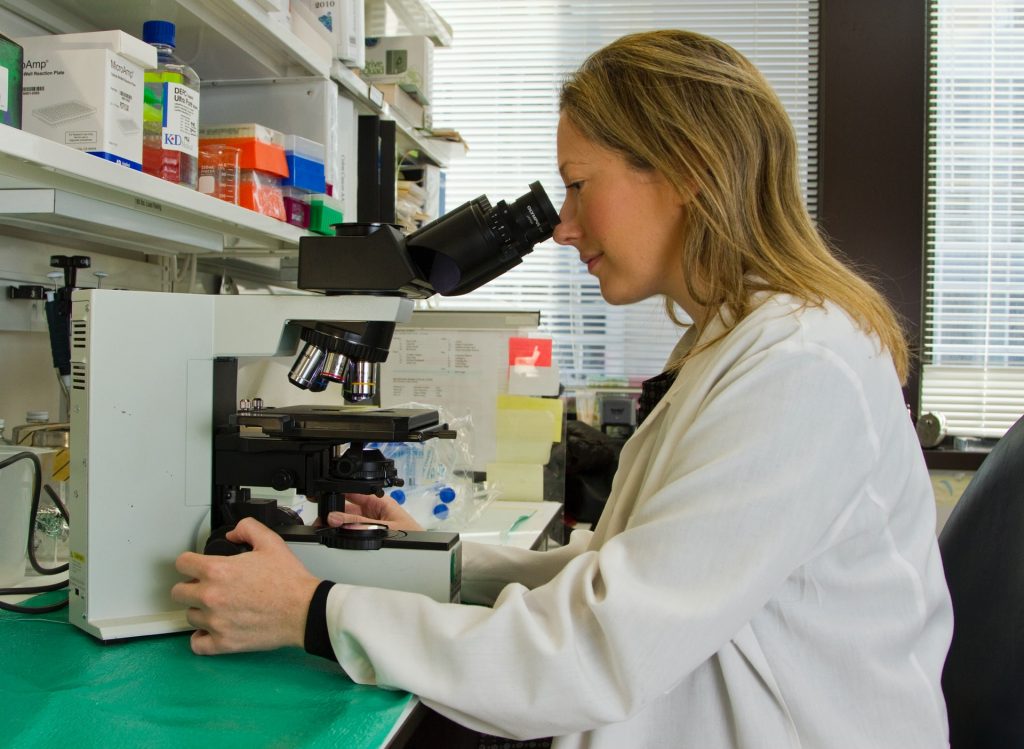
Photomicrograph of a sample extracted from a lesion that revealed the presence of Cryptococcus neoformans. Credit: CDC

In a disappointing outcome, a clinical trial has shown that tamoxifen, a promising candidate to improve survival for a deadly form of fungal meningitis, is ineffective. The trial was conducted by University of Oxford researchers and published in eLife.

The study finds that adding tamoxifen, a breast cancer drug, to standard antifungal treatment was no faster in clearing fungal infection from the spinal fluid of people with meningitis. More patients who received tamoxifen had evidence of heart conduction disturbances, rates of severe side effects were similar.

Cryptococcal meningitis is a leading cause of death in people with HIV, but also affects those without HIV, regardless of whether they are immunocompromised. Most infections are caused by a fungus called Cryptococcus neoformans (C. neoformans) and occur in low-income tropical settings. The gold-standard treatment is a combination of three drugs: flucytosine and amphotericin B initially, followed by fluconazole. Yet, even on this gold-standard therapy, a third of patients die within 10 weeks of being diagnosed. Moreover, the drug flucytosine is severely restricted by availability and cost, meaning it is rarely used where the disease burden is highest.

Co-first author Nguyen Thi Thuy Ngan, Clinician at the Oxford University Clinical Research Unit (OUCRU): ‘Tamoxifen has shown antifungal activity against various yeasts in the lab; we subsequently showed that it acts synergistically with amphotericin against two-thirds of clinical Cryptococcus isolates from our archive. As a well-understood, off-patent, cheap and widely available medicine, it was a promising candidate for treating cryptococcal meningitis.’

Co-first author Nhat Thanh Hoang Le, Biostatistician at OUCRU, added: ‘We designed a randomised trial to determine whether using these drugs in combination could improve the speed of clearance of Cryptococcus from patients with meningitis with and without HIV.’

The trial involved 50 patients, 40 with HIV. Of the patients, 24 were assigned to receive a standard anti-fungal treatment of amphotericin B and fluconazole plus tamoxifen, and 26 received the standard anti-fungal treatment only. Researchers measured the Early Fungicidal Activity (EFA) for both groups – how quickly C. neoformans amounts declined in a patient’s spinal fluid in the two weeks following treatment.

Based on their prior work, the team were hoping for better EFA for patients receiving tamoxifen, but there was no detectable difference in EFA.

The only observed difference was increased heart toxicity in the tamoxifen group. Lab studies had shown that a tamoxifen dose five to 10 times higher than that used routinely in breast cancer would be needed to have an antifungal effect. However, high doses of tamoxifen cause QT prolongation, which can cause cardiac arrest. While there was one sudden death in the tamoxifen group in this study, this occurred after the period of tamoxifen administration and it was not associated with an abnormal heart rhythm.

Senior author Professor Jeremy Day, Professor of Infectious Diseases, Oxford University, said: “Despite its apparent anti-cryptococcal effect and synergy with other drugs, tamoxifen does not increase the rate of clearance of yeast from spinal fluid in people with meningitis and is unlikely to result in clinical benefit.

“Our results show the importance of small-scale trials such as this for rapidly evaluating repurposable drugs and preventing the time and cost of a larger clinical study that is likely to fail. However, sadly this does mean that we urgently still need new, specific anti-cryptococcal drugs to be developed, and we also need to ensure that existing, available treatments are made accessible and affordable.”

Source: Oxford University

A Genetic Risk Score to Identify Alchol-related Cirrhosis

Photo by Pavel Danilyuk on Pexels

In a world first, researchers have developed a genetic risk score (GRS) test able to identify patients at high-risk of developing alcohol-related cirrhosis.

Cirrhosis results in approximately 300 000 deaths each year world-wide. In their study, the researchers found that a high GRS from the test of excessive alcohol consumers resulted in a three-fold increase in cirrhosis risk. Having diabetes together with a high GRS increased the cirrhosis risk among drinkers more than 10-fold.

Joint senior author of the study, Clinical Associate Professor Devanshi Seth, said that only a minority of high-risk drinkers – approximately 10 to 15%– actually end up developing alcohol-induced cirrhosis. To date, however, there had been no way to identify those at-risk individuals.

“Our GRS test lets us identify at-risk individuals at an early stage enabling the application of focused interventions. Evidence suggests that even just informing excessive drinkers that they have an increased cirrhosis risk may motivate them to reduce their alcohol intake, helping prevent serious disease,” said Clinical Associate Professor Seth.

The lead author of the study, Dr John Whitfield from QIMR Berghofer Medical Research Institute, said that the test had been developed by examining samples from patients with and without alcohol-related cirrhosis, but who all had a history of heavy alcohol consumption.

“This was classified as men consuming more than 80 grams (8 standard drinks) of alcohol daily and women more than 50 grams daily, both for a time period of ten or more years.”

“Risk scores were computed by the analysis of up to eight gene variations and three clinical risk factors (including type 2 diabetes) associated with alcohol-related cirrhosis,” Dr Whitfield said.

“We’ve shown that a GRS based on only three genetic risk variants plus diabetes status can be extremely meaningful in determining overall cirrhosis risk. Our test will allow for early and personalised management of high-risk patients,” said Clinical Associate Professor Seth.

Source: Centenary Institute

Interleukin-12 no Longer the Villain in Psoriasis

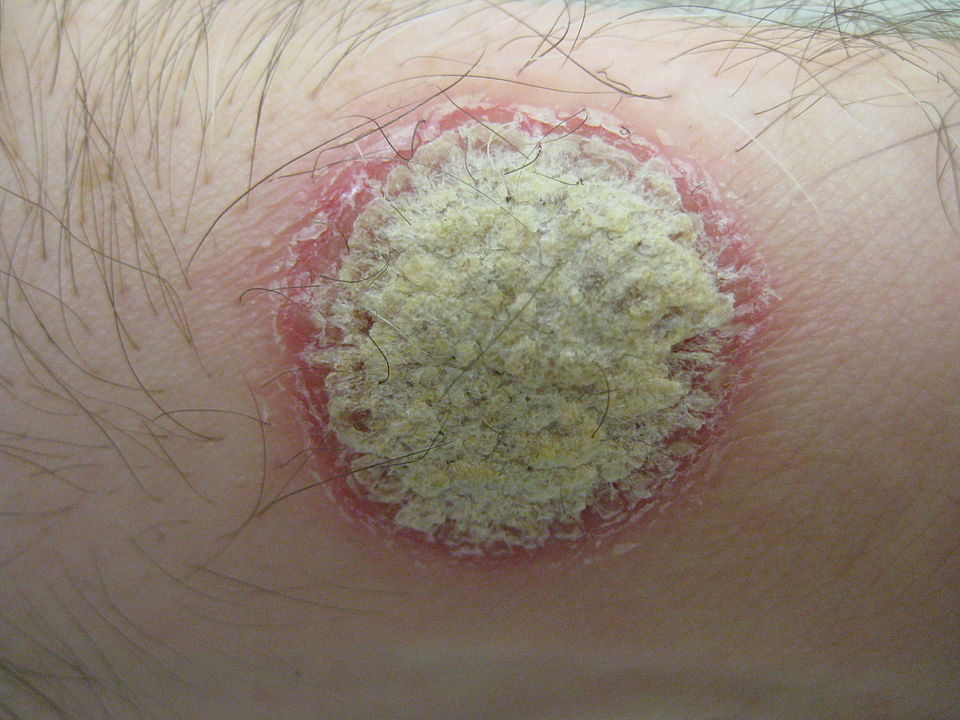
Psoriatic plaque, showing a silvery center surrounded by a reddened border. Source: Wikimedia. By James Heilman, MD – Own work, CC BY-SA 3.0

Considered to be the trigger for psoriais, the immune messenger molecule Interleukin-12 (IL-12) has now been shown to actually cause the skin disease but in fact protects against it. This finding also explains why common psoriasis drugs that block the messenger show insufficient treatment efficacy.

Psoriasis is a chronic inflammatory autoimmune disease that manifests as red, scaly skin patches. No causal treatment for the disease exists, but the symptoms can be significantly alleviated with modern therapies. The development of the skin disease arises from complex changes immune cell networks and the messengers they use for communication. Clinical trials showed that newly developed drugs that blocked only IL-23 are more effective than previous treatments targeting both IL-23 and IL-12 in psoriasis patients, but why this was so was not known. Now, researchers at the University of Zurich (UZH) have uncovered the underlying molecular mechanisms.

From human and mouse studies, they found that various cell types in the skin are also equipped with receptors for IL-12. Not only the T cells of the immune system, but also keratinocytes, horn-forming skin cells that build up the epidermis, can thus recognise the messenger. In fact, the recognition of interleukin-12 by these skin cells was responsible for the protective effect of the messenger, as the researchers found out. “Interleukin-12 is essential for the normal, physiological function of keratinocytes. For example, it prevents the increased cell division observed in psoriasis,” explained group leader Sarah Mundt from the Institute of Experimental Immunology at UZH.

“These results surprised us, because so far drugs for the treatment of psoriasis also aim at blocking interleukin-12,” said immunology professor Burkhard Becher.

“Our findings indicate that blocking IL-12 is not advisable, and such drugs should therefore no longer be used to treat psoriasis patients,” advised first author  Pascale Zwicky, PhD student. Accordingly, psoriasis drugs should only block the messenger substance IL-23, but no longer IL-23 and -12 together.

The UZH researchers’ findings could be important for the treatment of other diseases. “The combined blocking of IL-23 and -12 is also used in the treatment of chronic inflammatory bowel diseases and psoriatic arthritis,” said Prof Becher. “In these diseases, the role of IL-12 has not yet been sufficiently studied. But here, too, a protective role of the messenger substance is possible.”

Source: University of Zurich

Up to Five Times Higher Costs for Those with Rare Diseases

Credit: Thirdman on Pexels

By studying medical and insurance records indicates health care costs for people with a rare disease, researchers have found that these have been underestimated and are three to five times greater than the costs for people without a rare disease.

The findings, appearing in the Orphanet Journal of Rare Diseases, provides new evidence of the impact rare diseases could have on public health, suggesting that medical costs for individuals with rare diseases are on par with those for cancer and heart failure.  

“There needs to be greater public awareness of the large and growing medical footprint of rare diseases in society,” said senior author Anne Pariser, MD, director of the NCATS Office of Rare Diseases Research. “Only about 10% of rare diseases have an FDA-approved therapy for their treatment. The findings underscore an urgent need for more research, and earlier and more accurate diagnoses of and interventions for these disorders.”

Most of the 7000 to 10 000 known rare diseases disproportionately affect children, adolescents and young adults. Individually, most rare diseases might affect only a few hundred to a few thousand people around the world. Rare diseases however are collectively common, affecting an estimated 4% of the world’s population. Many of these diseases have a genetic cause, are serious or life-threatening and are hard to diagnose and treat.

The pilot study used International Classification of Diseases (ICD) codes, which designate a disease diagnosis and other methods, to determine those individuals with rare diseases and their direct medical costs for 14 rare diseases in four health care systems compared to non-rare disease patients of a similar age.

The 14 rare diseases represented a diverse set of disorders differing in prevalence, organ systems affected, age of onset, clinical course, and availability of an approved treatment or specific ICD code. These rare diseases include sickle cell disease, muscular dystrophy and eosinophilic esophagitis.

The analysis showed wide variations of rare diseases prevalence in the different health care systems, possibly due in part to geographic differences, as well as the use of public versus private insurance, which may include different patient group representation. Some genetic diseases can also have a higher prevalence in certain regions, due to demographic make-up.

With the Eversana health care system database, the cost per patient per year (PPPY) for those with a rare disease, ranged from $8 812 to $140 044 for rare diseases patients compared to $5862 for those without a rare disease. The NCATS data indicated PPPY costs ranging from $4859 to $18 994 for rare diseases patients versus $2211 for those without a rare disease.

Using patient medical records, the researchers also traced the diagnostic journeys of four people with a rare disease, including two individuals who had a form of Batten disease, an inherited neurological disorder, and two others with cystic fibrosis. These journeys provided detailed descriptions of direct medical costs, such as for hospitalisations and procedures for these diseases, and provided insights into patient clinical management before and after disease diagnosis.

Analysis of medical records also revealed that rare diseases patients often shared commanilities in symptoms (eg, seizures, infections, and developmental delay) and characteristics, which could aid in earlier diagnosis and treatmen. As many receive a rare disease diagnosis at a young age and because most rare diseases are serious conditions, rare disease patients are likely to require hospital time and incur greater medical expenses over a lifetime.

Such commonalities among rare disease patients could point to the potential use of machine learning techniques on health care system databases to improve diagnoses, said study co-author Joni L. Rutter, PhD, NCATS Acting Director.

The researchers would also like to determine whether these methodologies could be scaled to thousands of other known rare diseases.

“Ultimately, to improve the lives of people with rare diseases,” said Dr Rutter, “we need to find innovative ways, including new technologies, to help shorten the lengthy diagnostic odysseys so many patients and families experience and make more treatments available faster.”

Source: National Center for Advancing Translational Sciences

A New Clue to Disarming C. Difficile’s Toxic Weaponry

C difficile. Source: CDC

Therapeutic interventions for Clostridioides difficile infection (CDI) could make use of a glucosyltransferase domain (GTD) as an ideal molecular target, potentially yielding new, effective treatments for this deadly disease.

The study, published in Science Advancesprovided new insights into TcdB, the toxic molecular weaponry of C. difficile and its hypervirulent strains, creating an opportunity to disarm it.

CDI is the leading cause of antibiotic-associated diarrhoea and gastroenteritis-associated deaths worldwide, accounting for 500 000 cases and 29 000 deaths in the US every year and is classified by the Centers for Disease Control and Prevention as one of the top health threats. The emergence and spread of hypervirulent C. difficile strains is of global concern, resembling as it does the occurrence of new virus variants in current COVID pandemic. TcdB is one of two homologous C. difficile exotoxins, and TcdB alone is capable of causing the full spectrum of CDI diseases.

“We focused on the structure and function of TcdB’s crucial GTD, which is the toxin’s ‘warhead.’ The GTD is delivered by the toxin inside the host cells and causes most of the cytosolic damage to patients,” said corresponding author Rongsheng Jin, PhD, professor in the Department of Physiology & Biophysics at the UCI School of Medicine. “We discovered molecular mechanisms by which the GTD specifically recognises and blocks the physiological functions of the human GTPases Rho and R-Ras enzyme families that are crucial signaling molecules.”

The team also showed that the classic form of TcdB and the hypervirulent TcdB recognise their human targets in different ways, leading to distinct structural changes to the host cells caused by bacterial invasion.

“Once the GTD of TcdB is inside the cells, it is shielded by our cells and becomes inaccessible to passive immunotherapy. But our studies suggest that small molecule inhibitors could be developed to disarm the GTD, which will directly eliminate the root cause of disease symptoms and cellular damage,” Prof Jin explained. “This new strategy can potentially be integrated with and complement other CDI treatment regiments.”

Source: UCI School of Medicine

How Antibody Treatment for MIS-C Works

Source: NCI on Unsplash

The depletion of neutrophils could be how intravenous immune globulin (IVIG) is able to treat multisystem inflammatory syndrome in children (MIS-C).

MIS-C is a rare condition that usually affects school-age children who initially had only mild COVID symptoms or no symptoms at all. The researchers also found that IVIG works in a similar manner for treating Kawasaki disease, another rare inflammatory condition that affects children and shares symptoms with MIS-C. 

MIS-C is marked by severe inflammation of two or more parts of the body, including the heart, lungs, kidneys, brain, skin, eyes and gastrointestinal organs. Its symptoms overlap with Kawasaki disease, and treatments for MIS-C are partly guided by what is known about the treatment of Kawasaki disease. IVIG, which is made up of antibodies purified from blood products, is a common and effective treatment for heart complications caused by Kawasaki disease. For MIS-C patients, however, IVIG alone does not always resolve symptoms, and healthcare providers may need to prescribe additional anti-inflammatory drugs.

In order to better understand how IVIG works and to improve treatments for children with MIS-C, researchers profiled immune cells from patients with MIS-C or Kawasaki disease. The team sampled cells before treatment began as well as 2 to 6 weeks after patients received IVIG, and found that neutrophils from these patients were highly activated and a major source of interleukin 1 beta (IL-1β), a driver of inflammation. After IVIG treatment, these activated neutrophils were significantly depleted in patients with MIS-C or Kawasaki disease.

The study authors believe their findings are the first to explain why IVIG is effective for both conditions. More work is needed however to understand how IVIG causes cell death in these activated neutrophils and why certain patients with MIS-C require additional anti-inflammatory treatments.

The findings appear in the Journal of Clinical Investigation.

Source: National Institutes of Health

Hypertension Drugs Linked to Psoriasis

Source: Unsplash

A review of studies has found an association with the use of antihypertensive medications and the development of psoriasis.

Psoriasis is a chronic inflammatory skin disease that, when inflicted, can be detrimental to the individual’s overall quality of life. The prevalence rate of psoriasis is 0.1–11%, more common in Caucasian and Scandinavian populations, and also more common in older people and in high-income countries as well.

In the analysis, which is published in the British Journal of Clinical Pharmacology, data from 13 studies indicated that angiotensin-converting-enzyme inhibitors, beta- blockers, calcium-channel blockers, and thiazide diuretics may increase the risk of psoriasis. However, there was no greater increase of any of the drugs relative to the others.

The authors of the analysis propose several mechanisms by which blood pressure medications may affect an individual’s risk of developing skin conditions.

“Our findings indicate that patients who take antihypertensive drugs should be carefully monitored for psoriasis,” said senior author Hye Sun Gwak, PharmD, PhD, of Ewha Womans University, in Seoul.

Source: Wiley

Insects Carry a Range of Antimicrobial-resistant Bacteria

A study published in Nature Microbiology has for the first time provided compelling evidence of connections between antimicrobial-resistant bacteria causing surgical-site infections and insects and other arthropods. Among these bacteria are those with resistance to drug-of-last-resort. 

Antimicrobial resistance (AMR) could render many of the current mainstay and last-resort antibiotics useless, resulting in many more deaths from previously treatable infections. A UN report estimated in 2019 that AMR could lead to ten million deaths per year, and cost the world $100 trillion, by 2050.

“Similar to our experience over the last eighteen months with the pandemic, a problem currently seen from afar will quickly come into focus much closer to home” said Professor Tim Walsh at Oxford University

The report found that:

  • About 20% of the flies, cockroaches, spiders, moths, and ants were carrying carbapenem resistance.
  • Of these, 70-80% were carrying extended spectrum cephalosporin resistance, that is, enzymes that confer resistance to most beta-lactam antibiotics, including penicillins, cephalosporins, and the monobactam aztreonam.
  • Currently there are about 18 million flies to every human, but conservative global warming projections estimate insect and fly population will double if temperatures increase by 1.5 degrees.
  • By 2080 there could be around 50 000 trillion flies carrying carbapenem resistance and spreading AMR across the planet.

“Similar to our experience over the last eighteen months with the pandemic, a problem currently seen from afar will quickly come into focus much closer to home,” said Prof Walsh. “The clinical burden of AMR is most felt in low-middle income countries, but the increase in global temperatures, due to climate change, will result in a significant increase in flies and many other insects and a subsequent increase in the global velocity of antibiotic resistance.” Prof. Tim Walsh, Oxford University.

AMR is a pervasive issue, stretching from hospitals to farming and human waste processing. Resistance can spread within hospitals, communities, farms, and wastewater systems, and domestic animals can share AMR microorganisms with humans.

One tactic is to repurpose previously developed drugs that did not work for humans and use these for animals, buying time for us to develop new drugs.

Another is to rethink hospital prevention and infection control measures, especially in lower- and middle-income countries. Further research into how arthropods disseminate AMR and improving healthcare infrastructure to reduce the spread of AMR by arthropods.

“Most antibiotics currently used on animals are also the same that are used in humans, creating a pool where bacteria can evolve to evade drugs and then reinfect humans,” said Prof Tim Walsh of Oxford University.

“There is no silver bullet when it comes to tackling the worldwide threat of AMR,” he added. “The Ineos Oxford Institute for AMR Research is committed to finding non-human antibiotic therapies and feeds for animals, addressing the increase in AMR in human infections and raising awareness of this hidden threat to human health. But this is a global medical crisis that ultimately will only be resolved with a global response.”

Source: Oxford University

C Diff is Everywhere

C difficile. Source: CDC

A new study has revealed that the presence of Clostridium difficile is widespread in non-healthcare settings around the world. This research from the University of Houston was present at Infectious Disease Society of America IDWeek.

Clostridium difficile, or C diff, is a gram-positive bacterium that causes inflammation of the colon and is the most implicated in antibiotic-associated diarrhoea. The organism is commonly found in water, air, human and animal faeces, hospital surfaces, and soil. Responsible for for almost half a million infections and 15 000 deaths in the US each year, the presence of C diff in community settings has been mostly overlooked.
Over 2014 to 2017, researchers gathered samples from public areas, health care settings, and shoe soles in the US and 11 other countries. They compared the rates of C diff positivity between settings, including shoe soles, which were investigated for their potential role in environmental transmission.

In samples taken from around the world, 26% of environmental samples from health care and non-health care sites tested positive for C diff strains. Shoe soles had the highest positivity rates, with 45% of samples testing positive for the bacteria.

C diff infection was known historically as a hospital-associated infection, and efforts to reduce the infection and control its spread have been focused on hospitals and long-term care facilities,” said presenting author Jinhee Jo, a postdoctoral infectious disease fellow at the University of Houston. “Recently, cases of community-acquired C diff have been increasing, which suggests the need for broader community stewardship.” 

“The results of this study shift our understanding of C diff, including where it is found, how it is transmitted, and who it affects,” said Kevin W. Garey, professor of pharmacy practice at the UH College of Pharmacy. “We can no longer think of C diff as only existing in health care settings, and the population at risk is no longer just the very sick patient in the hospital. Identifying that person at risk anywhere in the world should become a priority regardless of whether the person is in a hospital or the community.” 

Source: EurekAlert!

New Infectious Tick-borne Virus Emerges in Japan

Source: NCI on Unsplash

A previously unknown virus that can infect humans and cause disease has been identified by scientists in Japan. The novel infectious virus, named Yezo virus and transmitted by tick bites, causes a disease characterised by fever and a drop in blood platelets and leucocytes. The discovery was reported in Nature Communications.

Keita Matsuno, a virologist at Hokkaido University’s International Institute for Zoonosis Control, said: “At least seven people have been infected with this new virus in Japan since 2014, but, so far, no deaths have been confirmed.”

The Yezo virus was discovered in 2019 after a 41-year-old man was hospitalised with fever and leg pain after a possible tick bite while walking in a local forest. He was treated and discharged after two weeks, but tests showed he had not been infected with any known viruses carried by ticks in the region. A second patient showed up with similar symptoms after a tick bite the following year.

Genetic analysis of viruses isolated from blood samples of the two patients found a new type of orthonairovirus, a class of nairoviruses. This class includes pathogens such as the Crimean-Congo haemorrhagic fever virus. The scientists named it Yezo virus, after an old name for Hokkaido, the northern Japanese island where the pathogen was discovered. The new virus was found to be closely related to Sulina virus and Tamdy virus, detected in Romania and Uzbekistan, respectively, and recently Tamdy virus reportedly caused acute fever in humans in China.

The researchers then analysed blood samples taken from hospital patients who showed similar symptoms after tick bites since 2014, finding additional positive samples from five patients. These patients, including the first two, had a fever and reduced blood platelets and leucocytes, and showed indicators of abnormal liver function.

To determine the likely source of the virus, the research team screened samples collected from wild animals in the area between 2010 and 2020. They found antibodies for the virus in deer and raccoons and the virus RNA was also found in three major species of ticks in Hokkaido. Matsuno noted that, “The Yezo virus seems to have established its distribution in Hokkaido, and it is highly likely that the virus causes the illness when it is transmitted to humans from animals via ticks.”

As the COVID pandemic has shown, many unknown viruses are present in animal and some can jump to humans. “All of the cases of Yezo virus infection we know of so far did not turn into fatalities, but it’s very likely that the disease is found beyond Hokkaido, so we need to urgently investigate its spread,” said Matsuno.

The research team now plans to determine the distribution of the virus nationwide.

Source: Hokkaido University