Scientistshave made an important breakthrough in understanding failures during the progression of inflammatory diseases and in doing so unearthed a potential new therapeutic target. The scientists report in Nature that an enzyme called Fumarate Hydratase is repressed in macrophages. These immune cells are already implicated in a range of diseases including Lupus, arthritis, sepsis and COVID.
Lead author Luke O’Neill, Professor of Biochemistry at Trinity said: “No-one has made a link from Fumarate Hydratase to inflammatory macrophages before and we feel that this process might be targetable to treat debilitating diseases like Lupus, which is a nasty autoimmune disease that damages several parts of the body including the skin, kidneys and joints.”
Joint first-author Christian Peace added: “We have made an important link between Fumarate Hydratase and immune proteins called cytokines that mediate inflammatory diseases. We found that when Fumarate Hydratase is repressed, RNA is released from mitochondria which can bind to key proteins ‘MDA5’ and ‘TLR7’ and trigger the release of cytokines, thereby worsening inflammation. This process could potentially be targeted therapeutically.”
Fumarate Hydratase was shown to be repressed in a model of sepsis, an often-fatal systemic inflammatory condition that can happen during bacterial and viral infections. Similarly, in blood samples from patients with Lupus, Fumarate Hydratase was dramatically decreased.
“Restoring Fumarate Hydratase in these diseases or targeting MDA5 or TLR7 therefore presents an exciting prospect for badly needed new anti-inflammatory therapies,” said Prof O’Neill.
Excitingly, this newly published work is accompanied by another publication by a group led by Professor Christian Frezza, now at the University of Cologne, and Dr Julien Prudent at the MRC Mitochondrial Biology Unit (MBU), who have made similar findings in the context of kidney cancer.
“Because the system can go wrong in certain types of cancer, the scope of any potential therapeutic target could be widened beyond inflammation,” added Prof O’Neill.
Once again, the ‘lab leak’ theory of COVID’s origin has returned to the headlines. On Sunday, the Wall Street Journal revealed that a US Department of Energy report had determined that the origin of COVID was ” most likely” an accidental release from a laboratory, according to those who had read the report, though the assessment was with “low confidence”.
Ambassador Nicholas Burns told a US Chamber of Commerce event on Monday that China needs to “be more honest about what happened three years ago in Wuhan with the origin of the Covid-19 crisis”.
China’s foreign ministry countered that COVID’s origin “was about science and should not be politicised”.
The FBI assigned “moderate confidence” to a laboratory origin for the virus, while four other US agencies assigned a “low confidence” to a natural origin. Two others, including the CIA, remained undecided. An update on their views has been provided, apparently due to new information, but has not been made public.
To many scientists, the origin of SARS-CoV-2 has been settled as it has been traced to outbreaks in the Wuhan meat market two weeks before its first detection. A literature analysis published in PNAS concluded that the evidence overwhelmingly favoured a natural origin.
Many other scientists are not convinced by the zoonotic hypothesis. Virologist Jesse Bloom, at the Fred Hutchinson Cancer Center, said the PNAS review’s literature analysis was a good idea – but the zoonosis proponents haven’t provided much new data. “What we’ve seen is mostly reanalysis and reinterpretation of existing evidence.”
The PNAS review started out as a Lancet commission led by Jeffrey Sachs, who disbanded the task force due to a number of members with vested interests against the lab leak hypothesis. Their aim was to gather lessons learnt from the pandemic. The Lancet eventually published its own review, which concluded that there was equal probability for a laboratory or natural origin.
Even so, a continued lack of cooperation from China with international investigators has made it virtually impossible to definitively pinpoint the virus’s emergence. Ultimately, the lesson of past pandemics is that outbreaks can result from either zoonotic origins or from laboratory accidents, both of which are factors which need to be safeguarded against by humans.
For older patients in intensive care units (ICUs), COVID is more severe than bacterial or viral pneumonia, suggests new research published in the Journal of the American Geriatrics Society.
Among 11 525 patients aged 70 years and older who were admitted to Dutch ICUs, ICU-mortality and hospital-mortality rates of patients admitted with COVID were 39.7% and 47.6%, respectively. These rates were higher than the mortality of patients admitted because of pneumonia from causes other than COVID. (ICU- and hospital-mortality rates of patients admitted with bacterial pneumonia were 19.1% and 28.8%, respectively, and with viral pneumonia were 22.7% and 31.8%, respectively). Differences persisted after adjusting for several clinical characteristics and intensive care unit occupancy rate.
“In ICU-patients aged 70 years and older, COVID is more severe – with approximately double mortality rates – compared with bacterial or viral pneumonia. Nevertheless, more than half of these older patients admitted to Dutch ICUs with COVID survived the hospital,” said corresponding author Lenneke E. M. Haas, MD, PhD, of Diakonessenhuis, in the Netherlands. “Our findings provide important additional data to include in informed goals-of-care discussions.”
Researchers have modelled the transmission of SARS-CoV-2-containing aerosol particles within an isolation room, and found the optimal layout to reduce the exposure risk for health care workers. In Physics of Fluids, Wu et al. share their findings and guidance for isolation rooms. Their work focuses on the location of the room’s air extractor (air outlet) and filtration rates, the location of the patient’s bed, and the health and safety of the health care workers (HCWs) within the area.
The researchers modelled an isolation room at the Royal Brompton Hospital in London, with the aim of finding out the optimal room layout to reduce the risk of infection for health care staff.
“We modelled the virus transport and spreading processes and considered the effect of the temperature and humidity on the virus decay,” said Fangxin Fang, of Imperial College London. “We also modelled fluid and turbulence dynamics in our study, and explored the spatial distribution of virus, velocity field, and humidity under different air exchange rates and extractor locations.”
They discovered that the area of highest risk of infection is above a patient’s bed at a height of 0.7 to 2 metres, where the highest concentration of SARS-CoV-2 virus is found. After the virus is expelled from a patient’s mouth, it gets driven vertically by buoyancy and wind forces within the room.
Based on the group’s findings, the optimal layout for an isolation room to minimise infection risk is to use a ceiling extractor with an air exchange rate of 10 air changes per hour. The study focused on an isolation room within a hospital and its numerical results are limited due to the omission of droplet evaporation and particle matters, the researchers point out.
Now, the group plans to include evaporation and particle processes in models of a standard hospital patient room, intensive care unit, and waiting room.
“Further work will also focus on artificial intelligence-based surrogate modelling for rapid simulations, uncertainty analysis, and optimal control of ventilation systems as well as efficient energy use,” said Fang.
In a new entry to the growing list of lasting complications from COVID infection, a large German cohort study of over 600 000 COVIDpatients indicates that new autoimmune conditions may result from previous COVID infection. The findings, which are awaiting peer review on the MedRxiv preprint server, show that the odds of new autoimmune conditions appear to increase in line with the severity of COVID infection.
After the acute phase of infection, some people may develop long-lasting symptoms, known as post-COVID, which are consistent with COVID infection and last more than 12 weeks. Most studies to date have focused on symptoms that partly wane over time. Many studies examined a small selective sample of patients, and only a few studies included a control group or information on chronic health conditions, such as SARS-CoV-2 infection.
Compared to post-COVID emergence of cardiovascular and other diseases, autoimmune diseases are less discussed in the literature, although autoantibodies could be found in patients after SARS-CoV-2 infection. So far there is limited evidence on newly manifested autoimmune diseases after an infection based on several case reports and one recent cohort study using UK health record data. In addition, COVID itself has some similarities with systemic autoimmune rheumatic diseases, which could make diagnosis difficult.
The researchers selected a cohort from German routine health care data, identifying individuals with polymerase chain reaction (PCR)-confirmed COVID through December 31, 2020. Patients were matched 1:3 to control patients without COVID. Both groups were followed up until June 30, 2021. We used the four quarters preceding the index date until the end of follow-up to analyse the onset of autoimmune diseases during the post-acute period. The researchers calculated the incidence rates (IR) per 1000 person-years for each outcome and patient group, and estimated incidence rate ratios (IRRs) of developing an autoimmune disease conditional on a preceding COVID.
In total, 641 704 patients with COVID were included. When comparing the incidence rates in the COVID and matched control groups, the researchers found a 42.63% higher likelihood of acquiring autoimmunity for patients who had suffered from COVID. This estimate was similar for common autoimmune diseases, such as Hashimoto thyroiditis, rheumatoid arthritis, or Sjögren syndrome. The highest IRR was observed for autoimmune disease of the vasculitis group. Patients with a more severe course of COVID were at a greater risk for incident autoimmune diseases. These risk increases were as follows:
41% higher risk of Grave’s disease
42–45% higher risk of rheumatoid arthritis
25% higher risk of type 1 diabetes
27-29% higher risk of Crohn’s disease
The researchers concluded that SARS-CoV-2 infection is associated with an increased risk of developing new-onset autoimmune diseases after the acute phase of infection.
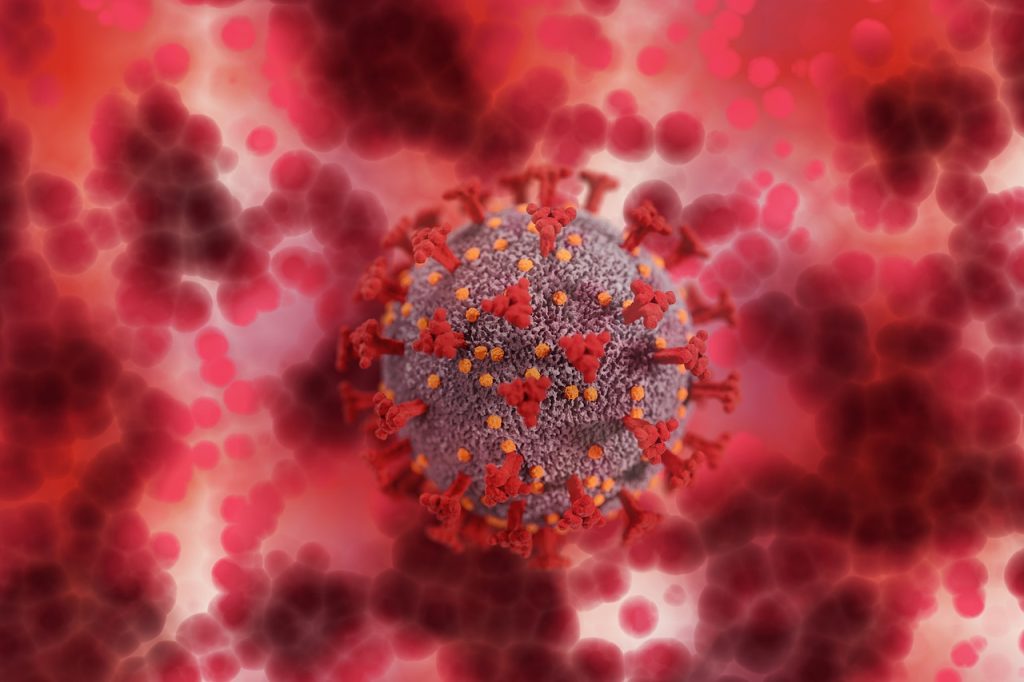
SARS-CoV-2 virus. Source: Fusion Medical Animation on Unsplash
In an interview about new Omicron subvariants, leading vaccinologist Prof Shabir Madhi said that “we don’t need to be concerned” about any current threat they may pose to South Africa. However, he stressed that it can still be lethal, particularly in those without underlying T cell immunity. He also noted that boosters are also important for high-risk populations, while some sort of seasonality needs to be observed for COVID for it to make boosters worthwhile for those at low risk due to the way vaccination protection wanes.
The XBB 1.5 SARS-CoV-2 subvariant, nicknamed ‘Kraken’ by researchers, is now accounting for more than half of cases in the United States, and appears much more transmissible and antibody-evasive than the original Omicron variant which evolved in Southern Africa. Prof Pravin Manga, editor of the Wits Journal of Clicnical Medicine interviewed Prof Madhi and asked him what the emergence of Omicron subvariants meant for South Africa.
Prof Madhi, who is the Dean of the Faculty of Health Sciences at Wits University, noted that before this new XBB.1.5 variant, there were BA4 and BA5, which created a “mini surge” in the middle of last year when they arrived in SA. There were concerns that these strains seemed more antibody-resistant than previous ones, stoking fears that they would result in increased hospitalisations and deaths.
In light of the current situation, he says that “the short answer is that we don’t need to be concerned.”
One important aspect of immunity which was becoming apparent was that, although neutralising antibodies were important in protecting against contracting and transmitting the virus, “what seems to be playing a greater role in protecting against severe disease is the T cell immunity, the Natural Killer cell immunity.” This immunity is much more diverse than that from antibodies, instead of merely targeting the Spike protein is rather “multi-epitopic”, targeting the N-protein as well.
“Now this T cell immunity appears to be holding strong. It appears to be less affected by all these mutations. In fact, close to 75 to 80% of vaccine-induced T cell immunity is conserved despite the multiple mutations have arisen in Omicron and its subvariants.”
Differing impacts across countries
With regard to the impact of the virus, Prof Madhi noted that China had pursued its ‘zero COVID’ policy, along with “suboptimal” coverage of vaccines (especially among ages 60+) that were “probably not the best”, meaning that large portions of the population were essentially naïve to the virus.
SA meanwhile, had 90% of the population infected at least once with COVID, and coupled with vaccination, meant that many will have highly robust immunity, which appears to last for 9–12 months compared to vaccine-only immunity where protection starts wanes after 4–6 months.
“What is unlikely to materialise in a country such as South Africa is large numbers of hospitalisations,” he says.
Protecting at-risk populations and the need for new vaccines
At present, he says there is not a strong case for boosters, but people at greater risk, such as those over 60, people with underlying medical conditions, and compromised immune systems, hybrid immunity is likely not enough protection. In these cases probably at least four doses of vaccination. From a public health standpoint, the population under 45 without underlying conditions would require a huge effort for only a nominal benefit as they are no longer at high risk of severe disease.
Timing is also important, due to the waning of vaccine protection, as the best time to get a booster is “probably around two or three weeks before the start of the next resurgence.” Otherwise, it’s useless to get a booster now if the next resurgence is in six months and antibodies will have waned – an obvious logistical challenge for little benefit. Therefore, in order for boosters to be useful, the virus will have to settle into some sort of predictable seasonality such as with influenza.
As for people who are at risk, at least four doses are probably required, though the case for a fifth is thin. Annual boosters are a likely option, and there is a need for a second generation of vaccines. These vaccines would need to be resilient against further mutations that may arise.
Novavax, monoclonal antibodies and Paxlovid
Regarding Novavax, Prof Madhi said that it had been licensed for use in South Africa, but their bivalent vaccine was not yet available. It would not be procured by government but rather by a private company – a situation which needs to change in terms of who is allowed to bring in vaccines. Another issue is whether the no fault compensation used by the government for public sector vaccinations would be used in the private sector as well.
Prof Manga also asked about whether there had been any success with monoclonal antibody treatment, to which Prof Madhi answered that there had been some limited use in the country but overall, monoclonal antibodies were “spectacularly unsuccessful” as they were highly specific and generally unable to keep up with mutations.
In general, antivirals hold much better promise, particularly Paxlovid which is unfortunately not available in South Africa. It was disappointing that it was not available in the country,
Benefits to both pregnant mothers and babies
Regarding pregnant women and children, Prof Madhi said that their own study shows that a substantial amount of transmission takes place between mothers and children. Infants with COVID under six months are often hospitalised, especially in the first month of life. Vaccination reduces the risk of hospitalisation and protects the baby as well, with research showing that babies born to vaccinated mothers were 80% less likely to develop COVID, “which is really a huge benefit,” he noted. This is likely a little reduced with Omicron because the only thing that babies get from the mother is antibodies, not T cell immunity.
Vaccination also reduces the risk of adverse pregnancy outcomes such as stillbirth, and safety “is simply not an issue” as supported by the data. He says there is case for vaccinating pregnant women, even under 45, in the second trimester of the pregnancy so that more antibodies are transferred to the foetus.
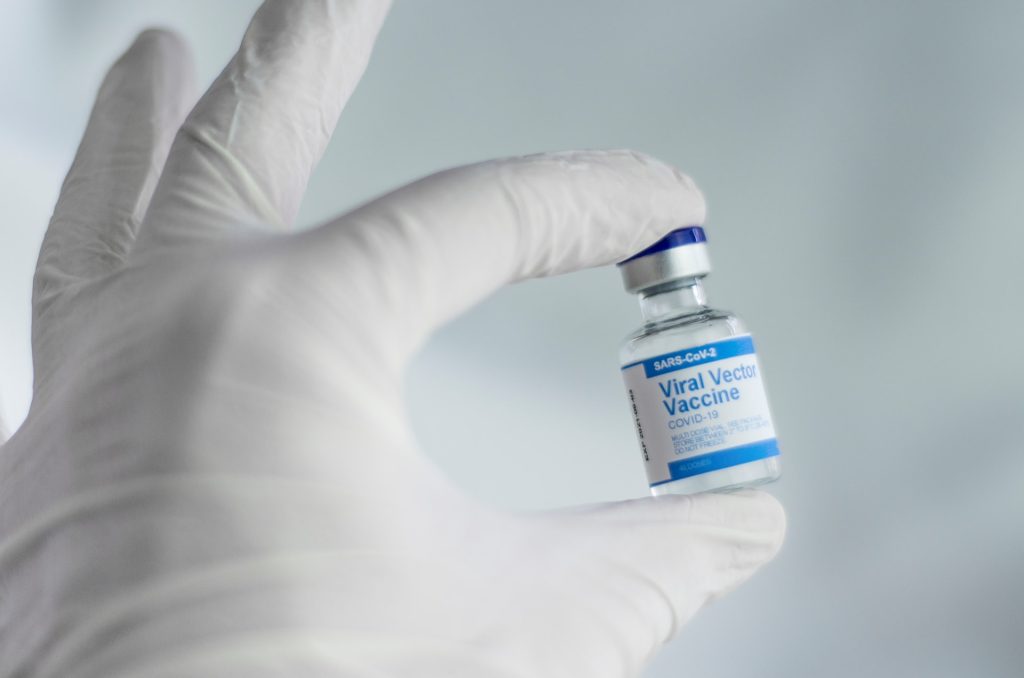
A real-world effectiveness study of updated bivalent mRNA vaccines has shown that bivalent boosters are more effective than original monovalent boosters at preventing hospitalisation and death from the Omicron variant. The study was published today in The New England Journal of Medicine.
“While original COVID vaccines had been demonstrated to be safe and effective prior to the FDA’s authorisation, the Pfizer and Moderna bivalent vaccines that have been deployed in the United States since last fall were approved by the FDA for emergency use on the basis of non-clinical data for those two new vaccines,” explains Dr Danyu Lin, lead author on the study. “We were able to evaluate not only the effectiveness of the two bivalent boosters but also compare their effectiveness to that of monovalent boosters.”
Researchers at the at the University of North Carolina’s Gillings School of Global Public Health compared the incidence of severe Omicron infection resulting in hospitalisation or death for individuals aged 12 and up who received a monovalent or bivalent booster dose to those who did not. The study analysed vaccination and infection data of more than six million North Carolina residents from May to December of 2022, during which the Omicron variant’s BA.4.6/BA.5 and BQ.1/BQ.1.1 strains were predominant in the United States. Both the Pfizer and Moderna bivalent vaccines were included in the study, which also considered different age groups, previous infection status, and the number of booster doses already received.
The effectiveness of the booster was highest at roughly four weeks after administration and decreased afterward. Average effectiveness against severe infection resulting in hospitalisation or death over a three-month period was 25% for one monovalent booster dose and 62% for one bivalent booster dose.
“The increased effectiveness found in this study demonstrates why it’s important for people to protect themselves with the updated booster even if they had already gotten the original booster dose,” says Dr Zack Moore, State Epidemiologist with the North Carolina Department of Health and Human Services.
Analysing data from controlled studies throughout the world, researchers discovered that people with hybrid immunity – from both full vaccination and prior infection – are the most protected against severe illness and reinfection. The study, published in The Lancet Infectious Diseases, will aid public policy-makers in planning the optimal timing of vaccinations.
Researchers from University of Calgary teamed up with World Health Organization (WHO) experts to answer the question of how well protected people are from combinations of vaccinations, boosters and prior infection.
“The results reinforce the global imperative for vaccination,” says Dr Niklas Bobrovitz, first author on the study. “A common question throughout the pandemic was whether previously infected people should also get vaccinated. Our results clearly indicate the need for vaccination, even among people that have had COVID.”
The global emergence and rapid spread of the Omicron variant required scientists and policy-makers to reassess population protection against Omicron infection and severe disease. In the study, investigators were able to look at immune protection against Omicron after a prior SARS-CoV-2 infection, vaccination or hybrid immunity.
“Protection against hospitalisation and severe disease remained above 95 per cent for 12 months for individuals with hybrid immunity,” says Dr Lorenzo Subissi, PhD, a technical officer with WHO and senior author on the study. “We know more variants are going to emerge. The study shows, to reduce infection waves, vaccinations could be timed for rollout just prior to expected periods of higher infection spread, such as the winter season.”
The systematic review and meta-analysis found that protection against Omicron infection declines substantially by 12 months, regardless of prior infection, vaccinations or both, which means vaccination is the best way to periodically boost protection and to keep down levels of infection in the population. In total, 4268 articles were screened and 895 underwent full-text review – a difficult task before the assistance of experts in health informatics.
“This study demonstrates the power of machine translation. We were able to break through language barriers; most of the time, systematic reviews aren’t done in every language, they are limited to one or two,” says Dr Tyler Williamson “These former BHSc classmates, along with the large diverse team they brought together, have emerged as global leaders in SARS-CoV-2 research and delivered decision-grade evidence to the world.”
While the findings demonstrate that vaccination along with a prior infection carries the most protection, the scientists warn against intentional exposure to the virus.
“You should never try to get COVID,” says Bobrovitz. “The virus is unpredictable in how it will affect your system. For some, it can be fatal or send you to hospital. Even if you have a mild infection, you risk developing long COVID.”
The group says the next phase of this research would be to investigate how the bivalent vaccine performs against severe disease.
Findings from the study complement data on the SeroTracker dashboard which monitors studies and news reports to track seroprevalence data – the percentage of people in a population who have antibodies against the novel coronavirus. The website aggregates serology data from studies and news reports in different populations, and built-in filters allow users to compare seroprevalence levels between countries, occupations, and demographic groups.
New research suggests that the first pandemic-accelerating mutation in the SARS-CoV-2 virus evolved as a way to correct vulnerabilities that were caused by the mutation that started the SARS-CoV-2 pandemic.
Published in Science Advances, this new evidence addresses important biological questions about two key mutations in the virus’ surface spike protein, say the researchers. It suggests that a spike protein mutation called D614G, which emerged a few months after the virus began spread among humans, was not an adaptation to humans. Instead, the mutation was an adaptation to the major changes that happened in the spike gene just before the pandemic, changes which allowed spread via respiratory transmission.
“This study has revealed that the first two genetic alterations in the evolution of the spike protein in SARS-CoV-2 are connected by their function, and this knowledge can improve our understanding of how the spike protein works and how the virus evolves, with important implications for vaccine design and effectiveness of COVID antibodies,” says Stephen Gould, professor of biological chemistry at the Johns Hopkins University School of Medicine, whose lab was studying the basic biology of the virus’s spike protein when the study began.
The initial mutation in the virus, Gould says, is known by scientists as the “furin cleavage site insertion mutation.”
Research by other scientists across the world has shown that this mutation enabled the virus’s spike protein to be cut and primed it for rapid infection of cells lining the airway.
While this initial mutation was essential in helping SARS-CoV-2 efficiently slip into human cells, the mutation’s effects weren’t all good, says Gould, as it cut the spike protein structure into two separate pieces.
According to Gould, this change disrupted other functions of the spike protein, creating evolutionary pressure for a second mutation to correct the disrupted functions of the spike protein while keeping the initial mutations’ rapid infection benefits .
In early 2020, researchers from the University of Toronto discovered a subsequent SARS-CoV-2 mutation, called D614G; however, its precise function was not known.
Gould, first author and graduate student Chenxu Guo, and the research team set out to understand the D614G mutation and its effect.
Working with dozens of blood samples from patients with COVID-19 hospitalized in April 2020 at the Johns Hopkins Hospital, Gould’s team isolated antibodies for the spike protein from the patients’ blood samples. Then, they used these antibodies to track the location of spike proteins in human cells genetically engineered to produce the spiky surface molecules.
They found that the D614G mutation redirects the spike protein and pulls the virus from the surface of human cells into a tiny compartment within the cell called a lysosome, which the spike protein reprograms into storage containers that are used to release infectious virus particles from the cell.
In addition, the D614G mutation caused a three-fold drop in the abundance of spike proteins at the cell surface.
“With less spike protein on the surface of virus-infected cells, it may be more difficult for the immune system to identify and kill those virus-containing cells,” says Gould.
The researchers caution that the study does not provide information about the still-debated origins of the virus. However, their work suggests that the two mutations likely arose in rapid succession.
The researchers are new examining whether spike protein mutations in more recent virus strains affect spike protein trafficking, studying the identity of the human proteins that deliver spike proteins to lysosomes, and researching how spike proteins convert lysosomes into compartments that release more virus.
As COVID cases rise again around the world and the more infectious XBB.1.5 variant spreads rapidly, health minister Joe Paahla has emphasised the importance of getting vaccinated and boosted.
About 19 million people in South Africa (just over 30% of the population) are fully vaccinated and four million booster shots have been administered. The country is administering just over 40 000 jabs a week.
At the moment only people over 50 are eligible for a second booster. But according to Dr Nicholas Crisp, Deputy Director-General for the National Department of Health, all adults will be eligible in February. “As soon as the systems are all in place and staff orientated, the department will announce,” Crisp told GroundUp.
But finding a booster shot has become difficult. Privately-owned facilities have mostly discontinued their rollout of the vaccine, although a handful of Dis-Chem pharmacies still do vaccinations. Public sector health facilities are the only alternative.
Active vaccination sites can be found on the government’s Find My Jab website. Some are “visiting” sites only, open once or twice a week, and others are permanently open, but it is advised to call ahead to confirm availability.
“The department is trying to find a more efficient way of updating which vaccination sites are active and those are being reflected and changed weekly on Find My Jab,” says Crisp.
The Western Cape Health Department makes weekly updates to this list of vaccination sites in the province.
One concerned reader from Pennington in KwaZulu-Natal, who is over the age of 50 and HIV-positive (meaning COVID poses a higher risk for him) told GroundUp that his local clinic no longer offered vaccines. It had been ten months since his previous booster. He went to the nearest hospital but was refused a jab and told to wait for an SMS.
He called the vaccination hotline and was told to send a copy of his ID and vaccination card to be registered on the system and receive an SMS, despite already having received jabs in the past.
Without a device to send the documents, and 60km of flood-damaged road between him and and his nearest PostNet, he has still not received his booster shot.