Category: COVID

What is the XBB.1.5 ‘Kraken’ Variant? An FAQ

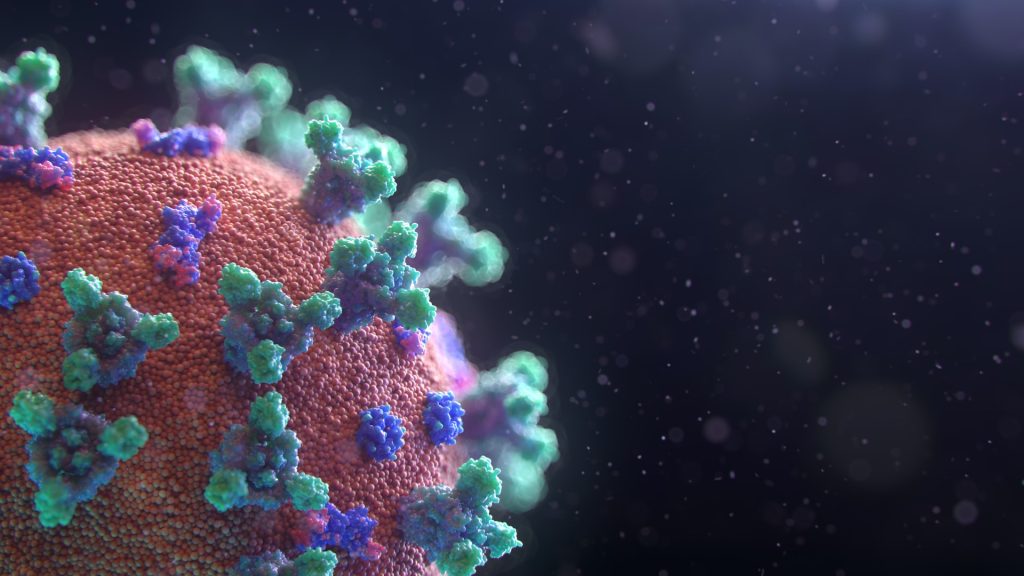
SARS-CoV-2 infecting a human cell
Infected cell covered with SARS-CoV-2 viruses. Source: NIAID

By Sameer Elsayed for The Conversation

Despite intensive public health efforts to grind the COVID-19 pandemic to a halt, the recent emergence of the highly transmissible, extensively drug-resistant and profoundly immune system-evading XBB.1.5 SARS-CoV-2 subvariant is putting the global community on edge.

What is XBB.1.5?

In the naming convention for SARS-CoV-2 lineages, the prefix “X” denotes a pedigree that arose through genetic recombination between two or more subvariants.

The XBB lineage emerged following natural co-infection of a human host with two Omicron subvariants, namely BA.2.10.1 and BA.2.75. It was first identified by public health authorities in India during summer 2022. XBB.1.5 is a direct descendent, or more accurately, the “fifth grandchild” of the original XBB subvariant.

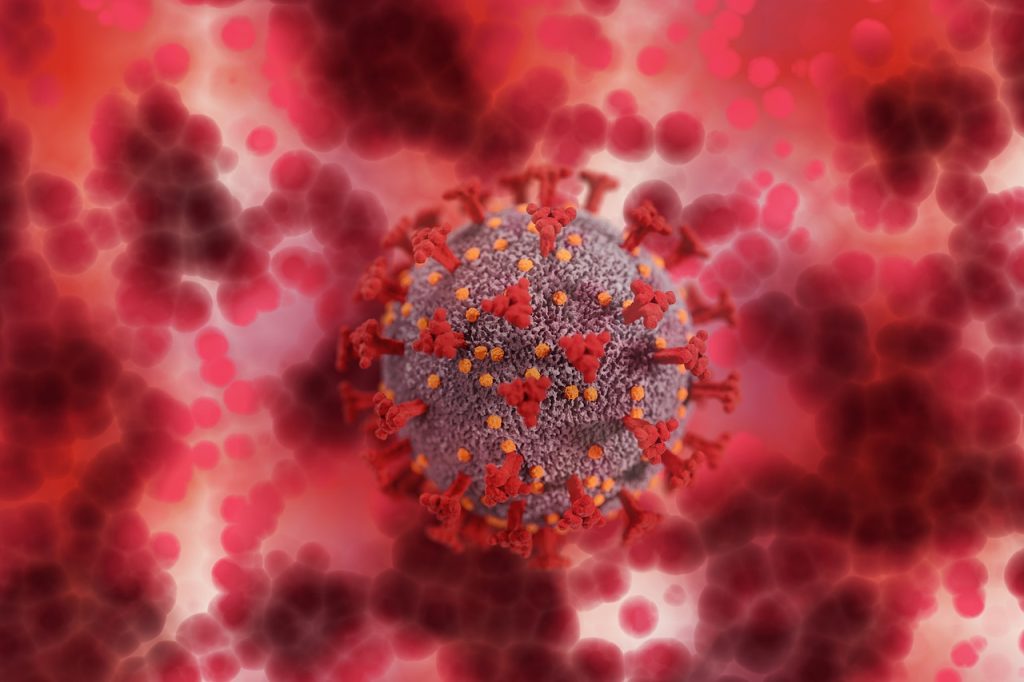
Diagram of the genetic lineage of a COVID-19 subvariant
Genetic lineage of COVID-19 subvariant XBB.1.5. (Sameer Elsayed), Author provided

How does XBB.1.5 differ from Omicron?

XBB.1.5 is one of many Omicron subvariants of concern that have appeared on the global pandemic scene since the onset of the first Omicron wave in November 2021. In contrast to other descendants of the original Omicron variant (known as B.1.1.529), XBB.1.5 is a mosaic subvariant that traces its roots to two Omicron subvariant lineages.

XBB.1.5 is arguably the most genetically rich and most transmissible SARS-CoV-2 Omicron subvariant yet.

Where is XBB.1.5 prevalent?

According to the World Health Organization, XBB.1.5 is circulating in at least 38 countries, with the highest prevalence in the United States, where it accounts for approximately 43 per cent of COVID-19 cases nationwide. Within the U.S., there is wide geographic variation in the proportion of cases caused by XBB.1.5, ranging from seven per cent in the Midwest to over 70 per cent in New England.

XBB.1.5 has also been officially reported by governmental agencies in AustraliaCanada, the European UnionJapanKuwaitRussiaSingaporeSouth Africa and the United KingdomReal-time surveillance data reveals that XBB.1.5 is rapidly spreading across the globe and will likely become the next dominant subvariant.

XBB.1.5 has also been detected in municipal wastewater systems in the United StatesEurope and other places.

How likely is XBB.1.5 to cause serious illness?

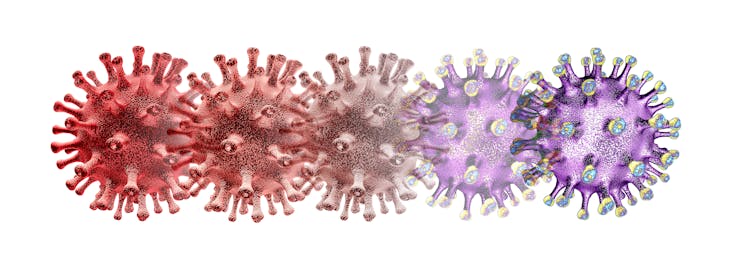
Illustration of five coronaviruses of different colours in a line
The XBB lineage emerged following natural co-infection of a human host with two Omicron subvariants, namely BA.2.10.1 and BA.2.75. (Shutterstock)

There is limited data about the ability of XBB.1.5 to cause serious illness. According to the World Health Organization, XBB.1.5 does not have any specific mutations that make it any more dangerous than its ancestral subvariants.

Nonetheless, XBB.1.5 is perceived as being equally capable of causing serious illness in elderly and immunocompromised persons compared to previous Omicron subvariants of concern.

Are current mRNA vaccines effective against XBB.1.5?

XBB.1.5 and XBB.1 are the Omicron subvariants with the greatest immune-evasive properties. Therefore, one of the most contentious issues surrounding XBB.1.5 relates to the degree of protection afforded by currently available mRNA vaccines, including the latest bivalent booster formulations.

Researchers from the University of Texas determined that first-generation and bivalent mRNA booster vaccines containing BA.5 result in lacklustre neutralizing antibody responses against XBB.1.5. A report (yet to be peer reviewed) from investigators at the Cleveland Clinic found that bivalent vaccines demonstrate only modest (30 per cent) effectiveness in otherwise healthy non-elderly people when the variants in the vaccine match those circulating in the community.

Furthermore, some experts believe the administration of bivalent boosters for the prevention of COVID-19 illness in otherwise healthy young individuals is not medically justified nor cost-effective.

In contrast, public health experts from Atlanta, Ga. and Stanford, Calif. reported that although the neutralizing antibody activity of bivalent booster vaccines against XBB.1.5 is 12 to 26 times less than antibody activity against the wild-type (original) SARS-CoV-2 virus, bivalent vaccines still perform better than monovalent vaccines against XBB.1.5.

However, investigators from Columbia University in New York found that neutralizing antibody levels following bivalent boosting were up to 155–fold lower against XBB.1.5 compared to levels against the wild-type virus following monovalent boosting.

This suggests that neither monovalent nor bivalent booster vaccines can be relied upon to provide adequate protection against XBB.1.5.

How can you protect yourself against XBB.1.5?

A blue sign reading 'wearing a mask is recommended,' in French and English
Standard infection control precautions including indoor masking, social distancing and frequent handwashing are effective measures against XBB.1.5 and other subvariants of concern. THE CANADIAN PRESS/Graham Hughes

The rapid evolution of SARS-CoV-2 continues to pose a challenge for the management of COVID-19 illness using available preventive and therapeutic agents. Of note, all currently available monoclonal antibodies targeting the spike protein of SARS-CoV-2 are deemed to be ineffective against XBB.1.5.

Antiviral medicines such as remdesivir and Paxlovid may be considered for the treatment of eligible infected patients at high risk of progressing to severe disease.

Standard infection control precautions including indoor masking, social distancing and frequent handwashing are effective measures that can be employed for personal and population protection against XBB.1.5 and other subvariants of concern.

Although bivalent boosters may be considered for elderly, immunocompromised and other risk-averse individuals, their effectiveness in preventing COVID-19 illness due to XBB.1.5 remains uncertain.

Why is XBB.1.5 nicknamed ‘Kraken’?

Some scientists have coined unofficially-recognized nicknames for XBB.1.5 and other SARS-CoV-2 subvariants of concern, arguing that they are easier to remember than generic alphanumeric designations.

The ‘Kraken’ label for XBB.1.5 is currently in vogue on social media sites and news outlets, and the nicknames ‘Gryphon’ and ‘Hippogryph’ have been used to denote the ancestral subvariants XBB and XBB.1, respectively. Kraken refers to a mythological Scandinavian sea monster or giant squid, Gryphon (or Griffin) refers to a legendary creature that is a hybrid of an eagle and a lion, while Hippogryph (or Hippogriff) is a fictitious animal hybrid of a Gryphon and a horse.

Notwithstanding their potential utility as memory aids, the use of nicknames or acronyms in formal scientific discussions should be avoided.

Sameer Elsayed is Professor of Medicine, Pathology & Laboratory Medicine, and Epidemiology & Biostatistics at Western University.

Source: The Conversation

Increase in Global Willingness to Accept COVID Vaccines

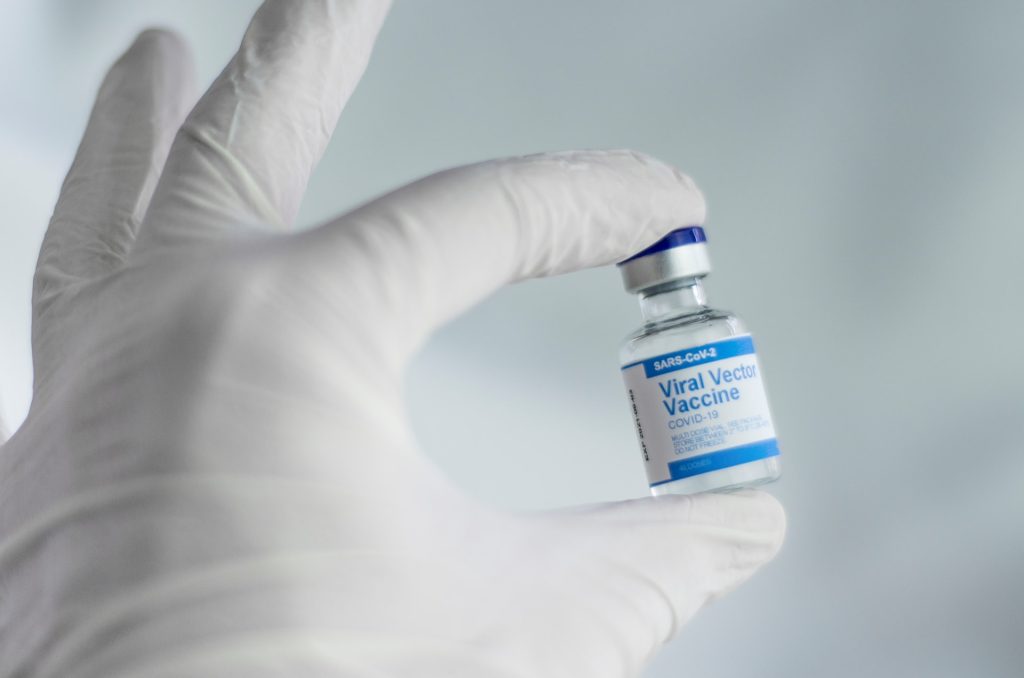
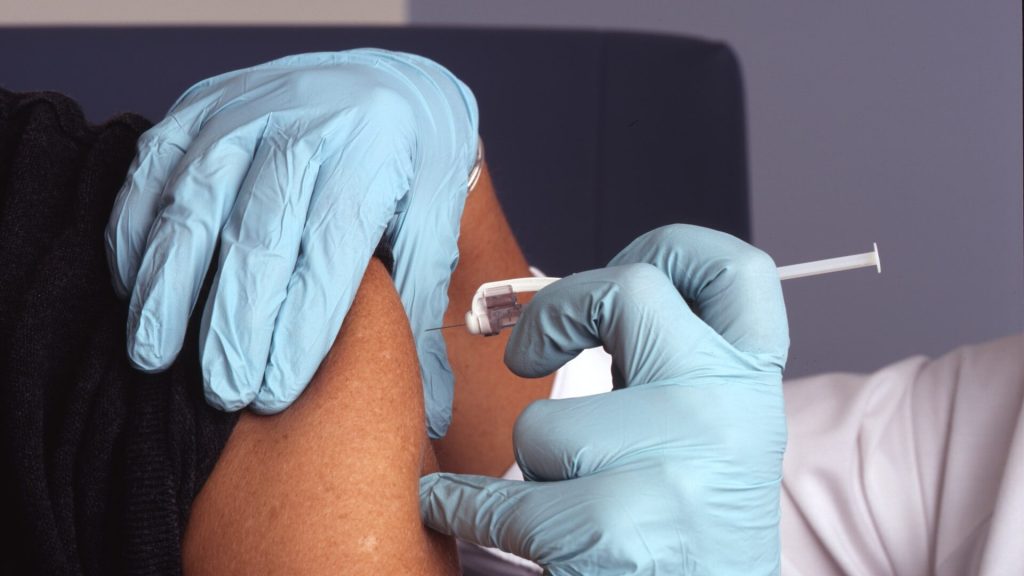
Vaccine injection
Image source: NCI on Unsplash

Global COVID vaccine acceptance increased from 75.2% in 2021 to 79.1% in 2022, according to a new survey of 23 countries accounting for more than 60% of the world’s population, published today in Nature Medicine. It was not all good news, though: vaccine hesitancy increased in eight countries including South Africa, and nearly one in eight vaccinated respondents were hesitant about receiving a booster dose.

This third annual study reveals a wide variability between countries and suggests a need to tailor communication strategies to effectively address vaccine hesitancy.

“The pandemic is not over, and authorities must urgently address vaccine hesitancy and resistance as part of their COVID prevention and mitigation strategy,” says CUNY Graduate School of Public Health and Health Policy (CUNY SPH) Senior Scholar Jeffrey V. Lazarus. “But to do so effectively, policymakers need solid data on vaccine hesitancy trends and drivers.”

To provide these data, an international collaboration led by Lazarus and CUNY SPH Dean Ayman El-Mohandes performed a series of surveys starting in 2020 in 23 countries which were impacted significantly by the pandemic, including the United States as well as South Africa and Brazil.

Of the 23 000 respondents (1000 per country surveyed), 79.1% were willing to accept vaccination, up 5.2% from June 2021. The willingness of parents to vaccinate their children also increased slightly, from 67.6% in 2021 to 69.5% in 2022. However, eight countries saw an increase in hesitancy (from 1.0% in the UK to 21.1% in South Africa). Worryingly, almost one in eight (12.1%) vaccinated respondents were hesitant about booster doses, and booster hesitancy was higher among the 18–29 age groups.

“We must remain vigilant in tracking this data, containing COVID variants and addressing hesitancy, which may challenge future routine COVID immunisation programs,” says Dean El-Mohandes, the study’s senior author.

The survey also provides new information on COVID treatments received. Globally, ivermectin was used as frequently as other approved medications, despite the fact that it is not recommended by the WHO or other agencies to prevent or treat COVID  

Also of note, almost 40% of respondents reported paying less attention to new COVID information than before, and there was less support for vaccine mandates. 

In some countries, vaccine hesitancy was associated with being female (for example in China, Poland, Russia), having no university degree (in France, Poland, South Africa, Sweden, or the US), or lower income (in Canada, Germany, Turkey or the UK). Also, the profile of people paying less attention to the pandemic varied between countries.

“Our results show that public health strategies to enhance booster coverage will need to be more sophisticated and adaptable for each setting and target population,” says Lazarus, also head of the Health Systems Research Group at ISGlobal. “Strategies to enhance vaccine acceptance should include messages that emphasise compassion over fear and use trusted messengers, particularly healthcare workers.”

The data provided by these surveys may offer insight to policymakers and public health officials in addressing COVID vaccine hesitancy. The study follows on the heels of a global consensus statement on ending COVID as a public health threat that Lazarus, El-Mohandes and 364 co-authors from 112 countries published in Nature in November.

Source: CUNY SPH

China Accused of Under-reporting COVID Deaths

In China, there are signs that the latest wave of COVID brought about by the easing of lockdown measures alongside a surprisingly low vaccination rate may be more severe than official reports indicate.

A recent spate of suspicious deaths among Chinese celebrity has prompted alarm among citizens, BBC News reports. In December, 40-year-old opera singer Chu Lanlan died, which came as a shock to many, given her young age.

Her family said they were saddened by her “abrupt departure”, but did not give details of the cause of her death.

China’s scrapping of many “zero COVID” regulations has resulted in a surge of cases, and there reports of hospitals and crematoria becoming overwhelmed. Yet China has only reported 22 COVID deaths since December, based on its own strict criteria which now only allow for death from respiratory illnesses such as pneumonia.

The World Health Organization (WHO) on Wednesday warned that the country was under-representing its COVID statistics, especially deaths. Chinese officials denied this.

China’s foreign ministry spokesperson Mao Ning said in a media briefing that China had transparently and quickly shared COVID data with the WHO, adding that China’s “epidemic situation is controllable”.

“Facts have proved that China has always, in accordance with the principles of legality, timeliness, openness and transparency, maintained close communication and shared relevant information and data with the WHO in a timely manner,” Mao said.

While many countries have likely under-represented COVID deaths, including the United States, the extent appears to be much greater in China.

Back in January of 2022, Forbes took a critical look at China’s official figures, with a death rate at the time of 0.32 per 100 000 population compared to the US’ 248 per 100 000 – a rate 800 times lower higher which beggars belief.

China used these figures to position itself as the world leader in the response against COVID, the New York Times noted.

The director of Beijing’s Institute of Respiratory Diseases admitted in a TB interview that the number of deaths among the elderly was “definitely more” so far this winter than in past years, but stressed that critical cases remained in the minority.

This week the People’s Daily, the Communist Party’s official newspaper, urged citizens to work towards a “final victory” over COVID and dismissed criticism of the previous zero-COVID policy.

Scientists Retract Controversial Omicron Origins Article

On December 1, Charité — Universitätsmedizin Berlin reported new findings on the origins of the SARS-CoV-2 variant Omicron, one of which was a “stepwise” emergence of the variant across Africa rather than the accepted scenario of it emerging in a single area around South Africa.

In light of new findings of contaminated samples used in the research, the team led by Prof Jan Felix Drexler has now retracted the article, which was published in the journal Science.

The new findings mean that some of the article’s statements are no longer provable beyond reasonable doubt, and the authors retracted their article in line with sound scientific procedure.

In the article entitled “Gradual emergence followed by exponential spread of the SARS-CoV-2 Omicron variant in Africa”, researchers came to the conclusion that the Omicron variant of SARS-CoV-2 emerged in western Africa a few months prior its eventual discovery in South Africa in early November. Shortly after the article was published, other scientists, such as SA’s Dr Tulio de Oliveira, called into question the plausibility of the genome sequences analysed in the study. Subsequent analysis of residual samples found evidence of contamination, the source of which can no longer be traced.

One of the article’s messages — that viruses with Omicron sequence signatures existed across the continent before Omicron was officially detected in South Africa — is based on collective data from PCR analysis done independently by laboratories in several African countries. However, the conclusive reconstruction of the virus’s evolution, another of the article’s key messages, is likely to be affected by sequence contamination not detected before analysis.

The contamination also makes it impossible to correct the analyses retrospectively in due time, because this would require additional analyses of thousands of patient samples from Africa that may not be available in sufficient quantity and quality. Therefore, in agreement with all the authors, the entire article is being retracted. The research group that ran the project is currently carrying out an evaluation and review of the analyses.

Prof Drexler and his team expressed regret for the incident and gratitude to their international colleagues for flagging the potential problems following the article’s publication.

Source: Charité – Universitätsmedizin Berlin

How to Prevent Dangerous Weight Loss in COVID Patients

Photo by Stephen Andrews on Unsplash

COVID infection often causes adipose atrophy, weight loss and cachexia, which significantly contribute to poor quality of life and mortality. Now, researchers at Karolinska Institutet have discovered that SARS-CoV-2 infection fuels blood vessel formation in fat tissues, thus revving up the body’s thermogenic metabolism. Blocking this process with an existing drug curbed weight loss in mice and hamsters that were infected with the virus, according to the study published in the journal Nature Metabolism.

“Our study proposes a completely new concept for treating COVID associated weight loss by targeting the blood vessels in the fat tissues,” says corresponding author Yihai Cao, professor at Karolinska Institutet.

The researchers examined how different types of fat, including brown fat and visceral and subcutaneous white fat, reacted when exposed to SARS-CoV-2 and how it impacted weight in mice and hamsters. They found that the animals lost significant amounts of weight in four days and that this weight loss was preceded by the activation of brown fat and the browning of both types of white fat. These fat tissues also contained more microvessels and high levels of a signaling protein called vascular endothelial growth factor (VEGF), which promotes the growth of new blood vessels.

Similar mechanisms in humans

The researchers observed the same mechanisms in human tissue samples from four patients who died of COVID, suggesting the findings could be clinically relevant for humans.

When the animals were treated with an anti-VEGF drug, the animals recovered most of their lost weight and their fat tissues exhibited fewer microvessels.

“Antiangiogenic drugs are currently used in the clinic to treat various types of cancers,” Yihai Cao says. “It’s possible these drugs could also be helpful in treating COVID-related problems such as excessive weight loss and metabolic changes, thus improving the quality of life and survival for these patients. Of course, we will need more research to validate if our preclinical findings also hold up in human trials.”

Source: Karolinska Institutet

Review Finds Little, if Any, Difference in Safety among COVID Vaccines

Covid vaccines
Photo by Mat Napo on Unsplash

A Cochrane review of all the evidence available from randomised controlled trials of COVID vaccines up to November 2021 has concluded that most protect against infection and severe or critical illness caused by the virus. In addition, the Johnson and Johnson vaccine and the Cuban Soberana 2 vaccine “probably” reduced all-cause mortality.

The independent, international expert reviewers also found that there was little or no difference between the number of people experiencing serious side effects after vaccination compared to those who were unvaccinated.

The researchers, led by Isabelle Boutron, Professor of Epidemiology at Université Paris Cité and Director of Cochrane France, analysed published data from 41 randomised controlled trials of 12 different COVID vaccines, involving 433 838 people in various countries around the world. They assessed the certainty of the evidence and the risk of bias in the different studies.

The trials compared COVID vaccines with placebo, no vaccine, or each other, and were published before 5 November 2021. Most trials were no longer than two months in length.

The review found that the following vaccines reduced or probably reduced the risk of COVID infection compared to placebo: Pfizer/BioNTech, Moderna, CureVac COVID-19, Oxford-AstraZeneca, J&J, Sputnik V (Gam-COVID-Vac), Sinopharm (WIBP CorV and BBIBP-CorV), Bharat (Covaxin), Novavax and Soberana 2 (Finlay-FR-2). The following reduced or probably reduced the risk of severe or critical disease: Pfizer/BioNTech, Moderna, Janssen, Sputnik V, Bharat and Novavax. In addition, the J&J and Soberana 2 vaccines probably decreased the all-cause mortality risk. There were very few deaths recorded in all the trials and so evidence on mortality for the other vaccines is uncertain.

For most of the vaccines, vaccinated individuals reported more localised or temporary side effects compared no-treatment or placebo groups. These included tiredness, headache, muscle pains, chills, fever and nausea. With respect to the very rare side effects associated with some vaccines such as thrombosis, the team found that the reporting of these events was inconsistent, and the number of events reported in the trials was very low.

Given the evidence of efficacy of these vaccines, the researchers question whether further placebo-controlled trials are ethical. They suggest that further research compares new vaccines with those already in use.

Source: Wiley

Patient Sex, Mental Health and Asthma may be Long COVID Risk Factors

Man wearing mask with headache
Source: Usman Yousaf on Unsplash

Studies have described a variety of long-term effects of COVID, with symptoms including fatigue and malaise, breathing difficulties, and cognitive problems. A recent analysis in the Journal of Internal Medicine has identified several characteristics that may be risk factors for a long COVID diagnosis.

Researchers examined 204 805 individuals who tested positive for Sars-CoV-2 in Stockholm, Sweden from March 2020 through July 2021. They found that the proportion receiving a post COVID condition diagnosis was 1% among individuals not hospitalised for their COVID infection, 6% among hospitalised, and 32% among individuals treated in intensive care units (ICUs). The most common new-onset symptoms among individuals with a post COVID condition diagnosis were fatigue (29%) among non-hospitalised individuals, and breathing difficulties among both hospitalised (25%) and ICU-treated patients (41%). 

Female sex, previous mental health disorders, and asthma were associated with post-COVID condition among non-hospitalised and hospitalised individuals.

Among individuals with post-COVID condition, use of outpatient care was substantially increased up to one year after the acute infection.

“Our understanding of health effects beyond the acute SARS-CoV-2 infection is continuously improving. In this study, we observed a marked difference in the occurrence of post COVID condition diagnosis across different severities of the acute infection,” said corresponding author Pontus Hedberg, MD and postdoctoral researcher at Karolinska Institutet. “Furthermore, the elevated outpatient primary and specialist care use indicates poor recovery for individuals suffering from post-COVID condition, highlighting the urgent need to better understand this condition and its potential resolution over time.”    

Source: Wiley

As Restrictions Lift, Chinese People Remember COVID Hero Doctor

Source: Wikimedia Commons CC0

After nearly three years of its harsh and extremely unpopular zero-COVID policy, the Chinese government announced on Wednesday the suspension of key parts of the contentious restrictions.

One of the ways some Chinese people expressed relief at the news was to go to the social media account of Dr Li Wenliang, the whistleblowing doctor who warned of the emerging coronavirus Wuhan and who was himself one of the virus’s early victims.

According to BBC News, they left messages “as if stopping by the graveside of a family elder” in which they shared their feelings.

“On the train, I suddenly remembered you and burst into tears. Dr Li, it’s over now, it’s dawn. Thank you,” read one message.

Another wrote: “I’ve come to see you and let you know – the dust has settled. We’re reopening.”

Chinese authorities punished the 33-year-old ophthalmologist for spreading “false statements”. He later died from COVID as he battled to save patients, prompting an outpouring of public grief and anger.

Xi Jinping’s campaign of zero-COVID aimed to completely eradicate the virus in China. The leadership hailed it as a success while other countries battled with surges of infections and deaths. Crucially, however, the policy made no use of Western-developed vaccines, mainly relying on the Chinese-developed and produced Sinovac.

Thus, with the lifting of the strictest parts of zero-COVID, people turned Dr Li’s page into a place to express their frustrations, hopes and grief. They also remembered his heroism in the face of authority.

“Those who blow the whistle are always worth remembering,” wrote one user. “I look forward to a more transparent society.”

China’s zero-COVID policy did appear to keep the country safe from the pandemic. There were 5200 deaths officially recorded in the pandemic while the US has recorded over one million.

The zero-COVID policy did not come without other costs. Sudden lockdowns saw people unable to get food. People testing positive for COVID were prevented from being with their families and were forced into centralised quarantine facilities. Gatherings and travel were subject to restriction.

Recently, workers broke out of a Foxconn factory which was supposed to be locked down for a quarantine. The event made international headlines as the authorities engaged in a manhunt for the escapees.

Some questioned whether the restrictions had been worth it.

“I took the subway this morning and for the first time did not have to look at the health code,” one user from Sichuan wrote.

“Some people say the epidemic has only started now after three years of hard work. So was it a waste of time? What of all those who paid a huge price, and even their lives for it?”

Others worried for China’s elderly population, many of whom are still unvaccinated.

“Dr Li, the real test of the three-year epidemic has begun. The epidemic is not as serious as yours, but I am exhausted,” one person wrote.

Source: BBC News

Prone Positioning in COVID Reduces the Need for Endotracheal Intubation

Photo by Samuel Ramos on Unsplash

COVID patients hospitalised for acute respiratory distress syndrome (ARDS) are less likely to need endotracheal intubation with prone positioning, but evidence is inconclusive for other outcomes such as mortality, suggests an in-depth analysis of the latest evidence published by The BMJ.

Since the 1970s, prone positioning has been standard care for patients with severe ARDS as it encourages a larger part of the lung to expand, enabling bigger breaths. 

Usually, it is done for critically ill patients who are sedated and intubated. But in February 2020, reports emerged of possible benefits from prone positioning of awake COVID and it was widely adopted. 

Since then, several studies have examined its effectiveness in awake COVID patients , but results have been conflicting.

To try and resolve this uncertainty, researchers trawled databases for randomised trials comparing awake prone positioning to usual care for adult COVID patients with hypoxaemic respiratory failure.

They found 17 suitable trials, 12 with no bias risk, involving 2931 non-intubated patients who were able to breathe unassisted and who spent an average of 2.8 hours per day lying prone.

The primary outcome was endotracheal intubation, and secondary outcomes included mortality, ventilator-free days, intensive care unit (ICU) and hospital length of stay, change in oxygenation and respiratory rate, and adverse events.

High certainty evidence from a pooled analysis of 14 trials showed that awake prone positioning reduced the risk of endotracheal intubation compared with usual care (24.2% with awake prone positioning vs 29.8% with usual care). On average, awake prone positioning resulted in 55 fewer intubations per 1000 patients.

However, high certainty evidence from a pooled analysis of 13 trials evaluating mortality did not show a significant difference in mortality between the two groups (15.6% with awake prone positioning vs 17.2% with usual care), but the study may have lacked statistical power to detect a difference.

Awake prone positioning did not significantly affect other secondary outcomes either, including, ventilator-free days, ICU or hospital length of stay, based on low and moderate certainty evidence.

Limitations included lack of individual patient data, differences between the targeted and achieved duration of awake prone positioning, and variation in the definition and reporting of certain outcomes across studies.

But further sensitivity analysis supported these results, suggesting a high probability of benefit for the endotracheal intubation outcome and a low probability of benefit for mortality.

As such, the researchers conclude: “Awake prone positioning compared with usual care reduces the risk of endotracheal intubation in adults with hypoxemic respiratory failure due to covid-19 but probably has little to no effect on mortality or other outcomes.”

In a linked editorial, researchers point out that the benefits of prone positioning in COVID patients may be confined to those with more severe hypoxaemia and longer duration of prone positioning, so say it may be wise to focus efforts on these particular groups. 

Several unanswered questions remain, including the ideal daily duration of treatment, the level of hypoxaemia that should prompt prone positioning, and how best to improve patient comfort and encourage adherence, they write.

These questions may never be answered definitively in COVID patients as, fortunately, far fewer are experiencing hypoxaemic respiratory failure or critical illness, they explain.

“The pandemic should, however, renew interest and encourage further evaluation of awake prone positioning – an intervention that may benefit a wide range of patients with hypoxaemia,” they conclude.

Source: EurekAlert!

‘Stepwise Emergence’ Scenario of Omicron in Africa Challenged

Image by Quicknews

A widely reported study published in Science that presented evidence for a distributed, ‘stepwise’ origin for Omicron across the African continent has drawn criticism from a number of prominent scientists.

Dr Tulio Oliveira, the director of CERI (Centre for Epidemic Response & innovation) and KRISP (KZN Research Innovation & Sequencing Platform) was one of these scientists expressing their doubts over Twitter.

Dr Oliveira tweeted that, like many other scientists, he was sceptical of the Science paper’s narrative of a stepwise emergence of Omicron in Africa.

“First, the ‘fishing’ of intermediates in Africa should also have been performed in Europe and the USA, which were the regions of the world that introduced the majority of Omicron lineages to Africa -“

He also questioned the accuracy of their results due to possible contamination, and also the strength of their analyses, noting that phylogenetic analyses are weak.

For his fourth point, he says that “the Benin sequences could be recombinants of Delta and Omicron, real recombination, or recombination through contamination of the sequencing process.” He was unable to check for the prevalence of mutations.

He also makes a very simple observation regarding the timing of waves: if Omicron arose first in West Africa, why then did South Africa experience the Omicron wave before them?

The paper was also not presented as a preprint to allow for the research community to give feedback and improved the manuscript, a criticism echoed by biologist and physicist Richard Neher.

“Lastly, the results presented do not reject any of the three hypotheses of Omicron evolution (i.e. unsampled location, immune suppressed individual, animal reservoir).”

Nevertheless, he says that “I have many colleagues and collaborators in this paper and would like to recognize that the allele qPCR system to identify BA.1 is a great tool. Also that their mutation analyses are also good.”