Category: COVID

Creating a Cross-protective Coronavirus Vaccine

Image by Ivan Diaz on Unsplash

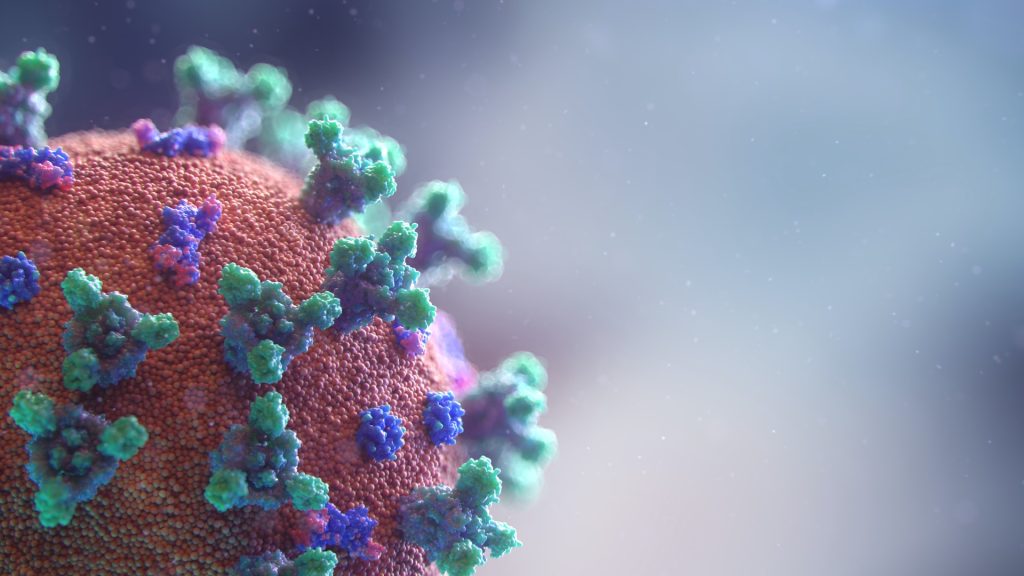
Researchers have found that by targeting the core region of the spike protein receptor-binding domain, which remains structurally similar among SARS-related viruses, they can create a vaccine that offers cross-protection against SARS coronaviruses.

The COVID pandemic, caused by the β-coronavirus SARS-CoV-2, alerted the world to the seriousness of the threat posed by novel viruses. To protect against similar future outbreaks, there is an urgent need for broadly protective vaccines against SARS-related coronaviruses. In a recent study published in Journal of Experimental Medicine, a team of researchers led by Osaka University generated an immune antigen that was based on a conserved protein on the surface of SARS-related viruses. In mice immunised with this antigen, cross-neutralising antibodies against SARS-related viruses were elicited.

The coronavirus spike protein, specifically the receptor-binding domain (RBD) of spike protein that enables the virus to attach to host cells is a target for the development of neutralising antibodies, and a promising vaccine candidate. The RBD is made of two regions: the head, which is more immune-reactive and so has the most antibodies created for it, and the core. The head however changes more rapidly, while the core region is more stable amongst SARS-related viruses. Antibodies raised against this conserved core region of the RBD can therefore generate cross-protection against multiple SARS-related viruses.

As lead authors Ryo Shinnakasu and Shuhei Sakakibara explained, “The key to generating a vaccine that offers broad cross-protection among related viruses is to target a structure on the viral surface that is highly conserved. Our approach was to generate a vaccine in which the non-conserved region was masked from the immune system by the introduction of a carbohydrate molecule (or glycan) by a method known as glycan engineering. This would in turn expose the conserved core region of the RBD of spike protein.” When used to immunise mice, protective antibodies were induced that recognised the RBD core region not only of SARS-CoV-2 but also of other SARS-related viruses, such as bat SARS-like coronavirus, WIV1-CoV.

This finding is particularly promising because it demonstrates the potential for highly protective vaccines against various SARS-related viruses. As senior author Tomohiro Kurosaki warned, “Despite the existence of effective vaccines against current viruses, there is potential for the emergence of similar viruses in the future. This highlights the real need for broadly protective vaccines against SARS-related coronaviruses.”

The novel approach of vaccine design that they describe may help protect against a future global health crisis such as that experienced during the COVID pandemic.

Source: Osaka University

Inquiry Accuses Brazilian President of ‘Crimes Against Humanity’

Image by Quicknews

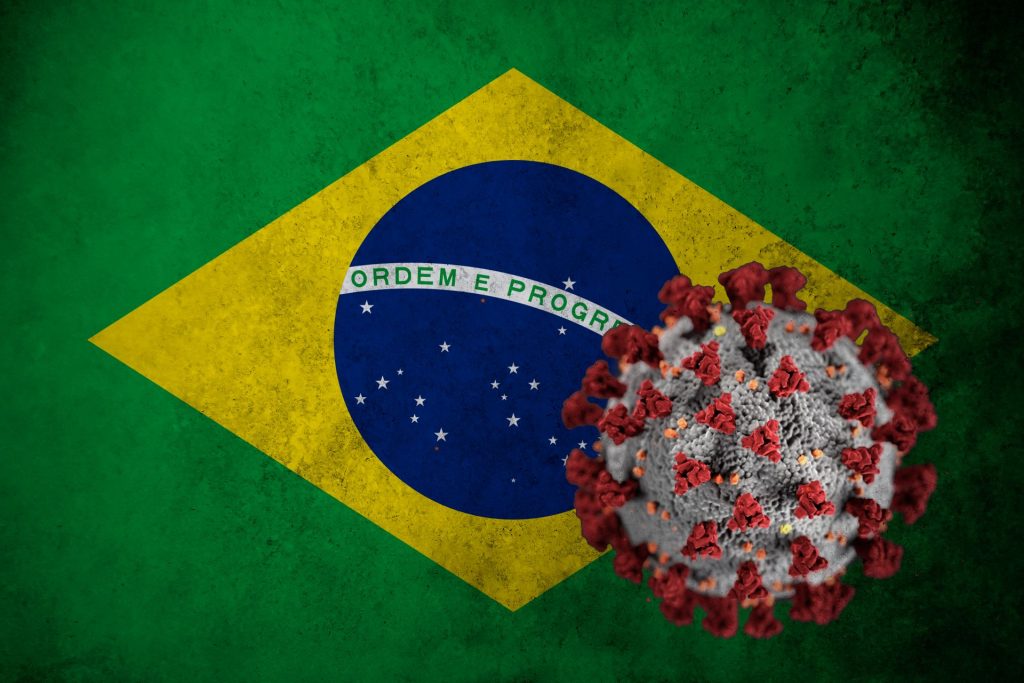
A draft of a major inquiry into the Brazilian government’s handling of the COVID pandemic has recommended that the country’s President Bolsonaro should be charged with several serious crimes over his actions.

The report will be the culmination of a six-month inquiry that has revealed scandals and corruption in the country’s government.

Excerpts leaked to the media indicate that the panel wants Bolsonaro to face nine charges, though initial recommendations that the president be charged with homicide and genocide against indigenous groups were dropped on Tuesday.

The massive and highly unusual 1200 page report urges charges of crimes against humanity, forging documents and incitement to crime. It blames Bolsonaro’s policies for the deaths of 300 000 Brazilians, about half of the current COVID death toll in Brazil, which is the world’s second largest. He repeatedly pushed unproven drugs such as hydroxychloroquine long after they had found to be ineffective.

Despite the serious allegations, what this means for Bolsonaro is unclear, according to the BBC’s South America correspondent Katy Watson.

The draft report will still have to be voted on by the Senate commission, where it could be vetoed and altered. Given the political realities of Brazil, it is unclear if these will ever lead to criminal charges.
President Bolsonaro has dismissed the Congressional inquiry as politically motivated, and has frequently spoken out against COVID interventions such as lockdowns, masks and vaccinations.

In March this year, he infamously told Brazilians to “stop whining” about COVID, a day after the country saw a record rise in deaths over a 24-hour period.

However, Mr Bolsonaro’s popularity has already been dented by the pandemic, and this report could make life much harder for him if he wants to run for a second term in Brazil’s 2022 elections.

Speaking to the BBC in advance of the publication of the report, the inquiry rapporteur, Senator Renan Calheiros, said that the panel wanted to punish those who contributed to “this massacre of Brazilians”.

Source: BBC News

SARS-CoV-2 Can be Detected in Aircraft Wastewater

Photo by Lukas Souza on Unsplash

Australian researchers have found SARS-CoV-2 virus in wastewater samples from long haul flights arriving from outside the country, demonstrating that they can detect it even before passengers show symptoms.

The CSIRO and University of Queensland scientists worked with Qantas to show that wastewater surveillance can provide valuable data for public health agencies.

CSIRO lead author Dr Warish Ahmed said as global travel returns, testing wastewater of incoming flights could screen incoming passengers for COVID at points of entry.

“It provides an extra layer of data, if there is a possible lag in viral detection in deep nasal and throat samples and if passengers are yet to show symptoms,” Dr Ahmed said.

“The rapid on-site surveillance of wastewater at points of entry may be effective for detecting and monitoring other infectious agents that are circulating globally and provide alert to future pandemics.”

Co-author Professor Jochen Mueller from UQ’s Queensland Alliance for Environmental Health Sciences said wastewater testing could be a useful extra tool.

“The paper recommends that wastewater surveillance be used as part of an efficient clinical surveillance and quarantine system – providing multiple lines of evidence of the COVID infection status of passengers during international travel,” Professor Mueller said.

The study, published in Environment International, analysed wastewater samples from 37 Australian Government repatriation flights from COVID hotspots including India, France, UK, South Africa, Canada and Germany between December 2020 and March 2021.

The research found SARS-CoV-2 in wastewater samples from 24 of the 37 repatriation flights (65%) despite all passengers (except children under age five) having tested negative to the virus 48 hours before boarding. Virus is shed in the faeces of infected people about two to five days before showing symptoms.

Traces of SARS-CoV-2 can also be detected in wastewater from previously infected people who still shed the coronavirus, but are no longer infectious – although typically a weaker signal.

During 14 days of the passengers’ mandatory quarantine upon arrival in Australia, clinical tests identified only 112 COVID cases among the 6570 passengers (1.7%).

Monitoring of wastewater has a number of applications. Through its wastewater monitoring programme, the Durban University of Technology found that the recent unrest in South Africa was a superspreader event that drove up cases in KwaZulu-Natal.

Source: University of Queensland

Gauteng Vaccination Goals Under Threat

Image by Quicknews

Gauteng Premier David Makhura has stated that the province is not vaccinating enough people, which he acknowledged jeopardises its ambitious plans of having 70% of the population vaccinated by year end.

In a media briefing on Monday regarding the province’s vaccination rollout, he revealed that of Sunday, 5.3 million vaccines have been administered. More than 2.6 million people in Gauteng have been fully vaccinated. Gauteng’s infection rate has stabilised, with the number of active cases having fallen to approximately 1000. 

The Premier said that as things currently stand, there are still 4.4 million people in Gauteng that have to be vaccinated by the end of December. Makhura said that while they are still focussed on the target, it is becoming difficult to achieve, given the low numbers of people coming in for vaccinations.

“We are not retreating on our target of 70%, but the idea that we will meet 70% by mid-December is becoming a target that is elusive. The vaccination rate per day in Gauteng, on average during the week we are just between 52 and 58 000. We have fallen below the mid 60 000 daily vaccination rate. In September, we were doing extremely well. We were getting around 65-75 000.”

Based on last week’s total of 313 790 vaccinations, with 11 weeks in the year that would mean only about 3.5 million vaccinations administered – let alone persons fully vaccinated with a second dose. Concerns had been voiced at the end of September about flagging vaccination rates in South Africa as a whole.

Makhura also highlighted the low turnout of people in the province’s townships.

“Our townships are lagging behind. The substantial vaccinations are happening in more suburban areas, and the townships are lagging behind. Those townships in the south, Orange Farm and Palestine, we have the lowest number of vaccinations in the south of Johannesburg, that’s where we have 11% vaccination in terms of just single doses,” he said. 

Professor Bruce Mellado, of the Gauteng Provincial Command Council, said that, there was still a need to be cautious, especially with big events on the horizon, such as the municipal elections, saying:

“While the situation in the Gauteng Province remains stable and low risk, the risk of a fourth wave is very, very high. In fact, we predict that the fourth wave will hit sometime between November and January as we expect a number of super-spreader events to follow in a row. That’s something we have to have in mind.”

“We should not be confused or misled by the fact that we are currently in a situation of low risk, but that can change quite rapidly,” Prof Mellado cautioned.

Source: The South African

High-dose Heparin Reduces Mortality in Moderately-ill COVID Patients

SARS-CoV-2 viruses (yellow) infecting a human cell. Credit: NIH

A high dose of heparin, an inexpensive and globally available medication, reduces mortality risk in hospitalised, moderately-ill COVID patients, suggests a new study led by St. Michael’s Hospital.

Appearing in the BMJ, the RAPID Trial compared a high, therapeutic dose of heparin to a prophylactic low dose for patients with moderate COVID and elevated d-dimer levels admitted to hospitals. D-dimers are protein fragments produced when a blood clot gets dissolved; higher levels indicate increased clotting risks.

The researchers studied 465 patients in hospitals around the world and found that while the therapeutic dose of heparin was not associated with a significant reduction in the study’s primary outcome, a composite of death, the need for mechanical ventilation or admission to intensive care, the dosing of heparin did reduce all-cause death in moderately-ill COVID patients admitted to hospital by 78%.

“Our study confirms therapeutic heparin is beneficial in patients who are on the ward with COVID, but other studies suggest it could be harmful for patients who are in critical care,” said Dr. Peter Jüni, Director of the Applied Health Research Centre at St. Michael’s and co-lead of the study.

Therapeutic doses of heparin are used for deep vein thrombosis or pulmonary emboli, whereas prophylactic, or lower, doses are used for patients admitted to Internal Medicine wards to prevent blood clotting while they are in hospital.

Several trials have investigated using blood thinners in COVID patients due to heightened inflammation and clotting in blood vessels caused by the virus. Dr. Michelle Sholzberg, Head of the Division of Hematology-Oncology and Director of the Coagulation Lab at St. Michael’s, and co-lead on the study, hopes this research contributes to a change in treatment guidelines for COVID patients.

“This is a once-in-a-million opportunity – heparin is inexpensive, globally available, and exists in every single hospital pharmacy cabinet right now,” she said. “It’s an opportunity to rapidly repurpose a drug available around the world.”

In particular, she said, the treatment could make a difference in areas where vaccine availability or coverage continues to be limited. Heparin is included in the WHO’s list of essential medicines.

The researchers hope to learn more from the data collected by analysing it further to address new questions, and are also considering revisiting patient outcomes to understand whether these therapies reduce the odds of long COVID.

Source: Unity Health

Nearly 4 in 10 Swedish COVID Patients in ICUs had Obesity

Photo by Siora Photography on Unsplash

People with obesity were overrepresented among adults in Sweden in intensive care for COVID during the first wave of the pandemic, with over twice the proportion as compared to the general population. 

The study, appearing in PLOS One, used  the Swedish Intensive Care Registry (SIR) tp the researchers identified all patients with COVID who were admitted to ICUs in Sweden during the initial wave of the pandemic, in spring and summer 2020. Where height and weight data were missing from SIR, this was supplemented directly from the ICUs and also through the Nationwide Passport Register.

Though people with obesity were identified early on as a risk group that was affected especially severely by COVID, this study contributes to a new, more detailed picture.

A total of 1649 individuals with COVID from ICUs around Sweden were included. All the participants were aged 18 and over; three-quarters were men; and pregnant women were excluded.

The results show that patients with obesity (BMI of 30 kg/m2 or more) were overrepresented among those with COVID receiving intensive care in Sweden, which was 39.4 %, compared to 16% in the general population .

A high BMI increased the risk of both serious illness with long stays in intensive care and of death. A link was found between BMI over 30 and a 50% increase in mortality risk, compared with the normal-weight group. Among those who survived, a BMI over 35 was associated with a more than doubled risk of intensive care for over 14 days. These analyses have been adjusted for age, gender, comorbidity, and state of health at ICU arrival.

“For individuals with COVID who are in intensive care, obesity means an increased risk of death, and among those who survive, obesity boosts the risk of intensive care lasting more than 14 days,” explained first author Lovisa Sjögren, researcher at Sahlgrenska Academy, University of Gothenburg. “Based on our results, obesity should be included as an important risk factor in COVID. Patients with obesity who suffer from COVID should be monitored closely.”

The study is based on the Swedish Intensive Care Register, and Dr Sjögren points out that high-quality registers are a basic precondition for studies of this type to be feasible.

Senior author Jenny M Kindblom, Associate Professor at University of Gothenburg added: “Some international studies have shown a connection between high BMI and the risk of becoming severely ill with COVID. We can now show this in a Swedish context, and with the advantage of having a fully up-to-date BMI value for every patient,” said.

At an early stage during the pandemic, the researchers who conducted the study were in touch with HOBS, a Swedish patient organisation for people living with overweight and obesity. Many members were concerned that a high BMI would elevate the risk of serious illness in COVID.

“At the time, there were no publications in the field, and the study was initiated to enable us to answer patients’ questions. We now hope as many people as possible will take the opportunity to get vaccinated, and that health services include BMI – as a risk factor and perhaps choose to exercise special vigilance in monitoring patients with obesity who are suffering from COVID,” said Prof Kindblom.

Source: University of Gothenburg

Post-COVID Vaccination Menstrual Changes Investigated

Photo by Mat Napo on Unsplash

A paper awaiting peer review on the MedRxiv preprint server shows that menstrual changes in women receiving after the COVID vaccine are quite common.

Many people began sharing that they experienced unexpected menstrual bleeding after being vaccinated for COVID, an emerging phenomenon which was undeniable yet understudied.

Unfortunately, dismissal by medical experts fueled greater concerns, as both vaccine hesitant and anti-vaccine individuals and organisations began to conflate the possibility of short-term menstrual changes with long-term harms to fertility. Many influencers used this well-used framing of protecting women as a means of further anti-vaccine messages.

There are many plausible biological mechanisms that could explain a relationship between an acute immune challenge such as a vaccine, its corresponding and well-known systemic effects on haemostasis and inflammation, and menstrual repair mechanisms of the uterus. The uterine reproductive system is flexible and adaptable in the face of stressors. Examples include marathon running having short term influence on hormone concentrations in the short term; short-term calorie restriction that results in a loss of menstrual cycling can be overcome by resuming normal feeding; that inflammation influences ovarian hormones; and that psychosocial stressors can correspond to cycle irregularity and yet resilience can buffer one from these harms. Typhoid, Hepatitis B, HPV vaccines have all had menstrual irregularity associated with them.  

While sustained early stressors can influence adult hormone concentrations, short-term stressors resolve and do not produce long-term effects. This is quite different from the sustained immune assault of COVID itself: studies and anecdotal reports are already demonstrating that menstrual function may be disrupted long-term, particularly in those with long COVID.

In this sample, 42% of people with regular menstrual cycles bled more heavily than usual, while 44% reported no change, after being vaccinated. Among people who typically do not menstruate, 71% of people on long-acting reversible contraceptives, 39% of people on gender-affirming hormones, and 66% of post-menopausal people reported breakthrough bleeding. We found increased/breakthrough bleeding was significantly associated with age, other vaccine side effects such as fever or fatigue, history of pregnancy or birth, and ethnicity.

Many respondents who had post-vaccine changes did not have them until fourteen days or longer post-inoculation, which extends beyond the typical seven days of adverse symptom reporting in vaccine trials.

Source: MedRxiv

The Rise of Phony Stem Cell COVID Treatments

SARS-CoV-2 virus. Source: Fusion Medical Animation on Unsplash

The global race to develop new stem cell-based COVID treatments during the pandemic was filled with violations of government regulations, inflated medical claims and distorted public communication, according to an article appearing in Stem Cell Reports.

While stem cell therapy has treatment applications for a limited range of diseases and conditions, at present no clinically tested or government-approved cell therapies are available for the treatment or prevention of COVID or long COVID.

Despite this, some clinics have started offering unproven and unsafe “stem cell” therapies that promise to prevent COVID by strengthening the immune system or improving overall health, according to lead author Laertis Ikonomou, PhD, associate professor of oral biology in the University at Buffalo School of Dental Medicine.

The article explores the negative effects that misinformation about cell therapies has on public health, as well as the roles that researchers, science communicators and regulatory agencies should play in curbing the spread of inaccurate information and in promoting responsible, accurate communication of research findings.

“Efforts to rapidly develop therapeutic interventions should never occur at the expense of the ethical and scientific standards that are at the heart of responsible clinical research and innovation,” said Prof Ikonomou.

Other investigators include Megan Munsie, PhD, professor of ethics, education and policy in stem cell science at the University of Melbourne; and 

Many of the studies on possible stem cell-based COVID treatments are at an early stage of investigation and further evaluation on larger sample sizes is required, says Munsie. However, the findings from preliminary studies are frequently exaggerated through press releases, social media and uncritical news media reports.

“Given the urgency of the ongoing pandemic, even the smallest morsel of COVID science is often deemed newsworthy and rapidly enters a social media landscape where—regardless of its accuracy – it can be widely shared with a global audience,” said Aaron Levine, PhD, associate professor of public policy at Georgia Institute of Technology..

Clinics selling such treatments sometimes use these findings and news reports to exploit the fears of vulnerable patients by unethically advertising unproven stem cell treatments benefits of boosting the immune system, regenerating lung tissue and preventing transmission of COVID, said co-author Leigh Turner, PhD, professor of health, society and behaviour at the University of California, Irvine.

Reportedly some harm to patients resulted from unproven stem cell therapies, including blindness and death. Patients suffer financially as well, said Prof Ikonomou, as the products range in price from a few thousand to tens of thousands of dollars, and people are often encouraged to receive the expensive treatments every few months.

Patients who COVID may decline vaccines, stop wearing masks and stop other COVID safety measures, Prof Turner warned. They may also be less likely to participate in ethically conducted clinical trials.

“The premature commercialisation of cell-based therapeutics will inevitably harm the field of regenerative medicine, increase risks to patients and erode the public’s trust,” said Prof Ikonomou.

Despite warnings, many offending companies continue to make false claims. The authors recommend that regulatory agencies consider implementing stronger measures.

They also suggest that scientific and professional societies lobby regulatory agencies to increase enforcement of laws and regulations. The authors recommended that science communicators and journalists can combat misinformation by not engaging in hyperbolic coverage of research results and conveying study limitations.

Source: University at Buffalo

Long COVID in More Than Half of Survivors

Photo by Joice Kelly on Unsplash

More than half of the 236 million people diagnosed with COVID around the world will experience ‘long COVID’ up to six months after recovering, according to Penn State College of Medicine researchers.

During their illnesses, many patients with COVID experience symptoms, such as tiredness, difficulty breathing, chest pain, sore joints and loss of taste or smell.

There have been few studies focussing on patients’ health after recovering from COVID. The researchers examined worldwide studies involving unvaccinated patients who recovered from COVID in order to understand the short and long term impacts of infection. The study found that both adults and children can experience several adverse health issues for six months or longer after recovering from COVID.

The researchers conducted a systematic review of 57 reports that included data from 250 351 unvaccinated adults and children who were diagnosed with COVID from December 2019 through March 2021. Among those studied, 79% were hospitalised, and most patients (79%) lived in high-income countries. Patients’ median age was 54, and 56% were male.

Patients’ health post-COVID was analysed during three intervals at one month (short-term), two to five months (intermediate-term) and six or more months (long-term).

Survivors were found to experience an array of residual health issues associated with COVID,.which generally affected a patient’s general well-being, their mobility or organ systems. Overall, half of survivors experienced long-term COVID manifestations, and these rates remained largely constant from one month through six or more months after their initial illness.

Several trends were observed among survivors, such as:

  • General well-being: More than half of all patients reported weight loss, fatigue, fever or pain.
  • Mobility: Roughly a fifth of survivors had a decrease in mobility.
  • Neurologic concerns: Nearly one quarter of survivors had difficulty concentrating.
  • Mental health disorders: Nearly a third of patients were diagnosed with generalised anxiety disorders.
  • Lung abnormalities: Six in ten survivors had chest imaging abnormality and more than a quarter of patients had difficulty breathing.
  • Cardiovascular issues: Chest pain and palpitations were among the commonly reported conditions.
  • Skin conditions: Nearly a fifth of patients experienced hair loss or rashes.
  • Digestive issues: Stomach pain, lack of appetite, diarrhoea and vomiting were among the commonly reported conditions.

“The burden of poor health in COVID survivors is overwhelming,” said co-lead investigator Dr Paddy Ssentongo, assistant professor at the Penn State Center for Neural Engineering. “Among these are the mental health disorders. One’s battle with COVID doesn’t end with recovery from the acute infection. Vaccination is our best ally to prevent getting sick from COVID and to reduce the chance of long-COVID even in the presence of a breakthrough infection.”

The mechanisms behind long COVID remain little understood. These symptoms could result from immune-system hyperactivation, lingering infection, reinfection or an increased production of tissue-attacking autoantibodies. SARS-CoV-2 can access, enter and live in the nervous system, resulting in commonly occurring nervous system symptoms such as taste or smell disorders, memory impairment and decreased attention and concentration commonly.

Dr Ssentongo noted that the study did not rule out other causes from the symptom besides COVID.

Early intervention will be crucial for improving the quality of life for many COVID survivors, and in the years ahead, health care providers will likely see an influx of patients with psychiatric and cognitive problems, such as depression, anxiety or post-traumatic stress disorder who were otherwise healthy before contracting COVID. Healthcare systems in low- and middle-income countries risked being overwhelmed with 

“Since survivors may not have the energy or resources to go back and forth to their health care providers, one-stop clinics will be critical to effectively and efficiently manage patients with long COVID,” Dr Ssentongo said. “Such clinics could reduce medical costs and optimise access to care, especially in populations with historically larger health care disparities.”

Source: Penn State

Delta Variant Causes Pregnancy Complications

Source: Anna Hecker on Unsplash

Pregnant women have been a population of concern for physicians since the beginning of the COVID pandemic, and early on the frequency of caesarean delivery, preterm birth and pregnancy-related hypertension was reported to be increased in pregnant women who developed severe or critical illness from the novel coronavirus.

In May and June this year, there was a lull in COVID cases and hospitalisations, to the relief of physicians at the University of Alabama at Birmingham Hospital and their pregnant patients. However, the Delta variant soon caused a rise in cases, hospitalisations and deaths across the US state of Alabama. Along with this there was a seemingly higher number of pregnant patients with COVID in hospitals and intensive care units than in previous surges.

“We saw an alarming increase in pregnant patients hospitalised with the Delta variant in July and August,” said Akila Subramaniam, MD, associate professor in UAB’s Division of Maternal-Fetal Medicine. “Even more, many of our patients were delivering pre-term because of the effects of the virus on these women.”

Researchers tracked admission rates and maternal and neonatal outcomes of pregnant COVID patients at UAB Hospital from March 22, 2020, to Aug. 18, 2021. Outcomes were compared between pre-Delta and Delta groups, with preliminary findings seriousindicating  morbidity and adverse outcomes associated with the Delta variant and pregnancy.

Prior to the Delta variant, UAB Hospital saw the highest admission of pregnant women with active COVID in July 2020. A total of 28 pregnant patients were admitted that month, three of whom were admitted to the intensive care unit. In comparison, 39 pregnant patients, with 11 in ICU, were hospitalised in just the first 18 days of August.

“Pregnant women are a high-risk population with low-vaccination rates overall,” said Jodie Dionne, MD, associate director of UAB Global Health in the Center for Women’s Reproductive Health and associate professor in the Division of Infectious Diseases. “There is misinformation circulating that causes doubt in the vaccines or downplays the effect of the virus. This study highlights how dangerous contracting the virus, especially the Delta variant, can be for the mom and baby.”

From the study’s early findings, the UAB researchers emphasize recommendations from the Society of Maternal-Fetal Medicine, the American College of Obstetricians and Gynecologists, and the Centers for Disease Control and Prevention to vaccinate pregnant patients to mitigate severe perinatal morbidity and mortality.

The findings were published in the journal of Obstetrics and Gynecology.

Source: University of Alabama at Birmingham