Category: COVID

Kids are a Significant Source of COVID Spread in Households

COVID spreads extensively in households, with children being a significant source of that spread. These are the findings from an antibody surveillance study published in CMAJ Open, which also shows that about 50% of household members were infected from the first-infected individual during the study period.

Although kids were less likely to spread the virus compared to adults, children and adults were equally likely to become infected from the first-infected individual.

The antibody surveillance study included 695 participants from 180 households in the Canadian city of Ottawa in Ontario, between September 2020 and March 2021. Included households had at least one member having had a confirmed COVID infection and at least one child within their household.

“Our study was conducted when we were dealing with a less transmissible virus and pandemic restrictions were strongly in place, and we still had a 50% transmission rate within households. Flash forward to where we are today with an extremely transmissible variant of COVID and the majority of pandemic restrictions lifted; it’s safe to say transmission rates will be higher even though we have a high vaccination rate amongst those who are eligible,” said Dr Maala Bhatt, the study’s lead author. 

“I know many want to ‘live with COVID’ and abandon the layers of protection that were previously mandated, but it’s important to be aware of the high transmissibility of this virus in closed, indoor settings, such as schools,” she cautioned.  “Our most vulnerable and our youngest children who are not yet able to be vaccinated are still at risk for COVID infection.”

In the Canadian province of Eastern Ontario, where the study was done, COVID is on the rise once again. Three-quarters of all children admitted to CHEO with COVID have come during the Omicron wave. Since the beginning of January this year a third of the roughly 4900 monthly visits to the Emergency Department were for COVID-related symptoms.

The study hypothesised that children would act as “an even greater source of spread within households with the emergence of more infectious variants.” Children also have “considerable potential to spread” in settings such as school and daycare, where they congregate indoors for long periods, especially now when masking is not required in many jurisdictions.

“While we’re lucky hospitals aren’t currently overloaded, emergency departments are and positivity rates are on the rise, even amongst children,” said Dr Bhatt, paediatric emergency physician and Director of Emergency Medicine Research at CHEO and an Investigator at the CHEO Research Institute.

“We continue to learn more about COVID and its potential long-term health impacts, and we still aren’t clear about how long immunity lasts; these are all things researchers continue to study.”

Source: University of Ottawa
Rare COVID Vaccine Blood Clots May Result from Genetics

Photo by Spencer Davis on Unsplash

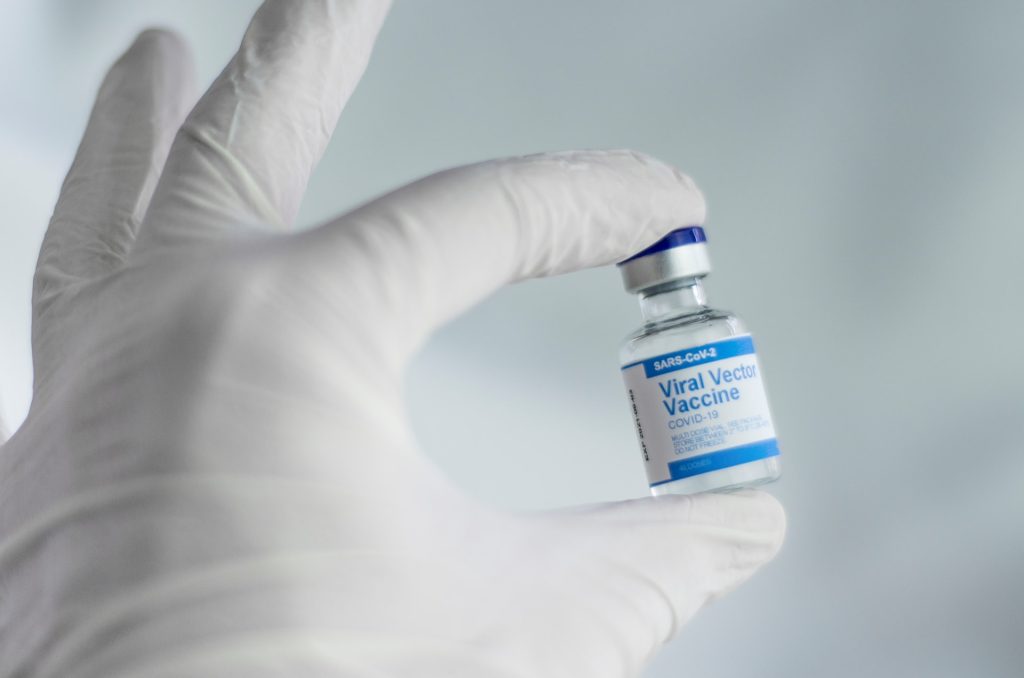
Scientists have discovered that the rare blood clot side-effect associated with some COVID vaccines could be the result of a specific gene variant, which could make a genetic screening test possible.

Vaccine-induced thrombotic thrombocytopenia (VITT), a rare disorder causing thrombosis and thrombocytopenia (low blood platelet counts), was linked to AstraZeneca’s COVID vaccine in early 2021, leading some countries to pause or restrict its use. It is also associated with the Johnson & Johnson vaccine, which also uses a viral vector.

Now, a new study may help to explain what’s causing the rare side effect. The study by Flinders University and SA Pathology is now available on the medRxiv preprint server and is awaiting peer review.

Examining five unrelated individuals who all had the clotting complication after vaccination, the researchers found that all of the patients had unusually structured antibodies against a protein called platelet factor 4 (PF4), which is involved in blood clotting.

In addition, all five shared a specific version of a gene responsible for producing these antibodies.

“We knew previously that PF4 was directly involved in the clotting disorder, and we knew that aberrant antibodies against PF4 are responsible, but what we don’t know is how and why some people develop them,” explained lead author Dr Jing Jing Wang.

The antibodies were all found to be derived from the same amino acid sequence. The researchers then found that all of the patients carried a specific variant of one gene, called IGLV3-21*02, most commonly occurring in people of European descent.

“The other specific amino acid sequences of these antibodies from each patient were derived from separate basic sequences but had all evolved to carry very similar properties, making them very potent attackers of the PF4 protein,” explained research team leader Professor Tom Gordon.

“Together, this suggests that it is the combination of a variant in a gene and the evolution of this antibody towards targeting the PF4 protein in a destructive manner, which is leading to this harmful side-effect.”

Though why the antibody is found in such a tiny number of vaccine recipients remains unknown, the identification of the gene could enable a genetic screening tool to identify patients who are at risk of this severe complication.

“It also provides a unique opportunity for targeted, specific therapy development aimed at neutralising this highly damaging but very specific antibody,” said Dr Wang.

Source: Flinders University

Home Pulse Oximeters in COVID no Better Than Just Asking

Photo by Mufid Majnun on Pexels

Self-measurement of oxygen levels with pulse oximeters is no better than just regularly asking patients with COVID if they are short of breath, according to new research published in the New England Journal of Medicine. Pulse oximeters have often been applied because of concerns that patients might not notice their blood oxygen levels sliding dangerously. 

However, people in Penn Medicine’s COVID Watch programme, which monitors patients recovering at home via automated text messaging, had the same outcomes whether they used oxygen-measuring devices or not.

“Compared to remotely monitoring shortness of breath with simple automated check-ins, we showed that the addition of pulse oximetry did not save more lives or keep more people out of the hospital,” said the study’s co-lead author, Anna Morgan, MD, medical director of the COVID Watch program and an assistant professor of General Internal Medicine. “And having a pulse oximeter didn’t even make patients feel less anxious.”

The COVID Watch was launched in March 2020 to remotely monitor COVID patients at home, with 28 500 people enrolled to date. Twice a day for two weeks, text messages were automatically sent to these patients asking how they felt and if they were having difficulty breathing. If patients indicated dyspnoea, the programme would alert a nurse to make contact and arrange care.

“The programme made it easy to identify the sickest patients who needed the hospital, and keep the others at home safely,” said David Asch, MD, executive director of the Center for Health Care Innovation and a professor of Medicine, Medical Ethics and Health Policy. “The programme was associated with a 68 percent reduction in mortality, saving a life approximately every three days during peak enrollment early in the pandemic.”

However it was not known if monitoring blood oxygen would help.

“Early in the pandemic, there was a prevalent theory that oxygen levels in the blood dropped before a COVID patient became symptomatic and short of breath,” said study co-lead author Kathleen Lee, MD. “Detecting this earlier with a home pulse oximeter might provide an opportunity to get patients who are on the cusp of deteriorating to the hospital faster and initiate time-sensitive therapies to improve outcomes.”

The use of pulse oximeters was so intuitively appealing that the process got adopted even before this trial, the first randomised trial to test whether it actually worked.

“Several health systems, and even states like Vermont and countries like the United Kingdom, have integrated pulse oximetry into the routine home management of patients with COVID, but there’s been scant evidence to show this strategy makes a difference,” said the research project’s principal investigator M. Kit Delgado, MD.

In this study, more than 2000 patients enrolled in COVID Watch between Nov. 29, 2020, and Feb. 5, 2021, were randomised to receive standard COVID Watch care or the same program with the addition of a pulse oximeter.

However, no statistical difference was seen in the main study measure, the average number of days enrolled patients spent alive and out of the hospital in the 30 days after they were enrolled. For patients with pulse oximeters, the measure was 29.4 days; for those without, it was 29.5, with no difference across racial liines. This was important as black patients are known to have had worse COVID outcomes and concerns had been raised about the accuracy of pulse oximeters in people with darker skin.
The researchers cautioned that the study focused on pulse oximeters in established programme of remote monitoring, and patients don’t have access to a system like COVID Watch or on-call clinicians, self-monitoring with pulse oximeters may still be a reasonable approach until there is evidence to the contrary.

“Overall, these findings suggest that a low-tech approach for remote monitoring systems based on symptoms is just as good as a more expensive one using additional devices. Automated text messaging is a great way for health systems to enable a small team of on-call nurses to manage large populations of patients with COVID,” said co-principal investigator, Krisda Chaiyachati, MD. “There are a lot of other medical conditions where the same kind of approach might really help.”

Source: University of Pennsylvania School of Medicine

Caesarean and Induced Deliveries Fell During Pandemic

Photo by Christian Bowen on Unsplash

During the first few months of the COVID pandemic, premature births from caesarean and induced deliveries fell by 6.5% – and remained consistently lower throughout, according to research reported in the journal Pediatrics. This is likely a result of fewer prenatal visits due to lockdown and social distancing rules, the researchers suggested, and call into question how many such interventions are necessary.   

The study, the first to examine pandemic-era birth data at scale, raises questions about medical interventions in pregnancy and whether some decisions by doctors may result in unnecessary preterm deliveries, according to Assistant Professor Daniel Dench, the paper’s lead author.

“While much more research needs to be done, including understanding how these changes affected fetal deaths and how doctors triaged patient care by risk category during the pandemic, these are significant findings that should spark discussion in the medical community,” A/Prof Dench said.

In effect, the study begins to answer a question that never could have been resolved in a traditional experiment: What would happen to the rate of premature C-sections and induced deliveries if women didn’t see doctors as often, especially in person, during pregnancy?

Doing such a study would be unethical, but lockdown had a side effect of reducing prenatal care visits by more than a third, according to one analysis. That gave A/Prof Dench and colleagues an opportunity to evaluate the impacts, after all.

The researchers took records of nearly 39 million US births from 2010 to 2020, and compared them to expected premature births (born before 37 weeks) from March to December 2020. 

The researchers found that in March 2020, when lockdowns began in the US, preterm births from C-sections or induced deliveries immediately fell from the forecasted number by 0.4%. From March 2020 to December 2020, the number remained on average 0.35% below the predicted values. That translates to 350 fewer preterm C-sections and induced deliveries per 100 000 live births, or 10 000 fewer overall.

Before the pandemic, the number of preterm C-sections and induced deliveries had been rising. Spontaneous preterm births also fell by a small percentage in the first months of the pandemic, but much less than births involving those two factors. The number of full-term caesarean and induced deliveries increased.

“If you look at 1000 births in a single hospital, or even at 30 000 births across a hospital system, you wouldn’t be able to see the drop as clearly,” said A/Prof Dench. “The drop we detected is a huge change, but you might miss it in a small sample.”  

The researchers also corrected for seasonality, for example, preterm births are higher on average in February than in March, which helped them get a clearer picture of the data.

The research comes with caveats. Up to half of all preterm C-sections and induced deliveries are due to a ruptured membrane, which is a spontaneous cause. But in the data Dench and his team used, it’s impossible to distinguish these C-sections from the ones caused by doctors’ interventions. So, Dench and co-authors are seeking more detailed data to get a clearer picture of preterm deliveries.

Still, these findings are significant because the causes for preterm births are not always known.

“However, we know for certain that doctors’ interventions cause preterm delivery, and for good reason most of the time,” A/Prof Dench said. “So, when I saw the change in preterm births, I thought, if anything changed preterm delivery, it probably had to be some change in how doctors were treating patients.”

The researchers’ findings raise a critical question: Was the pre-pandemic level of doctor intervention necessary?

“It’s really about, how does this affect foetal health?” said A/Prof Dench. “Did doctors miss some false positives – did they just not deliver the babies that would have survived anyway? Or did they miss some babies that would die in the womb without intervention?”  

A/Prof Dench plans to use foetal death records from March 2020 to December 2020 to answer this question. If he finds no change in foetal deaths at the same time as the drop in preterm births, that could point to “false positives” in doctor intervention that can be avoided in the future. Learning which pregnancies required care during the pandemic and which ones didn’t could help doctors avoid unnecessary interventions in the future.  

“This is just the start of what I think will be an important line of research,” A/Prof Dench said.

Source: Georgia Institute of Technology

Increased Risk of DVT, Pulmonary Embolism, and Bleeding after COVID

3D illustration of a thrombus. Credit: Mecder, CC BY-SA 4.0, via Wikimedia Commons

There is an increased risk of developing deep vein thrombosis (DVT) for six months after a COVID, a study published in the BMJ suggests, as well as increased risk of pulmonary embolism and bleeding for shorter periods. The risk was particularly evelated for those with severe COVID as well as those infected during the first wave.

This highlights the importance of COVID vaccination, the researchers said. While there has been concern over the risk of blood clots after vaccination, the risk is far smaller, according to a large study last year.

It had previously been observed that people who had COVID had an increased risk of blood clots, and the researchers wanted to find out when that risk returns to normal levels.

The researchers tracked the health of just over one million people in Sweden who tested positive for COVID between February 2020 and May 2021 in Sweden, comparing them against four million people age- and sex-matched non-infected individuals.

Adjusting for confounding factors such as comorbidities, cancer, surgery, long term anticoagulation treatment, previous venous thromboembolism, or previous bleeding event, the researchers found an increased risk of:

  • first DVT, for up to three months
  • first pulmonary embolism, for up to six months
  • first bleeding event, such as a stroke, for up to two months

Comparing blood clot risk after COVID to the normal level of risk, the results showed that:

  • four in every 10 000 COVID patients developed DVT compared with one in every 10 000 non-infected individuals
  • about 17 in every 10,000 COVID patients had a blood clot in the lung compared with fewer than one in every 10,000  non-infected individuals

The authors wrote that the increased risk of blood clots was higher in the first wave than later waves, probably because treatments improved during the pandemic and older patients were starting to be vaccinated by the second wave.

Pulmonary embolism risk in people with severe COVID was 290 times greater than normal, and seven times higher than normal after mild COVID. However, there was no increase in bleeding risk in mild cases.

“For unvaccinated individuals, that’s a really good reason to get a vaccine – the risk is so much higher than the risk from vaccines,” said principal study investigator Anne-Marie Fors Connolly, from Umea University in Sweden.
While COVID’s causing the blood clots cannot be proven in this study, the researchers have a number of theories on the mechanism. It could be the direct effect of the virus on the layer of cells which line blood vessels, an exaggerated inflammatory response to the virus, or the body making blood clots at inappropriate times.

Though vaccines are very effective against severe COVID, but less so against infection, especially with the Omicron variant. This means repeat symptomatic infections are commonplace.

Source: BBC News

After More than Two Years, SA’s State of Disaster Finally Ends

Image by Quicknews

More than two years since the start of the COVID pandemic. President Cyril Ramaphosa on Monday evening (4 April) announced the repeal of South Africa’s national state of disaster. A transition to new regulations to manage the pandemic will take place in coming weeks.

However, the end of the state of emergency had already been extended, a decision met with much criticism. Its end had long been called for, including experts such as Professor Shabir Madhi of Wits University.

Speaking about the extension in January, Prof Madhi told the Daily Maverick that the state of disaster regulations “have done very little when it comes to protecting people from being infected, because, had it had any impact, we wouldn’t have had 70% of the population infected with the virus at least once since the start of the pandemic.”

In the announcement, President Ramaphosa said the state of disaster and associated lockdown restrictions had been needed to properly deal with the COVID pandemic.

The state of disaster also allowed the establishment of the COVID TERs scheme, the R350 social relief of distress grant, the extension of driving licences and other necessary changes.

President Ramaphosa stated that the state of disaster and its powers were always ‘temporary and limited’, with the country now entering a new phase in the pandemic. While SARS-CoV-2 continues to circulate in the country, experience had already shown early in the fourth wave that the Omicron variant has decoupled COVID infection from rates of hospitalisation or deaths.

“Going forward, the pandemic will be managed in terms of the National Health Act. The draft Health Regulations have been published for public comment. Once the period for public comment closes on the 16th of April 2022 and the comments have been considered, the new regulations will be finalised and promulgated.

“Since the requirements for the National State of Disaster to be declared in terms of the Disaster Management Act are no longer met, Cabinet has decided to terminate the National State of Disaster with effect from midnight tonight.”

President Ramaphosa said certain provisional regulations will remain in place for a further 30 days to ensure a smooth handover to the new regulations under the National Health Act.

The transitional measure which will automatically lapse after 30 days include:

  • Wearing face masks must continue to be worn in an indoor public space.
  • Gatherings will continue to be restricted in size. Indoor and outdoor venues can accept 50% of capacity subject to vaccination or a COVID test. Gatherings of 1000 people indoors and 2000 people outdoors are permitted for the unvaccinated.
  • Travellers entering South Africa will need to show proof of vaccination or proof of a negative test.
  • The R350 SRD grant will remain in place, with the Department of Social Development finalising separate regulations allowing it to continue.
  • The grace period for driving licence extensions remain in place.

All other regulations fall away from midnight and the COVID alert levels will no longer apply, President Ramaphosa said. The no-fault vaccination compensation scheme will also continue operating.

Source: BusinessTech

Possible Cause of COVID Arrhythmias Discovered

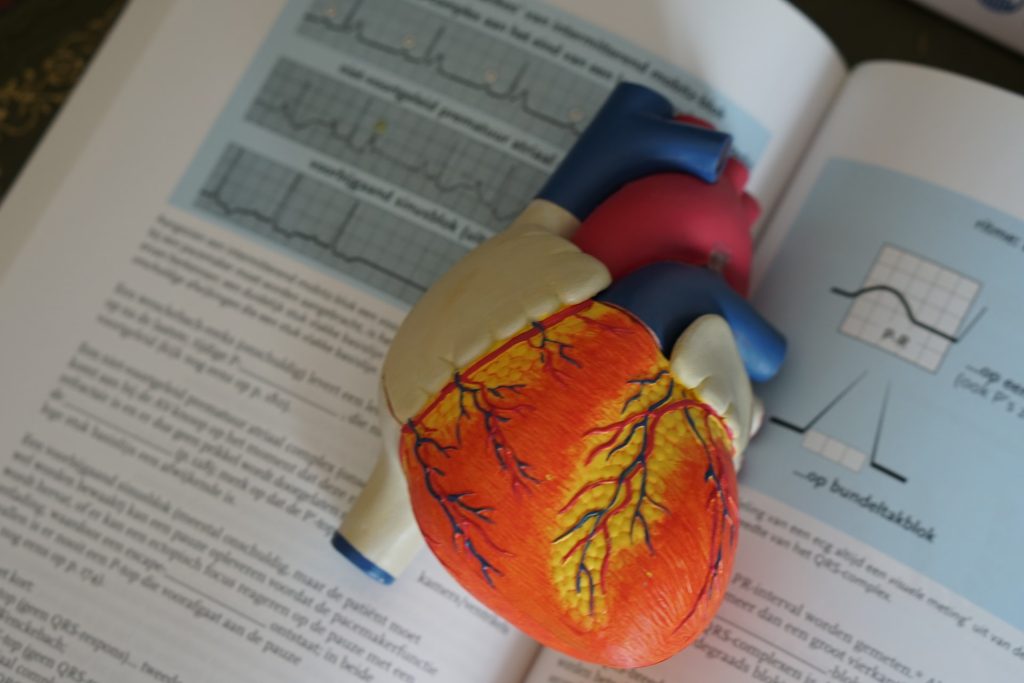
Anatomical model of a human heart
Photo by Robina Weermeijer on Unsplash

The SARS-CoV-2 virus can infect cardiac pacemaker cells, causing the cells to undergo self-destruct by ferroptosis according to a preclinical study reported in Circulation Research. This may explain the heart arrhythmias that are commonly observed in COVID patients.

In the study, the researchers used an animal model as well as human stem cell-derived pacemaker cells to show that SARS-CoV-2 can readily infect pacemaker cells and trigger a process called ferroptosis, where cells self-destruct, releasing damaging reactive oxygen molecules.

“This is a surprising and apparently unique vulnerability of these cells — we looked at a variety of other human cell types that can be infected by SARS-CoV-2, including even heart muscle cells, but found signs of ferroptosis only in the pacemaker cells,” said study co-senior author Professor Shuibing Chen.

Arrhythmias, including tachycardia and bradycardia, has been observed in some COVID patients, and multiple studies link these arrhythmias to worse COVID outcomes. But how the coronavirus caused these remained unclear.

In the new study, the researchers examined golden hamsters (one of the only lab animals that reliably develops COVID-like signs from SARS-CoV-2 infection) and found evidence that following nasal exposure, the virus can infect the sinoatrial node, which is the natural cardiac pacemaker.

The researchers then induced human embryonic stem cells to mature into cells closely resembling sinoatrial node cells. They showed that these induced human pacemaker cells can be infected by SARS-CoV-2 as they express ACE2 receptors. Large increases in inflammatory immune gene activity were also seen in the infected cells.

The team’s most surprising finding, however, was that the pacemaker cells, in response to the stress of infection, showed clear signs of a cellular self-destruct process called ferroptosis, which involves accumulation of iron and the runaway production of reactive oxygen molecules. The scientists were able to reverse these signs in the cells using compounds that are known to bind iron and inhibit ferroptosis.

“This finding suggests that some of the cardiac arrhythmias detected in COVID patients could be caused by ferroptosis damage to the sinoatrial node,” said co-senior author Dr Robert Schwartz

While COVID patients could in principle be treated with ferroptosis inhibitors specifically to protect sinoatrial node cells, antiviral drugs that block the effects of SARS-CoV-2 infection in all cell types would be preferable, the researchers said.

The researchers plan to continue to use their cell and animal models to investigate sinoatrial node damage in COVID and other settings.

“There are other human sinoatrial arrhythmia syndromes we could model with our platform,” said co-senior author Dr. Todd Evans. “And, although physicians currently can use an artificial electronic pacemaker to replace the function of a damaged sinoatrial node, there’s the potential here to use sinoatrial cells such as we’ve developed as an alternative, cell-based pacemaker therapy.”

Source: Weill Cornell Medicine

Why People with Asthma are Less Vulnerable to COVID

Photo by Sahej Brar on Unsplash

Researchers have revealed biological reasons for how disease progression happens and why a certain population of asthma patients are less susceptible to severe COVID.

This research, published in PNAS, shows the importance of the well-known cytokine interleukin-13 (IL-13) in protecting cells against SARS-CoV-2, something which helps explain why people with allergic asthma fare better than the general population despite having a chronic lung condition. However, the same cannot be said for individuals with other diseases, such as chronic obstructive pulmonary disease (COPD) or emphysema, who are at very high risk of severe COVID.

“We knew there had to be a bio-mechanistic reason why people with allergic asthma seemed more protected from severe disease,” said Assistant Professor Camille Ehre, PhD, senior author of the paper. “Our research team discovered a number of significant cellular changes, particularly due to IL-13, leading us to conclude that IL-13 plays a unique role in defence against SARS-CoV-2 infection in certain patient populations.”

Although cytokines like IL-13 cannot be used as therapies because they trigger inflammation, it is important to understand natural molecular pathways that cells use to protect themselves from pathogen invasion, as these studies have the potential to reveal new therapeutic targets.

Many health factors increase a person’s risk of severe COVID, but during the pandemic, epidemiologists found that people with allergic asthma were less susceptible to severe disease.

“These are patients with asthma caused by allergens, such as mould, pollen, and dander,” said A/Prof Ehre. “To find out why they are less susceptible, we investigated specific cellular mechanisms in primary human airway epithelial cell cultures.”

Genetic analysis human airway cell cultures infected with SARS-CoV-2 revealed that the expression of ACE2 governed which cell types were infected and their viral load.

Electron microscopy (EM) identified an intense exodus of virus from infected ciliated cells, which move mucus along the airway surface. EM also revealed severe cytopathogenesis – changes inside human cells due to viral infection. And these changes culminating in ciliated cells (packed with virions) shedding away from the airway surface.

“This shedding is what provides a large viral reservoir for spread and transmission of SARS-CoV-2,” A/Prof Ehre said. “It also seems to increase the potential for infected cells to relocate to deeper lung tissue.”

Further experiments on infected airway cells revealed that a major mucus protein called MUC5AC was depleted inside cells, likely because the proteins were secreted to try to trap invading viruses. But the virus load kept increasing because the cells tasked with producing MUC5AC were overwhelmed in the face of a rampant viral infection.

The researchers knew from epidemiological studies that allergic asthma patients—known to overproduce MUC5AC—were less susceptible to severe COVID. A/Prof Ehre and colleagues also knew the cytokine IL-13 increased MUC5AC secretion in the lungs when asthma patients faced an allergen.

The scientists decided to mimic asthmatic airways by treating human airway cells with IL-13. They then measured viral titres, viral mRNA, the rate of infected cell shedding, and the overall number of infected cells. Each one was significantly decreased. They found this remained true even when mucus was removed from the cultures, suggesting other factors were involved in the protective effects of IL-13 against SARS-CoV-2.

Bulk RNA-sequencing analyses revealed that IL-13 upregulated genes that control glycoprotein synthesis, ion transport, and antiviral processes – all of which are important in airway immune defence. They also showed that IL-13 reduced the expression of the viral receptor, ACE2, as well as reducing the amount of virus inside cells and cell-to-cell viral transmission.

Taken together, these findings indicate that IL-13 significantly affected viral entry into cells, replication inside cells, and spread of virus, thus limiting the virus’s ability to find its way deeper into the airways to trigger severe disease.

“We think this research further shows how important it is to treat SARS-CoV-2 infection as early as possible,” A/Prof Ehre said. “And it shows just how important specific mechanisms involving ACE2 and IL-13 are, as we try our best to protect patients from developing severe infections.”

Source: University of North Carolina Health Care

Key Differences of SARS-CoV-2 Spike Protein over SARS Ancestor

Source: Fusion Medical Animation on Unsplash

New computational simulations of the behaviour of the SARS-CoV-1 and SARS-CoV-2 spike proteins before they fuse with human cell receptors show that SARS-CoV-2, is in fact more stable and slower changing than SARS-CoV-1 that caused the SARS epidemic in 2003.

Though severe acute respiratory syndrome coronaviruses 1 and 2 (SARS-CoV-1 and SARS-CoV-2) have striking similarities, why the latter is more transmissible remains unclear.

The spike proteins of each, which bind to host cell angiotensin converting enzyme 2 (ACE-2), otherwise known as the human cell receptor, have been proposed as the reason for their difference in transmissibility. A more detailed understanding of the spike proteins prior to binding could lead to the development of better vaccines and medications.

The new finding, which appears in the Journal of Biological Chemistry, does not necessarily mean that SARS-CoV-2 is more likely to bind to cell receptors, but it does mean that its spike protein has a better chance of effective binding.

“Once it finds the cell receptor and binds to it, the SARS-CoV-2 spike is more likely to stay bound until the rest of the necessary steps are completed for full attachment to the cell and initiation of cell entry,” explained Associate Professor Mahmoud Moradi, of the Fulbright College of Arts and Sciences.

To determine differences in conformational behaviour between the two versions of the virus, the researchers performed equilibrium and nonequilibrium simulations of the molecular dynamics of SARS-CoV-1 and SARS-CoV-2 spike proteins, leading up to binding with cell angiotensin converting enzyme 2.

Equilibrium simulations allow the models to evolve spontaneously on their own time, while nonequilibrium simulations change according to external input. The former is less biased, but the latter is faster and allows for many more simulations to run. Both methodological approaches provided a consistent picture, independently demonstrating the same conclusion that the SARS-CoV-2 spike proteins were more stable.

The models revealed other important findings, namely that the energy barrier associated with activation of SARS-CoV-2 was higher, meaning the binding process happened slowly. Slow activation allows the spike protein to evade human immune response more efficiently, because remaining in an inactive state longer means the virus cannot be attacked by antibodies that target the receptor binding domain.

Researchers understand the importance of the receptor-binding domain (RBD), which viruses use to gain entry to human cells. The team’s modelling confirms the importance of the RBD but also suggest that other domains, such as the N-terminal domain, could play a crucial role in the different binding behaviour of SARS-CoV-1 and -2 spike proteins.

N-terminal domain of a protein is a domain located at the N-terminus or simply the start of the polypeptide chain, as opposed to the C-terminus, which is the end of the chain. Though it is near the receptor-binding domain and is known to be targeted by some antibodies, the function of the N-terminal domain in SARS-CoV-1 and -2 spike proteins is not fully understood. Moradi’s team is the first to find evidence for potential interaction of the N-terminal domain and the receptor binding domain.

“Our study sheds light on the conformational dynamics of the SARS-CoV-1 and SARS-CoV-2 spike proteins,” Moradi said. “Differences in the dynamic behaviour of these spike proteins almost certainly contribute to differences in transmissibility and infectivity.”

Source: University of Arkansas

Prior COVID Infection Results in Robust Immunity after Vaccination

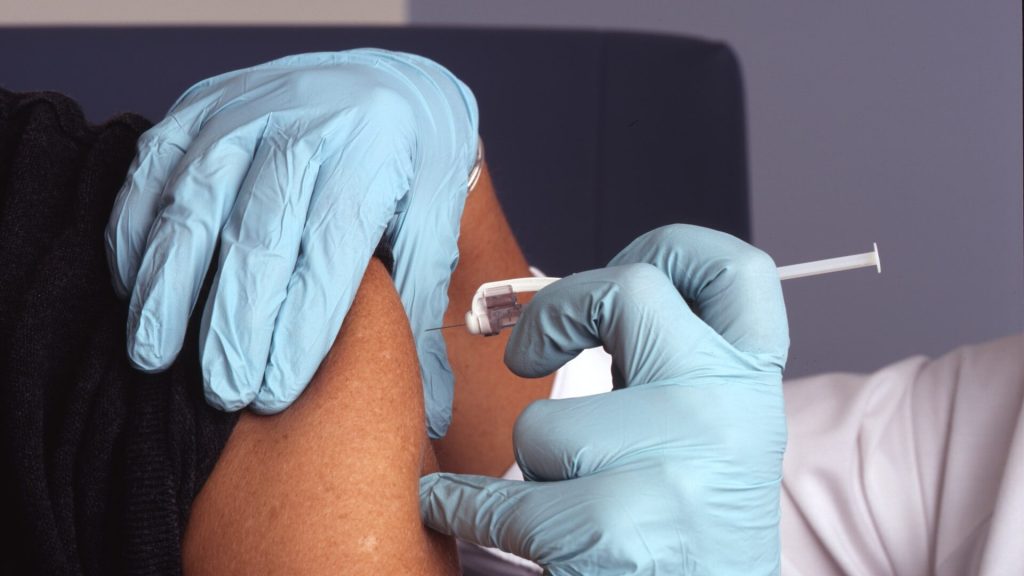
Vaccine injection
Image source: NCI on Unsplash

New research published in the journal JCI Insight shows that immune responses to the Pfizer-BioNTech mRNA vaccine differ significantly in individuals depending on whether or not they had a prior COVID infection. Notably, those who had COVID before vaccination produced a surge of antibodies after the first dose, with little or no increase seen after the second dose. The opposite pattern was observed in infection-naïve individuals.

“Our study shows that the presence of immune memory induced by prior infection alters the way in which individuals respond to SARS-CoV-2 mRNA vaccination,” explained first author Professor Steven G. Kelsen. “The lack of response after the second vaccine dose in previously infected individuals is especially relevant, because it could mean that some people may require only one dose or could potentially skip the booster shot.”

Prof Kelsen and colleagues carried out the study in health care workers, some having previously tested positive for SARS-CoV-2 infection and others never having been infected. The researchers measured levels of neutralising antibodies in blood samples taken at three different time points, including before vaccination and after each vaccine dose. They also performed qualitative assessment for local reactions and systemic symptoms, such as fever, headache, and fatigue, associated with vaccination.

While levels of neutralising antibodies hit their maximum in some people with prior COVID after the first vaccine dose, individuals with no history of infection showed massive responses after the second dose. Those high levels also plummeted quickly, while the COVID group retained longer lasting immunity, despite the lack of response to a second dose. However, prior infection was also linked to more frequent and longer-lasting adverse reactions to the vaccine.

“Previous studies had similarly reported long-lasting immunity and strong immune reactions in COVID patients,” Prof Kelsen said. “We now provide new information on how prior infection interacts with vaccination in terms of measurable immune response and how individuals react to mRNA vaccines based on infection history.”

The next steps for Prof Kelsen and collaborators are to modify their neutralising antibody assay to detect Omicron and other SARS-CoV-2 variants. “We also are interested in understanding how long protection from a booster dose of the vaccine lasts,” he said.

Source: EurekAlert!