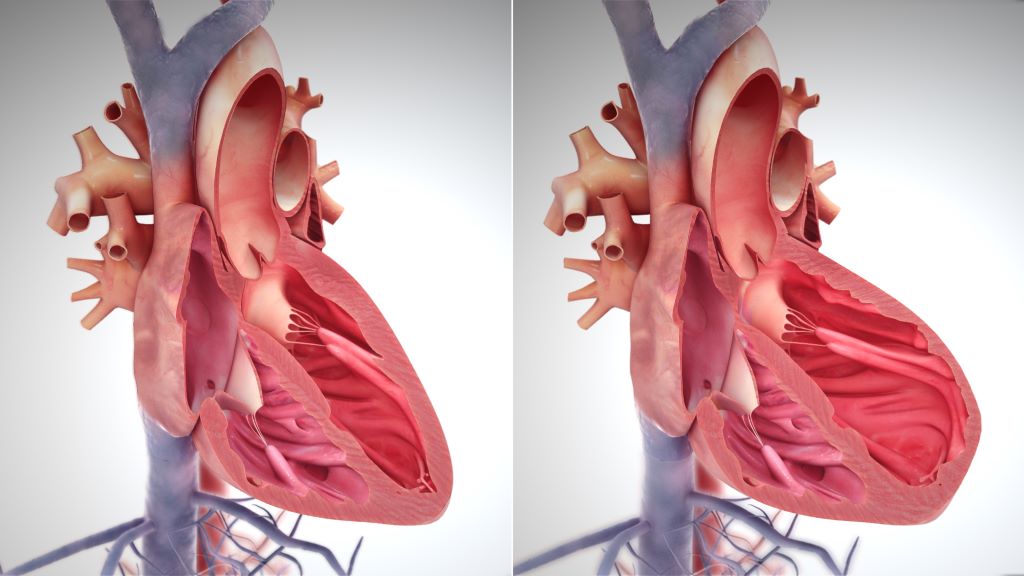
Researchers from Sergio Arboleda University in Colombia and the Georgia Institute of Technology in the US used an electrophysiological computer model of the heart’s electrical circuits to examine the effect of the applied voltage field in multiple fibrillation-defibrillation scenarios. Their research, published in the interdisciplinary journal Chaos, discovered that far less energy is needed than is currently used in state-of-the-art defibrillation techniques.
“The results were not at all what we expected. We learned the mechanism for ultra-low-energy defibrillation is not related to synchronisation of the excitation waves like we thought, but is instead related to whether the waves manage to propagate across regions of the tissue which have not had the time to fully recover from a previous excitation,” author Roman Grigoriev said. “Our focus was on finding the optimal variation in time of the applied electric field over an extended time interval. Since the length of the time interval is not known a priori, it was incremented until a defibrillating protocol was found.”
The authors applied an adjoint optimization method, which aims to achieve a desired result, defibrillation in this case, by solving the electrophysiologic model for a given voltage input and looping backward through time to determine the correction to the voltage profile that will successfully defibrillate irregular heart activity while reducing the energy the most.
Energy reduction in defibrillation devices is an active area of research. While defibrillators are often successful at ending dangerous arrhythmias in patients, they are painful and cause damage to the cardiac tissue.
“Existing low-energy defibrillation protocols yield only a moderate reduction in tissue damage and pain,” Grigoriev said. “Our study shows these can be completely eliminated. Conventional protocols require substantial power for implantable defibrillators-cardioverters (ICDs), and replacement surgeries carry substantial health risks.”
In a normal rhythm, electrochemical waves triggered by pacemaker cells at the top of the atria propagate through the heart, causing synchronised contractions. During arrhythmias, such as fibrillation, the excitation waves start to quickly rotate instead of propagating through and leaving the tissue, as in normal rhythm.
“Under some conditions, an excitation wave may or may not be able to propagate through the tissue. This is called the ‘vulnerable window,’” Grigoriev said. “The outcome depends on very small changes in the timing of the excitation wave or very small external perturbations.
“The mechanism of ultra-low-energy defibrillation we uncovered exploits this sensitivity. Varying the electrical field profile over a relatively long time interval allows blocking the propagation of the rotating excitation waves through the ‘sensitive’ regions of tissue, successfully terminating the irregular electric activity in the heart.”
New research suggests that adding a small amount of daily physical activity, such as uphill walking or stair-climbing, may help to lower blood pressure. The findings were published in Circulation.
Just five minutes of activity a day was estimated to potentially reduce blood pressure, while replacing sedentary behaviours with 20–27 minutes of exercise per day, including uphill walking, stair-climbing, running and cycling, was also estimated to lead to a clinically meaningful reduction in blood pressure. The study was done by experts from the ProPASS (Prospective Physical Activity, Sitting and Sleep) Consortium, an international academic collaboration led by the University of Sydney and University College London (UCL)
Joint senior author Professor Emmanuel Stamatakis, Director of the ProPASS Consortium said: “High blood pressure is one of the biggest health issues globally, but unlike some major causes of cardiovascular mortality there may be relatively accessible ways to tackle the problem in addition to medication.”
“The finding that doing as little as five extra minutes of exercise per day could be associated with measurably lower blood pressure readings emphasises how powerful short bouts of higher intensity movement could be for blood pressure management.”
The research team analysed health data from 14 761 volunteers in five countries to see how replacing one type of movement behaviour with another across the day is associated with blood pressure.
Each participant used a wearable accelerometer device on their thigh to measure their activity and blood pressure throughout the day and night.
Daily activity was split into six categories: sleep, sedentary behaviour (such as sitting), slow walking, fast walking, standing, and more vigorous exercise such as running, cycling or stair climbing.
The team modelled statistically what would happen if an individual changed various amounts of one behaviour for another in order to estimate the effect on blood pressure for each scenario and found that replacing sedentary behaviour with 20-27 minutes of exercise per day could potentially reduce cardiovascular disease by up to 28 percent at a population level.
First author Dr Jo Blodgett from UCL said: “Our findings suggest that, for most people, exercise is key to reducing blood pressure, rather than less strenuous forms of movement such as walking.
“The good news is that whatever your physical ability, it doesn’t take long to have a positive effect on blood pressure. What’s unique about our exercise variable is that it includes all exercise-like activities, from running for a bus or a short cycling errand, many of which can be integrated into daily routines.
“For those who don’t do a lot of exercise, walking did still have some positive benefits for blood pressure. But if you want to change your blood pressure, putting more demand on the cardiovascular system through exercise will have the greatest effect.”
Professor Mark Hamer, joint senior author of the study and ProPASS Deputy Director from UCL, said: “Our findings show how powerful research platforms like the ProPASS consortium are for identifying relatively subtle patterns of exercise, sleep, and sedentary behaviour, that have significant clinical and public health importance.”
There is no difference in the effectiveness of the two most commonly used methods for administering medication during out-of-hospital cardiac arrest, according to a large new clinical study published in NEJM.
This is shown in a large new clinical study from Aarhus University and Prehospital Services, Region Midtjylland, which compared two ways of accessing the bloodstream: a standard needle in a vein (venous catheter) and a so-called intraosseous needle, which is inserted into the bone marrow.
“When a person suffers cardiac arrest outside the hospital, it is crucial to quickly access the bloodstream to administer life-saving medication. We investigated which method is best,” explains Lars Wiuff Andersen, professor and physician at the Department of Clinical Medicine, Aarhus University, Prehospital Services, Region Midtjylland, and Aarhus University Hospital.
Venous catheter or intraosseous needle?
Until now, healthcare professionals have preferred using a venous catheter, but it can be difficult to place as veins may collapse during cardiac arrest.
The intraosseous needle, inserted either into the shinbone or upper arm, can be faster and easier to use in an emergency.
Therefore, it’s interesting to investigate the effectiveness of both methods, explains Lars Wiuff Andersen.
The study, based on data from nearly 1500 cardiac arrest patients across Denmark, showed that about 30 percent of patients in both groups had their blood circulation restored.
“The two methods proved to be equally effective in restoring blood circulation and saving lives. There was no difference in the patients’ survival or quality of life,” explains Mikael Fink Vallentin, associate professor at the Department of Clinical Medicine and Prehospital Services, Region Midtjylland, and co-lead author of the study.
May change guidelines
According to the researchers behind the study, the results may impact future guidelines, which previously recommended venous catheters as the first choice.
However, Lars Wiuff Andersen notes that it is too early to say exactly how the guidelines will change.
“Our data must be considered alongside a large clinical trial from the UK, which is being published simultaneously with our study. Combined, these two trials will likely influence guidelines for cardiac arrest treatment, but a thorough review of the results will be needed,” he says.
More unanswered questions
There are still several unanswered questions, especially regarding whether specific groups of cardiac arrest patients benefit more from one method than the other.
The researchers are continuing to analyse and compare their own data with data from the UK trial.
The Danish research team has already planned a new, large clinical trial to investigate which method is best for delivering electric shocks during cardiac arrest.
“We hope to gain even more answers on how to best save lives in cardiac arrest in the future,” says Lars Wiuff Andersen.
A heart attack can trigger a desire to get more sleep, allowing the heart to heal and reduce inflammation as a result of the heart’s special signals to the brain, according to a new Mount Sinai study. This is the first study showing how the heart and brain communicate via the immune system to promote sleep and recovery after a major cardiovascular event.
The novel findings, published in Nature, highlight the importance of increased sleep after a heart attack, and suggest that sufficient sleep should be a focus of post-heart-attack clinical management and care, including in intensive care, where sleep is frequently disrupted, along with cardiac rehabilitation.
“This study is the first to demonstrate that the heart regulates sleep during cardiovascular injury by using the immune system to signal to the brain. Our data show that after a myocardial infarction (heart attack) the brain undergoes profound changes that augment sleep, and that in the weeks following a myocardial infarction, sleep abundance and drive is increased,” says senior author Cameron McAlpine, PhD, Assistant Professor of Medicine (Cardiology), and Neuroscience, at the Icahn School of Medicine at Mount Sinai. “We found that neuro-inflammation and the recruitment of immune cells called monocytes to the brain after a myocardial infarction is a beneficial and adaptive response that increases sleep to enable heart healing and the reduction of damaging cardiac inflammation.”
The researchers from the Cardiovascular Research Institute at Icahn Mount Sinai first used mouse models to discover this phenomenon. They induced heart attacks in half of the mice and performed high-resolution imaging and cell analysis, and used implantable wireless electroencephalogram devices to record electrical signals from their brains and analyse sleep patterns. After the heart attack, they found a three-fold increase in slow-wave sleep, a deep stage of sleep characterized by slow brain waves and reduced muscle activity. This increase in sleep occurred quickly after the heart attack and lasted one week.
When the researchers studied the brains of the mice with heart attacks, they found that immune cells called monocytes were recruited from the blood to the brain and used a protein called tumour necrosis factor (TNF) to activate neurons in an area of the brain called the thalamus, which caused the increase in sleep. This happened within hours after the cardiac event, and none of this occurred in the mice that did not have heart attacks.
The researchers then used sophisticated approaches to manipulate neuron TNF signaling in the thalamus and uncovered that the sleeping brain uses the nervous system to send signals back to the heart to reduce heart stress, promote healing, and decrease heart inflammation after a heart attack. To further identify the function of increased sleep after a heart attack, the researchers also interrupted the sleep of some of the mice. The mice with sleep disruption after a heart attack had an increase in heart sympathetic stress responses and inflammation, leading to slower recovery and healing when compared to mice with undisrupted sleep.
The research team also performed several human studies. The first studied the brains of patients 1–2 days after a heart attack and found an increase in monocytes compared to people without a heart attack or other CVD, mirroring the mice findings. The next analysed the sleep of more than 80 heart attack patients during the four weeks post-event and followed them for two years. The patients were divided into good sleepers and poor sleepers based on the quality of their sleep during the four weeks post-heart attack. The poor sleepers had a worse prognosis; their risk of having another cardiovascular event was twice as high as good sleepers. Additionally, the good sleepers had a significant improvement in heart function while poor sleepers had no or little improvement.
In another human study, the researchers analysed the impact of five weeks of restricted sleep in 20 healthy adults. Sleep was monitored using electronic devices and the participants kept a sleep diary. During the five-week study period, half the participants slept for the recommended seven to eight hours a night uninterrupted, while the other half restricted their sleep by 1.5 hours each night – either delaying bedtime or waking up early. After the study period, researchers analysed blood monocytes and found similar sympathetic stress signaling and inflammatory responses in the sleep-restricted group as those that were identified in mice.
Long term exposure to arsenic in water may increase cardiovascular disease and especially heart disease risk even at exposure levels below the US regulatory limit (10µg/L) according to a new study in Environmental Health Perspectives. This is the first study to describe exposure-response relationships at concentrations below the current regulatory limit and substantiates that prolonged exposure to arsenic in water contributes to the development of ischaemic heart disease.
The researchers, from Columbia University Mailman School of Public Health, compared various time windows of exposure, finding that the previous decade of water arsenic exposure up to the time of a cardiovascular disease event contributed the greatest risk.
“Our findings shed light on critical time windows of arsenic exposure that contribute to heart disease and inform the ongoing arsenic risk assessment by the EPA. It further reinforces the importance of considering non-cancer outcomes, and specifically cardiovascular disease, which is the number one cause of death in the US and globally,” said Danielle Medgyesi, a doctoral Fellow in the Department of Environmental Health Sciences at Columbia Mailman School. “This study offers resounding proof of the need for regulatory standards in protecting health and provides evidence in support of reducing the current limit to further eliminate significant risk.”
According to the American Heart Association and other leading health agencies, there is substantial evidence that arsenic exposure increases the risk of cardiovascular disease. This includes evidence of risk at high arsenic levels (> 100µg/L) in drinking water. The U.S. Environmental Protection Agency reduced the maximum contaminant level (MCL) for arsenic in community water supplies (CWS) from 50µg/L to 10µg/L beginning in 2006. Even so, drinking water remains an important source of arsenic exposure among CWS users. The natural occurrence of arsenic in groundwater is commonly observed in regions of New England, the upper Midwest, and the West, including California.
To evaluate the relationship between long-term arsenic exposure from CWS and cardiovascular disease, the researchers used statewide healthcare administrative and mortality records collected for the California Teachers Study cohort from enrollment through follow-up (1995-2018), identifying fatal and nonfatal cases of ischemic heart disease and cardiovascular disease. Working closely with collaborators at the California Office of Environmental Health Hazard Assessment (OEHHA), the team gathered water arsenic data from CWS for three decades (1990-2020).
The analysis included 98 250 participants, 6119 ischaemic heart disease cases and 9,936 CVD cases. Excluded were those 85 years of age or older and those with a history of CVD at enrolment. Similar to the proportion of California’s population that relies on CWS (over 90%), most participants resided in areas served by a CWS (92%). Leveraging the extensive years of arsenic data available, the team compared time windows of relatively short-term (3-years) to long-term (10-years to cumulative) average arsenic exposure. The study found decade-long arsenic exposure up to the time of a cardiovascular disease event was associated with the greatest risk, consistent with a study in Chile finding peak mortality of acute myocardial infarction around a decade after a period of very high arsenic exposure. This provides new insights into relevant exposure windows that are critical to the development of ischemic heart disease.
Nearly half (48%) of participants were exposed to an average arsenic concentration below California’s non-cancer public health goal < 1 µg/L. In comparison to this low-exposure group, those exposed to 1 to < 5 µg/L had modestly higher risk of ischaemic heart disease, with increases of 5 to 6%. Risk jumped to 20% among those in the exposure ranges of 5 to < 10 µg/L (or one-half to below the current regulatory limit), and more than doubled to 42% for those exposed to levels at and above the current EPA limit ≥ 10µg/L. The relationship was consistently stronger for ischemic heart disease compared to cardiovascular disease, and no evidence of risk for stroke was found, largely consistent with previous research and the conclusions of the current EPA risk assessment.
These results highlight the serious health consequences not only when community water systems do not meet the current EPA standard but also at levels below the current standard. The study found a substantial 20% risk at arsenic exposures ranging from 5 to < 10 µg/L which affected about 3.2% of participants, suggesting that stronger regulations would provide significant benefits to the population. In line with prior research, the study also found higher arsenic concentrations, including concentrations above the current standard, disproportionally affect Hispanic and Latina populations and residents of lower socioeconomic status neighbourhoods.
“Our results are novel and encourage a renewed discussion of current policy and regulatory standards,” said Tiffany Sanchez, senior author. “However, this also implies that much more research is needed to understand the risks associated with arsenic levels that CWS users currently experience. We believe that the data and methods developed in this study can be used to bolster and inform future studies and can be extended to evaluate other drinking water exposures and health outcomes.”
Peng Zheng shows off the heart of the blood test, chip with a groundbreaking nanostructured surface on which blood is tested. Image: Will Kirk / Johns Hopkins University
With heart attacks, every second counts. A newly developed blood test on a chip diagnoses them in minutes rather than hours and could be adapted as a tool for first responders and people at home.
“Heart attacks require immediate medical intervention in order to improve patient outcomes, but while early diagnosis is critical, it can also be very challenging – and near impossible outside of a clinical setting,” said lead author Peng Zheng, an assistant research scientist at Johns Hopkins University. “We were able to invent a new technology that can quickly and accurately establish if someone is having a heart attack.”
The proof-of-concept work, which can be modified to detect infectious diseases and cancer biomarkers, is described in Advanced Science.
Zheng and senior author Ishan Barman develop diagnostic tools through biophotonics, using laser light to detect biomarkers, which are bodily responses to conditions including disease. Here they used the technology to find the earliest signs in the blood that someone was having a heart attack. Heart attacks remain one of the trickiest conditions to diagnose, with symptoms that vary widely and biological signals that can be subtle and easy to miss in the early stages of an attack, when medical intervention can do the most good.
Will be like ‘ Star Trek tricorder’
People suspected of having heart attacks typically are given a combination of tests to confirm the diagnosis – usually starting with electrocardiograms to measure the electrical activity of the heart, a procedure that takes about five minutes, and blood tests to detect the hallmarks of a heart attack, where lab work can take at least an hour and often has to be repeated.
The stand-alone blood test the team created provides results in five to seven minutes. It’s also more accurate and more affordable than current methods, the researchers say.
Though created for speedy diagnostic work in a clinical setting, the test could be adapted as a hand-held tool that first responders could use in the field, or that people might even be able to use themselves at home.
“We’re talking about speed, we’re talking about accuracy, and we’re talking of the ability to perform measurements outside of a hospital,” said Barman, a bioengineer in JHU’s Department of Mechanical Engineering. “In the future we hope this could be made into a hand-held instrument like a Star Trek tricorder, where you have a drop of blood and then, voilà, in a few seconds you have detection.”
The heart of the invention is a tiny chip with a groundbreaking nanostructured surface on which blood is tested. The chip’s “metasurface” enhances electric and magnetic signals during Raman spectroscopy analysis, making heart attack biomarkers visible in seconds, even in ultra-low concentrations. The tool is sensitive enough to flag heart attack biomarkers that might not be detected at all with current tests, or not detected until much later in an attack.
Though designed to diagnose heart attacks, the tool could be adapted to detect cancer and infectious diseases, the researchers say.
“There is enormous commercial potential,” Barman said. “There’s nothing that limits this platform technology.”
Next the team plans to refine the blood test and explore larger clinical trials.
Right side heart failure. Credit: Scientific Animations CC4.0
A new study from Washington University School of Medicine in St. Louis suggests that a type of immunotherapy also may be an effective treatment strategy for heart failure by using an FDA-approved drug to block the signalling protein IL-1 beta. The study is published in Nature.
After a heart attack, viral infection or other injury to the heart, scar tissue often forms in the heart muscle, where it interferes with the heart’s normal contractions and plays a leading role in heart failure, a chronic condition which can only be slowed, not cured.
Studying human tissue samples as part of the new study, the researchers identified a type of fibroblast cell in the heart as the main culprit responsible for the formation of scar tissue in heart failure. To see if they could prevent scar formation, the scientists turned to mouse models of heart failure that have the very same type of fibroblasts. They used a therapeutic monoclonal antibody that blocks the formation of this harmful type of fibroblast, and succeeded in reducing the formation of scar tissue and improving heart function in the mice.
“After scar tissue forms in the heart, its ability to recover is dramatically impaired or impossible,” said cardiologist and senior author Kory Lavine, MD, PhD, a professor of medicine in the Cardiovascular Division at WashU Medicine. “Heart failure is a growing problem in the US and globally, affecting millions of people. Current treatments can help relieve symptoms and slow the progression, but there is a tremendous need for better therapies that actually stop the disease process and prevent the formation of new scar tissue that causes a loss of heart function. We are hopeful our study will lead to clinical trials investigating this immunotherapy strategy in heart failure patients.”
Fibroblasts have many roles in the heart, and parsing out the differences between various populations of these cells has been challenging. Some types of fibroblasts support the heart’s structural integrity and maintain good blood flow through the heart’s blood vessels, while others are responsible for driving inflammation and the development of scar tissue. Only recently, with the wide availability of the most advanced single cell sequencing technologies, could scientists peg which groups of cells are which.
“These various types of fibroblasts highlight newly recognised opportunities to craft treatment strategies that specifically block the type of fibroblasts that promote scarring and protect fibroblasts that maintain the structure of the heart, so the heart doesn’t rupture,” Lavine said. “Our research suggests that the fibroblasts that promote scarring in the injured heart are very similar to fibroblasts associated with cancer and other inflammatory processes. This opens the door to immunotherapies that potentially can stop the inflammation and resulting scar tissue.”
The research team, co-led by Junedh Amrute, a graduate student in Lavine’s lab, used genetic methods to demonstrate that a signaling molecule called IL-1 beta was important in a chain of events driving fibroblasts to create scar tissue in heart failure. With that in mind, they tested a mouse monoclonal antibody that blocks IL-1 beta and found beneficial effects in the mouse hearts. The mouse monoclonal antibody was provided by Amgen, whose scientists were also co-authors of the study. Monoclonal antibodies are proteins manufactured in the lab that modulate the immune system. The treatment reduced the formation of scar tissue and improved the pumping capacity of the mouse hearts, as measured on an echocardiogram.
At least two FDA-approved monoclonal antibodies, canakinumab and rilonacept, can block IL-1 signalling. These immunotherapies are approved to treat inflammatory disorders such as juvenile idiopathic arthritis and recurrent pericarditis, which is inflammation of the sac surrounding the heart.
One of these antibodies also has been evaluated in a clinical trial for atherosclerosis, a buildup of plaque that hardens the arteries. The trial, called CANTOS (Canakinumab Anti-inflammatory Thrombosis Outcome Study), showed a benefit for study participants with atherosclerosis.
“Even though this trial was not designed to test this treatment in heart failure, there are hints in the data that the monoclonal antibody might be beneficial for patients with heart failure,” Lavine said. “Secondary analyses of the data from this trial showed that the treatment was associated with a sizable reduction in heart failure admissions compared with standard care. Our new study may help explain why.”
Even so, the IL-1 antibody used in the CANTOS study had some side effects, such as increased risk of infection, that could perhaps be reduced with a more targeted antibody that specifically blocks IL-1 signaling in cardiac fibroblasts, according to the researchers.
“We are hopeful that the combination of all of this evidence, including our work on the IL-1 beta pathway, will lead to the design of a clinical trial to specifically test the role of targeted immunotherapy in heart failure patients,” Lavine said.
Updated clinical recommendations, including lifestyle changes, prevention strategies and treatment options, to reduce the risk of a first stroke outlined in a new guideline from the American Stroke Association
Credit: American Heart Association
Healthy lifestyle behaviours, such as good nutrition, smoking cessation and being physically active, along with routine health screenings and managing risk factors for cardiovascular disease and stroke with medication, can help prevent individuals from having a first stroke. Screening for stroke risk and educating people on how to lower their chances of having a stroke ideally begin with their primary care professional and include evidence-based recommendations, according to a new clinical guideline from the American Stroke Association, and published in the journal Stroke.
“The most effective way to reduce the occurrence of a stroke and stroke-related death is to prevent the first stroke – referred to as primary prevention,” said Chair of the guideline writing group, Cheryl D. Bushnell, MD, MHS, FAHA, professor and vice chair of research in the department of neurology at Wake Forest University School of Medicine. “Some populations have an elevated risk of stroke, whether it be due to genetics, lifestyle, biological factors and/or social determinants of health, and in some cases, people do not receive appropriate screening to identify their risk.”
The “2024 Guideline for the Primary Prevention of Stroke” replaces the 2014 version and is a resource for clinicians in implementing a variety of prevention strategies for individuals with no prior history of stroke. The new guideline provides evidence-based recommendations for strategies to support brain health and prevent stroke throughout a person’s lifespan by improving healthy lifestyle behaviours and getting preventive care.
“This guideline is important because new discoveries have been made since the last update 10 years ago. Understanding which people are at increased risk of a first stroke and providing support to preserve heart and brain health can help prevent a first stroke,” said Bushnell.
Key stroke prevention recommendations include regular health screenings, identifying risk factors, lifestyle interventions and medications, when indicated.
Identifying and managing risk factors
Unidentified and unmanaged cardiovascular disease risk factors can cause damage to arteries, the brain and the heart years before cardiovascular disease and stroke occur. Primary care health professionals should promote brain health for patients through stroke prevention education, screenings and addressing risk factors from birth to old age.
Modifiable risk factors for stroke, such as high blood pressure, overweight and obesity, elevated cholesterol and elevated blood sugar, can be identified with physical exams and blood tests. These conditions should be addressed with healthy lifestyle and behavioural changes and may include medications for select patients. Antihypertensive medications to reduce blood pressure and statin medications to lower cholesterol can help to reduce the risk of first stroke in adults with increased cardiovascular disease risk and those receiving CVD care. A new recommendation is consideration of glucagon-like protein-1 (GLP-1) receptor agonist medications, which are FDA-approved to reduce the risk of cardiovascular disease in people with overweight or obesity and/or Type 2 diabetes.
Healthy lifestyle behaviours
The most common, treatable lifestyle behaviours that can help reduce stroke risk are detailed in the Association’s Life’s Essential 8 cardiovascular health metrics. They include healthy nutrition, regular physical activity, avoiding tobacco, healthy sleep and weight, controlling cholesterol, and managing blood pressure and blood sugar. The guideline recommends that adults with no prior cardiovascular disease, as well as those with increased risk, follow a Mediterranean dietary pattern. Mediterranean dietary programs have been shown to reduce the risk of stroke, especially when supplemented with nuts and olive oil.
Physical activity is also essential for stroke risk reduction and overall heart health. Physical activity can help to improve important health measures such as blood pressure, cholesterol, inflammatory markers, insulin resistance, endothelial function and weight. The guideline urges health care professionals to routinely screen patients for sedentary behaviour, a confirmed risk factor for stroke, and counsel them to engage in regular physical activity. The Association reinforces the U.S. Department of Health and Human Services Office of Disease Prevention and Health Promotion’s recommendation that adults get at least 150 minutes per week of moderate-intensity aerobic activity or 75 minutes per week of vigorous aerobic activity, or a combination of both, preferably spread throughout the week.
Health equity and stroke risk
New to the guideline is an emphasis on social determinants of health and the impact they have on stroke risk. Social determinants of health are non-medical factors, including education, economic stability, access to care, discrimination, structural racism and neighborhood factors (such as the lack of walkability, lower availability of healthy food and fewer health resources), that contribute to inequities in care and influence overall health. Health care professionals should ensure patient education is available for various educational and language levels, and advocate for their patients by choosing treatments and medications that are effective and affordable.
Health care professionals are also encouraged to connect patients to resources that help address health-related social needs such as food and housing insecurity, refer them to programs that support healthy lifestyle changes and direct them to support programs that may help defray health care costs including medication expenses.
New sex- and gender-specific recommendations
The guideline also includes some new gender- and sex-specific recommendations for women. Health professionals should screen for conditions that can increase a woman’s risk of stroke, including use of oral contraceptives, high blood pressure during pregnancy, other pregnancy complications such as premature birth, endometriosis, premature ovarian failure and early onset menopause. Treatment of elevated blood pressure during pregnancy and within six weeks of delivery is recommended to reduce the risk of maternal intracerebral haemorrhage.
Transgender women and gender-diverse individuals taking oestrogens for gender affirmation may also be at an increased risk of stroke. Evaluation and modification of any existing risk factors are needed to reduce the risk of stroke for these individuals.
“Implementing the recommendations in this guideline would make it possible to significantly reduce the risk of people having a first stroke. Most strategies that we recommend for preventing stroke will also help reduce the risk of dementia, another serious health condition related to vascular issues in the brain,” said Bushnell.
The writing group notes that writing recommendations focused on preventing a first stroke was challenging. There are limitations to some of the evidence that informed the guideline, including that many clinical trials enrolled adults who have already had a cardiovascular event that may include a stroke. The writing group also identified knowledge gaps to help inform topics for future research.
The guideline highlights the need for risk assessment in primary stroke prevention and includes the use of risk prediction tools to estimate risk for atherosclerotic cardiovascular disease so that patients receive timely prevention and treatment strategies. The Association has recently developed a new Predicting Risk of Cardiovascular Disease Events (PREVENT) risk calculator as a screening tool that can help inform preventive treatment decisions. The PREVENT calculator can estimate 10-year and 30-year stroke and heart disease risk in individuals starting at age 30 – a decade earlier than the Pooled Cohort Equations, another CVD risk calculator.
According to the American Stroke Association, learning the warning signs of stroke and preventative measures are the best way to avoid strokes and keep them from happening again. The abbreviation F.A.S.T. – for face drooping, arm weakness, speech difficulty, time to call 911 – is a useful tool to recognise the warning signs of stroke and when to call for help.
This guideline was prepared by the volunteer writing group on behalf of the American Stroke Association and is endorsed by the Preventive Cardiovascular Nurses Association and the Society for Vascular Surgery. The American College of Obstetricians and Gynecologists supports the clinical value of this document as an educational tool.
Since 1990, the American Stroke Association has translated scientific evidence into clinical practice guidelines with recommendations to improve cerebrovascular health. The “2024 Guideline for the Primary Prevention of Stroke” replaces the 2014 “Guidelines for the Primary Prevention of Stroke.” This updated guideline is intended to be a resource for clinicians to use to guide various prevention strategies for individuals with no history of stroke. The Association supports the development and publication of clinical practice guidelines without commercial support, and members volunteer their time to the writing and review efforts.
Initial prescriptions of benzodiazepines, a class of drugs used to treat anxiety and sleep problems after a stroke may include too many pills for adults ages 65 or older, finds new study in the Stroke journal
Photo by Towfiqu Barbhuiya on Unsplash
Although there has been a slight downward trend in the prescription of benzodiazepines (depressants that relieve anxiety, muscle spasms, produce sedation and reduce seizures) among older adults over the last decade, the rate of first-time prescriptions for these medications after an ischaemic stroke is still sizable, according to research published today in Stroke.
After a stroke, benzodiazepines may be used to calm anxiety and improve sleep, but also have a potential for abuse and addiction. When prescribed to older adults, these medications may increase the risk of falls and broken bones, as well as memory problems, confusion and other harmful effects.
Researchers reviewed data from Medicare claims in the US and analysed 10 years of first-time prescriptions for benzodiazepines among more than 120 000 people, ages 65 and older, who were hospitalised for ischaemic stroke. The rate of benzodiazepine prescriptions during the first three months after stroke were examined, and data were adjusted for race, sex and ethnicity. Then year-to-year prescription patterns were reviewed to identify the number of potentially excessive new benzodiazepine prescriptions given to stroke survivors.
“We reviewed stroke survivors at 90 days after a stroke because that window of time is critical for rehabilitation of motor, speech and cognitive function, as well as mental health. It’s often a very difficult time for patients who experience loss of mobility and independence. Benzodiazepines may inhibit recovery and rehabilitation,” said study co-author Julianne Brooks, MPH, a data analytics manager at the Center for Value-based Healthcare and Sciences at Massachusetts General Brigham in Boston. “For this older age group, guidelines recommend that benzodiazepine prescriptions should be avoided if possible. However, there may be cases where benzodiazepines are prescribed to be used as needed. For example, to treat breakthrough anxiety, a provider may prescribe a few pills and counsel the patient that the medication should only be used as needed. The increased risks of dependence, falls and other harmful effects should be discussed with the patient.”
The study found:
Within 90 days of stroke, 6127 (4.9%) people were started on a benzodiazepine for the first time.
Lorazepam (40%) and alprazolam (33%) were the most-prescribed benzodiazepine medications.
Three-quarters of the first-time benzodiazepine prescriptions were for a supply of over seven days, and more than half of the prescriptions were for a supply between 15 to 30 days.
Prescription rates were higher among women (5.5%) than men (3.8%).
Prescription fill rates were also higher in Hispanic adults (5.8%), though this group was limited by the small number of participants – 1.9% of the overall sample.
Overall, prescription rates were highest in the Southeast (5.1%) and lowest in the Midwest (4%) of the US. “The Southeast region is the stroke belt with a higher rate of strokes, so that could explain some differences in care in that region,” Brooks said.
There was an overall modest nationwide decline of initial prescriptions from 2013 to 2021 of 1.6%.
“We found a pattern of potential oversupply with these initial benzodiazepine prescriptions, which would be enough for patients to become long-term users or possibly addicted. The benzodiazepine prescriptions given under these circumstances may lead to dependence,” Brooks said. “Increased awareness and improved recommendations about the risks of these medications for older stroke survivors are needed.
“Although the overall prescription rate decreased slightly over 10 years, this prescription pattern is still a problem. It’s concerning because older adults are vulnerable to overprescribing and adverse outcomes. We know from previous studies that vulnerable and marginalized populations experience worse outcomes after stroke, so we want to understand the factors that may play a role so we can provide better care,” Brooks said.
The 2019 American Geriatrics Society Beers Criteria maintains a list of medications that health care professionals can reference to safely prescribe medications for adults older than 65. Beers criteria recommends avoiding benzodiazepines in all older adults due to the risk of cognitive impairment, delirium, falls, fractures and motor vehicle crashes.
“Other guidelines also suggest behavioural interventions such as cognitive behaviour therapy for insomnia, antidepressant medications for anxiety disorders and trying non-pharmaceutical interventions first,” Brooks said.
Researchers said more studies are needed to understand if there is a safe level for prescribing benzodiazepines that may be most appropriate for older adults. The main limitation was that this study used a large, national dataset that did not include information about why benzodiazepines were prescribed.
An analysis of data in the UK Biobank has found that COVID infection may increase the risk of myocardial infarction (MI), stroke and death from any cause for up to three years for people with and without cardiovascular disease, according to new research published in the American Heart Association’s peer-reviewed journal Arteriosclerosis, Thrombosis and Vascular Biology (ATVB).
“We found a long-term cardiovascular health risk associated with COVID, especially among people with more severe COVID cases that required hospitalisation,” said lead study author James Hilser, M.P.H., Ph.D.-candidate at the University of Southern California Keck School of Medicine in Los Angeles. “This increased risk of heart attack and stroke continued three years after COVID infection. Remarkably, in some cases, the increased risk was almost as high as having a known cardiovascular risk factor such as Type 2 diabetes or peripheral artery disease.”
Previous research has shown that COVID increases the risk of serious cardiovascular complications within the first month after infection. This study examined how long the increased risk lasted and whether it subsided after recovering from COVID infection.
Researchers reviewed health and genetic data in the UK Biobank for more than 10 000 adults, including approximately 8000 who had tested positive for SARS-CoV-2 from February 1 to December 31, 2020 and about 2000 who tested positive for the virus in a hospital setting in 2020. A group of more than 200,000 adults who had no history of COVID infection during the same time frame in the UK Biobank were also reviewed for comparison. None of the participants were vaccinated at the time of infection because COVID vaccines were not yet available in 2020.
The analysis found:
During the nearly 3-year follow-up period, the risk of heart attack, stroke and death was more than two times higher among adults who had COVID, and nearly four times greater among adults hospitalized with COVID, compared with the group with no history of COVID infection.
People hospitalized with COVID, without cardiovascular disease or without Type 2 diabetes, had a 21% greater risk of heart attack, stroke and death compared to people with cardiovascular disease and without COVID infection.
There was a significant genetic interaction among the non-O blood types and hospitalisation for COVID. People with severe COVID infections had an increased risk of heart attack and stroke, however, that risk was even higher in people who had non-O blood types (those with blood types A, B or AB).
The risk of heart attack and stroke was about 65% higher in adults with non-O blood types compared to those who had type O blood. A preliminary analysis did not show that Rh (positive or negative) blood type interacted with severe COVID, the authors noted.
“Worldwide, over a billion people have already experienced COVID infection. The findings reported are not a small effect in a small subgroup,” said co-senior study author Stanley Hazen, M.D., Ph.D., chair of cardiovascular and metabolic sciences in Cleveland Clinic’s Lerner Research Institute and co-section head of preventive cardiology. “The results included nearly a quarter million people and point to a finding of global health care importance that may translate into an explanation for a rise in cardiovascular disease around the world.”
Study details, background and design:
Health data was from the UK Biobank, a large-scale study of 503,325 adults living in the United Kingdom who were 40 to 69 years of age at enrollment between 2006 and 2010. The in-depth health and biomedical information was collected for participants registered in the UK National Health Service with a UK general practitioner (similar to a primary care physician in the U.S.).
This analysis included health data for 10,005 adults who tested positive for the COVID virus or were hospitalized with COVID between February 1, 2020, and December 31, 2020. An additional 217,730 peers enrolled in the UK Biobank who did not have COVID during the same time period were included. In the analysis, all participants were matched as closely as possible for demographics and similar health conditions.
Major adverse cardiovascular events (heart attack, stroke and all-cause death) were evaluated for long-term risk, through October 31, 2022, approximately 3 years later.
“This interesting paper is really two studies in one,” said Sandeep R. Das, M.D., M.P.H., MBA, FAHA, co-chair of the American Heart Association’s COVID-19 CVD Registry committee and director for quality and value in the cardiology division for UT Southwestern Medical Center in Dallas. “First, the authors show that having been hospitalized with COVID is a marker of increased cardiovascular risk, on par with having a pre-existing diagnosis of cardiovascular disease. Although proving direct cause and effect is very difficult to tease out in a study that only analyses past data collected for other purposes, this finding is important because it suggests a history of prior COVID hospitalization, even without a history of CVD, should be considered to initiate and possibly accelerate CVD prevention efforts. Whether severe COVID infection has a direct impact on the vascular system is an interesting area for study as well,” Das said.
“The second ‘study’ in this paper looks at the relationship between ABO blood type and COVID outcomes. They show that something located close to the genetic home of ABO blood type is associated with different degrees of susceptibility to COVID. This is really fascinating, and I look forward to seeing scientists tease out what the specific pathway may be.”
The study had several limitations, including that the data was from patients who had the original strain of the COVID virus before vaccines were widely available in 2021. Additionally, the researchers noted that UK Biobank information on medication use was not specific to the beginning of the pandemic in 2020 or the date that patients were infected with SARS-CoV-2. Also, because the majority of participants in the UK Biobank are white, additional research is needed to confirm that these results apply to people with diverse racial and ethnic backgrounds.
“The results of our study highlight the long-term cardiovascular effects of COVID infection. Given the increased risk of heart attack, stroke and death, the question is whether or not severe COVID should be considered as another risk factor for CVD, much like Type 2 diabetes or peripheral artery disease, where treatment focused on CVD prevention may be valuable,” said co-senior study author Hooman Allayee, Ph.D., a professor of population and public health sciences at the University of Southern California Keck School of Medicine in Los Angeles. “The results suggest that people with prior COVID infection may benefit from preventive care for cardiovascular disease.”