Category: Cancer

Radiotherapy After Mastectomy Can Be Avoided

Photo by Jo McNamara

Radiotherapy can be safely omitted as a treatment for many breast cancer patients who have had a mastectomy and are taking anti-cancer drugs, as shown in a study published in the New England Journal of Medicine. An international trial found that patients with early-stage breast cancer who underwent a mastectomy had similar 10-year survival rates whether or not they received radiotherapy.

Experts say the findings should help guide treatment discussions, as many patients who currently qualify for radiotherapy after mastectomy under existing guidelines may not actually need it.

Outdated practice

For many patients with early-stage breast cancer treated by mastectomy and anti-cancer drugs, chest wall radiotherapy has long been standard to kill any remaining cancer cells and lower the risk of recurrence. 

The practice is based on trials from the 1980s, now considered outdated, leaving uncertainty about its benefit and leading to variation in use worldwide.

The SUPREMO trial (Selective Use of Postoperative Radiotherapy after Mastectomy), led by the University of Edinburgh, studied the impact of chest wall radiotherapy in patients at intermediate risk of breast cancer returning. 

International trial

The group included women from 17 countries with one to three affected lymph nodes, as well as those with none but who had other tumour features of aggressive behaviour that increase the chance of recurrence.

All 1607 patients in the study underwent mastectomy, axillary surgery – removing lymph nodes from the armpit – and modern anti-cancer therapy. They were randomly assigned to chest wall radiotherapy (808 women) or no radiotherapy (799).

Little benefit

There was no difference in overall survival of patients after ten years of follow up – 81.4% of those who received radiotherapy were still alive, compared with 81.9% of those who did not.

Radiotherapy also had no impact on disease-free survival – the length of time without any cancer returning – or on the cancer spreading from the breast around the body, the study found.

Radiotherapy had minimal impact on cancer recurring at the site of mastectomy. Nine patients who received the treatment saw their breast cancer return on the chest wall, compared with 20 who did not. Side effects from radiotherapy were mild with no excess deaths reported from cardiac causes.

Improved drugs

Experts attribute radiotherapy providing less benefit than previously thought to progressive improvements in treatment, particularly better drug treatments, which continue to reduce the chances of the cancer returning, and boost survival rates.

The research team caution that the study only looked at those with intermediate-risk breast cancer. Patients with a higher risk of their cancer returning could possibly benefit from chest wall radiotherapy, they add.

The SUPREMO trial provides no evidence to support the continued use of radiotherapy to the area of the chest wall in most patients with intermediate-risk breast cancer who have undergone a mastectomy if they are also treated with modern anti-cancer drug treatment.

 Professor Ian Kunkler Institute of Genetics and Cancer, University of Edinburgh

Although reported toxicity in the trial was mild, we know that almost all patients experience some side effects of radiotherapy, that can even develop even some years after treatment. Avoiding unnecessary irradiation will reduce both treatment burden and, for example, the detrimental effects on breast reconstruction for these mastectomy patients.

 Dr Nicola Russell Netherlands Cancer Institute and study coordinator on behalf of the EORTC

The international research team included scientists from the UK, Netherlands, Australia and China.

Source: University of Edinburgh
New Nanomedicine Turns Toxic Chemo Drug into a Cancer Assassin

By restructuring a common chemo drug, scientists boost its power by 10 000-fold

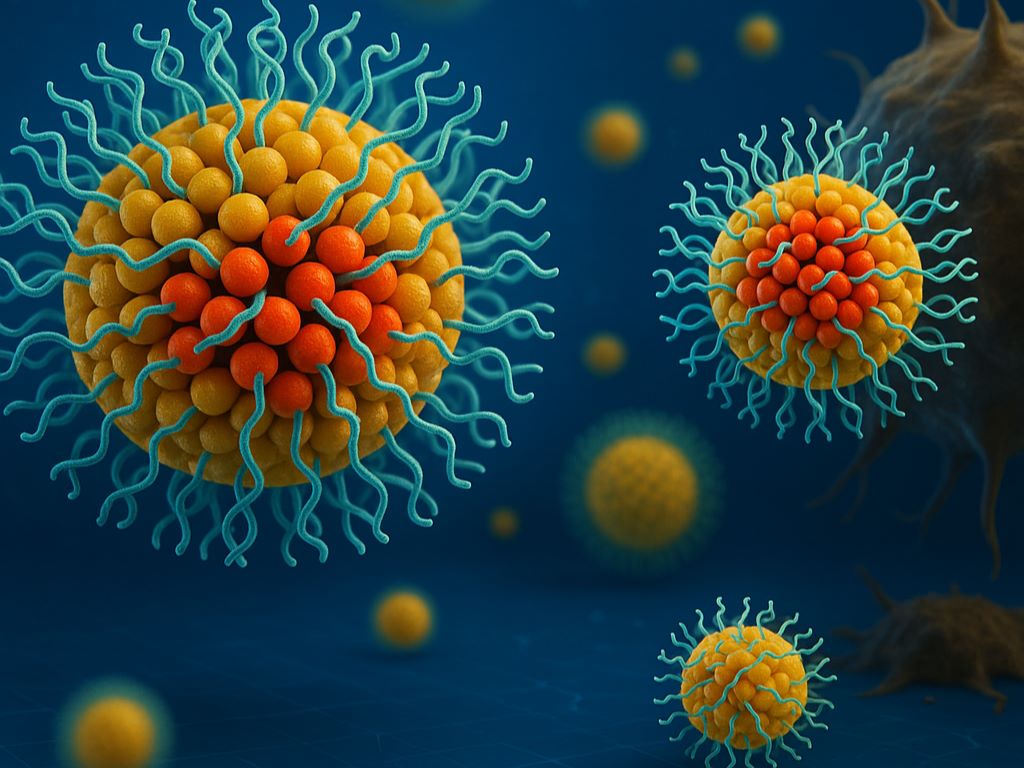
Spherical nucleic acid. Credit: Northwestern University

In a promising advance for cancer treatment, Northwestern University scientists have re-engineered the molecular structure of a common chemotherapy drug, making it dramatically more soluble and effective and less toxic.

In the new study, the team designed a new drug from the ground up as a spherical nucleic acid (SNA): a nanostructure that weaves the drug directly into DNA strands coating tiny spheres. This design converts a poorly soluble, weakly performing drug into a powerful, targeted cancer killer that leaves healthy cells unharmed.

After developing the new therapy, the team tested it in a small animal model of acute myeloid leukaemia (AML), a fast-moving, difficult-to-treat blood cancer. Compared to the standard chemotherapy drug, the SNA-based drug entered leukaemia cells 12.5 times more efficiently, killed them up to 20 000 times more effectively and reduced cancer progression 59-fold – all without detectable side effects. 

This work is another example of the potential of structural nanomedicine, a new field in which scientists use precise structural, as well as compositional, control to fine-tune how nanomedicines interact with the human body. With seven SNA-based therapies currently in clinical trials, the new approach could lead to potent vaccines and treatments for cancers, infectious diseases, neurodegenerative diseases and autoimmune diseases. 

The study was published in the journal ACS Nano

“In animal models, we demonstrated that we can stop tumors in their tracks,” said Northwestern’s Chad A. Mirkin, who led the study. “If this translates to human patients, it’s a really exciting advance. It would mean more effective chemotherapy, better response rates and fewer side effects. That’s always the goal with any sort of cancer treatment.” 

For the new study, Mirkin and his team focused on the traditional chemotherapy drug 5-fluorouracil (5-Fu), which often fails to reach cancer cells efficiently. And, because it also attacks healthy tissue, 5-Fu causes myriad side effects, including nausea, fatigue and, in rare cases, even heart failure. 

According to Mirkin, the drug itself is not the problem – it’s how the body processes it. 5-Fu is poorly soluble, meaning less than 1% of it dissolves in many biological fluids. Most drugs need to dissolve in the bloodstream before they can travel through the body to enter cells. If a drug is poorly soluble, it clumps or retains a solid form, and the body cannot absorb it efficiently. 

“We all know that chemotherapy is often horribly toxic,” Mirkin said. “But a lot of people don’t realise it’s also often poorly soluble, so we have to find ways to transform it into water soluble forms and deliver it effectively.” 

To develop a more effective delivery system, Mirkin and his team turned to SNAs. Invented and developed by Mirkin at Northwestern, SNAs are globular nanostructures with a nanoparticle core surrounded by a dense shell of DNA or RNA. In previous studies, Mirkin discovered that cells recognise SNAs and invite them inside. In the new study, his team built new SNAs with the chemotherapy chemically incorporated into the DNA strands. 

“Most cells have scavenger receptors on their surfaces,” Mirkin said. “But myeloid cells overexpress these receptors, so there are even more of them. If they recognise a molecule, then they will pull it into the cell. Instead of having to force their way into cells, SNAs are naturally taken up by these receptors.” 

As Mirkin and his team suspected, the structural redesign completely changed how 5-Fu interacted with the cancer cells. Unlike with free-floating, unstructured chemotherapy molecules, the myeloid cells easily recognised and absorbed the SNA form. Once inside, enzymes broke down the DNA shell to release the drug molecules, which killed the cancer cell from within. 

In the mouse experiments, the therapy eliminated the leukaemia cells to near completion in the blood and spleen and significantly extended survival. And, because the SNAs selectively targeted AML cells, healthy tissues remained unharmed. 

“Today’s chemotherapeutics kill everything they encounter,” Mirkin said. “So, they kill the cancer cells but also a lot of healthy cells. Our structural nanomedicine preferentially seeks out the myeloid cells. Instead of overwhelming the whole body with chemotherapy, it delivers a higher, more focused dose exactly where it’s needed.” 

Next, Mirkin’s team plans to test the new strategy in a larger cohort of small animal models, then move to a larger animal model and, eventually, in human clinical trials, once funding is secured. 

Source: Northwestern University

Key Mechanism Behind Chemotherapy-induced Nerve Damage Uncovered

Study reveals how targeting a cellular pathway could protect cancer patients from peripheral neuropathy

Photo by Tima Miroshnichenko on Pexels

Scientists at Wake Forest University School of Medicine, in collaboration with researchers at Weill Cornell Medicine, have made a breakthrough in understanding why many cancer patients develop nerve damage after chemotherapy. Their new study, published in Science Translational Medicine, reveals that a stress response inside certain immune cells can trigger this debilitating side effect. This discovery could open the door to new ways to prevent or treat nerve damage in cancer patients.

Chemotherapy-induced peripheral neuropathy is a common and often severe side effect of cancer treatment, especially with drugs like paclitaxel. It can cause tingling, numbness and pain in the hands and feet, sometimes forcing patients to stop life-saving treatment early. Up to half of all patients receiving chemotherapy may experience this condition, but until now, the exact cause has remained a mystery.

To better understand this nerve toxicity that could be painful, scientists used a well-established mouse model that closely reflects the nerve problems experienced by people undergoing cancer treatment. This model allowed researchers to observe how a specific immune cell pathway, known as IRE1α, contributes to triggering inflammation that led to neurotoxicity and pain. By blocking the IRE1α pathway in the immune cells of these mice, either through genetic techniques or with an IRE1a inhibitor, the team was able to prevent the development of nerve damage, pain and toxic inflammation.

The researchers also studied a group of patients from Atrium Health Wake Forest Baptist’s National Cancer Institute-designated Comprehensive Cancer Center. The patients were receiving chemotherapy for gynecological cancers, collecting blood samples before and after treatment to measure IRE1α activity in their immune cells. They found that patients with higher IRE1α activation were more likely to develop severe neuropathy due to chemotherapy, directly linking the mouse model findings to patient outcomes.

Key Findings

  • Chemotherapy activates a stress sensor (IRE1α) in immune cells, triggering inflammation and nerve damage.
  • Blocking this sensor in mice prevented nerve pain and damage, suggesting a new treatment target.
  • In patients, higher activation of this stress sensor in blood cells was linked to more severe nerve symptoms and also to the initiation of neuropathy symptoms.

“Our research shows that a stress response inside immune cells is a key contributor to chemotherapy-induced neuropathy that could be painful and debilitating. By targeting this pathway, we may be able to protect patients from one of the most challenging side effects of cancer treatment,” said E. Alfonso Romero-Sandoval, MD, PhD, professor of anaesthesiology at Wake Forest University School of Medicine and the study’s corresponding author. “Our study opens the opportunity to further explore if this pathway could be used to predict what patients will develop this condition and therefore could help clinicians implement patient-tailored treatments,” Romero-Sandoval said.

The discovery could lead to new drugs that block this pathway, helping patients stay on their cancer treatment without suffering from painful side effects.

According to Romero-Sandoval, who is a member of the Atrium Health Wake Forest Baptist Comprehensive Cancer Center, this is the first study to show that the IRE1α stress sensor in immune cells is directly linked to nerve damage from chemotherapy.

The team plans to conduct larger clinical studies to confirm these findings and test whether the IRE1α pathway could be used as a biomarker for disease progression and if drugs that block this stress sensor can safely prevent or reduce nerve damage in cancer patients. They also hope to explore whether this approach could help with other types of nerve pain. Interestingly, an IRE1a inhibitor is currently in clinical trials to improve anti-cancer effects of chemotherapy, including paclitaxel.

Source: Wake Forest University

Beyond the Diagnosis: The Financial Toll of Cancer in SA

Cancer is one of the fastest-growing health challenges in South Africa, with over 100 000 new cases diagnosed annually, according to the National Cancer Registry. While most conversations focus on the physical and emotional impact, the financial strain of the disease often goes unspoken.

According to the South African Medical Journal, treatment costs for cancer can exceed R1 million per year, particularly when advanced therapies and prolonged care are required. This leaves many families facing difficult decisions that extend far beyond the hospital ward. With medical aid often falling short and with only 16% of South Africans covered by medical schemes, as reported by the Council for Medical Schemes the financial burden of cancer can be as devastating as the diagnosis itself.

“Medical aid alone often isn’t enough to cover the full cost of treatment, especially when it comes to critical illnesses like cancer,” says Matthew Green, Product Portfolio Manager at FNB Life. “We’ve seen firsthand how having the right insurance can make a real difference.”

The true impact of cancer is often measured in rands and cents: savings depleted, debt accumulated, and households forced to sacrifice essentials to pay for treatment. Myths about affordability and a lack of awareness mean that too many people enter this battle unprepared. The result is a financial shock that can be as devastating as the diagnosis itself. Beyond the direct medical expenses, families often face a range of additional costs from transport to and from treatment centres, specialised nutrition, home modifications, and caregiving support, to lost income due to time off work. Critical illness cover is designed to help bridge these financial gaps, providing a lump-sum payout that can be used not only for treatment, but also for these broader, often overlooked expenses that impact the entire household.

“Against this backdrop, insurers are under growing pressure to offer support that reflects the lived realities of ordinary South Africans. FNB Insure is among those stepping in to help close the gap – focusing on making financial protection more accessible, flexible, and relevant to everyday needs,” says Green.

Rather than positioning insurance cover as a luxury, the emphasis is on practical tools that help households navigate the rising costs of treatment and the economic strain that often follows a serious diagnosis. Whether it’s support during hospital stays, assistance with unexpected medical shortfalls, or a payout that enables immediate action after a diagnosis, the goal is to empower customers to focus on recovery – not financial survival.

This is evident from our customer feedback, where individuals have shared how timely access to cover helped them act quickly, avoid financial delays, and prioritise their health during some of life’s most difficult moments. “And its stories like this underline the importance of early financial planning and the role of accessible insurance in giving families space to focus on recovery rather than financial survival,” says Green.

With October marking Breast Cancer Awareness Month and November bringing the spotlight on men’s health through initiatives like Movember, FNB Insure is adding its voice to the broader call for awareness. “The message is clear: cancer doesn’t only affect health; it reshapes every aspect of life. Building resilience means preparing not just medically, but financially too,” concludes Green.

No Increased Childhood Cancer Risk near UK Nuclear Sites, Study Finds

Photo by Vladyslav Cherkasenko on Unsplash

Children living near nuclear power stations in the UK are not at increased risk of childhood cancers, according to a new analysis.

The research was led by scientists at Imperial College London and University of Bristol and commissioned by the UK Committee on the Medical Aspects of Radiation in the Environment (COMARE). The results, published in International Journal of Epidemiology, found no evidence of increased risk of childhood cancers among children living near 28 nuclear installations between 1995 and 2016.

Researchers analysed cancer incidence data for nearly 50 000 cases of childhood leukaemia, non-Hodgkin’s lymphoma (LNHL), central nervous system (CNS) tumours, and other solid tumours in children aged 0–14 years.

They looked at data for communities living within 25 kilometres of installations, including those which have been linked to historical concerns about potential health impacts – such as Sellafield in Cumbria and Dounreay in northern Scotland.

The analysis found no evidence of increased risk of childhood cancers among children living near 28 nuclear installations between 1995 and 2016.
(Credit: Davies, B. et al. Int J Epidemiol, 2025)

Using these data and advanced statistical modelling, they found no increased incidence of childhood cancers in these areas compared to national averages.[1] They also found no evidence that cancer risk increased the closer children lived to the nuclear sites.

Dr Bethan Davies, from Imperial’s School of Public Health and lead author of the study, said: “For many years there have been public concerns about the potential health impacts of living near nuclear installations. Our analysis suggests that children living near these sites today are not at increased risk.”

The latest study builds on decades of research following reports in the 1980s of clusters of cancer cases near nuclear facilities in England, Scotland and Germany[2] – following which, the UK Government set up COMARE to advise on the health effects of radiation.

Early investigations confirmed clusters of cases of some cancers near nuclear installations, particularly LNHL.

However, subsequent studies failed to show any direct link between these cases and radiation exposure from nuclear facilities.

In 2016, a COMARE report[3] suggested other potential explanations for these case clusters, including infections introduced due to population mixing in the areas.

The new findings come at a time of renewed interest in nuclear energy as part of the UK’s strategy to meet net-zero carbon targets and the government committing £14.2bn to build a new nuclear power station in Suffolk and develop small modular reactors.

The researchers say that while their study offers reassurance, they support COMARE’s recommendations for ongoing surveillance of cancer incidence near nuclear sites.

The authors acknowledge a number of limitations with their study, including the use of residential address at diagnosis as a proxy for exposure.

They were also unable to account for individual-level risk factors – such as genetic or medical conditions. However, they emphasise that the study’s design and comprehensive data make it one of the most detailed assessments to date.

Dr Davies added: “As the UK government announces a multibillion-pound investment for new nuclear energy infrastructure, our findings should provide reassurance that the historical clusters of childhood cancers reported near sites such as Sellafield and Dounreay are no longer evident.”

Professor Mireille Toledano, Mohn Chair in Population Child Health in Imperial’s School of Public Health, said: “These findings are both timely and important. As the UK and other countries expand their nuclear energy capacity, it’s vital that public health remains a central consideration. It’s reassuring that our study found that the historic case clusters have resolved, but it remains important we continue to monitor public health data around such sites across the UK for any emerging trends of concern.”

The full study, published today in the International Journal of Epidemiology, was supported by funding from the National Institute for Health and Care Research (NIHR), Health Data Research UK (HDRUK) and the UK Medical Research Council (UK Research and Innovation (UKRI)).

The work was carried out through the NIHR Health Protection Research Unit in Chemical and Radiation Threats and Hazards – a partnership between the UK Health Security Agency (UKHSA) and Imperial College London.

The work was also supported by the NIHR Imperial Biomedical Research Centre, a translational research partnership between Imperial College Healthcare NHS Trust and Imperial College London.

[1] Researchers obtained national incident cases of cancer diagnosed between 1995 and 2016 in children under 15 years of age from NHS England (formerly Public Health England), Welsh Cancer Intelligence and Surveillance Unit and Health Protection Scotland.

[2] A cluster of cases of leukaemia in children living close to the Sellafield nuclear plant was reported in 1983. An Independent Advisory Group confirmed the cluster and the UK government established COMARE to advise on the health effects of radiation. Subsequent studies identified increased risks of cancers in children and young adults living near Sellafield, Dounreay (Scotland), and Hamburg (Germany) nuclear installations.

[3] Committee on Medical Aspects of Radiation in the Environment (COMARE) – Seventh report (2016) https://assets.publishing.service.gov.uk/media/5a7f70ed40f0b6230268f83c/COMARE_17th_Report.pdf

Source: Imperial College London

Altron HealthTech Set to Pilot South Africa’s First Oncology Companion App

ThriveLink to connect patients, doctors, caregivers, and medical schemes in a seamless digital platform

The last thing someone dealing with a life-threatening disease wants is the pain of endless administrative paperwork and confusion that arises when aspects of their care are not easily coordinated. Altron HealthTech is set to pilot a solution designed to minimise these burdens by integrating various aspects of care management into one solution.   

The company announced today that it will soon begin piloting ThriveLink, South Africa’s first platform to connect patients, doctors, caregivers, and medical schemes in one integrated digital space. The oncology companion app is designed to help cancer patients flourish during a trying time by providing seamless care coordination, access to key information and educational content and removal of administrative obstacles. 

“We’ve built this tool with the ultimate goal of making life easier for cancer patients to be empowered throughout managing their treatment journey,” says Altron HealthTech MD Leslie Moodley. “They’ll receive appointment tracking, medication reminders, and secure communication with their care team – all customised for their unique treatment plan in one digital space – so they can focus on what matters most: their health and wellbeing.” 

Addressing a growing crisis

The development team was inspired to create ThriveLink after frontline agents logged an alarming increase in cancer diagnoses. Cancer cases in South Africa are projected to nearly double from 62 000 in 2019 to 121 000 nationally by 2030 based on data compiled by the SA Journal of Oncology, driven by an aging population and increased lifestyle risks. 

“We have insight into anonymised and aggregated data, and were shocked at the increase in cancer volumes,” says Moodley. “We realised there was value in developing a tool that could span the entire healthcare value chain and all the various touchpoints, to solve for a very real issue. This insight sparked a critical question: how can we make it easier for oncologists, our key stakeholders, to focus on what matters most – patient care? 

ThriveLink brings together data from specialists, medical aids, pharmacies, and other relevant sources to coordinate care to connect healthcare providers. Beyond appointment tracking and medication reminders, the app offers educational content, emotional support tools, and secure communication channels. 

“The solution enables these data points to collaborate in a technical sense to coordinate care,” explains Moodley. “Our response was to build a technology-driven platform that not only streamlines authorisations and treatment protocols but also enables real-time interoperability. This empowers oncologists to coordinate care more efficiently, track treatment pathways, and adapt plans based on patient-specific outcomes. Patients won’t have to worry about burdensome details and will get reminded when it’s time to take their medication or schedule a follow-up.” 

Built on medical expertise and security

The app serves as the vital link in a complex ecosystem, ensuring secure information flow, informed decision-making, and trust at every stage.  

Altron HealthTech consulted widely with oncologists, patients, and other medical professionals before beginning development. A base application was rolled out to specialists about a year ago, and feedback from that pilot informed the expanded platform now ready for patient testing. 

The app has been built on secure, cloud-based software-as-a-service architecture in compliance with the Protection of Personal Information Act and all relevant regulatory requirements. Patients must provide informed consent before signing up. 

Beyond supporting patients directly, ThriveLink is designed to help control healthcare costs. Cancer is among the most expensive therapeutic burdens, with the Cancer Alliance having predicted that this disease will cost the public sector an additional R50 billion between 2020 and 2030. 

“By streamlining processes and integrating claims, authorisations, and clinical data, we remove duplication and costs from the system,” says Moodley. “This can indirectly help keep medical aid premiums down, benefiting all medical scheme patients.” 

Altron HealthTech is in early-stage discussions with medical aid schemes interested in integrating the app into their mobile solutions. 

mRNA-based COVID Vaccines Improved Responses to Immunotherapy

Photo by Mat Napo on Unsplash

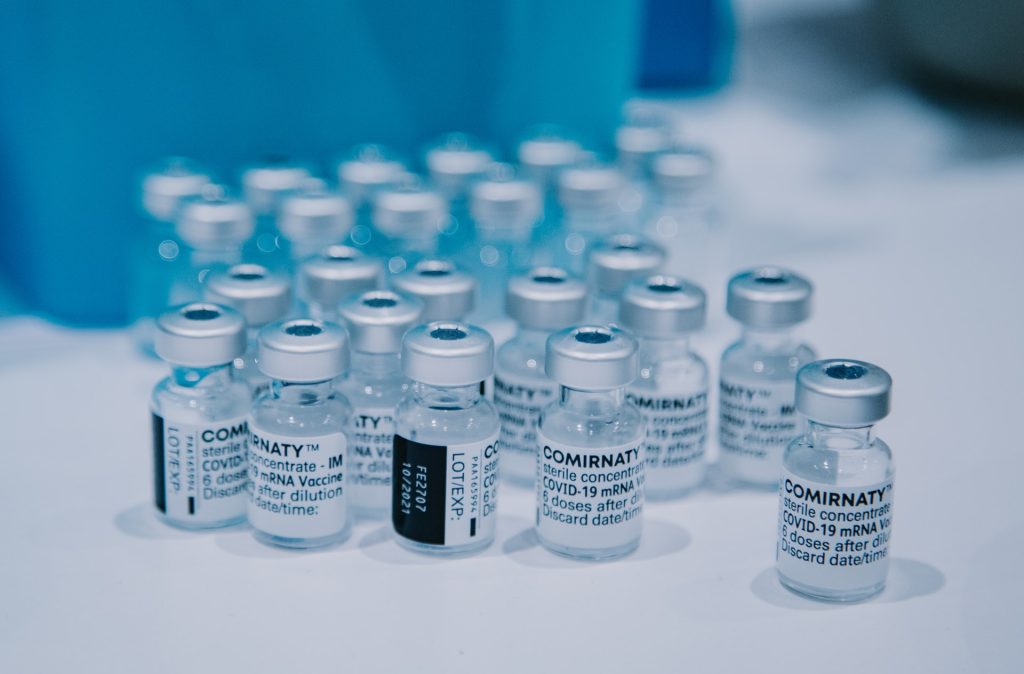
Patients with cancer who received mRNA-based COVID vaccines within 100 days of starting immune checkpoint therapy were twice as likely to be alive three years after beginning treatment, according to a new study led by researchers at The University of Texas MD Anderson Cancer Center.

These findings, which include more than 1000 patients treated between August 2019 and August 2023, were presented today at the 2025 European Society for Medical Oncology (ESMO) Congress (Abstract LBA54). The study was led by Steven Lin, MD, PhD, professor of Radiation Oncology, and Adam Grippin, MD, PhD, senior resident in Radiation Oncology.

“This study demonstrates that commercially available mRNA COVID vaccines can train patients’ immune systems to eliminate cancer,” Grippin said. “When combined with immune checkpoint inhibitors, these vaccines produce powerful antitumour immune responses that are associated with massive improvements in survival for patients with cancer.”

How was this association discovered?

The discovery that mRNA vaccines were powerful immune activators came from research conducted by Grippin during his graduate work at the University of Florida in the lab of Elias Sayour, MD, PhD. While developing personalised mRNA-based cancer vaccines for brain tumours, Grippin and Sayour found that mRNA vaccines trained immune systems to eliminate cancer cells, even when the mRNA didn’t target tumours directly.

This finding led to the hypothesis that other types of mRNA vaccines might have the same effect, and the approval and use of mRNA-based COVID vaccines created an opportunity to test this hypothesis. Lin and Grippin initiated a major effort to retrospectively study if MD Anderson patients who received mRNA COVID vaccines lived longer than those who did not receive these vaccines.

How do mRNA COVID vaccines impact immunotherapy responses in cancer?

To better understand the mechanisms at work that can help explain the clinical data, the Lin and Sayour labs at both institutions studied preclinical models. They discovered that mRNA vaccines work like an alarm, putting the body’s immune system on high alert to recognise and attack cancer cells.

In response, the cancer cells start making the immune checkpoint protein PD-L1, which works as a defence mechanism against immune cells. Fortunately, several immune checkpoint inhibitors are designed to block PD-L1, creating a perfect environment for these treatments to unleash the immune system against cancer.

These preclinical observations held up in clinical studies as well. The investigators found similar mechanisms, including immune activation in healthy volunteers and increased PD-L1 expression on tumours in patients who received COVID mRNA vaccines.

While the mechanisms are not yet fully understood, this study suggests COVID mRNA vaccines are powerful tools to reprogram immune responses against cancer.

What are the major implications of this discovery?

“The really exciting part of our work is that it points to the possibility that widely available, low-cost vaccines have the potential to dramatically improve the effectiveness of certain immune therapies,” Grippin said. “We are hopeful that mRNA vaccines could not only improve outcomes for patients being treated with immunotherapies but also bring the benefits of these therapies to patients with treatment-resistant disease.”

A multi-centre, randomised Phase III trial currently is being designed to validate these findings and investigate whether COVID mRNA vaccines should be part of the standard of care for patients receiving immune checkpoint inhibition.

What are the key data from this study on mRNA COVID vaccines and immunotherapy outcomes?

This study included multiple cohorts of several cancer types, evaluating patients who had received an mRNA vaccine within 100 days of starting immunotherapy treatment.

In the first group, 180 patients with advanced non-small cell lung cancer who received a vaccine had a median survival of 37.33 months, compared to 20.6 months in 704 patients who did not receive a vaccine. In a cohort of patients with metastatic melanoma, median survival was 26.67 months in 167 patients who did not receive a vaccine, but it had not yet been reached in 43 patients receiving a vaccine – suggesting a significant improvement.

Importantly, these survival improvements were most pronounced in patients with immunologically “cold” tumors, which would not be expected to respond well to immunotherapy. These patients, who have very low PD-L1 expression on their tumours, experienced a nearly five-fold improvement in three-year overall survival with receipt of a COVID vaccine.

Findings were consistent even when considering independent factors, such as vaccine manufacturer, number of doses, and when patients received treatment at MD Anderson.

Source: University of Texas MD Anderson Cancer Center

Drug Combo Cuts Risk of Death in Advanced Prostate Cancer by 40%

Cedars-Sinai Led Clinical trial showed combo treatment reduced deaths in patients with an aggressive form of the disease

Credit: Darryl Leja National Human Genome Research Institute National Institutes Of Health

Men whose prostate cancer returns after surgery or radiation therapy may now benefit from a new drug combination shown in clinical trials to cut the risk of death by more than 40%.

The combination therapy, which adds the drug enzalutamide to commonly prescribed hormone therapy, reduced deaths in patients with recurrent prostate cancer after surgery or radiation for whom other treatments are no longer an option. The trial results were published in The New England Journal of Medicine (NEJM) with simultaneous presentation during the European Society for Medical Oncology Congress (ESMO) Oct. 19 in Berlin.

“After initial treatment, some patients see their prostate cancer come back in an aggressive way and are at risk for their disease to spread quickly,” said Stephen Freedland, MD, director of the Center for Integrated Research in Cancer and Lifestyle at Cedars-Sinai Cancer and co-principal investigator of the study. “Hormone therapy, which is what we’ve been offering patients for 30 years, has not improved survival and neither has anything else. That makes these findings a real game changer.”

The trial included more than 1000 patients from 244 sites in 17 countries. All the patients were diagnosed with what is known as high-risk biochemically recurrent prostate cancer. Following the patients’ surgery or radiation therapy, the levels of prostate specific antigen, or PSA, in their blood had risen rapidly. PSA is a protein used to detect prostate cancer, and a rapid rise in PSA levels after treatment indicates a patient’s cancer is likely to return and metastasise, often to the bones or spine.

“We know these patients are at high risk of developing metastatic disease and dying of their cancer unless we offer a meaningful treatment option,” said Freedland, professor of Urology and the Warschaw, Robertson, Law Families Chair in Prostate Cancer.

Patients were randomly selected to receive standard hormone therapy alone, enzalutamide alone, or a combination of the two. After eight years, the risk of death was 40.3% lower in the combination group than in the other two groups, Freedland said.

“This clinical trial, one of many that Cedars-Sinai Cancer has offered to its patients, is an example of the translational work being done by our physician-scientists,” said Robert Figlin, MD, interim director of Cedars-Sinai Cancer. “The result will be improved treatment and better outcomes for patients everywhere.”

Freedland noted that, based on previous results published by the team, enzalutamide is approved by the Food and Drug Administration and listed in National Comprehensive Cancer Network treatment guidelines. These latest results, he said, are likely to strengthen the network’s recommendation and solidify this drug combination as the standard of care for patients with high-risk biochemically recurrent prostate cancer.

“These important findings identify a treatment that prolongs survival in men with aggressive prostate cancer,” said Hyung Kim, MD, a urologic oncologist and chair of the Department of Urology at Cedars-Sinai.  “The latest analysis complements previous studies that found enzalutamide significantly improved survival in other prostate cancer settings, and will change how we take care of our patients.”

Source: Cedars-Sinai Medical Center

Craters on Surface of Melanoma Cells Serve as Sites for Tumour Killing

Studying these craters could better assess immunotherapy’s success in treating solid tumours

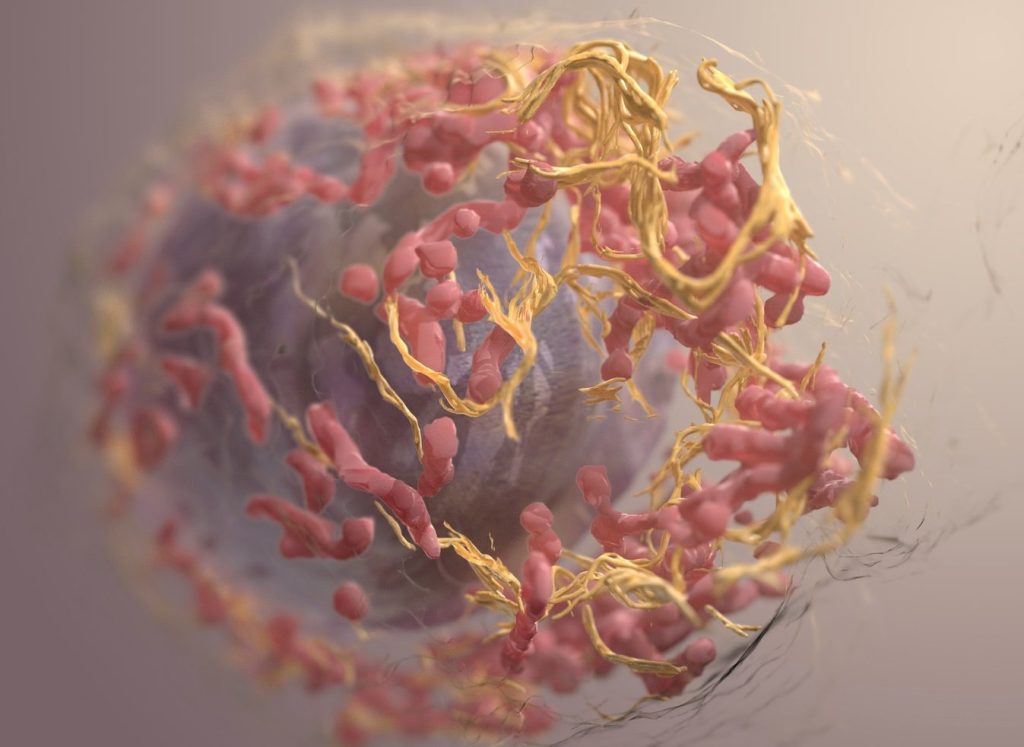
3D structure of a melanoma cell derived by ion abrasion scanning electron microscopy. Credit: Sriram Subramaniam/ National Cancer Institute

Like the surface of the moon, new research published today in Cell finds the existence of craters on the surface of melanoma cells that serve as immune hubs, becoming major sites for tumour killing. These craters could serve as good markers for immunotherapy success.

This research provides insight into a key function of immune check-point blockade (ICB) cancer therapy that was previously unknown. ICB works by re-activating CD8+ T cells against tumours which shrinks and eventually kills the cancer cells. However, what facilitates local tumour killing by the infiltrating CD8+ T cells has remained a mystery.

Using a zebrafish model, researchers were able to monitor the infiltrating CD8+ T cells for up to 24 hours as they moved through the 3D architecture of endogenous melanoma tumours. Zebrafish provide the only tumour model where continuous live imaging over a 24 hour time period is feasible.  

“We found that rather than patrolling the entire tumour surface, CD8+ T cells aggregated in pockets on the melanoma border, forming prolonged interactions with melanoma cells,” says Leonard Zon, MD, Director of the Stem Cell Program at Boston Children’s Hospital and lead investigator of the study. “We termed these pockets Cancer Regions of Antigen presentation and T cell Engagement and Retention (CRATERs) and saw that, following immune stimulation, the CRATERs expanded and facilitated an effective immune response against the tumour.”

Zon, first author Aya Ludin, and the team also discovered CRATERs in human melanoma samples. Moreover, they saw similar structures in human lung cancer, indicating that CRATERs are likely not limited to melanoma and may form in other solid tumours.

To date, efficacy of therapeutic response to ICB therapy has been assessed mainly by estimating the degree of tumour necrosis and fibrosis. Indicators of CD8+ T cells infiltration has been associated with patient survival and treatment outcome, but direct evidence of effective immune cell-tumour cell interaction has been missing.

“Pending thorough clinical verification and taken together with other measurements, CRATERs may serve to more accurately assess the efficacy of an ongoing treatment and improve treatment outcomes,” said Zon.

The research team is now planning a prospective clinical trial to test if CRATERs are the best marker of ICB success.

Source: Boston Children’s Hospital via EurekAlert!

New Research Shows that Cancer Can Damage the Myelin Sheath

Myelin sheath damage. Credit: Scientific Animations CC4.0

A new study, published in Nature, underscores the importance of investigating interactions between cancer and the nervous system – a field known as cancer neuroscience. The results suggest that targeting the signalling pathways involved can reverse this inflammation and improve treatment responses.

“These findings uncover novel mechanisms by which the immune system and nerves within the tumour microenvironment interact, revealing actionable targets that could transform the way we approach resistance to immunotherapy in patients with cancer,” said co-corresponding author Moran Amit, MD, PhD, professor of Head and Neck Surgery. “This marks a significant advance in our understanding of tumour-neuro-immune dynamics, highlighting the importance of investigating the interplay of cancer and neuroscience in meaningful ways that can directly impact clinical practice.”

Tumours can sometimes infiltrate the space around nerves and nervous system fibres that are in close proximity, a process known as perineural invasion, which leads to poor prognosis and treatment escalation in various cancer types. Yet little is known about how this invasion affects or interacts with the immune system.

The study, co-led by Amit, Neil Gross, MD, professor of Head and Neck Surgery, and Jing Wang, PhD, professor of Bioinformatics and Computational Biology, examined the role of perineural invasion and cancer-associated nerve injury in relation to the development of immunotherapy resistance commonly seen in patients with squamous cell carcinomamelanoma and stomach cancer.

Collaborating with the immunotherapy platform, part of the James P. Allison Institute, the team analysed trial samples using advanced genetic, bioinformatic and spatial techniques. The researchers revealed that cancer cells break down the protective myelin sheaths that cover nerve fibres, and that the injured nerves promote their own healing and regeneration through an inflammatory response.

Unfortunately, this inflammatory response gets caught in a chronic feedback loop as tumors continue to grow, repeatedly damaging nerves which then recruit and exhaust the immune system, ushering in an immunosuppressive tumor microenvironment that leads to treatment resistance. The study showed that targeting the cancer-induced nerve injury pathway at different points can reverse this resistance and improve treatment response.

Importantly, the authors point out that this reduced neuronal health is directly associated with perineural invasion and cancer-induced nerve injury, rather than a general cancer-induced effect, highlighting the importance of studying cancer-nerve interactions that can potentially contribute to cancer progression.

As part of MD Anderson’s Cancer Neuroscience Program, researchers are investigating scientific themes – such as neurobiology, tumours of the brain and spine, neurotoxicities and neurobehavioural health – to understand how the nervous system and cancer interact and how this affects patients throughout their cancer journey.

Source: University of Texas MD Anderson Cancer Center