Category: Cancer

Encouraging Findings from Immunotherapy Trial for Rectal Cancer

Colon cancer cells
Colon cancer cells. Source: National Cancer Institute on Unsplash

A recent study reported encouraging findings that the immunotherapy drug dostarlimab was especially effective in a phase II clinical trial of 12 patients with a subtype of rectal cancer. Writing in the New England Journal of Medicine, author Hanna K. Sanoff, MD, MPH, from the UNC Lineberger Comprehensive Cancer Center, outlined prospects for future treatment of the disease.

About 5–10% of rectal cancers are molecularly characterised as being deficient in mismatch repair enzymes (dMMR). These cancers tend to be less responsive to chemotherapy and radiation, increasing the need for surgical treatments. Unfortunately, surgery can result in notable health consequences, including nerve damage, infertility, and bowel and sexual dysfunction.

“Historical treatment of the disease has included radiation, surgery and chemotherapy, which can be debilitating despite its curative potential, pointing to the need for better and more effective treatments that can prolong longevity while maintaining quality of life,” said Prof Sanoff. “These initial findings of the remarkable benefit with the use of dostarlimab are very encouraging but also need to be viewed with caution until the results can be replicated in a larger and more diverse population.”

Still awaiting long-term findings
Prof Sanoff also cautioned that little is known about how long the benefit of the drug will last or whether it will be curative in the long-term. So far, the trial participants have only been observed for six months to two years.

“The responses in these first 12 of a planned-for 30 patients in the trial were remarkable and exceed what we would expect with the standard chemotherapy plus radiation,” Prof Sanoff said. “Although quality of life measures have not been reported yet, it’s encouraging that some of the most difficult symptoms, such as pain and bleeding, all resolved with the use of dostarlimab.”

Prof Sanoff noted there are other immunotherapy drugs that potentially could be tested against this form of rectal cancer. “As a gastrointestinal medical oncologist, I can think of nothing better for my patients than being able to offer them a drug that is more effective, less toxic and avoids surgery, chemotherapy, and radiation; that day can’t come soon enough,” she said.


Source: UNC Lineberger Comprehensive Cancer Center

New KRAS-mutated Lung Cancer Treatment Effective in 43% of Cases

MRI or CT machine
Photo by Mart Production on Pexels

Nearly 43% of patients with non-small cell lung cancer (NSCLC) that had a specific KRAS mutation responded to the experimental drug adagrasib, which also showed activity against metastases, according to results of a study published in the New England Journal of Medicine.

Mutations in the potent oncogene known as KRAS occur in about one in four patients with NSCLC, and approximately 13% of NSCLC patients’ tumours are driven by a specific KRAS mutation called G12C. KRAS mutations have long been considered nearly impossible to attack with targeted drugs after many years of research attempts. However, in 2021 a targeted drug, sotorasib, became the first drug approved by the Food and Drug Administration for NSCLC patients with the G12C mutation, based on a clinical trial showing a 36% response rate in those patients after having initially received treatment with chemotherapy and a PD-1 immune checkpoint inhibitor.

Reporting the results of a new phase 2 trial, investigators led by Pasi Jänne, MD, PhD, director of the Lowe Center for Thoracic Oncology at Dana-Farber, showed that treatment with a different KRASG12C mutant inhibitor, adagrasib, yielded a 42.9% objective response rate and a median overall survival rate of 12.6 months in a cohort of 112 patients who had previously received both chemotherapy and immunotherapy with a PD-1 immune checkpoint blocker. Notably, adagrasib treatment also achieved a 33.3% response rate in 33 patients who had stable metastatic lesions in the brain and central nervous system that had spread from the lung tumours.

“These data highlight that inhibiting KRASG12C can lead to clinically meaningful benefits to NSCLC patients with this form of lung cancer,” said Dr Jänne. “Brain metastases are challenging to treat and having a pharmacologic agent that shows activity in this setting is an advancement and movement in the right direction.”

Patients with KRASG12C have had few options after initial chemotherapy and immunotherapy stopped working. In the new clinical trial of adagrasib, taking the oral drug twice daily resulted in a median progression-free survival (the time patients lived before the cancer began to worsen again) was 6.5 months and the median response duration was 8.5 months.

Because the KRASG12C tumor cells typically continue to proliferate, researchers believe sustained inhibition with drugs may be necessary. Thus, adagrasib was optimised for favourable properties including a long half-life of 23 hours and the ability to penetrate the central nervous system. Clinical activity with adagrasib has been shown in patients with other KRASG12C tumors, including colorectal, pancreatic, biliary tract, and other cancers.

Source: Dana-Farber Cancer Institute

Bariatric Surgery Reduces Cancer Risks with Obesity

Obesity
Image source: Pixabay CC0

A study published in JAMA shows that weight loss through bariatric surgery for adults with obesity was associated with a 32% lower risk of developing cancer and a 48% lower risk of cancer-related death compared with those who did not have the surgery.

Rising obesity numbers are being seen all over the world. The International Agency for Research on Cancer describes 13 types of cancer as obesity-associated cancers such as endometrial cancer, postmenopausal breast cancer, and cancers of the colon, liver, pancreas, ovary and thyroid.

Lead author of the study, Ali Aminian, MD, at Cleveland Clinic, said that bariatric surgery is currently the most effective treatment for obesity. “Patients can lose 20 to 40% of their body weight after surgery, and weight loss can be sustained over decades. The striking findings of this study indicate that the greater the weight loss, the lower the risk of cancer,” said Dr Aminian.

From 2004 and 2017, the SPLENDID (Surgical Procedures and Long-term Effectiveness in Neoplastic Disease Incidence and Death) study matched a group of 5053 adult patients with obesity who had bariatric surgery 1:5 to a control group of 25 265 patients with obesity who did not undergo the surgery.

After 10 years, 2.9% of patients in the bariatric surgery group and 4.9% of patients in the non-surgical group developed an obesity-associated cancer.

After 10 years, 0.8% of patients in the surgery group and 1.4% of patients in the non-surgical group died from cancer, indicating that bariatric surgery is associated with a 48% lower cancer mortality risk.

Researchers noted that the benefits of bariatric surgery were seen in a wide range of study participants in terms of age, sex and race. In addition, benefits were similarly observed after both gastric bypass and gastric sleeve operations.

“According to the American Cancer Society, obesity is second only to tobacco as a preventable cause of cancer in the United States,” said the study’s senior author, Steven Nissen, MD, Chief Academic Officer of the Heart, Vascular and Thoracic Institute. “This study provides the best possible evidence on the value of intentional weight loss to reduce cancer risk and mortality.”

Numerous studies have shown the health benefits of bariatric or weight-loss surgery in patients with obesity. The Cleveland Clinic-led STAMPEDE study showed that following bariatric surgery, significant weight loss and control of type 2 diabetes last over time. The SPLENDOR study showed that in patients with fatty liver, bariatric surgery decreases the risk of the progression of liver disease and serious heart complications.

The SPLENDID study adds important findings to the literature focused on the link between obesity and cancer. Given the growing epidemic of obesity worldwide, these findings have considerable public health implications.

“Based on the magnitude of benefit shown in our study, weight loss surgery can be considered in addition to other interventions that can help prevent cancer and reduce mortality,” said Jame Abraham, M.D., chairman of the Hematology and Medical Oncology Department at Cleveland Clinic. “Further research needs to be done to understand the underlying mechanisms responsible for reduced cancer risk following bariatric surgery.”

Source: Cleveland Clinic

Supplementation Effective in Slowing Age-related Macular Degeneration

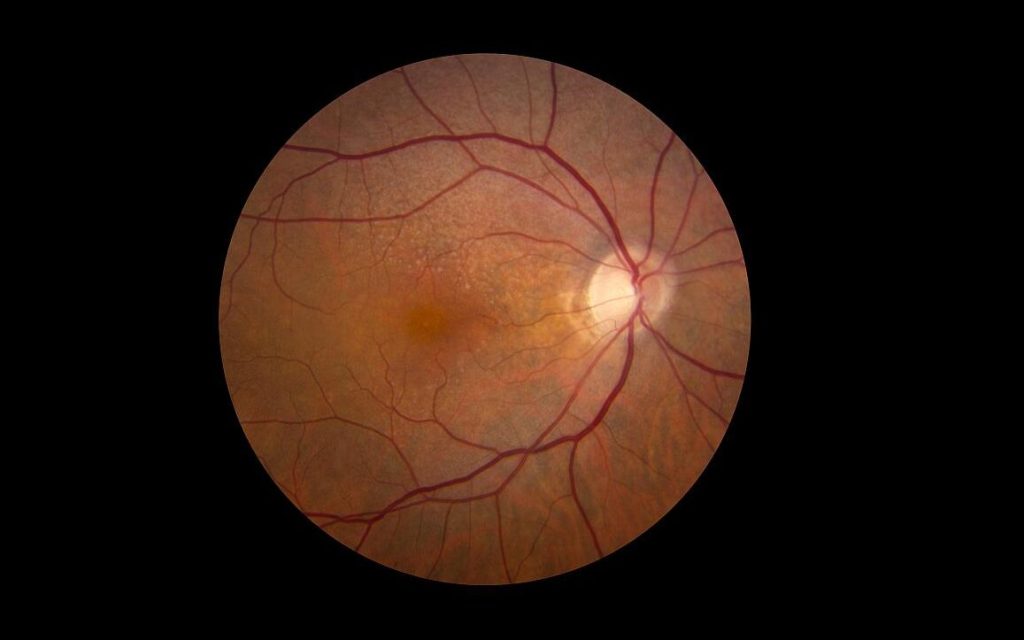
Credit: National Eye Institute

A pair of major studies established that dietary supplements can slow progression of age-related macular degeneration (AMD). In a new report published in JAMA Ophthalmology, scientists went through 10 years of Age-Related Eye Disease Studies (AREDS2) data and showed that the AREDS2 formula, which substituted antioxidants lutein and zeaxanthin for beta-carotene, not only reduces risk of lung cancer due to beta-carotene, but is also more effective at reducing risk of AMD progression, compared to the original formula.

“Because beta-carotene increased the risk of lung cancer for current smokers in two NIH-supported studies, our goal with AREDS2 was to create an equally effective supplement formula that could be used by anyone, whether or not they smoke,” said Emily Chew, MD, lead author of the study report. “This 10-year data confirms that not only is the new formula safer, it’s actually better at slowing AMD progression.”

AMD is a degenerative disease of the retina, the light-sensitive tissue at the back of the eye. Progressive death of retinal cells in the macula, the part of the retina that provides clear central vision, eventually leads to blindness. Treatment can slow or reverse vision loss; however, no cure for AMD exists.

The original AREDS study, launched in 1996, showed that a dietary supplement formulation (50 mg vitamin C, 400 international units vitamin E, 2mg copper, 80mg zinc, and 15mg beta-carotene) could significantly slow the progression of AMD from moderate to late disease. However, two concurrent studies also revealed that people who smoked and took beta-carotene had a significantly higher risk of lung cancer than expected.

In AREDS2, begun in 2006, Dr Chew and colleagues compared the beta-carotene formulation to one with 10 mg lutein and 2 mg zeaxanthin instead. Like beta-carotene, lutein and zeaxanthin are antioxidants with activity in the retina. The beta-carotene-containing formation was only given to participants who had never smoked or who had quit smoking.

At the end of the five-year AREDS2 study period, the researchers concluded that lutein and zeaxanthin did not increase risk for lung cancer, and that the new formation could reduce the risk of AMD progression by about 26%. After the completion of the five-year study period, the study participants were all offered the final AREDS2 formation that included lutein and zeaxanthin instead of beta-carotene.

In this new report, the researchers followed up with 3883 of the original 4203 AREDS2 participants an extra five years from when the AREDS2 study ended in 2011, collecting information AMD progression, and lung cancer diagnosis. Even though all the participants had switched to the formula containing lutein and zeaxanthin after the end of the study period, the follow up study continued to show that beta-carotene increased risk of lung cancer for people who had ever smoked by nearly double. No increased risk for lung cancer was seen in those receiving lutein/zeaxanthin. In addition, after 10 years, the group originally assigned to receive lutein/zeaxanthin had an additional 20% reduced risk of progression to late AMD compared to those originally assigned to receive beta-carotene.

“These results confirmed that switching our formula from beta-carotene to lutein and zeaxanthin was the right choice,” said Dr Chew.

Source: NIH/National Eye Institute

A New Combined Therapy Extends Prostate Cancer Survival

Credit: Darryl Leja / National Human Genome Research Institute / National Institutes of Health

Practice-changing research published in The Lancet shows that a new combined therapy involving androgen deprivation therapy plus pelvic lymph node radiation kept nearly 90% of clinical trial patients’ prostate cancer at bay for five years.

The study also shows that patients with prostate cancer who didn’t receive androgen deprivation therapy — and who did not receive pelvic lymph node radiation — had a five-year survival of 70%.

“We can now confirm that pelvic lymph node treatment used together with androgen deprivation therapy, or even used as a stand-alone treatment option, greatly improves outcomes in patients with postoperative prostate cancer,” said Howard Sandler, MD, of Cedar Sinai Medical Center, senior author of the study. “These findings are an encouraging step forward, both for the medical community and for the patients and their loved ones seeking curative treatment options.”

The trial enrolled 1716 patients between March 31, 2008, and March 30, 2015. Enrollees were separated into three groups.

Group one received salvage prostate bed radiotherapy — a standard radiation targeted to the area in which the prostate used to exist before its surgical removal. Median five-year survival was 71% in these patients.

The second group received the standard radiation treatment, in combination with androgen deprivation therapy. Median five-year survival was 81%.

The third group received salvage prostate bed radiotherapy, androgen deprivation therapy and pelvic lymph node radiation. These patients had a five-year freedom from progression of just over 87%.

“The combined treatment approach proved to be the most beneficial approach,” said Dr Sandler.

Prostate cancer is the most common non-skin cancer in the US, affecting 1 in every 6 to 7 men. Though early warning signs are rare for prostate cancer, screening tests can catch it early. Diagnosis usually accompanies an elevated level of PSA, an acronym for prostate-specific antigen.

After prostatectomy, a man’s PSA level should be near zero. However, some men start to see their PSA levels rise several years after surgery. This is typically an indication that radiation therapy is needed.

Dr Sandler says men with postoperative prostate cancer can have excellent outcomes, especially if radiation is given early — when PSA levels are at their lowest — and in combination with proven therapies, as suggested in this new research.

Source: Cedars-Sinai Medical Center

For Large Breast Sizes, Prone Positioning is Less Toxic for Radiotherapy

Woman receiving mammogram
A woman receiving a mammogram, Source: National Cancer Institute

For women with large breast sizes, receiving radiotherapy with prone positioning is less toxic than while supine, according to a study published in JAMA Oncology.

Patients treated in the supine position had significantly higher rates of moist desquamation anywhere in the breast compared with those treated in the prone position (39.6% vs 26.9%).

“Treatment in the prone position has several dosimetric advantages for these patients,” the researchers explained. “It allows for more homogeneous dose distribution owing to the smaller separation when compared with the supine position, which decreases deposition of higher doses in the inframammary fold and axilla.”

Fewer toxic effects of the skin were seen when patients were treated with hypofractionated radiotherapy compared with extended fractionation, they added.

“Prone radiotherapy appears to be an excellent option for patients with large breast size and right-sided breast cancer, and may benefit many women with left-sided breast cancer with large breast size if acceptable cardiac avoidance is feasible,” observed Mayo Clinic’s Dean Shumway, MD, and Cedars-Sinai Medical Center’s Katelyn Atkins, MD, PhD, in an accompanying editorial. “In summary, prone positioning for whole-breast radiotherapy represents a valuable addition to the armamentarium of treatment techniques to reduce the adverse effects associated with whole-breast radiotherapy.”

Of the 357 women (mean age 61 years) included, 182 were treated in the supine position and 175 were treated in the prone position.

From April 2013 until June 2016, 167 patients received 50 Gy in 25 fractions (extended fractionation) with or without boost (range 10-16 Gy). After the trial was amended in June 2016, the majority of patients (93.2%) received the hypofractionation regimen of 42.5 Gy in 16 fractions.

The researchers also found that the supine position was associated with more grade 3 desquamation compared with the prone position (15.4% vs 8.0%; OR 2.09, 95% CI 1.62-2.69, P<0.001).

In addition, when broken down by treatment with either extended fractionation or hypofractionation, extended fractionation was associated with more:

  • Toxic effects (43.3% vs 23.2%)
  • Grade 3 desquamation (17.2% vs 6.3%)
  • Pain (9.4% vs 3.4%)

“These differences were primarily driven by the rates of toxic effects in patients treated in the supine position,” the authors noted.

Specifically, in patients treated in the supine position, extended fractionation was associated with increased desquamation compared with hypofractionation (51.1% vs 27.8%), and grade 3 desquamation (23.9% vs 6.7%).

Extended fractionation was also associated with increased toxicity in patients treated in the prone position, although the link was less pronounced. Desquamation occurred in 35.2% of patients treated with extended fractionation versus 18.4% of patients treated with hypofractionation (OR 2.41), while grade 3 desquamation occurred in 10.2% versus 5.7% of patients (OR 1.87).

No differences in quality of life as measured by global health status, breast symptoms, or pain scales between the supine and prone groups were seen, the researchers noted.

How Breast Cancer Cells Sabotage Insulin Production to Fuel Themselves

A breast cancer cell
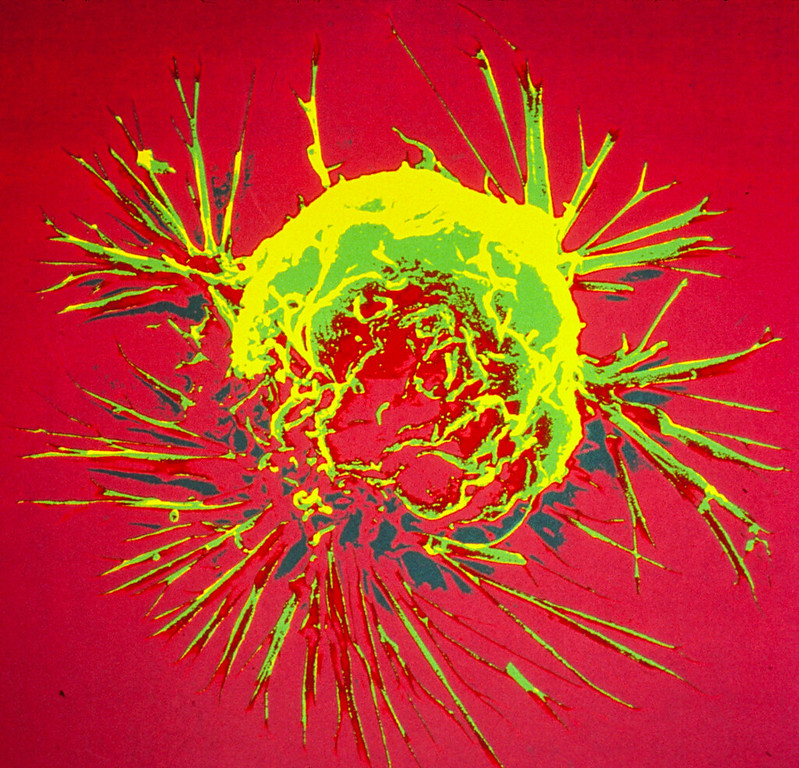
Scanning Electron Micrograph of a breast cancer cell. Credit: NIH

Breast cancer and diabetes have long been suspected to have some kind of relationship, but now new research in Nature Cell Biology reveals how breast cancer cells sabotage insulin production to fuel their own cravings for glucose.

Diabetes risk begins to increase two years after a breast cancer diagnosis, and by 10 years post-diagnosis, the risk is 20% higher in breast cancer survivors than in age-matched women without breast cancer.

But these epidemiological linkages are not clear-cut or definitive, and some studies have found no associations at all. In the paper, a research team describe a possible biological mechanism connecting the two diseases, in which breast cancer suppresses the production of insulin, resulting in diabetes, and the impairment of blood sugar control promotes tumour growth.

“No disease is an island because no cell lives alone,” said corresponding study author Shizhen Emily Wang, PhD, professor of pathology at UC San Diego School of Medicine. “In this study, we describe how breast cancer cells impair the function of pancreatic islets to make them produce less insulin than needed, leading to higher blood glucose levels in breast cancer patients compared to females without cancer.”

The researchers name the culprit as extracellular vesicles (EV), which carry DNA, RNA, proteins, fats and other materials between cells, a sort of cargo communication system.

The cancer cells were found to be secreting microRNA-122 into the vesicles. When vesicles reach the pancreas, Prof Wang said, they can enter the islet cells, offload their miR-122 cargo and damage the islets’ critical function in maintaining a normal blood glucose level.

“Cancer cells have a sweet tooth,” Prof Wang said. “They use more glucose than healthy cells in order to fuel tumor growth, and this has been the basis for PET scans in cancer detection. By increasing blood glucose that can be easily used by cancer cells, breast tumors make their own favorite food and, meanwhile, deprive this essential nutrient from normal cells.”

Feeding mice slow-releasing insulin pellets or an SGLT2 inhibitor restored normal control of glucose in the presence of a breast tumour, in turn suppressed the tumour’s growth.

“These findings support a greater need for diabetes screening and prevention among breast cancer patients and survivors,” remarked Prof Wang, noting that a miR-122 inhibitor is currently in clinical trial as a potential treatment for chronic hepatitis C. It has been found to be effective in restoring normal insulin production and suppressing tumour growth in mouse models of breast cancer.

“These miR-122 inhibitors, which happen to be the first miRNA-based drugs to enter clinical trials, might have a new use in breast cancer therapy,” Prof Wang posited.

Source: University of California – San Diego

Tissue-sparing Radiotherapy for Lung Cancer Brain Metastasis is Effective

MRI or CT machine
Photo by Mart Production on Pexels

A new study appearing in The Lancet Oncology suggests that a targeted radiation therapy is as effective as standard care for patients with lung cancer brain metastasis.

The findings suggests that patients could benefit from this targeted approach as it is known to have have fewer negative cognitive consequences.

In non-small-cell (NSLC) lung cancer, about 57% of patients present with metastatic disease, and 20% present with brain metastases. Brain metastasis is currently treated with whole brain radiation therapy, which targets the entire brain. While this approach treats even microscopic tumours, it results in memory problems and decreases cognitive function. The alternative, stereotactic radiosurgery, spares healthy brain tissue by precisely targeting the tumour, has been shown to have less severe cognitive consequences but has not yet been studied in patients with small cell lung cancer that has metastasised to the brain.

“For many years, it made sense to treat these patients with whole brain radiation because their survival was quite poor,” said Karolina Gaebe, a research student in Dr Sunit Das’s lab, who led the study.

“For them, long-term consequences of the treatment were not as crucial as reducing the impact of disease in the short-term. But now, as treatments for their lung cancer have improved, these patients are surviving much longer.”

The researchers set out to learn more after noticing patients with longer survival times were also living with severe cognitive impairments due to the treatments for their brain metastases. They wanted to understand whether a more targeted brain radiation regimen might be as beneficial for these patients, as has been demonstrated for most other cancer types.

As a first step, they undertook this meta-analysis, reviewing current literature to examine survival and brain outcomes following stereotactic radiosurgery for patients with small cell lung cancer that had spread to the brain. The team analysed data from 31 studies and included 18 130 patients, the largest cohort of small cell lung cancer patients with brain metastases to be studied so far.

The next steps are to conduct a large clinical trial to investigate cognitive outcome differences between stereotactic radiosurgery and whole brain radiation therapy for such patients.

“Because this is a meta-analysis, we can’t use this as absolute evidence that all patients should be treated in this way,” Dr Das said. “But essentially, this means that we need to challenge our standing worldwide paradigms for treating patients with this disease and revisit the idea that these patients should receive whole brain radiation therapy.”

Source: EurekAlert!

Abiraterone and Enzalutamide Less Safe for Prostate Cancer than Thought

Credit: Darryl Leja, National Human Genome Research Institute, National Institutes of Health

Men taking abiraterone or enzalutamide, two common oral medications for advanced prostate cancer in combination with hormone therapy, were at greater risk of serious metabolic or cardiovascular issues than patients receiving hormone therapy alone.

Patients taking abiraterone, an androgen biosynthesis inhibitor, had 1.77 greater risk of emergency room or the hospital admission due to diabetes, hypertension or heart disease compared to those who were only on hormone therapy. The risk was 1.22 for those receiving enzalutamide.

Compared to patients not receiving abiraterone, those taking abiraterone were also more likely to need an outpatient visit with their physician related to at least one of these health conditions. That was not the case if the man was taking enzalutamide.

Abiraterone and enzalutamide were both found to be relatively safe in clinical trials, but concerns that the population of patients who participated in the trials was different than those in real-life settings prompted the researchers to take another look at the effects of the drugs.

For instance, this research exclusively analysed patients with Medicare health insurance, and the majority of men studied were significantly older than those in the drugs’ clinical trials.

“Patients enrolled in clinical trials tend to be highly selected and often times do not reflect the patient population in day-to-day practice,” said first author Lillian Y. Lai, MD, MS, at Michigan Medicine. “Trial participants also undergo stringent safety evaluations that some of our patients do not have access to. By studying adverse events in real-life settings, we can better understand the risks of these life-prolonging cancer treatments and help clinicians and patients make informed decisions regarding treatment.”

Since metabolic and cardiovascular conditions tend to be under the purview of primary care providers, Dr Lai and her fellow authors recommend team-based care that involves PCPs for patients with advanced prostate cancer as a way to manage these higher risks.

“With continued expansion of the indications for abiraterone and enzalutamide to earlier stages of the disease, increasing numbers of men will be receiving these therapies for longer periods of time,” Dr Lai said. “This will potentially amplify the scope of men affected and increase the magnitude of the risks of adverse events, making careful attention to management of these issues crucial.”

Source: University of Michigan

Oxidative Stress Contributes to Multi-drug Resistance in Chemotherapy

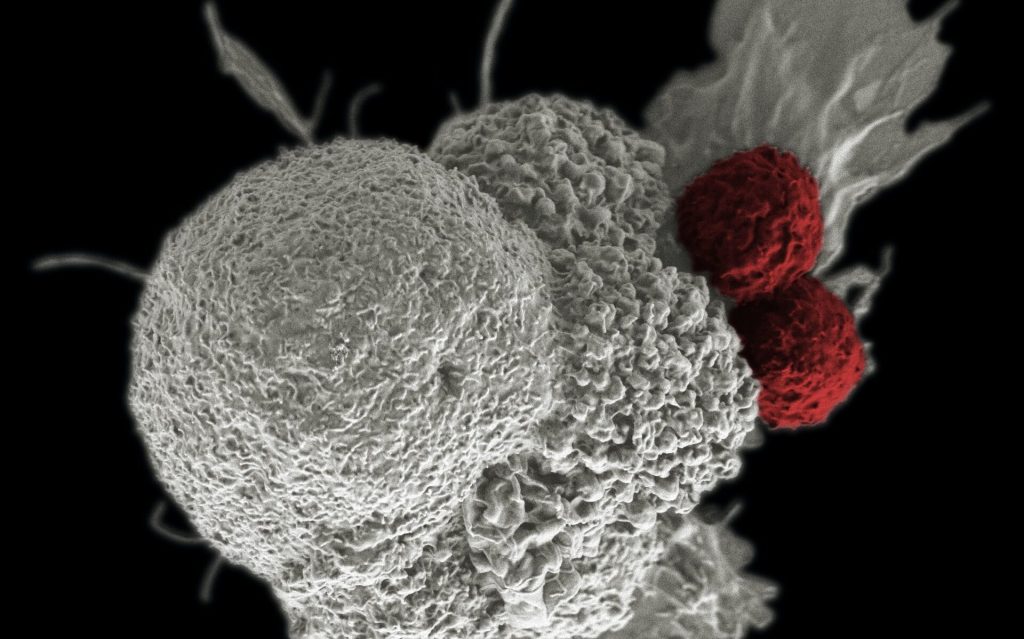
Shown here is a pseudo-colored scanning electron micrograph of an oral squamous cancer cell (white) being attacked by two cytotoxic T cells (red), part of a natural immune response. Photo by National Cancer Institute on Unsplash

Researchers have found that oxidative stress plays a role the inevitable occurrence of multi-drug resistance during tumour therapy, which they report in the Journal of Biochemical and Molecular Toxicology. 

While chemotherapy is a mainstay of cancer treatment, it is often hindered by the development of drug resistance, eventually evolving into multidrug-resistance which renders most drugs ineffective. 

Multidrug resistance is responsible for over 90% of deaths in cancer patients receiving traditional chemotherapeutics or novel targeted drugs. Its mechanisms include elevated metabolism of xenobiotics, enhanced efflux of drugs, growth factors, increased DNA repair capacity, and genetic factors (gene mutations, amplifications, and epigenetic alterations).

The most well-known mechanism is the induction of Adenosinetriphosphate (ATP)-binding cassette (ABC) transporters by chemotherapeutic drugs. These transporters are highly expressed in cancer cells and pumped out chemotherapeutics to make the treatment ineffective. 

Earlier research had shown that non-substrate nanoparticles could induce multidrug resistance by inducing oxidative damage, suggesting that multidrug resistance could be induced by oxidative damage as well as the substrate. 

To confirm the this, Yin Jian and his team investigated the interaction of three chemical agents (ethanol, hydrogen peroxide, and doxorubicin) with ABC transporters using a lung cancer cell line (A549) as a model. 

Among the three chemicals, doxorubicin is the substrate of ABC transporter and chemotherapeutic drugs, while ethanol and hydrogen peroxide are small-molecule compounds, which have no relationship with the function of ABC transporter. 

“When the three substances enter the cells, they can cause significant oxidative stress inside cells,” said Yin.  

The elevated oxidative stress induced the expression of transporters, and the elevated transporters reduce intracellular oxidative stress by effluxing oxidized glutathione. In this process, pregnane X receptor played an important regulatory role. 

Their results suggested that non-substrate chemicals could also induce ABC transporter expressions similar to chemotherapeutic agents after inducing oxidative damage. This phenomenon could be regarded as a non-specific feedback of tumor cells/ABC transporters to external stimuli. 

The conclusions validated the relationship between multidrug resistance mechanisms and oxidative stress. This would help to design advanced strategies on how to enhance this mechanism to more effectively combat ABC transporter-mediated multidrug resistance.  

“Considering that peroxidative damage is the main source of the toxicity of current environmental pollutants, long-term exposure to environmental pollutants could not only induce direct toxicity, but also further threaten human health by inducing multi-drug resistance,” said Yin Huancai, another researcher from the team. 

Source: China Academy of Sciences