Category: Cancer

Combination Therapy for Patients with Advanced Classic Hodgkin Lymphoma Boosts 1-year Survival
Photo by National Cancer Institute on Unsplash

Results from a Phase 3 trial of patients with advanced Stage (3 or 4) classic Hodgkin lymphoma who underwent initial treatment with nivolumab, a PD-1 checkpoint inhibitor, and AVD chemotherapy (N-AVD) showed that they had a significantly lower risk cancer worsening than patients treated with brentuximab vedotin, a monoclonal antibody, and AVD (BV-AVD) a year after starting treatment.

Ninety-four percent of adolescent and adult patients in the N-AVD group had progression-free survival compared with 86% in the BV-AVD arm. N-AVD was also well-tolerated as there were few serious immune-related side effects in the S1826 trial. The median follow-up was 12.1 months.

These late-breaking findings were presented by lead investigator Alex Herrera, MD, at ASCO’s 2023 Plenary Session.

“The results are remarkable. The combination of nivolumab and chemotherapy is potent and safe in patients with Stage 3 or 4 classic Hodgkin lymphoma as an initial treatment,” said Herrera. “The therapy is poised to be a standard for treatment of advanced Hodgkin lymphoma. This is indeed great news for patients with this cancer as there is another effective and safe treatment option for them.”

The S1826 trial is the largest classic Hodgkin lymphoma study ever conducted in the NCI’s National Clinical Trials Network and is also representative of a diverse patient population. About a quarter of the enrolled patients were Black or Hispanic. A partnership with the Children’s Oncology Group (COG) helped ensure the trial included young adolescents, and a quarter of enrolled patients were younger than 18 years old. Nearly two-thirds of all patients had Stage 4 cancer.

“This study speaks to the power of the National Clinical Trials Network and is an excellent example of the transformative work that the NCI funds,” said senior author Jonathan Friedberg, MS, MMSc. “Hodgkin lymphoma is not a common disease and the NCTN enabled a large network of more than 200 paediatric and adult community providers and academic medical centres to work together. Because of that, we were able to get data very quickly and directly impact patient care. This was a critical investment in cancer research and treatment.”

Patients with Stage 3 or 4 classic Hodgkin lymphoma who had not been previously treated and were age 12 or older were eligible for the trial. Of a total of 976 eligible patients, 489 were enrolled in the N-AVD arm (nivolumab plus Adriamycin, vinblastine and dacarbazine), while 487 were part of the BV-AVD group. Each group received six infusion cycles of each combination therapy.

As expected with combination chemotherapy, the most common side effects included gastrointestinal and hematologic toxicities, and fatigue. However, less than 1% of patients needed radiation after trial treatment, which is a dramatic reduction in the proportion of patients being initially treated for Hodgkin lymphoma who need radiation, especially among paediatric patients.

“The ability to maintain high rates of relapse-free survival with minimal use of radiation therapy in children with newly diagnosed advanced stage Hodgkin lymphoma will be a paradigm shift,” said Sharon Castellino, MD, MSc, chair of the COG Hodgkin lymphoma committee and director of the Leukemia and Lymphoma Program at the Aflac Cancer and Blood Disorders Center, Children’s Healthcare of Atlanta, Winship Cancer Institute at Emory University.

Brentuximab vedotin was the first antibody-drug conjugate developed for classic Hodgkin lymphoma. Several studies have demonstrated that incorporating the therapy into frontline treatment improves progression-free survival and overall survival. Despite improved outcomes, there are still serious side effects; relapses can occur.

“There is definitely a need to improve frontline therapies for Hodgkin lymphoma, particularly because a disproportionate number of patients with this disease are teens and young adults,” Herrera added.

Next steps for the trial include following patients to measure the durability of progression-free survival, overall survival and other patient outcomes.

Source: PR Newswire
Memory Killer Cells can Improve Melanoma Survival

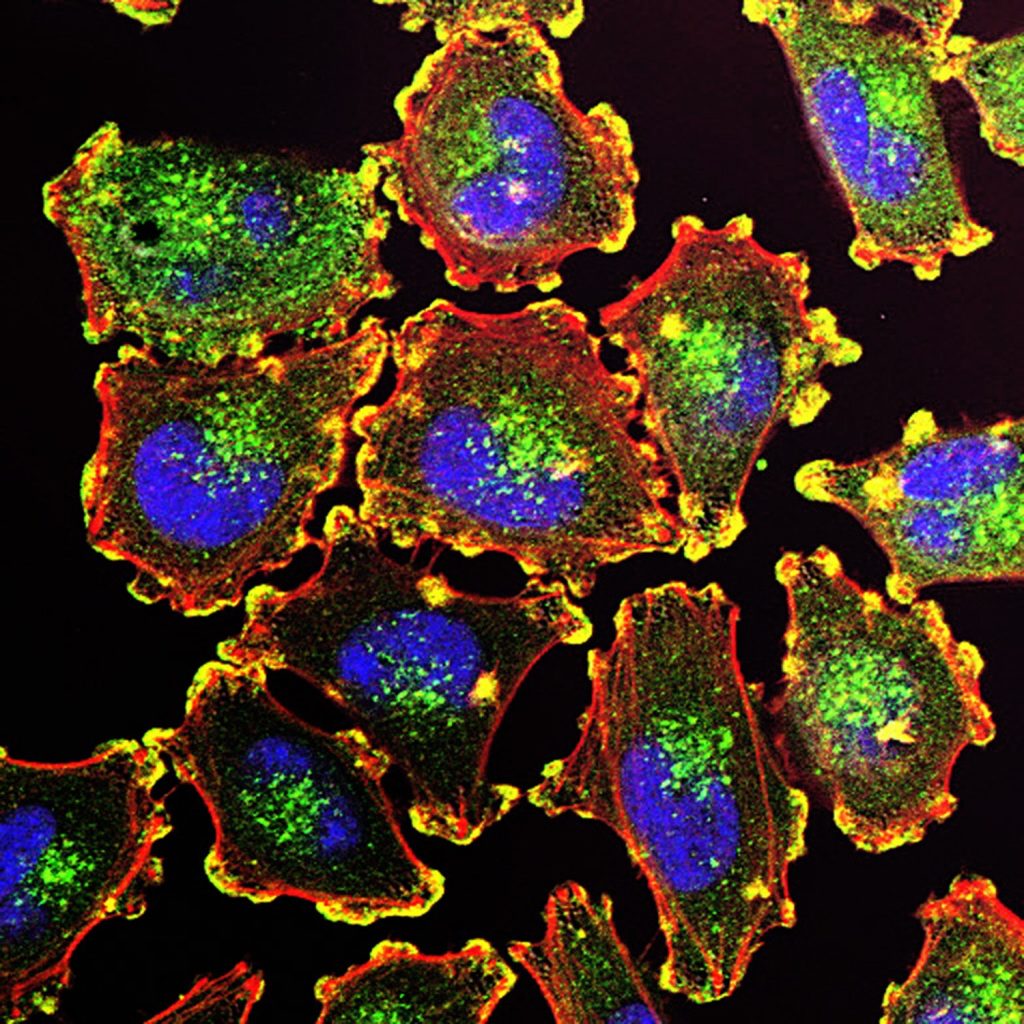
Melanoma Cells. Credit: National Cancer Institute

In a study published in the journal Immunity, Researchers at Karolinska Institutet and the University of Copenhagen shown that high levels of memory killer cells in cancer tissue correlate with a better survival rate in people with melanoma.

Certain immune T cells called tissue-resident memory cells are formed locally in the skin and other tissue, and protect against infections that they have encountered before. Some of them express proteins that enable them to kill infected cells. These “memory killer cells” can also contribute to the inflammatory skin disorders vitiligo and psoriasis. Recent research has shown that they are also involved in the body’s immune response to various cancers.

Varying responses to treatment

The memory killer cells have been shown to respond to immunotherapy, a Nobel Prize-winning cancer therapy involving the tweaking/activation of the immune system. Immunotherapy is normally administered as a complement to other cancer treatments, and there is considerable variation in how patients respond to it.

“We don’t know so much about how and why memory killer cells are formed in the skin and what it means for cancer patients,” says Professor Yenan Bryceson at Karolinska Institutet. “Finding out how these cells develop enables us to contribute to the development of more efficacious immunotherapy for diseases like melanoma.”

The study charted the development of memory killer cells in human skin, performed as a collaborative effort between KI researchers Beatrice Zitti and Elena Hoffer. The researchers isolated T cells from the skin and blood of healthy volunteers and used advanced techniques to examine gene activity and expression of different proteins. This allowed them to identify T cells in the blood with the potential to develop into memory killer cells in skin or other tissues. After knocking out specific genes, they could also demonstrate which genes are required for the maturation of memory killer cells in tissue.

More effective immunotherapy

The researchers then went on to study tumour samples from melanoma patients and found that those with a higher rate of survival also had a larger accumulation of epidermal memory killer cells.

We’ve been able to identify several factors that control the formation of memory killer cells, which play an important part in maintaining a healthy skin,” says dermatologist Liv Eidsmo, professor at the University of Copenhagen in Denmark and researcher at Karolinska Institutet, who led the study with Professor Bryceson. “There’s a fine balance between effective protection against tumours and infections in the skin and contribution to inflammatory diseases like vitiligo and psoriasis.”

The researchers now aim to harness their findings to optimise the immunotherapy-induced T-cell response to make it even better at eliminating cancer cells in tissues.

Source: Karolinska Institutet

Plants can Remove Carcinogenic Compounds from the Air

Photo by Annie Spratt on Unsplash

Those pot plants in GPs’ waiting room may have an additional health benefit in addition to sprucing the place up. A ground-breaking study has revealed that plants can efficiently remove toxic gasoline fumes, including cancer causing compounds such as benzene, from indoor air.

The study was led by University of Technology Sydney (UTS) bioremediation researcher Associate Professor Fraser Torpy, in partnership with leading Australian plantscaping solutions company Ambius.

The researchers found that the Ambius small green wall, containing a mix of indoor plants, was highly effective at removing harmful, cancer-causing pollutants, with 97 per cent of the most toxic compounds removed from the surrounding air in just eight hours.

Poor indoor air quality is responsible for 6.7 million premature deaths globally, according to the World Health Organisation. Most people spend 90% of their time indoors at home, school or the workplace, so adopting new strategies to improve air quality is critical.

Ambius General Manager Johan Hodgson said the research presented new evidence into the critical role played by indoor plants and green walls in cleaning the air we breathe quickly and sustainably.

“We know that indoor air quality is often significantly more polluted than outdoor air, which in turn impacts mental and physical health. But the great news is this study has shown that something as simple as having plants indoors can make a huge difference,” Mr Hodgson said.

Previous studies on indoor plants have shown they can remove a broad range of indoor air contaminants, however this is the first study into the ability of plants to clean up gasoline vapors, which are one of the largest sources of toxic compounds in buildings worldwide.

Offices and residential apartment buildings often connect directly to parking garages, either by doors or elevator shafts, making it difficult to avoid harmful gasoline-related compounds seeping into work and residential areas. Many buildings are also exposed to gasoline fumes from nearby roads and highways.

Breathing gasoline fumes can lead to lung irritation, headaches and nausea, and has been linked to an increased risk of cancer, asthma and other chronic diseases from longer term exposure, contributing to decreased life expectancy.

Associate Professor Torpy said the study results, based on measurements from a sealed chamber, had far exceeded their expectations when it came to removing gasoline pollutants from the air.

“This is the first time plants have been tested for their ability to remove gasoline-related compounds, and the results are astounding.

“Not only can plants remove the majority of pollutants from the air in a matter of hours, they remove the most harmful gasoline-related pollutants from the air most efficiently, for example, known carcinogen benzene is digested at a faster rate than less harmful substances, like alcohols.

“We also found that the more concentrated the toxins in the air, the faster and more effective the plants became at removing the toxins, showing that plants adapt to the conditions they’re growing in,” Associate Professor Torpy said.

Mr Hodgson said the findings confirmed feedback they’d received after installing plants in hundreds of office buildings across the nation.

“At Ambius, we see over and over again the effects plants have in improving health, wellbeing, productivity and office attendance for the thousands of businesses we work with. This new research proves that plants should not just be seen as ‘nice to have’, but rather a crucial part of every workplace wellness plan.

“The bottom line is that the best, most cost effective and most sustainable way to combat harmful indoor air contaminants in your workplace and home is to introduce plants,” Mr Hodgson said.

Source: University of Technology Sydney

Daily Vitamin D Could Reduce Cancer Mortality

Vitamin D intake could reduce cancer mortality in the population by 12% – provided the vitamin is taken daily. This was the result of an evaluation of 14 studies of the highest quality conducted at the German Cancer Research Center with a total of almost 105 000 participants.

Vitamin D deficiency is widespread worldwide and is particularly common among cancer patients. Averaged over the year, the vitamin D blood levels of about 15% of German adults are below the threshold for a pronounced vitamin D deficiency*. In contrast, in a study of colorectal cancer patients, researchers diagnosed vitamin D3 deficiency in 59% of participants, which was also associated with unfavourable prognosis.

Potential effects of vitamin D supplementation and the development or prognosis of cancer have already been investigated in numerous studies. “Based on current studies, vitamin D3 supplementation probably does not protect against developing cancer, but it could reduce the likelihood of dying from cancer. However, previous studies on cancer mortality have yielded very different results, and we were interested in the reasons for this,” said Ben Schöttker, an epidemiologist at the German Cancer Research Center. “By re-evaluating all previous studies on the topic, we wanted to help produce robust results on this issue, which is so relevant to population health.

To investigate the effectiveness of vitamin D3 on cancer mortality in the population and on the survival of cancer patients, Ben Schöttker and colleagues conducted a systematic literature search that identified 14 studies with a total of nearly 105 000 participants. The researchers considered only studies of the highest quality whose participants had been randomly assigned to the vitamin D3 arm or the placebo arm.

When all 14 studies were pooled, no statistically significant results emerged. However, when the studies were divided according to whether vitamin D3 was taken daily in a low dose** or in higher doses administered at longer intervals**, a large difference was seen. In the four studies with the infrequent higher doses, there was no effect on cancer mortality. In contrast, in the summary of the ten studies with daily dosing, the researchers determined a statistically significant twelve percent reduction in cancer mortality.

“We observed this twelve percent reduction in cancer mortality after untargeted vitamin D3 administration to individuals with and without vitamin D deficiency. We can therefore assume that the effect is significantly higher for those people who are actually vitamin D deficient,” says Ben Schöttker. He explains the better efficacy of daily doses of vitamin D3 by the more regular bioavailability of the active agent, the hormone 1,25-dihydroxyvitamin D, which is only produced by reactions of vitamin D in the body and can presumably inhibit tumor growth.

A more detailed analysis of the studies with daily intake further revealed that people aged 70 and older benefited most from vitamin D3 therapy. In addition, the effect was most evident when vitamin D intake was started before the cancer diagnosis.

Hermann Brenner, epidemiologist and prevention expert at DKFZ, adds: “This work underlines the great potential of vitamin D3 administration in the prevention of cancer deaths. Regular intake at low doses** is associated with almost negligible risk and very low cost.”

* The threshold blood 25-hydroxyvitamin D level used for vitamin D deficiency was 30 nmol/L (= 12 ng/ml). If individuals with less severe vitamin D deficiency (blood 25-hydroxyvitamin D level < 50 nmol/L (= 20 ng/mL)) are added, slightly more than half of Germans have at least one deficiency. However, there are also guidelines that use other thresholds. Since the vitamin D level in the blood depends primarily on the tanning of the skin, this percentage also varies greatly with the seasons.

** In the studies, daily low doses were 400 to 4000 IU per day, and higher-doses administered at longer intervals were 60 000 to 120 000 IU once per month or less.

Source: German Cancer Research Center

Cancer-killing Virus Therapy Shows Promise for Glioblastomas

Photo by Anna Shvets on Pexels

Results of a new clinical trial involving the injection of an oncolytic virus – a virus that targets and kills cancer cells – directly into the tumour, with intravenous immunotherapy shows great promise for patients with glioblastoma according to results published in Nature Medicine.

Drs Farshad Nassiri and Gelareh Zadeh, neurosurgeons at the University Health Network (UHN) in Toronto, found that this novel combination therapy can eradicate the tumour in select patients, with evidence of prolonged survival.

Investigative work by the authors also revealed a new genetic signature within tumour samples that has the potential to predict which patients with glioblastoma are most likely to respond to treatment.

“The initial clinical trial results are promising,” says Dr Zadeh. “We are cautiously optimistic about the long-term clinical benefits for patients.”

Glioblastoma is a notoriously difficult-to-treat primary brain cancer. Despite aggressive treatment, which typically involves surgical removal of the tumour and multiple chemotherapy drugs, the cancer often returns, at which point treatment options are limited.

Immune checkpoint inhibitors are effective treatments for a variety of cancers, but they have had limited success in treating recurrent glioblastoma. This novel therapy involves the combination of an oncolytic virus and immune checkpoint inhibition, using an anti-PD-1 antibody as a targeted immunotherapy.

First, the team zeroed in on the tumour using stereotactic techniques and injected the virus through a small hole and a purpose-built catheter. Then, patients received an anti-PD-1 antibody intravenously, every three weeks, starting one week after surgery.

“These drugs work by preventing cancer’s ability to evade the body’s natural immune response, so they have little benefit when the tumour is immunologically inactive – as is the case in glioblastoma,” explains Dr Zadeh.

“Oncolytic viruses can overcome this limitation by creating a more favourable tumour microenvironment, which then helps to boost anti-tumour immune responses.”

The combination of the oncolytic virus and immune-checkpoint inhibition results in a ‘double hit’ to tumours; the virus directly causes cancer cell death, but also stimulates local immune activity causing inflammation, leaving the cancer cells more vulnerable to targeted immunotherapy.

Dr Zadeh and colleagues evaluated the innovative therapy in 49 patients with recurrent disease, from 15 hospital sites across North America.

UHN, which is the largest research and teaching hospital in Canada and the only Canadian institution involved in the study, treated the majority of the patients enrolled in the trial.

The results show that this combination therapy is safe, well tolerated and prolongs patient survival. The therapy had no major unexpected adverse effects and yielded a median survival of 12.5 months – considerably longer than the six to eight months typically seen with existing therapies.

“We’re very encouraged by these results,” says Dr Farshad Nassiri, first author of the study and a senior neurosurgery resident at the University of Toronto. “Over half of our patients achieved a clinical benefit – stable disease or better – and we saw some remarkable responses with tumours shrinking, and some even disappearing completely. Three patients remain alive at 45, 48 and 60 months after starting the clinical trial.”

“The findings of the study are particularly meaningful as the patients in the trial did not have tumour resection at recurrence – only injection of the virus – which is a novel treatment approach for glioblastoma. So, it’s really remarkable to see these responses,” says Dr Zadeh.

“We believe the key to our success was delivering the virus directly into the tumour prior to using systemic immunotherapy. Our results clearly signal that this can be a safe and effective approach,” adds Dr Nassiri. 

The team also performed experiments to define mutations, gene expression, and immune features of each patient’s tumour. They discovered key immune features which could eventually help clinicians predict treatment responses and understand the mechanisms of glioblastoma resistance.

“In general, the drugs that are used in cancer treatment do not work for every patient, but we believe there is a sub-population of glioblastoma patients that will respond well to this treatment,” says Dr Zadeh. “I believe this translational work, combining basic bench science and clinical trials, is key to moving personalised treatments for glioblastoma forward.”

This is one of the few clinical trials with favourable results for glioblastoma over the last decade, and it was truly a team effort. 

“The trial would not have been possible without our incredible OR teams, research safety teams and researchers – including Dr Warren Mason and his team at Princess Margaret Cancer Centre – and our brave patients and their families. We’re also grateful to the Wilkins Family for providing the funds to enable us to complete trials that advance care for our patients,” says Dr Zadeh. 

The next steps for the group are to test the effectiveness of the combination therapy against other treatments in a randomised clinical trial.

“We are encouraged by these results, but there is still a lot of work ahead of us,” says Dr Nassiri. “Our goal, as always, is to help our patients. That’s what motivates us to continue this research.” 

Source: EurekAlert!

Are Nitrates a Cancer Menace… or Cardiac Protector?

Photo by Louis Reed on Unsplash

Despite our understanding of nutrition expanding remarkably in recent times, few aspects of our diet continue to confuse and divide the experts like nitrate. For a long time nitrate has been viewed warily, with previous research showing it could potentially be linked to causing cancer.

However, subsequent research has revealed dietary nitrate also has various cardiovascular health benefits, which could help reduce the risk of related conditions such as heart disease, dementia and diabetes.

So, how can one dietary compound have such contrasting potential risks and benefits? Researchers set out to find out how and why nitrate such contrasting potential risks and benefits, publishing their findings in Trends in Food Science & Technology.

All about the source

Dr Catherine Bondonno led a review of nitrate research and says the key may lie in where it comes from.

“We get nitrate from three major dietary sources: meat, water and vegetables,” she said.

“Nitrate’s reputation as a health threat stems from 1970, when two studies showed it can form N-nitrosamines, which are highly carcinogenic in laboratory animals.

“However, no human studies have confirmed its potential dangers, and our clinical and observational studies support nitrate preventing cardiovascular disease if it’s sourced from vegetables.

“So the review looked to unpack all of that, identify new ways forward and ways that we can solve this puzzle, because it’s really time to address it: it’s been 50 years.”

Urgency required

Despite recent research indicating the source of nitrate may affect its health benefits and risks, current dietary guidelines relating to nitrate have been in place since the 1970s and don’t differentiate between nitrate from meat, vegetables and water.

Dr Bondonno said while the 1970s animal studies reported a small incidence of malignant tumours, there was evidence not all nitrates deserve to be “tarred with the same brush.”

“For instance, unlike meat and water-derived nitrate, nitrate-rich vegetables contain high levels of vitamin C and/or polyphenols that may inhibit formation of those harmful N-nitrosamines associated with cancer,” she said.

Dr Bondonno said it was vital more research was conducted so guidelines could be updated.

“The public are unlikely to listen to messages to increase intake of nitrate-rich vegetables, if they are concerned about a link between nitrate intake and cancer.”

However, she stressed while official guidelines hadn’t changed, the apparent benefits of nitrate had seen many people potentially put themselves at risk.

“We need to be sure nitrate-rich vegetables don’t actually have an increased risk of cancer if we consume a higher amount,” she said.

“High dosage nitrate supplements are already used to improve physical performance in sport, while vegetable nitrate extracts are being added to cured meat products with a “clean label” claim, purporting to be better for you.

“So we really need to get this right.”

What do we eat, then?

Given its divided experts in the field, Dr Bondonno said it’s understandable people may be confused as to whether nitrate is good or bad for them.

“They’re probably thinking, ‘If I can’t have a salad, what CAN I have?’,” she said.

Despite the debate, she said current evidence suggests people should aim to get their nitrate from vegetables — but there was no need to go overboard.

“Dark green, leafy vegetables and beetroot are good sources, our research shows one cup of raw, or half a cup cooked per day is enough to have the benefits on cardiovascular health,” she said.

“We know processed meat isn’t good for us and we should limit our intake, but whether it’s the nitrate in them that is causing the problem or something else, we don’t know.

“It just further emphasises the need to investigate dietary nitrate to clarify the message for people.

“The potential cancer link was raised 50 years ago; now it’s time to conduct an in-depth analysis to distinguish fact from fiction.”

Source: Edith Cowan University

Oestrogen May Trigger Breast Cancer, Not Just Fuel it

Breast cancer cells. Image by National Cancer Institute

In what could be a long-missing piece in the puzzle of breast cancer, researchers have identified the molecular sparkplug that ignites cases of the disease currently unexplained by the classical model of breast-cancer development. The team reported their work in Nature.

“We have identified what we believe is the original molecular trigger that initiates a cascade culminating in breast tumour development in a subset of breast cancers that are driven by oestrogen,” said study senior investigator Peter Park, Harvard Medical School professor.

The researchers said as many as one-third of breast cancer cases may arise through the newly identified mechanism.

The study also shows that the sex hormone oestrogen is the culprit behind this molecular dysfunction because it directly alters a cell’s DNA.

Most, though not all, breast cancers are fuelled by hormonal fluctuations. The prevailing view of oestrogen’s role in breast cancer is that it acts as a catalyst for cancer growth because it stimulates the division and proliferation of breast tissue, a process that carries the risk for cancer-causing mutations. The new work, however, shows that oestrogen causes mischief in a far more direct manner.

“Our work demonstrates that oestrogen can directly induce genomic rearrangements that lead to cancer, so its role in breast cancer development is both that of a catalyst and a cause,” said study first author Jake Lee.

While the findings does not have immediate therapy applications, it could lead to tests that can track treatment response and could help doctors detect the return of tumours in patients with a history of certain breast cancers.

Birth of a cancer cell

When DNA breaks in the process of cell division, the breaks usually get swiftly mended by the molecular machinery that guards the integrity of the genome. However, every now and then, the repair of broken DNA gets botched, causing chromosomes to get misplaced or scrambled inside a cell.

Many human cancers arise in this manner during cell division, when chromosomes get rearranged and awaken dormant cancer genes that can trigger tumour growth.

One such chromosomal scramble can occur when a chromosome breaks, and a second copy of the broken chromosome is made before the break gets fixed.

Then, in what ends up being a botched repair attempt, the broken end of one chromosome is fused to the broken end of its sister copy rather than to its original partner. The resulting new structure is a misshapen, malfunctioning chromosome.

During the next cell division, the misshapen chromosome is stretched between the two emerging daughter cells and the chromosome “bridge” breaks, leaving behind shattered fragments that contain cancer genes to multiply and get activated.

It has been known since the 1930s that certain human cancers, including some breast cancers, arise when a cell’s chromosomes get rearranged in this way. Cancer experts can often identify this particular aberration in tumour samples by using genomic sequencing. Yet, a portion of breast cancer cases do not harbour this mutational pattern, raising the question: What is causing these tumours?

These ‘cold’ intrigued study authors Park and Lee, who searched for answers by analysing the genomes of 780 breast cancers obtained from patients diagnosed with the disease. They expected to find the classical chromosomal disarray in most of the tumour samples, but many of the tumour cells bore no trace of this classic molecular pattern.

Instead of the classic misshapen and improperly patched-up single chromosome, they saw that two chromosomes had fused, suspiciously near ‘hot spots’ where cancer genes are located.

Just as in McClintock’s model, these rearranged chromosomes had formed bridges, except in this case, the bridge contained two different chromosomes. This distinctive pattern was present in one-third (244) of the tumours in their analysis.

Lee and Park realised they had stumbled upon a new mechanism by which a ‘disfigured’ chromosome is generated and then fractured to fuel the mysterious breast cancer cases.

A new role for oestrogen in breast cancer?

When the researchers zoomed onto the hot spots of cancer-gene activation, they noticed that these areas were curiously close to oestrogen-binding areas on the DNA.

Oestrogen receptors are known to bind to certain regions of the genome when a cell is stimulated by oestrogen. The researchers found that these oestrogen-binding sites were frequently next to the zones where the early DNA breaks took place.

This offered a strong clue that oestrogen might be somehow involved in the genomic reshuffling that gave rise to cancer-gene activation.

Lee and Park followed up on that clue by exposing breast cancer cells to oestrogen and then used CRISPR gene editing to make cuts to the cells’ DNA.

As the cells mended their broken DNA, they initiated a repair chain that resulted in the same genomic rearrangement Lee and Park had discovered in their genomic analyses.

Oestrogen is already known to fuel breast cancer growth by promoting the proliferation of breast cells. However, the new observations cast this hormone in a different light. They show oestrogen is a more central character in cancer genesis because it directly alters how cells repair their DNA.

The findings suggest that oestrogen-suppressing drugs such as tamoxifen work in a more direct manner than simply reducing breast cell proliferation.

“In light of our results, we propose that these drugs may also prevent oestrogen from initiating cancer-causing genomic rearrangements in the cells, in addition to suppressing mammary cell proliferation,” Lee said.

The study could lead to improved breast cancer testing. For instance, detecting the genomic fingerprint of the chromosome rearrangement could alert oncologists that a patient’s disease is coming back, Lee said.

A similar approach to track disease relapse and treatment response is already widely used in cancers that harbour critical chromosomal translocations, including certain types of leukaemia.

More broadly, the work underscores the value of DNA sequencing and careful data analysis in deepening the biology of cancer development, the researchers said.

“It all started with a single observation. We noticed that the complex pattern of mutations that we see in genome sequencing data cannot be explained by the textbook model,” Park said. “But now that we’ve put the jigsaw puzzle together, the patterns all make sense in light of the new model. This is immensely gratifying.”

Source: Harvard Medical School

Lower Prostate Cancer Rates in Transgender Women – But Risk Remains

Ccancer-associated fibroplasts surrounding a prostate tumour. Credit: Moscat and Diaz Meco lab.

Transgender women keep their prostates after gender-affirming surgery, and as a result are still at risk for prostate cancer, though to what extent remained unclear. A first-of-its-kind study estimates the risk at about 14 cases per 10 000, a little less than half the risk for cisgender males.

The UC San Francisco-led study drew on 22 years of data from the Veterans Affairs Health System. Despite the small sample size due to the size of the transgender population, it is still the largest of its kind.

“What we know about prostate cancer to date is almost exclusively based on cisgender men,” said the study’s lead author, Farnoosh Nik-Ahd, MD, a urology resident at UCSF. “This is an important first step in reshaping how clinicians think about prostate cancer in transgender women.”

Transgender people often face discrimination and disparities, and there has been a growing acknowledgment of the complexities involved in their health care.

The study found 155 confirmed transgender women with prostate cancer and stratified them according to whether they had used oestrogen: 116 had never used oestrogen, 17 had once used oestrogen but stopped before they were diagnosed with prostate cancer and 22 were actively on oestrogen.

The median age of diagnosis was 61 years, and 88% of the patients were white. Just 8% were Black, suggesting possible disparities affecting this group. Black cisgender men are at higher risk of being diagnosed with and dying from prostate cancer.

Though reduced compared to cisgender males, risk remains

The authors found that prostate cancer occurs in transgender women more frequently than published accounts suggest, with about 14 prostate cancer cases annually per 10 000 transgender women. Still, that rate was lower than what could be expected based on cisgender males, with 33 cases annually per 10 000.

While the numbers were small in the new study, the data suggests that transgender women who take estrogen may have delayed diagnoses. The authors also said that lower rates of prostate cancer may have been due to less PSA screening, misinterpretation of PSA levels in patients on gender-affirming hormone therapies, stigma, lack of awareness of prostate cancer risk and the effects of estrogen.

“We still have a lot of work to do to determine optimal prostate cancer screening for transgender women on oestrogen and related treatments,” said co-senior author Matthew R. Cooperberg, MD, MPH, of the UCSF Department of Urology. “This study should be a reminder to clinicians and patients alike that, regardless of gender, people with prostates are at risk for prostate cancer.”

Source: University of California, San Francisco

Immunotherapy Add-on Also Improves QoL in Advanced Lung Cancer

Photo by Anna Shvets: https://www.pexels.com/photo/person-holding-white-printer-paper-4226124/

A recent phase III clinical trial showed that the drug combination of cemiplimab plus platinum chemotherapy can prolong survival in patients with advanced lung cancer when compared with placebo plus platinum chemotherapy. Now, an analysis published in CANCER indicates that cemiplimab plus platinum chemotherapy also improves quality of life (QoL) compared to chemotherapy alone.

In the multinational phase III EMPOWER-Lung 3 trial, the addition of cemiplimab to platinum-based chemotherapy was associated with improved survival in patients with advanced stage non–small cell lung cancer compared to chemotherapy alone. Because QoL is also an important parameter for treatment benefit, investigators examined how cemiplimab plus platinum affected symptoms in comparison to chemotherapy alone for patients enrolled into this trial using the EORTC QLQ-C30 and QLQ-LC13 questionnaires.

Patients who received cemiplimab plus chemotherapy experienced significant improvements in pain, dyspnoea, constipation, nausea, and vomiting compared to those who received placebo plus chemotherapy. Patients enrolled in the cemiplimab arm also had a significant delay in the clinically meaningful deterioration of symptoms including cough, haemoptysis, and dysphagia.

“The findings support the concept that the superior efficacy and favourable safety profile of cemiplimab plus chemotherapy translate to better patient-reported outcomes compared with chemotherapy alone in patients with advanced non–small cell lung cancer,” said corresponding author Tamta Makharadze, MD, of LTD High Technology Hospital Med Center in Batumi, Georgia.

Source: Wiley

US Task Force to Recommend Earlier Start to Breast Cancer Screening

Photo by National Cancer Institute on Unsplash

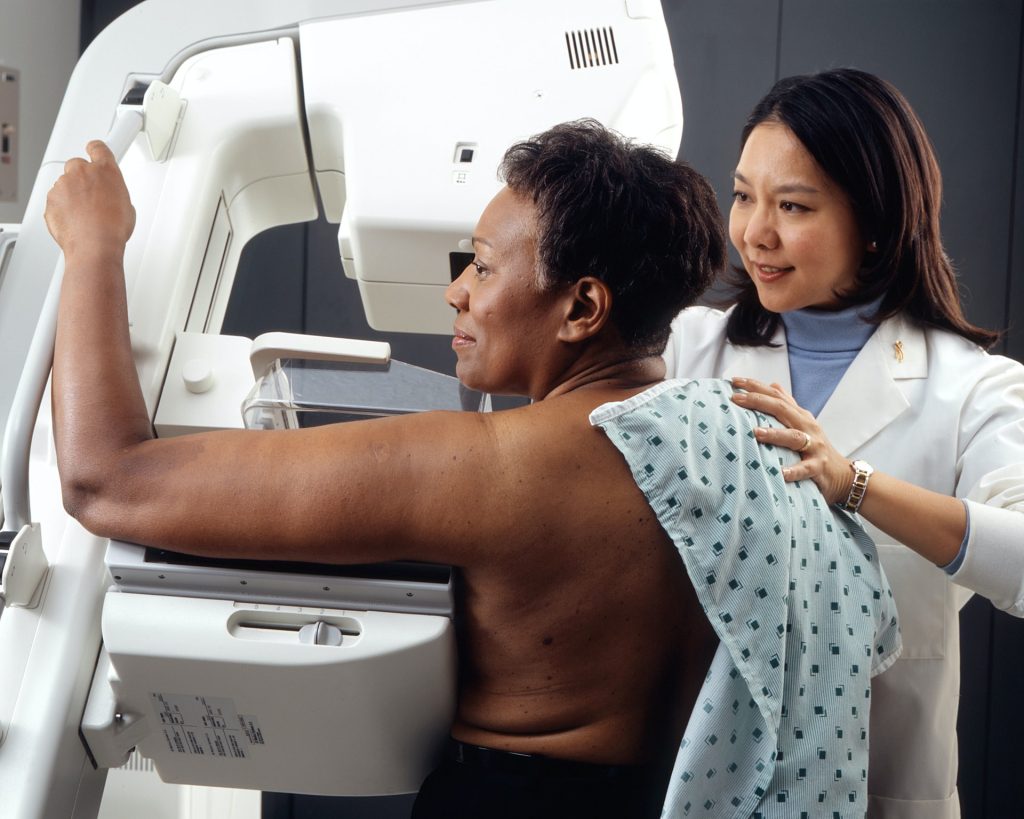
In a move bringing it closer in line with other organisations’ breast cancer screening guidelines, The United States Preventative Task Force (USPSTF) has released a draft statement recommending mammography every other year (biennially) from ages 40 to 74.

These recommendations are not applicable to women with a genetic marker or syndrome linked to increased breast cancer risk, a history of high-dose chest radiotherapy at a young age, or previous breast cancer or a high-risk breast lesion on previous biopsies.

According to the USPSTF, “new and more inclusive science about breast cancer in people younger than 50 has enabled us to expand our prior recommendation and encourage all women to get screened in their 40s. We have long known that screening for breast cancer saves lives, and the science now supports all women getting screened, every other year, starting at age 40.”

South African cancer screening guidelines typically closely follow American ones, according to an article by Lipschitz in the South African Journal of Radiology. Many countries had not recommended screening at the ages of 40–50 due to fears of overdiagnosis.

The UPSTF made particular attention the fact that black women are 40% more likely to die of breast cancer than white women, and have a high rate of aggressive cancers at young ages.

The recommendations are not without criticism. Biennial screenings are not seen as worth it by Desountis et al., as it leaving two years between tests leaves too much time for a tumour to grow.

Debra Monticciolo, MD, of Massachusetts General Hospital in Boston, and a member of the Society of Breast Imaging’s board of directors, told MedPage Today that she was “disappointed” with the decision to recommend biennial scans.

“Even if you look at their own data,” Monticciolo said, “annual screening results in more deaths averted, no matter what type of screening program you put in those models.”

The UPSTF has posted the new recommendations on its website for comment.

Regarding the ongoing debated about continued screening in women ages 75 and older, and supplemental screening for those with dense breasts, the UPSTF found there was not enough evidence for a recommendation.