Preterm babies with very low birth weight who received a probiotic alongside antibiotics had fewer multidrug resistant bacteria and a more typical gut microbiome, a new study shows.
The paper published in Nature Communications is the result of a trial testing probiotics among a group of 34 pre-term babies born with a very low birth weight, under 1500g representing around 1-1.5% of babies born around the world. The study sequenced gut bacteria from the babies during the first three weeks after birth.
The collaborative study led by Professor Lindsay Hall and Dr Raymond Kiu from the University of Birmingham found that among babies who received a probiotic treatment of a certain strain including Bifidobacterium alongside antibiotics, levels of typical bacterial strains associated with early-life gut microbiota were at levels typical among full-term babies, reducing both the abundance of antibiotic resistance genes and the number of multi-drug resistant bacteria in the gut.
In the context of the global AMR crisis, this is a major finding, especially for NICUs where preterm infants are especially vulnerable. Probiotics are now used in many neonatal ICUs around the UK, and the WHO have recommended probiotic supplementation in preterm babies. Our paper shows how beneficial this intervention can be for babies born prematurely to help them give their gut a kickstart, and reduce the impact of concerning pathogens taking hold.Professor Lindsay Hall – University of Birmingham
There were lower levels of drug-resistant pathogens including Enterococcus associated with risks of infections and longer hospital stays. Babies who received probiotics also saw higher levels of certain positive bacteria found naturally in the gut.
Among babies who didn’t receive probiotics, analysis of the gut bacteria found that while some differences occurred between those receiving antibiotics or not, both groups saw a dominant microbiome develop that included key bacteria (pathobionts) that can cause health problems including life-threatening infections during the crucial period after birth, as well as in later life.
Professor Lindsay Hall from the University of Birmingham and a group leader at Quadram Institute Bioscience, and senior corresponding author of the study said: “We have already shown that probiotics are highly effective in protecting vulnerable preterm babies from serious infections, and this study now reveals that these probiotics also significantly reduce the presence of antibiotic resistance genes and multidrug-resistant bacteria in the infant gut. Crucially, they seem to do so selectively – targeting resistant strains without disrupting non-resistant strains that might be beneficial.
“In the context of the global AMR crisis, this is a major finding, especially for NICUs where preterm infants are especially vulnerable. Probiotics are now used in many neonatal ICUs around the UK, and the WHO have recommended probiotic supplementation in preterm babies.
“Our paper shows how beneficial this intervention can be for babies born prematurely to help them give their gut a kickstart, and reduce the impact of concerning pathogens taking hold.”
Dr Raymond Kiu from the University of Birmingham, first and co-corresponding author of the paper said: “Sequencing technology has now confirmed that probiotic Bifidobacterium rapidly replicates in the preterm gut during the first three weeks of life. Importantly, this successful colonisation drives the maturation of the gut microbiota and is linked to a noticeable reduction in multi-drug-resistant pathogens – pointing to its pivotal role in improving neonatal health. Our findings also shed light on the complex interactions between antibiotics, probiotics, and horizontal gene transfer (HGT) in shaping the early-life microbiome.
“We believe this research lays the groundwork for future studies exploring the role of probiotics in antimicrobial stewardship and infection control among preterm populations.”
Antibiotics are supposed to wipe out bacteria, yet the drugs can sometimes hand microbes an unexpected advantage.
A new Nature Communications study from Rutgers Health shows that ciprofloxacin, a staple treatment for urinary tract infections, throws Escherichiacoli into an energy crisis that saves many cells from death and speeds the evolution of full‑blown resistance.
“Antibiotics can actually change bacterial metabolism,” said first author Barry Li, a student at Rutgers pursuing a dual doctoral degree for physician–scientists. “We wanted to see what those changes do to the bugs’ chances of survival.”
Li and senior author Jason Yang focused on adenosine triphosphate (ATP), the molecular fuel of cells. When ATP levels crash, cells experience “bioenergetic stress.” To mimic that stress, the team engineered E. coli with genetic drains that constantly burned ATP or its cousin nicotinamide adenine dinucleotide (NADH). Then, they pitted both the engineered strains and normal bacteria against ciprofloxacin.
The results surprised the researchers. The drug and the genetic drains each slashed ATP, but rather than slowing down, the bacteria revved up. Respiration soared, and the cells spewed extra reactive‑oxygen molecules that can damage DNA. That frenzy produced two troubling outcomes.
First, more of the bacteria cells survived.
In time‑kill tests, ten times as many stressed cells survived a lethal ciprofloxacin dose compared with unstressed controls. These hardy stragglers, called persister cells, lie low until the drug is gone and then rebound to launch a new infection.
People have long blamed sluggish metabolism for persister cell formation.
“People expected a slower metabolism to cause less killing,” Li said. “We saw the opposite. The cells ramp up metabolism to refill their energy tanks, and that turns on stress responses that slow the killing.”
Follow‑up experiments traced the protection to the stringent response, a bacterial alarm system that reprograms the cell under stress.
Second, stressed cells mutated faster to evolve antibiotic resistance.
While persisters keep infections smoldering, genetic resistance can render a drug useless outright. The Rutgers group cycled E. coli through escalating ciprofloxacin doses and found that stressed cells reached the resistance threshold four rounds sooner than normal cells. DNA sequencing and classic mutation tests pointed to oxidative damage and error‑prone repair as the culprits.
“The changes in metabolism are making antibiotics work less well and helping bacteria evolve resistance,” said Yang, an assistant professor at the medical school and Chancellor Scholar of microbiology, biochemistry & molecular genetics.
Preliminary measurements show that gentamicin and ampicillin also drain ATP in addition to ciprofloxacin. The stress effect may span very different pathogens, including the pathogen Mycobacterium tuberculosis, which is highly sensitive to ATP shocks.
If so, the discovery casts new light on a global threat. Antibiotic resistance already contributes to 1.27 million deaths a year. Strategies that ignore the metabolic fallout of treatment may be missing a key lever.
The findings suggest several changes for antibiotic development and use.
First, screen candidate antibiotics for unintended energy‑drain side effects. Second, pair existing drugs with anti‑evolution boosters that block the stress pathways or mop up the extra oxygen radicals. Third, reconsider the instinct to blast infections with the highest possible dose. Earlier studies and the new data both hint that extreme concentrations can trigger the very stress that protects bacteria.
“Bacteria turn our attack into a training camp,” Yang said. “If we can cut the power to that camp, we can keep our antibiotics working longer.”
Li and Yang are planning on testing compounds that soothe bioenergetic stress in the hope of turning the microbial energy crisis back into an Achilles’ heel rather than a shield.
A group of infectious disease and public health experts are calling on the Department of Health and Minister Aaron Motsoaledi to reintroduce a national action plan addressing antimicrobial resistance (AMR).
An open letter from over 70 doctors, scientists and public health advisors states that antibiotic resistance is becoming a “growing threat” in the country and poses a threat to universal health coverage through the National Health Insurance.
Latest figures show that over one-million deaths a year worldwide are directly caused by AMR. This number is projected to increase. Nearly five-million people die with an antibiotic-resistant infection. Over the next 25 years, nearly 40-million people are projected to die from AMR.
The open letter also called on the department to reinstate a ministerial advisory committee on AMR or to establish a similar scientific body.
“The lack of a robust scientific advisory body limits the government’s capacity to develop evidence-based policies,” the letter reads. The establishment of a scientific body would “empower the government to make strategic, data-driven decisions to combat this pressing health threat effectively”.
The former Ministerial Advisory Committee was disbanded in November 2023.
Marc Mendelson, an infectious disease specialist at Groote Schuur Hospital who has been outspoken about the threat of AMR for many years, said: “AMR is a current pandemic which is wreaking havoc, is not being attended to properly and not being taken seriously enough in South Africa.”
Mendelson said that there are “more and more people having to be treated for highly resistant bacterial infections in our healthcare system”. AMR leads to an increase in morbidity, mortality, hospital costs, and also has socio-economic consequences, he said. Common medical interventions such as surgery “becomes much riskier” with AMR.
Department of Health spokesperson Foster Mohale said that the department would only comment once the letter was formally presented, which is expected to happen at 5pm on Thursday.
A study of almost 1000 pregnant women in Zimbabwe found that a daily dose of a commonly used, safe and inexpensive antibiotic may have led to fewer babies being born early. Among women living with HIV, those who received the antibiotic had larger babies who were less likely to be preterm.
One in four live-born infants worldwide is preterm (born at 37 weeks’ gestation or before), is small for gestational age, or has a low birth weight. The mortality rate for these small and vulnerable newborns is high, with prematurity now the leading cause of death among children younger than 5 years of age. Maternal infections and inflammation during pregnancy are linked to adverse birth outcomes, particularly for babies born to mothers living with HIV, who have a greater risk of being born too small or too soon.
An international group of researchers, led by Professor Andrew Prendergast from Queen Mary University of London, and Bernard Chasekwa from the Zvitambo Institute for Maternal and Child Health Research in Zimbabwe, conducted the Cotrimoxazole for Mothers to Improve Birthweight in Infants (COMBI) randomised controlled trial, to examine whether prescribing pregnant women a daily dose of trimethoprim–sulfamethoxazole (a broad-spectrum antimicrobial agent with anti-inflammatory properties, widely used in sub-Saharan Africa) would result in heavier birth weights, decreased premature births, and better health outcomes for their babies.
993 pregnant women were recruited from three antenatal clinics in Shurugwi, a district in central Zimbabwe, and received either 960 mg of the drug or a placebo daily. The participants received regular antenatal care during their pregnancies and data regarding their birth outcomes were recorded.
The study, published in the New England Journal of Medicine, found that although birthweight did not differ significantly between the two groups, the trimethoprim–sulfamethoxazole group showed a 40% reduction in the proportion of preterm births, compared to the placebo group. Overall, 6.9% of mothers receiving the drug had babies born preterm, compared to 11.5% of mothers receiving the placebo, and no women receiving antibiotics had babies born prior to 28 weeks. For babies born to a small group of 131 women with HIV, the reduction in premature births was especially marked, with only 2% of births in the trimethoprim–sulfamethoxazole group preterm, as compared with 14% in the placebo group. Babies exposed to antibiotics during pregnancy also showed a 177 gram increase in their birth weight.
Bernard Chasekwa, first author, said: “Our trial, conducted within routine antenatal care and enrolling women predominantly from rural areas, showed that trimethoprim-sulfamethoxazole did not improve birthweight, which was our main outcome. However, there was an intriguing suggestion that it may have improved the length of pregnancy and reduced the proportion of preterm births. We now need to repeat this trial in different settings around the world to see whether antibiotics during pregnancy can help reduce the risk of prematurity.”
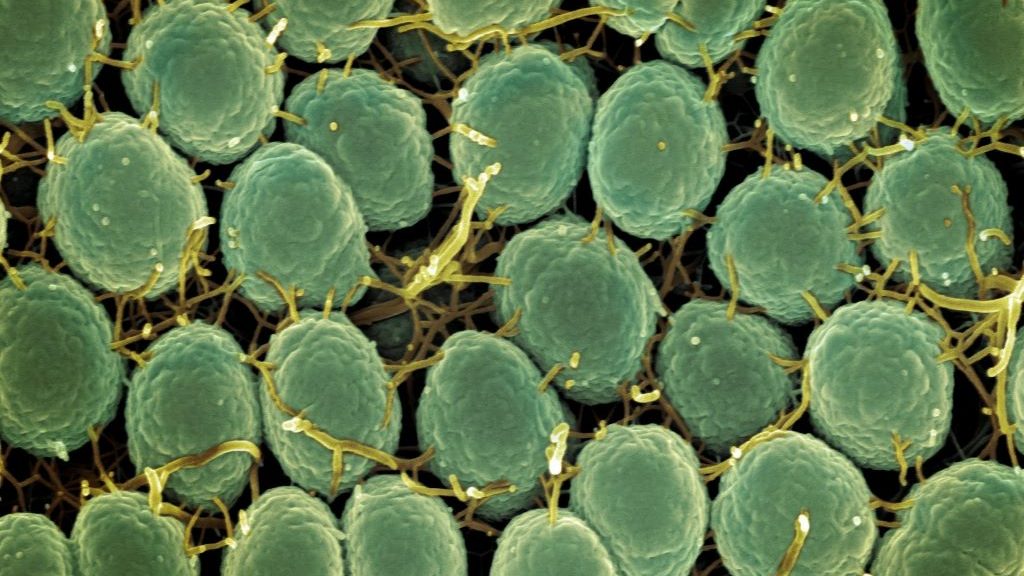
Neisseria gonorrhoeae Bacteria Scanning electron micrograph of Neisseria gonorrhoeae bacteria, which causes gonorrhea. Captured by the Research Technologies Branch (RTB) at the NIAID Rocky Mountain Laboratories (RML) in Hamilton, Montana. Credit: NIAID. Photo by National Institute of Allergy and Infectious Diseases on Unsplash
By Catherine Tomlinson
Two new antibiotics offer hope for people with gonorrhoea that is resistant to currently available drugs. Yet, it might be years before the people who need these medicines can get them. Spotlight unpacks why these new antibiotics are important and what needs to happen before they can be used in South Africa.
Gonorrhoea is a sexually transmitted infection known for its ability to quickly mutate to evade the antibiotics used to treat it. Its symptoms include pain when urinating and genital discharge, but many people don’t notice any symptoms at all. If gonorrhoea is not treated, it can cause serious problems including infertility, chronic pain and complications in babies who risk developing infections that can cause eye damage and blindness.
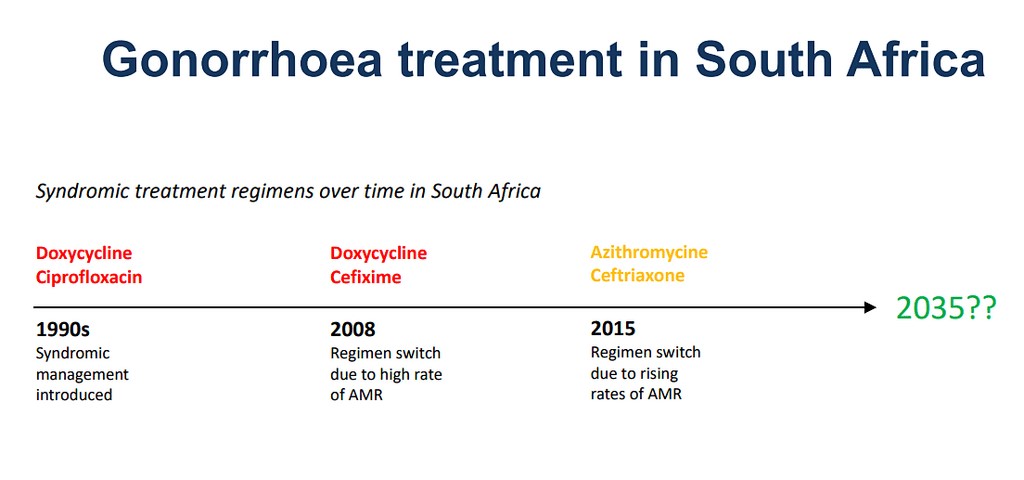
Gonorrhoea treatment has been something of a cat-and-mouse game as the bacteria continuously developed resistance against the antibiotics used to treat it. From the 1990s to the early 2000s, the antibiotic ciprofloxacin was used to treat gonorrhoea in South Africa, sometimes combined with another one called doxycycline. But as high levels of ciprofloxacin resistance emerged, South Africa replaced this course of therapy with a regimen of cefixime and doxycycline. Gonorrhoea treatment was changed again in 2015, due to concerns regarding the emergence of cefixime-resistance.
The treatment regimen adopted in 2015 remains the standard of care in South Africa and much of the world today. It involves an intermuscular injection of ceftriaxone, combined with oral azithromycin pills. Although, some countries now recommend using high dose injectable ceftriaxone on its own, due to high levels of azithromycin resistance.
While most gonorrhoea cases are still treatable with ceftriaxone, the emergence of ceftriaxone-resistant gonorrhoea has been identified as a major global health threat.
“The last effective drug we have, ceftriaxone, already indicates increasing gonococcal resistance. Without new antibiotics, we will have no easy treatment options. This is a great concern that will have a major impact in disease control efforts,” warned the World Health Organization (WHO).
This is why two new antibiotics, zoliflodacin and gepotidacin, are considered such a big deal. They are the first new medicines developed for gonorrhoea in over 30 years. Both are in new classes of antibiotics, which is to say they attack the bacterium in a different way than previous medicines. Because of this, they have little cross resistance with existing treatments and therefore offer important treatment options for people for whom the old medicines no longer work.
How widespread is ceftriaxone-resistance in South Africa?
How urgently we need access to the new medicines in South Africa will depend largely on how many people here are resistant to ceftriaxone. Unfortunately, we don’t have a clear picture of drug-resistant gonorrhoea in the country.
South Africa introduced a syndromic management approach for sexually transmitted infections (STIs) in the mid-1990s, as recommended by the WHO. This means that people reporting STI symptoms at health facilities are treated according to their symptoms, rather than results of a lab test.
This approach to STIs helps to reduce the cost burden of laboratory diagnosis and allows for immediate treatment initiation without waiting for laboratory results since some patients are “lost” over this period as they do not return to health facilities for their test results and treatment.
A challenge with treating STIs according to symptoms rather than laboratory results is that many STIs present with similar symptoms. This can lead to misdiagnosis and incorrect treatment as well as asymptomatic infections going undiagnosed and untreated.
Thus, without lab testing, combined with routine STI screening to identify asymptomatic cases, it is difficult to understand the true burden of gonorrhoea in the country or to measure the extent of drug resistance.
A systematic review, however, indicates that while azithromycin resistance is a challenge in South Africa, there was not yet evidence of ceftriaxone resistance as of 2022.
The National Institutes of Communicable Diseases (NICD) classified ceftriaxone-resistant gonorrhoea a notifiable condition in 2017, meaning that any diagnosed cases must be reported to it. The NICD did not respond to a query from Spotlight as to whether there have been any confirmed cases of ceftriaxone-resistant gonorrhoea in South Africa to date.
While South Africa is not yet facing a ceftriaxone-resistance crisis, experts are of the view that it is only a matter of time before this public health challenge reaches our borders, as global cases are increasing and the drug-resistant strain is transmittable.
Some access to zoliflodacin
Given the risk of a ceftriaxone-resistance crisis, it is important that the two new antibiotics, zoliflodacin and gepotidacin, become available here as soon as possible. These new antibiotics have quite different histories.
Zoliflodacin was developed by GARDP – a non-profit organisation working to accelerate the development of new antibiotics – together with the private biopharmaceutical company Innoviva.
In November 2023, GARDP shared the results of its phase 3 trial of zoliflodacin, which took place in South Africa, Thailand, Belgium, the Netherlands and the United States. It tested the effectiveness of a single dose of oral zoliflodacin compared with the current standard of care treatment for gonorrhoea, which is an injection of ceftriaxone combined with oral azithromycin.
The trial showed that a single dose of zoliflodacin works just as well as the standard of care. The results have not yet been published in a peer-reviewed journal.
Zoliflodacin has also “been shown to be active against all multidrug-resistant strains of Neisseria gonorrhoeae (the gonorrhoea bacteria), including those resistant to ceftriaxone, the last remaining recommended antibiotic treatment”, GARDP’s R&D Project Leader for STIs, Pierre Daram, told Spotlight.
He added that Innoviva is in the process of applying to get the greenlight to use zoliflodacin in the United States. At the same time, GARDP is planning to apply for approval in some of its own regions, starting with Thailand and South Africa.
GARDP is also working on a programme to make the unregistered drug available for patients who have no other treatment options.
“The zoliflodacin managed access programme is about to be activated,” Daram said. “The aim is to provide early access to zoliflodacin, prior to regulatory approval in a country, in response to individual patient requests by clinicians and whereby certain regulatory and clinical criteria are met.” South Africa will be one of the countries covered under this programme, said Daram.
He explained that individual patient requests for treatment will be received from treating clinicians through an online platform. “Based on information provided by the clinician and certain pre-determined regulatory and clinical criteria being met, GARDP will make a case-by-case decision as to whether zoliflodacin will be made available.” Daram added: “Consideration is given to both clinical as well as diagnostic criteria for documentation of treatment failure.”
Access to gepotidacin remains uncertain
Shortly after results for zoliflodacin were announced, GlaxoSmithKline (GSK) also shared positive findings for their new antibiotic in treating gonorrhoea. In April 2024, the company reported that a phase 3 trial showed that taking two doses of oral gepotidacin worked just as well as the standard treatment.
The results of this trial, which was conducted in Australia, Germany, Mexico, Spain, the United Kingdom, and the United States, were published in the Lancet medical journal in May.
While gepotidacin represents an important new treatment option for gonorrhoea, there is no indication that it will be available in South Africa any time soon.
Gepotidacin has not yet been registered for the treatment of gonorrhoea but was approved in March in the United States for treating uncomplicated urinary tract infections (UTIs) in women and girls over 12. The medicine will thus have a much larger market in the US than if it was only registered for treating gonorrhoea.
The price that GSK will charge for gepotidacin has not yet been disclosed, but a spokesperson told Spotlight it is set to be launched in the US in the second half of 2025.
“[T]he price in the US will be disclosed when the product will be commercialized,” said the GSK spokesperson.
The company did not respond to Spotlight’s questions regarding the company’s plans to register and market gepotidacin in South Africa.
What happens next?
With the launch of the zoliflodacin managed access programme, clinicians in South Africa will soon be able to apply for the medicine for patients that are resistant to existing drugs. Given that ceftriaxone-resistance is rare in the country, the number of patients in the country that will be eligible for zoliflodacin is likely to be small.
Securing broader access to zoliflodacin or gepotidacin, potentially for use as a first line gonorrhoea treatment appears to be a long way off. While GARDP is planning to file for registration of zoliflodacin in South Africa, GSK has not indicated whether they will follow suit for gepotidacin.
Providing the new antibiotics for first line gonorrhoea treatment could expand delivery and uptake, as the new drugs are both oral tablets and would remove the need for an injection to treat gonorrhoea, said Professor Nigel Garrett, who is the Chief Scientific Officer at the Desmond Tutu Health Foundation.
If zoliflodacin and gepotidacin are approved and made affordable in South Africa, they could also play a vital role in strengthening the country’s efforts to preserve the long-term effectiveness of other antibiotics.
Ceftriaxone “is a really important drug to keep, [to] make sure that there isn’t too much resistance against it,” Garret told Spotlight. He explained that the medicine is needed to treat sepsis occurring in hospitals, as well as meningitis.
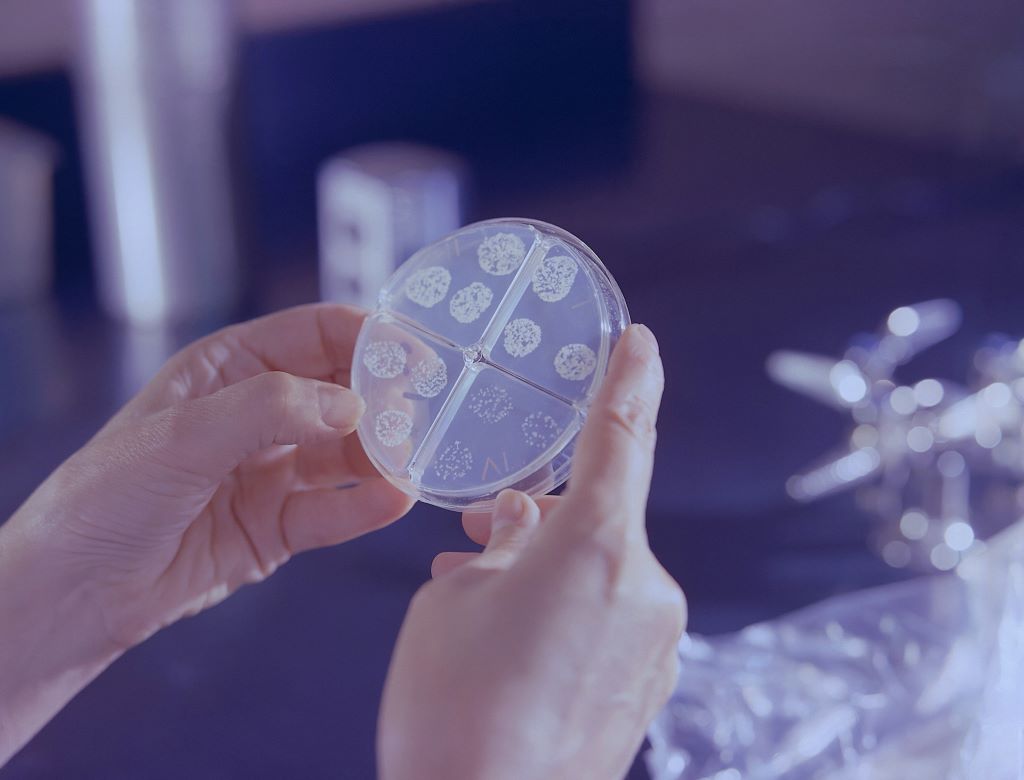
Jorunn Pauline Cavanagh holds up a petri dish with the newly discovered bacterium.
In 2020, a research group at UiT The Arctic University of Norway in Tromsø discovered a previously unknown bacterium. Named Staphylococcus borealis (S. borealis) after the Northern Lights, the researchers investigated whether this newly discovered bacterium was a potential threat. Their findings were published in the journal Microbiology Spectrum.
33% Antibiotic Resistance
To investigate, researchers collected bacterial samples stored in freezers at several Norwegian hospitals.
The samples went as far back as 2014, and the researchers conducted new tests to see if they could identify the new bacterium in the old samples. Meanwhile, new samples arriving at the UiT lab from 2020 to 2024 were tested continuously. In total, the researchers collected and analysed 129 samples from seven Norwegian hospitals.
It turns out that S. borealis is resistant to more than three different classes of antibiotics in one-third of the cases where it was tested.
Moreover, the bacterium also appears to be highly adept at acquiring protective mechanisms from other bacterial species. This means it could potentially develop antibiotic resistance quickly, when attacked with the medicines currently available.
“We see the most resistance against the antibiotic classes fusidic acid, cephalosporins, penicillins, macrolides, and fluoroquinolones,” explains Jorunn Pauline Cavanagh, who led the work on bacterial analyses.
A Problem for the Elderly
S. borealis is a bacterium that lives on our skin, and researchers have found that it can become problematic when your immune system is weakened. This makes it particularly concerning for the elderly and for those who have had knee or hip replacements.
“This bacterium is an opportunist that can cause illness when your immune system is compromised. For example, we see that it can form what’s called biofilm around knee prostheses and cause infections that can be difficult to treat,” explains Jorunn Pauline Cavanagh.
Researchers are now working to determine which diseases this bacterium can cause. Preliminary findings suggest it may lead to urinary tract infections, as well as inflammation in areas where implants are present.
“We do know that it causes mastitis in dromedary camels. This is because we’ve published the bacterium’s genetic profile in international databases, which other researchers use to compare their own bacterial findings. So, more possibilities may emerge,” says Cavanagh.
Both high and low-middle income countries have stepped up their efforts to reduce antibiotic resistance
Mycobacterium tuberculosis drug susceptibility test. Photo by CDC on Unsplash
National-level policies can reduce the impact of antibiotic resistance across diverse countries, according to a study published April 30, 2025 in the open-access journal PLOS Global Public Health by Peter Søgaard Jørgensen from Stockholm University and the Royal Swedish Academy of Sciences, Sweden, and colleagues.
Antibiotic resistance is a major public health concern, contributing to 1.27 million deaths per year. In 2016, countries around the world committed to developing and implementing national action plans to combat antibiotic resistance. These plans have been criticised for not being fully operationalised. Assessing their impact is challenging – change doesn’t happen overnight, not all countries report their data systematically, and the COVID-19 pandemic disrupted monitoring.
In this study, researchers used the Global Database for Tracking Antimicrobial Resistance Country Self- Assessment Survey (TrACSS) and data on antibiotic use and antibiotic resistance to evaluate the impact of national action over time in 73 countries, representing six continents across high and low-middle income countries. They looked at national trends in indicators related to antibiotic resistance, including antibiotic use, rates of antibiotic resistance, and impact of resistant infections.
By assigning each country an action index, they found that national action was consistently associated with improved indicators of antibiotic resistance. These associations persisted after controlling for factors like socioeconomic conditions, population density, and climate.
Since 2016, both high and low-middle income countries have become more ambitious with their national action plans; only one-third have decreased their efforts to reduce antibiotic resistance.
The authors noted some bias in their sample size in that high-income countries are more likely to have established monitoring systems but stressed the importance of studies like this to establishing the impact of national policies on tackling antibiotic resistance.
The authors add: “Our research shows the importance of all countries taking additional action to address antibiotic resistance. Very ambitious action will be needed to achieve reductions in resistance, but even incremental improvements will help reduce the projected increases…We were not sure that it would be possible to reduce levels of antibiotic resistance while also keeping using antibiotics to the extent that is required by modern health systems, but our research indicates that it is indeed possible.”
Experts say bacterial infections are responsible for more infant deaths than is generally recognised, and things may get worse as more of the bugs become resistant to commonly used antibiotics. We asked local experts about this growing threat to newborns.
A two-week-old baby is referred to the Red Cross War Memorial Children’s Hospital (RCWMCH) in Cape Town. The infant, who was born prematurely at six months, has come from a nearby neonatal hospital.
She’s developed complications, including a feed intolerance and constant vomiting. On investigation, she is found to have a bowel perforation and a condition called necrotising enterocolitis. Surgeons conclude she needs an operation to repair the perforation. A sample of pus from inside her abdomen is sent to a laboratory to identify any infections. While the tests are being done, the infant is started on second-line antibiotics. The doctors suspect she picked up an infection due to pathogens that may be resistant to first-line antibiotics while in the neonatal hospital.
“But 48 hours later, when the results are available, they may show that the antibiotics we’ve been treating the baby with are not treating the bacteria that have now been detected in the lab,” says Associate Professor James Nuttall, a paediatric infectious diseases sub-specialist at RCWMCH and the University of Cape Town.
“In response to those results, we’d change to a different set of antibiotics to try and target the bacteria that have been detected. In the meantime, the child has deteriorated and requires a second operation. Throughout all the subsequent treatments, we are testing samples for infections she might – and frequently will – acquire along the way.”
From then on, he says it’s a case of trying to keep up with the sequence of infections that the baby might develop. Some of these infections may have originated at the neonatal hospital, while others could have been acquired during her treatment in the Intensive Care Unit (ICU) at RCWMCH, possibly from the operating theatre, intravenous lines, or healthcare workers’ hands.
“This is the kind of scenario we are faced with all the time,” says Nuttall. “The fact is, an infant might come into hospital with one infection and, unfortunately, pick up a bunch of other infections while in the hospital from transmission of pathogens that may be resistant to one or more of the commonly used first- or second-line antibiotics.”
Sitting in a boardroom at the Red Cross Hospital, close to the paediatric wards and clinics in which he treats sick children referred from other hospitals in Cape Town and beyond, Nuttall says there are two possible outcomes for this baby.
“She might turn the corner and respond to the new antibiotics, together with interventions from the surgical doctors and expert management in an ICU. Or she might not respond to the treatment, and die two days later, because of ongoing infection that doesn’t respond to treatment.”
Nuttall is discussing the ongoing issue of rising antibiotic resistance, particularly among neonates, the group most vulnerable to this. He’s responding to Spotlight’s main question: Will the antibiotics used to treat bacterial infections, such as Klebsiella pneumoniae – which have seen hundreds of babies die in hospitals in recent years – keep working? And, how big is the risk of antibiotic resistance to infants?
“The short answer to whether the antibiotics we currently use to treat bacterial infections will keep working is no,” he says.
‘Almost endemic’
In some South African healthcare facilities, especially in the public sector, antibiotic-resistant bacteria have become “almost endemic”, says Professor Shabir Madhi, director of the Wits Vaccines and Infectious Diseases Analytics Unit at University of Witwatersrand (WITS VIDA).
“There are a large number of deaths occurring on an ongoing basis. We still have clusters of outbreaks, but those are underpinned by a really widespread dissemination of these antibiotic-resistant bacteria, and persistently high rates of hospital-acquired infections, especially in the first month of life,” he says. “Despite the best of efforts, we haven’t been able to get on top of this.”
Madhi headed up a study at the Chris Hani Baragwanath Academic Hospital in Soweto in which they used molecular testing to look at evidence of infections in 153 babies who had passed away. The researchers found that infections were the immediate or underlying cause of death in 58% of all the neonatal deaths, including the immediate cause in 70% of neonates with complications of prematurity as the underlying cause.
Overall, 74.4% of 90 infection-related deaths were hospital-acquired, mainly due to multidrug-resistant Acinetobacter baumannii (52.2%), Klebsiella pneumoniae (22.4%), and Staphylococcus aureus (20.9%).
Also asked whether the antibiotics used to treat Klebsiella and other bacterial infections will keep working, Madhi says: “The short answer is that we’ve already run out of antibiotics in the public sector that can treat all of these different bacteria.”
He says that there are two bacteria that are of particular concern in South Africa.
“The one is Klebsiella pneumoniae, which that has become resistant to almost all of the antibiotic classes that are available for use, except perhaps for colistin, (a reserve antibiotic which is seen as a last-resort treatment for multidrug-resistant Gram-negative infections), but even antibiotic resistance to colistin in bacteria is emerging.
“The other big one is Acinetobacter baumannii, which is also a common cause of hospital-acquired infections. Here the bacteria have become resistant to all classes of antibiotics including colistin.”
Madhi says compared to other African countries, South Africa is better equipped to provide high-level care, including intensive care, to prematurely-born babies.
“Consequently, we end up spending a mini fortune to get these very premature children to survive the first few days of life, only for them then to succumb to hospital-acquired infections. Whereas in other settings many of these babies will die in the first few hours of life.”
He adds: “The single leading cause of neonatal mortality in South Africa is antibiotic resistant bacterial infections, but that is underpinned by other conditions which increases the susceptibility of babies to eventually succumb to these hospital-acquired infections.”
In the public sector, Madhi says hospital-acquired infections are a major reason why children are dying. In the private sector, there is more attention on identifying these infections, along with better resources, which helps reduce the problem.
Meanwhile, physicians like Nuttall are put in impossible situations at Red Cross.
“When doing blood tests on an infant to check for infection, you can’t wait for those results. You have to start treatment with what you think is the appropriate treatment. That’s the empirical treatment,” explains Nuttall.
“Then, when you isolate a bacterium and know its resistance profile (or antibiotic susceptibility profile), you must redirect your treatment to what’s known as ‘directed’ or definitive treatment. But there’s now been a time gap of 24 to 72 hours where the infant is on treatment, and you don’t know if it’s the right treatment. That’s a critical issue, because the baby might deteriorate in that time because they’re not on the right treatment,” he says.
He says the choice of empiric antibiotics is becoming more difficult, “as what we previously used as empiric antibiotic treatment is less and less reliable to treat serious infections, particularly in patients who acquire resistant infections in hospital”.
In a position paper, Nuttall and his colleagues write that growing antibiotic resistance is linked to the increased use of “reserve” and “watch” antibiotics. The WHO classifies antibiotics into three groups. Access antibiotics are the common ones used to treat everyday infections in the community. Watch antibiotics are broad-spectrum antibiotics that carry a higher risk of causing resistance, so their use must be carefully monitored and limited. Reserve antibiotics are last-resort treatments for infections caused by multi-drug-resistant bacteria and should only be used when all other options have failed.
‘Totally underestimated’
Following the research described earlier, Madhi says they convened an expert panel, to deliberate on what the causes of death was in children.
Unfortunately, he says, it’s become completely monotonous in that there’s a clear series of events for children born prematurely, who die: They’re admitted to hospital, they usually require ICU, they improve in ICU, and two to three days later, they appear very sick again. “Often you don’t actually identify the bacteria causing the clinical deterioration when you investigate ante-mortem, and you only realise the child actually succumbed to antimicrobial resistant bacterial infections after you’ve done the postmortem sampling”. Postmortem sampling is not done systematically across the country.
“What the post-mortem sampling has unmasked, is that we’ve totally underestimated the contribution of antibiotic-resistant bacteria in relation to causes of neonatal death. If we were to do the same investigations in other facilities, there would be much greater heightened awareness of what is really an unrecognised endemic public health crisis across our healthcare facilities,” says Madhi.
Professor Angela Dramowski, Head of the Clinical Unit: General Paediatrics at Tygerberg Hospital, agrees that outbreaks in low- and middle-income country hospitals, including South Africa are under-reported.
“What we see in the literature and in the headlines of newspapers is the tip of the iceberg. The vast majority of outbreaks in fact are either undetected or unreported. This is almost an invisible problem because a lot of the deaths are currently labelled due to another cause, for example, prematurity.
“This is a crucial public health crisis. We cannot practice modern medicine without effective antibiotics, and, especially for newborns the situation is perilous as we have very few effective treatment options left.”
‘Existential threat’
Though more acute in some areas, the problem is a global one. Marc Mendelson, Professor of Infectious Diseases at the University of Cape Town, describes antibiotic resistance as an existential global health threat.
“If antibiotic resistance is not mitigated, in the next 25 years, 39 million people globally will die of an antibiotic-resistant bacterial infection. That will dwarf HIV, tuberculosis, and malaria,” he says.
“There are bacteria currently causing infections in our hospitals in South Africa that are totally resistant to antibiotics. Those patients would usually die or need extraordinary measures to keep them alive such as amputating a limb to remove the infection in a bone or joint,” Mendelson says.
“People have always assumed if you get sick with a bacterial infection, there will be an antibiotic to treat it. Doctors in and out of hospitals have been too lax in how they prescribe antibiotics. Now we’re paying the price as some bacterial infections are not easily treatable,” he says.
As Dramowski points out, there is a lot of good science confirming the extent of the problem. A systematic review published in The Lancet found that almost 5 million deaths in 2019 were associated with bacterial infections resistant to antibiotics.
“That huge number is more than deaths from HIV and malaria combined,” she says.
Dramowski also points to another review study that found 3 million cases of neonatal sepsis globally each year, with at least 570 000 deaths (likely an underestimate). Over 95% of deaths from neonatal antibiotic resistance occur in low- and middle-income countries (LMICs).
“In a nutshell, in five big studies … they showed that antibiotic resistance to the World Health Organization-recommended antibiotic treatments ranges anywhere between 40 to 70%, so almost half of all babies with severe bacterial infection have resistance to the recommended antibiotic treatment,” she says.
What to do?
To address the major issue of antibiotic resistance in infants, Dramowski stresses the importance of prevention. This includes improving Water, Sanitation, and Hygiene (WASH) as well as Infection Prevention and Control programmes to reduce the spread of antibiotic-resistant bacteria in communities and healthcare facilities. She also stresses the need to prevent pre-term births as much as possible, as hospital admissions carry a high risk of acquiring antibiotic-resistant bacteria and developing infections.
She says increased surveillance of infections in LMICs is also crucial, along with more antibiotic trials to provide better alternatives. Additionally, there is a strong need for responsible antibiotic use (stewardship) to ensure they are only used when necessary, helping to prevent the development of antibiotic resistance.
A challenge in practicing stewardship is the difference in resources between the public and private sectors, says Professor Vindana Chibabhai, Head of the Centre for Healthcare-associated Infections, Antimicrobial Resistance, and Mycology (CHARM) at the National Institute for Communicable Diseases. Expensive antibiotics are more easily accessible in the private sector, while they are often not available in the public sector.
“Antibiotic stewardship is happening all over the country but we need to have a national monitoring system,” she says.
Chibabhai says that private sector clinicians often work independently and are not required to follow stewardship programmes as strictly as those in public sector hospitals. To address antibiotic resistance, she says we need monitoring systems to track the effectiveness of these programmes and provide support to hospitals struggling with them. Even though some hospitals have dedicated pharmacists, microbiologists, and clinicians, Chibabhai says they may need additional help to strengthen their antibiotic stewardship efforts.
‘Lots of lovely paper’
A major issue highlighted by experts is the lack of a clear AMR strategy in South Africa. The last strategy, which covered 2019 to 2024, was not funded, and its impact has not been evaluated.
“We have lots of lovely paper and lots of committed people doing great work but in terms of interventions, none of it is funded,” says Mendelson, who chaired the Ministerial Advisory Committee on Antimicrobial Resistance for the eight years until 2022. “If these interventions were funded, we could save lives.”
Madhi says the consequences of not implementing South Africa’s AMR plan are exactly what we are seeing now. “The problems have become endemic and entrenched in public healthcare facilities and lead to large numbers of unnecessary deaths which could have been prevented if we implemented a proper strategy in place.”
He says the situation now calls for a multi-faceted approach. “It’s not just about the type of antibiotics that should be available but about mitigating the many contributing factors that resulted in these outbreaks. That requires immense investment in terms of resources and expertise.”
Researchers at the University of Oklahoma have made a breakthrough discovery that could potentially revolutionise treatments for antibiotic-resistant infections, cancer and other challenging gram-negative pathogens without relying on precious metals.
Currently, precious metals like platinum and rhodium are used to create synthetic carbohydrates, which are vital components of many approved antibiotics used to combat gram-negative pathogens, including Pseudomonas aeruginosa, a notorious hospital-acquired infection responsible for the deaths of immunocompromised patients. However, these elements require harsh reaction conditions, are expensive to use and are harmful to the environment when mined. In an innovative study published in the journal Nature Communications, an OU team led by Professor Indrajeet Sharma has replaced these precious metals with either blue light or iron, achieving similar results with significantly lower toxicity, reduced costs, and greater appeal for researchers and drug manufacturers.
By using abundant, inexpensive, iron or metal-free, non-toxic blue light, the team can more easily and rapidly synthesize these important carbohydrates. Since most antibiotics rely on a carbohydrate molecule to penetrate the thin, external layer of the gram-negative bacteria, this discovery could transform the way doctors treat multi-drug-resistant pathogens.
“Drug-resistant infections are a major problem and are expected to rise unless something is done,” Sharma said. “By using our methods to make late-stage drug modifications, synthetic carbohydrate-based antibiotics could help treat these infections. Furthermore, since carbohydrates can also increase a drug’s solubility, they can be easily deployed as a pro-drug that a patient can simply take it with water.”
A pro-drug is a medication that it less active when administered and metabolized into its active form. To help drug molecules last longer in the body and work more effectively, Sharma’s team is exploring ways to attach specially designed sugars or unnatural sugar to them. They are using a unique blue light-based method, developed by Surya Pratap Singh, a lead researcher and doctoral student in Dr. Sharma’s lab, that does not require metals.
“If a drug molecule is broken down too quickly, it loses its potency. By replacing an oxygen atom in the carbohydrate molecule with a sulfur one, enzymes in the human body won’t recognise the molecule as a carbohydrate and won’t break it down as quickly,” Sharma said. “These modified compounds, commonly called thiosugars, could be used to more effectively treat infections and diseases like cancer.”
Antibiotic resistance tends to stabilise over time, according to a study published April 3, 2025 in the open-access journal PLOS Pathogens by Sonja Lehtinen from the University of Lausanne, Switzerland, and colleagues.
Antibiotic resistance is a major public health concern, contributing to an estimated 5 million deaths per year. Understanding long-term resistance patterns could help public health researchers to monitor and characterise drug resistance as well as inform the impact of interventions on resistance.
In this study, researchers analysed drug resistance in more than 3 million bacterial samples collected across 30 countries in Europe from 1998 to 2019. Samples encompassed eight bacteria species important to public health, including Streptococcus pneumoniae, Staphylococcus aureus, Escherichia coli, and Klebsiella pneumoniae.
They found that while antibiotic resistance initially rises in response to antibiotic use, it does not rise indefinitely. Instead, resistance rates reached an equilibrium over the 20-year period in most species. Antibiotic use contributed to how quickly resistance levels stabilised as well as variability in resistance rates across different countries. But the association between changes in drug resistance and antibiotic use was weak, suggesting that additional, yet unknown, factors are at play.
The study highlights that continued increase in antibiotic resistance is not inevitable and provides new insights to help researchers monitor drug resistance.
Senior author Francois Blanquart notes: “When we looked into the dynamics of antibiotic resistance in many important bacterial pathogens all over Europe and in the last few decades, we often found that resistance frequency initially increases and then stabilises to an intermediate level. The consumption of the antibiotic in the country explained both the speed of initial increase and the level of stabilisation.”
Senior author Sonja Lehtinen summarises: “In this study, we were interested in whether antibiotic resistance frequencies in Europe were systematically increasing over the long-term. Instead, we find a pattern where, after an initial increase, resistance frequencies tend to reach a stable plateau.”