Author: ModernMedia

First Evidence of a ‘Nearly Universal’ Pharmacological Chaperone for Rare Disease

Study hints at a “one-drug-per-protein” rather than “one-drug-per-mutation” strategy

Photo by Rodion Kutsaiev on Unsplash

A study published in Nature Structural & Molecular Biology is the first time researchers have shown evidence that a single drug, already licensed for medical use, can stabilise nearly all mutated versions of a human protein, regardless of where the mutation is in the sequence. 

The researchers engineered seven thousand versions of the vasopressin V2 receptor (V2R), which is critical for normal kidney function, creating all possible mutated variants in the lab. Faulty mutations in V2R prevent kidney cells from responding to the hormone vasopressin, leading to the inability to concentrate urine and resulting in excessive thirst and large volumes of dilute urine, causing nephrogenic diabetes insipidus (NDI), also known as arginine vasopressin resistance, a rare disease affecting roughly one in 25 000 people.  

When they carried out further experiments looking specifically at mutations observed in patients, they found that the oral medicine tolvaptan, clinically-approved for other kidney conditions, restored receptor levels to near-normal for 87 per cent of destabilised mutations (60 out of 69 known disease-causing mutations, and 835 out of 965 predicted disease-causing mutations). 

“Inside the cell, V2R travels through a tightly managed traffic system. Mutations cause a jam, so V2R never reaches the surface. Tolvaptan steadies the receptor for long enough to allow the cell’s quality control system to wave it through,” explains Dr. Taylor Mighell, first author of the study and postdoctoral researcher at the Centre for Genomic Regulation (CRG) in Barcelona. 

The research group have previously shown that most mutations affect a protein’s function by altering its stability, making the whole structure wobblier than normal. According to the authors of the study, tolvaptan works regardless of where the mutation is because proteins switch between folded and unfolded forms. Most V2R mutations make the unfolded form more likely. When tolvaptan binds to V2R, it favours the folded form over the unfolded one. 

The research is the first proof-of-principle study to demonstrate that a drug can act like a “nearly universal” pharmacological chaperone, meaning it can latch onto a protein and stabilise the structure regardless of where it’s mutated, in this case, in nearly nine out of ten cases. 

The findings could help tackle a longstanding challenge in rare disease medicine. A rare disease is any disease affecting fewer than 1 in 2000 people. Though individual prevalence is low, rare diseases are a formidable challenge for global health because there are thousands of different types, meaning around 300 million people worldwide live with a rare condition.  

Most rare diseases are caused by mutations in DNA. The same gene can be mutated in many ways, so patients with “the same” rare disease can have different mutations driving the condition. Because few individuals will have the same mutation, drug development is slow and commercially unattractive. Most treatments help manage symptoms rather than tackling the root cause of a rare disease. 

Previous studies show that between 40 and 60% of rare-disease causing mutations affect a protein’s stability. If future studies confirm the rescued receptors work normally, the study offers a new roadmap for rare-disease drug development. Rather than look for a drug that targets a single mutation, researchers could instead look for one that targets stabilising an entire protein. 

V2R is part of the human body’s largest family of receptors, also known as G-protein-coupled receptors (GPCRs). These roughly 800 genes are the targets of about a third of all approved drugs. Many rare and common diseases arise when GPCRs don’t fold or traffic correctly to the cell surface, even though their signalling parts are largely intact.  

“If the behaviour we found holds for others members of GPCR family, drug developers could swap spending years of hunting for bespoke therapeutic molecules and try looking for general or universal pharmacological chaperones instead, greatly accelerating the drug development pipeline for many genetic diseases,” concludes ICREA Research Professor Ben Lehner, Group Leader at the Wellcome Sanger Institute (Hinxton, UK) and Centre for Genomic Regulation (Barcelona). 

Source: EurekAlert!

Study Explains How Lymphoma Rewires Human Genome

Source: Pixabay CC0

Translocations are chromosomal “cut and paste” errors that drive many lymphomas, a type of blood cancer and the sixth most common form of cancer overall. This includes mantle cell lymphoma, a rare but aggressive subtype diagnosed in about one in every 100 000 people each year.

Translocations are known to spark cancer by altering the activity of the genes near the breakpoints where chromosomes snap and rejoin. For example, a translocation can accidentally cut a gene in half, silencing its activity, or create new hybrid proteins that help promote cancer.

A study published today in Nucleic Acids Research shows a new way translocations promote cancer. The translocation most typically found in mantle cell lymphoma drags a powerful regulatory element into a new area of the human genome, where its new position allows it to boost the activity of not just one but 50 genes at once.

The discovery of this genome rewiring mechanism shows the traditional focus on the handful of genes at chromosomal breakpoints is too narrow. The study also greatly expands the list of potential drug targets for mantle cell lymphoma, for which there is no known cure.

“We did not expect to see a single translocation boosting the expression of almost 7% of all genes on a single chromosome. The ripples of disruption are much bigger than expected, and also identify new cancer driver genes, each of which represents a new potential therapeutic target,” says Dr. Renée Beekman, corresponding author of the study and researcher at the Centre for Genomic Regulation (CRG) in Barcelona.

In mantle cell lymphoma, a piece of chromosome 14 swaps places with a piece of chromosome 11. A gene regulatory element called the IGH enhancer, which normally boosts the activity of antibody production in healthy B cells, lands right beside CCND1, a gene which helps cells divide. The enhancer treats CCND1 as if it were a gene encoding for antibodies, boosting its activity and fuelling the disease.

Previous research has shown that boosting CCND1 expression alone is insufficient to kickstart the formation of mantle cell lymphoma. To understand why, the scientists first created translocations in cells in a dish. They used CRISPR to replicate the exact chromosome break seen in patients.

“We built a system to generate translocations in healthy B cells. Because these are engineered cells, we can carry out experiments that are technically or ethically unfeasible with patient tissues, making it a really useful early disease model,” explains Dr. Roser Zaurin, co-author of the study.

The experiments revealed that over fifty genes along the entire chromosome 11 were much more active after the translocation took place. The translocation affected gene activity across 50 million base pairs, a significantly larger space than previously thought.

How DNA folds inside the engineered cells revealed why the translocation affects so many genes at once. “DNA loops inside cells. It’s what brings two segments of DNA that are far away from each other in two-dimensional space closer together in three-dimensional space. The translocation drags the strong IGH enhancer into a preexisting loop, placing it in a privileged position of control, enabling it to have a widespread impact on dozens of genes at the same time,” explains Dr. Anna Oncins, first author of the study.

Intriguingly, most of the genes affected by the enhancer were not silent to begin with. The IGH enhancer simply dials their activity up. This biological nuance may explain why the same translocation can have different consequences in different cell types or stages of development. Only genes which were already active are boosted.

The findings could lead to new strategies for the early-stage detection of mantle cell lymphomas. “Because the enhancer mainly supercharges genes that were already active in the very first B cell that acquires the swap, epigenetic profiling of at-risk cells could spot dangerous combinations before a mantle cell lymphoma appears,” explains Dr. Beekman.

The authors of the study next plan on studying exactly how the newly identified genes contribute to the initiation and progression of lymphoma. Understanding and eventually interrupting the effects of the chromosomal translocation could yield broader, more durable therapies for mantle-cell lymphoma and other types of cancers driven by chromosome swaps.

Source: Centre for Genomic Regulation

Scientists Repair Stroke Damage in Mice Using Stem Cells

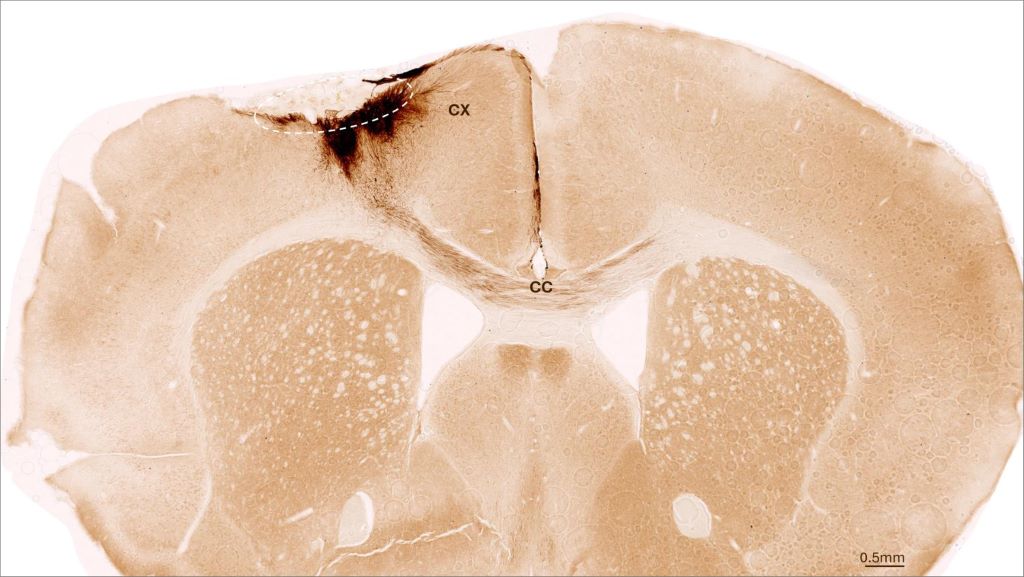
This image shows a coronal section through the mouse brain after stroke and neural stem cell transplantation. The dashed circle indicates the stroke area. The neurite projections of the transplanted human cells are stained in dark brown. Neurites extend locally into the cortex (CX) but also via the corpus callosum (CC) into the other brain hemisphere. (Image: UZH)

One in four adults suffer a stroke in their lifetime, leaving around half of them with residual damage such as paralysis or speech impairment because internal bleeding or a lack of oxygen supply kill brain cells irreversibly. No therapies currently exist to repair this kind of damage. “That’s why it is essential to pursue new therapeutic approaches to potential brain regeneration after diseases or accidents,” says Christian Tackenberg, the Scientific Head of Division in the Neurodegeneration Group at the University of Zurich (UZH) Institute for Regenerative Medicine.

Neural stem cells have the potential to regenerate brain tissue, as a team led by Tackenberg and postdoctoral researcher Rebecca Weber has now compellingly shown in two studies that were conducted in collaboration with a group headed by Ruslan Rust from the University of Southern California. “Our findings show that neural stem cells not only form new neurons, but also induce other regeneration processes,” Tackenberg says.

The first study is published in Nature Communications, the second in Science Advances.

New neurons from stem cells

The studies employed human neural stem cells, from which different cell types of the nervous system can form. The stem cells were derived from induced pluripotent stem cells, which in turn can be manufactured from normal human somatic cells. For their investigation, the researchers induced a permanent stroke in mice, the characteristics of which closely resemble manifestation of stroke in humans. The animals were genetically modified so that they would not reject the human stem cells.

One week after stroke induction, the research team transplanted neural stem cells into the injured brain region and observed subsequent developments using a variety of imaging and biochemical methods. “We found that the stem cells survived for the full analysis period of five weeks and that most of them transformed into neurons, which actually even communicated with the already existing brain cells,” Tackenberg says.

Brain regenerates itself

The researchers also found other markers of regeneration: new formation of blood vessels, an attenuation of inflammatory response processes and improved blood-brain barrier integrity. “Our analysis goes far beyond the scope of other studies, which focused on the immediate effects right after transplantation,” Tackenberg explains. Fortunately, stem cell transplantation in mice also reversed motor impairments caused by stroke. Proof of that was delivered in part by an AI-assisted mouse gait analysis.

Clinical application moving closer to reality

Human neural stem cells in culture. Cell nuclei are stained in blue, the neural stem cell-specific filament protein Nestin is shown in green, and the neural stem cell transcription factor Sox1 in red. (Image: UZH)

When he was designing the studies, Tackenberg already had his sights set on clinical applications in humans. That’s why, for example, the stem cells were manufactured without the use of reagents derived from animals. The Zurich-based research team developed a defined protocol for that purpose in collaboration with the Center for iPS Cell Research and Application (CiRA) at Kyoto University. This is important for potential therapeutic applications in humans. Another new insight discovered was that stem cell transplantation works better when it is performed not immediately after a stroke but a week later, as the second study verified. In the clinical setting, that time window could greatly facilitate therapy preparation and implementation.

Despite the encouraging results of the studies, Tackenberg warns that there is still work to be done. “We need to minimize risks and simplify a potential application in humans,” he says. Tackenberg’s group, again in collaboration with Ruslan Rust, is currently working on a kind of safety switch system that prevents uncontrolled growth of stem cells in the brain. Delivery of stem cells through endovascular injection, which would be much more practicable than a brain graft, is also under development. Initial clinical trials using induced stem cells to treat Parkinson’s disease in humans are already underway in Japan, Tackenberg reports. “Stroke could be one of the next diseases for which a clinical trial becomes possible.”

Source: University of Zurich

Sugary Drinks May Increase Risk of Metastasis in Advanced Colorectal Cancer

Photo by Breakingpic on Pexels

A new study from researchers at The University of Texas MD Anderson Cancer Center shows that the glucose-fructose mix found in sugary drinks directly fuels metastasis in preclinical models of advanced colorectal cancer. The study was published in Nature Metabolism.

A research team led by Jihye Yun, PhD, assistant professor of Genetics, studied how sugary drinks may affect late-stage colorectal cancer. Using laboratory cancer models, they compared the effects of the glucose-fructose mix found in most sugary drinks with those of glucose or fructose alone. Only the sugar mix made cancer cells more mobile, leading to faster spread to the liver – the most common site of colorectal cancer metastasis.

The sugar mix activated an enzyme called sorbitol dehydrogenase (SORD), which boosts glucose metabolism and triggers the cholesterol pathway, ultimately driving metastasis. This is the same pathway targeted by statins, common heart drugs that inhibit cholesterol production. Blocking SORD slowed metastasis, even with the sugar mix present. These findings suggest that targeting SORD could also offer an opportunity to block metastasis.

“Our findings highlight that daily diet matters not only for cancer risk but also for how the disease progresses once it has developed,” Yun said. “While these findings need further investigation, they suggest that reducing sugary drinks, targeting SORD or repurposing statins may benefit patients with colorectal cancer.”

The Yun Laboratory is interested in studying how diet affects the intestine and cancer development, and they have made important discoveries on the impacts of sugary drinks on colorectal cancer.

Sugar has long been indirectly linked to an increase in cancer risk through obesity. However, a previous study by Yun’s lab challenged that view, showing that even moderate intake of sugary drinks directly fuelled tumour growth in early-stage colorectal cancer, independent of obesity. The current study was done to determine how sugary drinks may impact later-stage disease.

While this study needs further clinical investigation, the results suggest that reducing sugary drinks and targeting the SORD enzyme may offer opportunities to reduce colorectal cancer metastasis. Additional studies are warranted to confirm these results outside of preclinical models.

Further, Yun explained it may be worthwhile to consider revisions to current dietary recommendations to reduce sugary drink consumption in this patient population. To meet nutritional needs, many patients with cancer are encouraged to have nutritional supplement drinks and concentrated juices that contain high glucose and fructose content.

Source: The University of Texas MD Anderson Cancer Center

GLP-1 Receptor Agonists Protect the Liver During Alcohol Consumption

Photo by Apolo Photographer on Unsplash

GLP-1 receptor agonists are also promising for the treatment of alcohol use disorder and alcohol-associated liver disease, as growing evidence suggests they reduce the motivation to drink alcohol. Now, surprising new findings reveal that the medications may have direct protective effects on the liver as well.

In a new study, published in npj Metabolism Health and Disease, Yale School of Medicine (YSM) researchers found that in mice, GLP-1RAs reduced an enzyme that metabolises alcohol. That, in turn, decreased the production of toxic alcohol metabolites.

“This is the first time that GLP-1 receptor agonists have been shown to regulate alcohol metabolism in the liver,” says principal investigator Wajahat Mehal, MD, professor of medicine (digestive diseases) at YSM. “If you’re taking semaglutide, then your body will likely handle alcohol differently.”

However, because these drugs slowed the metabolism of alcohol, the mice also had higher blood alcohol levels, the researchers found.

“GLP-1 receptor agonists seem to have very similar effects in mice and humans,” says Mehal. “If these results are also reproduced in humans, people using GLP-1 receptor agonists might be drinking an amount of alcohol that does not normally put them above the legal blood alcohol level, but because they are taking this drug, it does.”

Further studies in humans are needed to understand these impacts of GLP-1 receptor agonists more fully, he stresses.

GLP-1 receptor agonists decrease toxic alcohol metabolites

In the study, researchers gave mice either a GLP-1 receptor agonist or a placebo. They observed that mice receiving the medication had decreased levels of a liver enzyme known as Cyp2e1, which breaks down alcohol into a toxic metabolite called acetaldehyde.

“This is significant because alcohol itself is actually not the most toxic molecule to the liver,” explains Mehal. Rather, acetaldehyde is one of the major drivers of alcohol-related harm to the liver. “These drugs are resulting in less acetaldehyde.”

The findings suggest that not only might GLP-1 receptor agonists help the liver by acting on the brain to reduce alcohol consumption, but also through slowing metabolism of alcohol in the liver, and in turn reducing the levels of toxic metabolites.

Ongoing clinical trials are currently testing the benefits of semaglutide for people living with alcohol-induced liver disease. The study suggests that GLP-1 receptor agonists may offer greater benefits to the liver than previously thought, and that the drug may still help patients who are not abstaining from alcohol.

“Even if some individuals don’t reduce their alcohol intake while they’re on a GLP-1 receptor agonist, they will probably still have hepatic protection, because fewer toxic metabolites will be produced in the liver,” Mehal says.

GLP-1 receptor agonists increase blood alcohol concentration

In another experiment, the researchers measured blood alcohol concentrations of mice 30 minutes after giving them alcohol. They found that mice who had received a GLP-1 receptor agonist had higher blood alcohol concentrations compared to controls, and that these levels took longer to drop.

More research is needed to better understand the consequences of elevated blood alcohol levels on the rest of the body, Mehal says.

“If the liver is not metabolizing alcohol as quickly, the alcohol load could be shifted to other organs,” he poses. “Then, not only might people have a high blood alcohol level, but may also experience more cognitive effects like discoordination.”

The number of people taking these drugs is rapidly increasing—as many as one in eight adults in the U.S. have used or are currently using a GLP-1 receptor agonist. Meanwhile, about half of U.S. adults drink alcohol and 6% report drinking heavily.

As the use of these medications for a range of conditions continues to rise, it is increasingly important to study the interactions between these medications and alcohol, Mehal says.

“There already are large numbers of people who are taking GLP-1 receptor agonists and are drinking either social amounts or excess amounts of alcohol,” says Mehal. “We need to know the effects of these drugs in that setting.

Source: Yale School of Medicine

Landmark Study Finds Perispinal Etanercept of No Benefit to Stroke Trial Participants

A treatment for stroke patients was no more effective than an inactive drug

Source: CC0

The first international trial of an unproven stroke treatment available in the US has concluded that, while harmless, perispinal etanercept is no more effective than an inactive dummy drug, or placebo.

Survivors of stroke have travelled at considerable expense to private clinics in the US to be treated with the arthritis drug etanercept.

In the clinics, the drug is injected into the cervical spinal area, and the patient is then tilted head-down in the belief that this allows the drug to enter the brain.

Stroke is a leading cause of disability throughout the world, affecting more than 7 million people a year. Despite advances, treatments for impairment after stroke remain limited. Some patients call perispinal etanercept a “miracle cure”.

Florey leading stroke researcher, neurologist Professor Vincent Thijs led the Perispinal Etanercept to improve STroke Outcomes – or “PESTO” – trial to investigate this further, supported by funding from the Australian Government.

“We understand why people living with the long-term effects of stroke seek hope and new options,” Professor Thijs said. “With support from the Stroke Foundation and the Medical Research Future Fund, we put this treatment to the test using the gold standard of clinical research – a double-blind randomised trial.”

Half of the PESTO participants were treated with the drug, and half were treated with an inactive dummy drug, with patients and doctors “blind” to who was getting which.

This type of trial eliminates biases because neither doctors nor patients knew who was getting etanercept and who was getting the placebo. Because the results for the 2 patient groups were so similar, we concluded that while the drug did not cause harm, we found no evidence that it led to improved quality of life compared to placebo.

Professor Thijs, who leads the Young Stroke Service at The Florey, said improvements could be due to the placebo effect, a well-established medical phenomenon where some patients in a trial may notice an improvement, despite only receiving a dummy treatment.

Key PESTO trial results, published in Neurology:

  • 126 people from Australia and New Zealand participated in PESTO.
  • 63 received the treatment, 63 the placebo.
  • Their stroke symptoms were measured before the trial and 28 days after.
  • There were no adverse side effects.
  • Among participants who received perispinal etanercept, 52 per cent (33 out of 63) felt better.
  • Among participants who received the placebo, 57 per cent (36 out of 63) felt better.
  • The difference in results between the 2 groups is deemed statistically insignificant.

“It’s important for doctors and the stroke survivor community in Australia and around the world to know that we found no evidence that perispinal etanercept improved quality of life,” Professor Thijs said.

Kelvin Hill, Executive Director of Stroke Programs, Research and Innovation at Stroke Foundation said: “Every Australian stroke patient should have access to the best, evidence-based treatment. Findings of the PESTO study underscore the critical importance of robust research and clinical trials in discovering if treatments work or not.

“Australians experience around 46 000 stroke events every year (one every 11 minutes), and there are now over 440 000 survivors of stroke living in Australia. Stroke Foundation will continue to advocate for more research funding to unlock new effective treatments for stroke; and ensure that advice provided in the Living Clinical Guidelines for Stroke Management enables clinicians to provide the best stroke care possible,” Mr Hill added.

Source: Florey Institute of Neuroscience and Mental Health

Study Affirms Efficacy of Nicotinamide for Skin Cancer Prevention 

Overall, there was a 14% reduction in skin cancer risk. When nicotinamide was taken after a first skin cancer, the risk reduction rose to 54%.

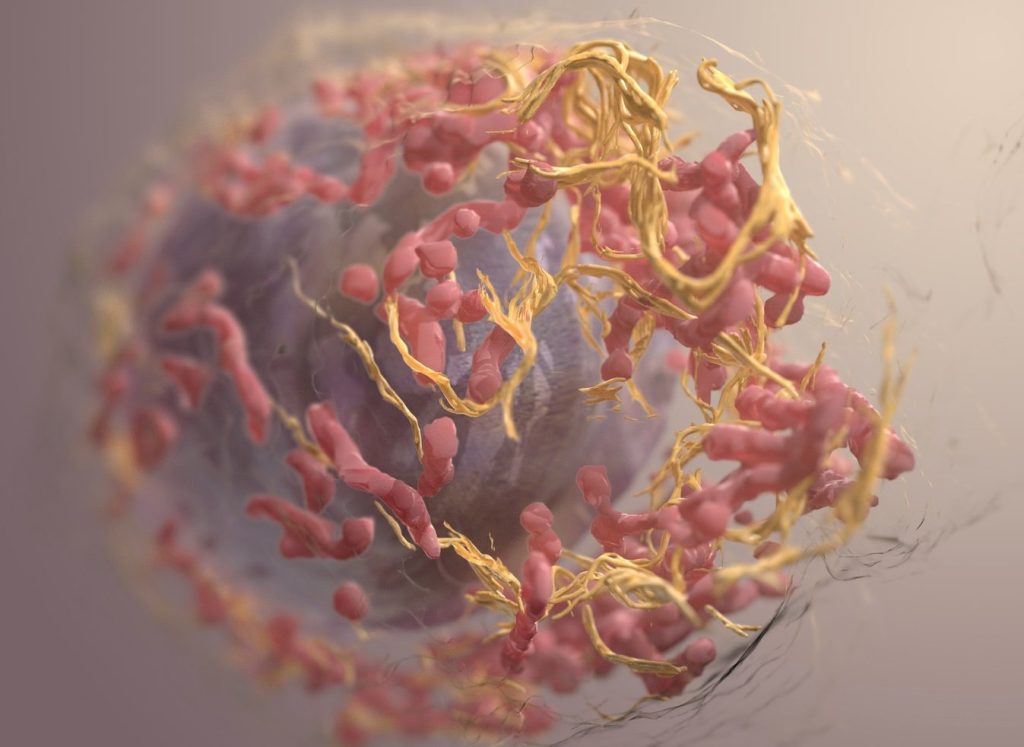
3D structure of a melanoma cell derived by ion abrasion scanning electron microscopy. Credit: Sriram Subramaniam/ National Cancer Institute

The dietary supplement nicotinamide has been recommended by dermatologists for people with a history of skin cancer since 2015, when a clinical study with 386 participants showed that those who took the vitamin B3 derivative developed fewer new occurrences. 

But data to validate those findings in a larger study group has been lacking because nicotinamide can be purchased over the counter without being entered into patients’ medical records.

In a new study published in JAMA Dermatology, researchers found a way to get that data by analysing records from the Veterans Affairs Corporate Data Warehouse. Nicotinamide is on the VA’s official formulary, so the researchers checked the outcomes of 33 833 patients for their next skin cancer diagnosis following baseline treatment with 500 milligrams of nicotinamide twice daily for longer than 30 days. They looked for occurrences of basal cell carcinoma and cutaneous squamous cell carcinoma. 

The researchers compared 12 287 patients who received the treatment with 21 479 who did not. Overall, there was a 14% reduction in skin cancer risk. When nicotinamide was taken after a first skin cancer, the risk reduction rose to 54%, but the benefit declined with treatment initiation following subsequent skin cancers. The risk reduction was much larger for squamous cell carcinoma.  

“There are no guidelines for when to start treatment with nicotinamide for skin cancer prevention in the general population. These results would really shift our practice from starting it once patients have developed numerous skin cancers to starting it earlier. We still need to do a better job of identifying who will actually benefit, as roughly only half of patients will develop multiple skin cancers,” said the study’s corresponding author, Lee Wheless, MD, PhD, assistant professor of Dermatology and Medicine at Vanderbilt University Medical Center and a staff physician at VA Tennessee Valley Healthcare System. 

The researchers were also able to ascertain the outcomes of 1,334 patients who were immunocompromised due to having received solid organ transplants. Among solid organ transplant recipients, no overall significant risk reduction was observed, although early nicotinamide use was associated with reduced occurrences of cutaneous squamous cell carcinoma. 

Source: Vanderbilt University Medical Center

Magnesium Inhibits Colorectal Cancer Development – Mostly in Females

The findings from the current study suggest that magnesium also increases the gut synthesis of vitamin D, which does not go to the blood and takes effect locally.

Photo by Danilo Alvesd on Unsplash

Researchers from Vanderbilt University Medical Center have demonstrated in a precision-based clinical trial that a magnesium supplement increases gut bacteria in humans that have been shown to synthesise vitamin D and inhibit colorectal cancer carcinogenesis.

However, the effect was observed primarily in females – an outcome that the researchers surmised may be attributable to the role that oestrogen plays in shifting magnesium from circulation into cellular uptake.

Intestinal microbiome data and colonoscopy results were analysed from participants who were randomised by whether they had the TRPM7 genotype, which plays a crucial role in regulating magnesium and calcium uptake.

Previously, the investigators showed in the same randomised trial that magnesium enhances the synthesis of vitamin D and increases the blood levels of vitamin D. The findings from the current study suggest that magnesium also increases the gut synthesis of vitamin D, which does not go to the blood and takes effect locally.

These results from the trial were published in The American Journal of Clinical Nutrition.

“Our previous study showed magnesium supplementation increased blood levels of vitamin D when vitamin D levels were low,” said Qi Dai, MD, PhD, professor of Medicine. “The current study reveals that magnesium supplementation also increases the gut microbes which have been shown to synthesise vitamin D in the gut without sunlight and locally inhibit colorectal cancer development.”

The participants were divided into two arms, one that received the magnesium supplement and another that received a placebo. Their gut microbiome was analysed from stools, rectal swabs and rectal tissues. Among participants with adequate TRPM7 function, the magnesium supplement increased Carnobacterium maltaromaticum and Faecalibacterium prausnitzii, which were previously found to work synergistically to increase vitamin D and decrease colorectal carcinogenesis. Among those with inadequate TRPM7 function, the magnesium supplement reduced the abundance of F. prausnitzii in rectal mucosa.

Among 236 participants who all had a history of colorectal polyps, 124 underwent colonoscopies after completing the trial with a 3.5-year median follow-up time. A higher abundance of F. prausnitzii in rectal mucosa was associated with an almost threefold increase in developing additional polyps.

Source: Vanderbilt University Medical Center

Study Assesses Cancers in Children Exposed to Medical Imaging

Study of nearly 4 million children and adolescents finds that 10% of paediatric blood and bone marrow cancers may have stemmed from radiation exposure.

Credit: Pixabay CC0

A study led by UC San Francisco and UC Davis has concluded that radiation from medical imaging is associated with a higher risk of blood cancers in children.

For the study, which appears in NEJM, the researchers examined data from nearly 4 million children and estimated that 1 in 10 blood cancers – some 3000 cancers in all – may be attributable to radiation exposure from medical imaging. The risk increased proportionally based on the cumulative amount of radiation the children received.

The investigation is the first comprehensive assessment using data from children and adolescents in North America that quantifies the association between radiation exposure from medical imaging and blood and bone marrow cancers, such as leukaemia and lymphoma, which are the most common forms of cancer in children and adolescents.

Medical imaging saves lives by enabling timely diagnosis and effective treatment, but it also exposes patients to ionizing radiation, a known carcinogen, particularly through computed tomography (CT).

The authors caution that doctors and parents should avoid excessive radiation doses and minimize exposure when clinically feasible.

“Children are particularly vulnerable to radiation-induced cancer due to their heightened radiosensitivity and longer life expectancy,” said Rebecca Smith-Bindman, MD, a radiologist and professor of Epidemiology and Biostatistics, as well as Obstetrics, Gynecology and Reproductive Sciences at UCSF and the first author of the paper.

“While medical imaging can be lifesaving, our findings underscore the critical need to carefully evaluate and minimise radiation exposure during paediatric imaging to safeguard children’s long-term health,” said Smith-Bindman, who is also a member of the Philip R. Lee Institute for Health Policy Studies. “This involves ensuring that imaging is performed only when it provides essential information for the child’s care and, in cases such as CT scans, using the lowest possible radiation doses.”

Documenting risks in children

The study uses a retrospective cohort design, looking back at the complete imaging histories of 3.7 million children who were born between 1996 and 2016. The children were treated at six health care systems in the U.S. and Ontario, Canada. Investigators found a significant relationship between cumulative radiation dose and the risk of a hematologic malignancy, which includes tumours affecting the blood, bone marrow, lymph, and lymphatic system.

The risk of developing cancer varied significantly by imaging modality. CT, which is used to detect many abnormalities such as tumours, heart disease, and injuries of the spinal cord and brain, entails significant radiation exposure. But radiographs, which are used to diagnose both broken bones and pneumonia, expose children to much lower doses.

Among all the forms of medical imaging, the study found that chest radiography was the most common imaging exam that doctors performed. The most common form of CT was of the head and brain.

For children who underwent a head CT, the researchers attributed about a quarter of the children’s subsequent hematologic malignancies to radiation exposure. For those who had radiographs, by contrast, they estimated that only a small fraction of the children’s subsequent cancers were associated with radiation exposure.

Getting one or two head CTs was associated with a 1.8-fold increased risk of a cancer diagnosis, and this rose to 3.5 times for children who received more scans and were therefore exposed to more radiation.

Altogether, 2961 haematologic malignancies were diagnosed during the study period. Lymphoid malignancies accounted for 79.3%, while myeloid malignancies and acute leukaemia together accounted for 15.5%. About 58% of cancers occurred in males, and about half were diagnosed in children under 5.

The authors said that up to 10% of haematologic malignancies in children and adolescents could be prevented by reducing unnecessary imaging and optimising radiation doses. In many cases, the authors said, substituting non-ionising imaging modalities like ultrasound or MRI may be feasible without compromising diagnostic accuracy.

Benefits vs risks

The authors emphasised that while medical imaging remains an invaluable tool in paediatric care, their findings highlight the need to carefully balance its diagnostic benefits with potential long-term risks.

“This study provides robust, directly observed evidence of a clear dose–response relationship between radiation from medical imaging and hematologic malignancy risk in children and adolescents,” said Diana Miglioretti, PhD, UC Davis Health professor and chief of the Division of Biostatistics.

“Our findings align with international research highlighting that children are especially radiosensitive,” Miglioretti added. “It’s crucial for clinicians to weigh the immediate benefits of imaging against potential long-term health risks and to optimise imaging protocols to minimize radiation exposure.”

Source: University of California – San Francisco

New Study Reveals a Hidden Risk After Cervical Cancer

Cervical cancer. Credit: Scientific Animations CC4.0

For women who’ve overcome cervical cancer, new research from MUSC Hollings Cancer Center points to another health risk that may not be on their radar: anal cancer.

Led by Hollings researchers Haluk Damgacioglu, Ph.D., and Ashish Deshmukh, PhD, co-leader of the Cancer Prevention and Control Research Program, the study sheds light on an under-recognised risk facing women with a history of cervical cancer – and highlights the need for updated screening guidelines. The paper was published in JAMA Network Open.

While cervical cancer is one of the most preventable cancers, with a survival rate of over 90% when found early, clinical guidelines have not addressed what comes next for these patients, who may be at high risk for a related type of cancer.

“We’ve known for a long time that both cervical and anal cancers are caused by HPV, the human papillomavirus,” Deshmukh said. “But what hasn’t been well-understood is how that shared risk might connect the two diseases over a woman’s lifetime.”

Currently, anal cancer screening is recommended for certain high-risk groups, such as people living with HIV, organ transplant recipients and women with a history of vulvar cancer. But there are no clear screening guidelines for women with cervical cancer.

One problem has been a lack of long-term data on their risk and how that risk changes with age and over time. This study helps to fill that gap using high-quality, population-based data.

The researchers turned to the National Cancer Institute’s SEER (Surveillance, Epidemiology and End Results) program – a comprehensive set of registries that tracks cancer diagnoses across the US. They analysed data from more than 85 000 women diagnosed with cervical cancer, tracking them over two decades to see how many went on to develop anal cancer and when those diagnoses occurred.

What they found was striking. Compared with the general population, women with a history of cervical cancer had nearly twice the risk of developing anal cancer.

Anal cancer rates increased with age and over time, with the most diagnoses found in women ages 65 to 74 who were more than 15 years out from their original diagnosis. For women in this age group, the rate of anal cancer diagnoses surpassed a widely accepted threshold for recommending routine screening.

“Our study shows that the risk doesn’t go away – it actually increases with age and over time,” Damgacioglu said.

Why the delay? HPV-related cancers often take years, sometimes decades, to develop. In some cases, the virus may linger undetected or have spread from another part of the body.

“It’s a slow process,” Deshmukh said, “and that’s part of why it’s been so hard to detect. By the time symptoms show up, the cancer is often advanced.”

While anal cancer screening is not as routine as screening for other cancers, reliable methods do exist, including anal cytology (a kind of Pap screen) and anoscopy. Unfortunately, access to specialised screening remains limited. In South Carolina, for example, there is currently only one provider trained to perform high-resolution anoscopy.

That is why it is so important to identify and prioritise the highest-risk groups.

“These results tell us that women who had cervical cancer years ago should be considered for routine anal cancer screening,” Damgacioglu said. “Right now, that’s not happening.”

Deshmukh and his team are now working on a project to determine when and how often screening should happen.

Source: Medical University of South Carolina