The eyes have been called the window to the brain. It turns out they also serve as an immunological barrier that protects the organ from pathogens and even tumours, Yale researchers have found. In a new study, researchers showed that vaccines injected into the eyes of mice can help disable the herpes virus, a major cause of brain encephalitis.
To their surprise, the vaccine activates an immune response through lymphatic vessels along the optic nerve.
The results were published Feb. 28 in the journal Nature.
“There is a shared immune response between the brain and the eye,” said Eric Song, an associate research scientist and resident physician in Yale School of Medicine’s Department of Immunobiology and corresponding author of the paper.
“And the eyes provide easier access for drug therapies than the brain does.”
Wanting to explore immunological interactions between brain and eyes, the research team, which was led by Song, found that the eyes have two distinct lymphatic systems regulating immune responses in the front and rear of the eye.
After they vaccinated mice with inactivated herpes virus, the researchers found that lymphatic vessels in the optic nerve sheath at the rear of the eye protected mice not only from active herpes infections, but from bacteria and even brain tumors.
Harnessing this new biology, Song’s team is currently testing newly created drugs from his lab delivered through eye injections that may help combat macular edema, or leaky blood vessels of the retina common in people with diabetes, and glaucoma.
“These results reveal a shared lymphatic circuit able to mount a unified immune response between posterior eye and the brain, highlighting an understudied immunological feature of the eyes and opening up the potential for new therapeutic strategies in ocular and central nervous system diseases,” the authors wrote.
An analysis of 430 000 adults in the U.S. found that using cannabis, most commonly through smoking, eating or vaporising it, was significantly associated with a higher risk of heart attack and stroke, even after controlling for tobacco use (combustible cigarettes and other tobacco products) and other cardiovascular risk factors, according to new research published today in theJournal of the American Heart Association.
Although cannabis, or marijuana, is illegal at the federal level, 24 states and Washington, D.C., have legalized the use of recreational cannabis. Additionally, the number of people in the U.S. who use cannabis has increased significantly in recent decades, according to the 2019 National Survey on Drug Use and Health from the Substance Abuse and Mental Health Services Administration of the U.S. Department of Health and Human Services.
The annual survey found that in 2019, 48.2 million people ages 12 or older reported using cannabis at least once, compared to 25.8 million people ages 12 or older in 2002, an increase to 17% from 11%.
“Despite common use, little is known about the risks of cannabis use and, in particular, the cardiovascular disease risks,” said lead study author Abra Jeffers, PhD, a data analyst at Massachusetts General Hospital in Boston. “The perceptions of the harmfulness of smoking cannabis are decreasing, and people have not considered cannabis use dangerous to their health. However, previous research suggested that cannabis could be associated with cardiovascular disease. In addition, smoking cannabis – the predominant method of use – may pose additional risks because particulate matter is inhaled.”
In this study, researchers reviewed survey data collected for 430 000 adults from 2016 through 2020 to examine the association between cannabis use and adverse cardiovascular outcomes including heart disease, heart attack and stroke. The survey data was collected through the Behavioral Risk Factor Surveillance System, a national, cross-sectional survey performed annually by the U.S. Centers for Disease Control and Prevention.
The researchers specifically investigated whether cannabis use was associated with adverse cardiovascular outcomes among the general adult population, among people who had never smoked tobacco or used e-cigarettes, and among younger adults (defined as men under age 55 and women under age 65) at risk for heart disease. They also factored in the number of days per month that people used cannabis.
The analyses of found:
Any cannabis use (smoked, eaten or vaporized) was independently associated with a higher number of adverse cardiovascular outcomes (coronary heart disease, myocardial infarction and stroke) and with more frequent use (more days per month), the odds of adverse outcomes were even higher. The results were similar after controlling for other cardiovascular risk factors, including tobacco and/or e-cigarette use, alcohol consumption, body mass index, Type 2 diabetes and physical activity.
Both daily and non-daily cannabis users had an increased risk of heart attack compared to non-users; daily cannabis users had 25% higher odds of heart attack compared to non-users.
The odds of stroke for daily cannabis users were 42% higher compared to non-users, with lower risk among those who used cannabis less than daily.
Among younger adults at risk for premature cardiovascular disease (defined as men younger than 55 years old and women younger than 65 years old) cannabis use was significantly associated with 36% higher combined odds of coronary heart disease, heart attack and stroke, regardless of whether or not they also used traditional tobacco products. A separate analysis of a smaller subgroup of these adults who had never smoked tobacco cigarettes or used nicotine e-cigarettes also found a significant association between cannabis use and an increase in the combined odds of coronary heart disease, heart attack and stroke.
“Our sample was large enough that we could investigate the association of cannabis use with cardiovascular outcomes among adults who had never used tobacco cigarettes or e-cigarettes,” Jeffers said. “Cannabis smoke is not all that different from tobacco smoke, except for the psychoactive drug: THC vs. nicotine. Our study shows that smoking cannabis has significant cardiovascular risk risks, just like smoking tobacco. This is particularly important because cannabis use is increasing, and conventional tobacco use is decreasing.”
Study background and details:
Survey participants were ages 18-74, with an average age of 45 years.
About half of the participants self-identified as female. 60.2% self-identified as white adults, 11.6 self-identified as Black adults, 19.3 self-identified as Hispanic adults and 8.9% self-identified as other.
Nearly 90% of adults did not use cannabis at all; 7% used it less than daily; and 4% were daily users. Among current cannabis users, 73.8% reported smoking as the most common form of cannabis consumption. More than 60% of total respondents had never used tobacco cigarettes; 28.6% of daily cannabis users had never used tobacco cigarettes; 44.6% of non-daily cannabis users had never used tobacco cigarettes and 63.9% of participants who did not use cannabis had never used tobacco cigarettes.
The study had several limitations, including that cardiovascular conditions and cannabis use were self-reported, making them potentially subject to recall bias (potential errors in memory); that the authors did not have health data measuring participants’ baseline lipid profile or blood pressure; and the study captured data for only a single point in time for the participants. The authors note that there is a need for prospective cohort studies to examine the association of cannabis use and cardiovascular outcomes while accounting for frequency of cannabis use.
“The findings of this study have very important implications for population health and should be a call to action for all practitioners, as this study adds to the growing literature that cannabis use and cardiovascular disease may be a potentially hazardous combination,” said Robert L. Page II, PharmD, MSPH, FAHA, chair of the volunteer writing group for the 2020 American Heart Association Scientific Statement: Medical Marijuana, Recreational Cannabis, and Cardiovascular Health. Page is professor of clinical pharmacy, medicine and physical medicine at the Skaggs School of Pharmacy and Pharmaceutical Sciences at the University of Colorado School of Medicine in Aurora, Colorado. Page was not involved in this study.
“In the overall population, the study findings are consistent with other studies indicating that daily cannabis use was associated with an increase in heart attack, stroke and the combined endpoint of coronary heart disease, heart attack and stroke,” he said. “As cannabis use continues to grow in legality and access across the U.S., practitioners and clinicians need to remember to assess cannabis use at each patient encounter in order to have a non-judgmental, shared decision conversation about potential cardiovascular risks and ways to reduce those risks.”
People at risk of Alzheimer’s disease have impaired spatial navigation before they develop problems with other cognitive functions, including memory, finds a new study led by UCL researchers.
Participants had a hereditary or physiological risk of Alzheimer’s disease, due to either a gene (the APOE-ε4 allele) that puts them at risk of the condition, a family history of Alzheimer’s disease, or lifestyle risk factors such as low levels of physical activity. Crucially, these participants were around 25 years younger than their estimated age of dementia onset.
Led by Professor Dennis Chan, the study used a test designed by Dr Andrea Castegnaro and Professor Neil Burgess (all UCL Institute of Cognitive Neuroscience), in which participants were asked to navigate within a virtual environment while wearing VR headsets.
The researchers found that people at greater risk of developing Alzheimer’s disease, regardless of risk factor, were selectively impaired on the VR navigation task, without a corresponding impairment on other cognitive tests. The authors say their findings suggest that impairments in spatial navigation may begin to develop years, or even decades, before the onset of any other symptoms.
First author, Dr Coco Newton (UCL Institute of Cognitive Neuroscience), who carried out the work while at University of Cambridge said: “Our results indicated that this type of navigation behaviour change might represent the very earliest diagnostic signal in the Alzheimer’s disease continuum — when people move from being unimpaired to showing manifestation of the disease.”
The researchers also found that there was a strong gender difference in how participants performed, with the impairment being observed in men and not women.
Dr Newton added: “We are now taking these findings forward to develop a diagnostic clinical decision support tool for the NHS in the coming years, which is a completely new way of approaching diagnostics and will hopefully help people to get a more timely and accurate diagnosis.
“This is particularly important with the emergence of anti-amyloid treatments for Alzheimer’s, which are considered to be most effective in the earliest stages of the disease.
“It also highlights the need for further study of the differing vulnerability of men and women to Alzheimer’s disease and the importance of taking gender into account for both diagnosis and future treatment.”
Professor Chan said: “We are excited by these findings for two main reasons. First, they improve detection of the clinical onset of Alzheimer’s disease, critical for prompt application of treatments.
“Second, the VR navigation test is based on our knowledge of the spatial properties of cells in the brain’s temporal lobe, and the application of cellular neuroscience to clinical populations helps bridge the gap in understanding how disease at the neuronal level can result in the clinical manifestation of disease. This knowledge gap currently represents one of the biggest barriers to progress in Alzheimer’s research.”
A long-term analysis conducted by leading microbiologists at the Icahn School of Medicine at Mount Sinai reveals that antibody responses induced by COVID vaccines are long-lasting. The study results, published online in the journal Immunity, challenge the idea that mRNA-based vaccine immunity wanes quickly.
The emergence of SARS-CoV-2 in late 2019 sparked the global pandemic that is now in its fifth year. Vaccines that were developed at record speed have saved millions of lives. However, the emergence of SARS-CoV-2 variants and waning immunity have decreased the effectiveness of the vaccines against symptomatic disease. The common perception now is that mRNA-based vaccine-induced immunity wanes quickly. However, this assumption is largely based on data from short-term studies that include a very limited number of data points following peak responses.
The Mount Sinai research team’s analysis of more than 8000 samples collected over a three-year period in New York City examined how antibody responses to the virus’s spike protein changed after infections, during the primary immunisation series, during monovalent and bivalent booster vaccination, and during breakthrough infections.
They found that upon primary immunisation, participants with pre-existing immunity (those who had previously been infected with the virus) mounted higher antibody responses faster and achieved higher steady-state antibody titres than individuals who had not been previously infected. The waning of antibody response was characterised by two phases: an initial rapid decay from the strong peak after vaccination, followed by a stabilisation phase with very slow decay, suggesting that antibody levels were very long-lasting. Booster vaccination equalised the differences in antibody concentration between participants with and without pre-existing immunity. Breakthrough infections increased antibodies to similar levels as an additional vaccine dose in individuals who had not previously been infected.
This investigation represents one of the most extensive and in-depth assessments of the longevity of SARS-CoV-2 immune responses to date. Its major conclusion is that changes in the virus that allow it to evade immunity, rather than waning immunity, are the major reason for breakthrough infections.
“Ours is one of the longest-running COVID-19 studies out there,” said Viviana Simon, MD, PhD, Professor of Microbiology, Medicine and Pathology, Molecular and Cell-Based Medicine, at Icahn Mount Sinai and lead author of the paper. “Following the same group of people monthly over time is rare and powerful because you can compare immune responses on an individual level. SARS-CoV-2 continues to evolve, so this research is important to provide an understanding about the impact of new variants and new vaccine doses on a healthy immune system, and to guide all of us to make the best choices to maintain protection against the virus that continues to circulate in our communities.”
This in-depth analysis was made possible through the Protection Associated with Rapid Immunity to SARS-CoV-2 (PARIS) study, an observational, longitudinal cohort of health care workers of the Mount Sinai Health System that was initiated in April 2020. At that time, the densely populated New York metropolitan area was hit with an exponential increase in severe SARS-CoV-2 infections, and essential workers in the health care system were at high risk for infection. In response to the crisis, a team of leading virologists, physician-scientists, and pathologists at Mount Sinai established a specific and sensitive SARS-CoV-2 binding enzyme-linked immunosorbent assay to accurately measure the SARS-CoV-2 antibody titres. This test was used to measure immune responses in the PARIS cohort in order to determine how quickly the antibody defences were mounted and much these changed over the months and years of follow up.
In addition to showing the impact on a person’s individual antibody response to vaccines based on the type of vaccine received and whether or not they were infected before receiving the first dose, the PARIS study made possible the development of a mathematical model that can be used to predict and characterize antibody responses of both individual people and populations.
“People have pandemic fatigue and vaccine uptake has slowed, especially after the vaccines started to be charged to insurance,” said Komal Srivastava, MS, Director of Strategy and Operation of the Mount Sinai Center for Vaccine Research and Pandemic Preparedness and co-first author of the paper. “We were pleasantly surprised to see that the booster doses promoted a large antibody response regardless of a person’s personal infection history, so we are hopeful that our study findings will encourage people to get their vaccine boosters when eligible and to stay engaged in research. Our work also showcases the impact of viral evolution over time and why it’s critical to keep studies like this going, despite the pandemic fatigue.”
According to the research team, the PARIS model has broad applications for studying the kinetics of antibodies produced to different COVID vaccines in diverse populations. They stress much more work remains to analyse side effects, applications of the antibody model and continued research about new vaccines and viral variants.
“This study adds an essential piece of data to understand the intricate immune response elicited by SARS-CoV-2 infection and COVID-19 vaccination,” says Juan Manuel Carreno Quiroz, PhD, Assistant Professor in the Department of Microbiology and co-first author of the paper. “In light of the emerging viral variants, which predominantly induce a cross-reactive antibody response against the spike protein, it will be exciting to characterise in depth the role of these antibodies – in particular the non-neutralising ones – in protection against the most recent circulating viral variants. Likewise, monitoring the induction of variant-specific antibodies after multiple exposures by breakthrough infections and by administration of updated COVID-19 vaccines, such as the XBB.1.5 monovalent booster, will be key to understand the evolution of the antibody response over time.”
Despite being one of the rarest blood disorders, Aplastic Anaemia is one of the deadliest, with about 70% of patients having a life expectancy of only one year if untreated.
Among the treatment options available, stem cell transplants offer hope, boasting a 96% survival rate that increases to 100% in children and adults under 40. Unfortunately, however, there are only 76 019 donors on the South African registry, meaning that the chances of Aplastic Anaemia patients finding a suitable match are slim.
“The chances are even slimmer for Black Aplastic Anaemia patients as only 33% of the registry is comprised of Black donors,” says Palesa Mokomele, Head of Community Engagement and Communications at DKMS Africa, who explains that a patient’s best chance of a match comes from within their own ethnic group.
Currently, the non-profit organisation is trying to find matching donors for at least seven South African Aplastic Anaemia patients between the ages of seven and 36. Some of these patients, like 21-year-old Kholiwe, have been on the waiting list since as far back as 2020.
During her matric year, she started experiencing symptoms and after being rushed to the hospital following a fainting spell, received the shocking diagnosis. Compounding the situation for the aspiring drama student was the withdrawal of support from her family, leaving her all alone to cope emotionally and financially with the disease. As she waits for a matching donor to be found, Kholiwe now has the challenge of finding permanent employment while simultaneously undergoing medical treatments to keep her alive. Despite these hardships, she remains hopeful about finding a matching stem cell donor. “Kholiwe’s future, and those of other Aplastic Anaemia patients, depends on this,” says Mokomele.
Explaining what Aplastic Anaemia is, she shares that, based on information gathered by DKMS Africa in conjunction with BLOODSA, the condition occurs when our bone marrow stops making enough blood cells. “This can lead to anaemia, a weak immune system, and an increased risk of bleeding and bruising.”
As for the cause of Aplastic Anaemia, Mokomele points out that this is due to bone marrow damage. “While some people are born with compromised bone marrow, others develop this as a consequence of pregnancy, genetic disorders, certain medicines or chemicals, an overactive immune system or viral infections such as HIV and Hepatitis.”
In light of Aplastic Anaemia Awareness Day on 4 March, she encourages all South Africans to familiarise themselves with the symptoms. “These include tiredness; feeling weak; pale skin and tongue; bruising and bleeding easily; rapid heartbeat; trouble breathing; frequent infections; headaches and dizziness.”
Similarly, 10-year-old Mesuli’s experience highlights the challenges faced by Aplastic Anaemia patients and their families. His journey began with drastic weight loss and constant fatigue. The once energetic and always bubbly little boy grew weak and started having severe nose bleeds. That’s when his aunt Nonhle, who is caring for him following the passing of his mother, consulted a doctor. With his illness forcing him to leave school, Mesuli’s new reality consists of going to the hospital every Wednesday for a blood transfusion.
“It hurts to see him in pain because it hurts me too. All I want is for him to grow and live out his dreams. I am begging each South African to think of Mesuli, spread the word and get your family and friends registered to help save the life of my boy. His life hangs in the hands of a perfect stranger,” pleads Nonhle.
Mesuli hopes to one day become a doctor and save lives, the same way he hopes his life will be saved.
“Bearing Aplastic Anaemia Awareness Day in mind, we encourage South Africans to pay close attention to their health and that of their loved ones, especially as the rarity of the disease does not diminish its severity. But, more importantly, we need those who are healthy to register as stem cell donors and save the lives of patients with this deadly disease,” concludes Mokomele.
The rhythmic waves of electric pulses produced by neurons during sleep have long fascinated science and defied explanation. Slow brain waves are associated with restful, refreshing sleep. Now, scientists have found that brain waves help flush waste out of the brain during sleep. Individual nerve cells coordinate to produce rhythmic waves that propel fluid through dense brain tissue, washing the tissue in the process. This finding could help lead to new ways to treat diseases such as Alzheimer’s.
“These neurons are miniature pumps. Synchronised neural activity powers fluid flow and removal of debris from the brain,” explained first author Li-Feng Jiang-Xie, PhD, a postdoctoral research associate in the Department of Pathology & Immunology. “If we can build on this process, there is the possibility of delaying or even preventing neurological diseases, including Alzheimer’s and Parkinson’s disease, in which excess waste – such as metabolic waste and junk proteins – accumulate in the brain and lead to neurodegeneration.”
The Washington University School of Medicine in St. Louis researchers published their findings in Nature.
In carrying out the energy-demanding tasks of the brain’s functions, brain cells consume nutrients and create metabolic waste, which must be disposed of.
“It is critical that the brain disposes of metabolic waste that can build up and contribute to neurodegenerative diseases,” said Jonathan Kipnis, PhD, the Alan A. and Edith L. Wolff Distinguished Professor of Pathology & Immunology and a BJC Investigator. Kipnis is the senior author on the paper. “We knew that sleep is a time when the brain initiates a cleaning process to flush out waste and toxins it accumulates during wakefulness. But we didn’t know how that happens. These findings might be able to point us toward strategies and potential therapies to speed up the removal of damaging waste and to remove it before it can lead to dire consequences.”
But the dense brain makes cleaning difficult. Cerebrospinal fluid surrounding the brain enters and weaves through intricate cellular webs, collecting toxic waste as it travels. Upon exiting the brain, contaminated fluid must pass through a barrier before spilling into the lymphatic vessels in the dura mater, which envelopes the brain. But what powers the movement of fluid into, through and out of the brain?
Studying the brains of sleeping mice, the researchers found that neurons drive cleaning efforts by firing electrical signals in a coordinated fashion to generate rhythmic waves in the brain, Jiang-Xie explained. They determined that such waves propel the fluid movement.
The research team silenced specific brain regions so that neurons in those regions didn’t create rhythmic waves. Without these waves, fresh cerebrospinal fluid could not flow through the silenced brain regions and trapped waste couldn’t leave the brain tissue.
“One of the reasons that we sleep is to cleanse the brain,” Kipnis said. “And if we can enhance this cleansing process, perhaps it’s possible to sleep less and remain healthy. Not everyone has the benefit of eight hours of sleep each night, and loss of sleep has an impact on health. Other studies have shown that mice that are genetically wired to sleep less have healthy brains. Could it be because they clean waste from their brains more efficiently? Could we help people living with insomnia by enhancing their brain’s cleaning abilities so they can get by on less sleep?”
Brain wave patterns change throughout sleep cycles. Of note, taller brain waves with larger amplitude move fluid with more force. The researchers are now interested in understanding why neurons fire waves with varying rhythmicity during sleep and which regions of the brain are most vulnerable to waste accumulation.
“We think the brain-cleaning process is similar to washing dishes,” neurobiologist Jiang-Xie explained. “You start, for example, with a large, slow, rhythmic wiping motion to clean soluble wastes splattered across the plate. Then you decrease the range of the motion and increase the speed of these movements to remove particularly sticky food waste on the plate. Despite the varying amplitude and rhythm of your hand movements, the overarching objective remains consistent: to remove different types of waste from dishes. Maybe the brain adjusts its cleaning method depending on the type and amount of waste.”
The gut has considerable plasticity among animals, shrinking as much 50% in cases of fasting such as hibernating and able to rapidly return to normal size on refeeding. Now, scientists from the University of Copenhagen used fruit flies to investigate the signalling mechanisms and cellular changes that regulate this rapidly renewable tissue, which could reveal insights into diseases such as colorectal cancer. Their results are published in Nature Communications.
“Taking advantage of the broad genetic toolbox available in the fruit fly, we have investigated the mechanisms underpinning nutrient-dependent gut resizing,” says Dr Ditte S. Andersen.
The results show that nutrient deprivation results in an accumulation of progenitor cells that fail to differentiate into the mature cells causing the gut to shrink.
Upon refeeding these stalled progenitor cells readily differentiate into mature cells to promote regrowth of the gut.
Ditte S. Andersen continues: “We have identified activins as critical regulators of this process. In nutrient restrictive conditions, activin signalling is strongly repressed, while it is reactivated and required for progenitor maturation and gut resizing in response to refeeding. Activin-dependent resizing of the gut is physiologically important as inhibition of activin signalling reduces survival of flies to intermittent fasting.”
Regulators of organ plasticity are essential for host adaptation to an ever-changing environment, however, the same signals are often deregulated in cancers. Indeed, mutations affecting activin signalling are frequent in cancer cells in a variety of tissues. This study provides a starting point for investigating the link between aberrant activin signalling and the development of colorectal cancers and sets the stage for exploring the efficiency of anti-activin therapeutic strategies in treating colorectal cancers.
As global temperatures continue to rise, a new study of 1.2 million births in Sydney over two decades has shown a strong association between the risk of pre-term birth and exposure to extreme hot temperatures in the third trimester of pregnancy. The data suggested that this association with extreme temperature might be reduced by greenery.
The findings suggest health services should consider preparing for an increase in preterm births as our climate warms.
The Monash University-led study, published in JAMA Pediatrics, looked at the relationship between preterm birth, exposure to high temperatures as well as the mitigating factor of exposure to trees and overall greenness. Excess heat was defined as trimester temperatures higher than the 95th percentile of trimester distributions over the 20-year period.
The study, led by A/Prof Shanshan (Shandy) Li from the Monash School of Public Health and Preventive Medicine, looked at 1.2 million births – including 63 144 preterm births – occurring in Sydney, between 2000 and 2020, using the New South Wales Midwives Data Collection.
The research team cross-referenced this data with historical temperature data, as well as tree cover and overall greenness levels derived from satellite images.
The research concluded that exposure to both daytime and night-time extreme heat in the third trimester was strongly associated with increased preterm birth risks, unlike the same exposure in either the first or second trimesters.
This association existed for all levels of area-level greenness, although the strength of the association was slightly diminished for women living in areas with more trees and other greenery, raising the intriguing possibility that greenness might ameliorate some of the excess risk from extreme heat exposure in the third trimester that deserves further study.
First author A/Prof Li is an expert in environmental impacts on children’s health.
She says, “The presence of greenery, especially trees, has the potential to mitigate heat levels and lower the risks of preterm birth associated with heat. Greenery also has positive physical and mental health impacts beyond just pregnancy and birth outcomes. We should be integrating heat mitigation strategies such as increasing green spaces into urban planning, to improve public health.”
According to Professor Yuming Guo, senior author on the study, and also from Monash University, there has been increasing but still limited epidemiological evidence linking prenatal environmental temperatures with birth outcomes.
“Emerging evidence suggests that night-time air temperature, particularly extreme night-time heat, significantly impacts health, including sleep and rest. Sleep quality and duration affects various aspects of health, and disturbances in these factors may have consequences for pregnancy outcomes,” he said.
“High night-time temperatures can disrupt circadian rhythms and potentially influence blood pressure, which may be an issue for pregnant individuals. Given the projected increase in extreme temperatures as our planet warms, understanding its impacts on birth outcomes and developing strategies to mitigate the risks becomes crucial.”
While it’s not surprising to spot teens wearing headphones and earbuds, it’s also becoming a widespread trend among younger children, a national poll suggests. Two in three parents say their child ages five to 12 uses personal audio devices, with half of parents of children ages five to eight reporting elementary-aged kids use a device.
Among parents whose children use headphones and earbuds, half say kids spend at least an hour a day using them. One in six say their child typically uses them for at least two hours, according to University of Michigan’s C.S. Mott Children’s Hospital National Poll on Children’s Health.
“Over recent years we’ve mostly been concerned about teens overusing audio devices. But earbuds have become increasingly popular and prevalent among younger kids, exposing them to more intense noise on a regular basis,” said Susan Woolford, MD, MPH, Mott paediatrician and co-director of the poll.
“Noise exposure risks to young children have historically involved loud singular events like concerts or fireworks, but parents may underestimate the potential harm from excessive use of listening devices. It may be difficult to know whether their child’s exposure to noise is healthy.”
Children are most likely to use these devices at home, school and in the car, report findings show. About a fourth of parents also say children occasionally use audio devices on airplanes while less than 10% say kids use them on the bus, outside or in bed.
Half of parents agree that headphones or earbuds help keep their child entertained.
The American Academy of Pediatrics released a statement in 2023 on the need to reduce noise risks to children, with increasing evidence that children and teens may be more exposed through personal listening devices.
Prolonged or extreme exposure to high volumes of noise can result in long term health issues, including hearing loss or tinnitus, Woolford says.
“Young children are more vulnerable to potential harm from noise exposure because their auditory systems are still developing. Their ear canals are also smaller than adults, intensifying perceived sound levels,” Woolford said.
Noise exposure among children can also affect their sleep, academic learning, language, stress levels and even blood pressure, she adds.
More parents of children aged 9–12 years than 5–8 years report their child uses headphones or earbuds and daily use was also more likely to be higher among the older age group, the poll suggests.
But only half of parents share they’ve tried to limit their child’s audio device usage, citing strategies such as asking the child to take a break, having set hours for use and using a timer.
Parents whose child uses headphones for more than two hours a day are also less likely to set time or volume limits, compared to parents who report less headphone use for their child.
Woolford offers four tips to reduce risks of noise exposure to children through headphones and earbuds:
Monitor volume levels
Parents can minimise the negative impact of audio device usage by monitoring and adjusting the child’s volume and time on devices, Woolford says. She recommends parents follow the 60/60 rule – children should be limited to no more than 60 minutes of audio devices a day at no more than 60% of the maximum volume.
The sound level on listening devices that are less than 70 dBA (relative loudness of decibels heard) are very unlikely to cause noise-related damage.
“A good way to tell if an audio device is too loud is if a child wearing headphones can’t hear you when you’re an arm’s length away,” she said.
Parents can also limit their child’s risk by setting specific hours for audio device use or using a timer to keep track.
Use noise cancelling or volume limiting headphones
Parents should consider the risk of noise exposure when purchasing audio devices for their child by checking the information on device packages to identify products that limit the volume.
But some products marketed as “kid safe,” Woolford warns, do not limit the volume to 70 decibels.
However, children should avoid using noise-cancelling listening devices in situations when perception of sounds is crucial for safety.
“Noise-cancelling devices may help prevent children from increasing the volume to levels that are too high,” Woolford said. “But these devices shouldn’t be used when a child is engaged in activities where it’s important to hear their surroundings for their safety, such as walking or bike riding.”
Ensure kids take breaks from personal listening devices
Parents should help children intentionally have daily ‘device-free’ time, Woolford says. This may involve putting away or locking the child’s audio devices when time limits are up.
They may also encourage kids to enjoy things like music on a low volume in their rooms instead of using earbuds to reduce noise intensity.
Personal audio devices should also be avoided when children are sleeping or at bedtime, Woolford says.
Be mindful of early signs of hearing loss
If parents feel their child may be at risk of hearing loss due to using audio devices, Woolford recommends checking with a paediatrician, an audiologist, or an ENT specialist.
“Early signs of hearing loss may include asking for repetition, hearing ringing noises often, speaking loudly to people nearby, delayed speech, or lack of reaction to loud noises,” Woolford says.
“Healthcare providers may be of assistance to parents by offering a simple explanation about hearing loss to help the child understand the reasons for limiting their use of audio devices.”
Taking antiretrovirals to prevent HIV infection is available in the form of pills, vaginal rings, and injections. (File photo: Nasief Manie/Spotlight)
A new HIV prevention injection is now available to a select number of people in South Africa. That a single shot provides two months of protection is one of the injection’s major selling points. In this story, Elri Voigt unpacks how much of the jab is available, who is choosing to get it and what other anti-HIV drugs are being rolled out.
By Elri Voigt for Spotlight
Earlier this month, a young person in Cape Town became one of the first people in the country to receive a new HIV prevention injection outside of a clinical trial. The injection contains a long-acting formulation of the antiretroviral drug cabotegravir (CAB-LA for short). It provides two months of protection against HIV infection per shot.
“We were excited and nervous at the same time because (we) didn’t know how this person is going to react to an injection,” said Pakama Mapukata, a nurse and study coordinator. She added that the first person who received the CAB-LA injection responded well and told her that the injection was less painful than an sexually transmitted infection (STI) injection they had to receive in the past.
While the injection is not readily available for most members of the public just yet, a select number of people in the country will be able to access it via several implementation studies, also called pilot projects. One of these pilots is a study called FAST PrEP, conducted by the Desmond Tutu Health Foundation (DTHF) in Cape Town. Technically, access to the injection is limited to a FAST PrEP sub study called Prepare to Choose.
Taking antiretrovirals to prevent HIV infection is referred to as pre-exposure prophylaxis (PrEP). PrEP is available in the form of pills, vaginal rings, and injections.
According to Elzette Rousseau, a social behavioural scientist and the lead co-investigator in the implementation team for FAST PrEP, on the first day it was offered, five people opted to get the CAB-LA shot. “The first two, at least, that came through was a young MSM [men who have sex with men] and one was a young woman, which is definitely exciting because that is the population that we would want to come to our services which will benefit most from it,” she said. As of 21 February, 19 injections in total had been administered.
‘Real-world experience’
Professor Linda-Gail Bekker, Chief Executive Officer of the DTHF and Principal Investigator of the study, explained that once CAB-LA demonstrated efficacy in phase three clinical trials, it was decided to first do some implementation science studies in the country, alongside the other new PrEP option which is the dapivirine vaginal ring (DPV-VR), before rolling it out in the public sector.
Both the CAB-LA injection and the dapivirine ring have been approved by the South African Health Products Regulatory Authority (SAHPRA). Prevention pills, also called oral PrEP, were approved several years earlier and are already widely available in the public sector and at pharmacies.
She explained the idea is that these implementation studies can help transition the product from the clinical trial setting to a real-world rollout in the public sector. Essentially the pilots would serve as a way of introducing the injectable and the ring on a smaller scale and lessons learnt from the pilots could be used to inform the future, larger rollout of these products. It also helps pick up any potential issues or safety concerns that may not have been seen in the clinical trials.
She added that pilot projects also help inform what the demand for a product like CAB-LA and the DPV-VR will be, which can help with advocacy efforts and give the manufacturers and companies who create generic products an idea of whether it’s worth investing in these products.
“There really are limited pilots going on in the country to date,” Bekker said. The pilots that are offering CAB-LA in addition to the DTHF are being conducted by Ezintsha and Africa Health Research Institute (AHRI), as well as the Wits Reproductive Health and HIV Institute (Wits RHI). Spotlight reported on this in-depth last year.
CAB-LA delays
Bekker told Spotlight the volumes of CAB-LA available in the country remain constrained for now.
While SAHPRA approved the injection in late 2022, limited supply and the product’s high price has limited uptake around the world. A recent HIV investment case for South Africa found the injection not to be cost-effective at the current price compared to PrEP in the form of pills. For now, the only supplier of CAB-LA is the pharmaceutical company ViiV Healthcare. Generic products are anticipated to enter the market in three to four years.
Despite SAHPRA approval for the product, the pilot projects have experienced delays in getting CAB-LA to their participants. As Spotlight reported last year, the National Department of Health stated that there were challenges getting the CAB-LA injections donated for the implementation studies into the country as the packaging did not meet South African regulatory requirements.
Bekker said that an alternative is to import CAB-LA through a phase 3b study (in this case the Prepare to Choose study), approved by SAHPRA’s Clinical Trial committee. Writing up protocols and having the study approved by an ethics committee and SAHPRA took some time, and once it was approved, CAB-LA still needed to be imported and ViiV Healthcare had to ramp up manufacturing to meet demand.
Bekker told Spotlight that to date, CAB-LA has not yet been purchased by the National Department of Health for distribution to the public, and the only other way to get CAB-LA into the country will be through a donation by the United States President’s Emergency Plan for AIDS Relief (PEPFAR).
“PEPFAR has been able to import the product into Zambia and Malawi…as the first two PEPFAR countries to get it as a PEPFAR donated public rollout and we hope South Africa is in that queue further down the line,” she said.
The Prepare to Choose Study
At the moment, Prepare to Choose can only offer CAB-LA to a few hundred people. Bekker said that ideally, they would have wanted to offer all their FAST PrEP clients a three-way choice of either the vaginal ring, oral PrEP pills or CAB-LA. But for now, CAB-LA is only being offered within Prepare to Choose, which is a single-nested sub study within FAST PrEP.
Mapukata, who was present during the first CAB-LA injection in the implementation study, said it will be interesting to see what participants choose now that they have an additional PrEP option. “People have been waiting for injection for the longest time, so we are seeing lots of excitement from the participant side,” she said.
Rousseau told Spotlight that Prepare to Choose currently has enough CAB-LA doses for 900 participants over an 18-month period.
She said they have thus far observed that “people are still choosing what [PrEP option] suits them” when offering existing or potential FAST PrEP participants the choice to access CAB-LA.
So far those who have chosen CAB-LA are primarily adolescent girls and young women with an average age of 22. Some have been on PrEP before, while others are starting PrEP for the first time. “In that cohort we know that the burden of HIV exists, so that’s encouraging at this point,” Rousseau said.
Trends observed in FAST PrEP
FAST PrEP is being implemented at 12 public sector health facilities in the Klipfontein and Mitchells Plain Health Sub-Districts in the Western Cape, as well as in four mobile clinics that operate in the area. Since the start of FAST PrEP, just under 11 000 participants have enrolled, according to Rousseau. This means that around 11 000 people have accessed either prevention pills or the DPV-VR through the study.
When FAST PrEP started, the assumption was that the study can enrol between 20 000 and 23 000 participants, but it is not necessarily targeting to enrol that exact number of participants. Rousseau added that the study currently has funding to continue offering PrEP until late next year but access to these options may potentially continue beyond that.
The study reaches participants in public sector healthcare facilities by having two peer navigators in each facility. These peer navigators are young people trained and employed by the study coordinators. They can educate and counsel young people about FAST PrEP. The study coordinators also offer training, particularly sensitisation training, to nurses and other staff members.
The four mobile clinics travel around the Klipfontein and Mitchells Plain Health Sub-Districts, particularly where there is a high incidence of HIV, as well as spaces where young people are present. These include 16 secondary schools in the area where the mobile clinics have permission to enter the school grounds.
Demand for the DPV-VR
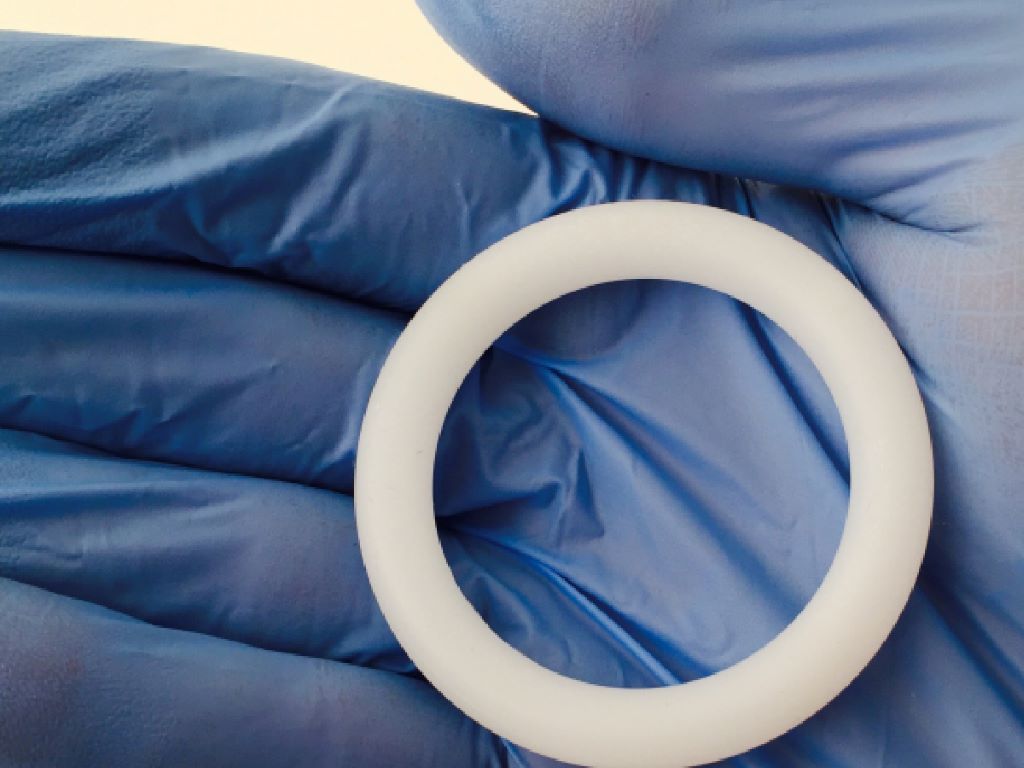
Rousseau told Spotlight that so far, just under 200 women in the study have chosen to use the DPV-VR. However, it’s important to note that within the whole study population, not everyone is eligible to use the ring. It is currently being offered to women who are over 18, not pregnant and not breastfeeding.
She added that for participants who are eligible for both the ring and oral PrEP, the pill is still more popular – with a rough estimate of around 15% of eligible participants opting for the ring. Most participants, at this stage, who choose to use the ring are those who have tried oral PrEP first and struggle to take pills daily or found it doesn’t suit their lifestyle. Very few participants to date have started on the ring and then switched to the daily pill.
Dapivirine vaginal ring. Credit: Columbia University Mailman School of Public Health
She said the demographics of who prefers the ring over oral PrEP haven’t been explored in-depth, but it’s something that the study will be looking at and analysing data on in future.
Bekker added to this saying: “We always expected it to be a bit of a niche product because you know definitely for many the idea of swallowing a pill is perhaps an easier concept than using a vaginal ring. So, it has started slowly, we’ve now administered hundreds as opposed to thousands of rings.”
She noted that interest in the ring has built overtime and is starting to pick up more. “Our first, preliminary data suggests that the women who choose rings are coming back [for it] …they’ve decided they want to go that road and they’ve committed,” Bekker said.
Counselling for Choice
While the ring was found to be effective in two phase 3 trials, its efficacy in those trials was far from 100% and the evidence for the ring’s efficacy is generally less impressive than that for pills and the injection. Interpreting findings from PrEP trials is also somewhat muddied by whether or not pills are taken as prescribed, and the ring is used and replaced as prescribed – that a single shot provides two months of protection is one of the injection’s major selling points.
Compared to placebo, there was a 30% reduction in HIV infection for ring users in phase three trials, while there was a 50 to 60% reduction in infection when the ring went to open-label, Bekker noted.
She said that it has previously been observed that clinical trial efficacy results can differ from real-world results, particularly when it comes to HIV prevention. For instance, she said, oral PrEP in clinical trials initially showed no evidence of efficacy in the prevention of HIV in women. Yet, real-world evidence showed it works in all populations if taken as prescribed.
What both these cases have shown, according to Bekker, is that it’s not necessarily that the product isn’t working, it’s that the product isn’t always being used as intended. When it comes to the ring, she said, the drug within the ring is efficacious and will kill the virus, but the ring must be present at the time that the individual is exposed to HIV. “Once you take the ring out, the [prevention] effect is lost,” she said.
When asked how women are counselled about the ring in the FAST PrEP study, Bekker said it is done very carefully and with guidance of their peers – this is where the peer navigators play a big role.
FAST PrEP was designed using a lot of engagement from young people, Bekker said. For a year before the pilot started, a group of 100 young people from diverse populations were enrolled from the community to give feedback on how to design the pilot so it can best reach young people. This group also essentially helped troubleshoot the information coming from the pilot to ensure that the PrEP choices were communicated in an appropriate way.
“They are very instrumental at the moment in making sure that that message [on DPV-VR] is clearly communicated,” she said.
Bekker added that if an individual needs time to think about which PrEP option to use, they are advised to start with oral PrEP and that they can switch later if they want.
Mapukata explained how the counselling process plays out on the ground. Participants in FAST PrEP, once they have spoken to a peer navigator, are taken into a counselling room and given a quiz where their scores are used to indicate what PrEP option might work for them. This is used as a starting point to counsel participants about the different PrEP options and which options they are eligible for and most comfortable using.
“It’s a lot of counselling that goes in before that choice [of PrEP] is made,” Mapukata said.
Young people who are members of the FAST PrEP youth reference group speak of the project in glowing terms. “And it’s so nice because you have a variety to choose from, you’re not obligated [to only] be on PrEP, on the oral, because there’s a variety of options,” one of them told Spotlight.