Year: 2025

Why Does Obesity Takes Away the Pleasure of Eating?

Photo by Jonathan Borba

The pleasure we get from eating junk food — the dopamine rush from crunching down on salty, greasy chips and a luscious burger — is often blamed as the cause of overeating and rising obesity rates in our society. But a new study suggests that pleasure in eating, even eating junk food, is key for maintaining a healthy weight in a society that abounds with cheap, high-fat food.

Paradoxically, anecdotal evidence suggests that people with obesity may take less pleasure in eating than those of normal weight. Brain scans of obese individuals show reduced activity in pleasure-related brain regions when presented with food, a pattern also observed in animal studies.

Now, University of California, Berkeley, researchers have identified a possible underlying cause of this phenomenon — a decline in neurotensin, a brain peptide that interacts with the dopamine network — and a potential strategy to restore pleasure in eating in a way that helps reduce overall consumption.

The study, published in Nature, reveals an unsuspected brain mechanism that explains why a chronic high-fat diet can reduce the desire for high-fat, sugary foods, even when these foods remain easily accessible. The researchers propose that this lack of desire in obese individuals is due to a loss of pleasure in eating caused by long-term consumption of high-calorie foods. Losing this pleasure may actually contribute to the progression of obesity.

“A natural inclination toward junk food is not inherently bad — but losing it could further exacerbate obesity,” said Stephan Lammel, a UC Berkeley professor in the Department of Neuroscience and a member of the Helen Wills Neuroscience Institute.

The researchers found that this effect is driven by a reduction in neurotensin in a specific brain region that connects to the dopamine network. Importantly, they demonstrate that restoring neurotensin levels — either through dietary changes or genetic manipulations that enhance neurotensin production — can reinstate the pleasure in eating and promote weight loss.

“A high-fat diet changes the brain, leading to lower neurotensin levels, which in turn alters how we eat and respond to these foods,” Lammel said. “We found a way to restore the desire for high-calorie foods, which may actually help with weight management.”

While findings in mice don’t always translate directly to humans, this discovery could open new avenues for addressing obesity by restoring food-related pleasure and breaking unhealthy eating patterns.

“Imagine eating an amazing dessert at a great restaurant in Paris — you experience a burst of dopamine and happiness,” said Neta Gazit Shimoni, a UC Berkeley postdoctoral fellow. “We found that this same feeling occurs in mice on a normal diet, but is missing in those on a high-fat diet. They may keep eating out of habit or boredom, rather than genuine enjoyment.”

Gazit Shimoni and former UC Berkeley graduate student Amanda Tose are co-first authors, and Lammel is senior author of the study, which will be published March 26 in the journal Nature.

Solving a long-standing puzzle in obesity research

For decades, doctors and researchers have struggled to understand and treat obesity, as countless fad diets and eating regimens have failed to produce long-term results. The recent success of GLP-1 agonists like Ozempic, which curb appetite by increasing feelings of fullness, stands out among many failed approaches.

Lammel studies brain circuits, particularly the dopamine network, which plays a crucial role in reward and motivation. Dopamine is often associated with pleasure, reinforcing our desire to seek rewarding experiences, such as consuming high-calorie foods.

While raising mice on a high-fat diet, Gazit Shimoni noticed a striking paradox: While in their home cages, these mice strongly preferred high-fat chow, which contained 60% fat, over normal chow with only 4% fat, leading them to gain excessive weight. However, when they were taken out of their home cages and given free access to high-calorie treats such as butter, peanut butter, jelly or chocolate, they showed much less desire to indulge than normal-diet mice, which immediately ate everything they were offered.

“If you give a normal, regular-diet mouse the chance, they will immediately eat these foods,” Gazit Shimoni said. “We only see this paradoxical attenuation of feeding motivation happening in mice on a high-fat diet.”

She discovered that this effect had been reported in past studies, but no one had followed up to find out why, and how the effect connects to the obesity phenotype observed in these mice.

Restoring neurotensin reverses obesity-related brain changes

To investigate this phenomenon, Lammel and his team used optogenetics, a technique that allows scientists to control brain circuits with light. They found that in normal-diet mice, stimulating a brain circuit that connects to the dopamine network increased their desire to eat high-calorie foods, but in obese mice, the same stimulation had no effect, suggesting that something must have changed.

The reason, they discovered, was that neurotensin was reduced so much in obese mice that it prevented dopamine from triggering the usual pleasure response to high-calorie foods.

“Neurotensin is this missing link,” Lammel said. “Normally, it enhances dopamine activity to drive reward and motivation. But in high-fat diet mice, neurotensin is downregulated, and they lose the strong desire to consume high-calorie foods — even when easily available.”

The researchers then tested ways to restore neurotensin levels. When obese mice were switched back to a normal diet for two weeks, their neurotensin levels returned to normal, dopamine function was restored, and they regained interest in high-calorie foods.

When neurotensin levels were artificially restored using a genetic approach, the mice not only lost weight, but also showed reduced anxiety and improved mobility. Their feeding behaviour also normalised, with increased motivation for high-calorie foods and a simultaneous reduction of their total food consumption in their home cages.

“Bringing back neurotensin seems to be very, very critical for preventing the loss of desire to consume high-calorie foods,” Lammel said. “It doesn’t make you immune to getting obese again, but it would help to control eating behaviour, to bring it back to normal.”

Toward more precise treatments for obesity

Although directly administering neurotensin could theoretically restore feeding motivation in obese individuals, neurotensin acts on many brain areas, raising the risk of unwanted side effects. To overcome this, the researchers used gene sequencing, a technique that allowed them to identify specific genes and molecular pathways that regulate neurotensin function in obese mice.

This discovery provides crucial molecular targets for future obesity treatments, paving the way for more precise therapies that could selectively enhance neurotensin function without broad systemic effects.

“We now have the full genetic profile of these neurons and how they change with high-fat diets,” Lammel said. “The next step is to explore pathways upstream and downstream of neurotensin to find precise therapeutic targets.”

Lammel and Gazit Shimoni plan to expand their research to explore neurotensin’s role beyond obesity, investigating its involvement in diabetes and eating disorders.

“The bigger question is whether these systems interact across different conditions,” Gazit Shimoni said. “How does starvation affect dopamine circuits? What happens in eating disorders? These are the questions we’re looking at next.”
Source: University of California – Berkeley

Possible Link Between Medication and Unexpected Blood Clots

Thrombophilia. Credit: Scientific Animations CC4.0.

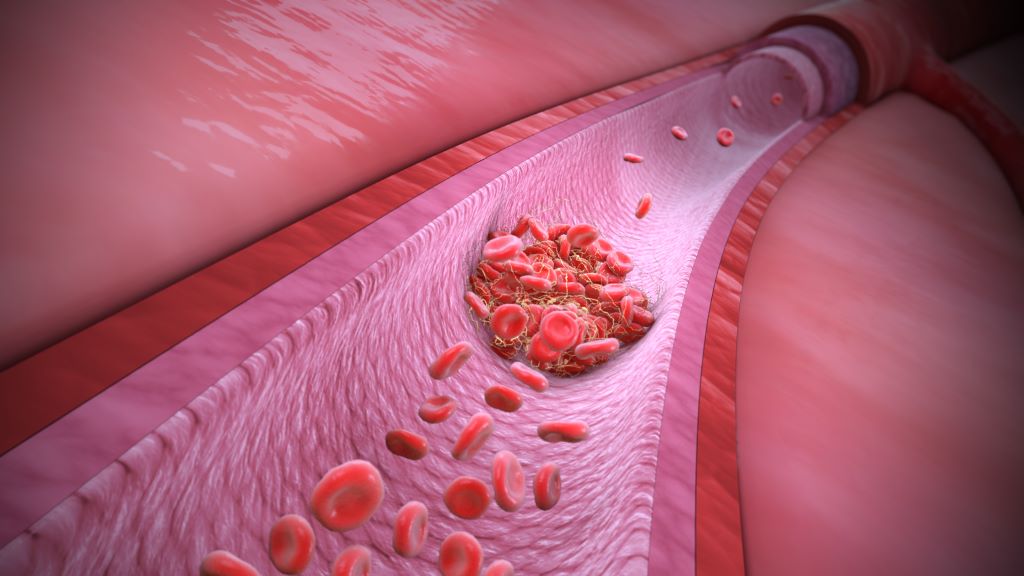
Why do medications that are supposed to help patients with chronic inflammatory diseases sometimes lead to blood clots? This is one of the questions that a team of researchers from Aarhus University has sought to answer in a study that has just been published in the journal Inflammopharmacology.

The study suggests that disturbances in the JAK-STAT signalling pathway, an important communication pathway in the body, may contribute to this side effect.

“In the study, we uncover the potential links between components of the JAK-STAK signalling pathway, blood markers in patients with blood clots, and the genetic factors that contribute to the risk of blood clots in patients. This helps improve our understanding of why we see an increased risk of blood clots when using JAK inhibitors,” explains Stine Rabech Haysen, former medical student at the Department of Biomedicine at Aarhus University, who is the first author of the publication. 

The potential of the study

In the study, researchers used publicly available data from a number of published studies about patients with blood clots and compared them with a healthy control group.

They found no direct genetic explanation, but they did find a statistically significant enrichment of genes that are subject to regulatory control of the JAK-STAT signalling pathway among genes whose expression is altered in patients with blood clots.

“Although we cannot draw definitive conclusions about the mechanistic link between the use of JAK inhibitors and the risk of blood clots, our study demonstrates the potential of using data mining to identify and shed light on possible mechanisms of drug side effects,” says one of the study’s senior authors, associate professor at the Department of Biomedicine Per Qvist.

What does this mean for patients?

Although JAK inhibitors rarely lead to blood clots, it’s important to understand the mechanism behind them so that the risk can be reduced.

“For the average person, our study means that we’re getting closer to understanding why some drugs can have dangerous side effects like blood clots. And going forward, our method could help identify and prevent serious side effects, potentially making drug treatment safer,” explains the other senior author of the study, associate professor at the Department of Biomedicine Tue Wenzel Kragstrup.

The researchers will now test the method on other types of medication to see if it can be used to detect side effects more widely.

Source: Aarhus University

New Cannabis Formula will Help Epilepsy, Multiple Sclerosis Sufferers

Photo by Kindel Media on Unsplash

Scientists at the University of South Australia have come up with an innovative solution to improve the effectiveness of cannabidiol to treat epilepsy, multiple sclerosis and other neurodegenerative diseases.

Cannabidiol (CBD), a non-psychoactive cannabis compound, is widely prescribed for its analgesic, anti-inflammatory and neuroprotective properties, but its clinical applications to date have been limited by its poor water solubility and absorption in the human body.

By developing a phospholipid complex – a class of lipids (fats) that contain phosphorus – UniSA researchers have increased the solubility of cannabidiol by up to six times and improved its absorption in the gastrointestinal tract.

Lead researcher Professor Sanjay Garg says the breakthrough, reported in the International Journal of Molecular Sciences, means that patients could experience more consistent and effective results with lower doses of oral CBD medications.

Currently, only a small fraction of orally ingested CBD reaches the bloodstream, limiting its therapeutic effects.

“For this reason, a number of different formulations have been explored, including the production of synthetic CBD, self-emulsifying delivery systems, and encapsulating CBD in gelatine matrix pellets, but all of them have only resulted in minor improvements in bioavailability,” Prof Garg says.

His research team identified the optimal phospholipid composition to form nanosized CBD-PLC particles. Compared to pure CBD, the phospholipid complex improved dissolution rates from 0% to 67.1% within three hours, demonstrating a significant enhancement in drug release.

In cellular uptake studies, CBD-PLC exhibited 32.7% higher permeability than unmodified CBD, ensuring greater absorption through the intestinal wall.

Another critical advantage of this new delivery system is its stability. Traditional CBD formulations degrade over time when exposed to heat, light or oxygen, reducing potency and shelf life.

However, testing over 12 months showed that CBD-PLC retained its performance under varied storage conditions, making it a more reliable option for pharmaceutical applications.

The study’s first author, UniSA PhD candidate Thabata Muta, says the discovery has significant implications for the future of CBD-based therapeutics.

“Improved bioavailability means that lower doses can achieve the same therapeutic effect, potentially reducing side effects and making treatment more cost effective,” Thabata says.

The research team believes that this innovation could be applied beyond CBD, providing a blueprint for enhancing the absorption of other poorly water-soluble drugs.

With the global CBD market projected to grow from USD 7.59 billion in 2023 to USD 202.45 billion by 2032, the findings of this study come at a crucial time, according to the study authors.

The team is now exploring opportunities for commercialisation and clinical trials to validate their new formulation.

Source: University of South Australia

Do Seizures in Newborns Increase Children’s Risk of Developing Epilepsy?

Photo by Lucy Wolski on Unsplash

Seizures in newborns are one of the most frequent acute neurological conditions among infants admitted to neonatal care units. A study published in Developmental Medicine & Child Neurology indicates that newborns experiencing such neonatal seizures face an elevated risk of developing epilepsy.

For the study, investigators analysed data on all children born in Denmark between 1997 and 2018, with the goal of comparing the risk of epilepsy in children with and without neonatal seizures.

Among 1,294,377 children, the researchers identified 1,998 who experienced neonatal seizures. The cumulative risk of epilepsy was 20.4% among children with neonatal seizures compared with 1.15% among children without. This indicates that 1 in 5 newborns with neonatal seizures will develop epilepsy.

Epilepsy was diagnosed before 1 year of age in 11.4% of children with neonatal seizures, in an additional 4.5% between 1 and 5 years, 3.1% between 5 and 10 years, and 1.4% between 10 and 22 years. Stroke, hemorrhage, or structural brain malformations in newborns, as well as low Apgar scores, were associated with the highest risks of developing epilepsy.

“Our study highlights that there are risk factors that may be used to identify infants for tailored follow-up and preventive measures,” said corresponding author Jeanette Tinggaard, MD, PhD, of Copenhagen University Hospital – Rigshospitalet. “Importantly, four out of five neonatal survivors with a history of neonatal seizures did not develop epilepsy, and we suggest future studies to explore a potential genetic predisposition.”

Source: Wiley

A Novel Pathway with Potential to Slow the Progression of Pulmonary Fibrosis

Credit: Scientific Animations CC4.0

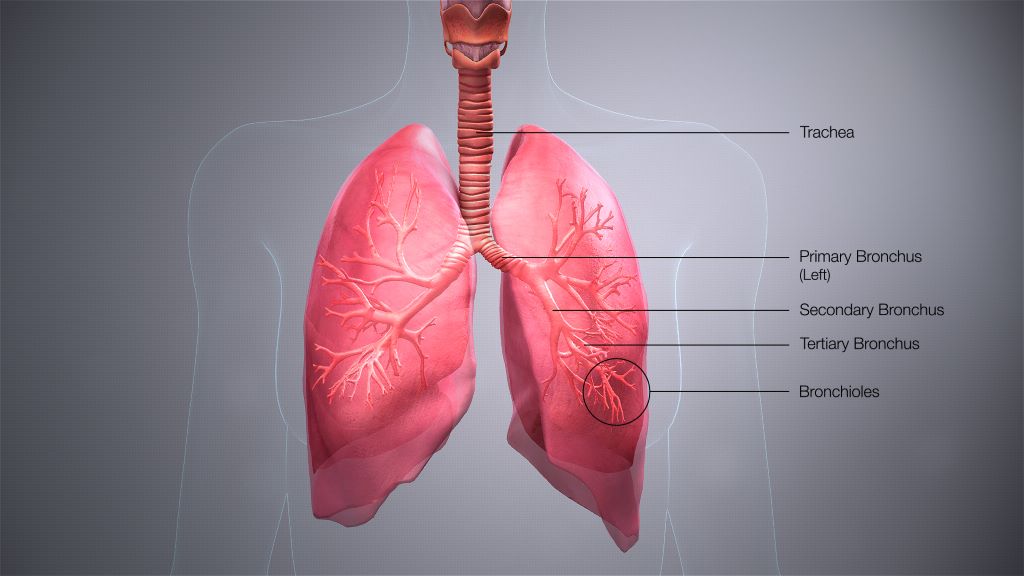
Researchers have found a potential new way to slow the progression of lung fibrosis and other fibrotic diseases by inhibiting the expression or function of Piezo2, a receptor that senses mechanical forces in tissues including stress, strain, and stiffness. The new study in The American Journal of Pathology, published by Elsevier, sheds light on the underlying mechanisms of pulmonary fibrotic diseases and identifies potential new targets and options for therapy to improve patients’ outcomes.

Pulmonary fibrotic diseases are a group of conditions that cause significant morbidity and sometimes mortality. Idiopathic pulmonary fibrosis (IPF) is a devastating progressive fibrotic lung disease with a median survival of 2.9 years from diagnosis. Lung fibrosis results in dramatic mechanical changes including increased stiffness in the tissue that cells can sense and respond to, making it difficult for the lungs to expand and contract properly during breathing.

Piezo channels are a newly discovered receptor that are sensitive to mechanical signals. Since the 2021 Nobel Prize in Medicine was awarded to Dr Ardem Patapoutian for the discovery of Piezo channels in 2010, interest has increased in their role in tissue homeostasis and disease outside of neuronal signalling, however, little has been published on their possible role in fibrotic lung diseases. A group of researchers driven to understand how mechanical forces in lung tissue contribute to and drive pulmonary fibrosis investigated the role of Piezo2 in pulmonary fibrosis using donor tissue from patients with IPF, mouse models of lung fibrosis, cell culture investigation of lung cells (fibroblasts) that create the fibrosis lesions, and by examining publicly available RNAseq datasets from other research groups.

Investigators found that:

  • Piezo2 is highly expressed in human lung tissue from patients with IPF and in multiple (different) mouse models of lung fibrosis.
  • Piezo2 is highly expressed in primary human lung fibroblasts in culture, the cells that are believed to play key roles in producing fibrosis in tissues (by proliferating and laying down matrix proteins, creating scar-like features).
  • Lung fibroblasts grown on stiffer substrates are reprogrammed to be more profibrotic, by proliferating, producing extra matrix proteins, and differentiating to scar-forming myofibroblasts.
  • Inhibition of Piezo2 with either RNA silencing or a peptide inhibitor, to prevent them from sensing the stiffness of their environment, reduces profibrotic programming.

Lead investigator Patricia J. Sime, MD, Division of Pulmonary Disease and Critical Care Medicine, Virginia Commonwealth University, says, “We are excited to report that this research that suggests inhibiting expression or function of Piezo2 could be a potential new therapeutic route to treating lung fibrosis and other fibrotic diseases. This is especially important as there is an unmet need for additional therapies for fibrotic diseases.”

Despite the introduction of nintedanib and pirfenidone for therapy of some fibrotic lung diseases, pulmonary fibrosis can remain challenging to effectively treat. This is in part because lung cells can be driven to a profibrotic phenotype by multiple pathways that reinforce each other, so that targeting one pathway alone may not be effective to slow or stop disease progression.

First author Margaret A.T. Freeberg, PhD, Division of Pulmonary Disease and Critical Care Medicine, Virginia Commonwealth University, continues, “Some types of lung fibrosis have been very difficult to treat. For example, IPF is a form of pulmonary fibrosis that often progresses. While there have been advances in therapy, the approved medications for IPF can slow, but do not always halt progression. One of the reasons that fibrosis can be difficult to effectively treat may be explained by the multiple profibrotic disease pathways that reinforce each other. Blocking Piezo2 signaling to prevent fibroblast reprogramming represents a new pathway we can target in our fight against fibrosis.”

Dr. Sime concludes, “This research identifies mechanical forces and a new specific target (Piezo2) that we can block to prevent fibrotic reprogramming of some lung cells. We believe this points to Piezo2 as an important new therapeutic target that might (by itself or in combination with other therapies) slow the progression of pulmonary fibrosis in our patients. Many new investigational drugs that target pulmonary fibrosis receive orphan drug designation from the FDA, and this may accelerate development and increase interest from pharmaceutical partners.”

Source: Elsevier

New Evidence for a Chronic Disease Link with Microplastics

Photo by FLY:D on Unsplash

Tiny fragments of plastic have become ubiquitous in our environment and our bodies. Higher exposure to these microplastics, which can be inadvertently consumed or inhaled, is associated with a heightened prevalence of chronic noncommunicable diseases, according to new research being presented at the American College of Cardiology’s Annual Scientific Session (ACC.25).

Researchers said the new findings add to a small but growing body of evidence that microplastic pollution represents an emerging health threat. In terms of its relationship with stroke risk, for example, microplastics concentration was comparable to factors such as minority race and lack of health insurance, according to the results.

“This study provides initial evidence that microplastics exposure has an impact on cardiovascular health, especially chronic, noncommunicable conditions like high blood pressure, diabetes and stroke,” said Sai Rahul Ponnana, MA, a research data scientist at Case Western Reserve School of Medicine in Ohio and the study’s lead author. “When we included 154 different socioeconomic and environmental features in our analysis, we didn’t expect microplastics to rank in the top 10 for predicting chronic noncommunicable disease prevalence.”

Microplastics—defined as fragments of plastic between 1 nanometre and 5 millimetres across—are released as larger pieces of plastic break down. They come from many different sources, such as food and beverage packaging, consumer products and building materials. People can be exposed to microplastics in the water they drink, the food they eat and the air they breathe.

The study examines associations between the concentration of microplastics in bodies of water and the prevalence of various health conditions in communities along the East, West and Gulf Coasts, as well as some lakeshores, in the United States between 2015-2019. While inland areas also contain microplastics pollution, researchers focused on lakes and coastlines because microplastics concentrations are better documented in these areas. They used a dataset covering 555 census tracts from the National Centers for Environmental Information that classified microplastics concentration in seafloor sediments as low (zero to 200 particles per square meter) to very high (over 40 000 particles per square metre). 

The researchers assessed rates of high blood pressure, diabetes, stroke and cancer in the same census tracts in 2019 using data from the U.S. Centers for Disease Control and Prevention. They also used a machine learning model to predict the prevalence of these conditions based on patterns in the data and to compare the associations observed with microplastics concentration to linkages with 154 other social and environmental factors such as median household income, employment rate and particulate matter air pollution in the same areas.

The results revealed that microplastics concentration was positively correlated with high blood pressure, diabetes and stroke, while cancer was not consistently linked with microplastics pollution. The results also suggested a dose relationship, in which higher concentrations of microplastic pollution are associated with a higher prevalence of disease. However, researchers said that evidence of an association does not necessarily mean that microplastics are causing these health problems. More studies are required to determine whether there is a causal relationship or if this pollution is occurring alongside another factor that leads to health issues, they said.

Further research is also needed to determine the amount of exposure or the length of time it might take for microplastics exposure to have an impact on health, if a causal relationship exists, according to Ponnana. Nevertheless, based on the available evidence, it is reasonable to believe that microplastics may play some role in health and we must take steps to reduce exposures, he said. While it is not feasible to completely avoid ingesting or inhaling microplastics when they are present in the environment, given how ubiquitous and tiny they are, researchers said the best way to minimise microplastics exposure is to curtail the amount of plastic produced and used, and to ensure proper disposal.

“The environment plays a very important role in our health, especially cardiovascular health,” Ponnana said. “As a result, taking care of our environment means taking care of ourselves.”

In a separate study presented at ACC.25, researchers from a different group reviewed the scientific literature and found that studies showed a strong correlation between microplastics in plaques in the heart’s arteries and the risk of adverse cardiovascular events, suggesting that the presence of microplastics could play a role in the onset or exacerbation of serious heart problems.

Source: American College of Cardiology

New Non-surgical Contraceptive Implant is Delivered Through Small Gauge Needles

Photo by Raghavendra V Konkathi on Unsplash

Mass General Brigham and MIT investigators have developed a long-acting contraceptive implant that can be delivered through tiny needles to minimise patient discomfort and increase the likelihood of medication use.

Their findings in preclinical models provide the technological basis to develop self-administrable contraceptive shots that could mimic the long-term drug release of surgically implanted devices.

The new approach, which would reduce how often patients need to inject themselves and prove valuable for patients with less access to hospitals and other medical care providers, is described in Nature Chemical Engineering

“Needle size and liquid viscosity are crucial considerations for commercial translation of injectables,” said senior author Giovanni Traverso, MD, PhD, MBBCH, of the Division of Gastroenterology in the Department of Medicine at Brigham and Women’s Hospital. “Our engineering challenge was finding a way to maximise comfort for patients by using smaller needles, which cause less bruising or bleeding, and to make the viscosity low enough for easy application with the syringe by hand.” 

Traditional contraceptive implants are small, flexible rods that are surgically inserted under the skin to slowly deliver drugs over time, removing the hassle of remembering to take a pill. But the surgery required for implants makes them less accessible to some patients.

Traverso’s team developed a new approach to deliver the contraceptive drug levonorgestrel (LNG) through Self-assembling Long-acting Injectable Microcrystals (SLIM). SLIM act like tiny puzzle pieces that, once injected inside the body, undergo solvent exchange to assemble into a single solid implant that slowly releases the drug as the surface erodes. Unlike similar self-administering technologies, the solvent exchange assembly enables delivery by much smaller needles. 

The researchers will continue their work to optimize the dosing, duration, and injectability of the SLIM system, including understanding how it performs in the human body. The design could also be applied to other hydrophobic drugs, which make up most new pharmaceuticals. The researchers plan to investigate how different drug properties impact the SLIM system’s effectiveness.

 “We anticipate that SLIM could be a new addition to the current suite of family planning options available to women, especially for people in low-resource settings where options for contraception and health care facilities are limited,” said Traverso.

Source: Mass General Brigham

A Citrus Remedy Quenches Dry Mouth in Cancer Patients

Photo by Diana Polekhina on Unsplash

A natural citrus oil from oranges, lemons, and limes is proving highly effective in relieving dry mouth, and when combined with a new lipid formulation, new research suggests it may be effective without significant side effects.

Developed by the University of South Australia in collaboration with the Medical School at Stanford University, this world first formulation uniquely combines limonene (a citrus essential oil) with a lipid-based drug delivery system to treat dry mouth (xerostomia), a common side effect of radiotherapy.

The new formula demonstrated 180-fold better solubility than pure limonene in lab experiments and boosted relative bioavailability by over 4000% compared to pure limonene in pre-clinical trials.

Dry mouth is the most reported side effect following radiotherapy for the treatment of head and neck cancer, affecting up to 70% of patients due to salivary gland damage. It can lead to difficulty speaking and swallowing, significantly reducing quality of life.

Limonene has protective effects on saliva production during radiotherapy, but its poor solubility means high doses are needed to take effect, and these cause indigestion, abdominal discomfort and unpleasant ‘citrus burps’.

Lead researcher, Professor Clive Prestidge says UniSA’s new limonene-lipid combination creates a ‘super-solubilising’ treatment that reduces dry mouth at lower dose and without uncomfortable side effects.

“The therapeutic benefits of limonene are well known. It’s used as an anti-inflammatory, antioxidant, and mood-enhancing agent, and can also improve digestion and gut function. But despite its widespread use, its volatility and poor solubility have limited its development as an oral therapy,” Prof Prestidge says.

“As limonene is an oil, it forms a film on the top of the stomach contents, causing significant stomach pain and discomfort.

“Our novel formulation combines limonene with healthy fats and oils – called lipids – to create a super-solubilising compound that the body can easily absorb with reduced uncomfortable side effects.

“This increases the dispersion of limonene in the stomach, boosts absorption, and controls biodistribution – all while increasing a patient’s saliva production and reducing dry mouth.”

Co-researcher Dr Leah Wright says the formulation has the potential to significantly improve the quality of life for cancer patients and others suffering dry mouth conditions.

“Cancer patients undergoing radiotherapy and other medical treatments regularly experience dry mouth, which not only prevents them from comfortably swallowing, but can also have other negative and potentially life-threatening outcomes,” Dr Wright says. 

“While limonene can be ingested directly, it’s not well tolerated, especially by those with dry mouth. Plus, its poor absorption prevents it from effectively reaching the salivary glands – the target site.

“This inventive and highly impactful limonene-lipid formulation could provide a simple, effective oral solution for dry mouth, offering cancer patients long-lasting relief and comfort, improved oral health, and a higher quality of life during a difficult time.”

Clinical trials for the new formula are ongoing, with next steps to be announced soon.

Source: University of South Australia

Controlling Fibrosis with the Right Mechanical Forces

Photo by Kampus Production: https://www.pexels.com/photo/man-in-blue-and-black-crew-neck-shirt-8638036/

The cells in human bodies are subject to both chemical and mechanical forces. But until recently, scientists have not understood much about how to manipulate the mechanical side of that equation. That’s about to change.

“This is a major breakthrough in our ability to be able to control the cells that drive fibrosis,” said Guy Genin, professor of mechanical engineering in the McKelvey School of Engineering at Washington University in St. Louis, whose research was just published in Nature Materials.

Fibrosis is an affliction wherein cells produce excess fibrous tissue. Fibroblast cells do this to close wounds, but the process can cascade in unwanted places. Examples include cardiac fibrosis; kidney or liver fibrosis, which precedes cancer; and pulmonary fibrosis, which can cause major scarring and breathing difficulties. Every soft tissue in the human body, even the brain, has the potential for cells to start going through a wound-healing cascade when they’re not supposed to, according to Genin.

The problem has both chemical and mechanical roots, but mechanical forces seem to play an outsized role. WashU researchers sought to harness the power of these mechanical forces, using a strategic pull and tug in the right mix of directions to tell the cell to shut off its loom of excess fibre.

In the newly published research, Genin and colleagues outline some of those details, including how to intervene in tension fields at the right time to control how cells behave.

“The direction of the tension these cells apply matters a lot in terms of their activation state,” said Nathaniel Huebsch, an associate professor of biomedical engineering at McKelvey Engineering and co-senior author of the research, along with Genin and Vivek Shenoy at the University of Pennsylvania.

The forces

The human body is constantly in motion, so it should come as no surprise that force can encode function in cells. But what forces, how much force and in which direction are some of the questions that the Center for Engineering MechanoBiology examines.

“The magnitude of tension will affect what the cell does,” Huebsch said. But tension can go in many different directions. “The discovery that we present in this paper is that the way stress pulls in different directions makes a difference with the cell,” he added.

Pulling in multiple directions in a nonuniform manner, called tension anisotropy (imagine a taffy pull) is a key force in kicking off fibrosis, the researchers found.

“We’re showing, for the first time, using a structure with a tissue, we’re able to stop cell cytoskeletons from going down a pathway that will cause contraction and eventual fibrosis,” Genin said.

Huebsch, who pioneered microscopic models and scaffolds for testing these tension fields that act on cells, explained that tentacle-like microtubules establish tension by emerging and casting out in a direction. Collagen around the cell pulls back on that tubule and becomes aligned with it.

“We discovered that if you could disrupt the microtubules, you would disrupt that whole organization and you would potentially disrupt fibrosis,” Huebsch said.

And, though this research was about understanding what goes wrong to cause fibrosis, there is still much to learn about what goes right with fibroblasts, connective tissue cells, especially in the heart, he added.

 “In tissues where fibroblasts are typically well aligned, what is stopping them from activating to that wound-healing state?” Huebsch asked.

Personalised treatment plans

Along with finding ways to prevent or treat fibrosis, Genin and Huebsch said doctors can look for ways to apply this new knowledge about the importance of mechanical stress to treatment of injuries or burns. The findings could help address the high fail rate for treatments of elderly patients with injuries that require reattaching tendon to bone or skin to skin.

For instance, in rotator cuff injuries, there is compelling evidence that patients must start moving their arm to recover function, but equally compelling evidence that patients should immobilise the arm for better recovery. The answer might depend on the amount of collagen a patient produces and the stress fields at play at the recovery site.

By understanding the multidirectional stress fields’ impact on the cell structure, doctors may be able to look at specific patients’ repair and determine a personalised treatment plan.

For instance, a patient who has biaxial stress coming from two directions at the site of injury will potentially need to exercise more to trigger cell repair, Genin said. However, another patient showing signs of uniaxial stress, meaning stress is pulling only one direction, any movement could over-activate cells, so in that case, the patient should keep the injury immobilised. All that and more is still to be worked out and confirmed, but Genin is excited to begin.

“The next generation of disease we’re going to be conquering are diseases of mechanics,” Genin said.

Source: Washington University in St. Louis

How to Stop Melanoma’s Incredibly Swift Evasion of Treatment

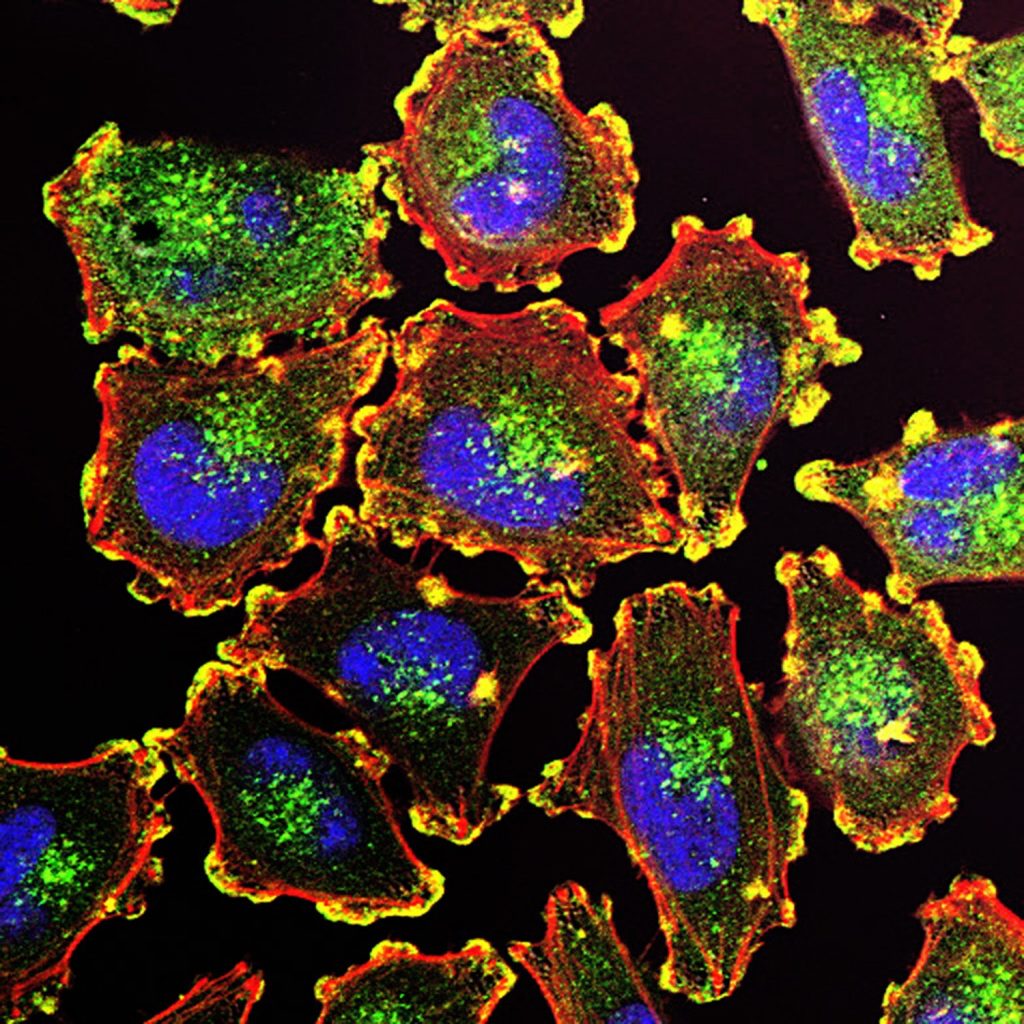
Melanoma Cells. Credit: National Cancer Institute

Researchers have uncovered a stealth survival strategy that melanoma cells use to evade targeted therapy, offering a promising new approach to improving treatment outcomes.

The study, published in Cell Systems and conducted by researchers at the Institute for Systems Biology (ISB) and Massachusetts Institute of Technology (MIT) identifies a non-genetic, reversible adaptation mechanism that allows melanoma cells to survive treatment with BRAF inhibitors. By identifying and blocking this early response, researchers proposed a combination therapy that could delay resistance and enhance the effectiveness of existing treatments.

Cracking the Code of Melanoma’s Drug Escape

Melanoma, the deadliest form of skin cancer, is often driven by mutations in the BRAF gene, which fuels uncontrolled tumor growth. While BRAF inhibitors (such as vemurafenib) initially halt tumor growth, many tumors quickly adapt and survive treatment, leading to therapy failure.

Unlike traditional resistance driven by genetic mutations, this study uncovers an early, dynamic adaptation process that occurs within hours to days of drug treatment – long before genetic resistance takes hold. Surprisingly, this process does not rely on reactivating the BRAF-ERK pathway, which is the usual resistance mechanism.

Using cutting-edge mass spectrometry-based phosphoproteomics and deep transcriptomics analyses, researchers mapped the molecular shifts in melanoma cells over minutes, hours, and days of BRAF inhibitor treatment.

“We found that while the BRAF-ERK signaling pathway was quickly and durably suppressed, cancer cells did not rely on reactivating ERK to survive. Instead, they triggered an alternative SRC family kinase (SFK) signaling pathway, which promoted cell survival and eventual recovery,” said Chunmei Liu, PhD, a bioinformatics scientist at ISB and co-first author of the paper.

Turning a Weakness Into a Target

A key discovery in this study came when researchers linked SFK activation to reactive oxygen species (ROS), a cellular stress response that builds up under BRAF inhibition. As ROS levels surged, SFK activity spiked, helping melanoma cells withstand treatment. However, this adaptation was reversible – when treatment was removed, cells returned to their original state.

Recognizing this Achilles’ heel, the team tested a combination approach: pairing BRAF inhibitors with the SFK inhibitor dasatinib.

“By adding dasatinib, we blocked this adaptive escape mechanism, significantly reducing melanoma cell survival and stabilising tumours in animal models,” said ISB Associate Professor Wei Wei, PhD, co-corresponding author.

Importantly, SFK inhibition alone had little effect on melanoma cells, highlighting the need for a strategic combination therapy to suppress melanoma adaptation before resistance fully develops. 

“This approach has the potential to prolong the effectiveness of BRAF inhibitors and improve patient outcomes,” said ISB President and Professor Jim Heath, PhD, co-corresponding author.

Looking Ahead: A Path to the Clinic

Beyond uncovering a key mechanism of drug adaptation, this research underscores the importance of early intervention to prevent it from happening. It also highlights ROS accumulation and SFK activation as potential biomarkers for identifying patients who may benefit from this combination therapy.

Further preclinical studies and clinical trials will be necessary to validate this combination therapy strategy and determine its potential for broader clinical use.

Source: Institute for Systems Biology