Month: July 2025

Opinion Piece: The Strategic Importance of Caregiving Agency Partnerships for Frail Care Facilities

Photo by Kampus Production

By Dianne Boyd, Branch Manager at Allmed Healthcare Professionals

The demands placed on South African frail care and retirement villages are tougher than ever. These establishments must consistently provide high-quality care, while addressing persistent staffing issues and adapting to an increasingly complex regulatory environment.

The limitations of traditional care models heavily reliant on individually employed caregivers can no longer be ignored. In response, a strategic shift towards collaborating with experienced healthcare professional service agencies is gaining momentum, providing a welcome pathway for facilities to greatly enhance care provision, optimise operational workflows, and mitigate potential liabilities.

Addressing the shortcomings of traditional models

Modern senior care facilities face growing challenges that necessitate efficient resource management. Rising operating costs, stricter regulatory demands, and persistent staffing shortages (particularly for specialised roles) create significant operational burdens. To maintain high standards of care and ensure resident well-being, facilities must adopt innovative solutions that address both operational and care-related needs.

Exceptional care can only be built on in personalised attention, and outsourcing allows facilities to raise their care standards by accessing a pool of highly trained and compliant caregivers in collaboration with a reputable healthcare professional staffing services provider. The right agency partner makes it possible for facilities to prioritise personalised care, ensuring each resident receives the attention required for the best outcomes.

Putting personalised care at the top of the quality scale

Caregiving agencies have an important role to play in implementing robust care plans in collaboration with doctors. By placing caregivers that work under the instructions of the facility’s matron or registered nurse, agencies assume responsibility for ensuring care plans are followed diligently, while clinical facilitators provide continuous training that ensures caregivers are competent and confident in their roles. Such a collaborative approach greatly enhances resident wellbeing and safety. With the expertise of such specialist agencies, retirement villages and frail care facilities can be assured that consistent, high-quality care will be delivered, a critical factor in building trust with residents and their families.

Ensuring competency, continuity of care and flexibility

Traditional work models, where facilities directly recruit and employ caregivers, often struggle with operational logistics in continuity of care and training. Here, staffing shortages due to unforeseen absences can greatly disrupt daily routines. In contrast, partnering with a staffing solutions organisation provides access to a reliable pool of caregivers on-demand.

A professional agency partner handles all scheduling requirements, while ensuring extra caregivers are oriented to the facility. This enables quick replacements (often within two hours) to minimise disruptions and maintain consistent care, while such flexibility also gives the facility the room to scale up or down on caregiving resources in direct response to the changing needs of residents without significant cost.

Critically, a key benefit of partnering with a staffing provider is the comprehensive administrative relief they offer. Agencies manage the entire recruitment process, onboarding, payroll, and continuous training, freeing facilities from these burdens. Here, the agency steps in to simplify processes and mitigate risk by handling everything from start to finish, with thorough criminal and reference checks to minimise security risks and comprehensive recruitment processes that ensure caregivers are proficient in English and possess the necessary skills and attributes for the job.

Outsourcing to continually enhance personalised care standards

One of the most compelling advantages to partnering with a staffing services agency is the fact that the facility has guaranteed access to pre-screened, trained, and compliant caregivers who have been through a rigorous upskilling course to ensure they are well-prepared for the frail care environment. The right staffing partner takes time to understand each facility’s unique needs and matches caregivers accordingly, with business unit managers actively participating in the selection process to ensure the perfect fit.

Equipped with comprehensive training on essential skills, including dementia care, palliative care and rehabilitation, these caregivers can address the specific needs of residents with confidence and compassion. Their specialised training relieves pressure on facilities and ensures residents receive appropriate care, which enhances family satisfaction.

The right partner also employs clinical facilitators designated to provide on-site training and support, so that the facility is assured caregivers are up to date with the latest care practices and technologies to continuously enhance the overall quality of care. Facilities benefit from collaborative training opportunities, further upskilling their own staff at no additional cost. Significantly, these specialised care services can supplement the core offerings of the facility to better meet the diverse needs of residents, attract a broader clientele and strengthen their market position.

An essential shift toward high-quality care

For the future of senior care, strategic partnerships with healthcare staffing providers are no longer optional, but essential. These collaborations ensure the long-term success of retirement villages and frail care facilities by optimising staffing, enhancing care, and mitigating risks. They are the foundation for delivering exceptional resident experiences and building a culture of safety and trust. These partnerships will allow facilities to meet the demands of today, while building a forward-thinking model for the dignified and compassionate senior care of tomorrow.

Radiotherapy Overcomes Resistance to Immunotherapy in Some Cancers

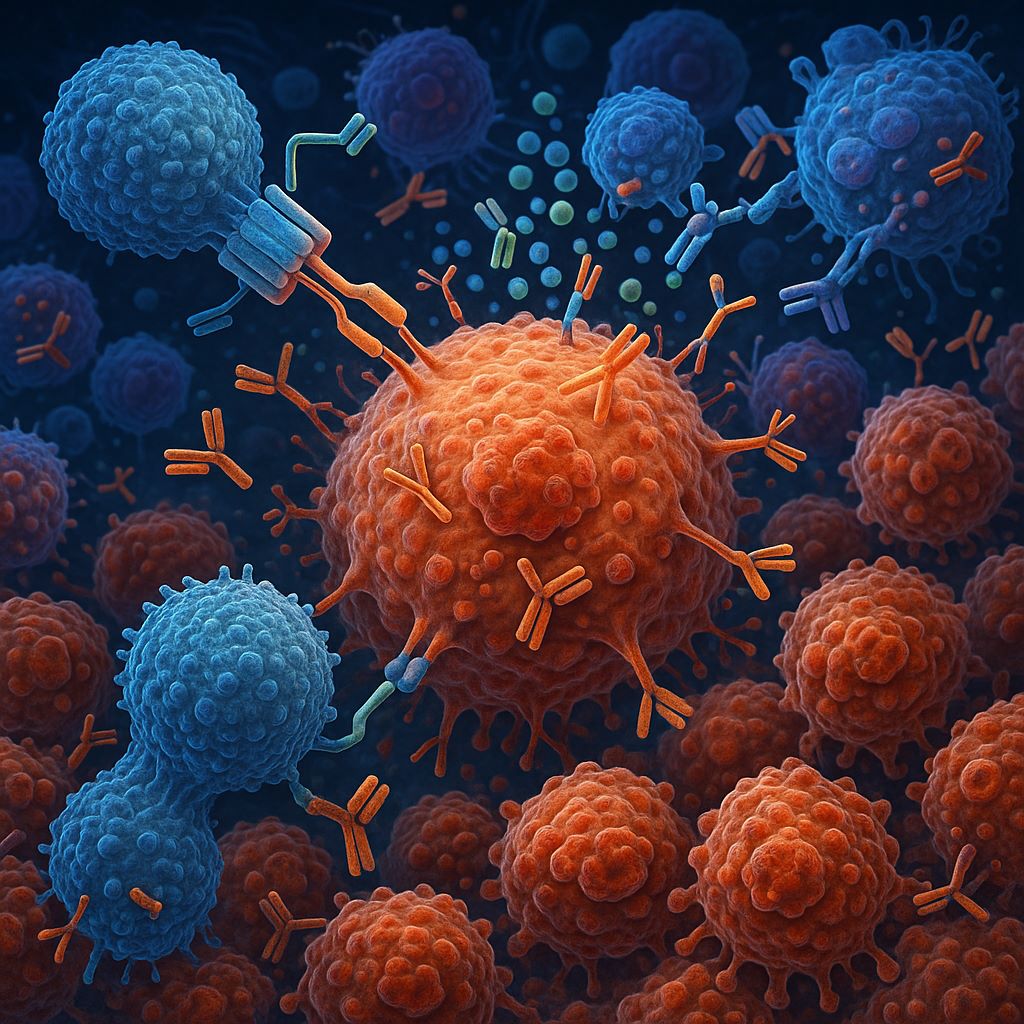
By sparking the immune system into action, radiation therapy makes certain tumours that resist immunotherapy susceptible to the treatment, leading to positive outcomes for patients, according to new research published July 22 in Nature Cancer. Investigators dove deep into the molecular biology of non-small cell lung cancer to pinpoint what happens on a cellular and molecular level over time when the cancer is treated with either radiation therapy followed by immunotherapy or immunotherapy alone.

They found that radiation plus immunotherapy induced a systemic anti-tumour immune response in lung cancers that do not typically respond to immunotherapy. The combination therapy also yielded improved clinical response in patients whose tumours harbour features of immunotherapy resistance. 

Clinically, the results suggest that radiation therapy can help overcome immunotherapy resistance in certain patients. Researchers at the Johns Hopkins Kimmel Cancer Center Bloomberg~Kimmel Institute for Cancer Immunotherapy and the Netherlands Cancer Institute conducted the study, which was supported by the National Institutes of Health. 

“For a fraction of lung cancers where we aren’t expecting therapy responses, radiation may be particularly effective to help circumvent primary resistance to immunotherapy; this could potentially be applicable to acquired resistance, too,” says senior study author Valsamo “Elsa” Anagnostou, MD, PhD, co-director of the Upper Aerodigestive Malignancies Program, director of the Thoracic Oncology Biorepository, leader of Precision Oncology Analytics, co-leader of the Johns Hopkins Molecular Tumor Board and co-director of the Lung Cancer Precision Medicine Center of Excellence at Johns Hopkins. 

Researchers have long sought to better understand why some tumours grow resistant to immunotherapy and how to intercept that resistance. 

Radiation therapy has been proposed as one possible way to induce a systemic immune response because of a unique phenomenon called the abscopal effect. Radiation at the site of a primary tumour typically causes tumour cells to die and release their contents into the local microenvironment. Sometimes, the immune system discovers those contents, learns the tumour’s molecular footprint, then activates immune cells around the body to attack cancer cells at tumour sites that were not the targets of the radiation, including some far away from the primary cancer in the body. 

Because of this effect, radiation therapy could potentially improve how well an immunotherapy works against a cancer, even far from the original radiation site. Yet little has been known about the molecular biology behind the abscopal effect, or how to predict when and in which patients it will occur. 

To study this phenomenon, Anagnostou and colleagues obtained samples from patients with lung cancer at different times throughout their treatment journey and from various locations in the body, not just at the primary tumour site. They collaborated with Willemijn Theelen and Paul Baas at the Netherlands Cancer Institute, who were running a phase II clinical trial on the effect of radiation therapy followed by immunotherapy, specifically the PD-1 inhibitor pembrolizumab. 

With help from Theelen and Baas, Anagnostou’s team analysed 293 blood and tumour samples from 72 patients, obtained at baseline and after three to six weeks of treatment. Patients in the control group received immunotherapy alone, while the experimental group received radiation followed by immunotherapy. 

The team then performed multiomic analyses on the samples (combining different “omics” tools, including genomics, transcriptomics and various cell assays) to deeply characterise what was happening to the immune system systemically and in the local microenvironment at tumour sites that were not directly exposed to radiation. 

In particular, the team focused on immunologically “cold” tumours — those that typically do not respond to immunotherapy. These tumours can be recognised by particular biomarkers: a low mutation burden, no expression of a protein called PD-L1, or the presence of mutations in a signalling pathway called Wnt. 

Following radiation and immunotherapy, the team found that “cold” tumors far from the site of radiation experienced a prominent reshaping of the tumor microenvironment. Anagnostou describes this shift as the tumors “warming up,” transitioning from little or no immune activity to inflamed sites with strong immune activity, including the expansion of new and pre-existing T cells. 

“Our findings highlight how radiation can bolster the systemic anti-tumor immune response in lung cancers unlikely to respond to immunotherapy alone,” says lead study author Justin Huang, who led the multiomic analyses. “Our work underscores the value of international, interdisciplinary collaboration in translating cancer biology insights to clinical relevance.” Huang was awarded the 2025 Paul Ehrlich Research Award in recognition of groundbreaking discoveries by young investigators and their faculty mentors at the Johns Hopkins University School of Medicine.     

With Kellie Smith, PhD, an associate professor of oncology at the Johns Hopkins Kimmel Cancer Center and a Bloomberg~Kimmel Institute for Cancer Immunotherapy researcher, Anagnostou’s team focused on patients who attained long-term survival with combination radiotherapy and immunotherapy, and performed a functional test to find out what the patients’ own T cells were doing in the body. In cell cultures, they confirmed that the T cells expanding in patients who received radiation and immunotherapy were indeed recognizing specific mutation-associated neoantigens from the patients’ tumours. 

Finally, by tracking patient outcomes from the clinical trial, the team observed that patients with immunologically cold tumours that “warmed up” due to radiation therapy had better outcomes than those who did not receive radiation therapy. 

“It was super exciting, and truly made everything come full circle,” says Anagnostou. “We not only captured the abscopal effect, but we linked the immune response with clinical outcomes in tumours where one would not expect to see immunotherapy responses.” 

Using specimens from the same cohorts of patients, the team has recently been working to capture the body’s response to immunotherapy by detecting circulating tumour DNA (ctDNA) in the blood. That work was presented April 28 at the annual meeting of the American Association for Cancer Research in Chicago. 

Source: Johns Hopkins Medicine

Carte Blanche “Gagging” Order Overturned

Photo by Bill Oxford on Unsplash

A “gagging order” preventing Carte Blanche from broadcasting a programme about a Durban-based cardiologist accused of malpractice has been set aside.

Pietermaritzburg High Court Judge Siphokazi Jikela has ruled that the finalisation of the interdict, granted in early June by another judge, would “amount to an unjustified prior restraint and would undermine the essential role of the media in a democratic society”.

The matter came before Judge Jikela for determination on whether or not the interim order should be made final.

She has now dismissed the application and ordered cardiologist Dr Ntando Peaceman Duze to pay the costs.

Duze was accused by some of his patients of inserting stents unnecessarily, which resulted in them lodging complaints with the Health Professions Council of South Africa (HPCSA).

Carte Blanche interviewed them and got independent experts to corroborate their claims.

While Carte Blanche gave him multiple opportunities over two weeks to respond to questions, Duze turned to the courts, claiming “defamation” and preventing the airing of the segment. He wanted the interdict to be made final until the HPCSA had ruled on the complaints against him.

The matter was argued before Judge Jikela the following week. She handed down her ruling on Monday.

Read the judgment

Read GroundUp editorial: Judges should respect press freedom

Duze, in his initial application, also cited two other cardiologists as respondents but did not persist with his claims against them.

However, he said the complaints against him were instigated by them because of “professional jealousy”, a “conspiracy” and a “smear campaign”, because of the success of his practice at Westville Life Hospital.

He said he had elected not to respond to Carte Blanche because the questions were “defamatory” and sub judice as the issues were under consideration by the HPCSA.

Carte Blanche opposed the application.

Advocate Warren Shapiro argued that both the Constitutional Court and the Supreme Court of appeal had determined that a “prior restraint” was a drastic interference with freedom of expression, which was only granted in narrow circumstances.

Judge Jikela said that while Duze claimed the broadcast would infringe on his right to dignity and may cause reputational harm, she was mindful that “any restriction on media reporting warrants careful and cautious consideration”.

“Several defences may be raised in response to an allegation of defamation. In this matter, [Carte Blanche] sets out the defences that directly address the core grounds on which [Duze] has based his case.

“Notably they contend that the broadcast in question centres on the personal accounts of his former patients, which are supported by medical records and independent expert opinion. Duze himself states that he consults, on average, 50 patients a day and he treats nearly every heart patient at Westville Life Hospital.

“In these circumstances, there is a compelling public interest in the dissemination of information concerning the conduct of a medical professional whose actions may pose a risk to the health and safety of current and future patients,” Judge Jikela said.

Carte Blanche had also said the intended broadcast included comments made honestly and in good faith which fell within the ambit of protected fair comment.

“It is trite that media publications on matters of public interest enjoy protection, provided they are made reasonably, without malice, and after taking reasonable steps to verify the information prior to publication,” the judge said.

Judge Jikela said Duze’s right to protect his reputation and professional standing was not absolute and it did not trump Carte Blanche’s constitutionally protected right to freedom of expression which includes the freedom of the press.

“Importantly, the public also has a legitimate interest in being informed about matters that concern public health and potential risks to patient safety.”

She said Duze had only made “vague references” to pending hearings and investigations. Duze had to show a real and demonstrable risk of substantial prejudice “as opposed to a remote possibility”.

“The HPCSA is not a court of law. The sub judice rule does not apply automatically to its processes.

“I do not believe that the broadcast will improperly influence the panel of medical professionals tasked with adjudicating the complaints against him, particularly where those complaints are supported by scientific and clinical evidence.”

Turning to the issue of the balance of competing rights, Judge Jikela said Carte Blanche had sought external objective opinions and had given Duze the right to reply.

“Media reports are vital in ensuring transparency, accountability and the protection of the public, particularly in sectors as essential as health care,” she said.

Medical practitioners had a duty to act in the best interests of patients. Where there were breaches of these obligations, the public had a constitutionally protected right to be informed.

“While the right to dignity and reputation must be respected, it cannot be invoked to shield conduct that may endanger lives or compromise patient care,” Judge Jikela said.

She said prior restraint had a “chilling effect” on the right to freedom of expression.

If the broadcast was indeed unlawful or defamatory, Duze could claim damages from Carte Blanche.

“The inconvenience of pursuing a damages claim does not outweigh the importance of safeguarding freedom of expression, particularly where the applicant [Duze] has not demonstrated irreparable harm or the falsity of the statements,” she said.

Republished from GroundUp under a Creative Commons Attribution-NoDerivatives 4.0 International License.

Read the original article.

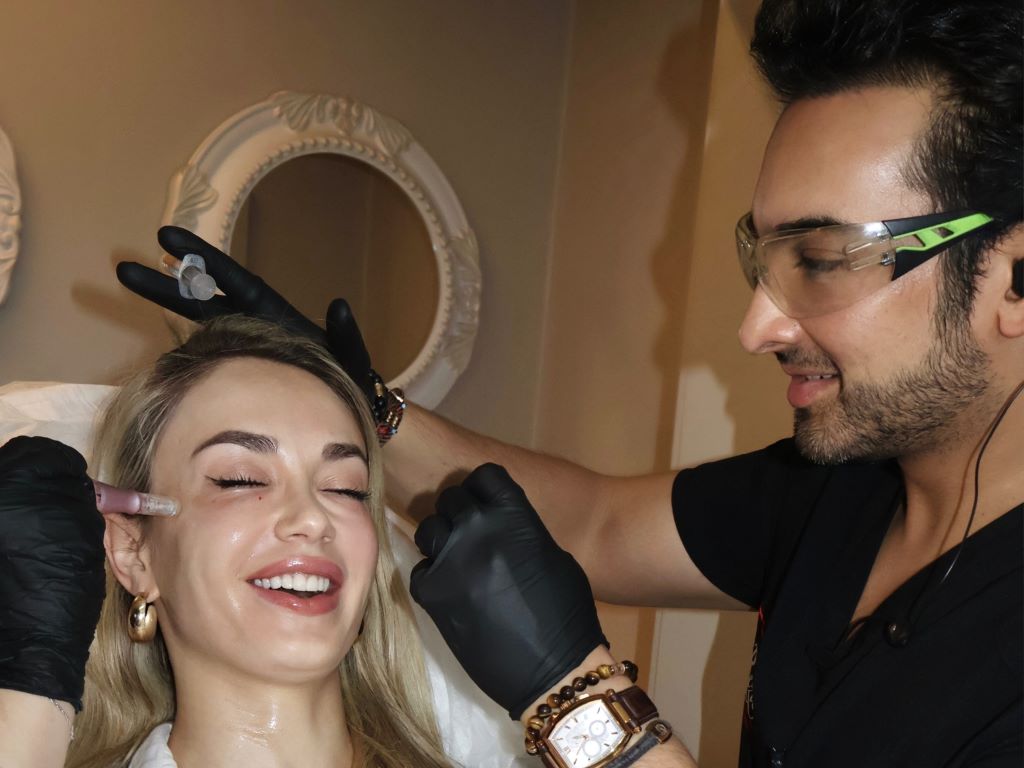
Move Over Fillers: Why SA Patients Are Choosing PRF Anti-aging Treatments

A major shift is underway in South Africa’s aesthetics industry, as cutting-edge platelet-rich fibrin (PRF) is quickly surpassing fillers or traditional platelet-rich plasma (PRP) therapy as the anti-ageing treatment of choice, delivering results that patients describe as “four times better” than its predecessor.

“Since introducing PRF into our practice, patients overwhelmingly choose it over PRP for skin rejuvenation and anti-ageing,” notes Dr Reza Mia, aesthetics expert at Anti-Aging Art in Johannesburg. “It means injecting a more potent concentrate with four times the cells to produce the results needed than previous alternatives, and subjectively, patients report it’s indeed four times better.”

A significant evolution from the once-popular “vampire facial”, PRF uses concentrated healing cells from the patient’s own blood to address an impressive range of concerns.

“When someone needs to improve their skin condition, stimulate hair growth, treat stretch marks and scarring, heal certain injuries or wounds, or even enhance intimate well-being with our P-shots and V-shots, PRF delivers some extraordinary results. For example, with our P-shots and V-shots, we’re seeing dramatic improvements in post-menopausal and post-pregnancy concerns among women, while men are achieving some enhancements in size, function, and performance,” he explains.

Turning platelets into a living filler

Through cutting-edge techniques, Dr Mia’s team turns the patient’s blood into a natural injectable filler with a blend of active cells and filler material, creating a gel-like substance. The filler is then injected back into the face or other areas where volume is needed, offering a compelling substitute for hyaluronic acid fillers, and a more powerful alternative to synthetic products. 

PRP’s shorter lifespan comes from the use of anticoagulants that prevent clotting and keep the platelets inactive until they are injected. These additives thin the solution, causing it to spread quickly in the body. As a result, the treatment has less time to work and build momentum.

Because anticoagulants can interfere with the regenerative properties of platelets, they aren’t used in PRF. Instead, PRF works with the body’s natural fibrin clotting process, creating a rich concentration of platelets, healing proteins, and repair signals that trigger tissue regeneration and collagen production – helping the skin recover and appear more youthful for longer.

“These platelets stay active for roughly three weeks, instead of the 12-hour window we see with PRP. The release is gradual and the platelets have more time to work in the body, so collagen and fibronectin production is stimulated for longer. This translates into thicker skin, steadier hair-growth cycles, and a noticeably longer glow. Our clinic further uses an advanced centrifuge protocol that can achieve more than four times the platelet count from a session with PRF, packing each vial with far greater regenerative potential.”

In practice, Anti-Aging Art uses PRF to revitalise and restore wherever the skin or hair needs a boost. It’s become a go-to for smoothing fine lines, strengthening hair follicles to fill in patchy beards and thinning crowns, and refreshing postpartum skin. “Many patients who switched from PRP to PRF report they healed faster and need fewer follow-up visits, making it a preferred option.”

The recovery time is also notably shorter. “With standard microneedling, patients remain red for two to three days. With PRF, they’re red for just a day – the platelets actually accelerate their healing.”

A non-surgical breast enhancement alternative

One of the most groundbreaking applications has been for non-surgical breast enhancement. “For patients who’ve removed their implants and now have tissue laxity, or those seeking natural enhancement without surgical implants, PRF filler is a game-changer. For breast enhancement, there really isn’t an alternative, with results lasting as long as six to 12 months.”

Because PRF is taken from the patient’s own blood and then allowed to thicken into a soft gel before injection, it acts like a natural cushion inside the breast. Once placed, the gel holds its shape for a few weeks, giving an immediate subtle lift. The platelets inside also continue to release growth signals that tell the body to lay down fresh collagen and create tiny new blood vessels, so the early fullness slowly turns into real, living tissue instead of fading away like normal swelling.

“Patients like that the injected material is completely theirs, with no risk of immune rejection, hard capsules or implant leaks, while routine mammograms remain easy for radiologists to read. Most women feel only mild bruising and heaviness for a day or two, and they’re back to normal within the week.

“There is some swelling over the first few days, so patients should plan treatments well before any special events. If you choose a top-up after a year, the new PRF simply layers onto existing tissue, giving a gentle, cumulative boost without stretching the skin unnaturally.”

Treatments start around the cost of a mid-range smartphone and vary based on the extent of the area treated. Results become visible quickly but continue to improve over time, developing over three to six months as collagen rebuilds, delivering significant value compared to multiple syringes of traditional fillers or surgical options.

However, Dr Mia cautions that PRF is powerful but not magical. “Regeneration has a biological ceiling. We can thicken skin, soften scars, and enhance breasts naturally, but PRF doesn’t replace surgical intervention for augmentation. PRF also isn’t appropriate for everyone – especially anyone with active cancer in the treatment area, since the growth factors could stimulate those cells.

“But for most patients seeking a rejuvenated, youthful appearance with that coveted ‘juicy’ glow, PRF delivers results that synthetic alternatives simply can’t match,” he concludes.

Building Better Cerebrospinal Fluid Shunts for the Brain

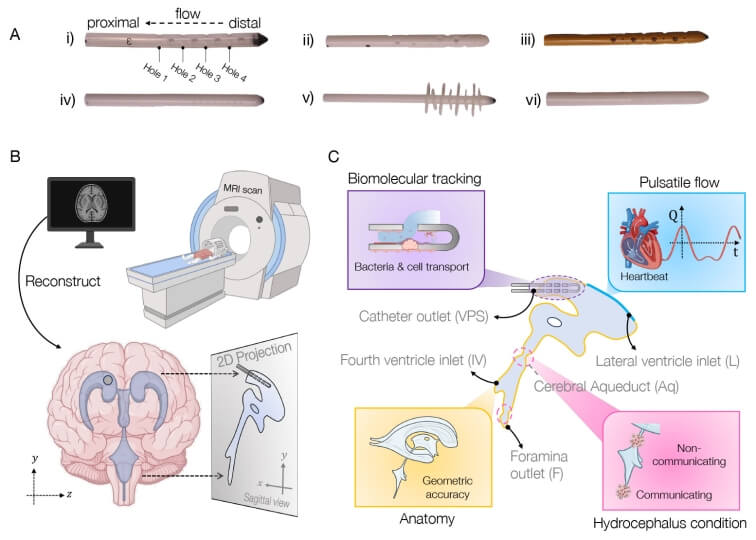
Schematic of approach to simulating brain shunt fluid dynamics. Credit: Harvard SEAS

Millions of people worldwide suffer from hydrocephalus, a condition which recently received greater attention when Billy Joel announced his diagnosis. Treatment usually involves surgical placement of shunts to divert cerebrospinal fluid away, but this procedure often leads to complications, infections, and multiple re-treatments.  

Bioengineers in the Harvard John A. Paulson School of Engineering and Applied Sciences (SEAS) have now developed a new computational model to aid the creation of shunts tailored to individual patients’ anatomy and needs. The model combines brain anatomy, fluid flow, and biomolecular transport dynamics to simulate shunt performance with pinpoint accuracy.

The work was supported by federal funding from the National Science Foundation and published in Proceedings of the National Academy of Sciences. It was led by SEAS postdoctoral fellow Haritosh Patel, who works in the labs of Joanna Aizenberg, Professor of Materials Science at SEAS and Professor of Chemistry and Chemical Biology; and Venkatesh Murthy, Professor of Molecular and Cellular Biology and Director of the Center for Brain Science.

Repeat surgeries due to infection or obstruction

Tens of thousands of shunt procedures are performed annually in the U.S. — many of which are repeat surgeries due to the inserted devices becoming blocked or obstructed, or the patient suffering an infection.

“Some elderly patients told me they had had over 10 surgeries — one every two to three years,” Patel said. “We really wanted to understand why this was happening, and we realised that many of these obstructions and infections were tied to shunt designs that didn’t fully consider fluid dynamics as a fundamental part of their geometry. We noticed that the tubing geometry used in shunts closely resembles the kind of piping we rely on in household plumbing. While that simplicity has its advantages, we saw an opportunity to explore more creative, biomimetic solutions that better suit the complexity of the brain’s environment.”

Pursuing the problem from both a material and design perspective, the team quickly realized there was no universally accepted fluid flow model for the brain ventricle space to guide them. “Okay, well, we can’t test our devices in a model, so why don’t we first make a better model?” Patel said.

Computational tool simulates fluid flow in brain

The result is their computational tool, called BrainFlow, which combines detailed anatomical and physiological features of the brain to simulate the flow of cerebrospinal fluid flow in the presence of shunt implants.

 The model incorporates patient-specific medical imaging data along with pulse-induced flow to mimic a patient’s cerebrospinal fluid dynamics, all to offer insight into optimal shunt design, placement, and even choice of materials.

“We believe that our model, combined with novel geometries and materials improvements such as anti-biofouling coatings developed in my lab, could lead to smoother integration of optimized, patient-specific medical devices into patients’ brains, with less likelihood of complications, and a better quality of life,” Aizenberg said.

The Harvard team is currently conducting studies that use the model to test different designs of shunts and calculate their efficacy.

Source: Harvard John A. Paulson School of Engineering and Applied Sciences

New Discovery Reveals Dopamine Operates with Surgical Precision

Neurotransmitters at a synapse. Credit: Scientific Animations CC4.0

A new study from the University of Colorado Anschutz Medical Campus has upended decades of neuroscience dogma by revealing that the neurotransmitter dopamine communicates in the brain with extraordinary precision – not broad diffusion as previously believed. This groundbreaking research offers fresh hope for millions of people living with dopamine-related disorders, marking a significant advance in the quest for precision-based neuroscience and medicine.

For years, scientists thought of dopamine as a kind of chemical “broadcast system,” flooding large areas of the brain to influence behaviour. But new research, published in Sciencefound that dopamine acts more like a finely-tuned postal service, delivering highly localised messages to specific nerve cell branches at exact moments in time.

“Our current research found that dopamine signaling and transmission in the brain is much more complex than we thought,” said Christopher Ford, PhD, professor at the University of Colorado School of Medicine and lead author. “We knew that dopamine plays a role in many different behaviours, and our work gives the beginning of a framework for understanding how all those different behaviours could all be regulated by dopamine.”

‘We are really only at the tip of the iceberg in trying to understand how dysfunctions in dopamine contribute to diseases like Parkinson’s disease, schizophrenia or addiction.’

– Christopher Ford, PhD

Using advanced microscopy techniques, researchers found that dopamine is released in concentrated hotspots which enable targeted, rapid responses in nearby brain cells, while broader signals activate slower, widespread effects. This dual signaling system allows dopamine to simultaneously fine-tune individual neural connections and orchestrate complex behaviours like movement, decision-making, and learning.

The implications are far-reaching: dopamine system dysfunction plays a central role in a wide range of brain disorders, including Parkinson’s disease, addiction, schizophrenia, ADHD and depression. Current treatments largely focus on restoring overall dopamine levels – but this research suggests that the precision of dopamine signalling may be just as crucial.

“We are really only at the tip of the iceberg in trying to understand how dysfunctions in dopamine contribute to diseases like Parkinson’s disease, schizophrenia or addiction,” said Ford. “More work is needed to grasp how these specific changes in dopamine signalling are affected in these different neurological and psychiatric diseases. The goal, of course, would then be to build on those findings to come up with new and improved treatments for those disorders.”

Source: University of Colorado Anschutz Medical Campus

A Surprise One-two Punch for a Universal Cancer Vaccine

Photo by Raghavendra V Konkathi on Unsplash

An experimental mRNA vaccine boosted the tumour-fighting effects of immunotherapy in a mouse-model study, bringing researchers one step closer to their goal of developing a universal vaccine to “wake up” the immune system against cancer.

Published in Nature Biomedical Engineering, the University of Florida study showed that like a one-two punch, pairing the test vaccine with common anticancer drugs called immune checkpoint inhibitors triggered a strong antitumor response.

A surprising element, researchers said, was that they achieved the promising results not by attacking a specific target protein expressed in the tumour, but by simply revving up the immune system — spurring it to respond as if fighting a virus. They did this by stimulating the expression of a protein called PD-L1 inside of tumours, making them more receptive to treatment. The research was supported by multiple federal agencies and foundations, including the National Institutes of Health.

Senior author Elias Sayour, MD, PhD, a UF Health paediatric oncologist, said the results reveal a potential new treatment path with broad implications for battling many types of treatment-resistant tumours.

“This paper describes a very unexpected and exciting observation: that even a vaccine not specific to any particular tumour or virus — so long as it is an mRNA vaccine — could lead to tumour-specific effects,” said Sayour, principal investigator at the RNA Engineering Laboratory within UF’s Preston A. Wells Jr. Center for Brain Tumor Therapy.

“This finding is a proof of concept that these vaccines potentially could be commercialised as universal cancer vaccines to sensitise the immune system against a patient’s individual tumour,” said Sayour, a McKnight Brain Institute investigator and co-leader of a program in immuno-oncology and microbiome research.

Until now, there have been two main ideas in cancer-vaccine development: To find a specific target expressed in many people with cancer, or to tailor a vaccine that is specific to targets expressed within a patient’s own cancer.

“This study suggests a third emerging paradigm,” said Duane Mitchell, M.D., Ph.D., a co-author of the paper. “What we found is by using a vaccine designed not to target cancer specifically but rather to stimulate a strong immunologic response, we could elicit a very strong anticancer reaction. And so this has significant potential to be broadly used across cancer patients — even possibly leading us to an off-the-shelf cancer vaccine.”

For more than eight years, Sayour has pioneered high-tech anticancer vaccines by combining lipid nanoparticles and mRNA. Short for messenger RNA, mRNA is found inside every cell — including tumor cells — and serves as a blueprint for protein production.

This new study builds upon a breakthrough last year by Sayour’s lab: In a first-ever human clinical trial, an mRNA vaccine quickly reprogrammed the immune system to attack glioblastoma, an aggressive brain tumor with a dismal prognosis. Among the most impressive findings in the four-patient trial was how quickly the new method — which used a “specific” or personalized vaccine made using a patient’s own tumor cells — spurred a vigorous immune-system response to reject the tumor.

In the latest study, Sayour’s research team adapted their technology to test a “generalized” mRNA vaccine — meaning it was not aimed at a specific virus or mutated cells of cancer but engineered simply to prompt a strong immune system response. The mRNA formulation was made similarly to the COVID-19 vaccines, rooted in similar technology, but wasn’t aimed directly at the well-known spike protein of COVID.

In mouse models of melanoma, the team saw promising results in normally treatment-resistant tumors when combining the mRNA formulation with a common immunotherapy drug called a PD-1 inhibitor, a type of monoclonal antibody that attempts to “educate” the immune system that a tumor is foreign, said Sayour, a professor in UF’s Lillian S. Wells Department of Neurosurgery and the Department of Pediatrics in the UF College of Medicine.

Taking the research a step further, in mouse models of skin, bone and brain cancers, the investigators found beneficial effects when testing a different mRNA formulation as a solo treatment. In some models, the tumors were eliminated entirely.

Sayour and colleagues observed that using an mRNA vaccine to activate immune responses seemingly unrelated to cancer could prompt T cells that weren’t working before to actually multiply and kill the cancer if the response spurred by the vaccine is strong enough.

Taken together, the study’s implications are striking, said Mitchell. “It could potentially be a universal way of waking up a patient’s own immune response to cancer,” Mitchell said. “And that would be profound if generalisable to human studies.”

The results, he said, show potential for a universal cancer vaccine that could activate the immune system and prime it to work in tandem with checkpoint inhibitor drugs to seize upon cancer—or in some cases, even work on its own to kill cancer.

The research team is now working to improve current formulations and move to human clinical trials as rapidly as possible.

Source: University of Florida Health

New Research Shines a Light into Dark Ages Medicine

Medieval manuscripts like the Cotton MS Vitellius C III highlight uses for herbs that reflect modern-day wellness trends. Image Credit: The British Library.

A new international research project has shown that Europe in the Dark Ages wasn’t in the dark when it came to medicine. The research, featuring faculty at Binghamton University, State University of New York reveals that people were developing health practices based on the best knowledge they had at the time – some of which mirror modern wellness trends.

“People were engaging with medicine on a much broader scale than had previously been thought,” said Meg Leja, an associate professor of history at Binghamton University who specialises in the political and cultural history of late antique and medieval Europe. “They were concerned about cures, they wanted to observe the natural world and jot down bits of information wherever they could in this period known as the ‘Dark Ages.’”

The Corpus of Early Medieval Latin Medicine (CEMLM), funded by the British Academy, has collected hundreds of medieval manuscripts containing medical material predating the 11th century. Countless manuscripts that have been left out of previous catalogs were included, nearly doubling the number of known medical manuscripts from the Dark Ages.

Some of the recipes resemble health hacks promoted by modern-day influencers, from topical ointments to detox cleanses. Have a headache? Crush the stone of a peach, mix it with rose oil and smear it on your forehead. It might sound odd, but one study published in 2017 showed that rose oil may actually help alleviate migraine pain.

Then there’s lizard shampoo, where you take pieces of lizard to help your hair become more luscious and flowing – or even to remove it, a modern-day parallel to waxing.

“A lot of things that you see in these manuscripts are actually being promoted online currently as alternative medicine, but they have been around for thousands of years,” said Leja.

Leja spent the last two years with the rest of the team preparing the new catalogue (which was just released online), reviewing manuscripts from throughout Europe, and editing and formatting the catalog. She had previously written about medieval medicine in her first book, Embodying the Soul: Medicine and Religion in Carolingian Europe.

Many of the writings were found within the margins of books totally unrelated to medicine—manuscripts on grammar, theology, poetry , etc. Leja said that this speaks to a preoccupation with the body’s health and figuring out ways to control it.

“It’s true that we do lack a lot of sources for the period. In that sense, it is ‘dark.’ But not in terms of any kind of ‘anti-science’ attitudes—people in the early Middle Ages were quite into science, into observation, into figuring out the utility of different natural substances, and trying to identify patterns and make predictions” said Leja.

The research team will continue to update the catalogue with new manuscripts and are working on new editions and translations of medical texts that could be used in teaching. Leja noted that while previously catalogues focused on texts from well-known authorities like Hippocrates, this isn’t necessarily material that people in the Dark Ages would have prioritised, and a more comprehensive catalogue will allow historians to show medicine in its fullness.

The Corpus of Early Medieval Latin Medicine (CEMLM) is available online, produced by team members from Binghamton, Fordham, St. Andrews, Utrecht, and Oslo.

Source: Binghamton University

Music May Reduce Distress for Dementia Patients

Research finds music therapy could be used on NHS wards as an alternative to medication

Photo by Sergio Capuzzimati on Unsplash

A new treatment that uses music therapy on dementia wards could improve care and support for some of the NHS’s most vulnerable patients.

Researchers at Anglia Ruskin University (ARU) and Cambridgeshire and Peterborough NHS Foundation Trust have piloted a music therapy approach called MELODIC, across two NHS dementia wards.

More alternatives to psychotropic medication are needed to support dementia patients who experience severe distress.

The pilot study involved a music therapist being embedded on hospital wards, the delivery of clinical music sessions and the implementation of musical care plans for each patient, and results from the research have been published in Frontiers of Psychiatry.

Music therapy, delivered by trained therapists, can include singing, playing or listening to music. The therapist can also identify specific ways that music can be used by families and carers in an individual’s daily care routine.

During the study, patient data suggested a slight improvement in quality-of-life scores among patients and a reduction in the severity of distress symptoms and disruptiveness, although agitation scores increased slightly.

There were no increases in routinely reported incidents, and no adverse events related to music therapy interventions were reported. This is relevant for future research on mental health dementia wards where limited studies have been conducted to date.

“People with dementia on inpatient mental health wards are often experiencing very high levels of distress, and staff are under immense pressure to manage this in ways that are safe and compassionate.

“Our study yielded promising results and importantly showed that the MELODIC tool can be used effectively in these highly complex settings, giving an alternative option to current ways of managing severe distress, such as psychotropic medication.”Lead author Naomi Thompson, a researcher at ARU’s Cambridge Institute for Music Therapy Research

The approach was shaped by interviews with 49 healthcare professionals, patients, and their families about their experiences managing distress on dementia wards and using music in everyday care and life to help develop the intervention. Results were published in the Journal of Geriatric Psychiatry.

Importantly, the intervention, co-designed by clinicians, researchers, and people with lived experience, cost just £2025 per month for the therapist and £400 initial outlay for equipment, suggesting a low-cost, scalable model.

“Some people with dementia can get so confused and distressed that we need to admit them to hospital to keep them safe. It can be difficult to manage distress in a ward environment and hard for patients, families and staff.

“I am very excited that it may now be possible for NHS staff to improve their experience on dementia wards using the power of music, and we look forward to working with ARU to develop this further.”

Dr Ben Underwood, Research and Development Director and Honorary Consultant Psychiatrist at CPFT

Source: Anglia Ruskin University

Yoga, Tai Chi, Walking and Jogging Are Best Exercises for Insomnia

Findings back use of exercise as primary treatment strategy for poor sleep, say researchers

Photo by Mikhail Nilov

Yoga, Tai Chi, walking and jogging may be the best forms of exercise to improve sleep quality and ease insomnia, suggest the findings of a comparative pooled data analysis published in the online journal BMJ Evidence Based Medicine.

The findings back the use of exercise as a primary treatment strategy for poor sleep patterns, say the researchers.

Characterised by difficulties falling and staying asleep, and early morning awakening, the prevalence of insomnia ranges from 4-22%, note the researchers. It is associated with heightened risks of various mental and physical health conditions, including dementia and cardiovascular disease.

Drug treatments for insomnia are not without their side effects, and cognitive behavioural therapy (CBT), while effective, isn’t always available due to the shortage of trained therapists, explain the researchers.

An emerging body of research suggests that exercise is helpful, but current guidelines don’t specify which types of exercise might be most beneficial. The researchers therefore set out to plug this knowledge gap, with a view to informing clinical practice and helping patients choose the most appropriate exercise for managing their insomnia.

They scoured research databases looking for relevant randomised clinical trials published up to April 2025 and included 22 in a network meta analysis—a statistical technique used to simultaneously compare multiple interventions.

The trials involved 1348 participants and 13 different treatment approaches to ease insomnia, seven of which were exercise based: yoga; Tai Chi; walking or jogging; aerobic plus strength exercise; strength training alone; aerobic exercise combined with therapy; and mixed aerobic exercises. These programmes ranged from 4 up to 26 weeks in length.

The other approaches included CBT; sleep hygiene; Ayurveda; acupuncture/massage; nothing; and existing treatment, such as usual care and/or lifestyle changes, the durations of which ranged from 6 to 26 weeks.

Validated scoring systems for sleep quality and insomnia severity—PSQI and the ISI45—as well as subjective and objective measures of total sleep time, sleep efficiency (percentage of time spent asleep while in bed), number of awakenings after going to sleep, and time taken to fall asleep (sleep latency) were used to assess sleep patterns.

Compared with existing treatment, CBT is likely to result in a large increase in total sleep time based on subjective sleep diary data. It may also improve sleep efficiency, and shorten the amount of time spent awake after falling asleep as well as sleep latency, with sustained improvements, the findings suggest.

But some of the exercise-based interventions also seemed to be effective, when compared with existing treatment.

Yoga likely results in a large increase in total sleep time of nearly 2 hours and may improve sleep efficiency by nearly 15%. It may also reduce the amount of time spent awake after falling asleep by nearly an hour, and shorten sleep latency by around half an hour.

Walking or jogging may result in a large reduction in insomnia severity of nearly 10 points, while Tai Chi may reduce poor sleep quality scores by more than 4 points, increase total sleep time by more than 50 minutes, and reduce time spent awake after falling asleep by over half an hour. It may also shorten sleep latency by around 25 minutes.

Further in-depth analyses revealed that Tai Chi performed significantly better on all subjectively and objectively assessed outcomes than existing treatments for up to 2 years.

There are potentially plausible biological explanations for the findings, say the researchers.

With its focus on body awareness, controlled breathing, and attentional training, yoga may alter brain activity, thereby alleviating anxiety and depressive symptoms which often interfere with a good night’s sleep, they suggest.

Tai Chi emphasises breath control and physical relaxation and has been shown to decrease  sympathetic nervous system activity, dampening down hyperarousal, they add. And its combination of meditative movement and mindfulness may promote emotional regulation, deactivate ‘mental chatter’, and reduce anxiety. It may also help to curb the production of inflammatory chemicals over longer periods, they suggest.

Walking or jogging may improve sleep by increasing energy expenditure, curbing cortisol production, improving emotional regulation, boosting secretion of the sleep hormone melatonin, and enhancing the amount of deep sleep, they continue.

The researchers acknowledge that 15 (68%) of the included trials contained design and methodological flaws. And there were no standardised, quantifiable metrics for the frequency or intensity of exercise interventions, while the sample sizes of some of the studies were small.

Nevertheless, they conclude: “The findings of this study further underscore the therapeutic potential of exercise interventions in the treatment of insomnia, suggesting that their role may extend beyond adjunctive support to serve as viable primary treatment options.

“Although current clinical guidelines make only limited mention of exercise, this study provides relatively comprehensive comparative evidence that may inform the development of more specific and actionable clinical recommendations.

“Given the advantages of exercise modalities such as yoga, Tai Chi, and walking or jogging—including low cost, minimal side effects, and high accessibility—these interventions are well-suited for integration into primary care and community health programmes.”

And there may well be one type of exercise that is best suited to easing a particular symptom of insomnia, they suggest, which further research may clarify.

Source: BMJ Group