Female hormones can suppress pain by making immune cells near the spinal cord produce opioids, a new study from researchers at UC San Francisco has found. This stops pain signals before they get to the brain.
The discovery could help with developing new treatments for chronic pain. It may explain why some painkillers work better for women than men and why postmenopausal women, whose bodies produce less of the key hormones oestrogen and progesterone, experience more pain.
The work reveals an entirely new role for T regulatory immune cells (T-regs), which are known for their ability to reduce inflammation.
“The fact that there’s a sex-dependent influence on these cells – driven by oestrogen and progesterone – and that it’s not related at all to any immune function is very unusual,” said Elora Midavaine, PhD, a postdoctoral fellow and first author of the study, which appears in Science.
The researchers looked at T-regs in the protective layers that encase the brain and spinal cord in mice. Until now, scientists thought these tissue layers, called the meninges, only served to protect the central nervous system and eliminate waste. T-regs were only discovered there in recent years.
“What we are showing now is that the immune system actually uses the meninges to communicate with distant neurons that detect sensation on the skin,” said Sakeen Kashem, MD, PhD, an assistant professor of dermatology. “This is something we hadn’t known before.”
That communication begins when a neuron, often near the skin, receives a stimulus and sends a signal to the spinal cord.
The team found that the meninges surrounding the lower part of the spinal cord harbour an abundance of T-regs. To learn what their function was, the researchers knocked the cells out with a toxin.
The effect was striking: Without the T-regs, female mice became more sensitive to pain, while male mice did not. This sex-specific difference suggested that female mice rely more on T-regs to manage pain.
“It was both fascinating and puzzling,” said Kashem, who co-led the study with Allan Basbaum, PhD. “It actually made me sceptical initially.”
Further experiments revealed a relationship between T-regs and female hormones that no one had seen before: Estrogen and progesterone were prompting the cells to churn out enkephalin, a naturally occurring opioid.
Exactly how the hormones do this is a question the team hopes to answer in a future study. But even without that understanding, the awareness of this sex-dependent pathway is likely to lead to much-needed new approaches for treating pain.
In the short run, it may help physicians choose medications that could be more effective for a patient, depending on their sex. Certain migraine treatments, for example, are known to work better on women than men.
This could be particularly helpful for women who have gone through menopause and no longer produce oestrogen and progesterone, many of whom experience chronic pain.
The researchers have begun looking into the possibility of engineering T-regs to produce enkephalin on a constant basis in both men and women.
Photo by Mikhail Nilov: https://www.pexels.com/photo/paramedics-using-a-defibrillator-on-a-patient-8942635/
Patients who receive an add-on medication soon after a heart attack have a significantly better prognosis than those who receive it later, or not at all. These are the findings of a new study from researchers at Lund University in Sweden and Imperial College London.
Their analysis suggests that treating patients earlier with a combination of statins and the cholesterol-lowering drug ezetimibe could prevent thousands of new heart attacks in the UK over a decade.
Cardiovascular disease is by far the most common cause of death worldwide, with heart attack (‘myocardial infarction’) being the most common acute event.
For those who survive a heart attack, the risk of a new heart attack is greatest in the first year after the initial event because the blood vessels are more sensitive, making it easier for blood clots to develop.
Our findings suggest that a simple change in treatment guidelines could have a huge impact on patients and reduce the demand on the NHS.
Professor Kausik Ray, School of Public Health
Reducing LDL or “bad” cholesterol in the blood can stabilise changes in the vessels, decreasing the risk for new events.
The current treatment guidelines for patients are high-potency statins immediately after a heart attack, to lower their cholesterol levels.
However, the majority of patients do not reach recommended cholesterol levels using only statins, and so need an add-on treatment, such as ezetimibe.
“Today’s guidelines recommend stepwise addition of lipid-lowering treatment. But it’s often the case that this escalation takes too long, it’s ineffective and patients are lost to follow-up,” says Margrét Leósdóttir, Associate Professor at Lund University and senior cardiology consultant at Skåne University Hospital in Malmö, Sweden. “By giving patients a combination treatment earlier, we could help to prevent many more heart attacks.”
Co-investigator Professor Kausik Ray, from Imperial College London’s School of Public Health, said: “This study shows that we could save lives and reduce further heart attacks by giving patients a combination of two low-cost drugs.
“But at the moment patients across the world aren’t receiving these drugs together. That’s causing unnecessary and avoidable heart attacks and deaths – and also places unnecessary costs on healthcare systems.
“Our study shows the way forward; care pathways must now change for patients after this type of heart event.”
Reducing heart attacks
In the latest study, the international team examined outcomes for heart attack patients if they received a combination of statins with the add-on therapy ezetimibe (within 12 weeks after a heart attack), statins with ezetimibe added later (between 13 weeks and 16 months), or just statins with no ezetimibe at all.
Based on Swedish registry data from 36 000 patients who had a heart attack between 2015 and 2022, the researchers used advanced statistical models to emulate a clinical trial.
The results show that patients who received a combination treatment of statins and ezetimibe within 12 weeks of a heart attack and were able to lower cholesterol to the target level early, had a better prognosis and less risk of new cardiovascular events and death than those who received the add-on treatment later, or not at all.
From the analysis, the researchers believe many new heart attacks, strokes and deaths could be prevented every year internationally if the treatment strategy were to be changed.
Under a scenario in which 100% of patients would receive ezetimibe early, they estimate 133 heart attacks could be avoided in a population of 10 000 patients in 3 years.
The researchers suggest that in the UK, which records an estimated 100 000 hospital admissions from heart attacks a year,[1] this would equate to an estimated 5000 heart attacks being prevented over a ten year period.[2]
Improving guidance
Dr Leósdóttir said: “Combination therapy is not applied up-front for two main reasons. General recommendations are not included in today’s guidelines and a precautionary principle is applied to avoid side effects and overmedication.
However, there are positive effects from applying both medicines as soon after the infarction as possible. Not doing this entails an increased risk. In addition, the drug we have examined in the study causes few side effects and is readily available and inexpensive in many countries.”
Margrét Leósdóttir hopes that the research results will in time provide support for changes in the recommendations. A treatment algorithm has already been introduced at her hospital in Sweden to help doctors to prescribe appropriate lipid-lowering treatment for patients who have had a myocardial infarction.
It has been noted that patients achieve their treatment goals earlier and two months after the infarction twice as many patients have reduced their bad cholesterol to the target level, compared with previously.
“Several other hospitals in Sweden have also adopted the algorithm and there are similar examples from other countries that have produced as good results. My hope is that even more will review their procedures, so that more patients will get the right treatment in time, and we can thereby prevent unnecessary suffering and save lives.”
In a move that will come as a relief for the hundreds of unemployed doctors currently seeking positions within public healthcare, the Department of Health has announced the creation of 1650 new positions for healthcare professionals. The move includes 1200 new positions for doctors – but only 200 for nurses.
Health Minister Dr Aaron Motsoaledi made the announcement at a media briefing on Thursday 10 April.
“We believe we’re in a position to announce today that the council has approved the advertisement of 1200 jobs for doctors, 200 for nurses and 250 for other healthcare professionals,” Motsoaledi stated. This would come with a cost of R1.78 billion – out of a healthcare budget that has not risen in line with inflation.
Jobless doctors picketed earlier this year as more than 1800 were left in limbo without positions – the true number is likely higher. The South African Medical Association (SAMA) had sent an urgent letter to President Cyril Ramaphosa, warning that if the problem was not addressed, doctors would leave for the private sector or emigrate, leading to the collapse of the public healthcare sector.
The road to specialisation had also been made more challenging by the shortage of positions, with junior doctors have been taking unpaid roles. Such unpaid work does not count toward the registrar component of specialisation and largely only serves to bump up the doctor’s CV by, for example, enabling them to apply for diplomas. Hiring freezes also saw GPs unable to move into government positions, and the limited number of registrar positions has also by some accounts become a bottleneck, with no additional registrar positions added for the past 10–15 years.
Regarding the loss of US funding for HIV programmes, he said that there was a buffer of stock for ARVS, and that “no person needing ARVs would lack” those drugs.
But the small number of new nurse positions was not well received. The Democratic Nursing Organisation of South Africa (DENOSA) was particularly unimpressed given the pressure on overburdened nurses.
DENOSA spokesperson Sonia Mabunda-Kaziboni said, “In the face of a nationwide crisis of nurse shortages, this announcement is not only shockingly inadequate but downright insulting to the nursing fraternity.”
Calling it a “slap in the face”, she continued: “The shortage of nurses in South Africa is nothing short of a devastating crisis. The Free State alone faces a 28% vacancy rate, and similar figures are reflected in other provinces such as the Eastern Cape. National projections estimate that South Africa could be short by over 100 000 nurses by 2030 if urgent interventions are not made.”
DENOSA plans to “name and shame” institutions that have become “dangerous to communities” as a result of unresolved poor conditions.
According to a study published by Nature Metabolism, marathon runners experience reversible changes in their brain myelin. These findings indicate that myelin exhibits previously unknown behaviour, which contributes towards the brain’s energy metabolism when other sources of energy are running low. Understanding how myelin in the runners recovers quickly may provide clues for developing treatments for demyelinating diseases such as multiple sclerosis.
Exercise for a long period of time forces the human body to resort to its energy reserves. When running a marathon, for example, the body mainly consumes carbohydrates, such as glycogen, as a source of energy, but it resorts to fats when the glycogen in the muscles is used up. Myelin, which surrounds neurons in the brain and acts as an electrical insulator, mainly comprises lipids, and previous research in rodents suggests that these lipids can act as an energy reserve in extreme metabolic conditions.
A study conducted by researchers from the UPV/EHU, CIC biomaGUNE and IIS Biobizkaia shows that people who run a marathon experience a decrease in the amount of myelin in certain regions of the brain. According to the study, this effect is completely reversed two months after the marathon.
Carlos Matute, Professor of Anatomy and Human Embriology at the UPV/EHU and a researcher at IIS Biobizkaia, and Pedro Ramos-Cabrer, Ikerbasque Research Professor at CIC biomaGUNE, together with Alberto Cabrera-Zubizarreta, radiologist at HT Médica, used magnetic resonance imaging to obtain images of the brains of ten marathon runners (eight men and two women) before and 48 hours after the 42-kilometre race. Likewise, the researchers took images of the brains of two of the runners two weeks after the race, and of six runners two months after the race as a follow-up.
By measuring the fraction of myelin water in the brain – an indirect indicator of the amount of myelin – the authors discovered “a reduction in the myelin content in 12 areas of white matter in the brain, which are related to motor coordination and sensory and emotional integration”, explained Carlos Matute. Two weeks later, “the myelin concentrations had increased substantially, but had not yet reached pre-race levels”, added Pedro Ramos. The authors saw that the myelin content had recovered fully two months after the marathon.
Myelin, the brain’s fuel
The researchers concluded that “myelin seems to act as an energy source when other brain nutrients are depleted during endurance exercise, and that further research is needed to establish how extreme exercise is related to the amount of myelin in the brain. Trials in a larger cohort are needed”, said Ramos-Cabrer.
This study reveals that “brain energy metabolism is more complex than previously thought. The use of myelin as brain fuel opens up new insights into the brain’s energy requirements”, explained Matute. Furthermore, according to the authors, more studies are needed to assess whether these changes exert any effect on the neurophysiological and cognitive functions associated with these regions, but they point out that most of the myelin in the brain is not affected.
The results of this work break new ground in the energy role of healthy, aging and diseased myelin in the brain. “Understanding how the myelin in the runners recovers quickly may provide clues for developing treatments for demyelinating diseases, such as multiple sclerosis, in which the disappearance of myelin and, therefore, of its energy contribution, facilitates structural damage and degeneration,” said Matute. At the same time, the researchers are keen to stress that running marathons is not harmful for the brain; “on the contrary, the use and replacement of myelin as an energy reserve is beneficial because this exercises the brain’s metabolic machinery”.
A new study from researchers at the George Washington University has found that certain bacteria living in the nose may influence how likely someone is to get a COVID-19 infection. Published in EBioMedicine, the research reveals that certain types of nasal bacteria can affect the levels of key proteins the virus needs to enter human cells, offering new insight into why some people are more vulnerable to COVID-19 than others.
“We’ve known that the virus SARS-CoV-2 enters the body through the respiratory tract, with the nose being a key entry point. What’s new – and surprising – is that bacteria in our noses can influence the levels of proteins that the virus uses to infect cells,” said Cindy Liu, associate professor of environmental and occupational health at the GW Milken Institute School of Public Health.
In the study, Liu and her team analysed nasal swab samples from over 450 people, including some who later tested positive for COVID-19. They found that those who became infected had higher levels of gene expression for two key proteins: ACE2 and TMPRSS2. ACE2 allows the virus to enter nasal cells, while TMPRSS2 helps activate the virus by cleaving its spike protein.
Those with high expression for these proteins were more than three times as likely to test positive for COVID-19, while those with moderate levels had double the risk. The study also found that people who became infected had more unstable levels of gene expression, with the sharpest increases just days before testing positive, suggesting rising expression levels may signal increased vulnerability to the virus.
Notably, while women generally had higher gene expression levels of these proteins – consistent with previous studies showing higher COVID-19 infection rates in women – men with higher levels were more likely to get infected, indicating elevated protein levels may present a greater risk for men.
Nasal Bacteria May Play a Role in COVID-19 Risk
To understand what could impact the expression levels of these viral entry proteins, the researchers turned to the nasal microbiome – the diverse community of bacteria that naturally reside in the nose. They found that certain nasal bacteria may affect the expression levels of ACE2 and TMPRSS2, influencing the respiratory tract’s susceptibility to COVID-19.
The study identified three common nasal bacteria – Staphylococcus aureus, Haemophilus influenzae, and Moraxella catarrhalis/nonliquefaciens – that were linked to higher expression levels of ACE2 and TMPRSS2 and increased COVID-19 risk. On the other hand, Dolosigranulum pigrum, another common type of nasal bacteria, was connected to lower levels of these key proteins and may offer some protection against the virus.
“Some bacteria in your nose may be setting the stage – or even holding the door open – for viruses like SARS-CoV-2 to get in,” said Daniel. Park, a senior research scientist at GW and the first author of the study.
While some of the high-risk bacteria were less common, 20% of participants carried enough S. aureus to nearly double their risk for having elevated ACE2 and TMPRSS2 expression, making it a major nasal microbiome risk factor for increasing individuals’ risk for COVID-19 infection.
Why This Matters
The findings offer new potential ways to predict and prevent COVID-19 infection. The study suggests that monitoring ACE2 and TMPRSS2 gene expression could help identify individuals at higher risk for infection. The research also highlights the potential of targeting the nasal microbiome to help prevent viral infections.
“We’re only beginning to understand the complex relationship between the nasal microbiome and our health,” said Liu. “This study suggests that the bacteria in our nose – and how they interact with the cells and immune system in our nasal cavity – could play an important role in determining our risk for respiratory infections like COVID-19.”
The team plans to explore whether modifying the nasal microbiome, such as through nasal sprays or live biotherapeutics, could reduce the risk of infection – potentially paving the way for new ways to prevent respiratory viral infections in future pandemics.
Patients prescribed medicinal cannabis in Australia maintained improvements in overall health-related quality of life (HRQL), fatigue, and sleep disturbance across a one-year period, according to a study published April 2, 2025, in the open-access journal PLOS One by Margaret-Ann Tait from The University of Sydney, Australia, and colleagues. Anxiety, depression, insomnia, and pain also improved over time for those with corresponding health conditions.
Research into the therapeutic benefits of medicinal cannabis has increased since the discovery of the analgesic properties in cannabis plant compounds. In 2016, advocacy groups lobbied the Australian government to bring about legislation changes that allow patients who were not responding to conventional treatment to access medicinal cannabis with a prescription from clinicians. More than one million new patients in Australia have received medicinal cannabis prescriptions for more than 200 health conditions.
A multicenter prospective study called the QUEST initiative (QUality of life Evaluation STudy) recruited adult patients with any chronic health condition newly prescribed medicinal cannabis oil between November 2020 and December 2021. Tait and colleagues gathered 12-month follow-up data to determine if previously reported improvements at three months would be maintained long-term. Of 2744 consenting participants who completed baseline assessments, 2353 also completed at least one follow-up questionnaire and were included in analyses, with completion rates declining to 778/2353 (38%) at 12 months. Participants with clinician-diagnosed conditions completed questionnaires covering condition-specific symptoms, and HRQL, which encompasses physical, emotional, social, and cognitive function, as well as bodily discomfort.
The researchers found that short-term improvements in overall HRQL reported at three months were maintained over a 12-month period in patients prescribed medicinal cannabis in Australia. People with chronic health conditions reported improvements in fatigue, pain, and sleep. Patients with anxiety, depression, insomnia, or chronic pain diagnoses also showed improvements in condition-specific symptoms over 12 months. Patients treated for generalized anxiety, chronic pain, insomnia, and PTSD all showed improvements in HRQL. Participants with movement disorders had improved HRQL but no significant improvements in upper extremity function scores.
The study was large enough to assess patients across a wide range of chronic conditions and socio-demographics in a real-world setting. However, without a control group, it was not possible to confidently attribute changes over time to medicinal cannabis.
Despite this limitation, the results suggest that prescribing medicinal cannabis to patients with chronic health conditions may improve pain, fatigue, insomnia, anxiety, and depression and overall HRQL. The findings also suggest that any improvements would be apparent quickly and maintained long-term. According to the authors, the results from this study contribute to the emerging evidence base to inform decision making both in clinical practice and at the policy level.
The authors add: “This is promising news for patients who are not responding to conventional medicines for these conditions.”
Researchers at Nagoya University Graduate School of Medicine has discovered that using “a unique sound stimulation technology” – a device that stimulates the inner ear with a specific wavelength of sound – reduces motion sickness. Even a single minute of stimulation reduced the staggering and discomfort felt by people that read in a moving vehicle. The results, published in Environmental Health and Preventive Medicine, suggest a simple and effective way to treat this common disorder.
“Our study demonstrated that short-term stimulation using a unique sound called ‘sound spice®’ alleviates symptoms of motion sickness, such as nausea and dizziness,” said study leader Takumi Kagawa. “The effective sound level falls within the range of everyday environmental noise exposure, suggesting that the sound technology is both effective and safe.”
The discovery is an important expansion of recent findings about sound and its effect on the inner ear. Increasing evidence has suggested that stimulating the part of the inner ear associated with balance using a unique sound can potentially improve balance. Using a mouse model and humans, the researchers identified a unique sound at 100Hz as being the optimal frequency.
“Vibrations at the unique sound stimulate the otolithic organs in the inner ear, which detect linear acceleration and gravity,” study leader Masashi Kato explained. “This suggests that a unique sound stimulation can broadly activate the vestibular system, which is responsible for maintaining balance and spatial orientation.”
To test the effectiveness of the devices, they recruited voluntary participants who were exposed to the unique sound. Following the stimulation, motion sickness was induced by a swing, a driving simulator, or riding in a car. The researchers used postural control, ECG readings, and Motion Sickness Assessment Questionnaire results to assess the effectiveness of the stimulation.
Exposure to the unique sound before being exposed to the driving simulator enhanced sympathetic nerve activation. The researchers found symptoms such as “lightheadedness” and “nausea,” which are often seen with motion sickness, were alleviated.
“These results suggest that activation of sympathetic nerves, which are often dysregulated in motion sickness, was objectively improved by the unique sound exposure,” Kato said.
“The health risk of short-term exposure to our unique sound is minimal,” Kagawa said. “Given that the stimulus level is well below workplace noise safety standards, this stimulation is expected to be safe when used properly.”
Their results suggest a safe and effective way to improve motion sickness, potentially offering help to millions of sufferers. The researchers plan to further develop the technology with the aim of practical application for a variety of travel situations including air and sea travel.
Antibiotic resistance tends to stabilise over time, according to a study published April 3, 2025 in the open-access journal PLOS Pathogens by Sonja Lehtinen from the University of Lausanne, Switzerland, and colleagues.
Antibiotic resistance is a major public health concern, contributing to an estimated 5 million deaths per year. Understanding long-term resistance patterns could help public health researchers to monitor and characterise drug resistance as well as inform the impact of interventions on resistance.
In this study, researchers analysed drug resistance in more than 3 million bacterial samples collected across 30 countries in Europe from 1998 to 2019. Samples encompassed eight bacteria species important to public health, including Streptococcus pneumoniae, Staphylococcus aureus, Escherichia coli, and Klebsiella pneumoniae.
They found that while antibiotic resistance initially rises in response to antibiotic use, it does not rise indefinitely. Instead, resistance rates reached an equilibrium over the 20-year period in most species. Antibiotic use contributed to how quickly resistance levels stabilised as well as variability in resistance rates across different countries. But the association between changes in drug resistance and antibiotic use was weak, suggesting that additional, yet unknown, factors are at play.
The study highlights that continued increase in antibiotic resistance is not inevitable and provides new insights to help researchers monitor drug resistance.
Senior author Francois Blanquart notes: “When we looked into the dynamics of antibiotic resistance in many important bacterial pathogens all over Europe and in the last few decades, we often found that resistance frequency initially increases and then stabilises to an intermediate level. The consumption of the antibiotic in the country explained both the speed of initial increase and the level of stabilisation.”
Senior author Sonja Lehtinen summarises: “In this study, we were interested in whether antibiotic resistance frequencies in Europe were systematically increasing over the long-term. Instead, we find a pattern where, after an initial increase, resistance frequencies tend to reach a stable plateau.”
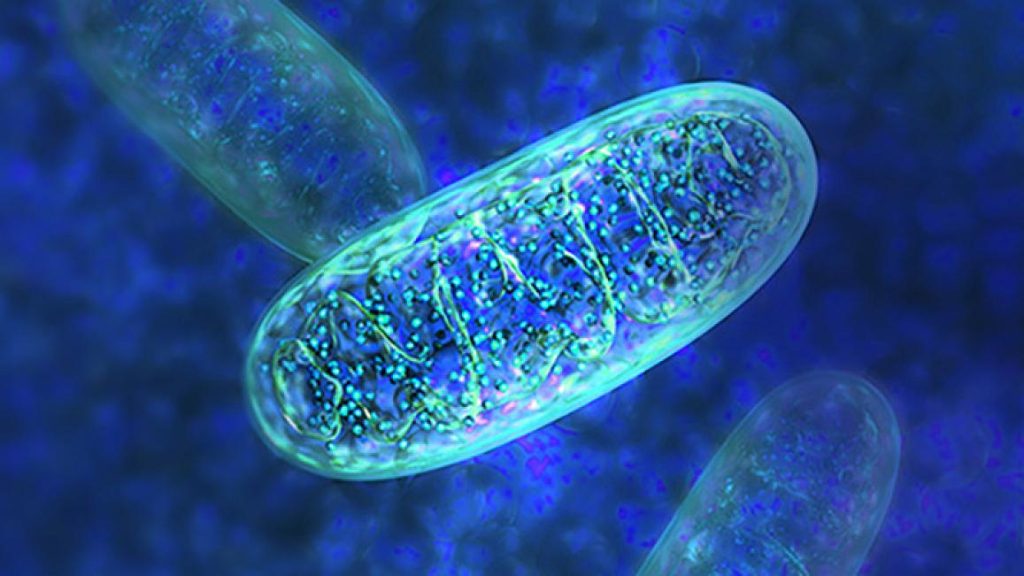
A medical breakthrough could result in the first treatment for rare but serious diseases in which genetic defects disrupt cellular energy production. Researchers at the University of Gothenburg have identified a molecule that helps more mitochondria function properly.
Mitochondrial diseases caused by POLG mutations vary in severity. In young children, these diseases can quickly result in brain damage and life-threatening liver problems while others suffer muscle weakness, epilepsy, and organ failure later in childhood. POLG mutations recently received media attention when Prince Frederik of Nassau in Luxembourg died in March 2025 at just 22 years of age.
The POLG gene regulates the production of DNA polymerase gamma, an enzyme that copies mitochondrial DNA. Without it, the mitochondria cannot function normally and, as a result, fail to provide the cell with energy.
A breakthrough
Maria Falkenberg and Claes Gustafsson, professors at Sahlgrenska Academy at the University of Gothenburg, have led the work behind the study now being published in the journal Nature.
“We demonstrate that the molecule PZL-A can restore the function of mutated DNA polymerase gamma and improve the synthesis of mitochondrial DNA in cells from patients. This improves the ability of the mitochondria to provide the cell with energy,” says Maria Falkenberg.
“This is a breakthrough as for the first time we can demonstrate that a small molecule can help improve the function of defective DNA polymerase. Our results pave the way for a completely new treatment strategy,” says Claes Gustafsson.
From lab to medication
More than twenty years of basic research led to the discovery of PZL-A. The molecule was identified following the analysis of hundreds of chemical compounds in collaboration with Pretzel Therapeutics, where another one of the lead authors of the study, Simon Giroux, has led the chemical development of the molecule. So far, the molecule has been studied in cells from patients as well as in animal models.
Sebastian Valenzuela, a doctoral student at Sahlgrenska Academy, has analysed the molecule’s structure, including by means of cryo-electron microscopy.
“We demonstrate exactly where the molecule binds, between two separate chains of the enzyme. The binding site is extremely specific, which helps us understand how the enzyme works and how we can influence it,” says Sebastian Valenzuela, first author of the study.
Pretzel Therapeutics has just embarked on phase I studies with a refined version of the molecule in order to test its safety on healthy volunteers. Since a lack of mitochondrial DNA is also seen in other mitochondrial, age-related, and neurodegenerative diseases, substances similar to PZL-A may gain broader therapeutic use.
The cancellation of PEPFAR funding to South Africa could cause between 150 000 and 295 000 additional HIV infections by the end of 2028. This is unless the South African government covers some of the defunded services.
These are the preliminary findings of a new modelling study commissioned by the National Health Department to look into the impact of PEPFAR funding cuts in South Africa. It was authored by researchers at the University of Cape Town (UCT) and University of the Witwatersrand (WITS). PEPFAR is a multi-billion dollar US initiative that supports HIV-related services globally, but which has been significantly slashed by the Trump administration since February.
The research on South Africa comes at the same time that a separate modelling study was published in The Lancet which found that the discontinuation of PEPFAR could cause an additional 1-million HIV infections among children in sub-Saharan Africa by 2030. This would lead to the deaths of about 500 000 children according to the study, while over 2-million others would be left orphaned.
On 20 January, newly-elected US president Donald Trump issued an executive order which suspended virtually all US foreign development assistance for 90 days pending a review. As a result, US-backed aid programmes were brought to a standstill across the world, including in South Africa. While a waiver was published which supposedly allowed some PEPFAR-related activities to continue, this had a limited effect in practice.
Since then, some US grants have resumed, while others have been cancelled. The value of all terminated grants comes to tens of billions of dollars globally. In South Africa, numerous awards have been cancelled from PEPFAR, which had provided roughly R7.5-billion to non-profit organisations in the country in 2024. These organisations primarily used the money to hire and deploy health workers in government clinics, or to operate independent health facilities. Many of these have now been forced to close.
While there are still some active PEPFAR grants in South Africa, it’s unclear how much longer these will be retained, as many are only approved until September. The new study focusing on South Africa models what would happen if all PEPFAR funding was eliminated.
Up to 65 000 additional deaths expected by 2028
In 2024 roughly 78% of all people who had HIV in South Africa were on antiretroviral (ARV) treatment. This figure has been steadily rising over time. By 2026, it was expected to climb to 81%, according to Dr Lise Jamieson, lead author of the local modelling study.
But this trend will be reversed if the entire PEPFAR programme is cancelled and the government fails to step in. ARV coverage among people with HIV would drop to 70% by 2026, according to the study. Under the model’s more pessimistic scenario, the figure would drop even lower – to 59% by 2026.
This is partly because some people living with HIV in South Africa get their ARVs directly from PEPFAR-funded drop-in centres. If these centres close down, some patients may stop taking their ARVs. Indeed, this is precisely what happened after one centre in Pretoria stopped providing services.
The loss of PEPFAR funds could also hinder the health system’s capacity to get newly-infected people on HIV treatment. For instance, PEPFAR-funded organisations had employed nearly 2000 lay counsellors across South Africa who tested people for HIV. Without these staff, fewer people will be diagnosed and get started on treatment.
Not only will ARV coverage drop due to the cuts, but HIV prevention services will also be affected, according to the study. For instance, PEPFAR-funded drop-in sites had been providing people with pills that prevent HIV, called pre-exposure prophylaxis (PrEP). These services were targeted at groups most likely to contract and transmit HIV, like sex workers. According to the new modelling study, the full termination of PEPFAR would lead to as much as a 55% reduction in PrEP coverage for female sex workers by 2026.
Because of factors like these, the researchers estimate that the PEPFAR cuts would cause between 56 000 and 65 000 additional HIV-related deaths in South Africa by 2028. By 2045, this would increase to between 500 000 and 700 000 deaths.
Nearly 90% of USAID contracts terminated in South Africa
All of these results only hold if the South African government fails to step in, according to Jamieson. The modelling study finds that to cover all PEPFAR services from 2025 to 2028, the government would need to spend an extra R13 to 30-billion in total.
It’s unlikely that the government will cough up this amount, but according to Jamieson the National Health Department is taking steps to identify and support certain key services that were defunded by PEPFAR. She is hopeful that the results may not be as drastic as what the study suggests.
Another caveat is that the modelling study estimated what would happen if South Africa lost all of its PEPFAR funding. But at least for now, there are still some grants reaching beneficiaries in the country.
PEPFAR funds are primarily distributed by two US agencies – the US Agency for International Development (USAID) and the US Centres for Disease Control and Prevention (CDC). While both agencies paused funding after the initial suspension order in late-January, the CDC resumed its funding roughly two weeks later. This was after a US federal court ruled that the Trump administration could not freeze congressionally appropriated funds.
CDC grants only appear to be active until September (at least for South African beneficiaries), though uncertainty remains about this.
USAID has taken a much harder line – funding was suspended from late January. By late-February, the agency moved from pausing funds to issuing termination notices to most of its beneficiaries.
In South Africa, roughly 89% of all USAID funding has been cancelled. The value of all cancelled funds comes to about US$261-million (R5.2-billion). Only five other countries have faced larger cuts in absolute terms (see all country-level estimates here). Spotlight and GroundUp have confirmed that at least some of the remaining 11% of USAID funding has once again begun flowing to beneficiaries in the country.
Thus, a small amount of USAID funding is trickling into South Africa, while CDC funds have largely been retained in full. Though it’s unclear for how much longer.