Researchers led by Michael Mitchell of the University of Pennsylvania are close to gaining access through the blood-brain barrier, a long-standing boundary in biology, by granting molecules a special ‘key’ to gain access.
Their findings, published in the journal Nano Letters, present a model that uses lipid nanoparticles (LNPs) to deliver mRNA, offering new hope for treating conditions like Alzheimer’s disease and seizures.
“Our model performed better at crossing the blood-brain barrier than others and helped us identify organ-specific particles that we later validated in future models,” says Mitchell, associate professor of bioengineering at Penn’s School of Engineering and Applied Science, and senior author on the study.
“It’s an exciting proof of concept that will no doubt inform novel approaches to treating conditions like traumatic brain injury, stroke, and Alzheimer’s.”
Search for the key
To develop the model, Emily Han, a PhD candidate and NSF Graduate Research Fellow in the Mitchell Lab and first author of the paper, explains that it started with a search for the right in vitro screening platform, saying, “I was combing through the literature, most of the platforms I found were limited to a regular 96-well plate, a two-dimensional array that can’t represent both the upper and lower parts of the blood-brain barrier, which correspond to the blood and brain, respectively.”
Han then explored high-throughput transwell systems with both compartments but found they didn’t account for mRNA transfection of the cells, revealing a gap in the development process.
This led her to create a platform capable of measuring mRNA transport from the blood compartment to the brain, as well as transfection of various brain cell types including endothelial cells and neurons.
“I spent months figuring out the optimal conditions for this new in vitro system, including which cell growth conditions and fluorescent reporters to use,” Han explains.
“Once robust, we screened our library of LNPs and tested them on animal models. Seeing the brains express protein as a result of the mRNA we delivered was thrilling and confirmed we were on the right track.”
The team’s platform is poised to significantly advance treatments for neurological disorders.
It’s currently tailored for testing a range of LNPs with brain-targeted peptides, antibodies, and various lipid compositions.
However, it could also deliver other therapeutic agents like siRNA, DNA, proteins, or small molecule drugs directly to the brain after intravenous administration.
What’s more, this approach isn’t limited to the blood-brain barrier as it shows promise for exploring treatments for pregnancy-related diseases by targeting the blood-placental barrier, and for retinal diseases focusing on the blood-retinal barrier.
Next Steps
The team is eager to use this platform to screen new designs and test their effectiveness in different animal models.
They are particularly interested in working with collaborators with advanced animal models of neurological disorders.
“We’re collaborating with researchers at Penn to establish brain disease models,” Han says.
“We’re examining how these LNPs impact mice with various brain conditions, ranging from glioblastoma to traumatic brain injuries. We hope to make inroads towards repairing the blood-brain barrier or target neurons damaged post-injury.”
A new study co-led by investigators from Mass Eye and Ear, a member of Mass General Brigham, demonstrated the effectiveness of a gene therapy towards restoring hearing function for children suffering from hereditary deafness.
In a trial of six children taking place at the Eye & ENT Hospital of Fudan University in Shanghai, China, the researchers found the novel gene therapy to be an effective treatment for patients with a specific form of autosomal recessive deafness caused by mutations of the OTOF (otoferlin) gene, called DFNB9. With its first patient treated in December 2022, this research represents the first human clinical trial to administer gene therapy for treating this condition, with the most patients treated and longest follow-up to date. Their results are published in The Lancet.
“If children are unable to hear, their brains can develop abnormally without intervention,” said Zheng-Yi Chen, DPhil, an associate scientist in the Eaton-Peabody Laboratories at Mass Eye and Ear and associate professor of Otolaryngology–Head and Neck Surgery at Harvard Medical School. “The results from this study are truly remarkable. We saw the hearing ability of children improve dramatically week by week, as well as the regaining of their speech.”
Hearing loss affects more than 1.5 billion people worldwide, with congenital deafness making up about 26 million of those individuals. For hearing loss in children, more than 60% stem from genetic reasons. DFNB9 for example, is a hereditary disease caused by mutations of the OTOF gene and a failure to produce a functioning otoferlin protein, which is necessary for the transmission of the sound signals from the ear to the brain. There are currently no FDA-approved drugs to help with hereditary deafness, which has opened the door for new solutions like gene therapies.
In order to test this novel treatment, six children with DFNB9 were observed over a 26-week period at the Eye & ENT Hospital of Fudan University. The Mass Eye and Ear collaborators utilised an adeno-associated virus (AAV) carrying a version of the human OTOF gene to carefully introduce the gene into the inner ears of the patients through a special surgical procedure. Differing doses of the single injection of the viral vector were used.
All six children in the study had total deafness, as indicated by an average auditory brainstem response (ABR) threshold of over 95 decibels. After 26 weeks, five children demonstrated hearing recovery, showing a 40-57 decibel reduction in ABR testing, dramatic improvements in speech perception and the restored ability to conduct normal conversation. Overall, no dose-limiting toxicity was observed. While following up on the patients, 48 adverse events were observed, with a significant majority (96%) being low grade, and the rest being transitory with no long-term impact.
This study provides evidence towards the safety and effectiveness of gene therapies in treating DFNB9, as well as their potential for other forms of genetic hearing loss. Moreover, the results contribute to an understanding of the safety of AAV insertion into the human inner ear. In regard to the usage of AAVs, the success of a dual-AAV vector carrying two pieces of the OTOF gene is notable. Typically, AAVs have a gene size limit, and so for a gene like OTOF that exceeds that limit, the achievement with a dual viral vector opens the door for AAV’s use with other large genes that are typically too big for the vector.
“We are the first to initiate the clinical trial of OTOF gene therapy. It is thrilling that our team translated the work from basic research in animal model of DFNB9 to hearing restoration in children with DFNB9,” said lead study author Yilai Shu, MD, of the Eye & ENT Hospital of Fudan University at Fudan University. Shu previously served as a postdoctoral fellow in Chen’s lab at Mass Eye and Ear. “I am truly excited about our future work on other forms of genetic hearing loss to bring treatments to more patients.”
The researchers plan to expand the trial to a larger sample size as well as track their outcomes over a longer timeline.
“Not since cochlear implants were invented 60 years ago, has there been an effective treatment for deafness,” said Chen. “This is a huge milestone that symbolises a new era in the fight against all types of hearing loss.”
Healthy children in Malawi participating in study to test efficacy of typhoid conjugate vaccine. Credit: TyVAC/Madalitso Mvula
A single dose of the typhoid conjugate vaccine, Typbar TCV®, provides lasting efficacy in preventing typhoid fever in children ages 9 months to 12 years old, according to a new phase 3 clinical study published in The Lancet.
The study conducted by researchers at University of Maryland School of Medicine’s (UMSOM) Center for Vaccine Development and Global Health (CVD) and led by in-country partners at the Malawi-Liverpool Wellcome Trust (MLW) Clinical Research Programme.
The research team enrolled more than 28 000 healthy children in Malawi and randomly assigned about half the group to receive the TCV and the other half to receive a meningococcal capsular group A conjugate (MenA) control vaccine. During the more than four years of follow-up, 24 children in the TCV group and 110 in the MenA group developed typhoid fever, which was confirmed via blood culture. That resulted in an efficacy of 78.3% in the TCV group, with one case of typhoid prevented for every 163 children vaccinated. TCV was effective in all age groups and over the study period – which ended in 2022 – vaccine efficacy remained strong, decreasing by only 1.3% per year.
Typhoid fever causes more than 9 million illnesses and at least 110,000 deaths worldwide every year, mostly in sub-Saharan Africa and southeast Asia. It is a contagious bacterial infection that occurs from consuming contaminated food or beverages. Symptoms include nausea, fever, and abdominal pain that, if left untreated, can be deadly.
“These findings have significant implications for identification of the contribution of TCVs in the control and potential elimination of typhoid fever in endemic settings,” wrote the authors of a commentary published in The Lancet alongside the study.
In May 2023, the Malawi government launched a national rollout of the TCV in children under 15 years. Going forward, all children in Malawi will receive TCV at 9 months of age as part of the routine immunisation schedule.
“The newly published study supports the long-lasting impacts of a single shot of TCV, even in the youngest children, and offers hope of preventing typhoid in the most vulnerable children,” said Kathleen Neuzil, MD, MPH, CVD Director, the Myron M. Levine, MD, DTPH, Professor in Vaccinology at UMSOM and coauthor of the current study. “We could not have had a better partner in this endeavor than MLW, whose long-standing excellence in typhoid research and strong surveillance infrastructure made this study possible.”
“The CVD’s outstanding record of generating data to accelerate public health decisions continues with this landmark study,” said UMSOM Dean Mark T. Gladwin, MD, Vice President for Medical Affairs, University of Maryland, Baltimore, and the John Z. and Akiko K. Bowers Distinguished Professor. “The research could not come at a more critical time when Malawi and other African countries are struggling with climate change, extreme weather events and increased urbanisation patterns, which are likely to contribute to increases in enteric diseases, including typhoid.”
The ability to walk one kilometre comfortably can help predict fracture risk, according to researchers at the Garvan Institute of Medical Research. The findings, published in JAMA Network Open, suggest that simply asking a patient about walking limitation could allow clinicians to identify those in need of further bone health screening and prescribe interventions that could prevent fractures from occurring.
“We’ve discovered that trouble walking even short distances appears closely tied to higher fracture risk over the following five years,” says lead author of the study, Professor Jacqueline Center, Head of Garvan’s Clinical Studies and Epidemiology Lab.
“Just a few simple questions about how far someone can walk could give doctors an early warning sign to check bone health.”
The researchers examined data on nearly 267 000 adults aged 45 and older from the Sax Institute’s 45 and Up Study, a major ongoing research initiative that has been tracking health outcomes in adults in the Australian state of New South Wales for more than 15 years.
Participants were asked if health issues limited their ability to walk various distances, with answer options of ‘not at all,’ ‘a little,’ or ‘a lot’. The group was then followed for five years to track fracture outcomes.
The researchers found that one in five adults reported some walking limitation at the beginning of the study.
Those with more difficulty walking were significantly more likely to experience a fracture during follow-up. For example, women who said they were limited ‘a lot’ in walking one kilometre had a 60% higher fracture risk than women with no limitation.
For men, the increased risk was over 100%.
“We saw a clear ‘dose-response’ pattern, where greater walking limitation meant higher fracture risk. This suggests a direct relationship between low walking ability and weaker bones,” says first author of the study Dr Dana Bliuc, Senior Research Officer at Garvan.
Approximately 60% of all fractures in the study were attributable to some level of walking limitation.
The link remained strong even after accounting for other factors like age, falls, prior fractures, and weight, and the findings were consistent across different fracture sites like hips, vertebrae, arms, and legs.
“In this generally healthy community-based population, we still found one in five people had trouble walking a kilometre,” says Professor Center.
“We think this simple assessment could help identify many more at-risk individuals who may benefit from bone density screening or preventative treatment.”
Osteoporosis medications, lifestyle changes, and other interventions are available to improve bone strength and avoid first or repeat fractures.
However, screening rates currently remain low, meaning many miss out on fracture risk assessments.
Finding easy but accurate ways to detect at-risk people is an important target for research.
“Fracture risk assessment generally relies on a bone density test, which many people have not had when seeing their doctor,” says Professor Center.
“Asking about walking ability takes just seconds and could be a free, non-invasive way to tell if someone needs their bones checked.”
The researchers stress that walking limitation may have many causes beyond weak bones, from heart disease to arthritis.
However, a difficulty in walking even short distances appears closely tied to fracture risk independently.
“We hope these findings will encourage clinicians to consider walking ability as a red flag for possible bone health issues. For patients, if you can’t walk a full kilometre comfortably, it may be wise to ask your doctor about getting your bones checked,” says Dr Bliuc.
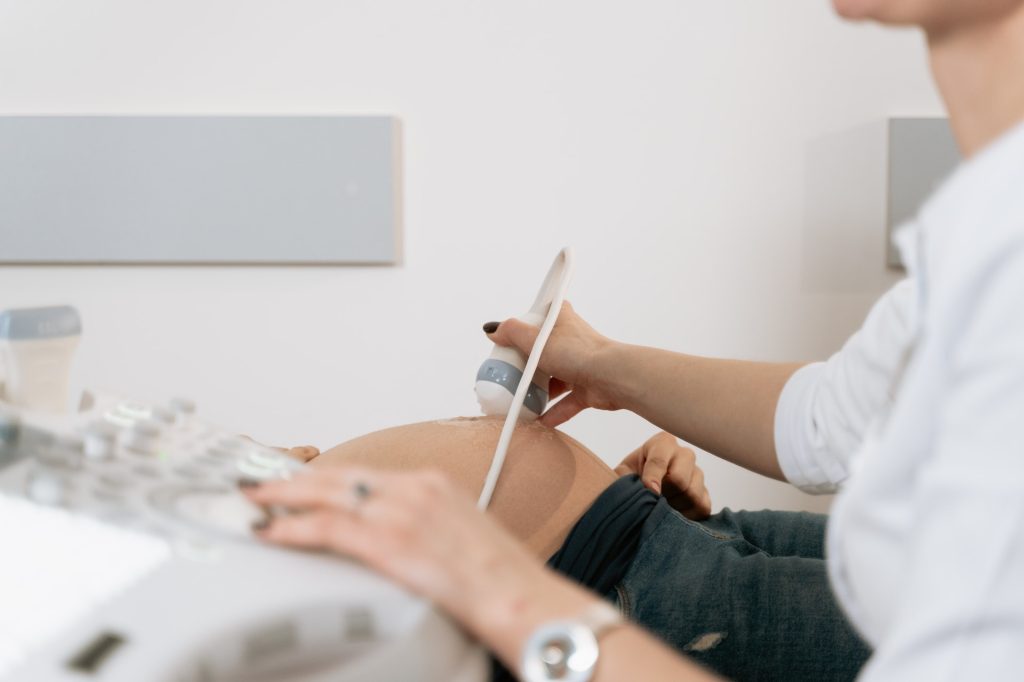
Researchers have developed a way to use ultrasound to estimate the risk of delivering a baby preterm. The new method measures microstructural changes in a woman’s cervix using quantitative ultrasound. The method works as early as 23 weeks into a pregnancy, according to the research, which is published in the American Journal of Obstetrics & Gynecology Maternal Fetal Medicine.
The current method for assessing a woman’s risk of preterm birth is based solely on whether she has previously given birth prematurely. This means there has been no way to assess risk in a first-time pregnancy.
“Today, clinicians wait for signs and symptoms of a preterm birth,” such as a ruptured membrane, explained lead author Barbara McFarlin, a professor emeritus of nursing at University of Illinois Chicago.
“Our technique would be helpful in making decisions based on the tissue and not just on symptoms.”
The new method is the result of more than 20 years of collaboration between researchers in nursing and engineering at UIC and University of Illinois Urbana-Champaign. In a study of 429 women who gave birth without induction at the University of Illinois Hospital, the new method was effective at predicting the risk of preterm births during first-time pregnancies.
And for women who were having a subsequent pregnancy, combing the data from quantitative ultrasound with the woman’s delivery history was more effective at assessing risk than just using her history.
The new approach differs from a traditional ultrasound where a picture is produced from the data received.
In quantitative ultrasound, a traditional ultrasound is performed but the radio frequency data itself is read and analysed to determine tissue characteristics.
The study is the culmination of a research partnership that began in 2001 when McFarlin was a nursing PhD student at UIC. Having previously worked as a nurse midwife and sonographer, she had noticed that there were differences in the appearance of the cervix in women who went on to deliver preterm.
She was interested in quantifying this and discovered that “no one was looking at it.”
She was put in touch with Bill O’Brien, a UIUC professor of electrical and computer engineering, who was studying ways to use quantitative ultrasound data in health research.
Together, over the past 22 years, they established that quantitative ultrasound could detect changes in the cervix and, as McFarlin had suspected long ago, that those changes help predict the risk of preterm delivery.
The preterm birth rate hovers around 10-15% of pregnancies, O’Brien said.
“That’s a very, very high percentage to not know what is happening,” he said.
If a clinician could know at 23 weeks that there was a risk of preterm birth, they would likely conduct extra appointments to keep an eye on the foetus, the researchers said.
But since there had previously been no routine way to assess preterm birth risk this early, there have been no studies to show what sort of interventions would be helpful in delaying labour.
This study, O’Brien explains, will allow other researchers to “start studying processes by which you might be able to prevent or delay preterm birth.”
Using mRNA technology developed and matured for certain COVID vaccines, researchers have successfully restored the tumour-suppressing p53 protein in mouse models of advanced human ovarian cancer, significantly extending their survival. They report their results in Cancer Communications.
Ovarian cancer is often only detected at an advanced stage and metastases have already formed — usually in the intestines, abdomen or lymph nodes. At such a late stage, only 20 to 30% of all those affected survive the next five years. “Unfortunately, this situation has hardly changed at all over the past two decades,” says Professor Klaus Strebhardt, Director of the Department of Molecular Gynecology and Obstetrics at University Hospital Frankfurt.
In 96% of all ovarian cancer (high-grade) patients, the tumour suppressor gene p53 has mutated and is now non-functional. The gene contains the building instructions for an important protein that normally recognises damage in each cell’s DNA. It then prevents these abnormal cells from proliferating and activates repair mechanisms that rectify the damage.
If this fails, it induces cell death. “In this way, p53 is very effective in preventing carcinogenesis,” explains Strebhardt. “But when it is mutated, this protective mechanism is eradicated.”
If a cell wants to produce a certain protein, it first makes a transcript of the gene containing the building instructions for it. Such transcripts are called mRNAs. In women with ovarian cancer, the p53 mRNAs are just as defective as the gene from which they were copied.
“We produced an mRNA in the laboratory that contained the blueprint for a normal, non-mutated p53 protein,” says Dr Monika Raab from the Department of Molecular Gynecology and Obstetrics, who conducted many of the key experiments in the study.
“We packed it into small lipid vesicles, known as liposomes, and then tested them first in cultures of various human cancer cell lines. The cells used the artificial mRNA to produce functional p53 protein.”
In the next step, the scientists cultivated ovarian tumours – organoids – from patient cells sourced by the team led by Professor Sven Becker, Director of the Women’s Clinic at University Hospital Frankfurt.
After treatment with the artificial mRNA, the organoids shrank and began to die.
To test whether the artificial mRNA is also effective in organisms and can combat metastases in the abdomen, the researchers implanted human ovarian tumour cells into the ovaries of mice and injected the mRNA liposomes into the animals some time later.
The result was very convincing, says Strebhardt: “With the help of the artificial mRNA, cells in the animals treated produced large quantities of the functional p53 protein, and as a result both the tumours in the ovaries and the metastases disappeared almost completely.”
That the method was so successful is partly due to recent advances in mRNA technology: Normally, mRNA transcripts are very sensitive and degraded by cells within minutes.
However, it is meanwhile possible to prevent this by specifically modifying the molecules.
This extends their lifespan substantially, in this study to up to two weeks.
In addition, the chemical composition of the artificial mRNA is slightly different to that of its natural counterpart.
This prevents the immune system from intervening after the molecule has been injected and from triggering inflammatory responses.
In 2023, the Hungarian scientist Katalin Karikó and her American colleague Drew Weissman were awarded the Nobel Prize in Physiology or Medicine for this discovery.
“Thanks to the development of mRNA vaccines such as those of BioNTech and Moderna, which went into action during the SARS-CoV-2 pandemic, we now also know how to make the molecules even more effective,” explains Strebhardt.
Strebhardt, Raab and Becker are now looking for partners to join the next step of the translational project: testing on patients with ovarian cancer. “What is crucial now is the question of whether we can implement the concept and the results in clinical reality and use our method to help cancer patients,” says Strebhardt. The latest results make him very optimistic that the tide could finally turn in the treatment of ovarian carcinomas. “p53 mRNA is not a normal therapeutic that targets a specific weak point in cancer cells. Instead, we are repairing a natural mechanism that the body normally uses very effectively to suppress carcinogenesis. This is a completely different quality of cancer therapy.”
South Africa is barrelling towards its most consequential and most competitive national and provincial elections since 1994, expected to take place in May. That the ANC’s share of the vote, will be further eroded this year seems inevitable, given ongoing power cuts, failing railways, water management problems, high crime rates, and dysfunctional basic education and public health systems.
Covering elections is tricky at the best of times for media houses. At Spotlight, we plan to follow the advice of Jay Rosen, journalism professor at New York University, to focus on reporting “not the odds, but the stakes”. As far as the odds does go, however, it seems likely that the ANC – alone or in coalition – will govern nationally, but they could lose power in the country’s two most populous provinces, Gauteng and KwaZulu-Natal.
The stakes in these two provinces could not be higher when it comes to healthcare. The day-to-day running of our public healthcare system is after all the domain of provincial health departments.
Limping from crisis to crisis
Take Gauteng. From alleged health department corruption worth more than R1.2 billion in 2007/2008, to the Life Esidemini tragedy of 2016, to more recent issues such as the lacklustre response to alleged corruption at Tembisa Hospital, ongoing problems with food and security contracts, and the persecution of whistleblowers like Dr Tim de Maayer, the province’s health department has stumbled from crisis to crisis under the ANC for well over a decade now. New starts under new members of the executive council (MECs) and heads of department have been a dime a dozen, but if anything, the quality of governance has decayed over time. What is at stake is literally basics like whether there is sufficient food available for people in hospital.
There is, of course, no guarantee that this atrocious situation will be turned around if, for instance, a multi-party coalition of the DA, Action SA and others run the province – but the prospect of such a change certainly is intriguing. Just imagine the DA’s Jack Bloom having a go as Gauteng’s MEC for Health after decades of holding other MECs and heads of department to account from the sidelines.
The future of NHI
The year’s other headlining health story seems set to again be National Health Insurance (NHI), which promises healthcare for all – employed or unemployed – South Africans, permanent residents, refugees, inmates, and specific categories of foreign nationals. After making it through parliament at the end of last year, the NHI Bill is likely to be signed into law by President Cyril Ramaphosa any day now. Much of the bill won’t come into effect for quite some time, and we are sure to see several court cases challenging its constitutionality. There is also an outside chance that later this year the balance of power in parliament could shift against NHI, or at least certain elements of NHI. It is not too much of a stretch to say the future of NHI is one of several important things on the line at the ballot box.
Also at stake in the elections is government’s response to seemingly intractable problems like South Africa’s shortage of healthcare workers, budget shortfalls, and health sector corruption. It would be naïve to think a change in power will solve these problems overnight – much of the world is struggling with shortages of healthcare workers and South Africa’s budget restraints are all too real, but some will argue that a change in power may nevertheless be a necessary first step given the extent to which all three of these issues have been allowed to drift in recent years. There is certainly an argument to be made that the current lack of progress is rooted in a lack of state capacity and that the lack of state capacity, in turn, is a consequence of the ANC’s explicit policy of cadre deployment.
Whether or not voters again back the ANC, some specific questions should provide a good gauge of progress in 2024. Will we finally see convictions for the alleged corruption uncovered by public servant Babita Deokaran? Will government publish an implementation plan for addressing our healthcare worker crisis (we already have a good strategy) and, this is the key, put money and political capital behind its implementation? Will the new parliament pass a good State Liability Bill (which could help reduce the state’s liability for medico-legal claims) and finally get round to amending South Africa’s Patents Act to better balance medicine monopolies with the right to health (as set out in a policy adopted by cabinet back in 2018)? Will the establishment of the National Public Health Institute of South Africa remain stalled? Will government continue to ignore recommendations from the Competition Commission’s Health Market Inquiry on how to better regulate private healthcare in South Africa (the commission’s very impressive report was published in 2019)? Will the new health MECs and heads of provincial health departments appointed after the elections bring real change?
HIV, TB and NCDs
The National Department of Health has generally produced good HIV and tuberculosis (TB) policy over the last decade or so. In some respects, those policies have been well implemented – think the massive amount of HIV testing done in the country, in other respects they have been undermined by the general dysfunction in the public healthcare system – think long queues, staff shortages, and poor TB screening and infection control. Some innovations, like pills to prevent HIV or new TB treatments, could have been rolled out more quickly and better marketed to users.
At stake in the elections is thus not so much whether we produce good policies in areas such as HIV, TB and non-communicable diseases (NCDs), but whether we will get the leadership we need to ensure better and faster implementation of those policies.
On the HIV front, we will be keeping a close eye this year on the ongoing rollout of HIV prevention pills. While the rollout has gathered some momentum in recent years, the pills are generally still too hard to get hold of for those who could most benefit from it. Pilot projects should shed light on how to best make breakthrough new HIV prevention injections available in South Africa, but the high price of these injections is likely to mean the many young women who could most benefit from it won’t be able to get it.
New HIV figures from Thembisa, the leading mathematical model of HIV in South Africa, will be keenly watched this year since it will integrate recent findings from the Human Sciences Research Council (HSRC) survey (which contained some unexpectedly positive numbers). On the negative side, the HSRC survey also indicated that condom use was significantly down in 2022 compared to 2017 – this while a recent HIV investment case found that condoms are the only cost-saving HIV intervention for the health system. Either way, the extent to which condoms are made easily available will remain an important measure of government’s commitment to fighting HIV, both now and after the elections.
Last year, we saw significant changes in how TB is tested for and treated in South Africa. In short, many more people became eligible for TB tests and eligibility for TB preventive therapy was dramatically expanded. How impactful these new policies will be this year will depend on how well they are implemented, which again brings us back to the ongoing problems of healthcare worker shortages and a lack of management capacity in most of our provincial health departments. Maybe then, in a context of generally reasonable HIV and TB policy, what matters is not so much what different political parties have to offer on these diseases specifically, but what they can do to improve the functioning of our healthcare system more generally.
That said, one notable thing with TB is that, despite South Africa having often made good TB policy and having played an important role in raising the profile of TB at the United Nations, TB has never really become a political or elections issue here in the way one might expect from a disease that claims over 50 000 lives, of mostly poor people, in the country per year. So far, there is no indication that any political parties are set to change this in 2024.
Finally, while the long-term trends with HIV and TB are downward, the trend with non-communicable diseases (NCDs) like diabetes and hypertension in South Africa is in the opposite direction. Government has set HIV-style diabetes and hypertension targets and published a national plan, but again there are serious questions about whether these plans will be implemented and whether the public health system has the capacity to offer the levels of testing, treatment and care that is required. Meanwhile, breakthrough weight loss medicines that made headlines in 2023 are likely to remain out of reach for most people in South Africa and interventions like the sugar tax will remain highly contested before and after the elections.
Whatever happens at the ballot box, one thing is clear, given the rising NCD threat, healthcare worker shortages, budget shortfalls, and endemic corruption, whoever is in power nationally and provincially after this year’s elections will have their work cut out for them. While we will not endorse any political parties at Spotlight, we do urge voters to consider what is at stake in these elections when it comes to healthcare. Part of the picture will of course be painted by political party manifestos (which we will analyse in detail in the coming months), but as important as the policies, is the track record of what parties have done when they’ve held power. Whether in Gauteng, the Western Cape, or nationally, voters will hopefully send a clear message on whether or not they think those currently in power are on the right track.
*Low is editor of Spotlight.
NOTE: Spotlight is editorially independent and is not affiliated with, nor does it endorse any political parties. Spotlight is a member of the South African Press Council.
Photo by Towfiqu barbhuiya: https://www.pexels.com/photo/a-toothbrush-with-toothpaste-on-a-white-surface-12065623/
A new study by investigators from Brigham and Women’s Hospital examined whether daily toothbrushing among hospitalised patients is associated with lower rates of hospital-acquired pneumonia and other outcomes. Their analysis of 15 randomised clinical trials found that hospital-acquired pneumonia rates were lower among patients who received daily toothbrushing compared to those who did not. The results were especially compelling among patients on mechanical ventilation. Their results are published in JAMA Internal Medicine.
“The signal that we see here towards lower mortality is striking – it suggests that regular toothbrushing in the hospital may save lives,” said corresponding author Michael Klompas, MD, MPH, hospital epidemiologist and an infectious disease physician in the Department of Medicine at BWH and Professor of Population Medicine at Harvard Pilgrim Health Care Institute.
“It’s rare in the world of hospital preventative medicine to find something like this that is both effective and cheap. Instead of a new device or drug, our study indicates that something as simple as brushing teeth can make a big difference.”
Hospital-acquired pneumonia occurs when bacteria in the mouth enter a patient’s airways and infect their lungs.
Patients experiencing frailty or patients with a weakened immune system are particularly susceptible to developing hospital-acquired pneumonia during their hospital stay.
However, adopting a daily toothbrushing regimen can decrease the amount of bacteria in the mouth, potentially lowering the risk of hospital-acquired pneumonia from occurring.
The team conducted a systematic review and meta-analysis to determine the association between daily toothbrushing and hospital-acquired pneumonia.
Using a variety of databases, the researchers collected and analysed randomised clinical trials from around the world that compared the effect of regular oral care with toothbrushing versus oral care without toothbrushing on the occurrence of hospital-acquired pneumonia and other outcomes.
The team’s analysis found that daily toothbrushing was associated with a significantly lower risk for hospital-acquired pneumonia and ICU mortality.
In addition, the investigators identified that toothbrushing for patients in the ICU was associated with fewer days of mechanical ventilation and a shorter length of stay in the ICU.
Most of the studies in the team’s review explored the role of a teeth-cleaning regimen in adults in the ICU.
Only two of the 15 studies included in the authors’ analysis evaluated the impact of toothbrushing in non-ventilated patients.
The researchers are hopeful that the protective effect of toothbrushing will extend to non-ICU patients but additional studies focusing on this population are needed to clarify if in fact this is the case.
“The findings from our study emphasise the importance of implementing an oral health routine that includes toothbrushing for hospitalised patients. Our hope is that our study will help catalyse policies and programs to assure that hospitalised patients regularly brush their teeth. If a patient cannot perform the task themselves, we recommend a member of the patient’s care team assist,” said Klompas.
A groundbreaking study has unveiled a significant link between anxiety disorders and a brain receptor known as TACR3, as well as testosterone. published last month in the journal Molecular Psychiatry.
Anxiety is a common response to stress, but for those dealing with anxiety disorders, it can significantly impact daily life.
Clinical evidence has hinted at a close connection between low testosterone levels and anxiety, particularly in men with hypogonadism, a condition characterised by reduced sexual function.
However, the precise nature of this relationship has remained unclear until now.
Prof Shira Knafo, head of the Molecular Cognitive Lab at Ben-Gurion University, led this new study which discovered male rodents exhibiting exceedingly high anxiety levels had notably lower levels of a specific receptor called TACR3 in their hippocampus.
The hippocampus is a brain region closely associated with learning and memory processes. TACR3 is part of the tachykinin receptor family and responds to a substance known as neurokinin.
This observation is what prompted the researchers to investigate the link between TACR3 deficiency, sex hormones, anxiety, and synaptic plasticity.
The rodents were classified based on their behavior in a standard elevated plus maze test measuring anxiety levels.
Subsequently, their hippocampi were isolated and underwent gene expression analysis to identify genes with varying expressions between rodents with extremely low anxiety and those with severe anxiety.
One gene that stood out was TACR3. Previous research had revealed that mutations in genes associated with TACR3 led to a condition known as “congenital hypogonadism,” resulting in reduced sex hormone production, including testosterone.
Notably, young men with low testosterone often experienced delayed sexual development, accompanied by depression and heightened anxiety.
This pairing led researchers to investigate the role of TACR3 further.
Prof. Knafo and her team were aided in their research by two innovative tools they crafted themselves.
The first, known as FORTIS, detects changes in receptors critical for neuronal communication within living neurons.
By utilizing FORTIS, they demonstrated that inhibiting TACR3 resulted in a sharp increase in these receptors on the cell surface, blocking the parallel process of long-term synaptic strengthening, known as LTP.
The second pioneering tool employed was a novel application of cross-correlation to measure neuronal connectivity within a multi-electrode array system.
This tool played a pivotal role in uncovering the profound impact of TACR3 manipulations on synaptic plasticity.
Synaptic plasticity refers to the ability of synapses, the connections between brain cells, to change their strength and efficiency.
This dynamic process is fundamental for the brain’s adaptation to the environment.
Through synaptic plasticity, the brain can reorganize its neural circuitry in response to new experiences.
This flexibility allows for the modification of synaptic connections, enabling neurons to strengthen or weaken their communication over time.
Essentially, synaptic plasticity is a key mechanism by which the brain encodes and stores information, adapting continuously to the ever-changing external stimuli and internal states.
Importantly, it revealed that deficiencies stemming from TACR3 inactivity could be efficiently rectified through testosterone administration, offering hope for novel approaches to address challenges related to anxiety associated with testosterone deficiency.
TACR3 is seemingly a central player in bridging anxiety and testosterone.
The researchers have unravelled the complex mechanisms behind anxiety and opened avenues for novel therapies, including testosterone treatments, that could improve the quality of life for individuals grappling with sexual development disorders and associated anxiety and depression.
There is a difference between how the brains of healthy older adults perceive colour compared to younger adults, finds a new study led by UCL researchers.
The research, published in Scientific Reports, compared how the pupils of younger and older people reacted to different aspects of colour in the environment.
The team recruited 17 healthy young adults with an average age of 27.7, and 20 healthy older adults with an average age of 64.4.
Participants were placed in a blackout room and shown 26 different colours for five seconds each, while the researchers measured the diameter of their pupils.
Pupils constrict in response to increases in colour lightness and chroma (colourfulness).
The colours shown included dark, muted, saturated and light shades of magenta, blue, green, yellow and red, alongside two shades of orange and four greyscale colours.
Using a highly sensitive eye tracking camera*, which recorded the pupil diameter at 1000 times per second, the team found that the pupils of healthy older people constricted less in response to colour chroma compared with young adults. This was particularly marked for green and magenta hues.
However, both younger and older adults had similar responses to the ‘lightness’ of a colour shade.
The study is the first to use pupillometry to show that as we grow older, our brains become less sensitive to the intensity of colours in the world around us.
The findings of the study also complement previous behavioural research that showed that older adults perceive surface colours to be less colourful than young adults.
Lead author, Dr Janneke van Leeuwen (UCL Queen Square Institute of Neurology), said: “This work brings into question the long-held belief among scientists that colour perception remains relatively constant across the lifespan, and suggests instead that colours slowly fade as we age. Our findings might also help explain why our colour preferences may alter as we age – and why at least some older people may prefer to dress in bold colours.”
The researchers believe that as we get older there is a decline in the body’s sensitivity to the saturation levels of colours within the primary visual cortex – the part of the brain that receives, integrates, and processes visual information relayed from the retinas.
Previous research also showed this to be a feature of a rare form of dementia called posterior cortical atrophy (PCA), where noticeable difficulties and abnormalities in colour perception could be due to a significant decline in the brain’s sensitivity to certain colour tones (specifically green and magenta) in the primary visual cortex and it’s connected networks.
Co-corresponding author, Professor Jason Warren (UCL Queen Square Institute of Neurology), said: “Our findings could have wide implications for how we adapt fashion, décor and other colour ‘spaces’ for older people, and potentially even for our understanding of diseases of the ageing brain, such as dementia. People with dementia can show changes in colour preferences and other symptoms relating to the visual brain – to interpret these correctly, we first need to gauge the effects of healthy ageing on colour perception. Further research is therefore needed to delineate the functional neuroanatomy of our findings, as higher cortical areas might also be involved.”