Month: February 2024

UK Austerity Politics Correlated with Increased Frailty in the Oldest Adults

Photo by Kampus Production on Pexels

The period of austerity politics from 2012 to 2018 was associated with steeper increases in frailty with age compared to pre-austerity between 2002 and 2010, according to a new study published February 7th in the open-access journal PLOS ONE by Carys Pugh of the University of Edinburgh, UK, and colleagues.

Previous research has linked a stalling in life expectancy growth to austerity politics implemented in response to the 2008–2009 financial crisis. However, the mechanism through which public spending cuts are associated with decreased life expectancy has been unclear.

In the new study, researchers analysed data on the frailty index, which captures broad age-related declines in functional ability and physical and mental health. The analysis included 16 410 people enrolled in the English Longitudinal Study of Ageing 2002-2018 with a mean age of 67 years and a mean frailty index score of 0.15 (on a scale of 0 to 1, with 1 being maximum frailty).

The study found that frailty index scores increased more rapidly with age after implementation of austerity policies. This was the case for all population groups, across genders and socioeconomic groups, but was particularly so for the oldest people. For instance, among the poorest women aged 85+, the frailty index increased an average of 0.013 per year in the eight-year pre-austerity period (2002-2010) but increased by 0.021 per year, two thirds as much again, in the six-year austerity period (2012-2018).

The additional increase in frailty for all ages from 2012 to 2018 was similar in magnitude to the difference in mean frailty score between people five years apart – those aged 65-69 and those aged 70-74.

The authors conclude that frailty may be one mechanism through which public spending reductions have negative impacts on health and mortality, particularly among the oldest people in society. New austerity measures, they write, need careful consideration given their potential impact on long-term health.

The authors add: “Compared to the 2000s, we found that older people in England were becoming more frail, more quickly during the 2010s, and that frailty was particularly common in the poorest in society. Our work is another warning about the possible impacts of austerity on the health of an ageing nation.”

COVID did not get Weaker – Our Immune Systems got Stronger, Large Scale Study Suggests

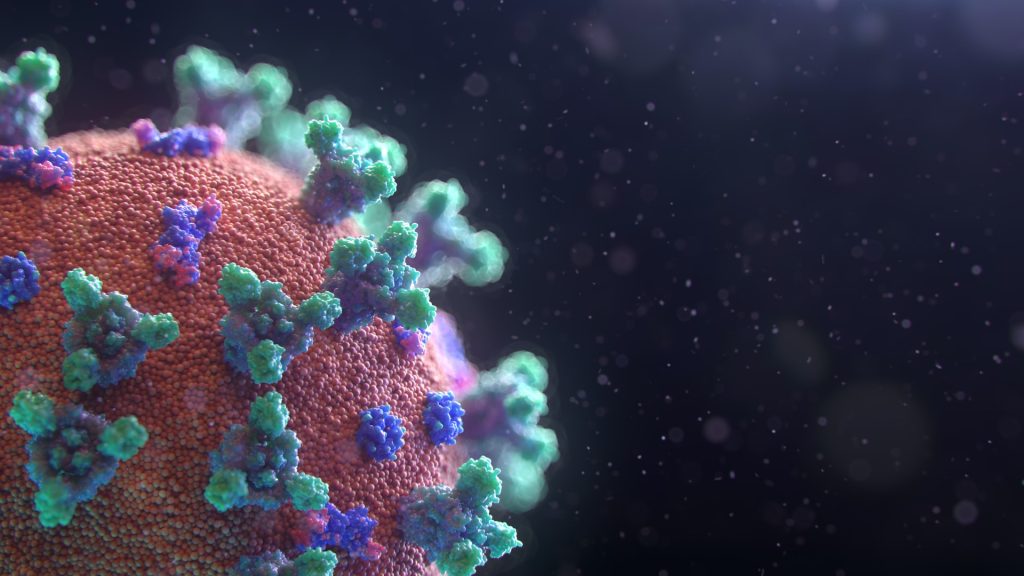
Image by Fusion Medical on Unsplash

Researchers have shown that the reduced mortality from COVID is not necessarily due to the fact that later variants, such as Omicron, have been less severe. Rather, the reduced mortality seems to be due to several other factors, such as immunity from previous vaccinations and previous infections. The study is published in the latest issue of Lancet Regional Health Europe.

The researchers at Karolinska Institutet, together with partners in the EuCARE project, conducted a study using patient data from more than 38 500 hospitalised patients with COVID, from the start of the pandemic to October 2022. The data comes from hospitals in ten countries, including two outside Europe.

The data showed that in-hospital mortality decreased as the pandemic progressed, especially since Omicron became the dominant variant. However, when the researchers modelled the mortality rates for different variants (pre-Alpha, Alpha, Delta and Omicron) and took into account factors such as age, gender, comorbidity, vaccination status and time period, they saw far fewer differences and weaker associations. They also saw differences between age groups, highlighting the importance of conducting separate analyses for different age groups. 

“Overall, our findings suggest that the observed reduction in mortality during the pandemic is due to multiple factors such as immunity from vaccination and previous infections, and not necessarily tangible differences in inherent severity,” says Pontus Hedberg, first author of the study. 

Omicron variant no less severe 

Understanding the disease course and outcomes of patients hospitalised with COVID during the pandemic is important to guide clinical practice and to understand and plan future resource use for COVID. A particularly interesting finding is that the inherent severity of Omicron has not necessarily been significantly reduced, but that other factors are behind the reduction in mortality. 

“The fact that Omicron can cause severe disease was seen in Hong Kong, for example, where the population had low immunity from previous infections and low vaccination coverage. In Hong Kong there was a relatively high mortality from Omicron,” says Pontus Hedberg. 

Highlights the importance of protecting the elderly and those with underlying diseases

The main applications of the study results going forward are the continued need to protect the elderly and patients with other underlying disease from severe disease outcomes through vaccination against COVID, even though new virus variants may appear less virulent. The results are also important for understanding trends in mortality in hospitalised patients with COVID and thus planning for resource use in hospital care.

Larger multinational collaborative projects like this are of great value to increase the generalisability of studies and not least to promote international collaboration also for future pandemic or epidemic scenarios.

Source: Karolinska Institutet

Is There a Link Between Body Temperature and Depression?

Photo by Inzmam Khan

People with depression have higher body temperatures, suggesting there could be a mental health benefit to lowering the temperatures of those with the disorder, a new UC San Francisco-led study found. The study, published in Scientific Reports, only indicated an association, not a causative effect in either direction.

It’s also unknown whether the higher body temperature observed in people with depression reflects decreased ability to self-cool, increased generation of heat from metabolic processes or a combination of both.

Researchers analysed data from more than 20 000 international participants who wore a device that measures body temperature, and also self-reported their body temperatures and depression symptoms daily.

The seven-month study began in early 2020 and included data from 106 countries. The results showed that with each increasing level of depression symptom severity, participants had higher body temperatures.

The body temperature data also showed a trend toward higher depression scores in people whose temperatures had less fluctuation throughout a 24-hour period, but this finding didn’t reach significance.

The findings shed light on how a novel depression treatment method might work, said Ashley Mason, PhD, the study’s lead author and associate professor of psychiatry at UCSF Weill Institute for Neurosciences.

A small body of existing, causal studies has found that using hot tubs or saunas can reduce depression, possibly by triggering the body to self-cool, for example, through sweating.

“Ironically, heating people up actually can lead to rebound body temperature lowering that lasts longer than simply cooling people down directly, as through an ice bath,” said Mason, who is also a clinical psychologist at the UCSF Osher Center for Integrative Health.

“What if we can track the body temperature of people with depression to time heat-based treatments well?”

“To our knowledge, this is the largest study to date to examine the association between body temperature – assessed using both self-report methods and wearable sensors – and depressive symptoms in a geographically broad sample,” added Mason. “Given the climbing rates of depression in the United States, we’re excited by the possibilities of a new avenue for treatment.”

Source: University of California – San Francisco

Potential New Treatment to Reverse Inflammation and Atherosclerosis in Rheumatoid Arthritis

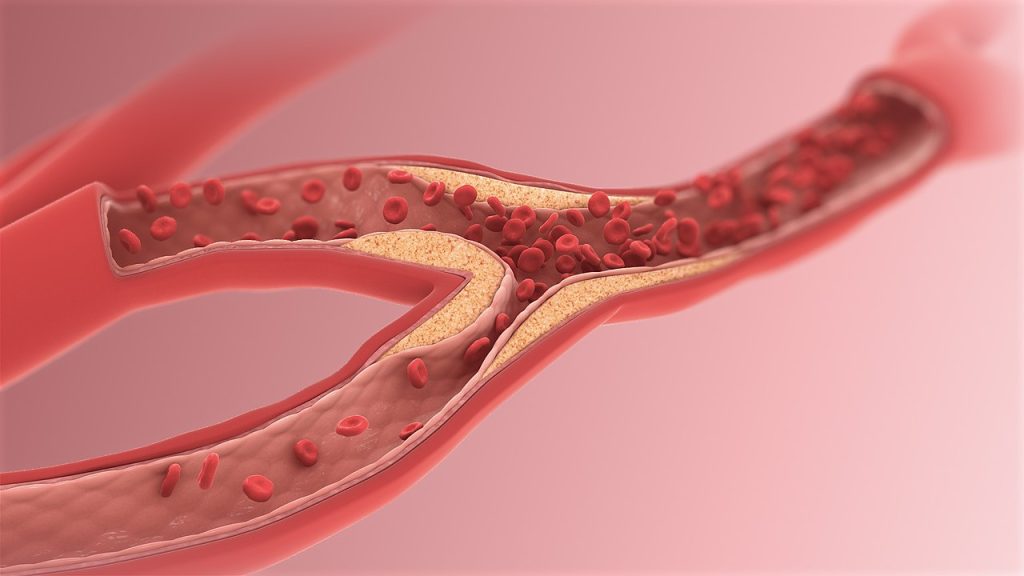
Image by Scientific Animations, CC4.0

Researchers from Queen Mary University of London have found that the molecule RvT4 enhances the body’s natural defences against atherosclerosis in patients with rheumatoid arthritis.

The mouse-based study, published in Nature Communications, shows that increasing levels of the RvT4 molecule in the body improves the ability of the body’s own defence mechanisms [macrophages] to reduce local inflammation and remove blockages in blood vessels.

This breakthrough in understanding the processes involved could lead to better treatments for people who have rheumatoid arthritis (RA), and who are at higher risk of developing cardiovascular disease.

Alongside the more widely-known symptoms of joint inflammation, people with the condition are also twice as likely as others to develop blood vessel disease.

One type of blood vessel disease seen in people with RA is atherosclerosis, which is caused by a build-up of ‘plaque’ along the artery walls, which can break free and cause heart attacks and strokes.

Understanding the reasons why RA patients are at increased risk of these cardiovascular problems is critical in developing better treatments for this group and others.

To gain a better understanding of the causes of blood vessel disease in patients with RA, researchers explored the role of a group of molecules called 13-series resolvins (RvTs). In experimental arthritis the levels of one of these molecules, RvT4, are markedly reduced, a phenomenon that associates with a higher degree of blood vessel disease.

This study was designed to explore why this might be the case.

The findings

The study found that treating arthritic mice with RvT4 reduced blood vessel inflammation by re-programming macrophages, which accumulate in the diseased vessels, to release stored lipids.

Researchers observed that these lipids were preventing the macrophage from carrying out their usual work of clearing dead cells and reducing localised inflammation in blood vessels.

Once freed of their lipid burden, the macrophages were able to move and work much more effectively to reduce the causes of atherosclerosis.

The observation that RvT4 restores protective macrophage biological activities is an exciting finding.

RA patients also often present with metabolic dysfunction and this is thought to exacerbate vascular disease.

The study found that administration of RvT4 to mice engineered to develop characteristics of metabolic dysfunction, advanced atherosclerosis, and arthritis led to an overall decrease in lipoprotein-associated cholesterol in plasma and an increase in the ratio of HDL-associated cholesterol to total cholesterol.

Jesmond Dalli, Professor in Molecular Pharmacology and Lipid Mediator Unit Director at the William Harvey Institute, Queen Mary University of London, said: “The study is important because it identifies for the first time the loss of RvT4 production as a potential new cause of blood vessel inflammation in the context of arthritis, offering a mechanistic explanation on the cause of this important disease in RA patients. It also showed that RvT4 restores the biological activities of lipid loaded macrophages by promoting lipid breakdown and efflux from the cells, an observation that can guide the development of new treatments to limit the incidence and/or severity of cardiovascular disease in patients with RA.”

Source: Queen Mary University of London

Strongest Evidence Yet of Brain’s Compensation for Cognitive Decline in Aging

Image: Pixabay CC0

Scientists have found the strongest evidence yet that our brains can compensate for age-related deterioration by recruiting other areas to help with brain function and maintain cognitive performance.

As we age, our brain gradually atrophies, losing nerve cells and connections and this can lead to a decline in brain function. It’s not fully understood why some people appear to maintain better brain function than others, and how we can protect ourselves from cognitive decline.

A widely accepted notion is that some people’s brains are able to compensate for the deterioration in brain tissue by recruiting other areas of the brain to help perform tasks. While brain imaging studies have shown that the brain does recruit other areas, until now it has not been clear whether this makes any difference to performance on a task, or whether it provides any additional information about how to perform that task.

In a study published in the journal eLife, a team led by scientists at the University of Cambridge in collaboration with the University of Sussex have shown that when the brain recruits other areas, it improves performance specifically in the brains of older people.

Study lead Dr Kamen Tsvetanov, an Alzheimer’s Society Dementia Research Leader Fellow in the Department of Clinical Neurosciences, University of Cambridge, said: “Our ability to solve abstract problems is a sign of so-called ‘fluid intelligence’, but as we get older, this ability begins to show significant decline. Some people manage to maintain this ability better than others. We wanted to ask why that was the case – are they able to recruit other areas of the brain to overcome changes in the brain that would otherwise be detrimental?”

Brain imaging studies have shown that fluid intelligence tasks engage the ‘multiple demand network’ (MDN), a brain network involving regions both at the front and rear of the brain, but its activity decreases with age. To see whether the brain compensated for this decrease in activity, the Cambridge team looked at imaging data from 223 adults between 19 and 87 years of age who had been recruited by the Cambridge Centre for Ageing & Neuroscience (Cam-CAN).

The volunteers were asked to identify the odd-one-out in a series of puzzles of varying difficulty while lying in a functional magnetic resonance imaging (fMRI) scanner, so that the researchers could look at patterns of brain activity by measuring changes in blood flow.

As anticipated, in general the ability to solve the problems decreased with age. The MDN was particularly active, as were regions of the brain involved in processing visual information.

When the team analysed the images further using machine-learning, they found two areas of the brain that showed greater activity in the brains of older people, and also correlated with better performance on the task. These areas were the cuneus, at the rear of the brain, and a region in the frontal cortex. But of the two, only activity in the cuneus region was related to performance of the task more strongly in the older than younger volunteers, and contained extra information about the task beyond the MDN.

Although it is not clear exactly why the cuneus should be recruited for this task, the researchers point out that this brain region is usually good at helping us stay focused on what we see. Older adults often have a harder time briefly remembering information that they have just seen, like the complex puzzle pieces used in the task. The increased activity in the cuneus might reflect a change in how often older adults look at these pieces, as a strategy to make up for their poorer visual memory.

Dr Ethan Knights from the Medical Research Council Cognition and Brain Sciences Unit at Cambridge said: “Now that we’ve seen this compensation happening, we can start to ask questions about why it happens for some older people, but not others, and in some tasks, but not others. Is there something special about these people – their education or lifestyle, for example – and if so, is there a way we can intervene to help others see similar benefits?”

Dr Alexa Morcom from the University of Sussex’s School of Psychology and Sussex Neuroscience research centre said: “This new finding also hints that compensation in later life does not rely on the multiple demand network as previously assumed, but recruits areas whose function is preserved in ageing.”

The original text of this story is licensed under a Creative Commons Attribution-NonCommercial-ShareAlike 4.0 International License.

Source: University of Cambridge

fMRI in World’s Largest Childhood Trauma Study Reveals Brain Rewiring

Photo by Caleb Woods on Unsplash

The world’s largest brain study of childhood trauma has revealed how it affects development and rewires vital pathways. The University of Essex study, published in Biological Psychiatry Cognitive Neuroscience and Neuroimaging, uncovered a disruption in neural networks involved in self-focus and problem-solving.

This means under-18s who experienced abuse will likely struggle with emotions, empathy and understanding their bodies. Difficulties in school caused by memory, hard mental tasks and decision making may also emerge.

The cutting-edge research, led by the Department of Psychology’s Dr Megan Klabunde, used AI to re-examine hundreds of brain scans and identify patterns. It is hoped the research will help hone new treatments for children who have endured mistreatment. This could mean therapists focus on techniques that rewire these centres and rebuild their sense of self.

Dr Klabunde said: “Currently, science-based treatments for childhood trauma primarily focus on addressing the fearful thoughts and avoidance of trauma triggers.

“This is a very important part of trauma treatment. However, our study has revealed that we are only treating one part of the problem.

“Even when a child who has experienced trauma is not thinking about their traumatic experiences, their brains are struggling to process their sensations within their bodies.

“This influences how one thinks and feels about one’s ‘internal world’ and this also influences one’s ability to empathise and form relationships.”

Dr Klabunde reviewed 14 studies involving more than 580 children for the research. The paper re-examined functional magnetic resonance imaging (fMRI) scans. This procedure highlights blood flow in different centres, showing neurological activity.

The study discovered a marked difference in traumatised children’s default mode (DMN) and central executive networks (CEN) – two large scale brain systems.

The DMN and the posterior insula are involved in how people sense their body, the sense of self and their internal reflections.

New studies are finding the DMN plays an important role in most mental health problems — and may be influenced by experiencing childhood trauma.

The CEN is also more active than in healthy children, which means that children with trauma histories tend to ruminate and relive terrible experiences when triggered.

Dr Klabunde hopes this study will be a springboard to find out more about how trauma affects developing minds.

She said: “Our brain findings indicate that childhood trauma treatments appear to be missing an important piece of the puzzle.

“In addition to preventing avoidance of scary situations and addressing one’s thoughts, trauma therapies in children should also address how trauma’s impacts on one’s body, sense of self, emotional/empathetic processing, and relationships.

“This is important to do so since untreated symptoms will likely contribute to other health and mental health problems throughout the lifespan.”

Dr Klabunde worked with Dr Anna Hughes, also from the Department of Psychology, and Masters student Rebecca Ireton on the study.

Source: University of Essex

UK’s King Charles Diagnosed with Cancer

The UK’s King Charles has been diagnosed with cancer, though reportedly at an early stage. This follows a brief hospital stay where he underwent a procedure for a benign enlarged prostate. For the time being, he will not being public duties, but will continue his private duties.

Speaking to the BBC, UK Prime Minister Rishi Sunak said that the cancer was “caught early”. The nature of the cancer was not disclosed by Buckingham Palace, which is in line with its usual practice of sharing only basic information concerning the health of the royal family. It however noted that it was not connected to his prostate treatment, ruling out prostate cancer.

Well-wishes for the king have come in from around the globe. Mia Mottley, Barbados’ first female PM, wished wishes King Charles a “full and speedy recovery”. Barbados became a republic in 2021, ending the the role of UK monarchs as its Head of State.

Since the UK is a constitutional democracy, his private duties consist of governmental approvals. For example, the king has constitutional duties, such as approving the passing of laws and appoints new judges, ambassadors and prime ministers. Public activities such as charity events and giving honours for public or voluntary service.

It is expected that certain activities such as his weekly meetings with Prime Minister Sunak will continue unless his doctors advise otherwise. Other members of the royal family will be able to stand in for him for ceremonial duties if he is unable to perform them. Recently, 41-year-old Catherine, Princess of Wales,

It is not an unexpected medical condition to occur for the 75-year old monarch – age is a major factor for almost all cancers – just over a quarter of all cancers are diagnosed from age 75 onward. The American Cancer Society now recommends general cancer screenings start at 45.

Did the Ancient Greeks and Romans Suffer from Dementia?

Bust of Hippocrates. By ESM – Own work, CC BY-SA 4.0, https://commons.wikimedia.org/w/index.php?curid=90175388

Age-related dementia is often assumed to having been with us all along, stretching back to the ancient world. But a new analysis of classical Greek and Roman medical texts suggests that it was extremely rare 2000 to 2500 years ago, in the time of Aristotle, Galen and Pliny the Elder.

The USC-led research, published in the Journal of Alzheimer’s Disease, bolsters the idea that Alzheimer’s disease and related dementias are diseases of modern environments and lifestyles, with sedentary behaviour and exposure to air pollution largely to blame.

“The ancient Greeks had very, very few – but we found them – mentions of something that would be like mild cognitive impairment,” said first author Caleb Finch, a University Professor at the USC Leonard Davis School of Gerontology.

“When we got to the Romans, and we uncovered at least four statements that suggest rare cases of advanced dementia – we can’t tell if it’s Alzheimer’s. So, there was a progression going from the ancient Greeks to the Romans.”

Ancient Greeks recognised that aging commonly brought memory issues that we would recognise as mild cognitive impairment, but nothing approaching a major loss of memory, speech and reasoning as caused by Alzheimer’s and other types of dementia.

Finch and co-author Stanley Burstein, a historian at California State University, Los Angeles, pored over a major body of ancient medical writing by Hippocrates and his followers.

The text catalogues ailments of the elderly such as deafness, dizziness and digestive disorders – but makes no mention of memory loss.

Centuries later in ancient Rome, a few mentions crop up. Galen remarks that at the age of 80, some elderly begin to have difficulty learning new things.

Pliny the Elder notes that the senator and famous orator Valerius Messalla Corvinus forgot his own name.

Cicero prudently observed that “elderly silliness … is characteristic of irresponsible old men, but not of all old men.”

Finch speculates that as Roman cities grew denser, pollution increased, driving up cases of cognitive decline.

In addition, Roman aristocrats used lead cooking vessels, lead water pipes and even added lead acetate into their wine to sweeten it – unwittingly poisoning themselves with the powerful neurotoxin.

(A few ancient writers recognised the toxicity of lead-containing material, but little progress was made in dealing with the problem until well into the 20th century. Some scholars blame lead poisoning for the fall of the Roman Empire.)

For this paper, Finch did not just think about the Roman Empire or the Greeks.

In the absence of demographic data for ancient Greece and Rome, Finch turned to a surprising model for ancient aging: today’s Tsimane Amerindians, an Indigenous people of the Bolivian Amazon.

The Tsimane, like the ancient Greeks and Romans, have a preindustrial lifestyle that is very physically active, and they have extremely low rates of dementia.

An international team of cognitive researchers led by Margaret Gatz, a professor of psychology, gerontology and preventive medicine at the USC Leonard Davis School, found among older Tsimane people, only about 1% suffer from dementia.

In contrast, 11% of people aged 65 and older living in the United States have dementia, according to the Alzheimer’s Association.

“The Tsimane data, which is quite deep, is very valuable,” Finch said.

“This is the best-documented large population of older people that have minimal dementia, all of which indicates that the environment is a huge determinant on dementia risk. They give us a template for asking these questions.”

Source: University of Southern California

New Small Molecule Brings Hope for Neuropathic Pain

Source: Pixabay CC0

Neuropathic pain is one of the hardest types of pain to alleviate – many of the available pain medications are only moderately effective and often come with serious side effects, as well as risk of addiction.

Now researchers at UT Austin, The University of Texas at Dallas and the University of Miami have identified a molecule that reduces hypersensitivity in trials in mice by binding to a protein they have shown is involved in neuropathic pain. The findings appear in the journal Proceedings of the National Academy of Sciences.

“We found it to be an effective painkiller, and the effects were rather long-lived,” said Stephen Martin, co-corresponding author of the paper at The University of Texas at Austin.

“When we tested it on different models, diabetic neuropathy and chemotherapy-induced neuropathy, for example, we found this compound has an incredible beneficial effect.”

The new compound, dubbed FEM-1689, does not engage opioid receptors in the body, making it a possible alternative to existing pain medications linked to addiction.

In addition to reducing sensitivity, the compound can help regulate the integrated stress response (ISR), a network of cellular signaling that helps the body respond to injuries and diseases.

When well regulated, the ISR restores balance and promotes healing. When it goes awry, the ISR can contribute to diseases such as cancer, diabetes and metabolic disorders.

“It’s our goal to make this compound into a drug that can be used to treat chronic pain without the dangers of opioids,” Martin said.

“Neuropathic pain is often a debilitating condition that can affect people their entire lives, and we need a treatment that is well tolerated and effective.”

Source: University of Texas at Austin

Officials Raise Alarm over Hiring Freeze at Western Cape’s Largest Hospitals

By Daniel Steyn for GroundUp

Health workers at Groote Schuur Hospital and Red Cross Children’s Hospital in Cape Town are starting to feel the effects of an ongoing freeze on the hiring of critical medical staff.

According to senior officials at these hospitals, speaking to GroundUp anonymously, the situation has reached a point where managers are struggling to fill shift rosters. An impact on patient care and waiting times is inevitable, the officials say.

A senior hospital manager at Groote Schuur told GroundUp that almost half of medical officer (doctor) posts in the medicine department are vacant, in addition to hundreds of other nursing and operational posts. 

Another senior official at Red Cross Children’s Hospital told GroundUp that “critical medical posts” are being left vacant, including medical officer, registrar (doctors in training for a speciality), and specialist posts.

Groote Schuur Hospital is one of the largest government hospitals in the Western Cape and Red Cross Children’s Hospital is the largest children’s hospital in Sub-Saharan Africa. The Daily Maverick reported in November that the budget shortfall for these two hospitals amounts to more than R300-million for 2023/2024.

In addition to hiring freezes at Groote Schuur and Red Cross, the Western Cape Department of Health decided to de-escalate services at the hospitals for a period of four weeks over December and January. Hospital managers were also told to reduce spending on consumables by 50%, according to the Daily Maverick.

At the start of 2023, large cuts were made to the conditional grants that fund these hospitals. And then in the middle of the year, National Treasury announced significant austerity measures including a R21-billion reduction in national government spending for 2023/24.

In August last year, a letter by National Treasury to provincial governments recommended several “cost containment” measures for the 2023/24 financial year and suggested a freeze on hiring of new employees.

It appears that each province’s health department is dealing with the “cost containment” measures in different ways. In the Eastern Cape, for example, hiring freezes have been implemented but not for clinical staff, Sizwe Kupelo, spokesperson for that province’s health department, told GroundUp.

In the Western Cape, as of May 2022, the vacancy rate of medical posts was 5%, compared to 14% in the Eastern Cape, 20% in Gauteng and 28% in KwaZulu-Natal. Health experts are concerned that budget cuts and hiring freezes will have a devastating impact on these provinces.

Hospital officials at Groote Schuur and Red Cross told GroundUp that there has been a lack of clarity from the provincial department on how long hiring freezes will last and whether there will be a permanent reduction in medical posts.

Senior officials fear that the hiring freeze is undoing decades of investment by the government in the capacity of state hospitals. Newly graduated doctors looking to specialise need to take up a registrar post in a state facility, but with registrar posts frozen in the Western Cape, this is almost impossible for them to do.

Hospital managers told GroundUp that some medical officers have resigned from Western Cape hospitals to take up registrar posts in other provinces or even other countries.

Officials are also concerned that if hiring freezes are implemented in primary and secondary care facilities, referrals to hospitals will increase, putting further pressure on an already overburdened tertiary health system.

Dwayne Evans, spokesperson for the Western Cape Department of Health, told GroundUp that the department is unable to respond to specific questions on budget shortfalls or the number of posts frozen, as the 2024/25 budgets are being finalised.

Evans told GroundUp that as part of the hiring freeze, the filling of vacant posts now needs to be authorised by the provincial department to attain “provincial consensus”. 820 vacant nursing posts and 441 doctor positions have been “earmarked to be filled soon”, Evans said.

“We are doing everything we can to reduce the impact on our patients. No patients will be refused emergency and basic medical care and treatment,” he said.

The National Department of Health did not respond to GroundUp’s questions despite several follow-up attempts. National Treasury said that guidance will be given during the upcoming budget speech by Finance Minister Enoch Godongwana.

Republished from GroundUp under a Creative Commons Attribution-NoDerivatives 4.0 International License.

Source: GroundUp