Month: February 2024

New Spiral-shaped Lens is a Step up from Multifocal Lenses

Researchers have developed a new type of lens that uses a spiral-shaped surface to maintain a clear focus at different distances in varying light conditions. Credit: Laurent Galinier

Researchers have developed a spiral-shaped lens that maintains clear focus at different distances in varying light conditions. The new lens, described in Optica, works much like progressive lenses used for vision correction but without the distortions typically seen with those lenses. It could help advance contact lens technologies, intraocular implants for cataracts and miniaturised imaging systems.

“Unlike existing multifocal lenses, our lens performs well under a wide range of light conditions and maintains multifocality regardless of the size of the pupil,” said Bertrand Simon from Photonics, Numerical and Nanosciences Laboratory (LP2N), a joint research unit between the Institut d’Optique Graduate School, the University of Bordeaux and the CNRS in France. “For potential implant users or people with age-related farsightedness, it could provide consistently clear vision, potentially revolutionising ophthalmology.”

In the article, the researchers describe the new lens, which they call the spiral diopter. Its spiraling features are arranged in a way that creates many separate points of focus – much like having multiple lenses in one. This makes it possible to see clearly at various distances.

“In addition to ophthalmology applications, the simple design of this lens could greatly benefit compact imaging systems,” said Simon. “It would streamline the design and function of these systems while also offering a way to accomplish imaging at various depths without additional optical elements. These capabilities, coupled with the lens’s multifocal properties, offer a powerful tool for depth perception in advanced imaging applications”

Creating a vortex of light

The inspiration for the spiral lens design came when the paper’s first author, Laurent Galinier from SPIRAL SAS in France, was analysing the optical properties of severe corneal deformations in patients. This led him to conceptualize a lens with a unique spiral design that causes light to spin, like water going down a drain. This phenomenon, known as an optical vortex, creates multiple clear focus points, which allow the lens to provide clear focus at different distances.

“Creating an optical vortex usually requires multiple optical components,” said Galinier. “Our lens, however, incorporates the elements necessary to make an optical vortex directly into its surface. Creating optical vortices is a thriving field of research, but our method simplifies the process, marking a significant advancement in the field of optics.”

The researchers created the lens by using advanced digital machining to mold the unique spiral design with high precision. They then validated the lens by using it to image a digital ‘E,’ much like those used on an optometrist’s light-up board. The authors observed that the image quality remained satisfactory regardless of the aperture size used. They also discovered that the optical vortices could be modified by adjusting the topological charge, which is essentially the number of windings around the optical axis. Volunteers using the lenses also reported noticeable improvements in visual acuity at a variety of distances and lighting conditions.

Crossing disciplines

Bringing the new lens to fruition required combining the intuitively crafted design with advanced fabrication techniques through a cross-disciplinary collaboration. “The spiral diopter lens, first conceived by an intuitive inventor, was scientifically substantiated through an intensive research collaboration with optical scientists,” said Simon. “The result was an innovative approach to creating advanced lenses.”

The researchers are now working to better understand the unique optical vortices produced by their lens. They also plan to perform systematic trials of the lens’ ability to correct vision in people to comprehensively establish its performance and advantages in real-world conditions. In addition, they are exploring the possibility of applying the concept to prescription eyeglasses, which could potentially offer users clear vision across multiple distances.

“This new lens could significantly improve people’s depth of vision under changing lighting conditions,” said Simon. “Future developments with this technology might also lead to advancements in compact imaging technologies, wearable devices and remote sensing systems for drones or self-driving cars, which could make them more reliable and efficient.”

Source: Optic
Apaxiban no Better than Aspirin for Preventing Recurrence in Cryptogenic Stroke and Atrial Cardiopathy

Trial comparing anticoagulant and antiplatelet therapy ends in a draw

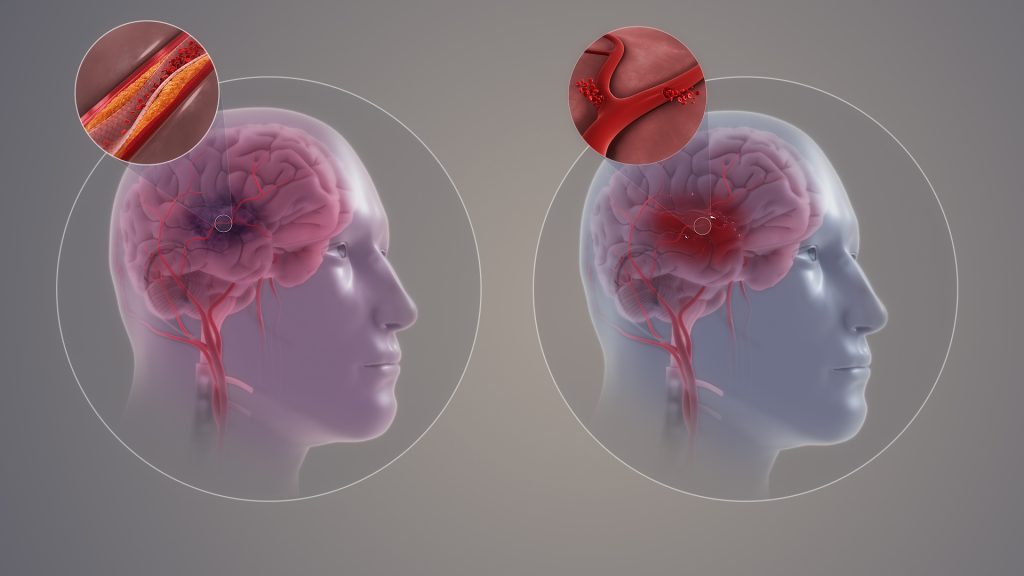
Ischaemic and haemorrhagic stroke. Credit: Scientific Animations CC4.0

Administering apaxiban to patients with cryptogenic stroke and evidence of atrial cardiopathy to prevent recurrence was no more effective than giving aspirin, a large randomised trial has found. The trial, published in JAMA, did however find a possible slight advantage in safety of apaxiban over aspirin.

Cryptogenic stroke (CS) is cerebral ischaemia of obscure or unknown origin. One third of ischaemic strokes are cryptogenic. 

Atrial cardiopathy is defined as any complex of structural, architectural, contractile, or electrophysiologic changes affecting the atria with the potential to produce clinically relevant manifestations. Atrial cardiopathy is strongly associated with incident atrial fibrillation and plays a role in thromboembolism related to atrial fibrillation.

Atrial cardiopathy is associated with stroke in the absence of clinically apparent atrial fibrillation. But it was not known whether anticoagulation, which has proven benefit in atrial fibrillation, prevents stroke in patients with atrial cardiopathy and no atrial fibrillation. The Atrial Cardiopathy and Antithrombotic Drugs in Prevention After Cryptogenic Stroke (ARCADIA) trial was therefore designed to determine whether anticoagulation is superior to antiplatelet therapy for preventing recurrent stroke in such patients.

From 2018 to 2023, the researchers conducted a multicentre, double-blind, phase 3 randomised clinical trial of 1015 participants with CS and evidence of atrial cardiopathy – defined as P-wave terminal force greater than 5000μV×ms in electrocardiogram lead V1, serum N-terminal pro-B-type natriuretic peptide level greater than 250pg/mL, or left atrial diameter index of 3cm/m2 or greater on echocardiogram. Participants had no evidence of atrial fibrillation at the time of randomisation.

The participants were randomised 1:1 to receive either apaxiban (5mg or 2.5 mg) twice daily or aspirin (81mg) once daily. The primary outcome measure of stroke occurrence was identical in both arms (40 patients, 4.4%).

There were zero intracranial haemorrhage events for apaxiban vs seven for aspirin, which is known to increase the risk of these. This supports a superior safety profile for apxiban over aspirin, but given the small number of events, the authors caution that this may be a chance finding.

Study limitations included a higher than expected dropout rate due to the COVID pandemic. Additionally, few patients met the atrial cardiopathy criterion of severe left atrial enlargement, but restricting the trial participants to this criterion would have rendered the trial infeasible.

Understanding How T Cells Target Tuberculosis will Enhance Vaccines and Therapies

Tuberculosis bacteria. Credit: CDC

La Jolla Institute for Immunology (LJI) is working to guide the development of new tuberculosis vaccines and drug therapies. Now a team of LJI scientists has uncovered important clues to how human T cells combat Mycobacterium tuberculosis, the bacterium that causes TB. Their findings were published recently in Nature Communications.

“This research gives us a better understanding of T cell responses to different stages in tuberculosis infection and helps us figure out is there are additional diagnostic targets, vaccine targets, or drug candidates to help people with the disease,” says LJI Research Assistant Professor Cecilia Lindestam Arlehamn, PhD, who led the new research in collaboration with LJI Professors Bjoern Peters, PhD, and Alessandro Sette, Dr.Biol.Sci.

The urgent need for TB research

According to the World Health Organization, more than 1.3 million people died of TB in 2022, making it the second-leading infectious cause-of-death after COVID. “TB is a huge problem in many countries,” says Lindestam Arlehamn.

Currently, a vaccine called bacille Calmette-Guerin (BCG) protects against some severe cases of TB. Unfortunately, BCG doesn’t consistently prevent cases of pulmonary TB, which can also be deadly.

Although there are drug treatments for TB, more and more cases around the world have proven drug resistant.

To help stop TB, Lindestam Arlehamn and her colleagues are learning from T cells. Instead of targeting an entire pathogen, T cells look for specific markers, called peptides sequences, that belong to the pathogen.

When a T cell recognises a certain part of a pathogen’s peptide sequence, that area is termed an “epitope.”

Uncovering T cell epitopes gives scientists vital information on how vaccines and drug treatments might take aim at the same epitopes to stop a pathogen.

T cells take aim at a range of TB epitopes

For the new study, the researchers worked with samples from patients who were mid-treatment for active TB. These samples came from study participants in Peru, Sri Lanka, and Moldova.

By looking at T cells in patients from three different continents, the researchers hoped to capture a wide diversity of genetics and environmental factors that can affect immune system activity.

In their analysis, the LJI team uncovered 137 unique T cell epitopes. They found that 16% of these epitopes were targeted by T cells found in two or more patients. The immune system appeared to be working hard to zoom in on these epitopes.

Going forward, Lindestam Arlehamn’s laboratory will investigate which of these epitopes may be promising targets for future TB vaccines and drug therapies.

A step toward better diagnostics

The new study is also a step toward catching TB cases before they turn deadly.

Because Mycobacterium tuberculosis is an airborne bacteria, a person can be exposed without ever realizing it. Once exposed, many people go months or years without any symptoms.

This inactive, or “latent,” TB can turn into active TB if a person’s immune system weakens, for example, during pregnancy or due to an infection such as HIV.

For the new study, the researchers also compared samples from active TB patients with samples from healthy individuals.

The scientists uncovered key differences in T cell reactivity between the two groups.

“For the first time, we could distinguish people with active TB versus those that have been exposed to TB – or unexposed individuals,” says Lindestam Arlehamn.

Lindestam Arlehamn says it may be possible to develop diagnostics that detect this tell-tale T cell reactivity that marks a person’s shift from latent to active TB. “Can we use this peptide pool to look for high-risk individuals and try and follow them over time?” she says.

Source: La Jolla Institute for Immunology

Exercise does not Cancel out Cardiovascular Risks of Sugary Drinks

Photo by Breakingpic on Pexels

Contrary to popular belief, the benefits of physical activity do not outweigh the risks of cardiovascular disease associated with drinking sugar-sweetened beverages, according to a new study led by Harvard T.H. Chan School of Public Health and published in The American Journal of Clinical Nutrition.

Sugar-sweetened beverages are the largest source of added sugars in the North American diet. Their consumption is associated with a higher risk of cardiovascular disease, the world’s leading cause of death.

“The marketing strategies for these drinks often show active people drinking these beverages. It suggests that sugary drink consumption has no negative effects on health if you’re physically active. Our research aimed to assess this hypothesis,” says co-author Jean-Philippe Drouin-Chartier, professor at Université Laval’s Faculty of Pharmacy.

For the study, the scientists used two cohorts totalling around 100 000 adults, followed for about 30 years.

The data show that those who consumed sugar-sweetened beverages more than twice a week had a higher risk of cardiovascular disease, regardless of physical activity levels.

The study found that even if the recommended 150 minutes of weekly physical activity protects against cardiovascular disease, it’s not enough to counter the adverse effects of sugar-sweetened beverages.

“Physical activity reduces the risk of cardiovascular disease associated with sugar-sweetened beverages by half, but it does not fully eliminate it,” says Drouin-Chartier.

The frequency of consumption considered in the study – twice a week – is relatively low but still is significantly associated with cardiovascular disease risk.

With daily consumption, the risk of cardiovascular disease is even higher. For this reason, Drouin-Chartier underlines the importance of targeting the omnipresence of sugar-sweetened beverages in the food environment.

This category includes soft and carbonated drinks (with or without caffeine), lemonade, and fruit cocktails. The study did not specifically consider energy drinks, but they also tend to be sugar-sweetened.

For artificially sweetened drinks, often presented as an alternative solution to sugar-sweetened beverages, their consumption was not associated with higher risk of cardiovascular diseases.

“Replacing sugar-sweetened beverages by diet drinks is good, because it reduces the amount of sugar. But the best drink option remains water,” explains Drouin-Chartier.

“Our findings provide further support for public health recommendations and policies to limit people’s intake of sugar-sweetened beverages, as well as to encourage people to meet and maintain adequate physical activity levels,” added lead author Lorena Pacheco, a research scientist in the Department of Nutrition at Harvard Chan School.

Source: Université Laval

Conquering Childhood Leukaemia: How You can Help

Preshthi Ishwarlal

Receiving the news that their child has been diagnosed with cancer is devastating for any parent, but this is even worse when they hear that, after 18 months of remission, their little one will need to battle the disease all over again.

This was the case for mom of two Arthie Ishwarlal. Back in 2021, her then two-year-old daughter, Preshthi, was diagnosed with Acute Lymphoblastic Leukaemia (ALL), a type of blood cancer that affects the bone marrow, white blood cells, red blood cells, and blood platelets. But, despite undergoing inpatient treatment, Preshthi experienced a relapse earlier this year with doctors saying that her only chance for survival is a stem cell transplant from a matching donor. Unfortunately, however, there is no match for her on the country’s stem cell registry at present.

As the world observes International Childhood Cancer Day (ICCD) on 15February, Palesa Mokomele, Head of Community Engagement and Communications at DKMS Africa explains that South Africans can potentially save Preshthi’s life. While there are currently over 73 000 donors on the South African registry, each only has a 1 in 100 000 chance of being a match for a blood cancer patient in need. But exacerbating the situation for little Preshthi is the lack of Indian donors since the best chance of a match comes from within one’s own ethnic group.”

She adds that it is not just Preshthi who needs a stem cell transplant for a second chance at life. “This is often the only treatment offering children with other blood cancers, like lymphomas, any hope of a cure.”

With leukaemia and lymphomas being two of the five most common cancers among South Africa’s youth, with the former accounting for 34% of childhood cancer cases and the latter 11%, Mokomele urges South Africans aged between 17 and 55 who are in good general health to register as donors. “In doing so, you might save a child’s life.”

Register at https://www.dkms-africa.org/register-now. Registration is entirely free and takes less than five minutes.

For further information, get in touch with DKMS Africa at 0800 12 10 82.

New Study Suggests that Pumping Iron can Help Fight the Blues

Photo by Jonathan Borba on Unsplash

A new study has demonstrated the impact that resistance exercise training can have in the treatment of anxiety and depressive symptoms. The findings, published in Trends in Molecular Medicine, provide evidence to support the benefits of resistance exercise training can have on anxiety and depression and offers an examination of possible underlying mechanisms.

The research was carried out by Professor Matthew P. Herring at University of Limerick and Professor Jacob D. Meyer at Iowa State University.

“We are tremendously excited to have what we expect to be a highly cited snapshot of the promising available literature that supports resistance exercise training in improving anxiety and depression.

“Notwithstanding the limitations of the limited number of studies to date, there is exciting evidence, particularly from our previous and ongoing research of the available studies, that suggests that resistance exercise training may be an accessible alternative therapy to improve anxiety and depression.

“A more exciting aspect is that there is substantial promise in investigating the unknown mechanisms that may underlie these benefits to move us closer to maximizing benefits and to optimising the prescription of resistance exercise via precision medicine approaches,” Dr Herring added.

Professor Meyer, a co-author on the study, said: “The current research provides a foundation for testing if resistance training can be a key behavioural treatment approach for depression and anxiety.

“As resistance training likely works through both shared and distinct mechanisms to achieve its positive mood effects compared to aerobic exercise, it has the potential to be used in conjunction with aerobic exercise or as a standalone therapy for these debilitating conditions.

“Our research will use the platform established by current research as a springboard to comprehensively evaluate these potential benefits of resistance exercise in clinical populations while also identifying who would be the most likely to benefit from resistance exercise.”

Source: University of Limerick

Pharmaceutical Task Group (PTG) Announces Appointment of Chairman and Deputy Chairman

Zwelethu (Zweli) Bashman, has been appointed chairman of the Pharmaceutical Industry Association (PTG), and Dr Stavros Nicolaou as deputy chairman.  Four pharmaceutical associations, representing more than 80% of the industry, comprise the membership of the PTG.

Bashman is president of the Innovative Pharmaceutical Association South Africa (IPASA), and managing director of MSD South Africa and sub-Saharan Africa.

“Our goal is to contribute towards an environment that promotes growth and investment in the South African pharmaceutical industry while aspiring to broaden access to medicines for all people living in South Africa,” said Bashman.  

Stavros Nicolaou has assumed the role of deputy chairman after serving as chairman of the PTG for several years.

New T Cell ‘Rescue’ Therapy Promising for ARDS

Credit: Scientific Animations CC4.0

Promising trial results indicate that a new type of cell therapy could improve the prognosis of those who are critically ill with acute respiratory distress syndrome (ARDS) resulting from severe COVID.

Published in the journal Nature Communications, Professor Justin Stebbing of Anglia Ruskin University (ARU) is the joint senior author of the new study investigating the use of agenT-797, MiNK Therapeutic’s allogeneic, unmodified invariant natural killer T (iNKT) cell therapy.

The iNKT cell therapy has the effect of rescuing exhausted T cells and prompting an anti-inflammatory cytokine response, potentially activating anti-viral immunity to help these patients fight infection as well as to reduce severe, pathogenic inflammation of the lung.

The new research was carried out at three medical centres and found that agenT-797, which is also under investigation in cancer trials, could be manufactured rapidly, had a tolerable safety profile, and appeared to have a positive effect on mortality among critically unwell Covid-19 ARDS patients receiving intensive care.

The exploratory trial included 20 mechanically ventilated patients with severe ARDS secondary to Covid-19. Of the 20 patients in the trial, 14 survived (70%) at 30 days (compared to a control group of 10%), and there was an 80% lower occurrence of bacterial pneumonia amongst those who received the highest dosage of agenT-797, compared to those who received fewer cells.

Twenty-one patients were treated overall (the main trial, plus one under compassionate use), which included five who were also receiving veno-venous extracorporeal membrane oxygenation (VV-ECMO), known as ‘the most aggressive salvage therapy’ for critically ill patients with ARDS.

In VV-ECMO, deoxygenated blood is pumped through a membrane lung and returned to the body via a cannula. This trial is believed to be the first immune cell therapy of any type to be used in critically unwell patients undergoing VV-ECMO.

Survival of the VV-ECMO cohort was 80% after 30 and 90 days, and 60% after 120 days. This compares favourably to overall survival of 51% for patients with Covid-19 who were treated with just VV-ECMO at the same institution, during the same timeframe.

Joint senior author Justin Stebbing, Professor of Biomedical Sciences at Anglia Ruskin University (ARU) in Cambridge, England, said: “During this small, exploratory study we observed that MiNK’s iNKT cell treatment, which is also being advanced for people with cancer, triggered an anti-inflammatory response in ARDS patients.

“Despite a poor prognosis, critically ill patients treated with this therapy showed favourable mortality rates and those treated at the highest dose also had reduced rates of pneumonia, underscoring the potential application of iNKT cells, and agenT-797 in particular, in treating viral diseases and infections more broadly.

Source: Anglia Ruskin University

Rare-X 2024 a Beacon of Hope for Those Living with Rare Diseases

Source: Unsplash CC0

Amongst the intricacies of South Africa’s healthcare landscape, a silent but significant challenge lurks – the prevalence of rare diseases. Behind the curtain of mainstream medical discourse, millions grapple with the complexities of these often overlooked conditions, a stark reality often overshadowed by the glare of more prevalent health concerns. 

With more than 7000 identified rare diseases to date, they affect as many as 4.2 million South Africans, of which 50 – 70% are children1. These conditions are more prevalent than predicted, each posing unique and often debilitating challenges for patients and families alike. 

With 29 February commemorated as Rare Diseases Day, Rare Diseases South Africa (RDSA), is hosting its third biennial rare diseases conference, Rare-X 2024, at the Indaba Hotel in Fourways, from 14 to 17 February. 

More than just a conference, Rare-X 2024 will focus on patient advocacy, education, policy reform, and improving equitable access to ensure better outcomes and support for individuals living with rare diseases.

As the first in-person conference since the COVID-19 pandemic, the event brings together patients, policymakers, academics, government and pharmaceutical companies to discuss the plight of rare diseases and find collaborative ways to improve patients’ lives and treatment efforts. 

The conference will comprise several activities, including keynote speeches by renowned experts in rare diseases; interactive panel discussions; workshops and training sessions; scientific presentations; networking opportunities and policy roundtables. 

Some of the renowned speakers to share their insights and global developments on rare diseases include Prof Alex van den Heever, Chair of Social Security Systems Administration and Management Studies at the Wits School of Governance; Professor Fatima Suleman, Professor in the School of Health Sciences at the University of KwaZulu-Natal; and Professor Chris Hendriksz, Global Clinical Development Lead for Rare Diseases at Nestle Health Science, amongst others. Bringing a wealth of practical experience following his work with health professionals, will be traditional health practitioners (THPs), Mr Elliot Makhathini and Dr Conradie from North-West University’s Centre for Human Metabolomics, to name a few.

A rare disease relates to a condition that is considered rare when it affects one person in 20002. Currently, South Africa does not have its own definition of a rare disease, which is one of the major issues that need to be addressed by the government3.

As a patient-focused non-profit organisation, RDSA was launched in 2013 by CEO and Rare-X Director, Kelly du Plessis. The mother of a child with a rare condition, du Plessis realised the dire need for support for a highly under-acknowledged community, with the organisation advocating that people living with rare diseases and congenital disorders experience greater recognition, support, improved health services, and overall, a better quality of life. 

“Despite the need for increased representation, the rare diseases community remains vulnerable from a medical and policy perspective,” says du Plessis. “As part of our mandate, RDSA brings together international best practice and local medical innovation, driving a collective voice and playing a fundamental role in bridging the gap between vulnerable communities and medical advancement.”

To date, RDSA has successfully launched initiatives that have positively impacted the lives of over 6500 patients including engaging with various governmental departments, organs of state, industry players and strategic stakeholders to raise awareness and move rare disease policy forward.

For more information on the Rare-X conference, kindly visit www.rare-x.co.za 

References:

1. Marhebe, HL. Introducing the South African Rare Diseases Access Initiative. SAMJ. 2023;113(8).

2. Reserved IUA. Orphanet: About rare diseases [Internet]. [cited 2024 Feb 2]. Available from: https://www.orpha.net/consor/cgi-bin/Education_AboutRareDiseases.php?lng=EN

3. FAQs [Internet]. Rare Diseases SA. [cited 2024 Feb 2]. Available from: https://www.rarediseases.co.za/faqs

Focused Ultrasound can Shut Down Pain Centre in Brain

Source: CC0

A new method has been developed that could non-invasively ease pain, avoiding the side effects of pain medication and the addiction problems associated with current opioid pain relievers.

This new study by Wynn Legon, assistant professor at the Fralin Biomedical Research Institute at Virginia Tech, and his team targets the insula, the location for pain reception deep within the brain. Their study, published in the journal PAIN, found that soundwaves from low-intensity focused ultrasound aimed at this spot can reduce both the perception of pain and other effects of pain, such as heart rate changes.

“This is a proof-of-principle study,” Legon said. “Can we get the focused ultrasound energy to that part of the brain, and does it do anything? Does it change the body’s reaction to a painful stimulus to reduce your perception of pain?”

Unlike ultrasound scans, focused ultrasound delivers a narrow band of sound waves to a tiny point. At high intensity, ultrasound can ablate tissue. At low-intensity, it can cause gentler, transient biological effects, such as altering nerve cell electrical activity

Neuroscientists have long studied how non-surgical techniques, such as transcranial magnetic stimulation, might be used to treat depression and other issues. Legon’s study, however, is the first to target the insula and show that focused ultrasound can reach deep into the brain to ease pain.

The study involved 23 healthy human participants. Heat was applied to the backs of their hands to induce pain. At the same time, they wore a device that delivered focused ultrasound waves to a spot in their brain guided by magnetic resonance imaging (MRI).

Participants rated their pain perception in each application on a scale of zero to nine. Participants reported an average reduction in pain of three-fourths of a point.

“That might seem like a small amount, but once you get to a full point, it verges on being clinically meaningful,” said Legon, also an assistant professor in the School of Neuroscience in Virginia Tech’s College of Science.

“It could make a significant difference in quality of life, or being able to manage chronic pain with over-the-counter medicines instead of prescription opioids.”

Researchers also monitored each participant’s heart rate and heart rate variability as a means to discern how ultrasound to the brain also affects the body’s reaction to a painful stimulus.

The study also found the ultrasound application reduced physical responses to the stress of pain – heart rate and heart rate variability, which are associated with better overall health.

“Your heart is not a metronome. The time between your heart beats is irregular, and that’s a good thing,” Legon said.

“Increasing the body’s ability to deal with and respond to pain may be an important means of reducing disease burden.”

The effect of focused ultrasound on those factors suggests a future direction for the Legon lab’s research – to explore the heart-brain axis, or how the heart and brain influence each other, and whether pain can be mitigated by reducing its cardiovascular stress effects.

Source: Virginia Tech