Year: 2023

For Weight Loss, the Side Effects of GLP-1 Agonists can be Hard to Stomach

Photo by Andres Ayrton on Pexels

GLP-1 agonists are being lauded as game-changers in the fight against obesity, but GLP-1 agonist drugs like semaglutide may come with a heightened risk of severe gastrointestinal problems, according to new research published in JAMA.

Designing their study for the side effects rather than the efficacy of the drugs, the researchers found that GLP-1 agonists are associated with an increased risk of serious medical conditions including gastroparesis (stomach paralysis), pancreatitis and bowel obstruction.

While previous studies highlighted some of these risks in patients with diabetes, this study from the University of British Columbia is the first large, population-level study to examine adverse gastrointestinal events in non-diabetic patients using the drugs specifically for weight loss.

“Given the wide use of these drugs, these adverse events, although rare, must be considered by patients thinking about using them for weight loss,” said first author Mohit Sodhi, a graduate of UBC’s experimental medicine program and fourth year UBC medical student studying the adverse events of commonly prescribed medications. “The risk calculus will differ depending on whether a patient is using these drugs for diabetes, obesity or just general weight loss. People who are otherwise healthy may be less willing to accept these potentially serious adverse events.”

GLP-1 agonists have exploded in popularity over the past decade as an off-label weight-loss tool, reaching approximately 40 million prescriptions in the US in 2022.

It was only in 2021 that some forms of the medications were approved as a treatment for obesity. However, randomised clinical trials examining the efficacy of the medications for weight loss were not designed to capture rare gastrointestinal events due to their small sample sizes and short follow-up periods.

“There have been anecdotal reports of some patients using these drugs for weight loss and then presenting with repeated episodes of nausea and vomiting secondary to a condition referred to as gastroparesis,” said senior author Dr Mahyar Etminan, an epidemiologist and associate professor in the department of ophthalmology and visual sciences at the UBC faculty of medicine. “But until now, there hasn’t been any data from large epidemiologic studies.”

To help fill this knowledge gap, UBC researchers examined health insurance claim records for approximately 16 million US patients and looked at people prescribed either semaglutide or liraglutide, two main GLP-1 agonists, between 2006 and 2020. They included patients with a recent history of obesity, and excluded those with diabetes or who had been prescribed another antidiabetic drug.

The researchers analysed the records to see how many patients developed one of four gastrointestinal conditions, and compared that rate to patients using another weight-loss drug, bupropion-naltrexone. Compared to bupropion-naltrexone, GLP-1 agonists were associated with a:

  • 9.09 times higher risk of pancreatitis, which can cause severe abdominal pain and, in some cases, require hospitalisation and surgery.
  • 4.22 times higher risk of bowel obstruction, resulting in symptoms like cramping, bloating, nausea and vomiting. Depending on the severity, surgery may be required.
  • 3.67 times higher risk of gastroparesis, limiting the passage of food from the stomach to the small intestine and results in symptoms like vomiting, nausea and abdominal pain.

Additionally, the study found a non-significant higher incidence of biliary disease.

The researchers say that although the events are rare, with millions around the world using the drugs, it could still lead to hundreds of thousands of people experiencing these conditions.

“These drugs are becoming increasingly accessible, and it is concerning that, in some cases, people can simply go online and order these kinds of medications when they may not have a full understanding of what could potentially happen. This goes directly against the mantra of informed consent,” said Sodhi.

In the meantime, the researchers hope that regulatory agencies and drug makers will consider updating the warning labels for their products, which currently don’t include the risk of gastroparesis.

“This is critical information for patients to know so they can seek timely medical attention and avoid serious consequences,” said Sodhi.

Source: University of British Columbia

Opinion Piece: The Harsh Reality of South Africa’s Ongoing Sewage Crisis and its Undeniable Link to Drinking Water Quality

Photo by Hush Naidoo Jade Photography on Unsplash

By Gerhart Britz, Director at Sanitech

South Africa’s sewage crisis has dire consequences for public health, waterways, and ecosystems. Outdated and poorly maintained wastewater infrastructure due to insufficient investment is one factor that results in poor waste management. The strain of rapid urbanisation with inadequate sanitation facilities in informal settlements and the exacerbating impact of climate change through increased rainfall events are also factors that contribute to poor waste management. Despite these challenges, there is room for optimism. Collaborative efforts between government and the private sector have the potential to address this dire situation, bringing forward practical, affordable solutions that hold the promise of a cleaner, healthier future for all communities.

A public health crisis: deadly waterborne diseases

South Africa’s persistent sewage crisis recently sparked a new cholera outbreak, primarily stemming from dysfunctional municipal sewage systems. Over 90% of the nation’s 824 treatment plants discharge untreated or partially treated sewage into our limited water resources. As of June 2023, the Department of Health had documented 1,045 suspected cholera cases across five provinces, with 197 cases confirmed by laboratory testing, directly linked to compromised water supply.

This crisis disproportionately impacts both urban and rural regions, where access to clean water and sanitation remains a pressing concern. Impoverished communities often rely on highly polluted water sources contaminated by sewage from overwhelmed treatment plants, further straining water purification efforts to meet safety standards. Recognising the intrinsic connection between drinking water quality and wastewater treatment is crucial, necessitating immediate attention and resolution.

However, a significant challenge faced by South African communities is the prohibitive cost of implementing waterborne sanitation solutions everywhere. With over four million latrines and roughly 50 million people lacking adequate sanitation, conventional waterborne systems are neither viable nor cost-effective comprehensive solutions.

South Africa’s water quality reports: red flags aplenty

The Blue Drop Report 2023, released in June 2023, paints a concerning picture of South Africa’s drinking water quality. While major cities maintain safe water, outlying areas face contamination and infrastructure challenges. Key statistics from the report reveal that the average Technical Site Assessment (TSA) score for water treatment systems is 69%, indicating partial functionality. About 15% of water supply systems are in poor or critical condition, with only 33% having Water Safety Plans, posing significant risks to water quality. Additionally, 50% of municipalities struggle with bad or poor microbiological water quality.

Wastewater and water wasting: two major risks

The 2023 Green Drop Report assesses wastewater treatment systems, showing a decline with an average score of 50%. Regional disparities persist, with Eastern Cape and Limpopo scoring lowest, while the Western Cape and Gauteng lead. The No Drop Report examines water losses, revealing a decline in overall performance in 2023, with an average score of 65%, which means that one-third of supplied water is wasted before it reaches consumers.

These reports collectively underline the urgent need to enhance drinking water quality in South Africa. Municipalities must focus on prioritising infrastructure maintenance and upgrades, implement risk-based water quality management, and strengthen compliance with standards. The Department of Water and Sanitation must offer more support to municipalities. Failing wastewater treatment facilities exacerbate drinking water purification, risking tap water safety and triggering further potential health and environmental crises. Therefore, they must take steps to safeguard water quality and address sewage infrastructure issues.

Rapid crisis intervention required

South Africa’s sewage crisis is a dire challenge that requires immediate action and innovative solutions. In recognising the inextricable link between sewage waste management and water quality, we must also acknowledge that this crisis cannot only be addressed by government without support from private sector industry leaders and experts. Portable water treatment package plants are available, along with small filtration and sterilisation systems for communities. Wastewater packaged treatment plants and solutions can help both alleviate immediate concerns and contribute to long-term sewage management strategies. Further neglecting the sewage problem and the critical maintenance of existing infrastructure will only deepen our water crisis. For this reason, the government needs to prioritise investment in sewage treatment infrastructure and implement practical, affordable solutions across all communities.

Mitigating South Africa’s sewage crisis

If municipal water supplies deteriorate further, sanitation specialists will be required to step in with a range of interventions. These extend from portable water treatment packaged plants to improve water quality at its source, to small-scale filtration and sterilisation systems designed for household use to ensure safe drinking water directly from the tap. From a contamination perspective, it is critical to reduce sewage entry into water courses, particularly in rural areas and informal settlements. This can be achieved through enhanced sanitation solutions, such as dry sanitation toilets, which are waste-contained alternatives to pit latrines.

From immediate relief to sustainable futures

Interventions will need to consider both immediate and long-term strategies. For short-term relief, containerised package plants can bolster sewage treatment facilities without the need for extensive infrastructure development, alleviating the strain on existing systems. Simultaneously, sanitation providers in the private sector can aid municipalities in implementing long-term solutions, including megalitre plans that feature efficiently packaged treatment plants. By adopting these smaller, cost-effective alternatives, it is possible to achieve the same capacity traditionally associated with larger concrete plants, in a fraction of the time to avert total system collapse and the impending health and economic catastrophes that would surely follow.

Opinion: This Court Case will Literally Determine whether Some People Get to Breathe

Photo by Wesley Tingey on Unsplash

By Aneesa Adams for Spotlight

In a pivotal case for access to affordable medicines in South Africa, the Treatment Action Campaign (TAC) and Doctors Without Borders (MSF) Southern Africa – represented by SECTION27 – earlier this year came together to help champion access to lifesaving new cystic fibrosis treatments.

Cheri Nel, a South African woman living with cystic fibrosis, and the Cystic Fibrosis Association started legal action against Vertex Pharmaceuticals earlier this year, challenging Vertex’s monopoly on the treatments. The TAC and MSF approached the court to be joined as amici curiae. Vertex, an American pharmaceutical company, holds the patents for both Trikafta and Kalydeco – medicines that have the potential to significantly improve the lives of cystic fibrosis patients. However, at a price of US $311 000 per year per patient in the United States (over R5 million), it is out of reach for most people living with cystic fibrosis.

The court application is for a compulsory licence, which, if granted, will mean another manufacturer of generics for Trikafta and Kalydeco would be permitted to enter the South African market. In this case, it is likely that competition between manufacturers would affect the price of this medicine, thus making it more accessible. A compulsory licence allows the holder of the license to produce a patented product without the patent holder’s consent.

Johannesburg-based investment banker Cheri Nel is the driving force behind a court case that may result in dramatically expanded access to life-changing new cystic fibrosis (CF) medicines. PHOTO: Supplied

Spotlight previously reported that Nel’s lawyers argued that by failing to register or supply their CF medicines in South Africa, make them available in South Africa at reasonable prices, or license other companies to supply the medicines, Vertex is abusing its patents. They further argued that Vertex’s actions are violating the Constitutional rights of people with cystic fibrosis in South Africa, including the right to health care. (Spotlight previously reported on the issue herehere, and here.)

Cystic fibrosis is a devastating multi-system illness known for causing frequent and severe lung infections, liver and pancreatic damage, lung failure, and can result in the potential need for lung transplants even in children from as young as two years old.

This case will set an important precedent that can influence access to medicines not only in South Africa but around the world. The involvement of SECTION27, where I work, underscores the broader issue of affordable access to medicines and the impact of intellectual property on healthcare access.

At present, MSF and TAC are awaiting the court’s decision to be admitted as friends of the court, while in the main application, the respondent (Vertex) has filed answering affidavits.

And while the clock is ticking in the courts, many families in South Africa are waiting and holding on to the glimmer of hope access to this medicine represents. For many who live with cystic fibrosis, a successful outcome of Nel and the Cystic Fibrosis Association’s application will mean a life where they can breathe easier.

Among those waiting is 6-year-old Janco Koorts.

A journey of hope

His mother, Tanya Koorts, says living with cystic fibrosis is like fighting every day for every breath. She says Janco had been diagnosed with cystic fibrosis at the age of two. She has since been on a mission to raise awareness about this life-threatening disease. It is hope, her family, and the support from the cystic fibrosis community that has kept her going, she says.

Reflecting on the start of their journey in the Northern Cape, she says, “The knowledge about cystic fibrosis is very little. We were lucky that Dr Jooste at the Kimberly public hospital diagnosed him so early on. After that, he sent us to the Red Cross Hospital in Cape Town and so our long journey of hope started.”

Later in a new job in a new city, the Koorts began again in Pretoria. They started Janco’s treatment at the Steve Biko Academic Hospital and then moved to the Charlotte Maxeke Johannesburg Academic Hospital.

“They don’t have much, but they do everything they can there to help. They also don’t have a lot of support but the people at Charlotte Maxeke helped Janco on his journey to stay breathing,” Koorts says, applauding the public health system.

Janco now has comprehensive medical aid which covers his monthly R48 000 medication bill and Koorts says she can now “breathe easier”. That, however, is just a fraction of the cost of living with cystic fibrosis.

When the Koorts family heard about Trixacar, a generic version of Trikafta, it only strengthened their resolve to save Janco’s life. The patent rights registered by Vertex Pharmaceuticals in South Africa, however, do not allow for the import of Trixacar. Trixacar is produced by the pharmaceutical company Gador in Argentina. Koorts will thus have to travel to Argentina to buy the medicine. This will cost about R400 000 to cover the travel costs and six boxes of Trixacar that will last six months, she says. (You can help the family fund this by donating here.)

‘a thief of joy’

Apart from the financial burden, having a young child with cystic fibrosis has affected the Koorts family mentally and emotionally.

“Cystic fibrosis is a thief of joy. Nobody speaks about fighting to save someone’s life,” says Koorts.

She says her family had to adjust to some of the social changes in their surroundings as well.

“At school, he has to fight for himself to stay alive. If we go to a restaurant and there are people smoking, it affects him and we have to move. So, as much as we have tried to give Janco a normal childhood, these social aspects will always hinder progress, and he is always reminded that he is sick. But I live in hope and so does he.”

In terms of her family relationships, Tanya says that her other children are healthy and for them to see their baby brother suffering every day hurts them.

“It’s painful as parents. Janco needs all the attention. I can’t go to a parent’s evening for my other kids. It’s difficult,” Koorts says.

She says she is proud of Janco.

“My child doesn’t know that he is dying. We fight every day so that Janco can have just one more breath.”

And that is ultimately what it is all about. From one perspective the exchange of documents in the High Court may seem abstract and full of legal technicalities. But let there be no doubt, for kids like Janco it is literally their futures that are being decided.

*Adams is a communications officer at SECTION27.

NOTEThis opinion piece was written by a staff member of SECTION27. Spotlight is published by SECTION27 and the TAC, but is editorially independent – an independence that the editors guard jealously. The views expressed in this piece are not necessarily those of Spotlight.

Republished from Spotlight under a Creative Commons Licence.

Source: Spotlight

High-accuracy, High-dose Radiotherapy Proves Effective against Prostate Cancer

Credit: Darryl Leja National Human Genome Research Institute National Institutes Of Health

Patients with intermediate risk, localised prostate cancer can be treated as effectively using fewer and higher doses of radiation therapy delivered over five treatment sessions as they can with lower doses delivered over several weeks, according to researchers from The Royal Marsden NHS Foundation Trust and The Institute of Cancer Research, London.

Significant reduction in treatment time

Results from the PACE B (Prostate Advances in Comparative Evidence) phase III randomised trial showed that stereotactic body radiotherapy (SBRT) performed as well as standard radiotherapy treatment for people whose prostate cancer had not spread, demonstrating a 96% chance of no disease progression within five years, compared to 95% for conventional radiotherapy.

SBRT, which can be delivered on a CyberKnife or standard radiotherapy machines, allows clinicians to target tumours to sub-millimetre precision. This approach uses advanced imaging and treatment planning techniques to deliver radiation with pinpoint accuracy, minimising damage to surrounding healthy tissue. It delivers five high doses of radiation to patients over one to two weeks, compared to standard radiotherapy, which delivers more moderate doses over a much longer period of time – usually around 20 sessions for patients in the UK, which can take up to one month.

Drawing from 38 centres across the UK, Ireland and Canada, researchers enrolled 874 people who preferred radiation treatment or were unsuitable for surgery. Patients were randomly assigned to receive either SBRT, consisting of five doses over one to two weeks, or standard radiation consisting of 20 doses over four weeks or 39 doses over 7.5 weeks. None of the patients received hormonal therapy.

“For something as serious as a cancer diagnosis, the treatment was incredibly easy”

The trial investigated whether SBRT was non-inferior to conventional radiation for treating people with intermediate risk, localised prostate cancer. Non-inferiority was measured by whether patients remained free of biochemical clinical failure (BCF), defined as an increase in prostate-specific antigen (PSA) levels, distant metastases or other evidence the cancer was returning, or death from prostate cancer.

Five years after treatment, people treated with SBRT had a BCF-event free rate of 95.7% compared to 94.6% for those treated with conventional radiotherapy, demonstrating that SBRT was non-inferior to conventional radiation.

Side effects were low in both groups and at five years not significantly different between treatment arms.

One patient who benefited from the treatment was 64-year-old Alistair Kennedy-Rose, who was diagnosed with prostate cancer in 2014 at his local hospital following a blood test which revealed his prostate-specific antigen levels were raised. Alistair was referred to The Royal Marsden and, after being recruited to the PACE-B trial, was treated with SBRT via CyberKnife.

He said: “When I was diagnosed I had no symptoms at all, so it came as quite a shock. There can be a lot of anxiety following a cancer diagnosis, but just ten days after I was referred to the Royal Marsden, I started SBRT. I still find it unbelievable that five days later I finished my treatment, for something as serious as a cancer diagnosis it was incredibly easy. I haven’t had any side effects and I’ve been able to live my life to the full. I can’t thank The Royal Marsden enough for what they have done for me.”

Source: The Royal Marsden

In Hearing Loss, How Hair Cells Lose Their ‘Hair’

In some cases of hearing loss, a cochlear implant is required. Photo by Brett Sayles

With age, many people will eventually need hearing aids. In some cases, the reason for this may be a signalling pathway that controls auditory sensory cell function and is downregulated with age. In the journal iScience, researchers at the University of Basel report the clues they have uncovered about this process, which may yield potential therapies to slow its progression.

Nearly everyone eventually experiences hearing loss: loud noises or simple aging gradually cause the auditory sensory cells and their synapses in the inner ear to degenerate and die off. The only treatment option is a hearing aid or, in extreme cases, a cochlear implant.

“In order to develop new therapies, we need to better understand what the auditory sensory cells need for proper function,” explains Dr Maurizio Cortada from the Department of Biomedicine at the University of Basel and University Hospital Basel. In collaboration researchers at the Biozentrum, Cortada investigated which signalling pathways influence the sensory hair cells in the inner ear. In the process, the researchers discovered a central regulator.

This signaling pathway, known by researchers as the mTORC2-signaling pathway, plays an important role, among other things, for cell growth and the cytoskeleton. The role it plays for the hair cells in the inner ear has not previously been studied.

When the researchers removed a central gene of this signalling pathway in the hair cells of the inner ear of mice, the animals gradually lost their hearing. By the age of twelve weeks, they were completely deaf, the authors report in the study.

Shortening ‘hair’ and fewer synapses

Closer examination indicated that the sensory hair cells in the inner ear lost their sensors without the mTORC2 signalling pathway: the distinctive fibre bundles known as stereocilia. Through electron microscopes, the researchers observed the shortening of stereocilia. The number of synapses that transmit the signals to the auditory nerve was also reduced.

“From other studies, we know that the production of key proteins in this signaling pathway decreases with age,” Cortada explains. There may be a connection to the loss of synapses and the reduced function of the auditory sensory cells in the inner ear that leads to hearing loss with increasing age.

“If this is confirmed, it would be a possible starting point for future therapies,” says the researcher. The middle and inner ear, for example, would be readily accessible for locally-administered medications or gene therapies. The results could pave the way for the development of such treatment options.

Source: University of Basel

A New Nasal Vaccine could be a Defence against Strep A

Photo by CDC on Unsplash

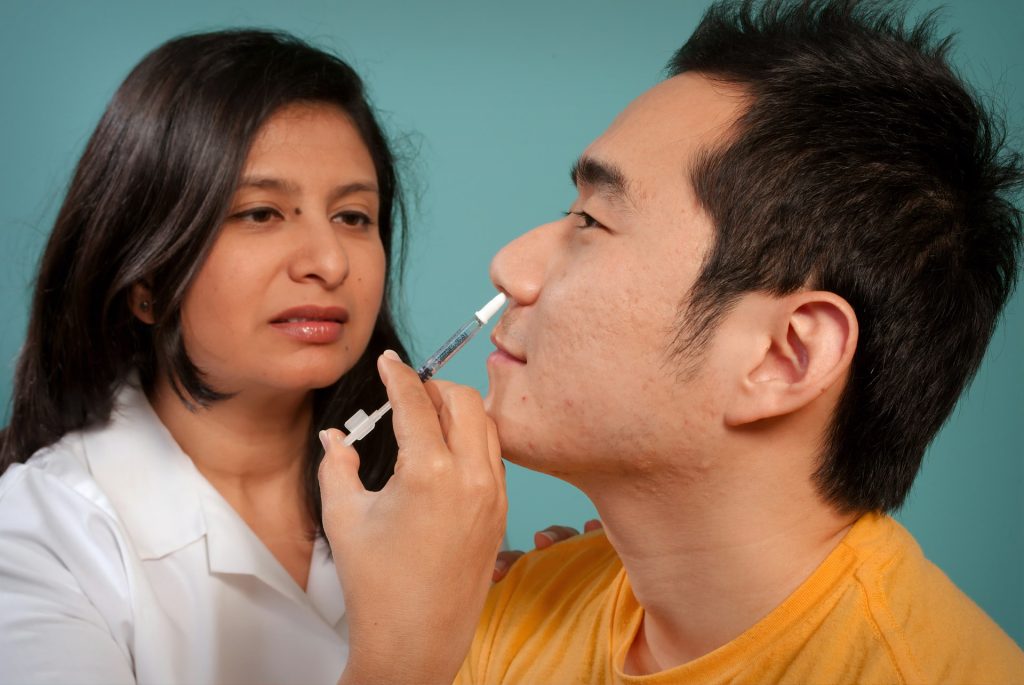
As Streptococcus A cases continue to be prevalent around the world, a new nasal vaccine could provide long-term protection from the deadly bacteria. Griffith University researchers are spearheading the development of a Strep A vaccine which is currently in Phase 1 clinical trials in Canada and quickly advancing to Phase 2 efficacy trials.

The team’s new preclinical research, recently published in Nature Communications, shows an experimental liposome-based vaccine approach incorporating a conserved M-protein epitope from Strep A and an immunostimulatory glycolipid (3D(6-acyl) PHAD) administered via the nasal passage, can provide long-term mucosal protection against Strep A.

Lead author Dr Victoria Ozberk said studies have shown most pathogens enter or colonise via the soft tissue in the upper respiratory tract, which is essentially the highway to the rest of the body.

“This has the potential to be a world-first as there are currently no subunit vaccines that target the upper respiratory tract due to a lack of licenced immunostimulants suitable for human use,” Dr Ozberk said.

“We demonstrated that a liposomal mucosal vaccination strategy can induce robust local protective immunity.”

Associate Professor Manisha Pandey, Professor Michael Good, and their team from Griffith University’s Institute for Glycomics are leading the development.

Associate Professor Pandey said the team found PHAD plays an augmenting role in inducing enduring humoral and cellular immunity, which was evident for at least one-year post-vaccination.

“The longevity of immune response is a critical hallmark of successful vaccination and therefore the findings from this study are highly significant,” she said.

Professor Good said: “In the future, this vaccine platform could pave the way for other mucosal pathogens.”

Group A Streptococcus is a global human pathogen that leads to a wide range of infections from illnesses such as mild pharyngitis and impetigo to invasive diseases such as toxic shock syndrome, necrotising fasciitis, and cellulitis.

Source: Griffith University

CRISPR Untangles the Connections between Genome Organisation and Autism

Photo by Peter Burdon on Unsplash

Using CRISPR gene editing, stem cells and human neurons, researchers have isolated the impact of a gene that is commonly mutated in autism. This new study, published today in The American Journal of Human Genetics, ties mutations in the gene CHD8 with a broad spectrum of molecular and cellular defects in human cortical neurons.

Autism is a highly heritable disorder with a recent increase in incidence – approximately 1 in 40 children in the US are diagnosed with autism. Over the past decade, sequencing studies have found many genes associated with autism but it has been challenging to understand how mutations in certain genes drive complex changes in brain activity and function.

The team, led by researchers at the New York Genome Center and New York University (NYU) and the Broad Institute, team developed an integrated approach to understand how mutations in the CHD8 gene alter genome regulation, gene expression, neuron function, and are tied to other key genes that play a role in autism. 

For more than a decade, it has been known that individuals with mutations in the CHD8 gene tend to have many similar ailments, such as autism, an abnormally large head size, digestive issues and difficulty sleeping. The CHD8 gene is a regulator of proteins called chromatin that surround the DNA but it is unclear how this particular gene might relate to major alterations in neural development and, in turn, result in autism. 

The research team identified numerous changes in physical state of DNA, which makes the genome more accessible to regulators of gene expression, and, in turn, drives aberrant expression of hundreds of genes. These molecular defects resulted in clear functional changes in neurons that carry the CHD8 mutation. These neurons are much less talkative: They are activated less often and send fewer messages across their synapses. 

The study authors initially observed these changes using human cortical neurons differentiated from stem cells where CRISPR was used to insert a CHD8 mutation. These findings were further bolstered by similar reductions in neuron and synapse activity when examining neurons from mice with a CHD8 mutation. These substantial defects in neuron function were circumvented when extra CHD8 was added to the cell using a gene therapy approach. In this case, extra copies of a healthy CHD8 gene without any mutation were added using a viral vector. Upon differentiation, the team found that the neurons rescued by the treatment returned to a normal rate of activity and synaptic communication, indicating that this gene therapy approach may be sufficient to restore function.

Lastly, when examining disrupted genes, the authors found that the CHD8 mutation seemed to specifically alter other genes that have been implicated in autism or intellectual disability, but not genes associated with unrelated disorders like cardiovascular disease. This suggest that CHD8 might influence selectively those genes that tend to be involved in neurodevelopmental disorders, providing an explanation for some of the particular characteristics of individuals carrying a CHD8 mutation.

Source: EurekAlert!

Metformin Trial Offers Hope for Women with Gestational Diabetes

Source: Pixabay CC0

A significant step forward has been taken in the management of gestational diabetes mellitus after a clinical trial involving pregnant women provided new hope for expectant mothers suffering the condition. The findings from the trial are published in the Journal of American Medical Association.

Gestational diabetes affects almost 3 million pregnant women worldwide every year. It is a condition characterised by elevated blood sugar levels during pregnancy, posing increased health risks for both mothers and their babies.

The EMERGE, randomised, placebo-controlled trial, was conducted by the University of Galway and involved more than 500 pregnant women.

The trial results showed that:

  • Women assigned to metformin were 25% less likely to need insulin, and when insulin was necessary, it was started later in the pregnancy.
  • Fasting and post-meal glycaemic values in the mother were significantly lower in the metformin exposed group at weeks 32 and 38.
  • Women receiving metformin gained less weight throughout the trial and maintained this weight difference at the 12-week post-delivery visit.
  • Importantly, delivery occurred at the same mean gestational age (39.1 weeks) in both groups. There was no evidence of any increase in preterm birth (defined as birth before 37 weeks) among those who received metformin.
  • Infants born to mothers who received metformin weighed, on average, 113g less at birth, with significantly fewer infants classified as large at birth, or weighing over 4kg.
  • While there was a slight reduction in infant length (0.7cm), there were no other significant differences in baby measurements.
  • There were slightly more babies who were small at birth but this did not reach statistical significance.

The study also revealed no differences in adverse neonatal outcomes, including the need for intensive care treatment for new-borns, respiratory support, jaundice, congenital anomalies, birth injuries or low sugar levels.

Additionally there were no variations in rates of labour induction, caesarean delivery, maternal haemorrhage, infection or blood pressure issues during or after birth.

Professor Fidelma Dunne managed the trial, and presented the results at the 59th Annual Meeting of the European Association for the Study of Diabetes in Hamburg, Germany.

Professor Dunne said, “While there is convincing evidence that improved sugar control is associated with improved pregnancy outcomes, there was uncertainty about the optimal management approach following a diagnosis of gestational diabetes.

“In our pursuit of a safe and effective treatment option we explored an alternative approach – administering the drug metformin. A previous trial compared metformin to insulin and found it to be effective, yet concerns remained, especially regarding preterm birth and infant size.”

To address concerns comprehensively, the team at University of Galway conducted a ground-breaking placebo-controlled-trial, filling a critical gap in the gestational diabetes treatment landscape.

  • 535 pregnant women took part, with 268 receiving metformin and 267 a placebo.
  • 98% of women remained in the trial until delivery, with 88% completing the 12-week post-delivery follow up assessment.
  • Only 4.9% of women discontinued medication due to side effects, highlighting the safety of the interventions.

Professor Dunne said, “Traditionally, gestational diabetes has been managed initially through dietary advice and exercise, with insulin introduced if sugar levels remain sub optimal. While effective in reducing poor pregnancy outcomes, insulin use is associated with challenges, including low sugars in both the mother and infant which may require neonatal intensive care, excess weight gain for mothers, and higher caesarean birth rates.” Professor Dunne added: “The results from the EMERGE study are a significant step forward for women with gestational diabetes. Metformin has emerged as an effective alternative for managing gestational diabetes, offering new hope for expectant mothers and healthcare providers worldwide.”

Source: University of Galway

Strong Link for Older Drivers with ADHD and Car Crashes

Photo by Pixabay

In a study on the prevalence of attention-deficit/hyperactivity disorder (ADHD) and its association with crash risk among older adult drivers, researchers found that those with ADHD are at a significantly elevated crash risk compared with those without ADHD. Outcomes included hard-braking events, and self-reported traffic ticket events, and vehicular crashes. Until now research on ADHD and driving safety was largely limited to children and young adults, and few studies assessed the association of ADHD with crash risk among older adults. The results are published online in JAMA Network Open.

The research, from Columbia University Mailman School of Public Health, found that older adult drivers were more than twice as likely as their counterparts without ADHD to report being involved in traffic ticket events (22 versus 10 per million miles driven), and vehicular crashes (27 versus 13.5 per million miles driven).

“Our findings suggest that effective interventions to improve the diagnosis and clinical management of ADHD among older adults are warranted to promote safe mobility and healthy aging,” observed first author Yuxin Liu, MPH, at the Columbia Mailman School of Public Health.

ADHD is a chronic neurodevelopmental condition with symptoms such as inattentiveness, impulsivity, and hyperactivity. Although ADHD is commonly considered a childhood disorder, it can persist into adulthood and affect daily life performances of older adults. In the US, the reported prevalence of ADHD is 9% to 13% in children younger than 17 years and 8% in adults 18 to 44 years of age. The reported prevalence of ADHD in adults has increased in recent years due to improved diagnosis. In general, the prevalence of ADHD decreases with advancing age.

Study participants were active drivers aged 65 to 79 years of age enrolled during 2015 and 2017 in the Longitudinal Research on Aging Drivers (LongROAD) project who were followed for up to 44 months through in-vehicle data recording devices and annual assessments. The data analysis was performed between July 2022 and August 2023.

Of the 2832 drivers studied, 75 (2.6 %) had ADHD. The prevalence of ADHD was 7.2% among older adults with anxiety or depression. With adjustment for demographic characteristics and comorbidities, ADHD was associated with a 7% increased risk of hard-braking events, a 102% increased risk of self-reported traffic ticket events, and a 74% increased risk of self-reported vehicular crashes.

The researchers collected data from primary care clinics and residential communities in five U.S. sites in Ann Arbor, Michigan; Baltimore, Maryland; Cooperstown, New York; Denver, Colorado; and San Diego, California between July 2015 and March 2019. Participants were active drivers aged 65 to 79 years enrolled in the LongROAD project who were followed through in-vehicle data recording devices and annual assessments.

“Our study makes two notable contributions to research on healthy and safe aging,” said Guohua Li, MD, DrPH, professor of epidemiology at Columbia Mailman School of Public Health, and senior author. “The research fills a gap in epidemiologic data on ADHD among older adults and provides compelling evidence that older adult drivers with ADHD have a much higher crash risk than their counterparts without ADHD.”

Dr. Li and colleagues launched the LongROAD Project in 2014 to understand and meet the safe mobility needs of older adult drivers. A 2016 study by Li and colleagues in the Journal of the American Geriatrics Society showed that health worsens when older adults stop driving. Early this year, the research team reported in a study published in Artificial Intelligence in Medicine that driving data captured by in-vehicle recording devices are valid and reliable digital markers for predicting mild cognitive impairment and dementia.

“There are 48 million older adult drivers in the United States. As population aging continues, this number is expected to reach 63 million in 2030. Data from the landmark LongROAD project will enable us to examine the role of medical, behavioural, environmental, and technological factors in driving safety during the process of aging.” said Li, who is also professor of anaesthesiology at Columbia Vagelos College of Physicians and Surgeons, and founding director of the Columbia Center for Injury Science and Prevention.

Source: Columbia University’s Mailman School of Public Health

In Women, Poor Quality Sleep may Increase Hypertension Risk

Photo by Karolina Grabowska on Pexels

Getting enough sleep is becoming more of a challenge in today’s busy society. New research from investigators in the Channing Division of Network Medicine of Brigham and Women’s Hospital, highlights why getting a good night’s sleep is critical to staying healthy. Their research unveils that women who struggled with getting enough sleep were at greater risk of developing hypertension, or high blood pressure. Results are published in the journal Hypertension.

“These findings suggest that individuals who struggle with symptoms of insomnia may be at risk of hypertension and could benefit from preemptive screening,” explained Shahab Haghayegh, PhD, a research fellow at the Brigham and Harvard Medical School. “Hypertension is associated with many other physical and mental health complications. The sooner we can identify individuals with high blood pressure and treat them for it, the better we can mitigate future health issues.”

Haghayegh and colleagues followed 66 122 participants between 25 and 42 years of age in the Nurses’ Health Study II (NHS2) cohort, all without hypertension at the study’s onset, over sixteen years (from 2001 until 2017). Investigators collected information on participants’ age, race, body mass index (BMI), diet, lifestyle, physical activity, history of sleep apnoea, and family history of hypertension and assessed the incidence of hypertension among the group every two years. They first began measuring sleep duration in 2001, then did so again in 2009, recording the average number of hours slept over a 24-hour period. They also tracked sleeping difficulties, such as having trouble falling or staying asleep or waking up early in the morning, collecting responses at several time points throughout the study.

Data analyses revealed that women with sleeping difficulties had higher BMIs, lower physical activity, and poorer diets, on average. Researcher also found that those who struggled with sleep were more likely to smoke and drink alcohol and have previously gone through menopause.

Among the 25 987 cases of hypertension documented over the follow-up, women who slept less than seven to eight hours a night had a significantly higher risk of developing hypertension, according to the data collected. Similarly, women who had trouble falling asleep and staying asleep were also more likely to develop hypertension. Waking up early in the morning was not associated with this increased risk. Notably, these associations, remained significant after controlling for participant shift work schedules (night versus day shifts) and chronotype (morningness versus eveningness).

While the exact nature of the relationship between sleep and risk of hypertension is unknown, Haghayegh said that sleep difficulties can lead to a chain of events that can increase sodium retention, arterial stiffness, and cardiac output, potentially leading to hypertension. Disruptions to the sleep/wake cycle can also influence blood vessel constriction/relaxation activity and the function of cells that regulate the vascular tone.

One limitation is that the study only looked at the association between sleep and hypertension in women, so researchers hope to expand their work to include men and non-binary participants. A second is that researchers could only collect data on sleep quality at select time points throughout the study. Some of the study’s strengths include the larger number of participants and length of follow-up duration.

Haghayegh emphasises that these findings do not indicate causality. He wants to understand why this association exists and how treating one condition may also treat the other. In future clinical studies, he aims to investigate if sleep medications could have a beneficial effect on blood pressure.

“I hope these findings further underscore the crucial role of quality sleep in our overall well-being. The American Academy of Sleep Medicine recommends sleeping seven or more hours a night, and if you cannot fall or stay asleep, it might be worth exploring why that is,” said Haghayegh. “This study highlights yet another reason why getting a good night’s sleep is so important.”

Source: Brigham and Women’s Hospital