Researchers have found that, in animal studies, the hypertension drug rilmenidine can extend lifespan and slow ageing. Published in Aging Cell, the findings show that animals treated with rilmenidine at young and older ages increases lifespan and improves health markers by mimicking the effects of caloric restriction.
They also demonstrate that the healthspan and lifespan benefits of rilmenidine treatment in the roundworm C. elegans are mediated by the I1-imidazoline receptor nish-1, identifying this receptor as a potential longevity target.
With side-effects being rare and non-severe, unlike other drugs previously studied for this purpose by the researchers, the widely-prescribed antihypertensive has potential for future translatability.
A caloric restriction diet has thus far proved to be the most robust anti-ageing intervention, promoting longevity across species. However, studies of caloric restriction in humans have had mixed results and side effects, meaning finding medications like rilmenidine that can mimic the benefits of caloric restriction is the most reasonable anti-ageing strategy.
Professor João Pedro Magalhães, who led the research whilst at the University of Liverpool and is now based at the University of Birmingham, said: “With a global ageing population, the benefits of delaying ageing, even if slightly, are immense. Repurposing drugs capable of extending lifespan and healthspan has a huge untapped potential in translational geroscience. For the first time, we have been able to show in animals that rilmenidine can increase lifespan. We are now keen to explore if rilmenidine may have other clinical applications.”
Over the past few decades, health care integration has absorbed physician practices and hospitals into large health systems, a practice which was heralded as the way to cut health care costs and boosting quality of care.
But integrated health systems appear to be failing on both fronts, according to the results of a new US study published in JAMA. For patients in health systems, care is only marginally improved while costs are significantly higher compared to those at independent practices or hospitals.
In the US, health systems have grown exponentially in size and market share through mergers and acquisitions of physician practices and hospitals and the joining of separate health systems.
Proponents of consolidation have argued over the years that physicians and hospitals working together in integrated, coordinated systems provide better patients care while being more efficient than independent physician practices and hospitals. This would drive quality of care up while keeping spending steady and even driving costs down.
“One of the key arguments for hospital mergers and practice acquisition was that health systems would deliver better-value care for patients. This study provides the most comprehensive evidence yet that this isn’t happening,” said study first author Nancy Beaulieu at Harvard Medical School.
Today, these systems are responsible for a large proportion of the medical care delivered in the US, some employing thousands of physicians. But despite their impact on population health and the economy, little is known about the actual performance of integrated health organisations, the study authors noted.
A lack of detailed data on performance and scale is a key obstacle. The current analysis is believed to be the first comprehensive national study to compare outcomes between patients receiving care within health systems and outside of them, including patients with private insurance as well as traditional Medicare, which is the US health insurance system for those over 65 or which certain disabilities or conditions.
The analysis included a total of 580 health systems, accounting 40% of physicians and 84% of general acute care hospital beds. Academic and large nonprofit systems accounted for a majority of system physicians (80%) and system hospital beds (64%).
System hospitals were larger than hospitals than nonsystem ones, with 67% of system hospitals having more than 100 beds, while only 23% of nonsystem hospitals having more than 100 beds. System physician practices were also more likely to have more than 100 physicians compared with nonsystem practices (74% vs 12%). Integrated systems delivered primary care to 41% of traditional Medicare beneficiaries.
As for quality and cost of care delivered within systems, patients with primary care physicians in health systems reported slightly better satisfaction and overall care experience than patients of independent physicians.
This is the case even though many patients with nonsystem primary care providers also receive some of their care in hospitals or specialist practices that are part of a health system. However, care in systems came at a much higher price, contributing to higher overall spending on health care, the research showed.
Prices for services from physicians and hospitals within health systems were significantly higher than for independent healthcare, the study found. Physician services delivered within health systems cost between 12% and 26% more, compared with independent practices. System-based hospital services cost an average of 31% more than care delivered by independent hospitals.
Small differences in quality combined with large differences in cost of care suggests that health systems have not, on average, realised their potential for better care at equal or lower cost, the researchers said.
Members of the research team have compiled a database from various sources to help characterise these health systems and to link claims data with information on health care providers in and out of health systems. The database, housed at NEBR, will be made available for free to other researchers in the near future.
“There’s no question that large, sophisticated health systems have benefits over independent systems,” said study author David Cutler, Harvard economic professor. “Big systems tend to be less vulnerable to economic downturns and they can provide specialised care that would be difficult to maintain in smaller systems. But the hoped-for cost savings benefits of integrated health systems have not yet materialised.”
A study of 104 children wearing pedometers to monitor daily activity showed that higher levels of physical activity are associated with reduced susceptibility to upper respiratory tract infections such as the common cold. Reporting the findings in Pediatric Research, the researchers suggest reduced inflammatory cytokines and improved immune responses as a possible mechanism.
Wojciech Feleszko, Katarzyna Ostrzyżek-Przeździecka and colleagues measured the physical activity levels and symptoms of upper respiratory tract infections of children aged between four and seven years in the Warsaw city region between 2018 and 2019. Participants wore a pedometer armband 24 hours a day for 40 days to measure their activity levels and sleep duration. For 60 days, parents used daily questionnaires to report their children’s symptoms of upper respiratory tract infections, such as coughing or sneezing. On a second questionnaire, parents reported their children’s vaccinations, participation in sport, whether they had siblings, and their exposure to smoking and pet hair.
The authors found that as the average daily number of steps taken by children throughout the study period increased by 1000, the number of days that they experienced symptoms of upper respiratory tract infections decreased by an average of 4.1 days. Additionally, children participating in three or more hours of sport per week tended to experience fewer days with respiratory tract infection symptoms than those not regularly participating in sports.
Higher activity levels at the beginning of the study were associated with fewer days with respiratory tract infection symptoms during the following six weeks. Among 47 children, with 5668 average daily steps during the first two weeks of the study period, the combined number of days during the following six weeks that these children experienced upper respiratory tract infection symptoms was 947. However, among 47 children whose initial average daily steps numbered 9368, the combined number of days during the following six weeks that these children experienced respiratory symptoms for was 724. Upper respiratory tract infection symptoms were not associated with sleep duration, siblings, vaccinations, or exposure to pet hair or smoking.
The authors speculate that higher physical activity levels could help reduce infection risk in children by reducing levels of inflammatory cytokines and by promoting immune responses involving T-helper cells. They also suggest that skeletal muscles could release small extracellular vesicles that modulate immune responses following exercise. However, they caution that future research is needed to investigate these potential mechanisms in children. In addition, since this was an observational study, causality could not be established.
Analysing data from controlled studies throughout the world, researchers discovered that people with hybrid immunity – from both full vaccination and prior infection – are the most protected against severe illness and reinfection. The study, published in The Lancet Infectious Diseases, will aid public policy-makers in planning the optimal timing of vaccinations.
Researchers from University of Calgary teamed up with World Health Organization (WHO) experts to answer the question of how well protected people are from combinations of vaccinations, boosters and prior infection.
“The results reinforce the global imperative for vaccination,” says Dr Niklas Bobrovitz, first author on the study. “A common question throughout the pandemic was whether previously infected people should also get vaccinated. Our results clearly indicate the need for vaccination, even among people that have had COVID.”
The global emergence and rapid spread of the Omicron variant required scientists and policy-makers to reassess population protection against Omicron infection and severe disease. In the study, investigators were able to look at immune protection against Omicron after a prior SARS-CoV-2 infection, vaccination or hybrid immunity.
“Protection against hospitalisation and severe disease remained above 95 per cent for 12 months for individuals with hybrid immunity,” says Dr Lorenzo Subissi, PhD, a technical officer with WHO and senior author on the study. “We know more variants are going to emerge. The study shows, to reduce infection waves, vaccinations could be timed for rollout just prior to expected periods of higher infection spread, such as the winter season.”
The systematic review and meta-analysis found that protection against Omicron infection declines substantially by 12 months, regardless of prior infection, vaccinations or both, which means vaccination is the best way to periodically boost protection and to keep down levels of infection in the population. In total, 4268 articles were screened and 895 underwent full-text review – a difficult task before the assistance of experts in health informatics.
“This study demonstrates the power of machine translation. We were able to break through language barriers; most of the time, systematic reviews aren’t done in every language, they are limited to one or two,” says Dr Tyler Williamson “These former BHSc classmates, along with the large diverse team they brought together, have emerged as global leaders in SARS-CoV-2 research and delivered decision-grade evidence to the world.”
While the findings demonstrate that vaccination along with a prior infection carries the most protection, the scientists warn against intentional exposure to the virus.
“You should never try to get COVID,” says Bobrovitz. “The virus is unpredictable in how it will affect your system. For some, it can be fatal or send you to hospital. Even if you have a mild infection, you risk developing long COVID.”
The group says the next phase of this research would be to investigate how the bivalent vaccine performs against severe disease.
Findings from the study complement data on the SeroTracker dashboard which monitors studies and news reports to track seroprevalence data – the percentage of people in a population who have antibodies against the novel coronavirus. The website aggregates serology data from studies and news reports in different populations, and built-in filters allow users to compare seroprevalence levels between countries, occupations, and demographic groups.
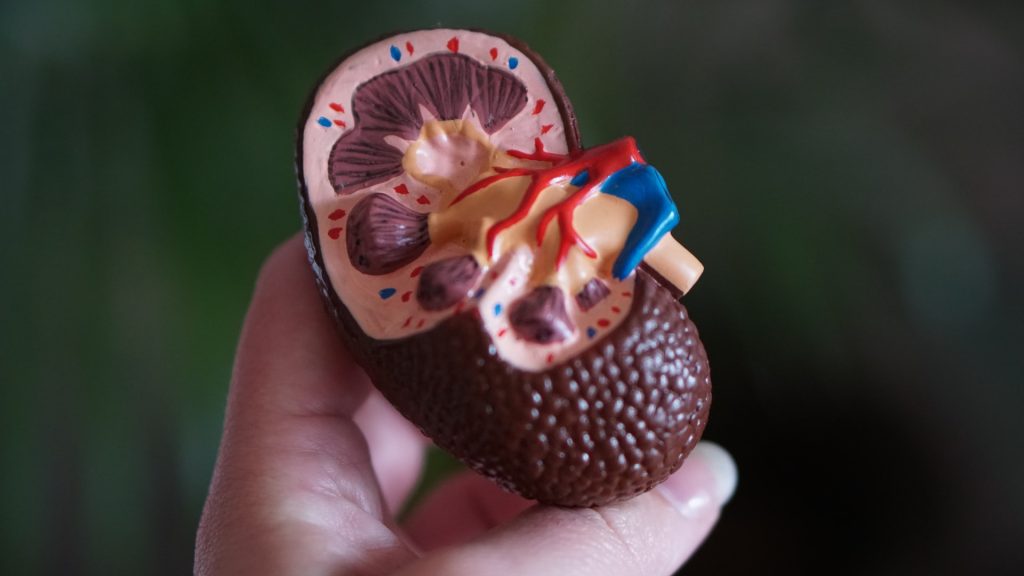
It is well known that diets with a high sodium-to-potassium ratio are linked to poor cardiovascular outcomes. To date, most attention has mostly focused on high sodium, but low potassium is also a culprit in cardiovascular disease. Now, research published in Cell Reports has revealed that low dietary potassium also causes direct kidney injury.
Using in vitro and in vivo approaches, Andrew Terker, MD, PhD, and colleagues demonstrated that the injury effects depend on the Kir4.2 potassium channel in kidney proximal tubule cells. First, they reduced dietary potassium levels to determine changes in kidney injury markers, and then lowered blood potassium levels to confirm that it indeed drove kidney injury.
Efflux of potassium from the cells caused intracellular acidosis and activated the enzyme glutaminase. This increased enzyme activity contributed to kidney injury, leading to hypertrophy, inflammation and fibrosis. They found that deleting Kir4.2 or glutaminase protected proximal tubule cells from injury in both cell culture and animal models.
The findings identify Kir4.2 and glutaminase as mediators of low potassium-related kidney injury and potential therapeutic targets. The findings also suggest that the standard practice of recommending excessive restriction of dietary potassium for patients with chronic kidney disease could unintentionally contribute to disease progression in certain settings
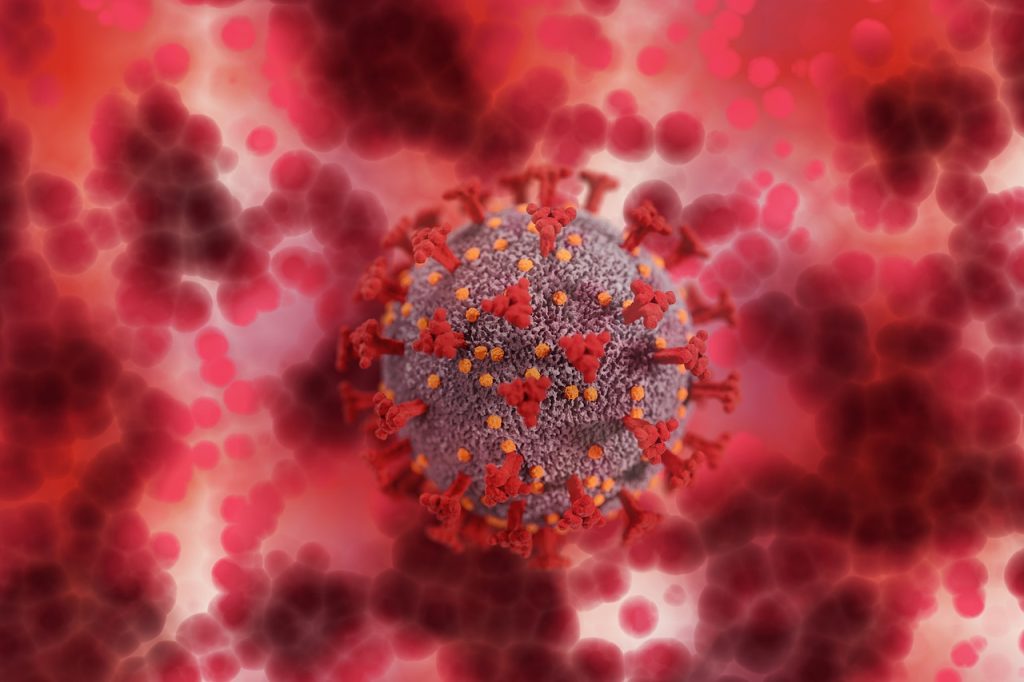
New research suggests that the first pandemic-accelerating mutation in the SARS-CoV-2 virus evolved as a way to correct vulnerabilities that were caused by the mutation that started the SARS-CoV-2 pandemic.
Published in Science Advances, this new evidence addresses important biological questions about two key mutations in the virus’ surface spike protein, say the researchers. It suggests that a spike protein mutation called D614G, which emerged a few months after the virus began spread among humans, was not an adaptation to humans. Instead, the mutation was an adaptation to the major changes that happened in the spike gene just before the pandemic, changes which allowed spread via respiratory transmission.
“This study has revealed that the first two genetic alterations in the evolution of the spike protein in SARS-CoV-2 are connected by their function, and this knowledge can improve our understanding of how the spike protein works and how the virus evolves, with important implications for vaccine design and effectiveness of COVID antibodies,” says Stephen Gould, professor of biological chemistry at the Johns Hopkins University School of Medicine, whose lab was studying the basic biology of the virus’s spike protein when the study began.
The initial mutation in the virus, Gould says, is known by scientists as the “furin cleavage site insertion mutation.”
Research by other scientists across the world has shown that this mutation enabled the virus’s spike protein to be cut and primed it for rapid infection of cells lining the airway.
While this initial mutation was essential in helping SARS-CoV-2 efficiently slip into human cells, the mutation’s effects weren’t all good, says Gould, as it cut the spike protein structure into two separate pieces.
According to Gould, this change disrupted other functions of the spike protein, creating evolutionary pressure for a second mutation to correct the disrupted functions of the spike protein while keeping the initial mutations’ rapid infection benefits .
In early 2020, researchers from the University of Toronto discovered a subsequent SARS-CoV-2 mutation, called D614G; however, its precise function was not known.
Gould, first author and graduate student Chenxu Guo, and the research team set out to understand the D614G mutation and its effect.
Working with dozens of blood samples from patients with COVID-19 hospitalized in April 2020 at the Johns Hopkins Hospital, Gould’s team isolated antibodies for the spike protein from the patients’ blood samples. Then, they used these antibodies to track the location of spike proteins in human cells genetically engineered to produce the spiky surface molecules.
They found that the D614G mutation redirects the spike protein and pulls the virus from the surface of human cells into a tiny compartment within the cell called a lysosome, which the spike protein reprograms into storage containers that are used to release infectious virus particles from the cell.
In addition, the D614G mutation caused a three-fold drop in the abundance of spike proteins at the cell surface.
“With less spike protein on the surface of virus-infected cells, it may be more difficult for the immune system to identify and kill those virus-containing cells,” says Gould.
The researchers caution that the study does not provide information about the still-debated origins of the virus. However, their work suggests that the two mutations likely arose in rapid succession.
The researchers are new examining whether spike protein mutations in more recent virus strains affect spike protein trafficking, studying the identity of the human proteins that deliver spike proteins to lysosomes, and researching how spike proteins convert lysosomes into compartments that release more virus.
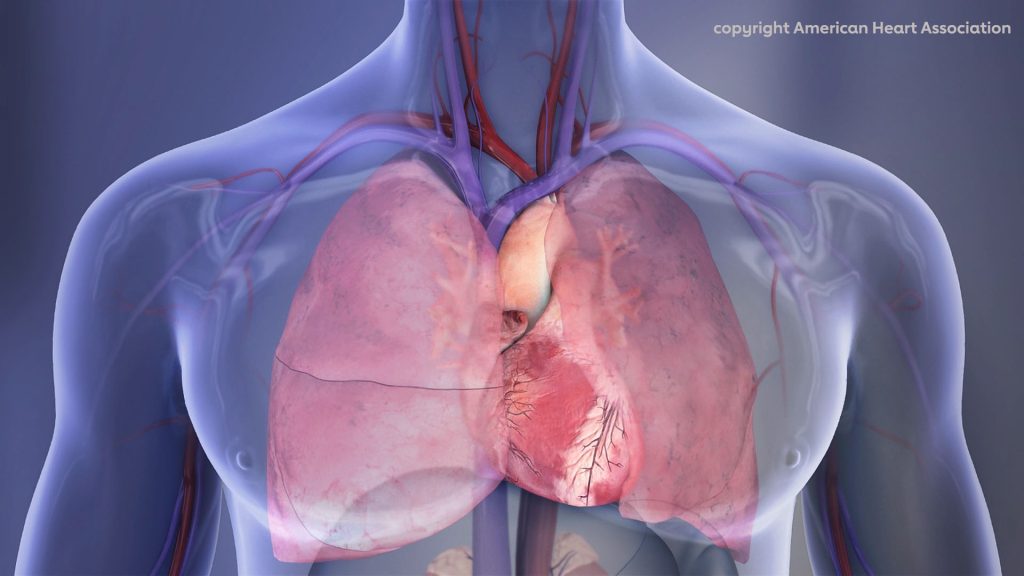
A new American Heart Association scientific statement suggests surgery be considered for more people with high-risk pulmonary embolism (PE). The statement, published in the journal Circulation, also calls for data quality registries for high-risk patients with pulmonary embolism and more research to better understand the disease process and effective treatments.
Nearly 45% of patients experiencing PE will progress to severe symptoms, where the clot causes high pressure in the lungs and subsequent damage to the right heart chamber, with a high risk of death. Even therapy following current guideline-directed treatment has a high rate of death, estimated at approximately 40% of cases in some groups.
Treatment options for patients with severe pulmonary embolism include anticoagulation therapy or thrombolysis (either intravenously or via catheter procedure), or advanced surgical interventions such as surgical embolectomy and mechanical circulatory support. Often, surgical techniques are a last resort after other treatments are unsuccessful. The statement suggests that considering surgery earlier may help improve survival for patients with severe PE.
“This statement demonstrates that modern surgical management strategies and mechanical circulatory support results in excellent survival (97%) even among the sickest patients, including those who present with cardiac arrest and have had CPR,” said Joshua B. Goldberg, MD, chair of the statement writing group.
“Modern surgical strategies and mechanical circulatory support are drastically underutilised,” he said. “It is the hope of the multidisciplinary group of authors that this scientific statement will provide a greater awareness of the safety and efficacy of modern surgical management and mechanical circulatory support in treating the most unstable patients so that lives may be saved. In addition, we hope this statement will facilitate improved understanding of the disease process and effective treatments and encourage future research to improve the survival of patients with this common and deadly disease.”
The writing group proposes strategies to determine risk more accurately and identify earlier which PE patients may benefit from surgical intervention. They also suggest increased education for clinicians to encourage the use and integration of surgical strategies earlier in PE treatment. Additionally, the statement supports the development of patient registries, particularly focused on data that provides useful context for clinicians and surgeons to understand the progression from intermediate to high-risk pulmonary embolism and treatment outcomes across patients at various risk levels.
New research published in Dermatologic Surgery indicates that simple laser treatments to the skin may help to prevent the development of basal cell carcinoma and squamous cell carcinoma, collectively known as keratinocyte carcinoma.
Conducted by a team of researchers from Massachusetts General Hospital, a founding member of Mass General Brigham, the work describes an easy-to-implement strategy to protect skin health.
Nonablative fractional lasers (NAFL) deliver heat in a fractional manner that leaves it fully intact after treatment, unlike ablative fractional lasers that remove the top layer of skin. Currently they are used to treat things such as scars, sun-damaged skin and age spots, but their effectiveness for preventing skin damage is unknown.
To investigate, Mathew Avram, MD, JD, director of the Mass General Dermatology Laser & Cosmetic Center, and his colleagues studied patients who had been successfully treated for facial keratinocyte carcinoma in the past. Such patients have a 35% risk of experiencing a subsequent keratinocyte carcinoma within 3 years and a 50% risk within 5 years.
In the study, 43 patients received NAFL therapy and 52 served as controls and did not receive NAFL therapy.
The rate of subsequent facial keratinocyte carcinoma development over an average follow-up of more than 6 years was 20.9% in NAFL-treated patients and 40.4% in controls, indicating that patients treated with NAFL had about half the risk.
Controlling for age, gender, and skin type, control patients were 2.65-times more likely to develop a new facial keratinocyte carcinoma than NAFL-treated patients.
Also, among patients who developed a facial keratinocyte carcinoma, the time to development was significantly longer in patients treated with NAFL compared with untreated patients.
“These findings suggest that NAFL treatment may have an important role in protecting against subsequent keratinocyte carcinomas,” says Avram.
“While the mechanism of NAFL’s protective effect is not completely understood, it is suspected that NAFL treatment reduces the overall burden of photo damaged keratinocytes and may promote a wound healing response, which gives healthy skin cells a selective advantage.”
Avram noted that additional studies are warranted to more critically assess the role of NAFL in skin cancer prevention, to reveal the duration of its protective effects, and to determine optimal treatment parameters.
“Based on this research, it’s encouraged for patients to have nonablative laser treatments to help prevent skin cancer if they are at risk or notice abnormalities,” says Avram.
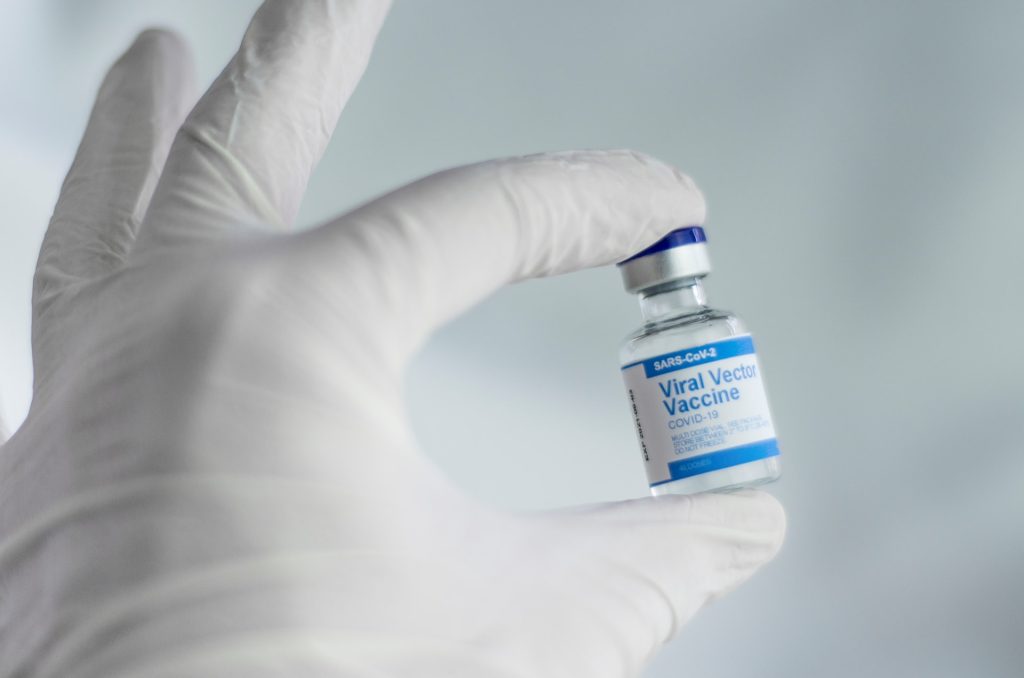
As COVID cases rise again around the world and the more infectious XBB.1.5 variant spreads rapidly, health minister Joe Paahla has emphasised the importance of getting vaccinated and boosted.
About 19 million people in South Africa (just over 30% of the population) are fully vaccinated and four million booster shots have been administered. The country is administering just over 40 000 jabs a week.
At the moment only people over 50 are eligible for a second booster. But according to Dr Nicholas Crisp, Deputy Director-General for the National Department of Health, all adults will be eligible in February. “As soon as the systems are all in place and staff orientated, the department will announce,” Crisp told GroundUp.
But finding a booster shot has become difficult. Privately-owned facilities have mostly discontinued their rollout of the vaccine, although a handful of Dis-Chem pharmacies still do vaccinations. Public sector health facilities are the only alternative.
Active vaccination sites can be found on the government’s Find My Jab website. Some are “visiting” sites only, open once or twice a week, and others are permanently open, but it is advised to call ahead to confirm availability.
“The department is trying to find a more efficient way of updating which vaccination sites are active and those are being reflected and changed weekly on Find My Jab,” says Crisp.
The Western Cape Health Department makes weekly updates to this list of vaccination sites in the province.
One concerned reader from Pennington in KwaZulu-Natal, who is over the age of 50 and HIV-positive (meaning COVID poses a higher risk for him) told GroundUp that his local clinic no longer offered vaccines. It had been ten months since his previous booster. He went to the nearest hospital but was refused a jab and told to wait for an SMS.
He called the vaccination hotline and was told to send a copy of his ID and vaccination card to be registered on the system and receive an SMS, despite already having received jabs in the past.
Without a device to send the documents, and 60km of flood-damaged road between him and and his nearest PostNet, he has still not received his booster shot.
Contrary to popular belief, rest may not always be the best treatment after a concussion, according to the results of a large multi-centre study published in JAMA Network Open. In fact, an early return to school may be associated with a lower symptom burden after suffering a concussion and, ultimately, faster recovery.
“We know that absence from school can be detrimental to youth in many ways and for many reasons,” says study lead author Christopher Vaughan, PsyD, neuropsychologist at Children’s National Hospital. “The results of this study found that, in general, an earlier return to school after a concussion was associated with better outcomes. This helps us feel reassured that returning to some normal activities after a concussion – like going to school – is ultimately beneficial.”
In this cohort study, data from over 1600 youths aged five to 18 were collected across nine paediatric emergency departments in Canada. Because of the large sample size, many factors associated with greater symptom burden and prolonged recovery were first accounted for through the complex statistical approach used to examine the data. The authors found that an early return to school was associated with a lower symptom burden 14 days post-injury in the 8 to 12 and 13 to 18-year-old age groups.
“Clinicians can now confidently inform families that missing at least some school after a concussion is common, often between 2 and 5 days, with older kids typically missing more school,” Dr Vaughan says. “But the earlier a child can return to school with good symptom management strategies and with appropriate academic supports, the better that we think that their recovery will be.”
The results suggest a possible mechanism of therapeutic benefit to the early return to school. This could be due to:
Socialisation (or avoiding the deleterious effects of isolation).
Reduced stress from not missing too much school.
Maintaining or returning to a normal sleep/wake schedule.
Returning to light-to-moderate physical activity sooner (also consistent with previous literature).