Year: 2023

Study Explains Emotional ‘Blunting’ from SSRI Use

Photo by Mitchell Hollander on Unsplash

Scientists have worked out why selective serotonin reuptake inhibitors (SSRIs), a common antidepressant class, cause around a half of users to feel emotionally ‘blunted’. In a study published in Neuropsychopharmacology, they show that the drugs interfere with reinforcement learning, which allows humans to adapt to their environment.

As their name implies, SSRIs target the neurotransmitter serotonin, and are commonly used to treat more resistant depression and anxiety. One of their widely-reported side effects is ‘blunting’, where patients report feeling emotionally dull and no longer finding things as pleasurable as they used to. Between 40–60% of patients taking SSRIs are believed to experience this side effect.

To date, most studies of SSRIs have only examined their short term use, but, for clinical use in depression these drugs are taken chronically, over a longer period of time. Researchers sought to address this by recruiting healthy volunteers and administering one of the best tolerated SSRIs, escitalopram, over several weeks and assessing the impact the drug had on their performance on a suite of cognitive tests.

In total, 66 volunteers took part in the experiment, 32 of whom were given escitalopram while the other 34 were given a placebo. Volunteers took the drug or placebo for at least 21 days and completed a comprehensive set of self-report questionnaires and were given a series of tests to assess cognitive functions including learning, inhibition, executive function, reinforcement behaviour, and decision-making.

No differences were found in ‘cold’ cognition – such as attention and memory, nor any differences found in most tests of ‘hot’ cognition – cognitive functions that involve our emotions.

However, the key novel finding was that there was reduced reinforcement sensitivity on two tasks for the escitalopram group compared to those on placebo. Reinforcement learning is how we learn from feedback from our actions and environment.

In order to assess reinforcement sensitivity, the researchers used a ‘probabilistic reversal test’. In this task, a participant would typically be shown two stimuli, A and B. If they chose A, then four out of five times, they would receive a reward; if they chose B, they would only receive a reward one time out of five. Volunteers would not be told this rule, but would have to learn it themselves, and at some point in the experiment, the probabilities would switch and participants would need to learn the new rule.

The team found that the escitalopram group was less likely to use the positive and negative feedback to guide their learning of the task compared to the placebo group. This suggests that the drug affected their sensitivity to the rewards and their ability to respond accordingly.

The finding may also explain the one difference the team found in the self-reported questionnaires, that volunteers taking escitalopram had more trouble reaching orgasm when having sex, a side effect often reported by patients.

Professor Barbara Sahakian, senior author, from the Department of Psychiatry at the University of Cambridge and a Fellow at Clare Hall, said: “Emotional blunting is a common side effect of SSRI antidepressants. In a way, this may be in part how they work – they take away some of the emotional pain that people who experience depression feel, but, unfortunately, it seems that they also take away some of the enjoyment. From our study, we can now see that this is because they become less sensitive to rewards, which provide important feedback.”

Dr Christelle Langley, joint first author also from the Department of Psychiatry, added: “Our findings provide important evidence for the role of serotonin in reinforcement learning. We are following this work up with a study examining neuroimaging data to understand how escitalopram affects the brain during reward learning.”

Source: University of Cambridge
Bone Tissue has Lymphatic Vessels – and They Aid Healing

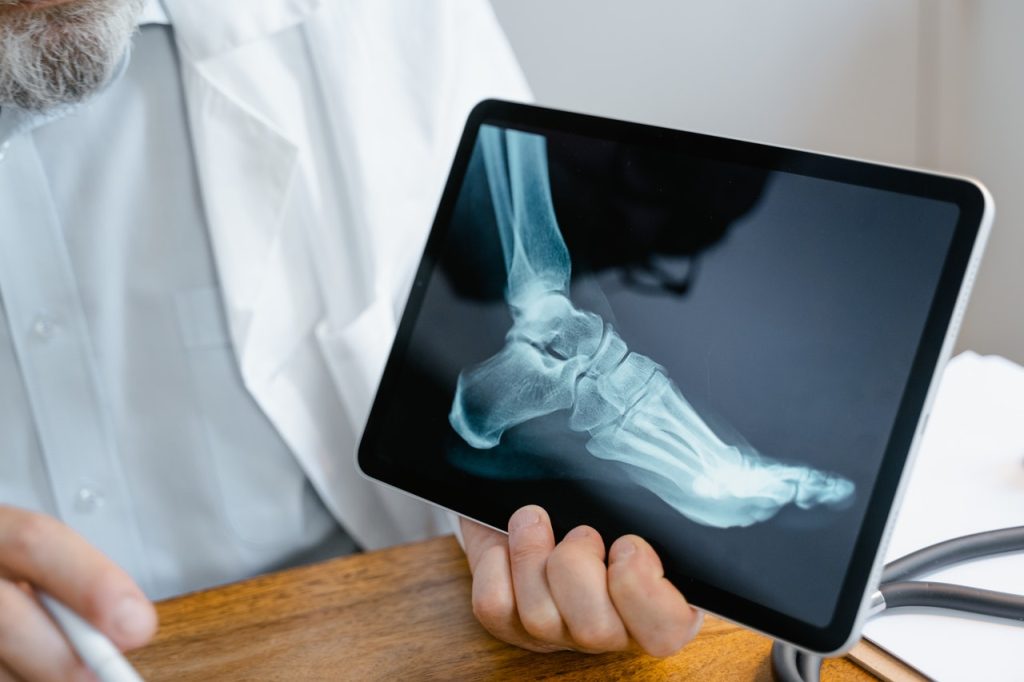
Doctor shows an X-ray of a foot
Photo by Tima Miroshnichenko on Pexels

To date, it has been assumed that bones lack lymphatic vessels, but new research published in the journal Cell not only mapped them within bone tissue, but demonstrated their role in bone and blood cell regeneration and reveals changes associated with ageing.

The network of vessels that form the lymphatic system plays an important role in draining excess fluid from tissues, clearing waste products and supporting immune responses.

The fine network of lymph vessels extends throughout the body, but a small number of sites such as the brain, eye and bone were previously assumed to lack lymph tissue. The hard tissue of bone in particular has traditionally made studying the distribution and role of blood and lymph more difficult.

Researchers used light-sheet imaging to identify and visualise the lymphatic vessels of bone in high-resolution 3D, revealing an active network of lymph vessels within bone. The researchers further identified some of the key signals happening between lymph vessels, blood stem cells and bone stem cells.

Dr Lincoln Biswas, co-first author of this study, said: ‘Interestingly after injury, lymphatic vessels in bone show dynamic crosstalk with blood stem cells and with specialised perivascular cells in order to accelerate bone healing. Such interactions between lymphatics and bone stem cells can harnessed to promote bone healing such as in fracture repair.’

The researchers found that lymphatic vessels in bone increase during injury via a signalling molecule called IL6, and trigger expansion of bone progenitor cells by secreting a different signal, called CXCL12. Dr Junyu Chen, a co-first author of the study now based at Sichuan University said: “Ageing is associated with diminished capacity for bone repair, and our findings show that lymphatic signalling is impaired in aged bones. Remarkably, the administration of young lymphatic endothelial cells restores healing of aged bones, thus providing a future direction to promote bone healing in elderly.”

Dr Anjali Kusumbe, who led the research said: “I am very excited as these findings not only demonstrate that lymphatic vessels do exist in bone but also reveal their critical interactions with blood stem cells and perivascular bone stem cells after injury to promote healing, thereby presenting lymphatics as a therapeutic avenue to stimulate bone and blood regeneration. Further, these findings are very fundamental, opening doors for understanding the impact of bone lymphatics on the immune system and their role in bone and blood diseases.”

Source: Oxford University

Small Molecule Could Restore Sight Lost to Optic Nerve Injury

Eye
Source: Daniil Kuzelev on Unsplash

Central nervous system (CNS) injuries often result in a catastrophic loss of sensory, motor and visual functions, and poses one of the most difficult medical challenges today. Neuroscientists report in PNAS that they recently identified a small molecule that can effectively stimulate nerve regeneration and restore visual functions after optic nerve injury.

“There is currently no effective treatment available for traumatic injuries to the CNS, so there is an immediate need for potential drug to promote CNS repair and ultimately achieve full function recovery, such as visual function, in patients,” said research leader Dr Eddie Ma Chi-him at City University of Hong Kong.

Enhancing mitochondrial dynamics and motility is key for successful axon regeneration

Axons are responsible for transmitting signals between neurons and from the brain to muscles and glands. The first step for successful axon regeneration is to form active growth cones and the activation of a regrowth programme, involving the synthesis and transport of materials to regrow axons. These are all energy-demanding processes, which require the active transport of mitochondria (the powerhouse of the cell) to injured axons at the distal end.

Injured neurons therefore face special challenges that require long-distance transport of mitochondria from the soma to distal regenerating axons, where axonal mitochondria in adults are mostly stationary and local energy consumption is critical for axon regeneration.

A research team led by Dr Ma identified a therapeutic small molecule, M1, which can increase the fusion and motility of mitochondria, resulting in sustained, long-distance axon regeneration. Regenerated axons elicited neural activities in target brain regions and restored visual functions within four to six weeks after optic nerve injury in M1-treated mice.

Small molecule M1 promotes mitochondrial dynamics and sustains long-distance axon regeneration

“Photoreceptors in the eyes [retina] forward visual information to neurons in the retina. To facilitate the recovery of visual function after injury, the axons of the neurons must regenerate through the optic nerve and relay nerve impulses to visual targets in the brain via the optic nerve for image processing and formation,” explained Dr Ma.

To investigate whether M1 could promote long-distance axon regeneration after CNS injuries, the research team assessed the extent of axon regeneration in M1-treated mice four weeks after injury. Strikingly, most of the regenerating axons of M1-treated mice reached 4mm distal to the crush site (ie near optic chiasm), while no regenerating axons were found in vehicle-treated control mice. In M1-treated mice, the survival of retinal ganglion cells (RGCs, neurons that transmit visual stimuli from the eye to the brain) was significantly increased from 19% to 33% four weeks after optic nerve injury.

“This indicates that the M1 treatment sustains long-distance axon regeneration from the optic chiasm, i.e. midway between the eyes and target brain region, to multiple subcortical visual targets in the brain. Regenerated axons elicit neural activities in target brain regions and restore visual functions after M1 treatment,” Dr Ma added.

M1 treatment restores visual function

To further explore whether M1 treatment can restore visual function, the research team gave the M1-treated mice a pupillary light reflex test six weeks after the optic nerve injury. They found that the lesioned eyes of M1-treated mice restored the pupil constriction response upon blue light illumination to a level similar to that of non-lesioned eyes, suggesting that M1 treatment can restore the pupil constriction response after optic nerve injuries.

In addition, the research team assessed the response of the mice to a looming stimulus — a visually induced innate defensive response to avoid predators. The mice were placed into an open chamber with a triangular prism-shaped shelter and a rapidly expanding overhead-black circle as a looming stimulus, and their freeze and escape behaviours were observed. Half of the M1-treated mice responded to the stimulus by hiding in a shelter, showing that M1 induced robust axon regeneration to reinnervate subcortical visual target brain regions for complete recovery of their visual function.

Potential clinical application of M1 for repairing nervous system injury

The seven-year-long study highlights the potential of a readily available, non-viral therapy for CNS repair, which builds on the team’s previous research on peripheral nerve regeneration using gene therapy.

“This time we used the small molecule, M1, to repair the CNS simply by intravitreal injection into the eyes, which is an established medical procedure for patients, eg for macular degeneration treatment. Successful restoration of visual functions, such as pupillary light reflex and response to looming visual stimuli was observed in M1-treated mice four to six weeks after the optic nerve had been damaged,” said Dr Au Ngan-pan, Research Associate in the Department of Neuroscience.

The team is also developing an animal model for treating glaucoma-related vision loss using M1 and possibly other common eye diseases and vision impairments such as diabetes-related retinopathy, macular degeneration and traumatic optic neuropathy. Thus, further investigation is warranted to evaluate the potential clinical application of M1. “This research breakthrough heralds a new approach that could address unmet medical needs in accelerating functional recovery within a limited therapeutic time window after CNS injuries,” said Dr Ma.

Source: City University of Hong Kong 

Reduced Intestinal Bacterial Diversity in IBS Sufferers

Gut microbiome. Credit: Darryl Leja, NIH

People with irritable bowel syndrome (IBS) have lower bacterial diversity in the intestine than do healthy people, according to research appearing in Microbiology Spectrum. The investigators believe that theirs is the first analysis to find a clear association between IBS and reduced diversity in the microbiota of the gut. The an open-access journal of the American Society for Microbiology.

Normally, “More than 10 000 species of microorganism live in the human intestine,” said corresponding author Jung Ok Shim, MD, PhD, a professor at Korea University College of Medicine. Disruption of the microbiome of the human gastrointestinal tract can trigger IBS. Typically, IBS causes bloating, diarrhoea, and stomach pain or cramps.

Previous studies of gut bacteria in patients with IBS have been controversial, with inconsistent results, due to small sample size and lack of consistent analytical methods used among these studies, said Shim. The investigators combined their own dataset with 9 published, shared datasets, encompassing 576 IBS patients and 487 healthy controls, analysing them with a “unified data processing and analytical method.”

The researchers found that the gut bacterial community is less diverse in IBS patients than in healthy people, said Shim. Additionally, the abundance of 21 bacterial species differed between IBS patients and healthy controls. However, the findings were not statistically significant in the paediatric cohort due to small sample size.

The investigators proved that the disturbed gut bacterial community “is associated with IBS, though this does not mean that the relationship is causal,” said Shim. “Functional studies are needed to prove whether the change in gut micro-organisms contributes to development of IBS.”

Even though IBS is a common disorder, its pathogenesis remains unknown, and as yet there is no effective treatment strategy. “Based on the epidemiological studies of IBS patients, altered gut microbiota was proposed as one of the possible causes of IBS,” the researchers write. “Acute bacterial gastroenteritis can cause chronic, asymptomatic, low-grade intestinal wall inflammation sufficient to alter neuromuscular and epithelial cell function.”

Source: American Society for Microbiology

An Epigenetic ‘Reboot’ Reverses Ageing in Mice

DNA repair
Source: Pixabay/CC0

An international study demonstrates for the first time that degradation in epigenetic information can drive ageing in an organism, independently of changes to the genetic code itself. Published in the journal Cell, the work shows that a breakdown in epigenetic information causes mice to age and that restoring the integrity of the epigenome reverses those signs of ageing.

“We believe ours is the first study to show epigenetic change as a primary driver of ageing in mammals,” said the paper’s senior author, David Sinclair, professor of genetics at Harvard Medical School.

The team’s extensive series of experiments provide long-awaited confirmation that DNA changes are not the only, or even the main, cause of ageing. Rather, the findings show, chemical and structural changes to chromatin contribute ageing without changing the genome.

“We expect the findings will transform the way we view the process of ageing and the way we approach the treatment of diseases associated with ageing,” said co-first author Jae-Hyun Yang, research fellow in genetics in the Sinclair lab.

Since it is easier to manipulate epigenetics than DNA, this could lead to a whole new avenue of research. Studies in nonhuman primates are currently underway.

“We hope these results are seen as a turning point in our ability to control aging,” said Sinclair. “This is the first study showing that we can have precise control of the biological age of a complex animal; that we can drive it forwards and backwards at will.”

Beyond mutations

A reigning, decades-old theory of ageing was that it arises from an accumulation of changes to DNA, primarily genetic mutations, which over time prevent more and more genes from functioning properly. Over time, researchers began finding contradictory evidence: in some human and mice, high mutation rates was not accompanied by premature ageing, while many types of aged cells lacked mutations. Some researchers believed that epigenetics could be the true culprit.

A component of epigenetics is the physical structures such as histones that bundle DNA into tightly compacted chromatin and unspool portions of that DNA when needed. Bundled up, genes are inaccessible when but are available to be copied and used to produce proteins when they’re unspooled. Thus, epigenetic factors regulate which genes are active or inactive in any given cell at any given time.

By acting as a toggle for gene activity, these epigenetic molecules help define cell type and function. Since each cell in an organism has basically the same DNA, it’s the on-off switching of particular genes that differentiates a nerve cell from a muscle cell from a lung cell.

“Epigenetics is like a cell’s operating system, telling it how to use the same genetic material differently,” said Yang, who is co-first author with Motoshi Hayano, a former postdoctoral fellow in the Sinclair lab who is now at Keio University School of Medicine in Tokyo.

In the late 1990s and early 2000s, Sinclair’s lab and others showed in yeast and mammals that epigenetic changes were associated with ageing but could not determine whether they caused it or were caused by it. At least, this new study let the scientists disentangle epigenetic causes from genetics.

ICE mice

The team’s main experiment involved creating temporary, fast-healing cuts in the DNA of lab mice, which mimicked those breaks chromosomes that mammalian cells receive on a daily basis from things like breathing, exposure to sunlight and cosmic rays, and contact with certain chemicals. This let the researchers simulate a sped-up life.

Most of the breaks did not happen in the DNA’s coding regions, so did not cause mutations. Rather, the breaks altered the way DNA is folded.

Sinclair and colleagues called their system ICE, short for inducible changes to the epigenome.

At first, epigenetic factors paused their normal job of regulating genes and moved to the DNA breaks to coordinate repairs. Afterward, the factors returned to their original locations.

But as time passed, things changed. The researchers noticed that these factors got ‘distracted’ and did not return home after repairing breaks. The epigenome grew disorganised and began to lose its original information. Chromatin got condensed and unspooled in the wrong patterns, a hallmark of epigenetic malfunction.

As the mice lost their youthful epigenetic function, they began to look and act old. The researchers saw a rise in biomarkers that indicate ageing. Cells lost their identities as, for example, muscle or skin cells. Tissue function faltered. Organs failed.

The team used a tool recently developed by Sinclair’s lab to measure how biologically old the mice were, based on how many sites across the genome lost the methyl groups normally attached to them. Compared to untreated mice born at the same time, the ICE mice had aged significantly more.

Young again

Next, the researchers gave the mice a gene therapy that reversed the epigenetic changes they’d caused, which Sinclair likened to rebooting a malfunctioning computer.

The therapy delivered a trio of genes (Oct4Sox2, and Klf4, together named OSK) that are active in stem cells and can help rewind mature cells to an earlier state. (Sinclair’s lab used OSK to restore sight in blind mice in 2020.)

The ICE mice’s organs and tissues resumed a youthful state.

The therapy “set in motion an epigenetic program that led cells to restore the epigenetic information they had when they were young,” said Sinclair. “It’s a permanent reset.”

How exactly OSK treatment achieved that remains unclear.

At this stage, Sinclair says the discovery supports the hypothesis that mammalian cells maintain a kind of backup copy of epigenetic software that, when accessed, can allow an aged, epigenetically scrambled cell to reboot into a youthful, healthy state.

For now, the extensive experiments led the team to conclude that “by manipulating the epigenome, aging can be driven forwards and backwards,” said Yang.

From here

The ICE method offers researchers a new way to explore the role of epigenetics in ageing and other biological processes.

Because signs of ageing developed in the ICE mice after only six months rather than toward the end of the average mouse life span of two and a half years, the approach also saves time and money for researchers studying aging.

Yang said that researchers can also look beyond OSK gene therapy to other methods such as drugs, to determine how lost epigenetic information might be restored in aged organisms.

Watch the team describe their research in the video below.

Source: Harvard Medical School

Turning M. Pneumoniae into ‘Living Medicine’

Pseudomonas
Scanning Electron Micrograph of Pseudomonas aeruginosa. Credit: CDC/Janice Carr

Using a modified version of the bacterium Mycoplasma pneumoniae, researchers have designed the first ‘living medicine’ to treat lung infections. Their method is reported in the journal Nature Biotechnology. The treatment targets Pseudomonas aeruginosa, a common source of hospital-acquired infections and which is naturally multi-drug resistant.

Researchers removed the M. pneumoniae‘s ability to cause disease and repurposing it to attack P. aeruginosa instead. The modified bacterium is used in combination with low doses of antibiotics that would otherwise not work on their own.

Researchers tested the efficacy of the treatment in mice, finding that it significantly reduced lung infections. The ‘living medicine’ doubled mouse survival rate compared to not using any treatment. Administering a single, high dose of the treatment showed no signs of toxicity in the lungs. Once the treatment had finished its course, the innate immune system cleared the modified bacteria in a period of four days.

P. aeruginosa infections are difficult to treat because the bacteria lives in communities that form biofilms. Biofilms can attach themselves to various surfaces in the body, forming impenetrable structures that escape the reach of antibiotics.

P. aeruginosa biofilms can grow on the surface of endotracheal tubes used by critically-ill patients who require mechanical ventilators to breathe. This causes ventilator-associated pneumonia (VAP), a condition affecting 9–27% of patients who require intubation. The incidence exceeds 50% for patients intubated because of severe COVID. VAP can extend the duration in intensive care unit for up to 13 days and kills 9–13% of patients.

The authors of the study engineered M. pneumoniae to dissolve biofilms by equipping it with the ability to produce various molecules including pyocins, toxins naturally produced by bacteria to kill or inhibit the growth of Pseudomonas bacterial strains. To test its efficacy, they collected P. aeruginosa biofilms from the endotracheal tubes of patients in intensive care units. They found the treatment penetrated the barrier and successfully dissolved the biofilms.

“We have developed a battering ram that lays siege to antibiotic-resistant bacteria. The treatment punches holes in their cell walls, providing crucial entry points for antibiotics to invade and clear infections at their source. We believe this is a promising new strategy to address the leading cause of mortality in hospitals,” says Dr María Lluch, co-corresponding author of the study.

With the aim of using the ‘living medicine’ to treat VAP, the researchers will carry out further tests before reaching the clinical trial phase. The treatment is expected to be administered using a nebuliser.

M. pneumoniae is one of the smallest known species of bacteria. Dr Luis Serrano first had the idea to modify the bacteria and use it as a ‘living medicine’ two decades ago. Dr Serrano is a specialist in synthetic biology, a field that involves repurposing organisms and engineering them to have new, useful abilities. With just 684 genes and no cell wall, the relative simplicity of M. pneumoniae makes it ideal for engineering biology for specific applications.

One of the advantages of using M. pneumoniae to treat respiratory diseases is that it is naturally adapted to lung tissue. After administering the modified bacterium, it travels straight to the source of a respiratory infection, where it sets up shop like a temporary factory and produces a variety of therapeutic molecules.

By showing that M. pneumoniae can tackle infections in the lung, the study opens the door for researchers creating new strains of the bacteria to tackle other types of respiratory diseases such as lung cancer or asthma. “The bacterium can be modified with a variety of different payloads – whether these are cytokines, nanobodies or defensins. The aim is to diversify the modified bacterium’s arsenal and unlock its full potential in treating a variety of complex diseases,” says ICREA Research Professor Dr. Luis Serrano.

In addition to designing the ‘living medicine’, Dr. Serrano’s research team are also using their expertise in synthetic biology to design new proteins that can be delivered by M. pneumoniae. The team are using these proteins to target inflammation caused by P. aeruginosa infections.

Though inflammation is the body’s natural response to an infection, excessive or prolonged inflammation can damage lung tissue. The inflammatory response is orchestrated by the immune system, which release mediator proteins such as cytokines. One type of cytokine, IL-10, has well-known anti-inflammatory properties and is of growing therapeutic interest.

Dr Serrano’s research group used protein-design software to engineer new versions of IL-10 purposefully optimised to treat inflammation. The cytokines were designed to be created more efficiently and to have higher affinity, meaning less cytokines are needed to have the same effect.

The researchers engineered strains of M. pneumoniae that expressed the new cytokines and tested its efficacy in the lungs of mice with acute P. aeruginosa infections. They found that engineered versions of IL-10 were significantly more effective at reducing inflammation compared to the wild type IL-10 cytokine.

According to Dr Ariadna Montero Blay, co-corresponding author of that study, “live biotherapeutics such as M. pneumoniae provide ideal vehicles to help overcome the traditional limitations of cytokines and unlock their huge potential in treating a variety of human diseases. Engineering cytokines as therapeutic molecules was critical to tackle inflammation. Other lung diseases such as asthma or pulmonary fibrosis could also stand to benefit from this approach.”

Source: Center for Genomic Regulation

Turning a Traditional Chinese Medicinal Plant into a Cancer Fighter

Photo by Bundo Kim on Unsplash

The evolutionary secrets that enable the traditional Chinese medicinal herb known as barbed skullcap to produce cancer fighting compounds have been unlocked by a collaboration of UK and Chinese researchers, who published their research in the journal Molecular Plant.

The researchers used DNA sequencing technology to assemble the genomic sequence of skullcap (Scutellaria barbata) known in China as banzhilian. This gave researchers the genetic information, a microevolutionary history, required to identify how the plant produces the compound scutebarbatine A, which acts against a range of cancer cells.

Professor Cathie Martin, Group Leader at the John Innes Centre, and one of the authors of the study said, “We have found that the primary metabolite has activity against cancer cells but not non-cancer cells which is especially important for an anti-cancer metabolite. Now we are looking to develop synthetic methods for producing more of the lead compound.”

In Traditional Chinese Medicine (TCM), to isolate medicinal chemistry from the plant, the herb is boiled in water for two hours and extract is dried to produce a powder and taken as a decoction (concentrated liquid). Now, with the knowledge of the genes that make up the biochemical pathway behind the anti-cancer activity of the herb, researchers are close to being able to synthesise larger quantities of compounds more rapidly and sustainably by using a host such as yeast.

The research is led by CEPAMS, a partnership between the John Innes Centre and the Chinese Academy of Science and supported by The Royal Society.

“This is a fantastic collaboration about developing interesting drug leads from natural resources and shows the practical value of focusing on the microevolution of a species” said Professor Martin.

The Skullcap genus has been used for centuries in TCM for treatment of different medical conditions. Clinical work has shown that preparations based on Scutellaria barbata during chemotherapy can reduce the risk of metastatic tumours.

CEPAMS Group Leader based at Shanghai Dr Evangelos Tatsis said, “Natural products have long been the lead compounds for the discovery of new drugs. By following the trail of the traditional Chinese plants, we can develop new anti-cancer medicines and this research marks a crucial step in that direction.”

Plant-based traditional medicines have long been used to provide leads for the new drug discovery, leading to drugs such as vinblastine and taxol which are now used clinically as anticancer drugs.

TCM is one of the best catalogued systems with empirical information about the therapeutic properties of herbal remedies.

Anti-cancer drugs obtained from traditional Chinese medicine have higher efficacy than chemical synthetic drugs and with less toxic side effects. The genomes of medicinal skullcaps reveal the polyphyletic origins of clerodane diterpene biosynthesis in the family Laminiaceae, is published in Molecular Plant

Source: John Innes Centre

Scientists Solve Epstein-Barr Virus Mystery

Photo by National Cancer Institute on Unsplash

Medical science has not yet been able to explain why the Epstein-Barr virus triggers infectious mononucleosis (IM) in some people with initial infections and not in others. But now researchers have identified a unusual T cell response to the virus as the cause, and as a potential target for the development of vaccines. The findings were recently published in the journal Blood.

T cells normally fight the proliferation of the Epstein-Barr virus (EBV) in humans as part of an antiviral immune response. In this response, certain EBV components (peptides) are presented to the T cells by a specific molecule (HLA-E), which is found on the surface of cells infected with EBV. This triggers a non-classical T-cell response that leads to the destruction of the infected cells. Due to a genetic variation (HLA-E*0103/0103), about one third of the population naturally has more HLA-E molecules on EBV-infected cells.

A recently published study has shown that the risk of developing IM following first-time infection with the Epstein-Barr virus depends strongly on this EBV-specific immune response.

“Our research revealed that people with the HLA-E*0103/0103 genetic variation have a lower risk of developing infectious mononucleosis than those who do not have the variation. Our experiments in the lab showed that this gene variation is associated with a highly pronounced EBV-specific -non-classical — immune response,” explained Hannes Vietzen from MedUni Vienna’s Center for Virology, the first author of the study.

Preventive and diagnostic possibilities

EBV is one of the most common viral infections in humans. On initial infection, the virus causes IM in some children and young adults; this disease is characterised by non-specific symptoms, such as fever, as well as exhaustion that in some cases can last for several months. Until now, it was unclear why a first-time EBV infection only leads to IM in a minority of people, while most do not present any symptoms whatsoever. The immune response that the researchers identified could also be a target for research into preventive measures: “This immune response was still measurable years after the initial EBV infection and generally provides long-lasting protection against reinfection with Epstein-Barr, so it might be worth focusing our attention on this mechanism with a view to developing new vaccines in future,” said Hannes Vietzen, looking ahead.

Another finding from the study could also open up new diagnostic options: “The combination of the unfavourable HLA-E genetic variation with certain EBV peptides also appears to play an important role in the development of EBV-associated lymphomas in transplant recipients,” Hannes Vietzen commented. “Analysis of the EBV strains found in these patients could be helpful in identifying high-risk patients at an early stage and treating them in good time.”

Source: Medical University of Vienna

Researchers Achieve Decolonisation of S. Aureus by Using Probiotics

Methicillin-resistant Staphylococcus aureus (MRSA) bacteria. Credit: CDC

A clinic trial published in The Lancet Microbe found that a promising approach to that ‘decolonised’ Staphylococcus aureus by using a probiotic instead of antibiotics. The probiotic Bacillus subtilis markedly reduced S. aureus colonisation in trial participants without harming the gut microbiota. 

Staphylococcus aureus are colonising bacteria that often live in the nose, on the body and in the gut but if the skin barrier is broken or the immune system weakened, they can cause serious disease.

Preventing S. aureus infections by “decolonising” the body has gained increased attention as antibiotic resistance has spread, but large amounts of antibiotics are needed, damaging other microbiota and promoting more antibiotic resistance. So far, it appears that only nasal S. aureus colonisation can be targeted with topical antibiotics without doing too much harm, but bacteria quickly can recolonise in the nose from the gut.

Probiotics may be a way to complement or replace antibiotics, of which Bacillus is especially promising because it is administered orally as spores that can survive passage through the stomach and then temporarily grow in the intestine. In prior studies, Dr Otto’s group discovered an S. aureus sensing system needed for S. aureus to grow in the gut. They also found that fengycins, Bacillus lipopeptides that are part peptide and part lipid, stop the S. aureus sensing system from functioning, eliminating the bacteria.

In the clinical trial, conducted in Thailand, the research team tested whether this approach works in people. They enrolled 115 healthy participants, all of whom were colonised naturally with S. aureus. A group of 55 people received B. subtilis probiotic once daily for four weeks; a control group of 60 people received a placebo. After four weeks researchers evaluated the participants’ S. aureus levels in the gut and nose. They found no changes in the control group, but in the probiotic group they observed a 96.8% S. aureus reduction in the stool and a 65.4% reduction in the nose.

“The probiotic we use does not ‘kill’ S. aureus, but it specifically and strongly diminishes its capacity to colonise,” Dr. Otto said. “We think we can target the ‘bad’ S. aureus while leaving the composition of the microbiota intact.”

The researchers also found that levels of S. aureus bacteria in the gut far exceeded S. aureus in the nose, which for decades has been the focus of staph infection prevention research. This finding adds to the potential importance of S. aureus reduction in the gut.

“Intestinal S. aureus colonisation has been evident for decades, but mostly neglected by researchers because it was not a viable target for antibiotics,” Dr Otto said. “Our results suggest a way to safely and effectively reduce the total number of colonising S. aureus and also call for a categorical rethinking of what we learned in textbooks about S. aureus colonisation of the human body.”

The researchers plan to continue their work by testing the probiotic in a larger and longer trial. They note that their approach probably does not work as quickly as antibiotics, but can be used for long periods because the probiotic as used in the clinical trial does not cause harm.

Source: NIH/National Institute of Allergy and Infectious Diseases

Aspirin as Effective as Heparin for Clot Prevention in Bone Fracture Hospitalisation

Source: Mat Napo on Unsplash

Patients hospitalised with fractures typically receive low-molecular-weight heparin to prevent life-threatening blood clots. A new clinical trial, however, found that inexpensive over-the-counter aspirin is just as effective. The findings, published today in the New England Journal of Medicine, may lead surgeons to change their practice and administer aspirin to these patients.

With more than 12 000 patients, the multi-centre randomised clinical trial is the largest trial ever conducted on orthopaedic trauma patients. This multidisciplinary collaboration between orthopaedic surgeons and trauma surgeons points to the importance of evaluating techniques used to prevent post-surgical complications, like blood clots and infections, through high-quality, head-to-head comparison studies.

“Many patients with fractures will likely strongly prefer to take a daily aspirin over receiving injections after we found that both give them similar outcomes for prevention of the most serious outcomes from blood clots,” said the study’s principal investigator Robert V. O’Toole, MD. “We expect our findings from this large-scale trial to have an important impact on clinical practice that may even alter the standard of care.”

Patients who experience fractures that require surgery are at increased risk of developing blood clots, including life-threatening pulmonary embolisms. Current guidelines recommend prescribing low-molecular-weight heparin (enoxaparin) to prevent these clots, although smaller clinical trials in total joint replacement surgery suggested a potential benefit of aspirin as a less-expensive, widely available option.

The study enrolled 12 211 patients with leg or arm fractures that necessitated surgery or pelvic fractures regardless of the treatment. Half were randomised to 30mg of injectable enoxaparin twice daily. The other half received 81mg of aspirin twice daily. Patients were followed for 90 days to measure health outcomes from the two treatments.

The main finding of the study was that aspirin was “non-inferior,” or no worse than low molecular-weight heparin in preventing death from any cause – 47 patients in the aspirin group died, compared with 45 patients in the heparin group. For other important complications, the researchers also found no differences in pulmonary embolisms between the two groups. The incidence of bleeding complications, infection, wound problems, and other adverse events from the treatments was also similar in both groups.

Of all the outcomes studied, the only potential difference noted was in deep vein thrombosis. This condition was relatively uncommon in both groups as it occurred in 2.5% of patients in the aspirin group, and in 1.7% of patients in the heparin group.

“This relatively small difference was driven by clots lower in the leg, which are thought to be of less clinical significance and often do not require treatment,” said study co-principal investigator Deborah Stein, MD, MPH.

“Many patients don’t like giving themselves injections. It’s not fun in terms of giving the actual injection because it burns, and your stomach tends to bruise more easily compared to aspirin,” said Debra Marvel, a 53-year-old from Columbia, MD, who served as a patient advisor on the study. She received Lovenox (low-molecular-weight heparin) after her legs were crushed in a 2015 pedestrian accident, requiring multiple surgeries at the University of Maryland Shock Trauma Center. “Patients also prefer aspirin because Lovenox can be expensive based on insurance.”

“An estimated one million Americans are hospitalised each year with extremity fractures, and this new finding could help prevent potentially fatal blood clots in these patients using a medication that is cheaper and far easier to administer,” said Mark T. Gladwin, MD, Vice President for Medical Affairs, University of Maryland, Baltimore, and the John Z. and Akiko K. Bowers Distinguished Professor and Dean, University of Maryland School of Medicine. “Given these important results, we can expect the guidelines for the prevention of blood clots to be revised to include the option of aspirin for patients with traumatic bone fractures.”

Source: University of Maryland School of Medicine