Year: 2023

Antibiotic Regimen may be Ineffective in TB Meningitis

Tuberculosis bacteria
Tuberculosis bacteria. Credit: CDC

Research in animal models published in Nature Communications shows that an approved antibiotic regimen for multidrug-resistant (MDR) tuberculosis (TB) may not work for TB meningitis. Limited human studies also provide evidence that a new combination of drugs is needed to develop effective treatments for TB meningitis due to MDR strains.

In the study from Johns Hopkins Children’s Center, the investigators showed that the Food and Drug Administration (FDA)-approved regimen of three antibiotics – bedaquiline, pretomanid and linezolid (BPaL) – used for treating TB of the lungs due to MDR strains, is not effective in treating TB meningitis because bedaquiline and linezolid struggle to cross the blood-brain barrier.

Tuberculosis, caused by the bacteria Mycobacterium tuberculosis, is a global public health threat. About 1%–2% of TB cases progress into TB meningitis, the worst form of TB, which leads to an infection in the brain that causes increased fluid and inflammation.

“Most treatments for TB meningitis are based on studies of treatments for pulmonary TB, so we don’t have good treatment options for TB meningitis,” explains Sanjay Jain, M.D., senior author of the study and director of the Johns Hopkins Medicine Center for Infection and Inflammation Imaging Research.

In 2019, the FDA approved the BPaL regimen to treat MDR strains of TB, specifically those that lead to pulmonary TB. However, there are limited data on how well these antibiotics cross the blood-brain barrier.

In an effort to learn more, the research team synthesised a chemically identical and imageable version of the antibiotic pretomanid. They conducted experiments in mouse and rabbit models of TB meningitis using positron emission tomography (PET) imaging to noninvasively measure pretomanid penetration into the central nervous system as well as using direct drug measurements in mouse brains. In both models, researchers say PET imaging demonstrated excellent penetration of pretomanid into the brain or the central nervous system. However, the pretomanid levels in the cerebrospinal fluid (CSF) that bathes the brain were many times lower than in the brains of mice.

“When we have measured drug concentrations in the spinal fluid, we have found that many times they have no relation to what’s happening in the brain,” says Elizabeth Tucker, MD, a study first author and an assistant professor of anaesthesiology and critical care medicine. “This finding will change how we interpret data from clinical trials and, ultimately, treat infections in the brain.”

Next, researchers measured the efficacy of the BPaL regimen compared with the standard TB treatment for drug-susceptible strains, a combination of the antibiotics rifampin, isoniazid and pyrazinamide. Results showed that the antibacterial effect in the brain using the BPaL regimen in the mouse model was about 50 times lower than the standard TB regimen after six weeks of treatment, likely due to restricted penetration of bedaquiline and linezolid into the brain. The bottom line, says Jain, is that the “regimen that we think works really well for MDR-TB in the lung does not work in the brain.”

In another experiment involving healthy participants, three male and three female aged 20–53 years, first-in-human PET imaging was used to show pretomanid distribution to major organs, according to researchers.

Similar to the work with mice, this study revealed high penetration of pretomanid into the brain or central nervous system with CSF levels lower than those seen in the brain. “Our findings suggest pretomanid-based regimens, in combination with other antibiotics active against MDR strains with high brain penetration, should be tested for treating MDR-TB meningitis,” says study author Xueyi Chen, MD, a paediatric infectious diseases fellow, who is now studying combinations of such therapies.

Limitations included the small quantities of the imageable version of pretomanid per subject (micrograms) used. However, current evidence suggests that studies with small quantities of a drug are a reliable predictor of the drug biodistribution.

Source: Johns Hopkins Medicine

Outdoor Play can Mitigate the Worst Effects of Kids’ Screen Time

Photo by Emily Wade on Unsplash

Children around the world are spending more and more time with screens, which is a great concern for parents and physicians alike. New research from Japan indicates that more screen time at age 2 is associated with poorer communication and daily living skills at age 4 – but playing outdoor seems to reduce some of the negative effects.

For their study, published in JAMA Pediatrics, the researchers followed 885 children from 18 months to 4 years of age. They looked at the relationship between three key features: average amount of screen time per day at age 2, amount of outdoor play at age 2 years 8 months, and neurodevelopmental outcomes at age 4: communication, daily living skills, and socialization scores according to a standardised assessment tool called Vineland Adaptive Behavior Scale-II.

“Although both communication and daily living skills were worse in 4-year-old children who had had more screen time at aged 2, outdoor play time had very different effects on these two neurodevelopmental outcomes,” explains Kenji J. Tsuchiya, Professor at Osaka University and lead author of the study. “We were surprised to find that outdoor play didn’t really alter the negative effects of screen time on communication – but it did have an effect on daily living skills.”

Specifically, almost one-fifth of the effects of screen time on daily living skills were mediated by outdoor play, meaning that increasing outdoor play time could reduce the negative effects of screen time on daily living skills by almost 20%. The researchers also found that, although it was not linked to screen time, socialisation was better in 4-year-olds who had spent more time playing outside at 2 years 8 months of age.

“Taken together, our findings indicate that optimizing screen time in young children is really important for appropriate neurodevelopment,” says Tomoko Nishimura, senior author of the study. “We also found that screen time is not related to social outcomes, and that even if screen time is relatively high, encouraging more outdoor play time might help to keep kids healthy and developing appropriately.”

These results are particularly important given the recent COVID-related lockdowns around the world, which have generally led to more screen time and less outdoor time for children. Because the use of digital devices is difficult to avoid even in very young children, further research looking at how to balance the risks and benefits of screen time in young children is eagerly awaited.

Source: Osaka University

High-fat Diets Overload the Ability to Moderate Calorie Intake

Regularly eating a high fat/calorie diet could reduce the brain’s ability to regulate calorie intake, according to a study published in The Journal of Physiology. Rat studies revealed a signalling pathway which causes a quick response to high fat/high calorie intake, reducing food and calorie intake. But continuously eating a high fat/calorie diet seems to disrupt this signalling pathway, sabotaging this short-term protection.

Senior author Dr Kirsteen Browning said, “Calorie intake seems to be regulated in the short-term by astrocytes. We found that a brief exposure (three to five days) of high fat/calorie diet has the greatest effect on astrocytes, triggering the normal signalling pathway to control the stomach. Over time, astrocytes seem to desensitise to the high fat food. Around 10–14 days of eating high fat/calorie diet, astrocytes seem to fail to react and the brain’s ability to regulate calorie intake seems to be lost. This disrupts the signalling to the stomach and delays how it empties.”

Astrocytes initially react when high fat/calorie food is ingested, triggering the release of gliotransmitters, chemicals (including glutamate and ATP) that excite nerve cells and enable normal signalling pathways to stimulate neurons that control stomach function. This ensures the stomach contracts correctly to fill and empty in response to food passing through the digestive system. When astrocytes are inhibited, the cascade is disrupted. The decrease in signalling chemicals leads to a delay in digestion because the stomach doesn’t fill and empty appropriately.

The vigorous investigation used behavioural observation to monitor food intake in rats which were fed a control or high fat/calorie diet for one, three, five or 14 days. This was combined with pharmacological and specialist genetic approaches (both in vivo and in vitro) to target distinct neural circuits, which enabled the researchers to specifically inhibit astrocytes in a particular region of the brainstem. In this way, they assessed the response of individual neurons.

Human studies will need to be carried out to confirm if the same mechanism occurs in humans. If this is the case, further testing will be required to assess if the mechanism could be safely targeted without disrupting other neural pathways.

The researchers have plans to further explore the mechanism. Dr Browning said, “We have yet to find out whether the loss of astrocyte activity and the signalling mechanism is the cause of overeating or that it occurs in response to the overeating. We are eager to find out whether it is possible to reactivate the brain’s apparent lost ability to regulate calorie intake. If this is the case, it could lead to interventions to help restore calorie regulation in humans.”

Source: The Physiological Society

Actin Filaments Act as Pipelines for Metastatic Factors

Lung cancer cells in the process of metastasising. Source: National Cancer Institute on Unsplash

When cancer cells metastasise, they have to break connections with neighbouring cells and migrate to other tissues. Both processes are promoted by signalling molecules released by the cancer cells, which thereby increase the malignancy of tumours. Researchers found that the release of these ‘prometastatic’ factors is influenced by the cellular skeleton – specifically, actin filaments. The study was published in Advanced Science.

Actin’s multiple role functions in cancer propagation

Actin filaments are part of the cell skeleton and essential for stability and motility. They form a network that dynamically builds up and gets broken down by the addition or detachment of building blocks at the filaments’ ends. These processes are precisely regulated by other molecules, such as formins. The dynamics of the actin network enable the movement of cells, for example during development or wound closure, but also that of spreading cancer cells. Actin also plays a role in the transport of substances within the cell. However, this is less well understood than that of other intracellular transport mechanisms.

The research team led by Prof Dr Robert Grosse and Dr Carsten Schwan from the University of Freiburg, now found that the actin network also enables the release of prometastatic factors, such as ANGPTL4 which is an important prometastatic factor that promotes the formation of metastases in various types of cancer. For their study, they used high-resolution microscopy to track the movement of individual transport vesicles within living cancer cells.

“We observed that ANGPTL4-loaded vesicles are conveyed to the periphery of the cell by means of dynamic and localised polymerisation of actin filaments,” says Grosse, who is a member of the Cluster of Excellence CIBSS – Centre for Integrative Biological Signalling Studies at the University of Freiburg.

Transportation along actin filaments

Based on microscopic observations and genetic analyses, the scientists conclude that the vesicles’ movement is controlled by the formin-like molecule FMNL2 by initiating polymerisation (ie elongation) of actin filaments directly at the vesicle. “We already knew that increased FMNL2 activity has prometastatic effects in many types of tumours,” says Grosse. “In our current work we could now demonstrate an important underlying process and a connection to the TGFbeta signalling pathway.” According to the scientist, this knowledge could be used for tumour diagnostics or therapy. for example, by developing an antibody that indicates the presence of active FMNL2 or pharmacologically targets active, phosphorylated FMNL2.

Source: University of Freiburg

Momelotinib Trumps Standard Care in Treating Myelofibrosis

Photo by Louise Reed on Unsplash

A Phase III trial testing the targeted therapy momelotinib showed that patients with myelofibrosis had clinically significant improvement in disease-related symptoms, including anaemia and spleen enlargement.

The findings, published in The Lancet, support the use of momelotinib over the standard therapy (danazol) in treating myelofibrosis patients that were resistant, refractory or intolerant to firstline therapy, especially symptomatic patients and those with anemia.

“Current options for managing anaemia in our myelofibrosis patients provide only modest and temporary benefits, so we are excited about these findings,” said study lead Srdan Verstovsek, MD, PhD, professor of Leukemia at University of Texas. “The trial results suggest that momelotinib is safe, well-tolerated and can improve one of the most common and debilitating clinical problems for this patient population.”

Myelofibrosis is an uncommon bone marrow cancer that is part of a group of diseases known as myeloproliferative neoplasms. A hallmark of the disease is dysregulated JAK signalling, which disrupts blood cell production and leads to symptoms including an enlarged spleen and anaemia. Chronic anaemia in these patients is associated with poor prognoses.

Currently approved JAK inhibitors can improve spleen responses and other disease-related symptoms, but they also can worsen anaemia. In this trial, momelotinib improved anaemia and reduced transfusion dependency in myelofibrosis patients previously treated with a JAK inhibitor. Momelotinib, a potent ACVR1/ALK2 and JAK1/2 inhibitor, can be administered and maintained at full dose because it does not suppress bone marrow activity like other JAK inhibitors.  

The randomised Phase III MOMENTUM trial was designed to compare the clinical benefits of momelotinib to danazol, a synthetic androgen currently used to treat anaemia in symptomatic myelofibrosis patients.

The trial enrolled 195 adult patients (63% male, 37% female) from 107 research sites across 21 countries. Trial participants were randomised (2:1) to receive momelotinib plus placebo or danazol plus placebo. A significantly greater proportion of patients who received momelotinib saw benefits in their disease symptoms (25%) compared to those receiving danazol (9%).

Patients treated with momelotinib also experienced a significant reduction in their spleen size, with 25% responding after 24 weeks of therapy. Additionally, these patients required fewer blood transfusions compared to those receiving danazol.

The safety profile of momelotinib was comparable to previous clinical trials. The most common non-haematological side effects experienced by trial participants in the momelotinib group included diarrhoea, nausea, weakness and itching or irritated skin.

“If approved, momelotinib could offer an effective option for patients with myelofibrosis to improve anemia, splenomegaly and other disease-related symptoms over other approved medications so far,” Verstovsek said. “Momelotinib may also be an ideal partner for combinations with other investigational agents in development to further control myelofibrosis symptoms.”

Patient follow-up is ongoing and long-term survival continues to be monitored.

Source: University of Texas MD Anderson Cancer Center

Periods of Hypoglycaemia Worsen Progression of Diabetic Retinopathy

Credit: National Eye Institute

People with diabetes who experience periods of hypoglycaemia, a common event in those new to blood sugar management, are more likely to have worsening diabetic eye disease. Now, researchers say they have linked such low blood sugar levels with a molecular pathway that is activated in hypoxic cells in the eye.

The research, involving human and mouse eye cells and intact retinas grown in a low glucose environment in the laboratory, as well as mice with low glucose levels, was published in Cell Reports.

“Temporary episodes of low glucose happen once or twice a day in people with insulin-dependent diabetes and often among people newly diagnosed with the condition,” says Akrit Sodhi, MD, PhD, Johns Hopkins Medicine professor. Low glucose levels can also occur during sleep in people with non-insulin dependent diabetes. “Our results show that these periodic low glucose levels cause an increase in certain retinal cell proteins, resulting in an overgrowth of blood vessels and worsening diabetic eye disease,” adds Sodhi.

Up to a third of diabetic patients will develop diabetic retinopathy, which is characterised by the overgrowth of abnormal blood vessels in the retina.

Sodhi says the current study suggests that people with diabetic retinopathy may be particularly vulnerable to periods of low glucose, and keeping glucose levels stable should be an important part of glucose control.

For the study, the researchers analysed protein levels in human and mouse retinal cells and intact retinas grown in an environment of low glucose in the laboratory, as well as in mice that had occasional low blood sugar.

In human and mouse retinal cells, low glucose levels triggered a cascade of molecular changes that can lead to blood vessel overgrowth. First, the researchers saw that low glucose caused a decrease in retinal cells’ ability to break down glucose for energy.

When the researchers focused on Müller glial cells, which are supportive cells for neurons in the retina and rely primarily on glucose for energy production, they found that the cells increased the expression of the GLUT1 gene, which makes a protein that transports glucose into cells.

The researchers found that, in response to low glucose, the cells increased levels of a transcription factor, hypoxia-inducible factor (HIF)-1α. This turned on the cellular machinery, including GLUT1, needed to improve their ability to utilise available glucose, preserving the limited oxygen available for energy production by retinal neurons.

However, in hypoxic environments, as occurs in the retinas of patients with diabetic eye disease, this normal, physiologic response to low glucose triggered a flood of HIF-1α protein into the nucleus.

This resulted in an increase in the production of proteins such as VEGF and ANGPTL4, which cause the growth of abnormal, leaky blood vessels – the key culprit of vision loss in people with diabetic eye disease.

The researchers plan to study whether low glucose levels in people with diabetes may impact similar molecular pathways in other organs, such as the kidney and brain.

Sodhi says the HIF-1α pathway may serve as an effective target for developing new treatments for diabetic eye disease.

Source: Johns Hopkins Medicine

Inpatient Blood Draws are Often Performed During Sleep Hours

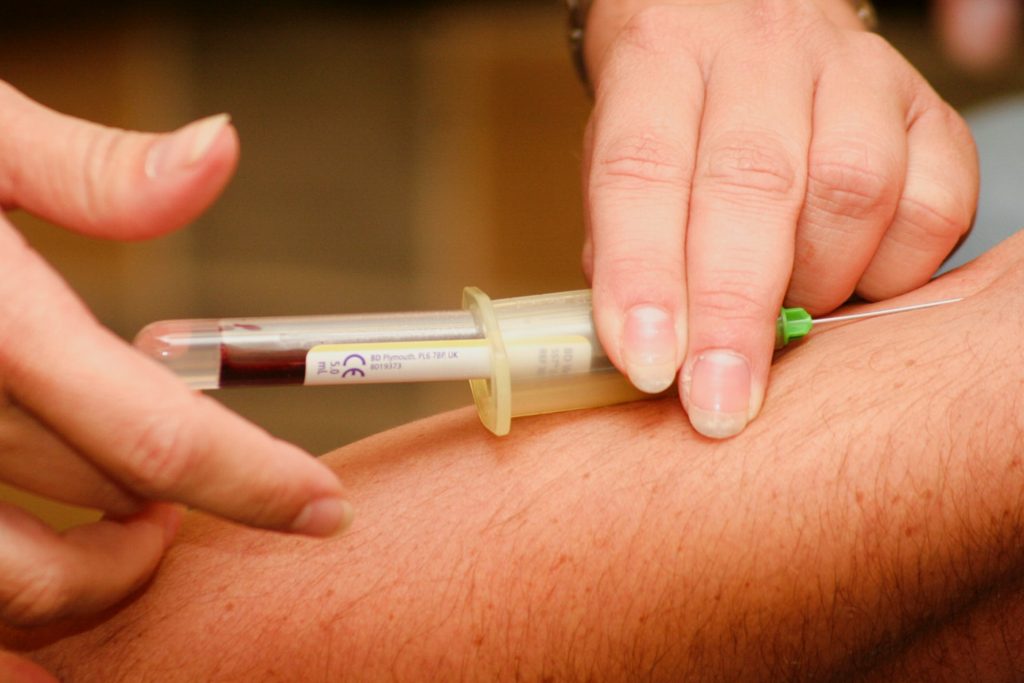
Blood sample being drawn
Photo by Hush Naidoo Jade Photography on Unsplash

The sleep of hospitalised patients may be often interrupted due to non-urgent blood draws, according to findings from a Yale study published in JAMA. This may be exacerbating sleep deprivation, and putting them at greater risk for health events later on.

In an analysis of more than 5 million non-urgent blood draws collected at Yale New Haven Hospital from 2016 to 2019, a team of researchers found that a high proportion of them occurred during a three-hour window in the early morning.

“We found that nearly four in 10 of total daily blood draws were performed between 4am and 7am,” said César Caraballo-Cordovez, MD, a postdoctoral associate at Yale Center for Outcomes Research and Evaluation (CORE) and co-lead author of the study. “Importantly, we found that this occurred across patients with different sociodemographic characteristics, including older individuals who are at highest risk of adverse health events from sleep deprivation.”

Although early morning blood draws are often considered necessary to inform decisions during morning medical rounds, the authors suggest that sleep interruptions may increase the risk of delirium and other adverse events. “Patients who were recently hospitalised experience a period of generalised risk for myriad adverse health events, a condition named posthospital syndrome,” added Dr Caraballo-Cordovez. “The stress that patients experience during the hospitalisation – including stress from sleep deprivation – is a key contributor to this period of increased risk.”

“This is not an issue at just one hospital,” said Harlan M. Krumholz, MD, SM, professor of medicine and public health at Yale and CORE director. “Our findings reflect an aspect of how inpatient hospital care is being delivered in modern medicine. A more patient-centered care would limit nonurgent tests during sleep hours. However, these early morning blood draws are often considered necessary to make decisions during rounds.”

“We need to re-design our process to protect patients’ sleep, but major changes in our practice must be informed by solid studies that demonstrate the efficacy of strategies to do so without untoward effects,” added Krumholz.

Source: Yale School of Medicine

UK Study Reveals Doubling in Antipsychotics Prescriptions for Under-18s

Boy hanging from tree
Photo by Annie Spratt on Pexels

A cohort study on the prescription of antipsychotics to children and adolescents in the UK has found that they have doubled over the past two decades. The findings, published in The Lancet Psychiatry, depict a concerning tendency for more, longer prescriptions of antipsychotics for a wider array of indications, many of them off-label, and which may be influenced by US and European approvals.

Studies around the world have reported an increase in the prescription of antipsychotics for children and adolescents. While this may reflect actual changing clinical needs, most antipsychotics are not approved for use in under-18s due to lacking safety data, especially in the long term. There is also little evidence on indications for, and doses of, antipsychotic prescribing in children and adolescents.

The study used a cohort of over 7 million children and adolescents (age 3–18 years) assembled from a large English primary care database, and found a doubling in the proportion of prescribed antipsychotics between 2000 and 2019.

This increase resulted from the accumulation of repeated prescriptions to the same individuals combined with an increase in new prescriptions. The researchers found that antipsychotic prescribing was more frequent for children in more deprived areas, which reflected a previous UK study on adults.

The study also revealed multiple clinical indications for antipsychotics beyond their initial approvals, most commonly for anxiety and depression. Risperidone was the most prescribed antipsychotic for all indications apart from depression, for which the most prescribed antipsychotic was quetiapine, and eating disorders, for which it was olanzapine.

Prescribing trends for certain disorders could be though to reflect prevalence. The authors noted however that “the most common indications for antipsychotics were ASD, ADHD, anxiety, and depression. It could be the increasing prevalence of these disorders that causes higher prescribing rates. However, increasing ASD prevalence results primarily from patients with less severe ASD, who are unlikely to receive antipsychotics.”

They also observed that increases in prescribing appeared to be linked to new US and European approvals.

Limitations included the database not identifying whether a prescription was for a first time, and not tying indications directly to prescriptions. Dosage regimen information was also only available for a third of prescriptions. The database was also not necessarily nationally representative, and only reflected prescriptions issued in secondary care – referral to primary care means that the rate of prescribing may be underestimated.

Head Injury Doubles Long-term Mortality Risk

Photo by John Simmons on Unsplash

Adults who suffered any head injury during a 30-year study period had two times the rate of mortality than those who did not have any head injury, and mortality rates among those with moderate or severe head injuries were nearly three times higher, according to new research published in JAMA Neurology.

Head injury can be attributed to a number of causes, from motor vehicle crashes, unintentional falls, or sports injuries. Furthermore, head injury has been linked with a number of long-term health conditions, including disability, late-onset epilepsy, dementia, and stroke.

Previous studies have shown increased short-term mortality among hospitalised patients with head injuries. This longitudinal study evaluated 30 years of data from over 13 000 community-dwelling participants (ie not hospitalised or in nursing homes) to determine if head injury has an impact on mortality rates in adults over the long term. Of these, 18.4% reported one or more head injuries during the study period, and of those who suffered a head injury, 12.4% were recorded as moderate or severe. The median period of time between a head injury and death was 4.7 years.

Death from all causes was recorded in 64.6% of those individuals who suffered a head injury, and in 54.6% of those without any head injury. Accounting for participant characteristics, investigators found that the mortality rate from all-causes among participants with a head injury was 2.21 times the mortality rate among those with no head injury. Further, the mortality rate among those with more severe head injuries was 2.87 times the mortality rate among those with no head injury.

“Our data reveals that head injury is associated with increased mortality rates even long-term. This is particularly the case for individuals with multiple or severe head injuries,” explained the study’s lead author, Holly Elser, MD, PhD, MPH a Neurology resident at Penn. “This highlights the importance of safety measures, like wearing helmets and seatbelts, to prevent head injuries.”

Investigators also evaluated the data for specific causes of death among all participants. Overall, the most common causes of death were cancers, cardiovascular disease, and neurologic disorders (which include dementia, epilepsy, and stroke). Among individuals with head injuries, deaths caused by neurologic disorders and unintentional injury or trauma (like falls) occurred more frequently.

When investigators evaluated specific neurologic causes of death among participants with head injury, they found that nearly two-thirds of neurologic causes of death were attributed to neurodegenerative diseases, like Alzheimer’s and Parkinson’s disease. These diseases composed a greater proportion of overall deaths among individuals with head injury (14.2%) versus those without (6.6%). Further research into this association is recommended.

Source: University of Pennsylvania School of Medicine

In Older Women, Physical Activity Reduces Risk of Dementia

Photo by Bennett Tobias on Unsplash

Senior women were less likely to develop mild cognitive impairment or dementia if they did more daily walking and moderate-to-vigorous physical activity, according to a new study published in of Alzheimer’s & Dementia: The Journal of the Alzheimer’s Association.

The University of California San Diego-led team reported that among women aged 65 or older, each extra 31 minutes per day of moderate-to-vigorous physical activity was linked to a 21% lower risk of developing mild cognitive impairment or dementia. Risk was also reduced by 33% with each extra 1865 daily steps.

“Given that the onset of dementia begins 20 years or more before symptoms show, the early intervention for delaying or preventing cognitive decline and dementia among older adults is essential,” said senior author Andrea LaCroix, PhD, MPH, UC San Diego professor.

Dementias are a debilitating neurological condition that can cause loss of memory, the ability to think, problem solve or reason. Mild cognitive impairment is an early stage of memory loss or thinking problems that is not as severe as dementias.

More women live with and are at higher risk of developing dementia than men.

“Physical activity has been identified as one of the three most promising ways to reduce risk of dementia and Alzheimer’s disease. Prevention is important because once dementia is diagnosed, it is very difficult to slow or reverse. There is no cure,” said LaCroix.

However, because few large studies have examined device measures of movement and sitting in relation to mild cognitive impairment and dementia, much of the published research on the associations of physical activity and sedentary behavior with cognitive decline and dementia is based on self-reported measures, said first author, Steven Nguyen, Ph.D., M.P.H., postdoctoral scholar at the Herbert Wertheim School of Public Health.

For this study, the researchers sampled data from 1,277 women as part of two Women’s Health Initiative (WHI) ancillary studies – the WHI Memory Study (WHIMS) and the Objective Physical Activity and Cardiovascular Health (OPACH) study. The women wore research-grade accelerometers and went about their daily activities for up to seven days to obtain accurate measures of physical activity and sitting.

The activity trackers showed the women averaged 3,216 steps, 276 minutes in light physical activities, 45.5 minutes of moderate-to-vigorous physical activity and 10.5 hours of sitting per day. Examples of light physical activity could include housework, gardening or walking. Moderate-to-vigorous physical activity could include brisk walking.

The study findings also showed that higher amounts of sitting and prolonged sitting were not associated with higher risk of mild cognitive impairment or dementia.

Together, this information has clinical and public health importance as there is little published information on the amount and intensity of physical activity needed for a lower dementia risk, said Nguyen.

“Older adults can be encouraged to increase movement of at least moderate intensity and take more steps each day for a lower risk of mild cognitive impairment and dementia,” said Nguyen.

“The findings for steps per day are particularly noteworthy because steps are recorded by a variety of wearable devices increasingly worn by individuals and could be readily adopted.”

The authors said further research is needed among large diverse populations that include men.

Source: University of California – San Diego