Year: 2022

Caffeine May Help with Cognitive Symptoms of ADHD

Coffee cup and beans
Photo by Mike Kenneally on Unsplash

Researchers in Spain have found that caffeine may be beneficial in alleviating cognitive symptoms of ADHD, such as improving attention span and retention capacity. Their findings, published in Nutrients, may provide a less controversial addition to the therapeutic arsenal for this disorder.

Attention deficit hyperactivity disorder (ADHD) diagnoses have increased exponentially over the last 20 years. It is currently estimated that this disorder affects between 2% and 5% of children in Spain, an average of one or two children per classroom, and up to 4% of the adult population.

Despite these high incidence rates, controversy surrounds the treatment of this pathology and the therapeutic approach to it. This varies widely depending on each patient, the symptoms they present and their intensity. For this reason, experts are continuing to investigate different components and substances that may be capable of providing new treatment opportunities for patients diagnosed with ADHD.

A team of experts at the Universitat Oberta de Catalunya (UOC) has investigated caffeine to alleviate some of the symptoms of ADHD, given the controversy surrounding the use of some medicines derived from methylphenidate, among others. Their systematic review of animal studies concludes that a prescribed consumption of caffeine can increase attention and retention capacity in adolescents and adults with ADHD.

“The therapeutic arsenal for alleviating ADHD is limited, and there is a certain degree of controversy around the use of some types of medications and stimulants, especially during childhood and adolescence. That’s why it’s useful to study the efficacy of other substances, such as caffeine,” explained Javier Vázquez, one of the paper’s main authors.

This is the first systematic review with results linking caffeine consumption in different animal models of ADHD with an increased attention span, improved concentration, learning benefits, and improvements in some types of memory.

“This substance improves these types of cognitive procedures, and increases capacity and flexibility in both spatial attention and selective attention, as well as in working memory and short-term memory,” emphasised Vazquez, who added that controlled treatment with this substance “doesn’t alter blood pressure, and doesn’t lead to an increase or reduction in body weight.”

The researchers point out that while possibly effective for cognitive symptoms, the results are unclear for other characteristic symptoms of ADHD, such as hyperactivity and impulsivity. “The results are very positive, but we must be much more careful when prescribing a caffeine-based medical treatment for these symptoms. In diagnoses in which the problem is purely attentional, caffeine may be an appropriate therapy, but if there’s a symptomatological presence of hyperactivity or impulsivity, we must be more cautious,” said Vasquez.

However, the results show that caffeine has a clear benefit in ADHD’s cognitive symptoms. “Our results reinforce the hypothesis that the cognitive effects of caffeine found in animal models can be translated and applied in the treatment of ADHD in people, especially at young ages such as adolescence,” the authors concluded.

“We want to emphasise that we aren’t against medication for ADHD, but we’re open to investigating all possible alternatives for improving this type of disorder, and for being able to use caffeine from a therapeutic point of view with all the appropriate medical supervision, a prescribed treatment and follow-up,” said Vázquez.

Source: Universitat Oberta de Catalunya (UOC)

Cancer Drugs May Help Children with Severe Congenital Myopathy

Photo by National Cancer Institute on Unsplash

For the first time, children with severe congenital myopathy may have a better chance at learning to walk thanks to a new therapeutic approach using enzyme-inhibiting cancer drugs, as reported in the journal eLife.

Professor Susan Treves remembers seeing one child affected by the condition at the age of six months. The boy seemed more like a newborn, she said. Today, several years later and thanks to intensive physiotherapy, he is at least able sit. “He made it,” she said. As yet there is no cure for children like this one. Their first priority is survival. Another child with mutations in the same gene as the boy mentioned above, did not survive. However, his genetic alterations now form the basis of a therapeutic approach presented by the research group led by Professors Susan Treves and Francesco Zorzato.

The affected gene is for the calcium channel RYR1 in skeletal muscle. The mutations render the gene useless, which severely impacts muscle function. The researchers used the gene alterations found in a patient, as a template to develop a mouse model for this type of congenital myopathy. “The mice don’t die, but their muscle system is severely impaired,” says Treves. “They’re smaller, and move much less.” With a combination of two drugs, however, the research team was able to significantly improve muscle function and movement of the mice.

The therapy is based on the observation that certain enzymes are produced in excessive quantities in the skeletal muscles of affected patients. These enzymes – histone deacetylases and DNA methyltransferases – affect how densely genes are packed, making them less accessible to the cellular machinery that reads them and translates them into instructions for protein production.

Prof Treves and her team used inhibitors against these enzymes, which are already approved as cancer drugs or are in clinical trials. The treatment significantly improved the mice’s movement ability, although they were still smaller. No adverse side effects were noted during the study period.

The approach is still far from being a clinical therapy, said Prof Treves. “But it’s a first step in the right direction.” The researchers aim to further optimise the treatment and test combinations of newly developed drugs targeting the same enzymes for even better effects. “We anticipate around about two more years of optimisation and testing before we can initiate a phase I clinical trial,” she said.

For Profs Treves and Zorzato, these first promising results are the culmination of 10 years of research – especially as Prof Zorzato was the one who first isolated the gene affected in these muscle disorders years ago. “We’ve now succeeded in bridging the gap from the isolation of the affected gene to a therapeutic approach,” said Prof Treves.

Source: University of Basel

Prior COVID Infection Results in Robust Immunity after Vaccination

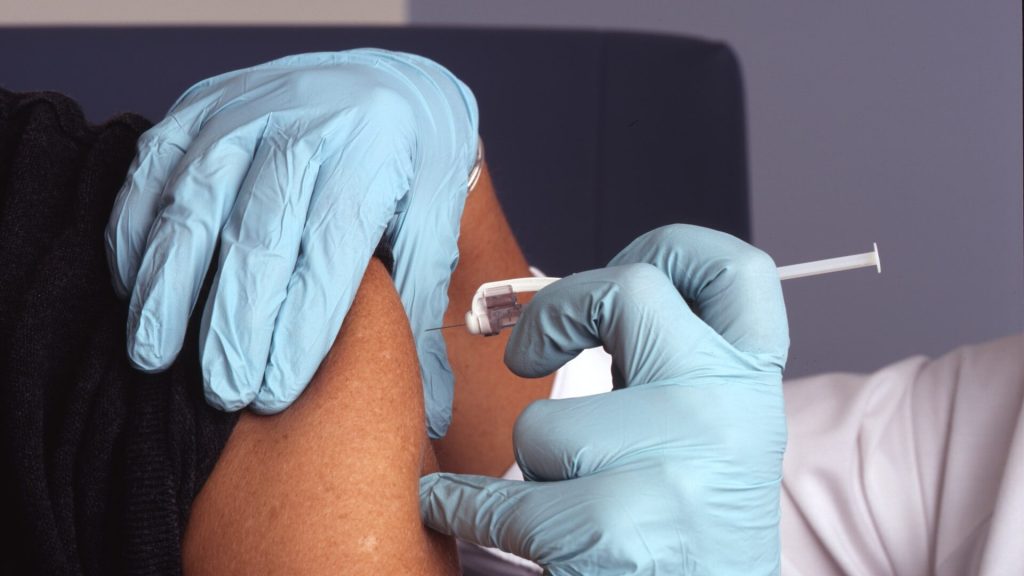
Vaccine injection
Image source: NCI on Unsplash

New research published in the journal JCI Insight shows that immune responses to the Pfizer-BioNTech mRNA vaccine differ significantly in individuals depending on whether or not they had a prior COVID infection. Notably, those who had COVID before vaccination produced a surge of antibodies after the first dose, with little or no increase seen after the second dose. The opposite pattern was observed in infection-naïve individuals.

“Our study shows that the presence of immune memory induced by prior infection alters the way in which individuals respond to SARS-CoV-2 mRNA vaccination,” explained first author Professor Steven G. Kelsen. “The lack of response after the second vaccine dose in previously infected individuals is especially relevant, because it could mean that some people may require only one dose or could potentially skip the booster shot.”

Prof Kelsen and colleagues carried out the study in health care workers, some having previously tested positive for SARS-CoV-2 infection and others never having been infected. The researchers measured levels of neutralising antibodies in blood samples taken at three different time points, including before vaccination and after each vaccine dose. They also performed qualitative assessment for local reactions and systemic symptoms, such as fever, headache, and fatigue, associated with vaccination.

While levels of neutralising antibodies hit their maximum in some people with prior COVID after the first vaccine dose, individuals with no history of infection showed massive responses after the second dose. Those high levels also plummeted quickly, while the COVID group retained longer lasting immunity, despite the lack of response to a second dose. However, prior infection was also linked to more frequent and longer-lasting adverse reactions to the vaccine.

“Previous studies had similarly reported long-lasting immunity and strong immune reactions in COVID patients,” Prof Kelsen said. “We now provide new information on how prior infection interacts with vaccination in terms of measurable immune response and how individuals react to mRNA vaccines based on infection history.”

The next steps for Prof Kelsen and collaborators are to modify their neutralising antibody assay to detect Omicron and other SARS-CoV-2 variants. “We also are interested in understanding how long protection from a booster dose of the vaccine lasts,” he said.

Source: EurekAlert!

The Claustrum: A Mysterious Brain Region Involved with Pain

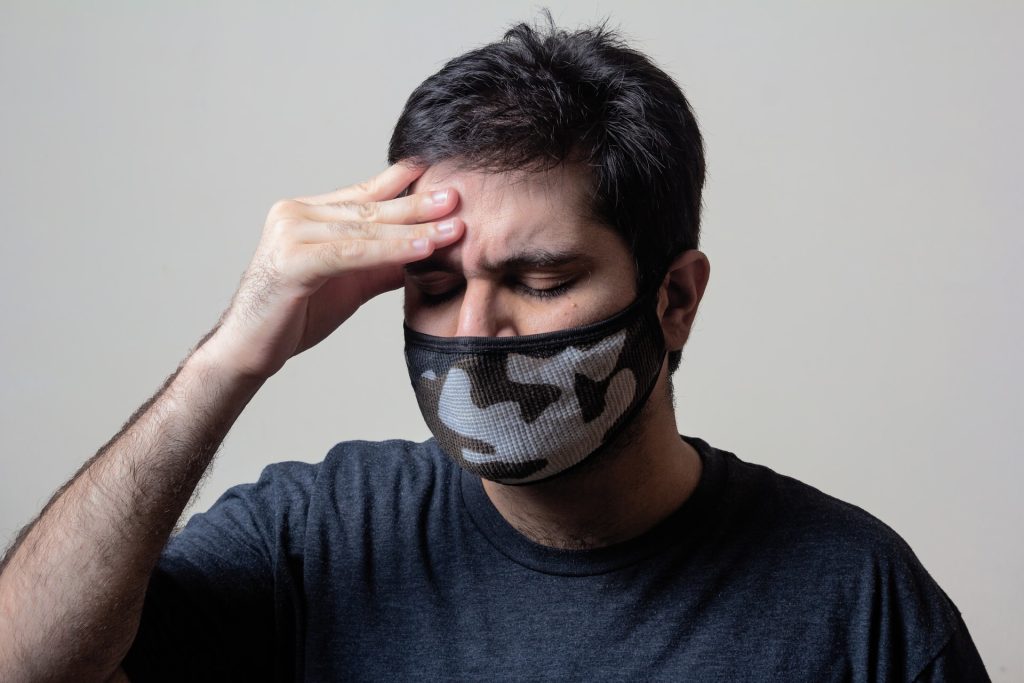
Man wearing mask with headache
Source: Usman Yousaf on Unsplash

A new review paper, published in the journal Brain, has shown that a mysterious brain region called the claustrum may play an important role in the experience of pain. This densely interconnected, but difficult to access area of the brain may be the next frontier in improving outcomes for brain damage patients.

The claustrum is a brain region that has been investigated for over 200 years, yet its precise function remains unknown. A 2005 article suggested it to be critically linked to consciousness, which spurred a renewed interest in this region, with recent research revealing its high level of interconnectedness.

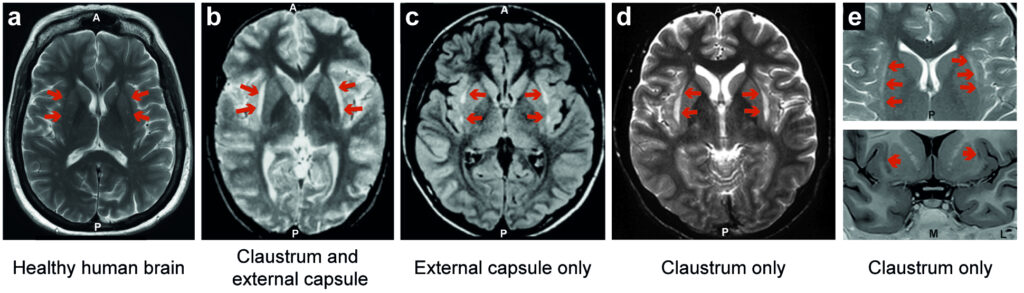
Credit: Oxford University

Oxford University researchers reviewed studies of patients with rare cases of lesions in the claustrum, which show cognitive impairments and seizures. There may be many more cases to be uncovered due to the lack of clinical focus on the claustrum.

They also uncovered an underappreciated link between the claustrum and pain. It is already known that there are links between the claustrum and perception, salience and the sleep-wake cycle, but this is the first time a research team has shown how the claustrum might be more involved in the debilitating experience of pain.

Dr. Adam Packer, the lead author of the study, says that “The problem with understanding how the claustrum works is that it is deep inside the brain, and damage that is specific to it is a very rare occurrence. What makes it more difficult to work out what the claustrum actually does is that these rare occurrences are also linked to such a broad range of symptoms.”

“Clearly, when the claustrum is damaged the effects are severe and better therapies are urgently needed. It is possible that claustrum damage is more common than we currently realise, and it may be a crucial component in many more brain damage cases.”

“This work is important because it gives us some insight into the cognitive and neurological processes in which the claustrum may be involved, and gives us targets to pursue in basic research in the lab.”

The researchers found several recorded instances of either infection, autoimmune, or other process that attacked the claustrum in particular, and by analysing the results of these studies and others the most common symptoms in patients were cognitive impairment and seizures.

Additional research is needed for a better understanding of the claustrum and the impact of damage to the claustrum, which could eventually change clinical guidelines.

Source: University of Oxford

‘An Alien Knee’: Discomfort with Total Knee Replacement

Photo by Kampus Production from Pexels

A study interviewing patients who received total knee replacement for osteoarthritis find that, despite the welcome pain relief, some also experience less pleasant psychological impacts.

For their study published in Arthritis Care & Research, UK researchers sought to bridge a knowledge gap of where people were dissatisfied with their total knee replacements even though they reported less pain and better function.

Using semi-structured interviews, researchers elicited comments from 34 patients, meant to explore patients’ thoughts about their knee implants. They received a lot of feedback about non-pain discomfort and feelings of dissonance.

“My leg feels like it’s made of lead,” one patient told researchers.

“It feels like someone is holding your knees, when you move, it’s like someone is … putting pressure there,” said another.

A third said: “I know it’s not my knee. It’s an alien knee in there. I don’t really feel connected to it.”

“Typically, the assessment of patient-reported outcomes after joint replacement focuses on functional outcome and pain relief as the main determinant of satisfaction,” the researchers explained. “This narrow perspective is compounded by poor definitions of satisfaction after surgery, and there is little research on how and why some patients express dissatisfaction with joint replacement and what they are dissatisfied about.”

Citing a study of hand surgery patients in which patients “spoke about their hand as if it were an object separate from their self,” the researchers argued that a psychological concept called embodiment could help explain the patients’ feelings of dissonance.

They wrote: “Embodiment refers to the experience of the body as both subject and object, such that this idea impacts the way in which a person sees and interacts with the world, and vice versa. Embodiment provides a way of understanding how one experiences limits of possible action, a sense of control, and empowerment over physical action.”

Initially, the researchers weren’t planning to focus on embodiment, but, they explained, “by the third interview we noted that some participants described sensations of discomfort such as heaviness or numbness when discussing pain and some described their knee as ‘alien,’ ‘foreign,’ or ‘not part of’ themselves. In response to these findings, the interviewer sought to elicit views about any such sensations in subsequent interviews, if this topic was not broached first by the participant.”

Their study emerged from an earlier one focusing on reasons for avoiding healthcare encounters post-surgery and involved the same participants, who had lingering pain and discomfort. The semi-structured interview covered pain as well as how patients managed it. After a third interview, patients who reported feelings of alienation from their implant were asked about it in more detail.

Participants reflected the general knee-replacement population – most in their 60 and 70s, and just over half were women. Of the 34 patients, 24 were between 2 and 4 years out from their surgery.

Physical types of non-pain discomfort were commonly reported, such as feelings of numbness and/or heaviness, as well as sensations of pressure applied externally. One man said it felt like the skin over his knee was stretched tight. Separate from these sensations were reports that the limb no longer felt like a part of them but something foreign, like an external prosthesis. Some patients complained of a lack of control. “That knee just wouldn’t do what it’s told to do,” one told the interviewer.

Others said they hadn’t regained trust in the knee, with one man still using a cane for fear of falling.

Overall, the researchers found that the patients’ experience were quite similar to those of amputees getting used to their prosthetic limbs. This could be partly explained by often experiencing years of pain and loss of function before the joint replacement.

“Presurgical chronic pain, instability, and untrustworthiness might continue to influence [mental] incorporation of the prosthesis afterwards,” the researchers suggested.

And there is a potential clinical implication for the findings: “Our study suggests that the interest for rehabilitation becomes not only strengthening the joint and promoting full recovery to tasks, but also modifying a person’s relationship with the new joint to achieve full incorporation or re-embodiment.”

The researchers proposed that other programmes developed for other conditions could be helpful, such as external prosthesis use as well as complex regional pain syndromes.

“Our focus should not be on the absence or loss of embodiment,” the researchers added, “but on employing a multidisciplinary approach to using the concept to guide the development of pre-rehabilitative strategies and appropriate outcome measures.”

Source: MedPage Today

Fewer Types of Antibodies Produced with Age

old man walking with canes
Source: Miika Luotio on Unsplash

Using short-lived killifish to study how the immune system weakens with ageing, scientists have found that fewer types of antibodies are produced as organisms age. Published in eLife, the findings could lead to ways to rejuvenate the immune systems of older people.

The immune system has to constantly respond to new attacks from pathogens and remember them in order to be protected during the next infection. For this purpose, B cells build a library of information that can produce a variety of antibodies to recognise the pathogens.

“We wanted to know about the antibody repertoire in old age,” explained lead researcher Dario Riccardo Valenzano. “It is difficult to study a human being’s immune system over his or her entire life, because humans live a very long time. Moreover, in humans you can only study the antibodies in peripheral blood, as it is problematic to get samples from other tissues. For this reason, we used the killifish. It is very short-lived and we can get probes from different tissues.”

The shortest-lived vertebrates that can be kept in the laboratory, killifishes quickly age over their three to four month lifespan and have become the focus of ageing research in recent years due to these characteristics.

The researchers were able to accurately characterise all the antibodies that killifish produce. They found that older killifish have different types of antibodies in their blood than younger fish. They also had a lower diversity of antibodies throughout their bodies.

The discovery could lead to ways to rejuvenate the immune system. “If we have fewer different antibodies as we age, this could lead to a reduced ability to respond to infections. We now want to further investigate why the B cells lose their ability to produce diverse antibodies and whether they can possibly be rejuvenated in the killifish and thus regain this ability,” Valenzano said.

Source: Max Planck Institute for Biology of Ageing

IVF Babies Have Better Quality of Life as Adults

Pregnant with ultrasound image
Source: Pixabay

Being conceived via assisted reproductive technology (ART), such as IVF, could boost quality of life in adulthood, according to the results of a new study published in Human Fertility. The findings offer reassuring news for people who have been conceived with ART, and those who need to use the technology to conceive.

“Our findings suggest that being ART-conceived can provide some advantages on quality of life in adulthood, independent of other psychosocial factors,” said lead author Karin Hammarberg of Monash University. “Together with previous evidence that adults conceived by ART have similar physical health to those who were naturally conceived, this is reassuring for people who were conceived with ART—and those who need ART to conceive.”

In the more than four decades since the first birth following in vitro fertilization (IVF) in 1978, more than 8 million children have been born as a result of ART. In that time, many studies have evaluated the physical health, development and psychosocial well-being of ART-conceived children compared with those naturally conceived (NC). But currently, there is less known about the health and quality of life of adults who were conceived by ART.

The study recruited 193 young adults conceived through ART and 86 through NC. These participants completed questionnaires, which included a standardised quality of life measure (World Health Organization Quality of Life – Brief Assessment [WHOQoL-BREF]), when aged 18–28 years (T1) and again when aged 22–35 years (T2). The WHOQoL-BREF assesses four domains of quality of life: 1) physical 2) psychosocial 3) social relationships and 4) environment.

The researchers looked at the associations between factors present at T1 (mode of conception, the mother’s age when the participant was born, sexual orientation, family financial situation in secondary school, perceptions of own weight, number of close friends, frequency of vigorous exercise and quality of relationships with parents) and the scores on the four domains of WHOQoL-BREF at T2.

After making statistical adjustments to account for other psychosocial factors present in young adulthood, the results showed that being ART-conceived was strongly linked with higher scores (better quality of life) on both the social relationships and environment WHOQoL-BREF domains at T2. In addition, having less psychological distress, a more positive relationship with parents, a better financial situation, and perceptions of being about the right weight at T1 were associated with higher scores on one or more WHOQoL-BREF domains at T2.

“Children conceived via ART are nowadays a substantial part of the population—and it’s important to continue to evaluate the long-term effects of ART on their physical health and well-being as they progress through adolescence into adulthood,” said Hammarberg. “When accounting for other factors present in young adulthood, being ART-conceived appears to confer some advantages in quality of life. Perhaps unsurprisingly, we also found that, independently of how the person was conceived, having a better relationship with parents, less psychological distress, and a better family financial situation in young adulthood contributed to a better adult quality of life.”

This is the first study to explore the contributions of being conceived with ART and psychosocial factors present in young adulthood to the quality of life of adults. While the findings are reassuring, they should be interpreted with caution because many of those who took part in the first study did not take part in the follow-up study.

Source: Taylor & Francis

New Hope for Alopecia Treatment with JAK Inhibitor Baricitinib

Before and after images for participants who received 36 weeks of treatment for alopecia areata with baricitinib. Credit: Yale University

Results from a new study in three patients with alopecia areata treated with a Janus kinase (JAK) inhibitor, baricitinib, were able to regrow hair. The study is based on Phase III clinical trials using baricitinib – a drug commonly used for arthritis – to treat alopecia areata, a skin disease characterised by loss of hair from the scalp and sometimes eyebrows and eyelashes.

“This is so exciting, because the data clearly show how effective baricitinib is,” said Dr. Brett King, an associate professor of dermatology at the Yale School of Medicine and lead author of the new study, published in the New England Journal of Medicine. “These large, controlled trials tell us that we can alleviate some of the suffering from this awful disease.”

Alopecia areata is an autoimmune disorder in which the body’s immune system attacks hair follicles, and which typically occurs in people under the age of 40. At present there is no FDA-approved treatment for the disease.

To test the drug, the researchers conducted two large, randomised trials involving a total of 1 200 people. The participants were adults with severe alopecia areata, who had lost at least half of their scalp hair.

For 36 weeks, participants were randomised to either a daily dose of either 4mg of baricitinib, 2mg of baricitinib, or a placebo. One-third of the patients who received the larger dose grew hair back.

According to the researchers, baricitinib works by disrupting the communication of immune cells involved in harming hair follicles. Baricitinib and other JAK inhibitors are routinely used to treat autoimmune forms of joint disease.

“Alopecia areata is a crazy journey, marked by chaos, confusion, and profound sadness for many who suffer from it,” King said. “It will be incredible to have a medicine to help people emerge on the other side, normalcy restored, recognizable again to themselves and those around them.”

Over the past decade, A/Prof King has developed methods for using JAK inhibitors to treat a variety of skin diseases — including eczema, vitiligo, granuloma annulare, sarcoidosis, and erosive lichen planus.

A/Prof King noted that the clinical trials involving baricitinib are ongoing, allowing researchers to assess the long-term effectiveness and safety of the treatment.

Source: Yale University

Scientists Discover the Body’s Alarm System for Severe Blood Loss

Red blood cells
Source: Pixabay

In a discovery that could greatly benefit the treatment of traumatic injuries, scientists have identified a cluster of cells in the brainstem that control the body’s response to severe blood loss

The collection of neurons that the researchers discovered drive a response that maintains blood pressure during blood loss. However, severe blood loss eventually results in cardiovascular collapse, a condition called ‘decompensated haemorrhage’, marked by an abrupt and dangerous loss of blood pressure that presages haemorrhagic shock, where the body’s organs begin to shut down.

“During blood loss, the brain coordinates a cardiovascular response that supports blood flow to critical organs, like the heart and brain,” said researcher George Souza, PhD. “Our study shows that the cardiovascular response to blood loss depends on changes in the activity of a few hundred neurons in the brainstem.”

The new results, published in Cell Reports, shed light on an important process the body uses to maintain its blood pressure. Neurons, termed adrenergic C1 neurons, monitor blood pressure and activate during blood loss, increasing vasodilatory nerve activity that maintains proper blood pressure.

The scientists utilised advanced imaging and a technique called optogenetics controls neurons using light. Their research revealed that the C1 neurons are hyperactive during blood loss, and this keeps blood pressure study. But these neurons become inactive with severe blood loss, resulting in cardiovascular collapse.

The scientists found that re-activating the C1 neurons in lab rats restored both blood pressure and heart rate before cardiovascular collapse could lead to haemorrhagic shock.

“Our study indicates that reactivating the brain pathways controlling blood pressure during decompensated haemorrhage effectively reverses cardiovascular collapse. We think this indicates that neuromodulation of the pathways described by our study could be a beneficial adjunct therapy for low blood pressure following blood loss,” explained lead researcher Stephen Abbott, PhD.

The researchers noted that more research is needed as several factors could also cause the C1 neurons’ drop in activity during the onset of decompensated haemorrhage.

“These findings illuminate the importance of the brain-body interactions during blood loss and provide a new perspective for the underlying cause of cardiovascular collapse,” Dr Abbott said.

Source: University of Virginia Health System

Why HIV Still Lingers in Patients’ Bodies

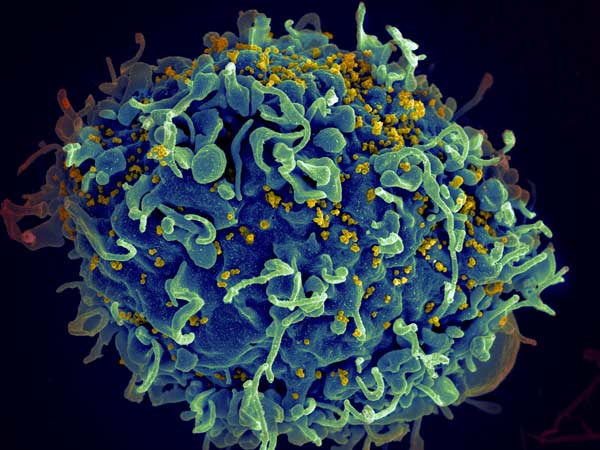
HIV invading a human cell
HIV invading a human cell: Credit NIH

Even with antiretroviral therapy, HIV still lingers in the body, preventing complete cure. Now, new research published in PLOS Pathogens, revealed a possible answer to why HIV persists in the body: a lack of a certain protein in HIV patients’ killer T cells. The discovery also explained why people with HIV have less risk of developing multiple sclerosis (MS).

Because this protein, CD73 is responsible for migration and cell movement into the tissue, the lack of the protein compromises the ability of killer T cells to find and eliminate HIV-infected cells, explained immunologist Shokrollah Elahi, lead researcher of the study.

“This mechanism explains one potential reason for why HIV stays in human tissues forever,” he said, adding that the research also shows the complexity of HIV infection.

“This provides us the opportunity to come up with potential new treatments that would help killer T cells migrate better to gain access to the infected cells in different tissues.”

After spending three years identifying the role of CD73, Elahi turned his focus to understanding potential causes for the drastic reduction. He found it is partly due to the chronic inflammation that is common among people living with HIV.

“Following extensive studies, we discovered that chronic inflammation results in increased levels of a type of RNA found in cells and in blood, called microRNAs,” he explained. “These are very small types of RNA that can bind to messenger RNAs to block them from making CD73 protein. We found this was causing the CD73 gene to be suppressed.”

This discovery also helps explain why people with HIV have a lower risk of developing MS, Elahi noted.

“Our findings suggest that reduced or eliminated CD73 can be beneficial in HIV-infected individuals to protect them against MS. Therefore, targeting CD73 could be a novel potential therapeutic marker for MS patients.”

Elahi said the research could next look into seeing how to turn on the CD73 gene in patients with HIV and off in those with MS.

Source: University of Alberta