Month: August 2022

Sun Exposure Triggers Appetite in Men but not Women

Photo by Julian Jagtenberg on Pexels

A new study from Tel Aviv University reveals that solar exposure increases appetite in males – but not in females. It is the first gender-dependent medical study ever conducted on UV exposure, and reveals a molecular connection between UV exposure and appetite.

Skin as a regulator of appetite

The groundbreaking study was led by Prof. Carmit Levy and PhD student Shivang Parikh and published in Nature Metabolism.

The study was based on epidemiological data collected in a year-long survey about the eating habits of approximately 3000 Israelis of both sexes, including self-reports from students who had spent time in the sun, combined with the results of a genetic study in a lab model. The findings identify the skin as a primary regulator of metabolism in both lab models and humans, influencing appetite.

In females, oestrogen blocks appetite after sun exposure

The study unravels the differences between males and females in the activation of the metabolic mechanism. The researchers explain that in males of both animal species and humans, sun exposure activates a protein called p53, to repair any DNA damage in the skin that might have been caused by the exposure. The activation of p53 signals the body to produce a hormone called ghrelin, which stimulates the appetite.

In females, oestrogen blocks the interaction between p53 and ghrelin, and consequently does not catalyse the urge to eat following exposure to the sun.

Males and females, have differences in metabolism which impacts both their health and their behaviour. However, so far it has not been established whether the two sexes respond differently to environmental triggers such as exposures to the sun’s UV radiation.

“We examined the differences between men and women after sun exposure and found that men eat more than women because their appetite has increased. Our study was the first gender-dependent medical study ever conducted on UV exposure, and for the first time, the molecular connection between UV exposure and appetite was deciphered. Gender-dependent medical studies are particularly complex, since twice the number of participants is required to find statistically significant differences,” explained Prof Levy.

“As humans, we have cast off our fur and consequently, our skin, the largest organ in our body, is exposed to signals from the environment. The protein p53, found in the skin, repairs damage to the DNA caused by sun exposure, but it does more than that. It signals to our bodies that winter is over, and we are out in the sun, possibly in preparation for the mating season. Our results provide an encouraging basis for more research, on both human metabolism and potential UV-based therapies for metabolic diseases and appetite disorders,” Prof Levy concluded.

Source: Tel Aviv University
Assessing the Effectiveness of Chinese Traditional Medicine for Rheumatoid Arthritis

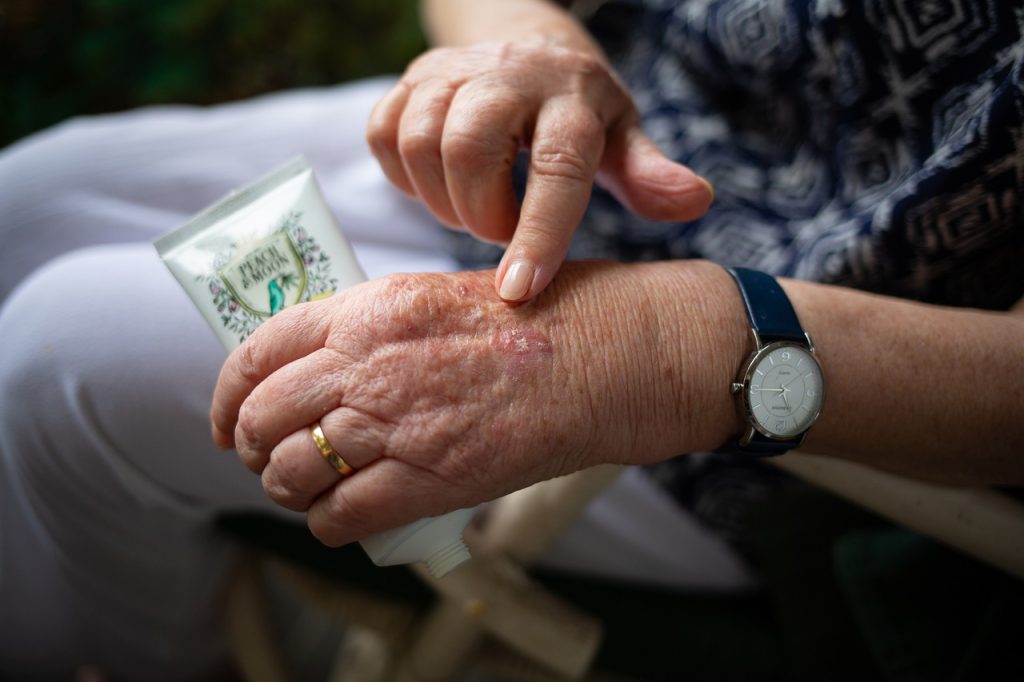
Hand osteoarthritis
Source: Pixabay CC0

Chinese traditional medicine based on combinations of typically 5 to ten plants, usually boiled and administered as a decoction or tea, has long been used to treat rheumatoid arthritis (RA), but few clinical trials have tested its potential. A review in the Journal of Internal Medicine outlines a strategy to analyse the ability of different mixtures of plants used in Chinese medicine to combat RA.

One fundamental of traditional medicine is to prevent disease. RA is an autoimmune, inflammatory and chronic disease that primarily affects the joints of 0.5%–1% of the population. In two out of three of the cases, the patients are characterised by the presence of autoantibodies such as the rheumatoid factor and the more disease-specific autoantibody against citrullinated proteins, so-called ‘ACPA’ (anticitrullinated protein/peptide antibodies). ACPA positivity is also strongly associated with specific variations in the HLA-DRB1 gene, the shared epitope alleles. Together with smoking, these factors account for the major risks of developing RA. 

The researchers’ strategy involves isolating the active components of individual plants and testing them alone or in combinations against key pathways of disease pathology, followed by experiments conducted in animal models of RA.

“A substantial number of our current drugs are natural products or derivatives thereof, and without doubt nature will continue to be a source of future discoveries,” the authors wrote. “Therefore continuous research based on the traditional use of plants is highly motivated. In our opinion, the strategy of starting from knowledge in traditional medicine, followed by the combination of in vivo evidence of efficacy and bioassay-guided isolation to understand the chemistry and pathways involved, is one effective way forward.”

Source: Wiley

Focus on Urinary Problems Clouds Early Prostate Cancer Detection

Credit: Darryl Leja / National-Human-Genome Research Institute / National Institutes of Health

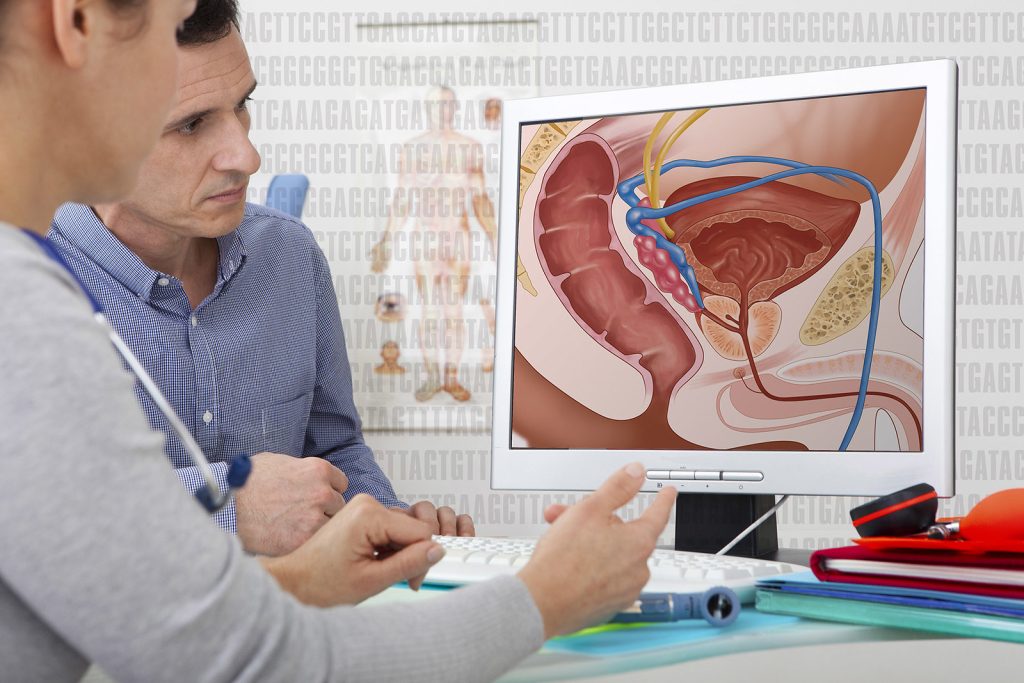
Diagnoses of early, curable stages of prostate cancer are being missed because national guidelines and media health campaigns in the UK focus on urinary symptoms despite a lack of scientific evidence, according to University of Cambridge researchers.

Prostate cancer is the most common type of cancer in men. And while 78% of men diagnosed with this cancer survive for over ten years, this proportion has barely changed over the past decade in the UK, largely because the disease is detected at a relatively late stage. In England, for example, nearly half of all prostate cancers are picked up at stage three of four (stage four being the latest stage).

Despite no evidence of a link between urinary symptoms and prostate cancer, national guidelines, health advice and public health campaigns continue to promote this link. In a review published in BMC Medicine, Cambridge researchers argue that not only is this unhelpful, but it may even deter men from coming forward for early testing and detection of a potentially treatable cancer.

“When most people think of the symptoms of prostate cancer, they think of problems with peeing or needing to pee more frequently, particularly during the night,” said Vincent Gnanapragasam, Professor of Urology at the University of Cambridge. “This misperception has lasted for decades, despite very little evidence, and it’s potentially preventing us picking up cases at an early stage.”

Prostate enlargement can cause the urinary problems often included in public health messaging, but evidence suggests that this is rarely due to malignant prostate tumours. Rather, research suggests that the prostate is smaller in cases of prostate cancer.  A recent study – the UK PROTECT trial – even went as far as to say that a lack of urinary symptoms may in fact be an indicator of a higher likelihood of cancer.

Screening programmes are one way that cancers are often detected at an early stage, but in the case of prostate cancer, some argue that such programmes risk overwhelming health services and leading to men being treated for relatively benign disease.

Testing for prostate cancer involves a blood test that looks for a protein known as a prostate-specific antigen (PSA) that is made only by the prostate gland; however, it is not always accurate. PSA density is significantly more accurate than PSA alone in predicting a positive biopsy and is used in everyday clinical practice.

The researchers point to evidence that there is a misconception that prostate cancer is always symptomatic: a previous study found that 86% of the public associated prostate cancer with symptoms, but only 1% were aware that it could be asymptomatic.

“We urgently need to recognise that the information currently given to the public risks giving men a false sense of security if they don’t have any urinary symptoms,” said Prof Gnanapragasam.

“We need to emphasise that prostate cancer can be a silent or asymptomatic disease, particularly in its curable stages. Waiting out for urinary symptoms may mean missing opportunities to catch the disease when it’s treatable.

“Men shouldn’t be afraid to speak to their GP about getting tested, and about the value of a PSA test, especially if they have a history of prostate cancer in their family or have other risk factors such as being of Black or mixed Black ethnicity.”

The researchers say they are not advocating for an immediate screening programme, and acknowledge that changes in messaging could mean more men approaching their GPs for a PSA test, potentially resulting in unnecessary investigations and treatment. However, they argue that there are ways to reduce the risk of this happening. These include the use of algorithms to assess an individual’s risk and whether they need to be referred to a specialist, and for those who are referred, MRI scans could help rule out ‘indolent’ (mild) disease or negative findings, reducing the risks of an unnecessary biopsy.

“We’re calling on organisations such as the NHS, as well as patient charities and the media, to review the current public messaging,” said Prof Gnanapragasam.

“If men were aware that just because they have no symptoms doesn’t necessarily mean they are cancer free, then more might take up offers for tests. This could mean more tumours identified at an earlier stage and reduce the numbers of men experiencing late presentation with incurable disease.”

Source: University of Cambridge

New Tuberculosis Vaccine Passes Safety Hurdle in SA Trial

Tuberculosis bacteria
Tuberculosis bacteria. Credit: CDC

The only vaccine currently available against tuberculosis, Bacillus Calmette Guérin (BCG), is not equally effective against all types of tuberculosis. A clinical trial in South Africa has now shown that the new vaccine candidate VPM1002, decades in development, is equally safe for newborns with and without HIV exposure and has fewer side effects compared to BCG.

First used 100 years ago, the BCG vaccine against the disease contains attenuated pathogens of cattle tuberculosis. “We know that BCG can prevent so-called tuberculous meningitis and miliary tuberculosis in infants with a 75 to 86 percent effectiveness rate. But this is not the case for the most common form of the disease, pulmonary tuberculosis, in all age groups. Here, BCG is only insufficiently effective,” explained Max Planck researcher Stefan H.E. Kaufmann, who developed the vaccine with his team.

Since the 1990s, the infection biologist and his team have been working on an improved next-generation vaccine, called VPM1002. To achieve this, the researchers genetically modified the attenuated BCG vaccine strain so that immune cells can better recognise the pathogens. “We developed VPM1002 in no small part to combine increased safety with improved efficacy for immunocompromised children,” Kaufmann said.

Vaccine candidate VPM1002 is safe

The group of immunocompromised children includes, for example, HIV-exposed infants born to HIV-positive mothers. In a clinical trial in South Africa, researchers compared VPM1002 with BCG in HIV-exposed and non-HIV-exposed newborns. The study examined both the safety and the immunogenicity associated with the formation of immune cells and immunostimulatory proteins. The study, published in Lancet Infectious Diseases, concluded that VPM1002 is safe in both HIV-exposed and non-HIV-exposed newborns, has fewer side effects than BCG, and elicits a similar immune response.

In the randomised phase II double-blind study in South Africa, 416 eligible newborns were randomly selected and vaccinated before day 12 of life. 312 of them received VPM1002, and 104 received the BCG vaccine. As the study showed, VPM1002 triggered fewer vaccine-related adverse reactions than BCG. This was true for reactions occurring at the injection site, such as scarring and abscess formation, as well as enlargement of lymph nodes. This finding is important because local and regional reactions after vaccination are among the limitations of the BCG vaccine, Kaufmann points out.

Newborns with or without HIV exposure showed similar immunogenicity with both vaccines, though starting at six weeks of age, the BCG-triggered immune response was greater than in even younger infants.

Phase III study investigates protection

“Studies such as those described here examine a vaccine’s immunogenicity, but not its protection. For the latter, we have already developed a larger phase III clinical trial and have successfully enrolled mothers with their newborns to participate. Now the clock is ticking,” Kaufmann said. He expects initial results showing whether VPM1002 can provide comparable or better protection than existing BCG vaccines in about three years. In addition, VPM1002 vaccine is currently in two other phase III clinical trials in India for protection against tuberculosis, which expected to be completed in 2023 and 2024.

Source: Max-Planck-Gesellschaft

Gout Flare-ups Linked to Increased MI and Stroke Risk

Photo by freestocks.org

The risk of myocardial infarction (MI) and strokes temporarily increases in the four months after a gout flare, suggests a study published in the journal JAMA.

The findings showed that gout patients who suffered from an MI or stroke were twice as likely to have had a gout flare in the 60 days prior to the event, and one and a half times more likely to have a gout flare in the 61-120 days prior.

Gout is a common form of arthritis that is caused by high levels of uric acid, a chemical produced by breakdown of body tissues and present in certain foods and drinks.

At high levels, uric acid is deposited in and around joints as needle shaped urate crystals. Once released from their deposits, these crystals cause severe inflammation that manifest as joint pain, swelling, redness, and tenderness that often lasts for 1–2 weeks. These episodes, called gout flares, often recur. Inflammation is also a risk factor for heart attack and stroke.

While gout patients tend to have more cardiovascular risk factors, there have been no previous studies about whether gout flares are linked with an increased risk of MI and stroke.

To address this, the team used data from 62 574 patients with gout treated in the NHS. Of these, 10 475 experienced heart attack or stroke after the diagnosis of gout, while matched controls did not experience such events. They evaluated the association between heart attacks or strokes and recent gout flares and adjusted these results for possible confounding factors. They found that gout patients who suffered an MI or stroke were twice as likely to have had a gout flare in the 60 days prior to the event, and one and a half times more likely to have a gout flare in the preceding 61–120 days.

They found a similar high rate of MI or stroke in the 0–60 and 61–120 days after gout flares compared with other time periods, when they used information from only patients who consulted for a gout flare and also experienced either MI or stroke. This further strengthened the finding that gout flares are associated with a transient increase in cardiovascular events following flares. The increased odds and rates persisted when people with pre-existing heart disease or stroke before their gout diagnosis were excluded, and when shorter exposure periods such as 0-15 and 16-30 days prior to MI or stroke, were considered.

Gout patients who died from a MI or stroke had over four times the odds of experiencing a gout flare in the preceding 0-60 days and over twice the odds of gout flare in the preceding 61-120 days.

The study’s lead author, Professor Abhishek at the University of Nottingham, said: “This is the first study of its kind to examine whether there is an association between recent gout flares and heart attacks and strokes.

“The results show that among patients with gout, patients who experienced a heart attack or stroke had significantly increased odds of a gout flare during the preceding 120-days compared with patients who did not experience such events. These findings suggest that gout flares are associated with a transient increase in cardiovascular events following flares.

“People with recurrent gout flares should be considered for long-term treatment with urate lowering treatments such as allopurinol. This is a reliable way of removing urate crystal deposits and providing freedom from gout flares. Patients should also be considered for concurrent treatment with anti-inflammatory medicines such as colchicine for the first few months because urate lowering treatments may trigger gout flares in the short term.

“People with gout should be encouraged to adopt a healthy lifestyle with appropriate treatment of conditions such as high blood pressure, high cholesterol, obesity and diabetes to minimise their background risk of heart attack and stroke.”

Source: University of Nottingham

Children’s Nasal Epithelium Protective against Older COVID Variants

Photo by Kelly Sikkema on Unsplash

An Australian study published in PLOS Biology suggests the nasal epithelium of children inhibits infection and replication of the ancestral strain of the SARS-CoV-2 virus and also the Delta variant, but not the Omicron variant.

Children are in general less susceptible to COVID, with a lower infection rate and milder symptoms than adults. However, the factors driving this apparent paediatric resistance to COVID infections remained unknown.

In order to better understand infection and replication of SARS-CoV-2 in children, Kirsty Short at University of Queensland, and colleagues, obtained samples of primary nasal epithelium cells from twenty-three healthy children aged 2–11 and fifteen healthy adults aged 19–66 in Australia. They exposed the cells of adults and children to SARS-CoV-2 and then observed the infection kinetics and antiviral responses in children compared to adults.

The researchers found that ancestral SARS-CoV-2 replicated less efficiently and was associated with a heightened antiviral response in the nasal epithelial cells of children. This lower viral replication rate was also observed with the Delta variant, but not the Omicron variant.

Study limitations included a small sample size, so future clinical studies will be needed to validate these preliminary findings in a larger population and to determine the role of other factors, such as antibodies in protecting children from SARS-CoV-2 infection. Additionally, paediatric protection from emerging variants has yet to be quantified.

The authors wrote, “We have provided the first experimental evidence that the paediatric nasal epithelium may play an important role in reducing the susceptibility of children to SARS-CoV-2. The data strongly suggest that the nasal epithelium of children is distinct and that it may afford children some level of protection from ancestral SARS-CoV-2.”

Short added, “We use nasal epithelial cells from children and adults to show that the ancestral SARS-CoV-2 and Delta, but not Omicron, replicate less efficiently in paediatric nasal epithelial cells.”

Source: Science Daily

Gut Microbes Could Explain Some of Red Meat’s Added Cardiovascular Risk

Photo by José Ignacio Pompé on Unsplash

Part of the higher risk of cardiovascular disease associated with red meat consumption could be from metabolites produced by gut microbes, suggests new research published in Arteriosclerosis, Thrombosis, and Vascular Biology (ATVB).

“Most of the focus on red meat intake and health has been around dietary saturated fat and blood cholesterol levels,” said co-lead author of the study Meng Wang, PhD. “Based on our findings, novel interventions may be helpful to target the interactions between red meat and the gut microbiome to help us find ways to reduce cardiovascular risk.”

Previous research has found that certain metabolites are associated with a greater risk of cardiovascular disease. One of these is trimethylamine N-oxide (TMAO), which is produced by gut bacteria to digest red meat that contains high amounts of the chemical L-carnitine.

High blood levels of TMAO in humans may be linked to increased risks of CVD, chronic kidney disease and Type 2 diabetes. However, whether TMAO and L-carnitine-derived metabolites was linked to cardiovascular disease and to what extent, are still unknown.

To find out, the study researchers measured levels of the metabolites in blood samples. They also examined whether blood sugar, inflammation, blood pressure and blood cholesterol may account for the elevated cardiovascular risk associated with red meat consumption.

Study participants included nearly 4000 of the 5888 adults initially recruited from 1989 to 1990 for the Cardiovascular Health Study (CHS). The participants selected for the current study were free of clinical cardiovascular disease at time of enrolment in the CHS, an observational study of risk factors for cardiovascular disease in adults aged 65 or older. The CHS follows 5 888 participants, whose average age at enrolment was 73; nearly two-thirds were female and 88% of participants self-identified as white. The median follow-up time for participants was 12.5 years, and up to 26 years in some cases.  At follow-up appointment, participants’ medical history, lifestyle, health conditions and sociodemographic characteristics were assessed.

Several blood biomarkers were measured at the start of the study and again in 1996–1997. The fasting blood samples stored frozen at -80°C were tested for levels of several gut-microbiome linked to red meat consumption including TMAO, gamma-butyrobetaine and crotonobetaine.

Additionally, all study participants answered two validated food-frequency questionnaires about their usual dietary habits, including intake of red meat, processed meat, fish, poultry and eggs, at the start of the study and again from 1995 to 1996. For the first questionnaire, participants indicated how often, on average in the previous 12 months, they had eaten given amounts of various foods, ranging from “never” to “almost every day or at least five times per week,” based on medium portion sizes, which varied based on the food source. The second questionnaire used a ten-category frequency of average intake over the past 12 months, ranging from “never or less than once per month” to “six+ servings per day,” with defined standard portion sizes.

For the current analyses, the researchers compared the risk of cardiovascular disease among participants who ate different amounts of animal source foods (ie, red meat, processed meat, fish, chicken and eggs). They found that eating more meat, especially red meat and processed meat, was linked to a higher risk of atherosclerotic cardiovascular disease, an increased risk of 22% for 1.1 serving per day.

The increase in TMAO and related metabolites explained roughly one-tenth of this elevated risk, the authors said. They also noted that blood sugar and general inflammation pathways may help explain the links between red meat intake and cardiovascular disease. Blood sugar and inflammation also appear to be more important in linking red meat intake and cardiovascular disease than pathways related to blood cholesterol or blood pressure. Intake of fish, poultry and eggs were not significantly linked to higher risk of cardiovascular disease.

“Research efforts are needed to better understand the potential health effects of L-carnitine and other substances in red meat such as heme iron, which has been associated with Type 2 diabetes, rather than just focusing on saturated fat,” Dr Wang said. 

Source: American Heart Association

Stimulating the Vagus Nerve Boosts the Brain’s Learning Centres

Source: Pixabay

Researchers have shown a direct link between vagus nerve stimulation and its connection to the brain’s learning centres. The discovery, reported in the journal Neuron, may lead to treatments that will improve cognitive retention in both healthy and injured nervous systems.

“We concluded that there is a direct connection between the vagus nerve, the cholinergic system that regulates certain aspects of brain function, and motor cortex neurons that are essential in learning new skills,” said Cristin Welle, PhD, senior author of the paper. “This could provide hope to patients with a variety of motor and cognitive impairments, and someday help healthy individuals learn new skills faster.”

Researchers taught healthy mice a difficult task to see if it could help boost learning. Stimulating the vagus nerve during the process was found to help the mice learn the task much faster and achieve a higher performance level. This showed that vagus nerve stimulation can increase learning in a healthy nervous system.

The vagus nerve regulates internal organ functions like digestion, heart rate and respiration, as well as helping control reflex actions like coughing and sneezing.

The study also revealed a direct connection between the vagus nerve and the cholinergic system, which is essential for learning and attention. Each time the vagus nerve was stimulated, researchers could observe the neurons that control learning activated within the cholinergic system. Damage to this system has been linked to Alzheimer’s disease, Parkinson’s disease and other motor and cognitive conditions. Now that this connection has been established in healthy nervous systems, Dr Welle said it could lead to better treatment options for those whose systems have been damaged.

“The idea of being able to move the brain into a state where it’s able to learn new things is important for any disorders that have motor or cognitive impairments,” she said. “Our hope is that vagus nerve stimulation can be paired with ongoing rehabilitation in disorders for patients who are recovering from a stroke, traumatic brain injury, PTSD or a number of other conditions.”

In addition to the study, Dr Welle and her team have applied for a grant that would allow them to use a non-invasive device to stimulate the vagus nerve to treat patients with multiple sclerosis who have developed movement deficits. She also hopes that this device could eventually help speed up skill learning in healthy people.

“I think there’s a huge untapped potential for using vagus nerve stimulation to help the brain heal itself,” she said. “By continuing to investigate it, we can ultimately optimise patient recovery and open new doors for learning.”

Source: University of Colorado Anschutz Medical Campus

Quantum Leap for Genetic Disease Therapy with Baculovirus DNA Repair Kit

DNA repair
Source: Pixabay/CC0

Genetic mutations behind a genetic kidney disease affecting children and young adults have been fixed in patient-derived kidney cells with a high-capacity DNA ‘repair kit’. The advance, developed by University of Bristol scientists, is published in Nucleic Acids Research.

In this new study, the international team describe how they created a DNA repair vehicle to genetically fix faulty podocin, a common genetic cause of inheritable Steroid Resistant Nephrotic Syndrome (SRNS).

Podocin is a protein normally located on the surface of specialised kidney cells and is essential for kidney function. Faulty podocin, however, remains stuck inside the cell and never makes it to the surface, terminally damaging the podocytes. Since the disease cannot be cured with medications, gene therapy which repairs the genetic mutations causing the faulty podocin offers hope for patients.

Typically, human viruses have been utilised in gene therapy applications to carry out genetic repairs. These are used as a ‘Trojan Horse’ to enter cells carrying the errors. Currently dominating systems include lentivirus (LV), adenovirus (AV) and adeno-associated virus (AAV), which are all relatively harmless viruses that readily infect humans. Their viral shells however restrict the amount of cargo they can carry and deliver, namely the DNA kit necessary for efficient genetic repair. This limits the scope of their application in gene therapy.

By applying synthetic biology techniques, the team led by Dr Francesco Aulicino and Professor Imre Berger, re-engineered baculovirus, a insect virus which has a nearly unlimited cargo capacity.

“What sets apart baculovirus from LV, AV, and AAV is the lack of a rigid shell encapsulating the cargo space.” said Dr Francesco Aulicino, who led the study. The shell of baculovirus resembles a hollow stick, simply lengthening when the cargo increases. This allows a much more sophisticated tool-kit can be delivered by the baculovirus.

First, baculovirus had to be equipped to penetrate human cells which it normally would not do. “We decorated the baculovirus with proteins that enabled it to enter human cells very efficiently.” explained Dr Aulicino. The scientists then used their engineered baculovirus to deliver much larger DNA pieces than was previously possible, and build these into the genomes of a whole range of human cells.

The DNA in the human genome comprises 3 billion base-pairs making up ~25,000 genes, which encode for the proteins that are essential for cellular functions. If faulty base-pairs occur in our genes, faulty proteins are made which can make us ill, resulting in hereditary disease. Gene therapy promises repair of hereditary disease at its very root, by rectifying such errors in our genomes. Gene editing approaches, in particular CRISPR/Cas-based methods, have greatly advanced the field by enabling genetic repair with base-pair precision.

The team used patient-derived podocytes carrying the disease-causing error in the genome to demonstrate the aptitude of their technology. By creating a DNA repair kit, comprising protein-based scissors and the nucleic acid molecules that guide them – and the DNA sequences to replace the faulty gene, the team delivered with a single engineered baculovirus a healthy copy of the podocin gene concomitant with the CRISPR/Cas machinery to insert it with base-pair precision into the genome. This was able to reverse the disease-causing phenotype and restore podocin to the cell surface.

Professor Imre Berger explained: “We had previously used baculovirus to infect cultured insect cells to produce recombinant proteins for studying their structure and function.” This method, called MultiBac, has been highly successful to make very large multiprotein complexes with many subunits, in laboratories world-wide. “MultiBac already exploited the flexibility of the baculovirus shell to deliver large pieces of DNA into the cultured insect cells, instructing them to assemble the proteins we were interested in.” When the scientists realised that the same property could potentially transform gene therapy in human cells, they created this new DNA repair kit.

Dr Aulicino added: “There are many avenues to utilise our system. In addition to podocin repair, we could show that we can simultaneously correct many errors in very different places in the genome efficiently, by using our single baculovirus delivery system and the most recent editing techniques available.”

Source: University of Bristol

Beta Blockers and Antiplatelet Drugs Tied to Heat-related MI Risk

Photo by Camilo Jimenez on Unsplash

During hot weather events, people taking beta blockers and antiplatelet medications such as aspirin could be at increased risk of a myocardial infarction (MI), amplifying the risk already present from hot weather.

A new study published in Nature Cardiovascular Research found that, among people suffering non-fatal MI associated with hot weather, a greater portion are taking these heart drugs.

“Patients taking these two medications have higher risk,” said Assistant Professor Kai Chen, first author of the study. “During heat waves, they should really take precautions.”

External environmental factors like air pollution and cold weather can trigger MIs, and there is growing evidence to suggest that hot weather can do so, too. But epidemiologists are still working to identify which groups of people are most vulnerable to these environmental extremes.

The authors looked at 2494 cases sourced from a registry, in which individuals experienced a non-fatal MI in Augsburg, Germany during the hot-weather months (May–September) between 2001 and 2014.

In previous research, they had shown that exposure to either heat or cold made heart attacks more likely, and they calculated that heat-related MI rates would rise once the planet has warmed by 2–3°C.

The current study built on that research by examining patients’ medication use prior to their MI.

They analysed the data in a way that let patients serve as their own controls, by comparing heat exposure on the day of the MI versus the same days of the week within the same month. That is, if a person had an NI on the third Thursday in June, the authors compared their temperature exposure that day to their temperature exposure on other, “control” Thursdays in June.

It turned out that users of beta-blockers or antiplatelet medications were likelier to have an MI during the hottest days compared to control days. Antiplatelet medication use was associated with a 63% increase in risk and beta-blockers with a 65% increase. People taking both drugs had a 75% higher risk. Non-users of those medications were not more likely to have a heart attack on hot days.

When researchers compared younger patients (25–59 years) to older ones (60–74 years), they found, as expected, that the younger ones were a healthier group, with lower rates of coronary heart disease. Yet younger patients taking beta-blockers and antiplatelet medications were more susceptible to heat-related heart attack than older patients, despite the older ones having more heart disease.

Another clue that these two medication types may render people more vulnerable is that, other heart medications generally didn’t show a connection to heat-related heart attacks. An exception was statins, which taken by younger people, were associated with an over threefold risk of a heart attack on hot days.

“We hypothesise that some of the medications may make it hard to regulate body temperature,” Asst Prof Chen said. He plans to find out why in future studies.

The results suggest that as climate change progresses, heart attacks might become a greater hazard to some people with cardiovascular disease.

Source: Yale School of Public Health