A team of researchers have identified a molecular mechanism by which stress affects a neuropsychiatric form of lupus, revealing a potential target for the treatment of the disease. Their findings were published in Annals of the Rheumatic Diseases.
Neuropsychiatric systemic lupus erythromatosus (NPSLE), which affects the central nervous system is one of the most severe forms of lupus, for which there is currently no cure. NPSLE is the least understood yet maybe the most prevalent manifestation of lupus, comprising 14%–80% or more of adult SLE cases and 22%–95% of paediatric cases. It can occur independently of active systemic disease and without serologic activity and is associated with increased morbidity and mortality
The research team, led by Professor Masaaki Murakami at Hokkaido University, focused on a specific type of NPSLE called Neuropsychiatric lupus with diffuse neuropsychological manifestations (dNPSLE). There are believed to be a number of causes for dNPSLE, but little is known about its pathogenesis. The researchers were primarily interested in the effects of stress, as chronic stress is linked to the development of many autoimmune diseases.
The researchers conducted experiments on mice models that exhibit SLE-like symptoms to identify the underlying mechanisms dNPSLE. After subjecting a set of these mice to sleep deprivation stress, they observed that the medial prefrontal cortex (mPFC) of the brain was abnormally activated.
In the mPFC, at least 509 genes’ expressions were significantly affected by sleep deprivation. In particular, there was an upregulation of gene that is required for two interleukins, IL12 and IL23. They further showed that upregulating these two interleukins caused activation of the microglial cells of the mPFC. Blocking IL12 and IL23 pathways in these sleep-deprived mice models inhibited the stress-induced neuropsychiatric symptoms.
Most importantly, they showed that there were elevated levels of IL12 and IL23 in the cerebrospinal fluid of human patients with dNPSLE, which could constitute a diagnostic marker. They also showed that the mPFC in dNPSLE patients is atrophied; together, these observations indicate that the mouse model findings may be applicable to humans.
Summing up, Prof Murakami said: “In revealing the effect of the stress-induced effects on the expression of IL12 and IL23 in dNPSLE, we have identified them as not only a diagnostic marker but also a novel therapeutic target for this disease.”
Although various maternal risk factors have been recognised, it is still unclear what causes preeclampsia, and some evidence suggests paternal risk factors such as obesity and cardiovascular disease. New research published in Acta Obstetricia et Gynecologica Scandinavica suggests that fathers’ characteristics and lifestyle however do not in fact play a significant role in their partners’ susceptibility to preeclampsia.
Preeclampsia (PE) is a complex vascular disorder in pregnancy characterized by new-onset hypertension and proteinuria after 20 weeks of gestation or new-onset PE-associated signs in the absence of proteinuria.
In this study, researchers examined questionnaire data from 586 men who had fathered a preeclamptic pregnancy and 660 control men who had fathered a non-preeclamptic pregnancy. Fathers in the former group more often reported preeclampsia in a previously fathered pregnancy, but there were no differences in the socioeconomic background or health history of the preeclamptic and control fathers or their parents.
“Importance of paternal genetic factors has been demonstrated in their partners’ susceptibility to preeclampsia, but the role of paternal phenotype and lifestyle is still not well understood. Both paternal genotype and phenotype need to be addressed in future studies,” said co-author Noora Jaatinen, MD, a University of Turku PhD student.
South African researchers have found that, compared to Omicron BA.1 and earlier infections, those caused by Omicron BA.4 and BA.5 do not have an increased risk of hospitalisation for severe disease or death.
The study, which appears online in the medRxiv server, aimed to compare clinical severity of Omicron BA.4/BA.5 infection with BA.1 and earlier variant infections among laboratory-confirmed SARS-CoV-2 cases in the Western Cape, South Africa, using timing of infection to infer the lineage/variant causing infection.
In their study, the researchers included public sector patients aged 20 years or older with laboratory-confirmed COVID between 1 and 21 May 2022 (for the BA.4/BA.5 wave) and equivalent prior wave periods. They compared the risk for death and severe hospitalisation/death (all within 21 days of diagnosis), adjusting for for demographics, comorbidities, admission pressure, vaccination and prior infection.
Comparing 3793 patients from the BA.4/BA.5 wave and 190 836 patients from previous waves the risk of severe hospitalisation or death was similar in the BA.4/BA.5 and BA.1 waves (adjusted hazard ratio [aHR] 1.12). Both Omicron waves had a lower risk of severe outcomes than previous waves. They also found that both prior infection (aHR 0.29) and vaccination (aHR 0.17; 0.40 for boosted vs no vaccine) were protective.
Overall, the researchers found that COVID disease severity was similar for the BA.4/BA.5 and BA.1 periods in the context of growing immunity against SARS-CoV-2 due to prior infection and vaccination, which were both strongly protective.
Hospital readmissions for asthma are increasing among children, likely stemming from COVID lockdowns reducing immunity to common respiratory viruses. These are the findings of a new study published in the Journal of Asthma. The finding highlights the gaps in health care for this most common of chronic paediatric illnesses.
The Australian study, led by the Murdoch Children’s Research Institute, found about one in three children, mostly pre-schoolers, are readmitted to hospital for asthma compared to one in five a decade ago.
Most asthma hospital presentations were preventable, Murdoch Children’s Dr Katherine Chen said, which emphasises the need for a holistic evaluation of each child’s asthma management to prevent future readmissions.
The study involved 767 children, aged three to 18 years, who were admitted to three hospitals in Victoria state between 2017-2018 with a diagnosis of asthma. It found that 34.3% were readmitted to hospital for asthma, with those aged three to five years accounting for 69.2%. Of the 767 participants, 20.6% were readmitted once, and 13.7% had two or more readmissions in 12 months.
“Our study highlighted gaps in the children’s asthma care,” Dr Chen said. Over a third of children hadn’t had a review of their inhaler technique, and only about a quarter were prescribed a preventer or asked to continue using it.
“Almost three quarters were discharged without a preventer medication, and over 80 per cent did not have a follow-up clinic booked at the hospital, often reserved for children with difficult-to-control asthma. Most families, therefore, need to navigate their child’s asthma follow-up with their GP.”
Recently, said Dr Chen, asthma admissions had spiked due to the rise in respiratory infections and children lacking immunity to common viruses as a result of COVID lockdowns.
Professor Harriet Hiscock at MCRI said that the findings confirmed the important role of GPs in paediatric asthma management and how targeted interventions at each hospital could reduce readmissions.
“Less than 10 per cent were readmitted within 30 days suggesting the importance of ongoing community care and longer-term asthma control,” she said. The need to regularly review overall asthma management, minimise risk factors, arrange follow-up, and support optimum care in the community are key.
“Interactive digital symptom monitoring with specialist nurse support, home-based education and a culturally tailored education program could also help.”
Prof Hiscock said linked datasets were important to objectively measure the burden of asthma cases on health services.
“Our current dataset cannot verify whether the follow-up appointment was attended, whether caregivers had arranged follow-up post-discharge and if the medications were used as prescribed,” she said. “Integrating datasets such as health services and medication use into clinical care will improve the clinician’s understanding of the child’s asthma control and medication adherence and would assist in providing targeted treatments.”
Asthma is the most common chronic paediatric illness in industrialised countries, affecting 8–10% of children.
A painful inflammatory form of arthritis, gout is characterised by urate crystals accumulating in joints, soft tissue and bones. To decrease blood urate levels in patients and reduce flareups, the standard treatment is xanthine oxidase inhibitors such as febuxostat. But new research published in Arthritis & Rheumatology has found a possible better option in the form of low doses of benzbromarone, a less commonly used drug.
Biochemically, gout is characterised by extracellular fluid urate saturation, which is reflected by hyperuricaemia in the blood, with plasma or serum urate concentrations in excess of 6.8 mg/dL; this is the approximate limit of urate solubility.
Benzbromarone is a uricosuric drug that has been used in the treatment of gout over the last 30 years. It reduces the urate reabsorption, diminishing serum urate levels and therefore preventing gout flares.
In this prospective single-centre, open-labelled trial, 196 men with gout and low urinary excretion of uric acid were randomised to receiving either low-dose benzbromarone (LDBen) or low-dose febuxostat (LDFeb) for 12 weeks.
More participants in the LDBen group achieved the blood urate target of < 6 mg/dL than those in the LDFeb group (61% versus 32%). There was little difference in side effects between the groups.
The authors concluded that, “The results suggest that low dosing of benzbromarone may warrant stronger consideration as a safe and effective therapy to achieve serum urate target in gout.”
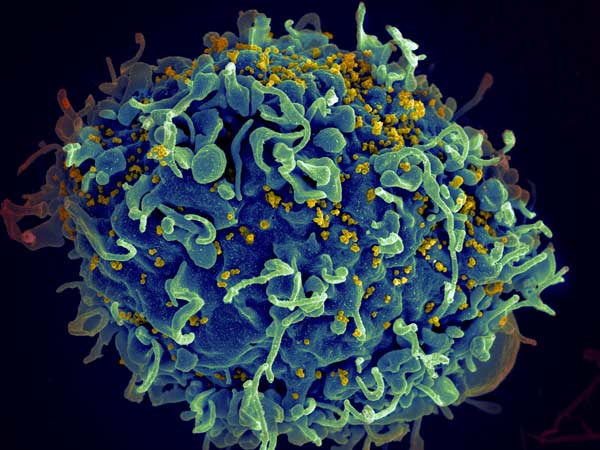
Scientists have now uncovered how the innate immune system detects even very small amounts of HIV-1.The findings, published in Molecular Cell, reveal a two-step molecular strategy that jolts the innate immune response into action when exposed to HIV-1. This has important implications for developing new HIV treatments and vaccines, as well as helping understand the innate immune response in other contexts such as Alzheimer’s.
“This research delineates how the immune system can recognise a very cryptic virus, and then activate the downstream cascade that leads to immunological activation,” says Sumit Chanda, PhD, professor in the Department of Immunology and Microbiology. “From a therapeutic potential perspective, these findings open up new avenues for vaccines and adjuvants that mimic the immune response and offer additional solutions for preventing HIV infection.”
The innate immune system is activated before the adaptive immune system, which is the body’s secondary line of defense that involves more specialised functions, such as generating antibodies. One of the innate immune system’s primary responsibilities is recognizing between “self” (our own proteins and genetic material) and foreign elements (such as viruses or other pathogens). Cyclic GMP-AMP synthase (cGAS) is a key signaling protein in the innate immune system that senses DNA floating in a cell. If cGAS does detect a foreign presence, it activates a molecular pathway to fight off the invader.
However, because HIV-1 is an RNA virus, it produces very little DNA – so little, in fact, that scientists have not understood how cGAS and the innate immune system are able to detect it and distinguish it from our own DNA.
Scripps Research scientists discovered that the innate immune system requires a two-step security check for it to activate against HIV-1. The first step involves a protein called polyglutamine binding protein 1 (PQBP1), which recognises the HIV-1 outer shell as soon as it enters the cell and before it can replicate. PQBP1 then coats and decorates the virus, acting as an alert signal to summon cGAS. Once the viral shell begins to disassemble, cGAS activates additional immune-related pathways against the virus.
The researchers were initially surprised to find that two steps are required for innate immune activation against HIV-1, as most other DNA-encoding viruses only activate cGAS in one step. This is a similar concept to technologies that use two-factor authentication, such as requiring users to enter a password and then respond to a confirmation email.
This two-part mechanism also opens the door to vaccination approaches that can exploit the immune cascade that is initiated before the virus can start to replicate in the host cell, after PQBP1 has decorated the molecule.
“While the adaptive immune system has been a main focus for HIV research and vaccine development, our discoveries clearly show the critical role the innate immune response plays in detecting the virus,” said Sunnie Yoh, PhD, first author of the study and senior staff scientist in Chanda’s lab. “In modulating the narrow window in this two-step process – after PQBP1 has decorated the viral capsid, and before the virus is able to insert itself into the host genome and replicate – there is the potential to develop novel adjuvanted vaccine strategies against HIV-1.”
By shedding light on the workings of the innate immune system, these findings also illuminate how our bodies respond to other autoimmune or neurodegenerative inflammatory diseases. For example, PQBP1 has been shown to interact with tau – the protein that becomes dysregulated in Alzheimer’s disease – and activate the same inflammatory cGAS pathway. The researchers will continue to investigate how the innate immune system is involved in disease onset and progression, as well as how it distinguishes between self and foreign cells.
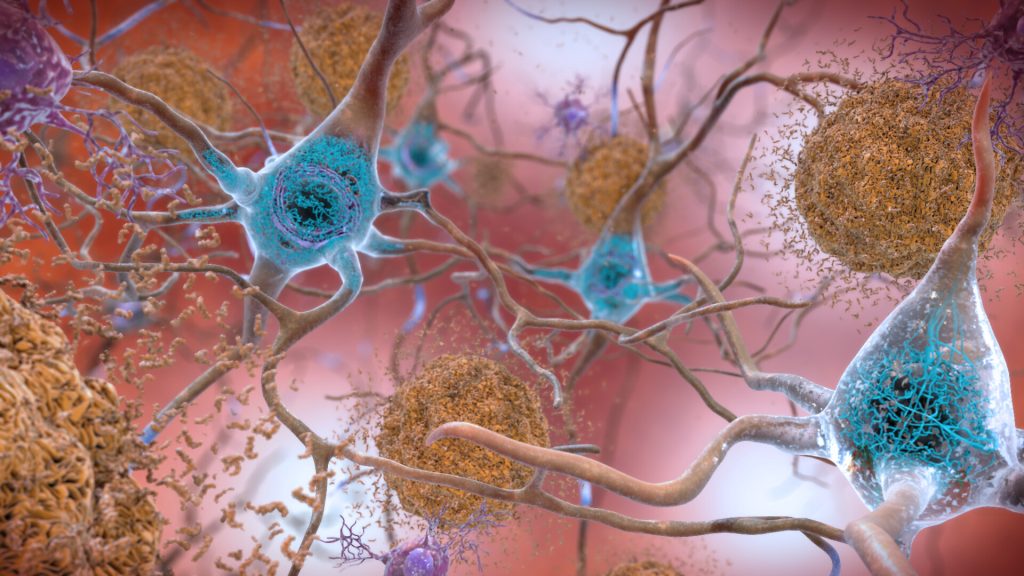
A study published in Metabolic Brain Disease has established a clear link between mice being fed a high-fat diet for 30 weeks, resulting in diabetes, and a subsequent worsening of their cognitive abilities. This included developing anxiety, depression and worsening Alzheimer’s disease.
Mice with impaired cognitive function were also more likely to gain excessive weight due to poor metabolism caused by brain changes.
Neuroscientist and biochemist Associate Professor Larisa Bobrovskaya, who co-led the study said that the research adds to the growing body of evidence linking chronic obesity and diabetes with Alzheimer’s disease.
“Obesity and diabetes impair the central nervous system, exacerbating psychiatric disorders and cognitive decline. We demonstrated this in our study with mice,” said Associate Prof Bobrovskaya.
In the study, mice were randomised to a standard diet or a high-fat diet for 30 weeks, starting at eight weeks of age. Food intake, body weight and glucose levels were monitored at different intervals, along with glucose and insulin tolerance tests and cognitive dysfunction.
The mice on the high-fat diet gained significant weight, developed insulin resistance and started behaving abnormally compared to those fed a standard diet.
Genetically modified Alzheimer’s disease mice showed a significant deterioration of cognition and pathological changes in the brain while fed the high fat diet.
“Obese individuals have about a 55 per cent increased risk of developing depression, and diabetes will double that risk,” Assoc Prof Bobrovskaya said.
“Our findings underline the importance of addressing the global obesity epidemic. A combination of obesity, age and diabetes is very likely to lead to a decline in cognitive abilities, Alzheimer’s disease and other mental health disorders.”
High dose inhaled nitric oxide gas (iNO) is a safe and effective respiratory therapy for pregnant women hospitalised with severe COVID pneumonia, resulting in faster weaning from oxygen and shorter hospital stay, according to a study published in Obstetrics & Gynecology. Massachusetts General Hospital (MGH) researchers reported that the addition of twice-daily nitric oxide to standard of care oxygen therapy decreased the respiratory rate of pregnant women with low oxygenation levels of the blood without causing any side effects.
“To date, very few respiratory treatments to complement supplemental oxygenation in COVID pregnant patients have been tested,” explained the study’s senior author, Lorenzo Berra, MD. “Investigators from all four medical centers that participated in our study agreed that administration of high dose nitric oxide through a snug-fitting mask has enormous potential as a new therapeutic strategy for pregnant patients with COVID.”
Pneumonia triggered by COVID is particularly threatening to pregnant women since it may quickly progress to hypoxaemia, requiring hospitalisation and cardiopulmonary support. “Compared to non-pregnant female patients with COVID, pregnant women are three times more likely to need intensive care unit admission, mechanical ventilation, or advanced life support, and four times more likely to die,” noted lead author Carlo Valsecchi, MD. “They also face a greater risk of obstetric complications such as preeclampsia, preterm delivery, and stillbirth.”
Nitric oxide is a therapeutic gas that was initially approved by the U.S. Food and Drug Administration in 1999 for inhalation treatment of intubated and mechanically ventilated newborns with hypoxic respiratory failure. With MGH driving many early studies, iNO in high concentrations was also shown to be effective as an antimicrobial in reducing viral replication of SARS-CoV-1 and, more recently, SARS CoV-2. During the first wave of COVID, MGH treated six non-intubated pregnant patients with iNO at high doses of up to 200 parts per million (ppm). Favourable outcomes with iNO led MGH clinicians to offer this treatment to other pregnant patients, and motivated the present study.
Researchers and clinicians from multiple departments in four hospitals – including critical care medicine, respiratory care, and maternal foetal medicine – studied 71 pregnant patients with severe COVID pneumonia admitted to these hospitals, 20 of whom received iNO200 twice daily. The study found that iNO therapy at this dosage, when compared to standard of care alone, resulted in reductions in the need for supplemental oxygen and in hospital and ICU lengths of stay. No adverse events related to the intervention were reported in either mothers or their babies.
“Being able to wean patients from respiratory support quicker could have other profound implications, including reducing stress on women and their families, lowering the risk of hospital-acquired infections, and relieving the burden on the health care system,” noted Dr Berra. “Above all, our study supports the safety of high dose nitric oxide in the pregnant population, and we hope more physicians will consider incorporating it into carefully monitored treatment regimens.”
In the past year, the Commission for Conciliation, Mediation and Arbitration (CCMA) has delivered several arbitration awards which have upheld the dismissals of employees who refused to get vaccinated against COVID.
But a recent award has created some confusion about whether this is still allowed and under what circumstances.
On 22 June, CCMA Commissioner Richard Byrne found that it was unfair and unconstitutional for Baroque Medical, which supplies and sells medical equipment, to retrench Kgomotso Tshatshu for refusing to get a Covid vaccination. The company was ordered to pay her 12 months’ salary as compensation (the maximum allowed).
But this contradicts an earlier CCMA award by Commissioner Piet van Staden, delivered in May, who found that Baroque Medical was within its rights to retrench another employee, Cecilia Bessick, who had also refused to get a COVID vaccine.
These conflicting decisions may be understandable, because CCMA arbitration awards do not create binding legal precedent in the same way as court judgments. The most recent CCMA ruling therefore does not set a binding legal precedent that employees cannot be dismissed for refusing to get a COVID vaccine.
The Labour Court has also not yet delivered any binding judgment about whether an employer can fairly dismiss an employee who refuses to get a Covid vaccination. Until this occurs, it is likely the CCMA will continue to give conflicting decisions about whether employers can fairly dismiss employees who refuse to get a vaccine.
Below, we explain what the law currently says about whether an employee can be dismissed for refusing to get a COVID vaccine and under what circumstances.
Labour Relations Act
The Labour Relations Act (LRA) says that an employee can only be dismissed for these reasons: when they are guilty of misconduct; suffer from an incapacity, such as ill health or injury, which prevents them from performing their duties; have to be retrenched because of the economic, structural, technological or similar needs of their employer.
The LRA also requires an employer to follow a fair procedure before dismissing an employee. Usually, this would involve explaining to an employee why they could be dismissed if they refuse to get a Covid vaccine and give the employee an opportunity to explain why they should not be dismissed.
The LRA, however, does not explain whether an employee who refuses to get vaccinated can be dismissed for misconduct or incapacity. The LRA also does not explain whether an employee who refuses to get a Covid vaccine can be retrenched.
Occupational Health and Safety Act
But the Occupational Health and Safety Act does require employers to take all reasonable steps to provide their employees with a safe and healthy working environment. The act also requires employers to take reasonable steps to ensure other people who may be affected by their business activities (such as customers or suppliers) are not exposed to a hazard to their health or safety – such as Covid.
During March, the Minister of Labour issued a Code of Good Practice which explains the steps that an employer should take to manage Covid in their workplace and to comply with their legal duties to provide a safe and healthy working environment.
This code was enacted after a previous directive on managing Covid in the workplace was repealed after the State of Disaster came to an end.
Code of Good Practice
According to the new Code of Good Practice, every employer with at least 20 employees must conduct a “risk assessment” and must develop a COVID plan with the measures it will implement regarding vaccination of employees and when they should be fully vaccinated. When developing the plan, the employer must consult with any representative trade union in its workplace or an employee representative.
The risk assessment and plan, among other things, should identify employees who must be vaccinated and must notify them of their duty to get a vaccination.
The code also states employers can require employees to disclose their vaccination status and to produce a vaccine certificate in order to give effect to the code.
The code further states that employees can lawfully refuse work when there exists a serious risk that they may imminently be exposed to COVID in the workplace. Should this occur, the employer cannot take any action against that employee for refusing to work, such as later dismissing or suspending them from work.
There may be situations where a refusal by employees to work because other employees refuse to get vaccinated, could justify the dismissal of the employees who refuse to get a COVID vaccine. This is because the refusal of many employees to work could affect the ability of a company or business to operate. This could potentially justify retrenchment of employees who refuse to get a COVID vaccine.
However, should an employee refuse to get vaccinated, the code also says that the employer should take steps to reasonably accommodate them in a position that does not require them to be vaccinated. Should an employee produce a valid medical certificate, which provides legitimate reasons why they cannot be vaccinated, the employer can send that employee to another doctor at their own expense.
The code does recognise that it would be unfair to dismiss employees who cannot be vaccinated on valid medical grounds. But, the duty to accommodate employees who refuse to get vaccinated on other grounds would depend on whether an employer has another position available which does not require that employee to be vaccinated. Should the employer not have an alternative position which does not require the employee to be vaccinated, this could be a fair reason to dismiss them.
It is important to note that the code does state that it reflects the policy position of the Department of Labour and that it should be applied until any of its provisions are reversed by a court judgment. Until the Labour Court delivers a binding judgment on when employees can be dismissed for refusing to get a COVID vaccination, it would seem it would be best to follow the provisions of the code.
A cross sectional study published in Annals of Internal Medicine uncovered substantial discrepancies between individual estimated glomerular filtration rate (eGFR) and directly measured GFR (mGFR).The authors suggest that eGFR calculations on lab reports also state this distribution of uncertainty, and also that renaming the eGFR as a population average GFR (or paGFR) merits further discussion.
GFR is the standard metric used to assess and monitor kidney function. Directly measured GFR, or mGFR, requires injecting a filtration marker and measuring plasma or urinary clearance by serial blood and urine sampling under standardized conditions is not possible for every patient. So eGFR calculated from serum creatinine is often used by clinicians to predict an mGFR. Population-level discrepancies between eGFR and mGFR are low, but individual discrepancies are much higher. It is important to understand the magnitude of these individual-level differences for clinical decision making.
Researchers calculated eGFR from serum creatinine alone and cystatin C and creatinine using the Chronic Kidney Disease Epidemiology Collaboration equations for 3223 participants and compared their eGFR to their mGFR to quantify the magnitude and consequences of the individual-level differences between the two. The authors found substantial discrepancies between directly measured GFR and estimated GFR, resulting in only about 50% agreement between CKD stages. Individual-level differences between the mGFR and the eGFR did not improve substantially using cystatin C.
The authors suggested that several factors contribute to these discrepancies: creatinine and cystatin C have non-GFR factors influencing their serum concentration; variability in the mGFR can result from normal physiology and measurement error from mGFR markers and technique; and as GFR estimation models the ratio of mGFR–body surface area as a function of serum markers, it incorporates errors in mGFR and errors in body surface area calculated from height and weight.
The authors say that their findings highlight the need to make direct GFR measurements available to patients who need them. They note that implementation studies are needed in this area, and research is needed to assess how the availability and use of mGFRs change clinical management.