Month: June 2022

Fentanyl Induces Autism-like Behaviours in Young Mice

Mouse
Photo by Kanasi on Unsplash

Fentanyl is one of the most commonly used analgesics in the hospital and, in rodents, may have lasting sensorimotor and behavioural impacts. A study published in the British Journal of Anaesthesia has shown that fentanyl can induce changes similar to autism-like behaviours in young mice.

Fentanyl, a mu-opioid receptor agonist, is a potent synthetic opioid, which, similar to morphine, produces analgesia but is 50 to 100 times more potent. A dose of only 100 micrograms can produce equivalent analgesia to approximately 10mg of morphine. However, fentanyl exhibits vastly different properties and pharmacokinetics. Clinically, its most common use is as a sedative in intubated patients and severe cases of pain in patients with renal failure due to its primarily hepatic elimination. Fentanyl’s side effects are similar to those of heroin.

However, whether the use of fentanyl is associated with the development of autism is not known. An animal study led by investigators at Massachusetts General Hospital (MGH), Shanghai 10th People’s Hospital, and the University of Pennsylvania e. The findings are

Research by other groups has shown that N-methyl-D-aspartate receptor dysfunction contributes to autism. Variations in Grin2a and Grin2b, the genes encoding GluN2A and GluN2B subunits of N-methyl-D-aspartate receptor, are associated with autism. In addition, the anterior cingulate cortex of the brain is affected in autism.

In this current study, the research team reported that fentanyl induces autism-like behaviors in young male and female mice via activating the mu-opioid receptor in the anterior cingulate cortex. Further, these fentanyl-induced autism-like behaviors appear partially due to the hypermethylation-mediated reduction of Grin2b expression in the anterior cingulate cortex of mice.

“Because the anterior cingulate cortex is a hub for mediating social information, we focused on the expression of Grin2b in that area,” says Yuan Shen, MD, PhD, the paper’s senior author and a professor of Psychiatry at Shanghai 10th People’s Hospital. “We found fentanyl decreased expression of Grin2b in the anterior cingulate cortex. The overexpression of Grin2b prevents fentanyl-induced autism-like behavior in the mice. These findings suggest a potential mechanism to prevent or treat the autism-like behavior,” says Shen.

The group used an open field test (in which a mouse can walk inside a box) and an elevated plus-maze (in which a mouse can walk on an elevated platform) to observe the anxiety and stereotyped behaviours of mice. Using a three-chamber social preference test (where a mouse can interact with another mouse), they also assessed potential social deficits. “We used these tests because impaired social interaction, stereotyped behaviours, and anxiety are the key feature of autism-like behaviours in mice,” said Zhihao Sheng, co-first author of the paper. Sheng is a graduate student at Shanghai 10th People’s Hospital.

“However, the changes of mice in these behavioral tests do not equal autism in humans. These behavioral tests are only used to study the autism-like behaviors in mice because they can demonstrate certain features of behavior changes similar to the manifestation of autism,” said co-first author Qidong Liu, PhD, assistant professor at Shanghai 10th People’s Hospital.

Co-senior author Zhongcong Xie, MD, PhD, added: “There is no current evidence that fentanyl is associated with a similar effect in humans and the outcome of the animal study is not an indication to avoid fentanyl in clinical anesthesia. However, the outcome will promote further research, including clinical investigations, to determine the potential neurobehavioral influence of opioids on brain development.” 

AI-enabled Kidney Surgery Makes it Easier for Novice Surgeons

Anatomic model of a kidney
Photo by Robina Weermeijer on Unsplash

Percutaneous nephrolithotomy (PCNL) is an efficient surgical intervention for removing large kidney stones. However, it is a challenging procedure that requires years of training to perform. To address this, a group of scientists from the Nagoya City University, developed and trialled an artificial intelligence (AI)-enabled robotic device for assisting surgeons in PCNL.

Creating a renal access from the skin on the back to the kidney is a crucial yet challenging step in PCNL. A poorly performed renal access can lead to severe complications including massive bleeding, thoracis and bowel injuries, renal pelvis perforation, or even sepsis. This procedure takes years of training to master. The two main renal access methods for PCNL – X-ray guidance and ultrasound (US) guidance deliver similar postoperative outcomes but require experience-based expertise.

Many technologies are being developed to bridge this skill gap. This inspired a Nagoya University research team to question if artificial intelligence (AI)-powered robotic devices could be used for improved guidance compared with conventional US guidance. Specifically, they wanted to see if the AI-powered device called the Automated Needle Targeting with X-ray (ANT-X), which was developed by the Singaporean medical start-up, NDR Medical Technology, offers better precision in percutaneous renal access along with automated needle trajectory.

The team performed a randomised, single-blind, controlled trial comparing their robotic-assisted fluoroscopic-guided (RAF) method with US-guided PCNL. The results of this trial were detailed in the The Journal of Urology. “This was the first human study comparing RAF with conventional ultrasound guidance for renal access during PCNL, and the first clinical application of the ANT-X ,” said Dr Kazumi Taguchi, Assistant Professor at NCU.

The trial was conducted with 71 patients—36 in the RAF group and 35 in the US group. The primary outcome of the study was single puncture success, with stone-free rate (SFR), complication rate, parameters measured during renal access, and fluoroscopy time as secondary outcomes.

The single puncture success rate was ~34 and 50% in the US and RAF groups, respectively. Fewer needle punctures were needed in the RAF group (1.82 times) as opposed to the US group (2.51 times). In 14.3% of US-guided cases, the resident was unable to obtain renal access due to procedural difficulty, prompting a surgeon change. However, none of the RAF cases faced this issue. The median needle puncture duration was also significantly shorter in the RAF group (5.5 minutes vs 8.0 minutes). No significant differences in the other secondary outcomes was found.

Multiple renal accesses during PCNL are directly linked to postoperative complications including, decreased renal function. Therefore, the low needle puncture frequency and shorter puncture duration, as demonstrated by the ANT-X, may provide better long-term outcome for patients. While the actual PCNL was performed by residents in both RAF and US groups, the renal access was created by a single, novice surgeon in the RAF group, using ANT-X. This demonstrates the safety and convenience of the novel robotic device, which could possibly reduce surgeons’ training load and allow more hospitals to offer PCNL procedures.

Dr Taguchi commented, “The ANT-X simplifies a complex procedure, like PCNL, making it easier for more doctors to perform it and help more number of patients in the process. Being an AI-powered robotic technology, this technique may pave the way for automating similar interventional surgeries that could shorten the procedure time, relieve the burden off of senior doctors, and perhaps reduce the occurrence of complications.”

Source: Nagoya City University

Humans Naturally Moderate their Intake of Energy-rich Meals

A hamburger
Photo by Ilya Mashkov on Unsplash

A new study has shown that, instead of overeating, humans moderate the size of energy-rich meals they consume, suggesting people are smarter eaters than previously thought.

The findings, published in The American Journal of Clinical Nutrition, revisit the long-held belief that humans don’t notice the energy content of the foods they consume, making them prone to eating the same quantity of food by weight, regardless of it being energy-rich or energy-poor.

The study, led by the University of Bristol, challenges a common view among researchers that people tend to overconsume high-energy foods.

Previous studies manipulated the energy content of foods or meals to create low- and high-energy versions. In those studies, people were not informed of which version they ate, and findings showed they tended to eat meals of the same weight, resulting in greater calorie intake with the high-energy version.

“For years we’ve believed that humans mindlessly overeat energy-rich meals. Remarkably, this study indicates a degree of nutritional intelligence whereby humans manage to adjust the amount they consume of high-energy density options,” said lead author Annika Flynn, Doctoral Researcher in Nutrition and Behaviour at the University of Bristol.

Rather than artificially manipulating the calories in single foods, this study looked at data from a trial using a normal, everyday meals with different energy densities, such as a chicken salad sandwich with fig roll biscuits or porridge with blueberries and almonds. The trial involved 20 healthy adults who temporarily lived in a hospital ward where they were served a variety of meals for four weeks.

The international team of researchers calculated the calories, grams, and energy density (calories per gram) for every meal each participant consumed. They found that meal calorie intake increased with energy density in energy-poor meals as previous observations with artificially manipulated foods also found. Surprisingly, with greater energy density a turning point was observed whereby people start to respond to increases in calories by reducing the size of the meals they consume. This suggests a previously unrecognised sensitivity to the energy content of the meals people were eating.

As this finding was based on data from a small, highly-controlled trial, the researchers next investigated whether the general population followed this pattern eating freely. Using data from the UK National Diet and Nutrition Survey, researchers again found meal calorie intake increased with energy density in meals which were energy-poor and then decreased in energy-rich meals. Importantly, for this turning point pattern to occur, participants would have needed to consume smaller meals, by weight, of the more energy-rich meals.

Annika said: “For instance, people ate smaller portions of a creamy cheese pasta dish, which is an energy-rich meal, than a salad with lots of different vegetables which is relatively energy-poor.”

This research sheds new light on human eating behaviour, specifically an apparent subtle sensitivity to calories in energy-rich meals.

Co-author Jeff Brunstrom, Professor of Experimental Psychology, said: “This research gives added weight to the idea humans aren’t passive overeaters after all, but show the discerning ability to moderate how much of an energy-rich meal they consume.

“This work is particularly exciting as it reveals a hidden complexity to how humans interact with modern energy-rich foods, something we’ve been referring to as ‘nutritional intelligence’. What this tells us is we don’t seem to passively overconsume these foods and so the reason why they are associated with obesity is more nuanced than previously thought. For now, at least this offers a new perspective on a longstanding issue and it opens the door to a range of important new questions and avenues for future research.”

Source: University of Bristol

Few Patients get ‘Rebound COVID’ after Paxlovid Treatment

Image from Pixabay

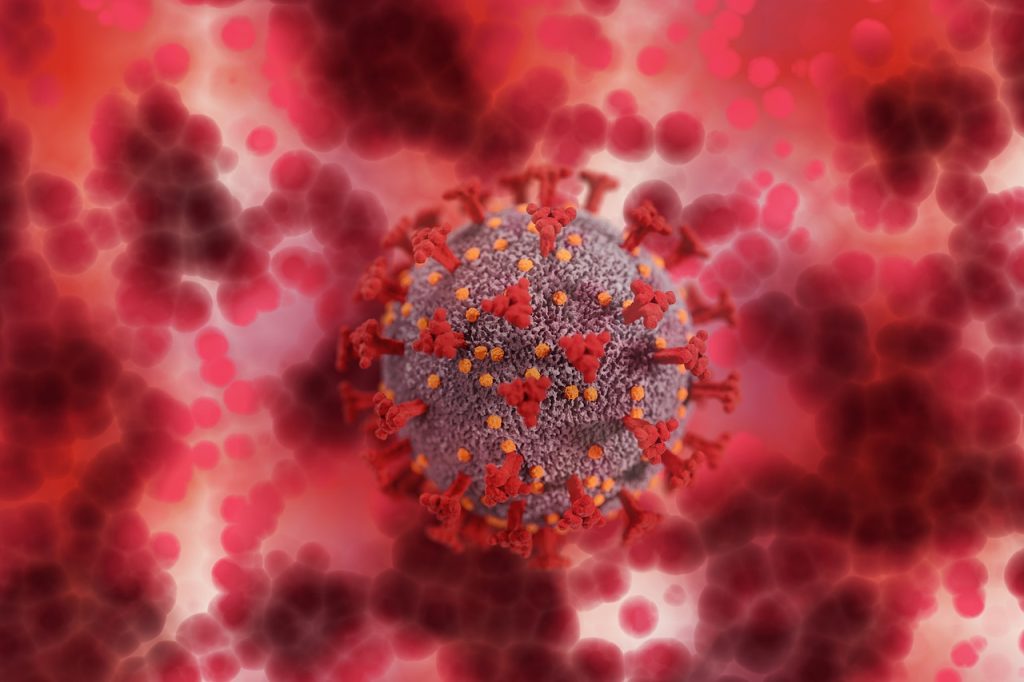
Mayo Clinic researchers studied the outcomes of 483 high-risk patients  treated for COVID with a five-day oral regimen of Paxlovid, a combination of nirmatrelvir and ritonavir. Only a handful developed COVID rebound symptoms, something which the researchers say needs further investigation. Their findings appear in the journal Clinical Infectious Diseases.

All of the patients benefited from Paxlovid and recovered, including the patients who developed rebound symptoms, which were generally mild.

“We found that rebound phenomenon was uncommon in this group of patients,” says senior author Aditya Shah, MBBS, an infectious diseases physician and researcher at Mayo Clinic. “The four individuals who experienced rebound [symptoms] represent only 0.8% of the group, and all of them recovered quickly without additional COVID-directed therapy.”

Most of the patients had been vaccinated, and many had received booster vaccinations. The median age was 63. While these patients were high-risk for COVID, none was immunocompromised. Only two patients were admitted to the hospital, and it was for reasons other than COVID.

The study focussed on four patients with rebound symptoms:

  • A 75-year-old man with coronary artery disease who had increased cough and muscle aches 19 days after treatment.
  • A 40-year-old woman with obesity, hypertension and kidney disease who developed fatigue and sore throat six days after treatment.
  • A 69-year-old man with hypertension and obesity who exhibited nasal discharge and cough 10 days following therapy.
  • A 70-year-old man with a history of prostate cancer, obesity, hypertension and high cholesterol, who developed significant sinus congestion 10 days after treatment.

Why did some rebound?

Researchers think one explanation could be that a replication of SARS-CoV-2 could have triggered a secondary immune response, which showed up as mild COVID symptoms. This question could be answered by prospective studies could answer the question. They also note that all four patients with rebound symptoms had many serious health problems known as comorbidities — a factor shown to complicate recoveries. And all four patients had been vaccinated more than 90 days before becoming infected with COVI.

Source: Mayo Clinic

Comorbidities are Common in Polycystic Ovary Syndrome

Photo by Andrea Piacquadio on Pexels

Polycystic ovary syndrome (PCOS) is the most common hormonal disorder in reproductive-age women. In a study published in Acta Obstetricia et Gynecologica Scandinavica, women with PCOS were more likely to also have migraine, hypertension, tendinitis, osteoarthritis, and endometriosis.  Affected women were also using medications more often and reported their own health to be poorer than women without PCOS.  

Few studies have systematically assessed the overall comorbidity in women with PCOS, which should be of greater importance given the high costs of PCOS-related comorbidity. For example, PCOS-related type 2 diabetes alone has been estimated to carry an annual cost of $310 million in the UK and $1.77 billion in the USA. The syndrome often remains underdiagnosed despite being so common, and therefore is less represented in national databases, making it harder to assess comorbidities.

The present study included 246 women with PCOS symptoms or diagnoses and 1573 controls who were surveyed during their late reproductive years at age 46.  

“PCOS is often labelled as a reproductive concern; however, in most cases this is well managed with fertility treatments. Our study underscores the need for health professionals to acknowledge the risk for several comorbidities and increased health burden related to this common syndrome,” said senior author professor Terhi T. Piltonen, MD, PhD, of the University of Oulu, in Finland. “Women should also be aware of this risk, and they should be supported by early diagnosis and treatment.”  

Source: Wiley

Rapid Blood Assay to Test for COVID Immunity

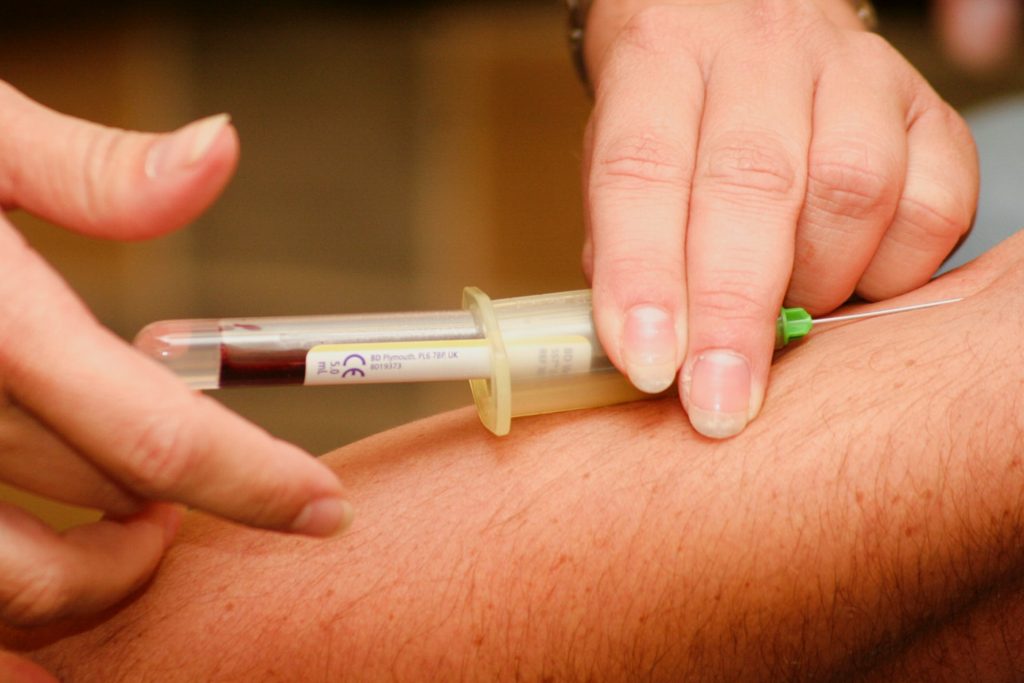
Blood sample being drawn
Photo by Hush Naidoo Jade Photography on Unsplash

Researchers have developed a rapid blood assay that measures the strength and duration of an individual’s immunity to SARS-CoV-2. This test will allow population-scale monitoring immunity and vaccine effectiveness. This will help to design revaccination strategies for vulnerable immunosuppressed individuals, according to a study published by the researchers from Mount Sinai in Nature Biotechnology.

The test, which measures the activation of T cells, is performed in under 24 hours and can be scaled up significantly.

“The assay we have created has the ability to measure the population’s cellular immunity and broadly test the efficacy of novel vaccines,” said one of the study’s senior authors, Ernesto Guccione, PhD, Professor at Mount Sinai. “We know that vulnerable populations don’t always mount an antibody response, so measuring T cell activation is critical to assess the full extent of a person’s immunity. Additionally, the emergence of SARS-CoV-2 variants like Omicron, which evade most of the neutralising ability of antibodies, points to the need for assays that can measure T cells, which are more effective against emerging variants of concern.”

Long-term protection from viral infection is mediated by both antibodies and T cell response. Many recent studies point to the importance of determining T cell function in individuals who have recovered from or been vaccinated against COVID to help design vaccination campaigns. However, before this study, measurement of T cell responses has been rarely performed because of the associated technical challenges.

Researchers optimised qPCR-based assays that had the potential to be globally scalable, sensitive, and accurate tests. They then selected the two assays that offered the most scalability. One, the qTACT assay, was accurate and sensitive but had a relatively longer processing time of 24 hours per 200 blood samples, a moderate price, and a medium level of technical skill. The other, the dqTACT assay, was accurate and had a reduced processing time and cost, and required minimal lab experience, making it easy to implement.

The dqTACT assay has recently received the European CE-IVD (in vitro diagnostics) certification, while U.S. Food and Drug Administration and European Medicines Agency clinical validation is ongoing.

“The assays presented here are based on the ability of SARS-CoV-2 T cells to respond to peptides covering different proteins of the virus,” said another senior author, Jordi Ochando, PhD, Assistant Professor at Mount Sinai. “With the possibility of using different peptide pools, our approach represents a flexible strategy that can be easily implemented to detect the presence of T cells responding to different viral proteins. These T cells have an important role in protection from emerging mutant strains, thus immediately gauging the impact that viral mutations might have on cellular immunity.”

Megan Schwarz, a graduate student at Icahn Mount Sinai and first author of the study, added: “Precise measurement of cellular responses underlying virus protection represents a crucial parameter of our levels of immune defence.”

Source: EurekAlert!

Another Fire Breaks Out at Steve Biko Academic Hospital

Source: Pixabay CC0

On Sunday evening, another fire broke out at Steve Biko Academic Hospital – the second in two weeks. The fire damaged linen and prompted an evacuation but fortunately, there were no injuries resulting from the incident, Times Live reported.

Gauteng health department spokesperson Kwara Kekana said the cause of the latest fire was due to till-burning cigarette butts discarded by patients which “touched the ward linen room lights, burning the steel shelves and linen.”

Kekana said the damage was limited to a few items of linin. The fire started at around 6.15pm in a linen closet in a medical ward.

“The fire was quickly extinguished by staff. Patients were temporarily evacuated as a safety precaution because of smoke. By 8.15pm, patients were returned to the ward after the City of Tshwane declared the site safe,” Kekana said.

The previous fire at the hospital broke out at around 1:20am in a temporary storage area for COVID medical waste and as an in-transit corpse area. That fire affected temporary structures outside the hospital casualty area, and forced the evacuation of 18 patients.

This is the latest in a string of fires in Gauteng hospitals, such as the devastating fire at Charlotte Maxeke hospital – something which has caused concern for Gauteng Health MEC Nomathemba Mokgethi.

Speaking about the previous fire, she said that, “It looks like every year in the Department of Health we have to deal with fires. I will be getting a report the afternoon from the law enforcement agency, especially on the Charlotte issue.”

The problem of hospital fires is not confined to Gauteng: exactly a week earlier, a blaze broke out at Chatsmed Hospital in Durban.

Source: Times Live

Sex of Red Blood Cell Donors Does not Affect Recipient Survival

https://www.pexels.com/photo/a-close-up-shot-of-bags-of-blood-4531306/
Photo by Charlie-Helen Robinson on Pexels

A study published in JAMA Internal Medicine shows that, after taking haemoglobin levels into count, sex and previous pregnancy of blood donors do not affect the survival of patients receiving red blood cell transfusions. Differences in recipient survival depend rather on the haemoglobin quantity in the transfusion, the researchers found.

Female donor sex and previous pregnancy are established risk factors for transfusion-related acute lung injury following plasma and platelet transfusions, which is a leading cause of transfusion-related mortality.

Previous studies have produced conflicting results as to how donor sex affects the recipient’s survivability in the recipient following red blood cell transfusion. Some studies have indicated higher mortality in patients who have received red blood cells from women, in men who have received red blood cells from women who have been pregnant, and in sex-mismatched transfusions. Other studies, however, have not reported such correlations.

This question has now been further explored by researchers from Karolinska Institutet in a register study of almost 370 000 patients in Sweden who received a red blood cell transfusion for the first time between 2010 and 2018.

The aim of the study was to see how the sex and previous pregnancy status of the donor affects survival in the recipient within two years from transfusion. It also looked at how the risk of needing more transfusions differed between patients who received red blood cells from female and male donors. Blood from women on average contains less haemoglobin than blood from men, meaning that more transfusions might be required to obtain the desired level of haemoglobin in a recipient.

The study demonstrates that the median value for haemoglobin was lower in female blood donors (135g/L than male (149g/L) and that patients who received blood from a woman had a 12% higher risk of needing another transfusion within 24 hours than blood from a man. However, this sex difference was eliminated when adjusting for the donors’ haemoglobin levels, which the researchers say was an expected effect that had not been factored into previous studies.

“When we take into account the lower haemoglobin levels in blood from women, we see no difference in survival among patients who received a blood transfusion from women compared with from men, regardless of how many times the female donors had been pregnant and of the patients’ sex and age,” said the study’s first author Jingcheng Zhao, adjunct researcher at Karolinska Institutet. “Differences in haemoglobin levels are a source of error that previous studies have not taken into consideration and that might explain the conflicting results that has been seen previously.”

Data for the study was drawn from national population, health and blood donor registries. The study also shows that donor sex is naturally randomly distributed in the patient material since no regard is paid to the sex and previous pregnancies of the donors by the blood donor centres when supplying blood. According to the researchers, this means that more far-reaching conclusions be drawn.

Dr Zhao said this allows them to determine causality. “We’ll now continue developing methods for studying causal relationships in transfusion epidemiology using observational data, on things like donor characteristics and how blood is handled. There’s still much we don’t know about blood transfusion and its effects.”

One limitation is that it was not possible to separately study transfusions where the red blood cells had not undergone leukoreduction (the filtering out of white blood cells), since this procedure has been standard in Sweden since the 1990s. The researchers therefore add a caveat about generalizing the conclusions to erythrocyte concentrates that have not undergone leukoreduction, which, however, is relatively uncommon now.

Source: Karolinska Institutet

‘Silent’ Mutations in Genes Found to be Mostly Harmful

Genetics
Image source: Pixabay

New research with yeast strains carrying ‘silent’ gene mutations, where misspellings occur but do not affect the protein they code for, shows that they are not harmless as previously assumed – rather, they are mostly harmful. The findings, which appear in the journal Nature,  could overturn decades of thinking if they are applicable to organisms such as humans.

In the early 1960s, University of Michigan alumnus Marshall Nirenberg and a few other scientists deciphered the genetic code, determining the rules by which information in DNA molecules is translated into proteins.

They identified three-letter units in DNA sequences, known as codons, that specify each of the 20 amino acids that make up proteins, work for which Nirenberg later shared a Nobel Prize with two others.

Occasionally, single-letter misspellings occur, which are known as point mutations. Point mutations that alter the resulting protein sequences are called nonsynonymous mutations, while those that do not are called silent or synonymous mutations.

Around one-quarter to one-third of point mutations in protein-coding DNA sequences are synonymous. Ever since the genetic code was cracked, those mutations have generally been assumed to be neutral, or nearly so.

But a new study involving the genetic manipulation of yeast cells in the laboratory demonstrates that most synonymous mutations are strongly harmful.

The strong nonneutrality of most synonymous mutations – if found to be true for other genes and in other organisms – would have major implications for the study of human disease mechanisms, population and conservation biology, and evolutionary biology, according to the study authors.

“Since the genetic code was solved in the 1960s, synonymous mutations have been generally thought to be benign. We now show that this belief is false,” said the study’s senior author, Professor Jianzhi “George” Zhang at the University of Michigan.

“Because many biological conclusions rely on the presumption that synonymous mutations are neutral, its invalidation has broad implications. For example, synonymous mutations are generally ignored in the study of disease-causing mutations, but they might be an underappreciated and common mechanism.”

In the past decade, anecdotal evidence has suggested that some synonymous mutations are nonneutral, which Prof Zhang and his colleagues wanted to investigate.

They chose to address this question in budding yeast (Saccharomyces cerevisiae) because the organism’s short generation time (about 80 minutes) and small size allowed them to measure the effects of a large number of synonymous mutations relatively quickly, precisely and conveniently.

With gene editing, they constructed more than 8000 mutant yeast strains, each carrying a synonymous, nonsynonymous or nonsense mutation in one of 21 selected genes.

Then they quantified the “fitness” of each mutant strain by measuring how quickly it reproduced relative to the nonmutant strain. Darwinian fitness, simply put, refers to the number of offspring an individual has. In this case, measuring the reproductive rates of the yeast strains showed whether the mutations were beneficial, harmful or neutral.

To their surprise, the researchers found that 75.9% of synonymous mutations were significantly deleterious, while 1.3% were significantly beneficial.

“The previous anecdotes of nonneutral synonymous mutations turned out to be the tip of the iceberg,” said study lead author Xukang Shen, a graduate student research assistant in Prof Zhang’s lab.

“We also studied the mechanisms through which synonymous mutations affect fitness and found that at least one reason is that both synonymous and nonsynonymous mutations alter the gene-expression level, and the extent of this expression effect predicts the fitness effect.”

Prof Zhang said the researchers knew beforehand, based on the anecdotal reports, that some synonymous mutations were likely nonneutral.

“But we were shocked by the large number of such mutations,” he said. “Our results imply that synonymous mutations are nearly as important as nonsynonymous mutations in causing disease and call for strengthened effort in predicting and identifying pathogenic synonymous mutations.”

The U-M-led team said that while there is no particular reason why their results would be restricted to yeast, confirmations in diverse organisms are required to verify the generality of their findings.

Source: University of Michigan

One in 500 Men Carry an Extra Sex Chromosome, Increasing Disease Risk

Photo by Cottonbro on Pexels

Around one in 500 men could be carrying an extra sex chromosome (X or Y), putting them at increased risk of diseases such as type 2 diabetes, atherosclerosis and thrombosis, according to a study published in Genetics in Medicine.

Researchers from the universities of Cambridge and Exeter analysed genetic data on 200 000 men aged 40 to 70 from UK Biobank. They found 356 men who carried either an extra X chromosome or an extra Y chromosome.

Some men have an extra X or Y chromosome – XXY or XYY, which is usually not obvious without a genetic test. Men with extra X chromosomes, a condition known as Klinefelter syndrome, are sometimes identified during investigations of delayed puberty and infertility; however, most are unaware that they have this condition. Men with an extra Y chromosome tend to be taller as boys and adults, but otherwise they have no distinctive physical features.

In today’s study, the researchers identified 213 men with an extra X chromosome and 143 men with an extra Y chromosome. As the participants in UK Biobank tend to be ‘healthier’ than the general population, this suggests that around one in 500 men may carry an extra X or Y chromosome.

Only a small minority of these men had a diagnosis of sex chromosome abnormality on their medical records or by self-report: fewer than one in four (23%) men with XXY and only one of the 143 XYY men (0.7%) had a known diagnosis.

By linking genetic data to routine health records, the team found that men with XXY have much higher chances of reproductive problems, including a three-fold higher risk of delayed puberty and a four-fold higher risk of being childless. These men also had significantly lower blood concentrations of testosterone. Men with XYY appeared to have a normal reproductive function.

Men with either XXY or XYY had higher risks of several other health conditions: a three-fold higher risk of developing type 2 diabetes, six-fold risk of venous thrombosis, three-fold risk of pulmonary embolism, and four-fold risk of chronic obstructive pulmonary disease (COPD).

It is unclear why an extra chromosome should increase the risk, said the researchers, or why the risks were so similar regardless of which sex chromosome was duplicated.

Yajie Zhao, a PhD student at the Medical Research Council (MRC) Epidemiology Unit at the University of Cambridge, the study’s first author, said: “Even though a significant number of men carry an extra sex chromosome, very few of them are likely to be aware of this. This extra chromosome means that they have substantially higher risks of a number of common metabolic, vascular, and respiratory diseases — diseases that may be preventable.”

Professor Ken Ong, also from the MRC Epidemiology Unit at Cambridge and joint senior author, added: “Genetic testing can detect chromosomal abnormalities fairly easily, so it might be helpful if XXY and XYY were more widely tested for in men who present to their doctor with a relevant health concern.

“We’d need more research to assess whether there is additional value in wider screening for unusual chromosomes in the general population, but this could potentially lead to early interventions to help them avoid the related diseases.”

Professor Anna Murray, at the University of Exeter, said: “Our study is important because it starts from the genetics and tells us about the potential health impacts of having an extra sex chromosome in an older population, without being biased by only testing men with certain features as has often been done in the past.”

Previous studies have found that around one in 1,000 females have an additional X chromosome, which can result in delayed language development and accelerated growth until puberty, as well as lower IQ levels compared to their peers.

Source: University of Cambridge