
Month: March 2022

Researchers Identify a Key Regulatory Mechanism in Inflammation

Firefighter
Source: Pixabay CC0

A newly published study has identified a key regulatory mechanism in inflammation that may lead to new targets for resolving that inflammation –and the inflammation of patients with sepsis, cancer and COVID.

In the journal PNAS, scientists reported their discovery of a regulatory pathway for immune response after infection or injury, such as burns. Dysregulation of this pathway could differentiate those who are at risk of fatal sepsis or help identify targets to resolve this unregulated inflammation.

“We are very excited about the findings in this paper and the far-reaching impacts it could have on understanding a key regulatory step in the immune response,” said co-lead author Cindy McReynolds, who holds a doctorate in pharmacology and toxicology.

In a rodent model, the research team found that the metabolites of linoleic acid formed by the enzyme, soluble epoxide hydrolase (sEH), drive damaging inflammation after injury. These metabolites, known as lipid mediators, regulate inflammation, blood pressure and pain. Drugs that inhibit the sEH enzyme and reduce inflammation could lead to better outcomes.

“Our previous work identified that these same lipid mediators were up-regulated in severe COVID infections, and we are now finding that these compounds play a role in modulating the immune response so that the body is unable to fight infection or respond properly to trauma without leading to a potentially fatal overreaction,” said Dr McReynolds.

“This dysregulation has fatal consequences in serious diseases such as COVID, cancer, sepsis, burn, where fatality rates can be as high as 40 percent in severe cases,” she said. “An understanding of these pathways can help identify patients at risk of developing serious disease or identify new therapeutic targets for treatment.”

“The immunological disbalance we see in many cases of severe burn injury, trauma and sepsis pose a huge clinical challenge as we lack the understanding of how to diagnose and treat it,” explained co-lead author Dr Christian Bergmann. “With this work, we reveal an important mechanism how immune cells are functionally disabled by sEH-derived metabolites of linoleic acid.”

“The natural compounds we are studying in this paper are metabolites of linoleic acid (LA), an essential fatty acid the body needs in very small amounts to survive and is only available through the diet,” Dr McReynolds elaborated. “At lower concentrations, these metabolites are necessary for regulating thermogenesis and heart health but promote inflammation at higher concentrations. LA is more stable and much cheaper than longer chain polyunsaturated fatty acids, so heavily processed foods have higher LA content to increase shelf-life. Additionally, agricultural practices, such as feeding animals corn-based diets, have increased LA in meats and dairy products.”

“As a result, we are consuming the highest amount of linoleic acid and have the highest recorded concentration of LA in our fatty tissue in human history,” McReynolds said. “As our bodies respond to stress or disease, we metabolise LA into the regulatory metabolites that were monitored in this paper. At higher concentrations, the immune system was unable to properly respond to infection, thereby promoting a sustained immune response. These observations are important in inflammatory-driven diseases, such as sepsis and COVID, but could also be important in understanding many of the increased chronic diseases we are seeing in our population.”

Source: UC Davis
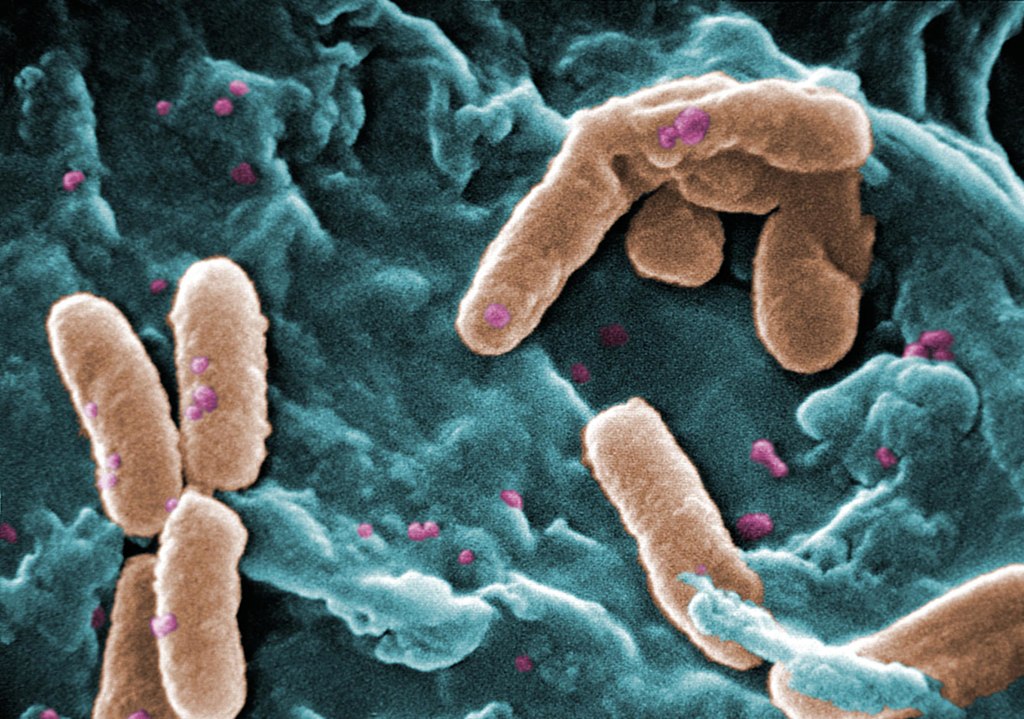
It’s in the Mix: Certain Combinations of Pathogens Resist Antibiotics

Pseudomonas
Scanning Electron Micrograph of Pseudomonas aeruginosa. Credit: CDC/Janice Carr

A study has found that much higher doses of antibiotics are needed to eliminate a bacterial infection of the airways when certain other microbes are present. This helps explain why treatment often fails to treat respiratory infections in people with diseases such as cystic fibrosis.

The study’s researchers, whose findings are published in The ISME Journal, say that even a low level of one type of microbe in the airways can have a significant impact on the response of other microbes to antibiotics.

The results highlight the need to consider the interaction between different species of microbe when treating infections with antibiotics – and to adjust dosage accordingly.

“People with chronic infections often have co-infection with several pathogens, but the problem is we don’t take that into account in deciding how much of a particular antibiotic to treat them with. Our results might help explain why, in these people, the antibiotics just don’t work as well as they should,” said Thomas O’Brien, PhD candidate and co-first author.

Chronic bacterial infections such as those in the human airways are very difficult to cure using antibiotics. Although these types of infection are often associated with a single pathogenic species, the infection site is frequently co-colonised by a number of other microbes, most of which are not usually pathogenic in their own right.

Treatment options usually revolve around targeting the pathogen, and take little account of the co-habiting species. However, these treatments often fail to resolve the infection. Until now scientists have had little insight into why this is.

To get their results the team developed a simplified model of the human airways, containing artificial sputum designed to chemically resemble the real thing, packed with bacteria.

The model allowed them to grow a mixture of different microbes, including pathogens, in a stable way for weeks at a time. This is a novel approach, as usually one pathogen will rapidly outgrow the others and spoil the experiment. It enabled the researchers to replicate and study poly-microbial infections in the laboratory.

The three microbes used in the experiment were the bacteria Pseudomonas aeruginosa and Staphylococcus aureus, and the fungus Candida albicans – a combination often found in the airways of cystic fibrosis patients.

The researchers treated this microbial mix with colistin, which kills P. aeruginosa effectively. But when the other pathogens were present alongside P. aeruginosa, the antibiotic didn’t work.

“We were surprised to find that an antibiotic that we know should clear an infection of Pseudomonas effectively just didn’t work in our lab model when other bugs were present,” said Wendy Figueroa-Chavez at the University of Cambridge, joint first author of the paper.

The same effect happened when the microbial mix was treated with fusidic acid – an antibiotic that specifically targets Staphylococcus aureus, and with fluconazole, which specifically targets C. albicans.

The researchers found that significantly higher doses of each antibiotic were needed to kill bacteria when it was part of poly-microbial infection, compared to when no other pathogens were present.

“All three species-specific antibiotics were less effective against their target when three pathogens were present together,” said Professor Martin Welch at the University of Cambridge, senior author of the paper.

Currently, antibiotics are usually only lab tested against the targeted pathogen, to determine the lowest effective dose. But when the same dose is used to treat infection in a person it is often ineffective, and this study helps to explain why. The new model system will enable the effectiveness of potential new antibiotics to be tested against a mixture of microbe species together.

Poly-microbial infections are common in the airways of people with cystic fibrosis. Despite treatment with strong doses of antibiotics, these infections often persist long-term. Chronic infections of the airways in people with asthma and chronic obstructive pulmonary disorder (COPD) are also often poly-microbial.

Genetically analysing the Pseudomonas in their lab-grown mix, the researchers were able to pinpoint specific mutations that give rise to this antibiotic resistance. The mutations were found to arise more frequently when other pathogens were also present.

Comparison with the genetic code of 800 samples of Pseudomonas from around the world revealed that these mutations have also occurred in human patients who had been infected with Pseudomonas and treated with colistin.

“The problem is that as soon as you use an antibiotic to treat a microbial infection, the microbe will start to evolve resistance to that antibiotic. That’s what has happened since colistin started to be used in the early 1990’s. This is another reminder of the vital need to find new antibiotics to treat human infections,” said Prof Welch.

Source: University of Cambridge

Minimally Invasive Hysterectomy Worse in Early Cervical Cancer

Doctors and nurses performing a surgery
Photo by Piron Guillaume on Unsplash

Minimally invasive hysterectomy for patients with early cervical cancer resulted in significantly worse outcomes compared with open surgery, according a clinical trial’s final analysis, a result which confirmed initial findings.

The Laparoscopic Approach to Cervical Cancer (LACC) trial compared disease-free survival (DFS) and overall survival (OS) at 4.5-year follow-up from the initial 631 patients who were randomised to open surgery or to MIS.

In the intention-to-treat population, DFS at 4.5 years – the study’s primary outcome – was 96.0% with the open surgery approach versus 85.0% with minimally invasive surgery (MIS), with similar DFS rates of 97.3% and 86.0% in the per-protocol analysis, reported Pedro T. Ramirez, MD, of the University of Texas MD Anderson Cancer Center in Houston.

“When we presented the data in 2018, the recurrence rate for MIS was four times higher than for open surgery,” Dr Ramirez said at the Society of Gynecologic Oncology annual meeting. “And after completion of 4.5 years follow-up on all of the patients, it still remains the same.”

Since the initial publication of his team’s findings in 2018, said Dr Ramirez, national and international guidelines have changed their recommendations and now consider open radical hysterectomy as the new standard approach for patients with early cervical cancer. This final analysis confirms that patients with early cervical cancer “should not undergo the minimally invasive approach outside of a clinical trial,” he said.

DFS events occurred in 43 patients in the MIS arm versus 11 patients in the open surgery arm/ Additionally, the MIS arm patients had worse disease-specific survival, cumulative local/regional recurrence and overall survival.

Researchers also found that progression-free survival (PFS) was worse for MIS compared with open surgery, with 48 patients in the MIS arm experiencing events compared with 12 in the open surgery arm, consistent with the 2018 findings.

Since the initial publication of his team’s findings in 2018, said Dr Ramirez, national and international guidelines have altered their recommendations and now consider open radical hysterectomy as the new standard approach for patients with early cervical cancer. This final analysis confirms that patients with early cervical cancer “should not undergo the minimally invasive approach outside of a clinical trial,” he said.

The researchers also assessed outcomes by tumour size, conisation status, and carcinomatosis rates.

They found that 21% of MIS patients with tumours ≥ 2 cm had DFS events compared with about 5% of patients who had open surgery (HR 4.25).

Dr Ramirez emphasised that while the trial was not designed to answer the question of the effect of tumour size on surgical outcomes, “this highlights the fact that for larger tumours, there is clearly a disadvantage to minimally invasive surgery in terms of the difference in recurrence events.”

As for tumours less than 2 cm, the investigators found that no DFS events occurred among 65 patients who underwent open surgery versus seven DFS events among 75 MIS patients.

“It is important to highlight this because comments have been made that if patients have tumours less than 2cm, then perhaps it is appropriate to proceed with minimally invasive surgery,” Dr Ramirez pointed out.

Among those patients who did not have previous conisation, there were worse outcomes for those who underwent MIS. Among patients who did have a previous cone, there was no difference between the two arms.

When there were recurrences in the open surgery arm, no patients manifested with carcinomatosis versus 24% of patients in the MIS arm.

Source: MedPage Today

‘Huge Deficit’ in Data for Psilocybin’s Interaction with Existing Medication

Mushroom
Photo by Timothy Dykes on Unsplash

As the US state of Oregon becomes the first to permit psilocybin in clinical use, a new systematic evidence review reveals a lack of scientific research describing the interactions between widely used psychiatric medications and psychedelics like psilocybin and MDMA. The review was published in the journal Psychopharmacology.

The scarcity of data is problematic for people believed to benefit most from psychedelics: those with mental health conditions such as depression, anxiety and post-traumatic stress disorder.

“There’s a huge deficit in the scientific literature,” said lead author Aryan Sarparast, MD, assistant professor of psychiatry at the Oregon Health and Science University. “There’s a major incongruence between the public enthusiasm and exuberance with psychedelic substances for mental health issues – and what happens when they combine with the existing mental health treatments that we have now.”

The researchers decided to conduct the evidence review because they wanted to learn more about interactions between widely prescribed medications such as antidepressants and psychedelics, including MDMA and psilocybin.

They found a total of 40 studies dating back to 1958, including 26 from randomised controlled studies, 11 case reports and three epidemiologic studies.

Only one study was found that examined how psilocybin interacts with antidepressant medications. A/Prof Sarparast also noted that all of the clinical trials were conducted with healthy volunteers who were administered a psychiatric medication and a psychedelic at the same time – clearly showing a need for further research into combining pharmaceutical medications with psilocybin.

A/Prof Sarparast said he is concerned that the lack of evidence will lead many providers to direct patients to taper off existing medications before being offered clinical psilocybin therapy. In Oregon rules are being drawn up to permit the clinical use of psilocybin products and services from next year.

Patients with mental health conditions might well benefit from psilocybin therapy, but A/Prof Sarparast said he is concerned about the implications of stopping existing psychiatric treatment in order to receive psilocybin services. Vulnerable people may end up being forced into choosing between their existing medical treatment or psilocybin services.

“That’s a very, very tough place to be,” A/Prof Sarparast said.

A considerable amount of important data exists that is not captured in a literature review related to real-world use, noted co-author Christopher Stauffer, MD, assistant professor of psychiatry in the OHSU School of Medicine and a physician-scientist at the VA Portland Health Care System.

“Psilocybin has been around in Western society since the late 1950s, before many of our psychiatric medications have existed,” A/Prof Stauffer said. “Nonetheless, people attempting to navigate Oregon’s psilocybin services in the context of ongoing psychiatric treatment should work closely with knowledgeable professionals.”

Source: Oregon Health & Science University

Access to Medical Marijuana Increases Risks for Abuse

Cannabis plants
Photo by Crystalweed Cannabis on Unsplash

A study found that access to medical marijuana to treat pain, anxiety, or depression symptoms led to cannabis use disorder (CUD) in a significant minority of individuals while failing to improve their symptoms. The Massachusetts General Hospital (MGH) study was published in JAMA Network Open. 

In the US, individuals are able to gain access to cannabis products using medical marijuana cards (MMCs), usually issued by a doctor. Researchers found the greatest risk of developing the addictive symptoms of CUD was in those seeking relief from anxiety and depression. This finding indicates the need for stronger safeguards over the dispensing, use, and professional follow-up of people who legally obtain cannabis through MMCs.

“There have been many claims about the benefits of medical marijuana for treating pain, insomnia, anxiety and depression, without sound scientific evidence to support them,” said lead author Jodi Gilman, PhD, with the Center for Addiction Medicine at MGH. “In this first study of patients randomised to obtain medical marijuana cards, we learned there can be negative consequences to using cannabis for medical purposes. People with pain, anxiety or depression symptoms failed to report any improvements, though those with insomnia experienced improved sleep.”

Dr Gilman was particularly disturbed by the fact that individuals with symptoms of anxiety or depression – the most common conditions which people seek medical cannabis for – were the ones most vulnerable to developing cannabis use disorder. CUD symptoms include a vicious circle of needing more cannabis because of growing tolerance, and seeking out cannabis to treat the psychological problems it causes.

“Medical” cannabis has surged in popularity in the US, as so far 36 of its 50 states have commercialised its use for myriad health conditions through medical marijuana cards. These cards require written approval of a licensed physician who, under the current system, is often not the patient’s primary care provider but rather a ‘cannabis doctor’ who may provide authorisation to patients with only a cursory examination, no recommendations for alternative treatments, and no follow-up. The medical marijuana industry effectively functions outside the regulations that apply to most fields of medicine.

The researchers started their trial in 2017 with 269 adults (average age of 37) who were interested in obtaining a medical marijuana card. One group was allowed to get MMCs immediately, while the second group, designed to serve as a control, was asked to wait 12 weeks before obtaining a card. Both groups were tracked over 12 weeks. The team found that the odds of developing CUD were nearly two times higher in the MMC cohort than in the wait list control group, and that by week 12, 10% of the MMC group had developed a CUD diagnosis, with the number rising to 20% in those seeking a card for anxiety or depression.

“Our study underscores the need for better decision-making about whether to begin to use cannabis for specific medical complaints, particularly mood and anxiety disorders, which are associated with an increased risk of cannabis use disorder,” said Dr Gilman. Regulation and distribution of cannabis to people with medical marijuana cards needs to be greatly improved, no matter the specific condition they are issued for. “There needs to be better guidance to patients around a system that currently allows them to choose their own products, decide their own dosing, and often receive no professional follow-up care.”

Source: Massachusetts General Hospital

SARS-CoV-2 Shows no Signs of Resistance to Paxlovid – For Now

SARS-CoV-2 infecting a human cell
Infected cell covered with SARS-CoV-2 viruses. Source: NIAID

Researchers monitoring SARS-CoV-2 for signs of resistance have found that Pfizer’s COVID drug Paxlovid is still effective against the coronavirus. Published in the journal Cell Research, [PDF] the study is one of the first to explore the full extent of mutations, but also provides evidence that mutations are moving in the direction of developing resistance to the drug.

Researchers concluded that Paxlovid’s mechanism of suppressing SARS-CoV-2 is still effective. The antiviral drug works by jamming the cell machinery of a key protein, known as the ‘main protease’ or Mpro, involved in replicating the virus. A number of antiviral drugs target viral proteases, such as those for HIV and hepatitis C.

With the global spread of Omicron, resulting in recent severe outbreaks in Asian countries which have previously pursued “zero COVID” strategies, the virus has been observed for signs of evolving treatment resistance. With only a few drugs that are available to treat COVID, physicians are counting on treatments like Paxlovid to stem the spread.

However, while the virus is currently not resistant, genetic analysis showed that the virus is starting to evolve in the direction of strains that could evade current treatments.

“There is hope, at least for now,” said study author Jun Wang, an associate professor at Rutgers University. “At this point, Omicron is still new enough so that treatments are still working. But as more people take Paxlovid, we will expect drug resistance to emerge.”

The scientists accessed a public database known as GISAID, studying the Mpro sequences of all strains of COVID detected so far. The protein is central to the reproduction of the virus and the target of the antiviral Paxlovid.

Comparing more recent strains with earlier strains around the world, the scientists searched for mutations in genetic sequences of Mpro that occur when a virus replicates. Mutations can lead to possible new structures of Mpro, which are generally correlated with drug resistance.

“We wanted to pick out if there is a mutation in the protease that’s a ‘red flag,’” A/Prof Wang said. “We did that because, generally speaking, as we have seen in the past, this would be the first sign of the development of resistance.”

The researchers found the top 25 most common new mutations in the main protease of many Omicron strains, a discovery A/Prof Wang characterised as “concerning,” with the most common one called P132H. When they tested Paxlovid against the Mpro with the P132H mutation, the antiviral was still effective. X-ray crystallography confirmed this by showing that the P132H did not change the Mpro structure significantly.

“Although this mutation does not cause drug resistance to Paxlovid, this implies that the virus can still evolve to create additional mutations that might cause drug resistance,” A/Prof Wang stated. “When a drug gets widespread use, it is just a matter of time before resistance appears.”

A/Prof’s Wang’s lab is working to develop new antivirals against COVID by targeting the Mpro and another key protein known as the papain-like protease. The best approach, he said, is to create a “cocktail” containing multiple antivirals to thwart resistance, as with HIV/AIDS and HCV.

Source: Rutgers University

Lithium May Prevent Dementia in Elderly Patients

Old man
Photo by Kindel Media on Pexels

A University of Cambridge study appears to show that older adults who received lithium were less likely to develop dementia. The findings, which appear in the journal PLOS Medicine, are in agreement with other recent studies and could pave the way for larger investigations.

Dementia, the most common form of which is Alzheimer’s, currently represents the leading cause of death in elderly Western populations, but there are no preventative treatments available.

“The number of people with dementia continues to grow, which puts huge pressure on healthcare systems,” said Dr Shanquan Chen from Cambridge’s Department of Psychiatry, the paper’s first author. “It’s been estimated that delaying the onset of dementia by just five years could reduce its prevalence and economic impact by as much as 40 percent.”

In previous studies have proposed, lithium was proposed as a possible treatment for those with a dementia diagnosis or early cognitive impairment, but it is unclear whether it can delay or even prevent the development of dementia altogether, as these studies were limited in size.

Lithium is a mood stabiliser usually prescribed for conditions such as bipolar affective disorder and depression. “Bipolar disorder and depression are considered to put people at increased risk of dementia, so we had to make sure to account for this in our analysis,” said Dr Chen.

The researchers analysed data from 29 618 NHS patients who accessed mental health services between 2005 and 2019. Patients were all over 50 years of age, with a mean age just under 74, had received at least a one-year follow-up appointment, and had not been previously diagnosed with either mild cognitive impairment or dementia.

Of these patients, 548 had been treated with lithium and 29 070 had not. For the group that had received lithium, 53, or 9.7%, were diagnosed with dementia. For the group that had not received lithium, 3,244, or 11.2%, were diagnosed with dementia.

After controlling for factors such as smoking, other medications, and other physical and mental illnesses, lithium use was associated with a lower risk of dementia, both for short and long-term users. However, since the overall number of patients receiving lithium was small and this was an observational study, larger clinical trials would be needed to establish lithium as a potential treatment for dementia.

Another limitation of the study was the number of patients who had been diagnosed with bipolar disorder, which is normally associated with an increased risk of dementia. “We expected to find that patients with bipolar disorder were more likely to develop dementia, since that is the most common reason to be prescribed lithium, but our analysis suggested the opposite,” said Dr Chen. “It’s far too early to say for sure, but it’s possible that lithium might reduce the risk of dementia in people with bipolar disorder.”

Additional research is now needed to see if lithium really does have a benefit in these conditions.

Source: University of Cambridge

Wits University Tests Nirsevimab to Protect Against RSV in Infants

Holding a baby's hand
Photo by William-Fortunato on Pexels

Wits University has reported that a drug to prevent respiratory syncytial virus (RSV) in infants is safe and effective, enabling ways to protect vulnerable groups such as preterm babies from the virus.

RSV is a major cause of lower respiratory tract infection (LRTI) and hospitalisation in infants. Globally, approximately one-third of all hospitalisations for lower respiratory tract illness are caused by RSV. Hence, there is a serious unmet medical need for RSV protection in healthy infants born at term.

The Wits Vaccines and Infectious Diseases Analytics (Wits VIDA) research unit was the lead South African collaborator in a phase 2/3 study to investigate the efficacy and safety of Nirsevimab, in healthy late-preterm and term infants.

Nirsevimab is a monoclonal antibody against RSV with an extended half-life. Monoclonal antibodies are antibodies that have a high degree of specificity (mono-specificity) for an antigen or epitope, and are generally well tolerated. Monoclonal antibodies are typically derived from a clonal expansion of antibody-producing malignant human plasma cells. Because they are large proteins (typically 150-200 000 daltons in size) they require parenteral, often intravenous, administration.

Nirsevimab has an extended half-life of three to four months, and is able to provide protection for the entire RSV season, which usually lasts for three to four months.

Compared to term infants, late preterm infants (born at 32 to 37 weeks) have a higher hospitalisation and mortality risk from RSV, due to their relative physiologic and metabolic immaturity. Late preterm infants are at increased risk of a host of morbidities and mortality, including respiratory distress and failure, feeding difficulties, poor growth, hypoglycaemia, hyperbilirubinemia, and hypothermia.

The study, published in the New England Journal of Medicine, found that the drug Nirsevimab significantly protected infants against RSV disease in the Phase 3 MELODY trial, and protected high risk children in a separate study known as MEDLEY.

“This intervention provides the opportunity to protect young infants against the most common cause of hospitalisation from lower respiratory tract infections – RSV – which kills between 60 000 to 190 000 babies each year, mainly in low- and middle-income countries,” says Wits Professor of Vaccinology Shabir Madhi, Director of Wits VIDA, and a co-author of the study.

The findings showed 74.5% efficacy against medically attended lower respiratory tract infections caused by RSV in healthy infants.

Furthermore, Nirsevimab is the first potential immunisation for all infants to demonstrate sustained protection across the entire RSV season with a single dose.

“The new drug provides the opportunity of protecting infants, including high-risk groups – such as those born prematurely or with chronic lung or congenital heart disease – against the leading cause of hospitalisation for lower respiratory tract infections among infants globally,” says Madhi.

Source: Wits University

New Evidence-based Recommendations for Light Exposure

Sleeping woman
Photo by Cottonbro on Pexels

For the first time, a set of recommendations have been drawn up to provide guidance for human exposure to light throughout the day and at nighttime, based on the amount of blue light in the environment. The recommendations are detailed in PLOS Biology.

Modern lifestyles, with 24-hour access to electric light and reduced exposure to natural daylight, can disrupt sleep and negatively impact health, well-being, and productivity. A new report in PLOS Biology addresses the issue of exactly how bright lighting should be during the day and in the evening to support healthy body rhythms, restful sleep, and daytime alertness.

An international body of leading scientific experts was brought together to draw up the first evidence-based, consensus recommendations for healthy daytime, evening, and nighttime light exposure. These recommendations provide much needed guidance to the lighting and electronics industries to aid the design of healthier environments and to improve how we light our workplaces, public buildings, and homes.

The new report took on a key question – how to properly measure the extent to which different types of lighting might influence circadian rhythms and sleep patterns. Light affects these patterns via a specialised type of cell in the eye that uses a light sensitive protein, melanopsin, that is distinct from the opsin in the rods and cones that support vision (and upon which traditional ways of measuring “brightness” are based). Since melanopsin is most sensitive to blue-cyan light, the new recommendations used a newly-developed light measurement standard tailored to this unique property: melanopic equivalent daylight illuminance. Analysis of data from a variety of studies proved that this new measurement approach could provide a reliable way of predicting the effects of light on human physiology and body rhythms, and so could form the basis of widely applicable and meaningful recommendations.

A crucial next step will be to integrate the recommendations into formal lighting guidelines, which currently focus on visual requirements rather than effects on health and well-being. Additionally, advances in LED lighting technology and the availability of low-cost light sensors are expected to increase the ease with which individuals can optimise their personal light exposure to best support their own circadian rhythms in line with the new recommendations.

Professor Timothy Brown, who brought the international exports together for the report added: “These recommendations provide the first scientific consensus, quantitative, guidance for appropriate daily patterns of light exposure to support healthy body rhythms, nighttime sleep and daytime alertness. This now provides a clear framework to inform how we light any interior space ranging from workplaces, educational establishments and healthcare facilities to our own homes.”

Source: Science Daily

Sex Differences in Nonalcoholic Fatty Liver Disease Explained

Toilet sign male and female
Photo by Tim Mossholder on Unsplash

Investigators may have discovered the reason why fewer women than men develop nonalcoholic fatty liver disease (NAFLD). They published their findings in Nature Communications.

One of the most common disorders globally, NAFLD is a leading cause of death worldwide. Its progressive form, ‘nonalcoholic steatohepatitis’ (NASH), affects about 30% of all NAFLD patients, and can lead to cirrhosis and liver cancer. Despite intensive research, the underlying mechanisms of NAFLD/NASH are still poorly understood and effective treatment is lacking as a result.

However, it is known that NAFLD/NASH is more common among men than women, especially premenopausal women. The reasons for this are still unclear, but evidence so far suggests that oestrogen plays a protective role. On the other hand, the protein formyl peptide receptor 2 (FPR2) is known to play an important role in mediating inflammatory responses in multiple organs. However, no study so far has determined its role in the liver. Could FPR2 be involved in the sex-related differences regarding NAFLD prevalence and severity?

Addressing this question, a research team led by Professor Youngmi Jung of Pusan National University, Korea, recently conducted a study using mice model, shedding light on the role of FPR2 in NAFLD/NASH and its relationship to the observed sex-based differences. This work is among the very few studies on NAFLD that relies on sex-balanced animal experiments rather than the more common male-only designs.

The researchers first found that Fpr2 was highly expressed in healthy livers of female mice. Furthermore, it was expressed differently in the livers of male and female mice that were fed a special NAFLD-inducing diet. Silencing the Fpr2 gene made the male and female mice equally vulnerable to NAFLD, suggesting that FPR2 has a protective effect on the liver.

Interestingly, the researchers also found that FPR2 production in the liver is mediated by oestrogen. Males supplemented with external oestrogen produced more Fpr2 and were more resistant to NAFLD, whereas females that had their ovaries removed exhibited reduced liver Fpr2 levels. “Taken together, our findings suggest that FPR2 is a potential therapeutic target for developing pharmacological agents to treat NAFLD/NASH,” says Prof Jung. “In addition, our results could help in the development of gender-based therapies for NASH.”

This unprecedented discovery of the female-specific production of FPR2 in the liver and its role in providing resistance against NAFLD/NASH will hopefully pave the way not only for novel treatments but also a more comprehensive and sex-aware approach when doing science. Prof Jung remarked on this: “Our research highlights the pressing need for designing and developing better sex-balanced animal experiments, considering that the sex-specific expression of FPR2 in the liver had been completely overlooked in previous studies.”

Source: Pusan National University