Tag: t cells

Pseudomonas Aeruginosa Locks out Immune Cells

Pseudomonas
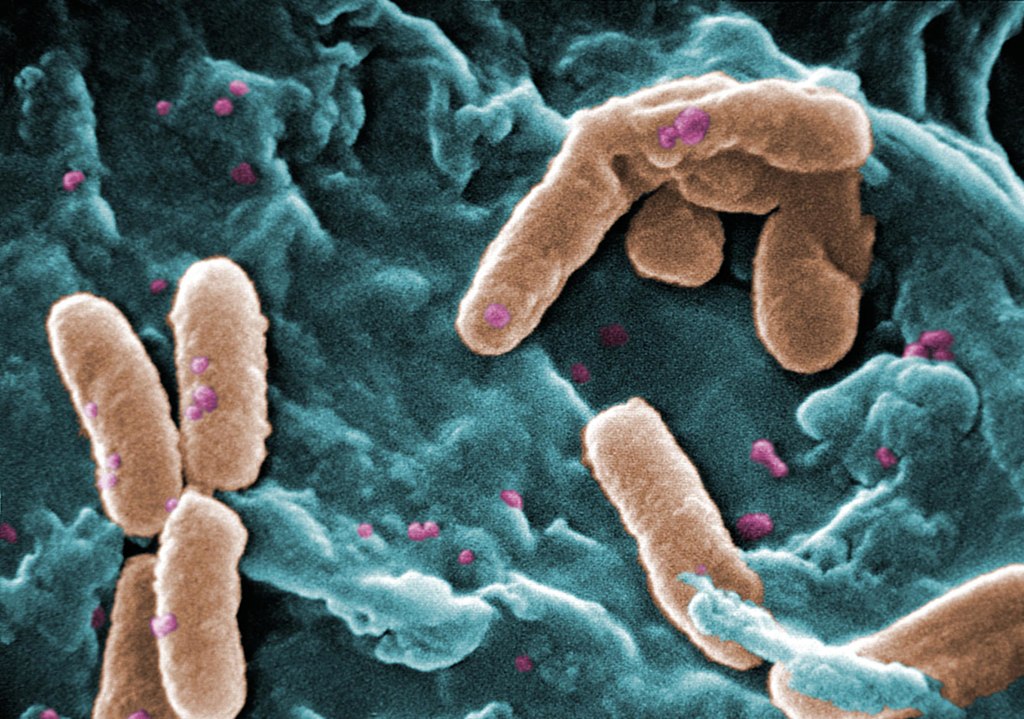
Scanning Electron Micrograph of Pseudomonas aeruginosa. Credit: CDC/Janice Carr

Pseudomonas aeruginosa bacteria are a common menace in hospital wards, causing life-threatening infections, and are often resistant to antibiotics. Researchers have discovered a mechanism that likely contributes to the severity of P. aeruginosa infections, which could also be a target for future treatments. The results were recently appeared in the journal EMBO Reports.

Many bacterial species use sugar-binding molecules called lectins to attach to and invade host cells. Lectins can also influence the immune response to bacterial infections. However, these functions have hardly been researched so far. A research consortium led by Prof Dr Winfried Römer at the University of Freiburg and Prof Dr Christopher G. Mueller at the CNRS/University of Strasbourg has investigated the effect of the lectin LecB from P. aeruginosa on the immune system. It found that isolated LecB can render immune cells ineffective: The cells are then no longer able to migrate through the body and trigger an immune response. The administration of a substance directed against LecB prevented this effect and led to the immune cells being able to move unhindered again.

LecB blockades immune cells

As soon as they perceive an infection, cells of the innate immune system migrate to a nearby lymph node, where they activate T and B cells, triggering a targeted immune response. LecB, according to the current study, prevents this migration. “We assume that LecB not only acts on the immune cells themselves in this process, but also has an unexpected effect on the cells lining the inside of the blood and lymph vessels,” Römer explains. “When LecB binds to these cells, it triggers extensive changes in them.” Indeed, the researchers observed that important structural molecules were relocated to the interior of the cells and degraded. At the same time, the cell skeleton became more rigid. “The cell layer thus becomes an impenetrable barrier for the immune cells,” Römer said.

An effective agent against LecB

Can this effect be prevented? To find out, the researchers tested a specific LecB inhibitor that resembles the sugar building blocks to which LecB otherwise binds. “The inhibitor prevented the changes in the cells, and T-cell activation was possible again,” Mueller said. The inhibitor was developed by Prof Dr Alexander Titz, who conducts research at the Helmholtz Institute for Pharmaceutical Research Saarland and Saarland University.

Further studies are needed to determine how clinically relevant the inhibition of the immune system by LecB is to the spread of P. aeruginosa infection and whether the LecB inhibitor has potential for therapeutic application. “The current results provide further evidence that lectins are a useful target for the development of new therapies, especially for antibiotic-resistant pathogens such as P. aeruginosa,” the authors conclude.

Source: University of Freiburg

Training Cells to Fight Both Chronic Inflammatory and Infectious Diseases

T cell
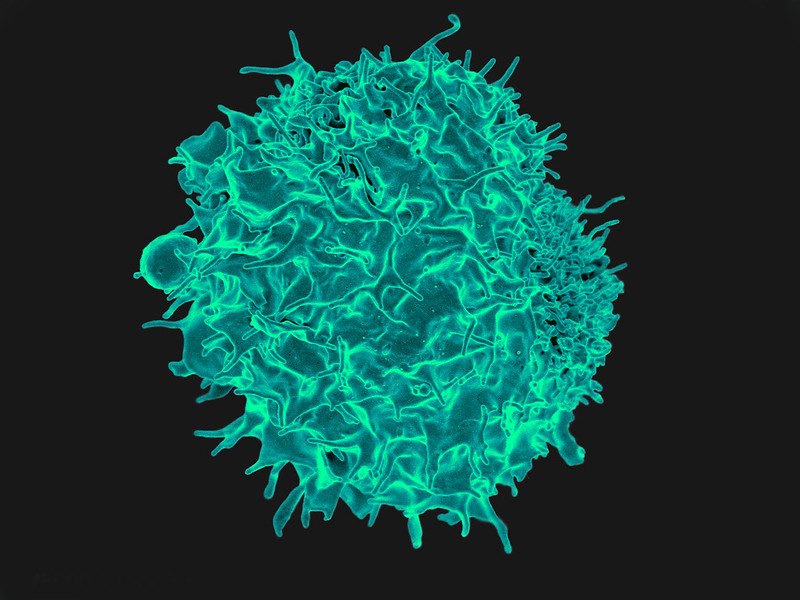
Scanning Electron Micrograph image of a human T cell. Credit: NIH/NIAID

Researchers from the University of Queensland have identified a pathway in cells that could be used to reprogram the body’s immune system to fight back against both chronic inflammatory and infectious diseases such as E. Coli.

Reporting their findings in the open-access journal PNAS, Dr Kaustav Das Gupta and Professor Matt Sweet found that a glucose-derived molecule in immune cells can both stop bacteria growing and dampen inflammatory responses.

According to Dr Das Gupta, the discovery is a critical step towards future therapeutics that train immune cells.

“The effects of this molecule called ribulose-5-phosphate on bacteria are striking – it can cooperate with other immune factors to stop disease-causing strains of the E. coli bacteria from growing,” Dr Das Gupta said.

“It also reprograms the immune system to switch off destructive inflammation, which contributes to both life-threatening infectious diseases such as sepsis as well as chronic inflammatory diseases like respiratory diseases, chronic liver disease, inflammatory bowel disease, rheumatoid arthritis, heart disease, stroke, diabetes and dementia.”

The research was carried out on a strain of E. coli bacteria, responsible for 80% of urinary tract infections and also a common cause of sepsis. Pre-clinical trials confirmed the role of this pathway in controlling bacterial infections.

Professor Sweet said that human cells were also used to demonstrate that ribulose-5-phosphate reduces the production of molecules that drive chronic inflammatory diseases.

“Host-directed therapies which train our immune systems to fight infections, will become increasingly important as more types of bacteria become resistant to known antibiotics,” Professor Sweet said.

“A bonus is that this strategy also switches off destructive inflammation, which gives it the potential to combat chronic disease.

“By boosting the immune pathway that generates ribulose-5-phosphate, we may be able to give the body the power to fight back against inflammatory and infectious diseases – not one, but two of the major global challenges for human health.”

Many current anti-inflammatory therapies target proteins on the outside of cells but because this pathway occurs inside cells, the researchers devised a new approach to target the pathway using mRNA technology.

Source: University of Queensland

Scientists Solve Epstein-Barr Virus Mystery

Photo by National Cancer Institute on Unsplash

Medical science has not yet been able to explain why the Epstein-Barr virus triggers infectious mononucleosis (IM) in some people with initial infections and not in others. But now researchers have identified a unusual T cell response to the virus as the cause, and as a potential target for the development of vaccines. The findings were recently published in the journal Blood.

T cells normally fight the proliferation of the Epstein-Barr virus (EBV) in humans as part of an antiviral immune response. In this response, certain EBV components (peptides) are presented to the T cells by a specific molecule (HLA-E), which is found on the surface of cells infected with EBV. This triggers a non-classical T-cell response that leads to the destruction of the infected cells. Due to a genetic variation (HLA-E*0103/0103), about one third of the population naturally has more HLA-E molecules on EBV-infected cells.

A recently published study has shown that the risk of developing IM following first-time infection with the Epstein-Barr virus depends strongly on this EBV-specific immune response.

“Our research revealed that people with the HLA-E*0103/0103 genetic variation have a lower risk of developing infectious mononucleosis than those who do not have the variation. Our experiments in the lab showed that this gene variation is associated with a highly pronounced EBV-specific -non-classical — immune response,” explained Hannes Vietzen from MedUni Vienna’s Center for Virology, the first author of the study.

Preventive and diagnostic possibilities

EBV is one of the most common viral infections in humans. On initial infection, the virus causes IM in some children and young adults; this disease is characterised by non-specific symptoms, such as fever, as well as exhaustion that in some cases can last for several months. Until now, it was unclear why a first-time EBV infection only leads to IM in a minority of people, while most do not present any symptoms whatsoever. The immune response that the researchers identified could also be a target for research into preventive measures: “This immune response was still measurable years after the initial EBV infection and generally provides long-lasting protection against reinfection with Epstein-Barr, so it might be worth focusing our attention on this mechanism with a view to developing new vaccines in future,” said Hannes Vietzen, looking ahead.

Another finding from the study could also open up new diagnostic options: “The combination of the unfavourable HLA-E genetic variation with certain EBV peptides also appears to play an important role in the development of EBV-associated lymphomas in transplant recipients,” Hannes Vietzen commented. “Analysis of the EBV strains found in these patients could be helpful in identifying high-risk patients at an early stage and treating them in good time.”

Source: Medical University of Vienna

Controlling Allergic Asthma without Compromising Flu Resistance

Young girl sneezing
Photo by Andrea Piacquadio on Unsplash

Blocking calcium signalling in immune cells suppresses allergic asthma, but without compromising the immune defence against flu viruses, according to the findings of a new study published in Science Advances.

The researchers showed that, in a mouse model, removing the gene for a certain calcium channel reduced asthmatic lung inflammation caused by house dust mite faeces, a common cause of allergic asthma. Blocking signals sent through this channel, the calcium release-activated calcium (CRAC) channel, with an investigational inhibitor drug had a similar effect.

The study revolved human cells’ use of signalling and switch-flipping ions, mainly calcium. When triggered by viral proteins or allergens, T cells open channels in their outer membranes, allowing calcium in to activate signalling pathways that control cell division and secretion of cytokine molecules.

Past work had found that CRAC channels in T cells regulate their ability to multiply into armies of cells designed to fight infections caused by viruses and other pathogens.

The new study showed that the CRAC channel inhibitor reduced allergic asthma and mucus build-up in mice without undermining their immune system’s ability to fight influenza, a main worry of researchers seeking to tailor immune-suppressing drugs for several applications.

“Our study provides evidence that a new class of drugs that target CRAC channels can be used safely to counter allergic asthma without creating vulnerability to infections,” said senior study author Stefan Feske, MD, a professor at NYU Langone Health. “Systemic application of a CRAC channel blocker specifically suppressed airway inflammation in response to allergen exposure.”

Allergic asthma, which is the most common form of the disease, is characterised by increased type 2 (T2) inflammation, which involves T helper (Th) 2 cells, the study authors noted. Th2 cells produce cytokines that play important roles in both normal immune defences, and in disease-causing inflammation that occurs in the wrong place and amount. In allergic asthma, cytokines promote the production of IgE antibodies and the recruitment to the lungs of inflammation-causing immune cells called eosinophils, the hallmarks of the disease.

In the new study, the research team found that deletion of the ORAI1 protein in T cells, which makes up the CRAC channel, or treating mice with the CRAC channel inhibitor CM4620, thoroughly suppressed Th2-driven airway inflammation in response to house dust mite allergens.

Treatment with CM4620 significantly reduced airway inflammation when compared to an inactive control substance, with the treated mice also showing much lower levels of Th2 cytokines and related gene expression. Without calcium entering through CRAC channels, T cells are unable to become Th2 cells and produce the cytokines that cause allergic asthma, the authors say.

Conversely, ORAI1 gene deletion, or interfering with CRAC channel function in T cells via the study drug, did not hinder T cell-driven antiviral immunity, as lung inflammation and immune responses were similar in mice with and without ORAI1.

“Our work demonstrates that Th2 cell-mediated airway inflammation is more dependent on CRAC channels than T cell-mediated antiviral immunity in the lung,” said study co-first author Yin-Hu Wang, PhD. “This suggests CRAC channel inhibition as a promising, potential future treatment approach for allergic airway disease.”

Source: NYU Langone Health via PRNewsWire

Killer T Cells Grab and Twist Cancer Cells Like Expert Warriors

Killer T cells about to destroy cancer cell
Killer T cells about to destroy cancer cell (centre). Credit: NIH

While killer T cells have long been known to kill cancer cells with a cytotoxic weapon, new research has shown that they deliver the lethal strikes like expert warriors, grabbing and pulling the cancer cell’s membrane to more easily penetrate it like a dagger penetrating armour. The findings are detailed in a paper published in Developmental Cell.

Killer T cells are armed with lytic granules containing two key components for immune attack: a perforin proteins stabs a hole in the cell membrane, and the lethal granzymes which kill the cell.

T cells cosy up to targeted diseased cells in a close junction called the ‘cytotoxic immunological synapse’.

A research team at UNSW Sydney has found that mechanical forces generated by T cells influence how effectively perforin can punch through tumour cell membranes. The researchers describe the cell interactions and the integration of forces at both the front and rear of the cell.

The researchers detected physical forces within T cells that propel lytic granules toward the immunological synapse where their payloads are released. These forces also enable T cells to grab onto regions of the cancer cell membrane where the membranes of both immune and target cells are pulled and manipulated.

“It was very exciting to discover that, in addition to its mechanical tension and biochemical configuration, the shape of the target cell membrane plays an important role in T cell mediated cancer cell killing,” said Dr Daryan Kempe at UNSW Medicine & Health who co-led the research.

By stretching and bending the membranes of tumour cells in a certain direction, T cells made it easier for perforin to punch through, but only if the membranes were bent in the right direction.

Bias towards outwardly curved cell membranes

Using human melanoma cell lines, the researchers demonstrated that perforin preferentially perforated outwardly curved tumour cell membranes, rather than inwardly curved ones – which may help the T cells avoid being harmed by their own attack.

“As the granules arrive, their contents will be emptied at this region of the membrane that is very highly curved. That there was a bias between positively curved and negatively curved membranes was completely unexpected,” said senior Associate Professor Maté Biro at UNSW Medicine & Health.

Source: University of New South Wales

Rapid Blood Assay to Test for COVID Immunity

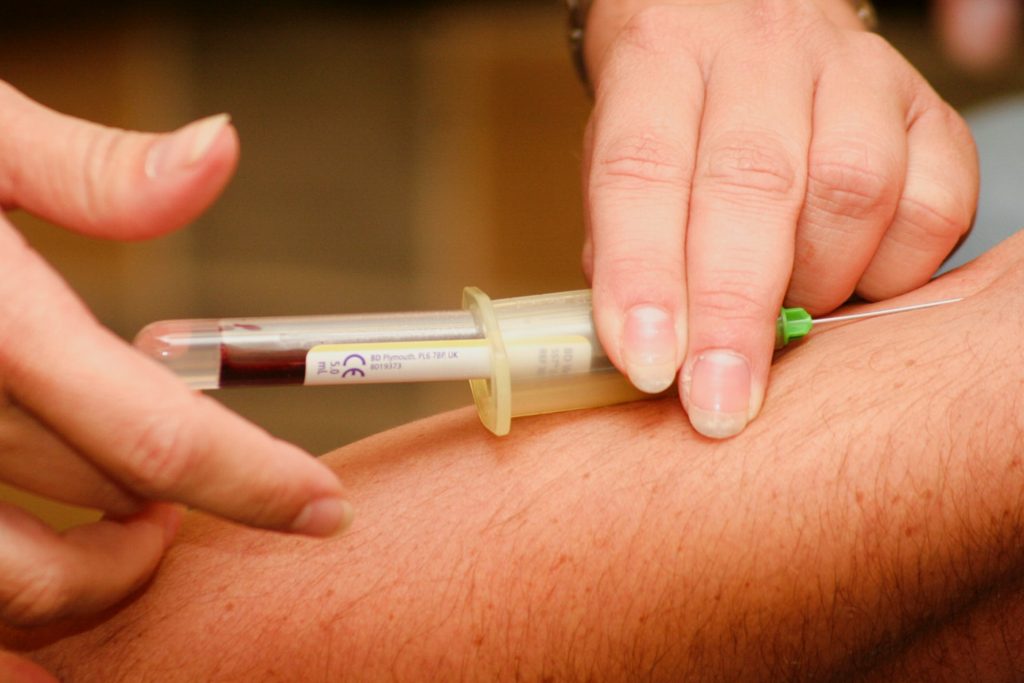
Blood sample being drawn
Photo by Hush Naidoo Jade Photography on Unsplash

Researchers have developed a rapid blood assay that measures the strength and duration of an individual’s immunity to SARS-CoV-2. This test will allow population-scale monitoring immunity and vaccine effectiveness. This will help to design revaccination strategies for vulnerable immunosuppressed individuals, according to a study published by the researchers from Mount Sinai in Nature Biotechnology.

The test, which measures the activation of T cells, is performed in under 24 hours and can be scaled up significantly.

“The assay we have created has the ability to measure the population’s cellular immunity and broadly test the efficacy of novel vaccines,” said one of the study’s senior authors, Ernesto Guccione, PhD, Professor at Mount Sinai. “We know that vulnerable populations don’t always mount an antibody response, so measuring T cell activation is critical to assess the full extent of a person’s immunity. Additionally, the emergence of SARS-CoV-2 variants like Omicron, which evade most of the neutralising ability of antibodies, points to the need for assays that can measure T cells, which are more effective against emerging variants of concern.”

Long-term protection from viral infection is mediated by both antibodies and T cell response. Many recent studies point to the importance of determining T cell function in individuals who have recovered from or been vaccinated against COVID to help design vaccination campaigns. However, before this study, measurement of T cell responses has been rarely performed because of the associated technical challenges.

Researchers optimised qPCR-based assays that had the potential to be globally scalable, sensitive, and accurate tests. They then selected the two assays that offered the most scalability. One, the qTACT assay, was accurate and sensitive but had a relatively longer processing time of 24 hours per 200 blood samples, a moderate price, and a medium level of technical skill. The other, the dqTACT assay, was accurate and had a reduced processing time and cost, and required minimal lab experience, making it easy to implement.

The dqTACT assay has recently received the European CE-IVD (in vitro diagnostics) certification, while U.S. Food and Drug Administration and European Medicines Agency clinical validation is ongoing.

“The assays presented here are based on the ability of SARS-CoV-2 T cells to respond to peptides covering different proteins of the virus,” said another senior author, Jordi Ochando, PhD, Assistant Professor at Mount Sinai. “With the possibility of using different peptide pools, our approach represents a flexible strategy that can be easily implemented to detect the presence of T cells responding to different viral proteins. These T cells have an important role in protection from emerging mutant strains, thus immediately gauging the impact that viral mutations might have on cellular immunity.”

Megan Schwarz, a graduate student at Icahn Mount Sinai and first author of the study, added: “Precise measurement of cellular responses underlying virus protection represents a crucial parameter of our levels of immune defence.”

Source: EurekAlert!

New Vaccines Could Focus on T Cell Response – Without Antibodies

T cell
Scanning Electron Micrograph image of a human T cell. Credit: NIH/NIAID

In a groundbreaking new study, scientists report training T cells to protect against SARS-CoV-2 even without an antibody response. This could open the way to more broadly effective vaccines.

The study’s findings appear in the Proceedings of the National Academy of Sciences.

Current vaccines prompt the creation of antibodies and immune cells that recognise the spike protein. However, these vaccines were developed using the spike protein from an older variant of SARS-CoV-2, reducing their effectiveness against newer variants. Researchers have found that immune cells called T cells tend to recognise parts of SARS-CoV-2 that don’t mutate rapidly. T cells coordinate the immune system’s response and kill cells that have been infected by the SARS-CoV-2 virus.

A vaccine that prompted the body to create more T cells against SARS-CoV-2 could help prevent disease caused by a wide range of variants. To explore this approach, a research team led by Dr Marulasiddappa Suresh from the University of Wisconsin studied two experimental vaccines that included compounds to specifically provoke a strong T-cell response in mice.

The team tested the vaccines’ ability to control infection and prevent severe disease caused by an earlier strain of SARS-CoV-2 as well as by the Beta variant, which is relatively resistant to antibodies raised against earlier strains.

When the researchers vaccinated the mice either either nasally or by injection, the animals developed T cells that could recognise the early SARS-CoV-2 strain and the Beta variant. The vaccines also caused the mice to develop antibodies that could neutralise the early strain. However, they failed to create antibodies that neutralised the Beta variant.

The mice were exposed to SARS-CoV-2 around 3 to 5 months after vaccination. Compared to the controls, vaccinated mice had very low levels of virus in their lungs and were protected against severe illness, which was true of infection with the Beta variant too. This showed that the vaccine provided protection against the Beta variant despite failing to produce effective antibodies against it.

To understand which T cells were providing this protection, the researchers selectively removed different types of T cells in vaccinated mice prior to infection. When they removed CD8 (killer) T cells, vaccinated mice remained well protected against the early strain, although not against the Beta variant. When they blocked CD4 T (helper) cells, levels of both the early strain and Beta variant in the lungs and severity of disease were substantially higher than in vaccinated mice that didn’t have their T cells removed.

These results suggest important roles for CD8 and CD4 T cells in controlling SARS-CoV-2 infection. Current mRNA vaccines do produce some T cells that recognize multiple variants. This may help account for part of the observed protection against severe disease from the Omicron variant. Future vaccines might be designed to specifically enhance this T cell response.

“I see the next generation of vaccines being able to provide immunity to current and future COVID variants by stimulating both broadly-neutralising antibodies and T cell immunity,” Dr Suresh predicted.

Source: National Institutes of Health

T Cells Need a Break, Too

T cell
Scanning Electron Micrograph image of a human T cell. Credit: NIH/NIAID

While T cells are the body’s warriors against infection, without rest and maintenance T cells can die, leaving their hosts more susceptible to pathogens, researchers reported in the journal Science.

“We may have to change how we teach T cell biology,” said Professor Lieping Chen, who is the senior author of the study.

T cells remain in a quiescent state until pathogens are detected, but the molecular mechanisms of this state were previously unknown.

In the new study, researchers showed that a protein known as CD8a – which is found in a subset of T cells called CD8 cells – is crucial to keeping the cells in this dormant state. When scientists deleted this protein in mice, the protective CD8 cells were unable to enter a quiescent state and died, leaving the host vulnerable to infections.

Further, they identified another protein, PILRa, that provides a biochemical signal to CD8a. By disrupting this protein pair, both “memory” CD8 cells – previously been exposed to pathogens – and naïve cells died because they lacked the ability to stay in a quiescent state.

The researchers hope that understanding why this resting state is crucial to maintenance and survival of T cells can lead to improved immune system function.

Chen noted that as people age they tend to lose both naïve and memory T cells, making older individuals more susceptible to infections. It is possible that the inability of T cells to remain in a quiescent state could lead to people becoming more susceptible to infections and cancer, the authors suggest.

Source: Yale University

In MS, Twin Study Reveals Disease-causing T Cells

Source: Pixabay CC0

By studying the immune system of pairs of monozygotic twins to rule out genetics in cases of multiple sclerosis, researchers may have discovered a smoking gun: precursor cells of the disease-causing T cells.

Multiple sclerosis (MS) is a chronic inflammatory disease of the central nervous system CNS and the most common cause of neurological impairment in young adults. In MS, the patient’s own immune system attacks the CNS, resulting in cumulative neurological damage. The cause of MS still unclear but a variety of genetic risk factors and environmental influences have already been linked to the disease.

Genetics have already been found to be a necessary condition for developing multiple sclerosis. “Based on our study, we were able to show that about half of the composition of our immune system is determined by genetics,” said Florian Ingelfinger, a PhD candidate at the UZH Institute of Experimental Immunology. The study shows that these genetic influences, while always present in MS patients, are not on their own sufficient to trigger multiple sclerosis. In the study, 61 pairs of monozygotic twins where one twin is affected by MS whereas the co-twin is healthy were examined. From a genetic point of view, the twins were thus identical. “Although the healthy twins also had the maximum genetic risk for MS, they showed no clinical signs of the disease,” said Lisa Ann Gerdes.

With this cohort of twins, the researchers were  tease out environmental differences. “We are exploring the central question of how the immune system of two genetically identical individuals leads to significant inflammation and massive nerve damage in one case, and no damage at all in the other,” explained Professor Burkhard Becher, leader of the research team. Using identical twins let the researchers block out the genetic influence and focus on the immune system changes that were ultimately responsible for triggering MS in one twin.

The researchers harnessed state-of-the-art technologies to describe the immune profiles of the twin pairs in great detail. “We use a combination of mass cytometry and the latest methods in genetics paired with machine learning to not only identify characteristic proteins in the immune cells of the sick twin in each case, but also to decode the totality of all the genes that are switched on in these cells,” Florian Ingelfinger explained. 

“Surprisingly, we found the biggest differences in the immune profiles of MS affected twins to be in the cytokine receptors, ie the way immune cells communicate with one another. The cytokine network is like the language of the immune system,” said Ingelfinger. Increased sensitivity to certain cytokines leads to greater T cell activation in the bloodsteams of patients with multiple sclerosis. These T cells are more likely to migrate into the CNS and cause damage there. The identified cells were found to have the characteristics of recently activated cells, which were in the process of developing into fully functional T cells. “We may have discovered the cellular big bang of MS here – precursor cells that give rise to disease-causing T cells,” said Prof Becher.

“The findings of this study are particularly valuable in comparison to previous studies of MS which do not control for genetic predisposition,” said Prof Becher. “We are thus able to find out which part of the immune dysfunction in MS is influenced by genetic components and which by environmental factors. This is of fundamental importance in understanding the development of the disease.”

The study findings were reported in Nature.

Source: University of Zurich

T Cells Unnecessary for COVID Recovery

Infected cell covered with SARS-CoV-2 viruses (yellow). Source: NIAID

New research with monkeys reveals that primates do not need T cells for the recovery of from acute COVID infections.

T cell depletion was also found not to induce severe disease, and T cells do not explain the natural resistance of rhesus macaques to severe COVID. Furthermore, it was found that strongly T cell-depleted macaques still develop potent memory responses to a second infection.

The findings, published in mBio, an open-access journal of the American Society for Microbiology, have implications for the development of second-generation vaccines and therapeutics.

Lead study author Kim Hasenkrug, PhD, senior investigator in the Laboratory of Persistent Viral Diseases, National Institutes of Health, explained: “We started this study early in the pandemic, trying to figure out how to make a good model to study the disease in humans using animals. The monkeys turned out to be more resistant to the disease than we expected, so we wanted to try to figure out why that was and try to gain some insights into the disease in humans as well. We now know that the antibody response is the most critical response for protection by vaccination, not the T cell response.”

In the new study, the researchers used classic reagents known to deplete CD4+ and CD8+ T cells in rhesus macaques. CD8+ T cells attack infected cells and kill them, and CD4+ T cells are helper T cells that set off the immune response by recognising pathogens and secreting cytokines, which signal other immune cells to act, including CD8+ T cells and antibody-producing B cells.

One week after depleting the macaques of CD4+ T cells, CD8+ T cells, or both at the same time, the researchers infected the animals with SARS-CoV-2. “We depleted, we infected them and then we continued the depletions during the first week of infection to make sure the animals were well depleted. Then we studied their blood to see how they were responding in terms of their T cells and B cells,” said Hasenkrug. Nasal swabs and bronchoalveolar lavages were performed over six weeks to measure virus in the nose, mouth and lungs, along with rectal swabs to check for virus shedding in the gut. After six weeks, the monkeys were re-challenged with SARS-CoV-2 and virus and blood samples collected, which let the researchers evaluate immune memory responses. “If there is a memory response, you get a much quicker immune response and control of the virus. That is how vaccinations work. Once your body has seen a viral pathogen, the next time it sees it, you can get a much faster and stronger immune response,” said Dr Hasenkrug.

Unexpected response

Even with T cell depletion, the monkeys were still able to mount a good memory response against the virus. “We found we got really good memory responses regardless of whether we depleted T cells or not. Basically, we found very strong virus neutralising antibodies, and they are the most important antibodies in controlling the infection. That was unexpected by most immunologists, virologists and vaccinologists,” said Dr Hasenkrug.

“The other thing that happens during a memory response is that antibodies mature, becoming stronger and more potent at binding the viral pathogen. We saw indications of this through what’s called ‘class switching’,” said Dr Hasenkrug.

‘Class switching’ was also not expected in these monkeys with depleted T cells. “We don’t have a firm explanation as to why that happened, but we think it involves some sort of compensatory response, which you can see in our study. For example, when we depleted CD8+ T cells, we saw stronger CD4+ T cell or B cells responses in some animals. When the animals are missing something, they will try to make up for it by making more of something else.”

Dr Hasenkrug doesn’t know why the T cells turned out to be not very important, but this may be a good thing, since people who fail to mount sufficient T cell responses still have opportunities to recover.

“This implies that the innate immune response is critical for initial control of the virus, rather than the adaptive immune responses we studied,” said Hasenkrug.

Source: American Society for Microbiology

Journal information: Hasenkrug, K.J., et al. (2021) Recovery from Acute SARS-CoV-2 Infection and Development of Anamnestic Immune Responses in T Cell-Depleted Rhesus Macaques. mBio. doi.org/10.1128/mBio.01503-21.