
Tag: stroke

American Heart Association’s In-hospital Stroke Evaluation and Treatment Recommendations
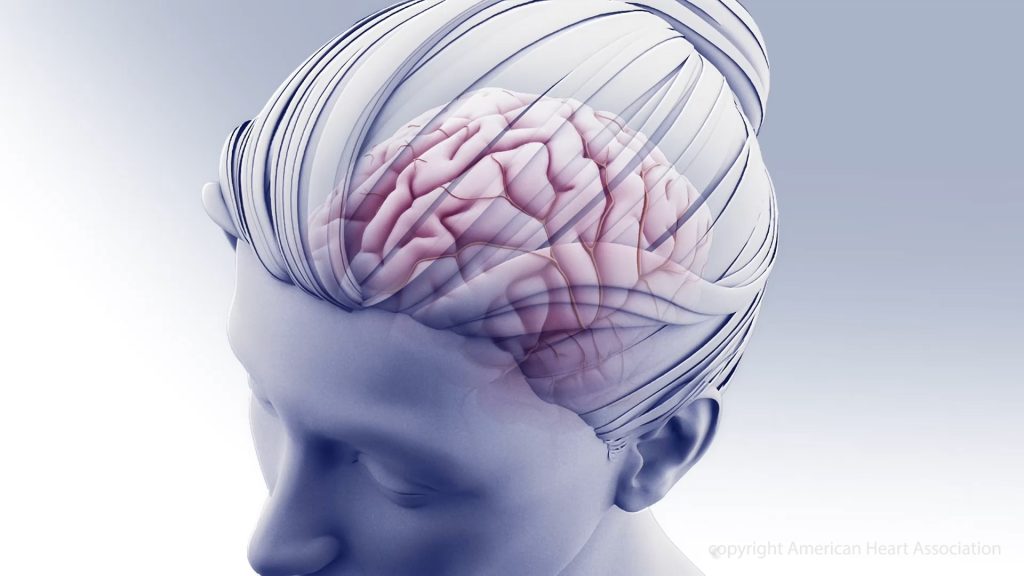
Image copyright American Heart Association

Despite the fact that hospitalised patients are in a monitored environment, stroke evaluation and treatment are often delayed compared to patients arriving with a stroke at the emergency department, contributing to higher rates of morbidity and mortality for in-hospital stroke. 

This is according to an American Heart Association scientific statement published in Stroke. This scientific statement was discussed at the Association’s International Stroke Conference in New Orleans. An American Heart Association scientific statement is an expert analysis of current research and may inform future clinical practice guidelines. This follows on from a previous 2019 update on recommendations systems of care to improve patient outcomes in stroke.

The statement outlines five elements for the development of hospital systems of care and targeted quality improvement to reduce delays and optimise treatment to improve outcomes for patients who experience an in-hospital stroke. In-hospital stroke is a stroke that occurs during a hospitalisation for another diagnosis and affects between 35 000 and 75 000 hospitalised patients annually in the United States.

The five core elements of the statement are:

  • training all hospital staff on stroke signs, symptoms and activation protocols for in-hospital stroke alerts;
  • creating rapid response teams with dedicated stroke training and immediate access to neurologic expertise;
  • standardising the evaluation of potential in-hospital stroke patients with physical assessment and imaging;
  • eliminating and addressing potential treatment barriers including interfacility transfer to advanced stroke treatment; and
  • establishing an in-hospital stroke quality oversight program delivering data-driven performance feedback and driving targeted quality improvement efforts.

The statement encourages institutions to develop a plan for in-patient stroke response teams that includes education, quality review and specified oversight.

The statement was developed by the writing committee on behalf of the American Heart Association’s Stroke Council; the Council on Arteriosclerosis, Thrombosis and Vascular Biology; the Council on Cardiovascular and Stroke Nursing; the Council on Clinical Cardiology; and the Council on Lifestyle and Cardiometabolic Health. The diverse committee included experts in nursing, neurology, internal medicine, neurocritical care, neurosurgery and neurointerventional radiology. The American Academy of Neurology affirms the value of this statement as an educational tool for neurologists, and the American Association of Neurological Surgeons/Congress of Neurological Surgeons Cerebrovascular Section affirms the educational benefit of this statement.

American Heart Association scientific statements promote greater awareness about cardiovascular diseases and stroke issues and help facilitate informed health care decisions. Scientific statements outline what is currently known about a topic, and what areas need additional research. While scientific statements inform the development of guidelines, they do not make treatment recommendations. American Heart Association guidelines provide the Association’s official clinical practice recommendations.

Source: American Heart Association

Selenium Could Help Reverse Cognitive Decline

Photo source: Pixabay

The trace metal selenium could help reverse the cognitive impact of stroke and boost learning and memory in ageing brains, according to a study published in Cell Metabolism.

Previous studies on the impact of exercise on the ageing brain found levels of a protein key to transporting selenium in the blood were elevated by physical activity.

Lead researcher Dr Tara Walker said: “We’ve known for the last 20 years that exercise can create new neurons in the brain, but we didn’t really understand how,” Dr Walker said.

The research team sought to find out whether dietary selenium supplements could replicate the effects of exercise.

“Our models showed that selenium supplementation could increase neuron generation and improve cognition in elderly mice,” Dr Walker said. “The levels of new neuron generation decrease rapidly in aged mice, as they do in humans. When selenium supplements were given to the mice, the production of neurons increased, reversing the cognitive deficits observed in ageing.”

Selenium is an essential trace metal which can play an important role in human health. It is absorbed from soil and water and is found in foods such as grains, meat and nuts, with the highest levels found in Brazil nuts. The researchers also investigated whether selenium would have an impact on post-stroke cognitive decline.

“Young mice are really good at the learning and memory tasks, but after a stroke, they could no longer perform these tasks,” Dr Walker said. “We found that learning and memory deficits of stroke affected mice returned to normal when they were given selenium supplements.”

Dr Walker said the results opened a new therapeutic avenue to boost cognitive function in people who were unable to exercise due to poor health or old age.

“However, selenium supplements shouldn’t be seen as a complete substitute for exercise, and too much can be bad for you,” she said. “A person who is getting a balanced diet of fruits, nuts, veggies and meat usually has good selenium levels. But in older people, particularly those with neurological conditions, selenium supplements could be beneficial.”

Source: University of Queensland

Not Enough Women in Stroke Clinical Trials

Photo by Loren Joseph on Unsplash

A new study published in Neurology shows that women are underrepresented in stroke clinical trials compared to the proportion who have strokes in the general population. 

“Making sure there are enough women in clinical studies to accurately reflect the proportion of women who have strokes may have implications for future treatment recommendations for women affected by this serious condition,” said study author Cheryl Carcel, MD, of The George Institute for Global Health in Sydney, Australia. “When one sex is underrepresented in clinical trials, it limits the way you can apply the results to the general public and can possibly limit access to new therapies.”

The study analysed 281 stroke trials conducted between 1990 and 2020, with a total of 588 887 participants. Of these, only 37.4 % were women. The average prevalence of stroke in women across the countries included was 48%.

Results were calculated in participation-to-prevalence ratio, a relative measure that weights the percentage of women in a trial compared to their proportion in the total population with that disease. A ratio of one indicates that the percentage of women in the study is the same as the percentage of women with the disease in the general population. An acceptable range for an ideal ratio of female participation is between 0.8 and 1.2.

Overall, women were found to be underrepresented relative to their prevalence in the underlying population, with a consistent ratio of 0.84 over time. They found the greatest differences in trials of intracerebral haemorrhage, with a ratio of 0.73; trials with average participant age under 70, with a ratio of 0.81; non-acute interventions, with a ratio of 0.80; and rehabilitation trials, with a ratio 0.77.

“Our findings have implications for how women with stroke may be treated in the future, as women typically have worse functional outcomes after stroke and require more supportive care,” Dr Carcel said. “We will only achieve more equitable representation of women in clinical trials when researchers look at the barriers that are keeping women from enrolling in studies and actively recruit more women. People who fund the research also need to demand more reliable, sex-balanced evidence.”

Source: American Academy of Neurology

High Altitude Protects against Stroke Risk

Photo by Yura Lytkin on Unsplash

While there are well-known common lifestyle and health factors that contribute to stroke risk, including smoking, high blood pressure, high cholesterol, and lack of physical activity, there is another overlooked factor that could also affect stroke risk – altitude.

Higher altitude means less oxygen availability, to which people living there have adapted. However, how this environment affects someone’s risk for stroke is still unclear. Anecdotal evidence suggests that short-term exposure to low oxygen can contribute to increased blood clotting and stroke risk, but the risk among people who permanently live at high altitude is not clear.

Researchers in Ecuador are in a unique position to explore these phenomena, as the presence of the Ecuadorian Andes means that people in the country live at a wide array of altitudes. Study lead author Esteban Ortiz-Prado, and Professor, Universidad de las Americas, explained:

“The main motivation of our work was to raise awareness of a problem that is very little explored. That is, more than 160 million people live above 2500 metres and there is very little information regarding epidemiological differences in terms of stroke at altitude. We wanted to contribute to new knowledge in this population that is often considered to be the same as the population living at sea level, and from a physiological point of view we are very different.”

The researchers drew on hospital records in Ecuador from between 2001 and 2017, and analysed rates of stroke hospitalisation and mortality among people who live at four different elevation ranges: low altitude (under 1500m), moderate altitude (1500­–2500m), high altitude (2500–3500m) and very high altitude (3500–5500m).

Analysis showed that people who lived at higher altitudes (above 2500m) tended to experience stroke at a later age compared with those at lower altitudes. Intriguingly, people who lived at higher altitudes had a lower stroke hospitalisation or mortality risk. This protective effect was greater between 2000 and 3500m, tapering off somewhat above 3500m. In South Africa, Johannesburg sits above 1700m altitude.

One explanation for this finding may be that people who live at high altitude have adapted to the low oxygen conditions, and more readily grow new blood vessels to help overcome stroke-related damage. They may also have a more developed vascular network in their brains that helps them to make the most of the oxygen they take in, but this could also protect them from the worst effects of stroke.

Source: Medical Xpress

Strong Adherence to Stroke Medication is Crucial

Source: Unsplash

A new study emphasises the importance of survivors of first-time stroke or transient ischaemic attack (TIA) to take medications on an ongoing basis, highlighting long-term associations with survival.

Stroke is the second leading risk of death worldwide, with In 2016, the average lifetime risk of stroke after 25 for the global population was 24.9%. Nearly half of all survivors of stroke are expected to experience a recurrent cardiovascular event within 10 years. Specific medications help to prevent this long-term risk, but adherence to these agents is often suboptimal among patients.

The study, published in Stroke, demonstrates the importance of medication adherence after stroke to maximise survival, even for patients with near-perfect adherence. These findings are in support of targeted initiatives to maximise medication adherence after stroke/TIA, such as implementation of medication reminder systems, mobile health technologies, increased follow-up by clinicians or complex behaviour change programs.

Drawing from Australian databases, the study enrolled 8363 adult patients who survived a first stroke or TIA between July 2010 and June 2014, with follow-up for a further three years. For patients with one-year adherence above 60%, each 10% improvement in adherence was associated with a 13-15% reduction in mortality risk. These results suggest that aiming for an arbitrary adherence target of 80% may be inappropriate as maximal survival benefits were observed closer to 100% adherence.

The study’s lead author, Associate Professor Monique Kilkenny, said continued use of secondary prevention medications can be improved with several factors: provision of medication on hospital discharge, regular contact with a primary care physician, and specialist physician contact.

“These findings represent important implications for practice by highlighting the value of efforts to improve medication adherence post-stroke/TIA, even among patients with near-perfect adherence,” said Associate Professor Kilkenny.

“Our findings provide evidence in support of targeted initiatives to maximise medication adherence after stroke/TIA and there is considerable scope for further interventions to improve medication adherence.”

Source: Monash University

Screening for AF in the Elderly Using Thumb ECGs Reduces Stroke Risk

Screening for atrial fibrillation in 75- and 76-year-olds using thumb ECGS could reduce the risk of stroke, severe bleeding and death, according to a large-scale Swedish study.

Atrial fibrillation (AF) is associated with a five-fold increased risk of stroke, and the symptoms are often deleterious since large blood clots can form in the heart, breaking free and posing a stroke risk. Still, countries do not screen the general population for atrial fibrillation, but rather treat those patients who are discovered during routine care. This study by the Karolinska Institutet in Sweden and published in The Lancet, investigated the effectiveness of screening for AF.

“There has never really been a study that examines if it would be beneficial to screen for atrial fibrillation, which is why we wanted to investigate it,” said Emma Svennberg, cardiologist at the Karolinska University Hospital, Huddinge, and researcher at the Department of Medicine, Huddinge, Karolinska Institutet.

The study included almost 28 000 participants aged 75 or 76, randomised to be invited either to screening or to a control group, who received standard care. Of those invited to screening, more than half choose to participate. They completed a health questionnaire and performed a so-called thumb ECG (electrocardiogram), which involves placing one’s thumbs on an ECG device that measures the heart’s electrical activity.

Those without atrial fibrillation were asked to record their heart rhythm twice daily for two weeks using the ECG device which they took home. If the device registered irregular heart rhythms, the participants were referred to a cardiologist for a standardised work-up and, if there were no contra-indications, initiation of oral anticoagulant therapy.

The study’s 28 000 participants were then followed for at least five years. More detections of atrial fibrillation were recorded in the screening group, which also had a slightly lower incidence of death, stroke and severe bleeding than the control group.

“In total, 31.9 percent of those in the screening group experienced a negative event compared to 33 percent in the control group,” said Johan Engdahl, adjunct lecturer at the Department of Clinical Sciences, Danderyds Hospital, at Karolinska Institutet. “Now, that may sound like a small difference, but you must bear in mind that only about half of those invited to screening participated and it’s possible we would have seen a more pronounced difference had more people turned up for screening. Those who participated in the screening had significantly fewer negative events.”

Based on the findings, the researchers estimated that at least 2300 cases of stroke or death could be avoided per year in Sweden if a national screening of atrial fibrillation in the elderly was introduced.

Source: Karolinska Institute

Listening to Vocal Music Aids in Stroke Patient Rehabilitation

Photo by Adrian Korte on Unsplash

Research has shown that listening to music with singing daily aids language recovery in stroke patients. However, the neural mechanisms behind the phenomenon have remained unknown thus far.

Researchers at the University of Helsinki and the Turku University Hospital Neurocentre compared the effect of listening to vocal music, instrumental music and audiobooks on the structural and functional recovery of the language network of patients who had suffered an acute stroke. The study also investigated the links between such changes and language recovery during a three-month follow-up period.

The results showed that listening to vocal music improved the recovery of the structural connectivity of the language network in the left frontal lobe compared to listening to audiobooks. These structural changes correlated with the recovery of language skills.

“For the first time, we were able to demonstrate that the positive effects of vocal music are related to the structural and functional plasticity of the language network. This expands our understanding of the mechanisms of action of music-based neurological rehabilitation methods,” said Postdoctoral Researcher Aleksi Sihvonen.

Aphasia, a language impairment resulting from a stroke, is a source of considerable suffering for patients and their families. Current therapies aid the rehabilitation of language impairments, but the results are variable and the necessary rehabilitation is often not sufficiently available and early enough.

“Listening to vocal music can be considered a measure that enhances conventional forms of rehabilitation in healthcare. Such activity can be easily, safely and efficiently arranged even in the early stages of rehabilitation,” Sihvonen said.

According to Sihvonen, listening to music could inexpensively boost normal rehabilitation, or be an option for rehabilitating patients with mild speech disorders when other rehabilitation options are scarce.

After a disturbance of the cerebral circulation, the brain needs stimulation to make as good a recovery as possible. Conventional rehabilitation methods aim to provide this as well.

“Unfortunately, a lot of the time spent in hospital is not stimulating. At these times, listening to music could serve as an additional and sensible rehabilitation measure that can have a positive effect on recovery, improving the prognosis,” Sihvonen added.

Source: University of Helsinki

Journal information: Sihvonen, A.J., et al. (2021) Vocal Music Listening Enhances Poststroke Language Network Reorganization. eNeurodoi.org/10.1523/ENEURO.0158-21.2021.

After a Stroke, Muscles Lose Basic ‘Building Blocks’

Muscle sarcomeres (consecutive green lines), the smallest functional unit of muscle, from inside a living human. Credit: Northwestern University

In a new study of stroke patients, researchers have discovered that, in an attempt to adapt for an unusable arm, muscles actually lose sarcomeres — their smallest, most basic building blocks.

Patients that have suffered a stroke are often unable to use the arm on their affected side. Sometimes, they end up holding it close to their body, with the elbow flexed. Northwestern University and Shirley Ryan AbilityLab researchers found out why this happens.

Stacked end to end (in series) and side to side (in parallel), sarcomeres form the length and width of muscle fibres. By imaging biceps muscles with three noninvasive methods, the researchers found that stroke patients had fewer sarcomeres along the length of the muscle fibre, resulting in the muscle structure being shorter overall.

This finding is consistent with the common patient experience of abnormally tight, stiff muscles that resist stretching, and it suggests that changes in the muscle potentially amplify existing issues caused by stroke, which is a brain injury. The team hopes this discovery can help improve rehabilitation techniques to rebuild sarcomeres, ultimately helping to ease muscle tightening and shortening.

“This is the most direct evidence yet that chronic impairments, which place a muscle in a shortened position, are associated with the loss of serial sarcomeres in humans,” said senior author Wendy Murray. “Understanding how muscles adapt following impairments is critical to designing more effective clinical interventions to mitigate such adaptations and to improve function following motor impairments.”

Murray is a professor of biomedical engineering at Northwestern’s McCormick School of Engineering, a professor of physical medicine and rehabilitation at the Northwestern University Feinberg School of Medicine and research scientist at the Shirley Ryan AbilityLab. The research was completed in collaboration with Julius Dewald, professor of physical therapy and human movement sciences and of physical medicine and rehabilitation at Feinberg, professor of biomedical engineering at McCormick, and research scientist at Shirley Ryan AbilityLab.

Measuring just 1.5 to 4.0 micrometres in length, sarcomeres are made up of two main proteins: actin and myosin. When these proteins work together, they enable a muscle to contract and produce force. Even though previous animal studies have found that serial sarcomeres are lost from muscles after a limb is immobilised in a cast, the phenomenon had never before been demonstrated in humans. The animal studies found that the shorter muscles due to lost serial sarcomeres also became stiffer.

There is a classic relationship between force and length,” explained first author Amy Adkins, a PhD student in Murray’s laboratory. “Given that the whole muscle is composed of these building blocks, losing some of them affects how much force the muscle can generate.”

To conduct the study in humans, the researchers combined three non-invasive medical imaging techniques: MRI to measure muscle volume, ultrasound to measure bundles of muscle fibers and two-photon microendoscopy to measure the microscopic sarcomeres.

Imaging opens new possibilities
Combining these technologies, the researchers imaged biceps from seven stroke patients and four healthy participants. As stroke patients are more affected on one side of their body, the researchers compared imaging from the patients’ affected side to their unaffected side as well as to images from the healthy participants.

In the stroke patients’ affected biceps, researchers found less volume, shorter muscle fibres and comparable sarcomere lengths. After combining data across scales, they found that affected biceps had fewer sarcomeres in series compared to the unaffected biceps. Greater differences between stroke patients’ arms than healthy participants’ arms were seen, indicating that stroke was the cause.

By combining medical imaging to better view muscle structure, the study also establishes that it is possible to study muscle adaptations in sarcomere number in humans. Prior to two-photon microendoscopy, human studies were limited either to examining dissected tissues in anatomy labs, which give imperfect insight into how muscles adapt to injury and impairment, measuring sarcomere lengths during surgery or from a muscle biopsy, which restricts who can participate in the study.

“In almost every facet of our world, there is an important relationship between how something is put together (its structure) and how it works (its function),” the researchers said. “Part of the reason medical imaging is such a valuable resource and clinical tool is that this is also true for the human body, and imaging gives us an opportunity to measure structure.”

Source: Northwestern University

Journal information: Adkins, A.N., et al. (2021) Serial sarcomere number is substantially decreased within the paretic biceps brachii in individuals with chronic hemiparetic stroke. PNAS. doi.org/10.1073/pnas.2008597118.

Walking Faster Helps Stroke Survivors to Dual-task

Photo by bennett tobias on Unsplash

Training stroke survivors to walk faster during recovery can help improve their ability to perform a task at the same time, known as dual-task walking.

Stroke survivors often struggle to walk and perform cognitive tasks at the same time, for example, walking and holding a conversation, or planning what to do next. To effectively walk in the community, cognitive effort is needed to navigate safely and deal with distractions. Many people are unable to regain this ability after a stroke.

Dual-task training ineffective

To improve the ability to walk and think at the same time, rehabilitation approaches have focused on practising walking and at the same performing a task needing cognition, known as dual-task training. Previous research led by Oxford Brookes University and the University of Oxford found that this training did not improve people’s ability to dual-task walk any more than just walking training.

Researchers reasoned that why people struggle with dual-task walking after a stroke may instead be linked to their walking automaticity – the pattern our brains run which means not having to think about walking. This pattern is linked to the cyclic pattern of walking whereby one step ‘signals’ the next step to follow. When walking very slowly, this pattern could be disrupted so that walking is more like independent steps, rather than a cycle.

Faster walkers improved dual-task walking

The new research re-examined the data to compare how slower walkers and faster walkers responded to dual-task training.

“When we compared slower walkers and people who walked at a faster pace – still slower, but closer to walking speeds we expect to see in people who have not had a stroke – both increased their walking speeds after the training,” said Dr Johnny Collett, Senior Clinical Research Fellow in the Centre for Movement, Occupational and Rehabilitation Sciences at Oxford Brookes University.

“However, those who could walk faster at the beginning of the training also improved their ability to walk and think at the same time.”

Advanced brain imaging tracked responses to training

As part of the study, researchers tracked how people’s brains responded to the training using advanced brain imaging. Changes found in the brain supported the findings that stroke survivors who walked slower, had a less automatic control of  walking. Those who walked at a faster pace had changes in the brain consistent with adaptations needed for controlling gait in more complex environments.

“These findings show that, for those who walk slowly, initially focusing on improving walking speed may increase their capacity to improve dual-task walking,” added Dr Collett. “Greater consideration of walking automaticity may help to better tailor intervention and direct a staged approach of increasing complexity to make people better able to walk in the community.”

Importance for rehabilitation

Dr Rubina Ahmed, Director for Research and Policy at the Stroke Association said: “Stroke strikes every 5 minutes and has devastating physical and mental impacts. Whilst four out of five stroke survivors recover the ability to walk, most find it hard outside of hospital which has a big impact on their well-being and independence. By funding this research our charity has helped to highlight that training focused on walking speeds could be an important part of rehabilitation for some stroke survivors’ recoveries. Research like this is key to finding new treatments and improving stroke care, so that stroke survivors can regain the mobility and independence they need to rebuild their lives.”

Source: Oxford Brookes University

Journal reference: Collett, J., et al. (2021) Dual-task walking and automaticity after Stroke: Insights from a secondary analysis and imaging sub-study of a randomised controlled trial. Clinical Rehabilitation. doi.org/10.1177/02692155211017360.

Using a Gaming Console can Improve Stroke Patient Rehabilitation

Photo by Tima Miroshnichenko from Pexels

A study by the Faculty of Physiotherapy of the University of Valencia (UV) has shown that a physiotherapy programme using the Nintendo Wii console improves the functionality, balance and daily activities of patients who have suffered a cerebrovascular accident or stroke.
Wii research group

The study found that when the Wii is added to conventional physiotherapy techniques, the benefits are significant in stroke patients. Besides improvements in functionality and balance, the physiotherapy programme using the Wii also helps to improve daily activities.

The use of game consoles in medicine has focused on aspects such as helping build motor skills and pain management with virtual reality immersion. They are relatively cheap and available, and simple to use. One study looked at using a Microsoft Xbox to help rehabilitation of patients with Parkinson’s disease.

Previous research had already shown that the Wii can help normal treatments in restoring functionality in some chronic diseases. However, until now, there was little evidence of its use in people who had suffered strokes. “Before conducting the study we realised that not much research had been done with stroke patients, so we wanted to know if console games could promote mobility, balance and the day-to-day life of people with this pathology”, explained Elena Marqués, one of the researchers and professor of Physiotherapy at the UV.

The study recruited 29 participants into two groups, one using the Wii and conventional techniques, and the other performing traditional physiotherapy exercises. “The sample is relatively large considering it is comprised by patients who suffered strokes, as because they have many physical limitations, their treatment is usually much more individualised than that of other pathologies”, said the author.

These video games allow therapists to design rehabilitation programs that improve the principles of brain plasticity. An additional advantage is that the console provides real-time feedback on performance and progress, which can increase patient motivation, fun, and treatment adherence. “It should be taken into account that some patients have not performed any exercise before, regardless of the pathology they have, so being presented as a game can be an incentive”, said Prof Marqués.

She pointed out that other benefits include the Wii being easy to use, relatively affordable and, most importantly, can be used individually and at home, without needing to visit a rehab centre. This is particularly useful with COVID lockdowns.

This is one of the first studies using consoles as a therapeutic option, but it can be extended to patients with other pathologies, “because it allows you to work the balance with the console table, both in the chronic phase and in the subacute phase”, said Marqués.

Strengthening mirror neurons

Many Wii games use the remote control, but the console also offers a balance table that detects weight transfer by reflecting it in an avatar on the screen, letting the patient observe his/her own movements and generate positive feedback.

Thus, when the person observes his/her movements, the plasticity changes that depend on the use of sensory areas belonging to the mirror neuron system are strengthened. This exemplifies, among other factors, the improvements the Wii can provide in such patients. This feedback could result in a strengthening of the learning mechanisms of different motor and sensory activities and ultimately improving quality of life.

Source: Asociación RUVID