

Tag: SANBS

Every Unit has a Story: SANBS Documentary Reveals why Blood Matters as Stocks Drop to 4.2 Days’ Cover
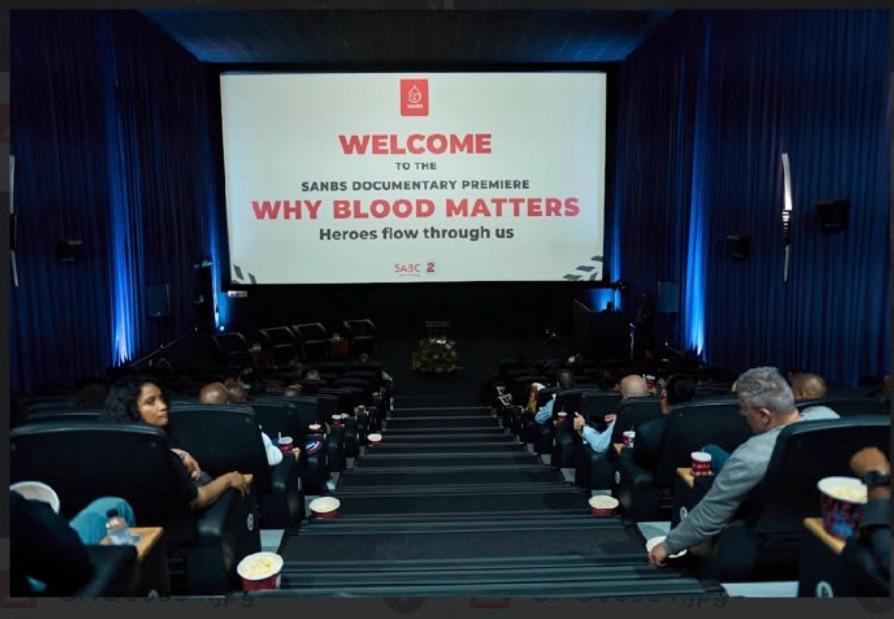
Johannesburg, 9 October 2026 – What happens to a unit of blood after someone rolls up their sleeve and donates? Who receives it? What does that blood mean to a person fighting for their life? And what would happen if the blood needed in an emergency simply wasn’t available?

These are some of the questions explored in the South African National Blood Service’s (SANBS) new documentary, Why Blood Matters, which premiered in Johannesburg on Thursday, 8 October, and will be broadcast on SABC 2 on Sunday, 11 October 2026, at 9pm.

The premiere brought together the people whose stories bring the documentary to life, highlighting the profound impact of blood donation and the people, science and processes that make safe blood available to patients across South Africa.

The screening comes at a critical time for the country’s blood supply, with SANBS blood stocks having dropped to 4.2 days’ cover. SANBS is urging eligible donors to donate blood as soon as possible to help replenish stocks and ensure that blood is available for patients who need it. South Africans are encouraged to watch Why Blood Matters on Sunday and, just as importantly, donate blood. Behind every unit is a patient who may be relying on the generosity of a stranger.

Watch the documentary trailer

Every unit has a human story

The documentary takes viewers behind the scenes of South Africa’s blood supply system, bringing together the voices of donors, recipients, healthcare professionals and SANBS experts to tell the story of what happens between the moment blood is donated and the moment it becomes a lifeline for someone in need.

At the heart of the documentary are the people whose lives have been touched by blood donation. For some recipients, blood is needed because of an accident or medical emergency. For others, it forms part of a long and complex treatment journey.

One of the stories featured is that of Marie Bontjes, who was diagnosed with anaemia at just one year old. Her story highlights how blood transfusion can become part of a person’s life from childhood, and the difference a readily available blood supply can make.

Another recipient, Meena Singh, experienced liver failure and required a liver transplant. Her journey involved receiving multiple units of blood – an intervention she describes as giving her an opportunity at life.

The documentary also follows Gregory Naidoo, whose experience illustrates the unpredictability of medical emergencies and the vital role blood can play when a person’s body is under immense strain.

For donors, the motivation can be equally personal.

Mario Ferreira, who has been donating blood since he was 19, speaks about the deeply personal reward of knowing that his donation could help save another person’s life.

“Knowing that I can save a life makes me happy.”

Another donor featured in the documentary is Boitumelo Masiu, who began donating while still at school. Her experience demonstrates how a culture of blood donation can begin early and become a lifelong commitment.

For Siyabonga Malinga, donating blood has become part of a community of people who understand that, in an emergency, there may be no time to wait.

More than blood: understanding what happens behind the scenes.

While the documentary centres on personal stories, it also seeks to answer questions and address misconceptions surrounding the blood supply system. Blood donation is voluntary, and donated blood is given freely. However, once blood has been donated, it must undergo a rigorous process that includes testing, processing, storage and distribution before it can safely reach a patient.

This requires specialised infrastructure, equipment, skilled people and logistics – all of which form part of the complex system needed to ensure safe blood is available when and where it is required. With SANBS aiming to collect approximately 3 500 units of blood every day, the scale of the operation is significant.

However, maintaining an adequate blood supply depends on the continued commitment of donors. Blood has a limited shelf life, with red blood cells lasting up to 42 days, making regular donations essential to keeping stocks replenished.

For SANBS, this is ultimately about much more than numbers. It is about ensuring that patients undergoing emergency treatment, surgery, cancer care, transplants and other medical procedures have access to the blood they need.

Simphiwe Cele, Marketing and Branding Manager at SANBS, says the documentary provides an opportunity for South Africans to see the full human impact of blood donation.

“We often talk about blood in terms of units, blood groups, stock levels and statistics, but behind every unit is a human story. A donor chose to give, people work tirelessly to ensure the blood is safe, and a patient’s life may depend on receiving it. Why Blood Matters brings those stories together and reminds us why this work matters so deeply.”

He adds that one of the most important messages for viewers is that blood cannot simply be replaced when it is needed.

“Nothing does what blood does. It cannot be manufactured, and it cannot be taken for granted. The only reason we can provide blood to patients when they need it is because ordinary South Africans make the extraordinary decision to donate.”

The documentary also highlights the science, infrastructure and people behind South Africa’s blood supply, including the extensive processes involved in ensuring that every unit collected can be safely used.

Watch on Sunday. Donate today.

For SANBS, Why Blood Matters is more than a documentary. It is an invitation to South Africans to understand their role in a system that touches thousands of lives – and to recognise that the decision to donate blood can make the difference between a patient receiving the treatment they need and a critical shortage standing in the way.

With blood stocks currently at only 4.2 days’ cover, the need for donations is urgent. SANBS is calling on eligible donors to visit their nearest donor centre or mobile blood drive and donate as soon as possible.

South Africans are also encouraged to tune in to Why Blood Matters on SABC 2 on Sunday, 11 October 2026, at 9pm to discover the stories, science and people behind one of the country’s most essential healthcare services.

A single donation can help support emergency treatment, surgery, cancer care, transplant journeys and ongoing medical treatment. The donor and recipient may never meet, but their lives are connected through an act of generosity that can give someone another chance.

For more information or to find your nearest donor centre or mobile blood drive, contact SANBS on 0800 11 90 31 or visit SANBS.
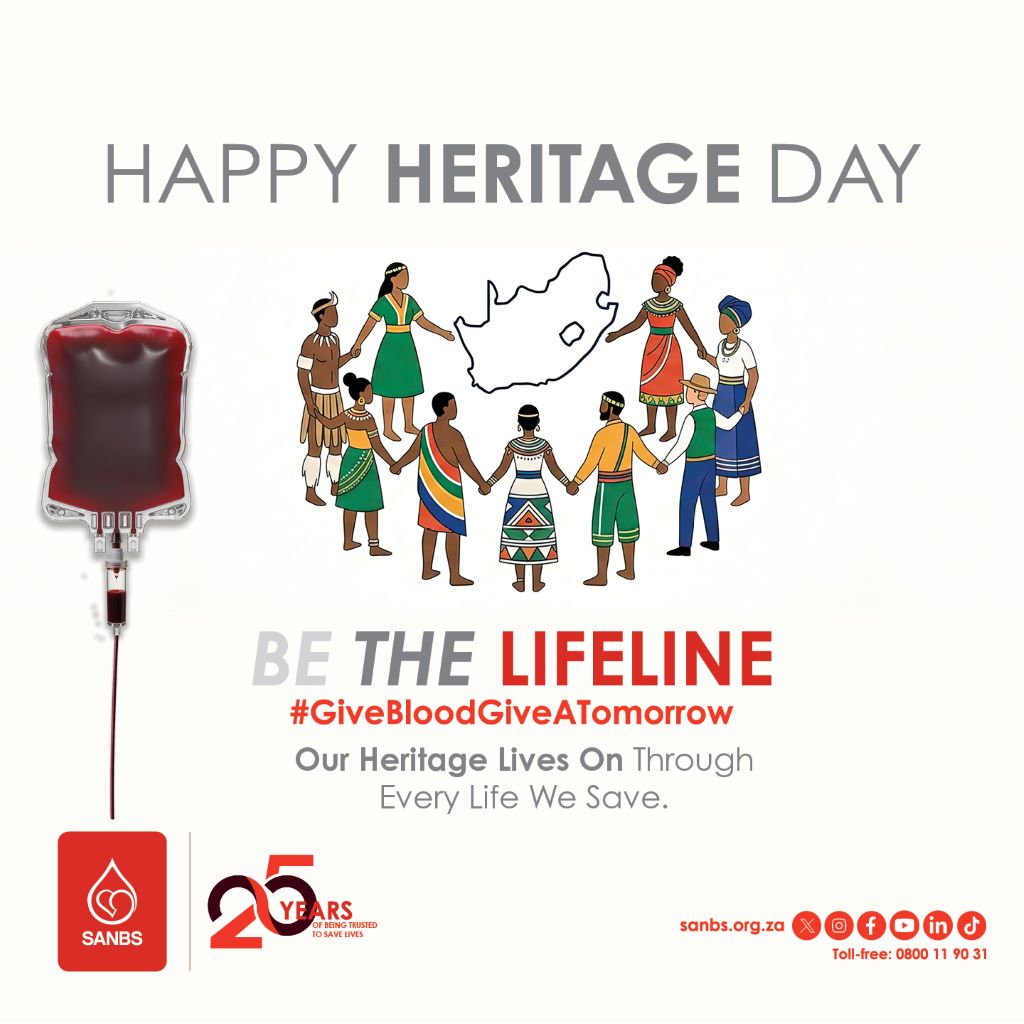
This Heritage Day, Help Strengthen Blood Stocks and Leave a Lasting Legacy

A SANBS and Round Table Southern Africa partnership has helped bring more than 600 new donors into the blood donation network

A new five-part docuseries, Tafel Toure, from Round Table Southern Africa takes viewers inside the community projects driven by its members across the country. One episode takes viewers to the SANBS donor centre in Welkom, where Round Table members see first-hand what happens when ordinary South Africans make the decision to give blood and why those donations matter to patients in need.

The episode comes at a critical time for South Africa’s blood supply, with SANBS blood stock levels having declined below five days’ cover. The blood service is urging eligible South Africans to donate and help replenish stocks, particularly as regular donations are essential to maintaining a safe and sufficient blood supply.

For Round Table member and regular blood donor Stephan Theunissen, giving blood has become part of how he contributes to his community. The documentary follows him at the SANBS donor centre in Welkom as he shares why he continues to donate and encourages others to do the same.

“Giving blood is one of the simplest ways we can make a difference in our communities. You may never know whose life your donation will touch, but knowing that something as simple as taking an hour out of your day could help someone in need is what keeps me coming back and encouraging others to donate too,” says Theunissen.

Alongside Stephan’s personal experience, SANBS Donor Relations Practitioner Bronwyn Petersen takes viewers beyond the donation chair, explaining who can donate and why different blood components are needed.

“O-negative can be given to anyone in an emergency, and plasma helps stop severe bleeding and stabilise patients in trauma. Together, they’re often the first things a hospital reaches for when every second counts, which is why we always need more donors of both,” says Bronwyn.

Viewers are taken through the donation process alongside the presenter, offering a behind-thescenes look at what happens from the moment a donor arrives at the centre to the point where their donation becomes part of the blood supply.

The episode also highlights the growing impact of the SANBS and Round Table Southern Africa partnership, which has contributed to more than 600 new donors and over 100 blood drives.

As South Africa marks Heritage Month, the partnership provides a powerful example of how community action and a shared commitment to giving back can create a lasting impact.

“Round Table Southern Africa has always believed that real impact starts when ordinary people choose to get involved. Our partnership with SANBS is a powerful example of that. Through TafelToere, we hope to not only showcase what our members are doing in their communities, but also inspire more South Africans to put up their hands, donate blood and make a difference. One donation, one hour and one decision can ultimately help save a life,” says Wessels Dreyer, incoming President of Round Table Southern Africa.

Monique Schreiner, Senior Manager: Donor Relations at the South African National Blood Service, says the partnership demonstrates how community-driven action can help strengthen the country’s blood supply.

“We have fallen below five days’ blood stock cover, and this is a critical reminder of why regular blood donation matters. Every day, patients across South Africa rely on blood and blood products for emergency care, surgery and ongoing medical treatment. Partnerships such as the one with Round Table Southern Africa help us reach new donors and show people the real impact of their decision to donate,” says Schreiner.

She adds that the documentary offers viewers a behind-the-scenes look and builds greater understanding of the blood donation journey.

“Blood donation is a powerful example of how an individual act can have a far-reaching impact. Through this documentary, we have an opportunity to show people what happens behind the scenes and remind eligible South Africans that their decision to donate can help ensure blood is available when a patient needs it most.”

For Round Table, the episode is an opportunity to encourage more young men to see blood donation as a simple but meaningful way to contribute to their communities. The call, however, extends beyond Round Table’s membership, with eligible first-time, regular and lapsed donors all encouraged to play their part in maintaining South Africa’s blood supply

.Watch the Round Table Southern Africa docuseries, Tafel Toure, and follow Stephan Theunissen and the SANBS team as they take viewers behind the scenes of blood donation.

SANBS Urges Donors to Donate as Blood Stocks Come Under Pressure


The South African National Blood Service (SANBS) is calling on eligible South Africans to donate blood amid declining national blood stocks.

SANBS aims to maintain a five-day blood supply to ensure hospitals have access to blood when patients need it. To meet daily demand, SANBS needs to collect 3500 units of blood each day. However, current collections are falling short of this target, placing continued pressure on the national blood supply.

Several factors are contributing to lower collections, including fewer blood drives at schools and universities during the examination period and competing demands on donors’ time. However, addressing the current need requires more than regular donors alone.

SANBS is calling on three groups to step forward: donors who are due to donate, people who have never donated before, and lapsed donors who are able to return to donating.

While students are understandably focused on their examinations, the need for blood continues every day. Mothers give birth, patients undergo surgery, accident and trauma victims require emergency care, and people receiving ongoing treatment depend on a safe and sufficient supply of blood.

“We are appealing to all eligible South Africans to make time to donate – whether you are a regular donor who is due, considering donating for the first time, or a previous donor who has not donated for some time,” says Monique Schreiner, Senior Manager: Donor Relations at SANBS.

“Whether you’re returning to donate or considering giving blood for the first time, your decision can make a meaningful difference. Every donor helps strengthen our blood supply and gives patients the hope of another tomorrow.”

SANBS is particularly encouraging O and B blood group donors who are due to donate to come forward as these groups contribute significantly to the stability of the national blood supply:

O negative is the universal blood type used in emergencies.

  • Group B contributes significantly to maintaining balanced stock for specific patient groups.
  • However, SANBS emphasises that all blood groups are welcome and needed.

“Blood cannot be manufactured. It can only come from people who choose to give. A single donation takes about 30 minutes and can save up to three lives,” adds Schreiner.

The need continues. Lives cannot wait. If you are eligible to donate, now is the time to step forward and give blood.

Visit your nearest SANBS donor centre or blood drive and donate. For more information or to find your nearest donor centre or mobile blood drive, contact the SANBS toll free line on 0800 11 90 31 or visit www.sanbs.org.za

Be the Lifeline. Donate today.

Stay connected with SANBS on social media:

  • X (@theSANBS)
  • Facebook (@SANBS)
  • Instagram (@thesanbs)
  • TikTok (@thesanbs)

Good Vibes. Great Music. Real Impact. Join the One Day x SANBS Community Blood Drive

The South African National Blood Service (SANBS) and J’Something Bring Blood Donation into the Culture

What if saving a life was part of your weekend plans?

On 6 June 2026, music, culture, community and purpose will come together at Artistry JHB as the South African National Blood Service (SANBS), musician and entrepreneur J’Something host One Day x SANBS Community Blood Drive a unique event designed to make giving blood more accessible, engaging and relevant to a new generation of South Africans.

Every day, blood donors help create more tomorrows for patients across the country. They make it possible for someone to celebrate another birthday, return home to their family, pursue their dreams, or simply get a second chance at life. Yet many South Africans who are eligible to donate have never taken that first step.

Through this purpose-driven partnership, SANBS and J’Something are bringing blood donation into spaces where people naturally connect, create and inspire one another. By blending culture, creativity and community impact, the One Day x SANBS Community BloodDrive aims to show that donating blood is not only life-saving it’s something everyone can be part of.

The result is more than a blood drive. It’s a day party with purpose, where every donation has the potential to save up to three lives.

Blood Drive Details:

Venue: Artistry JHB

Date: 6 June 2026

Time: 09:00 – 15:00

RSVP: tshilidzim@meropa.co.za or 076 306 1197

Please RSVP by Friday,05 June 2026

Secure your spot at the blood drive by completing the quick eligibility screening below.

Whether you’re donating blood or simply coming through to support the movement, expect good music, great energy and a community united for a meaningful cause.

Click here for the quick eligibility screening.

Be the lifeline. Give Blood. Give A Tomorrow.