Tag: public health

Extreme Heat Health Risks Are Higher for Younger Adults

Photo by Ketut Subiyanto on Pexels

A new study in the US has found that complications from extreme heat appear to be more pronounced among young and middle-aged adults than older adults.

Extreme heat poses an increasing threat to the public, due to the continued effects of climate change. Although the adverse health impacts of heat have been well documented among older adults, less is known about the potential impacts of heat on young and middle-aged adults.

Published in the BMJ, the study examined the relationship between extreme temperatures and emergency department (ED) visits, and found that days of extreme heat were associated with an increase risk of ED visits for any cause, heat-related illness, renal disease, and mental disorders among all adults, but the strongest association was found among adults ages 18-64.

Prior research on heat’s health impacts have mostly focused on mortality or hospital admissions among seniors. This study is the first national-scale assessment of extreme heat effects on adults of all ages, measured with ED visits.

“Many illnesses that lead to utilisation of the ED do not lead to hospitalisation because they can be treated in a short amount of time, particularly among the younger adult population,” said study senior author Gregory Wellenius, professor of environmental health and director of the Program on Climate and Health at SPH. “By looking at emergency room visits, we aimed to obtain a more comprehensive picture of the true burden of disease that might be attributed to the days of high heat.”

Prof Wellenius and colleagues analysed healthcare claims data to quantify the risk of ED visits for any cause and for heat-associated conditions during the warm season (between May and September) from 2010 to 2019.

For the study, the researchers analysed claims data among 74 million adults, including more than 22 million ED visits. They found that days of extreme heat (varying by location, but averaging about 34°C), were associated with a 66% greater risk of ED visits for heat-related illness, as well as a 30% increased risk for renal disease, compared to ED visits on cooler days. But the risk according to extreme heat varied by age. A day of extreme heat was associated with a 10.3% higher risk of ED visits among people ages 45 to 54 years old, compared to a 3.6% higher risk among those older than 75.

“Younger adults may be at greater risk of exposure to extreme heat, particularly among workers that spend substantial time outdoors,” says study lead author Shengzhi Sun, research scientist in the Department of Environmental Health at SPH. “Younger adults may also not realise that they too can be at risk on days of extreme heat.”

Prior studies had shown that people in US counties with lower warm-season temperatures still experience higher risks of heat-related complications.
“While extreme heat threatens everyone’s health, this study provides further evidence that it is especially dangerous in regions with cooler climates that may be less adapted to heat,” says study co-author Kate Weinberger, assistant professor at the University of British Columbia’s School of Population and Public Health. “As temperatures continue to rise due to climate change, the implementation of heat adaptation measures in these regions will be critically important.”

According to the researchers, many of these heat-related complications can be prevented through policy changes that reduce exposure to heat, or improve people’s susceptibility and adaptivity to heat.

“By looking at emergency department visits for different causes and for several age groups, we were able to characterise with accuracy the varying impact on health on different populations,” said study co-author, Professor Francesca Dominici. “An important goal of this study is to provide actionable information to clinicians and public health experts regarding how to prevent these emergency department visits, also considering that we can anticipate when these extreme heat events are likely to occur.”

Source: Boston University

South Africa Faces Vaccine Glut as Uptake Slows

Photo by Mat Napo on Unsplash

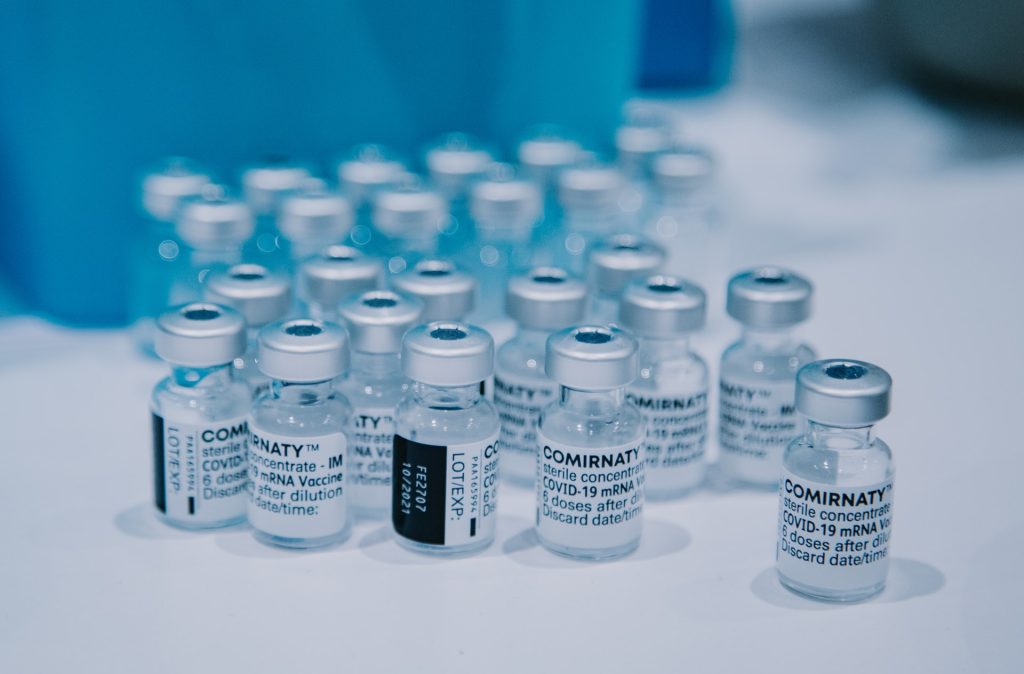
South Africa has asked Johnson & Johnson and Pfizer to delay delivery of COVID vaccines as it has too much stock now, health ministry officials said, as vaccine hesitancy continues to slow the immunisation campaign.

About 35% of South Africans are fully vaccinated, still only half the government’s target of 70% by year end. In the past 15 days, an average of 106 000 doses a day have been administered. At the beginning of the year, the programme had been beset by a lack of doses for a wide range of reasons, from AstraZeneca’s ineffectiveness against the Beta variant to overseas production delays. 

Deputy director-general of the Health Department, Nicholas Crisp, told Reuters that South Africa had 16.8 million doses in stock and said that deliveries had been deferred.

A spokesman for the Health Ministry said: “We have 158 days’ stock in the country at current use. We have deferred some deliveries.”

Stavros Nicolaou, chief executive of Aspen Pharmacare, which is packaging 25 million doses a month of J&J vaccines in South Africa, said most of the vaccines bound for South Africa would now be diverted to the rest of Africa, and deliveries would likely be deferred until the first quarter of next year.

A Pfizer spokesperson said: “We remain adaptable to individual country’s vaccine requirements whilst continuing to meet our quarterly commitments as per the South Africa supply agreement.”

The government has been trying to boost the rate of daily administered doses, such as with R100 ‘Vooma vouchers’ for registering to vaccinate, but even these have failed to sufficiently stoke uptake.

“There is a fair amount of apathy and hesitancy,” said Wits University’s Professor Shabir Madhi.

On Twitter, he further suggested using the excess stock for booster shots, which would “provide all single dose JJ adult recipients a JJ or Pfizer boost, and  those > 65 or immunosuppressive conditions an additional Pfizer dose if received 2 doses > 5 months ago.” 

Source: U.S. News

Tropical Areas Approaching Upper Limits for Survivable Heat

Photo by Jordan Opel on Unsplash

Some people living in tropical regions are already living under conditions of heat stress that are approaching the upper limits of human survivability, a study has found.

In this study published in iScience, researchers noted that climate models used to predict heat conditions around the world are generally based on data from weather stations in relatively populated areas. Such data, they note, excludes conditions for people living in what they describe as informal settlements. To find out more about the conditions for people living in areas expected to be hit by the worst global warming effects, the researchers placed heat sensors in and around 100 houses in Makassar, Indonesia, a settlement in a tropical part of the country. The observed conditions are likely representative of many such settlements in the tropics, the researchers suggested.

Analysing the data, the researchers discovered that, during the rainy season, 80% of the sensors recorded temperatures in excess of established health thresholds. At such temperatures and humidity levels, adverse health impacts are said to be felt by people living there. In a few instances, they found that the sensors recorded temperatures that are believed to represent the upper limit of human survivability.

These findings are alarming for several reasons, they noted. For one, millions of people living in many parts of the world are already living under heat conditions that are harmful to their health. Another is the fact that many such people engage in physical labour for their livelihoods, and doing so in extreme heat can be fatal. Perhaps most alarming is the near certainty that conditions in such places are going to get worse as the planet continues to warm from fossil fuel burning and climate change. An analysis of the agreements reached at the COP26 summit found that the Earth was on course for a 2.4°C increase in temperature, well above the 1.5°C increase suggested by scientists to avoid the worst effects of climate change. For most such places, there are no relocation plans, and little chance that heat-mitigating technology such as air-conditioning will be installed. This suggests that a disaster of massive proportions is on the way.

Source: Phys.Org

NHI Implementation on the Financial Rocks – For Now

Photo by Michael Longmire on Unsplash

South Africa’s National Health Insurance (NHI) implementation continues to flounder, as the National Treasury notes its expenditure will not be a significant cost in the medium term. This scheme, which seeks to address the country’s huge gulf in healthcare inequality, has still made barely any progress since its inception over a decade ago.

In its Medium Term Budget Policy Statement published on Thursday (MTBPS), the Treasury said that the national health insurance policy was estimated to cost R40 billion per year in additional funding in the first five years, and perhaps considerably more over time. Therefore, it dismissed the possibility of any substantial work on it, saying that presently, “there is insufficient capacity in the health sector to work substantively on national health insurance. The national health insurance indirect grant has been underspent, the National Health Insurance Fund has not yet been established, and the National Health Insurance Bill still needs to be passed by Parliament.

“It is therefore unlikely that national health insurance will be a significant cost pressure in the medium term,” it said.

While the Department of Health has time and again reiterated its commitment to the NHI system, several studies highlight the system’s deep unpopularity among healthcare professionals. 

“To fund this, we need taxpayers,” said senior researcher Morné Malan at Solidarity Research Institute, when former Health Minister Dr Zweli Mkhize tabled the NHI Bill in Parliament in August 2019.

“To be a taxpayer you must be employed… only 12% of South Africans pay tax.”

In August 2021, trade union Solidarity published a report drawing on three surveys from 2018 to 2021, with 20.8% of respondents already preparing to leave.

Across the studies, the overarching response from healthcare professionals is one of uncertainty and mistrust around the NHI, with general sentiment towards the system being overwhelmingly negative.

“Almost all the respondents have serious concerns regarding the state’s ability to manage and administer the NHI,” Solidarity said. “The total administration and management of funds and decision-making will be in the hands of the state.

“Most are seriously concerned about the fact that the state can determine and enforce tariffs, place of work, type of diagnostic tests and type of medication and treatment.”

The opinions of those surveyed are likely shaped by the observed mismanagement and maladministration at state institutions such as Eskom, Solidarity noted. The NHI will be considerably larger and more complicated, and will have to manage and execute many contracts, it said.

Source: Businesstech

Over 28 Million More Years of Life Lost in 2020

Source: Pixabay CC0

Over 28 million more years of life were lost than expected in 2020 in 31 upper-middle and high-income countries, according to a University of Oxford-led study published in the BMJ.

Save for a handful of exceptions, 37 countries examined including the US had more premature deaths than expected in 2020, with a higher rate in men than women.

Understanding the full impact of the COVID pandemic requires counting excess deaths, and analysing how premature those deaths are. Years of life lost (YLL) is a more detailed assessment of COVID’s impact on populations as it measures both the number of deaths and the age at which death occurs.

Researchers used this measure to estimate the changes in life expectancy and excess years of life lost from all causes in 2020. They compared the observed life expectancy and years of life lost in 2020 with historical trends in 2005-19 in 37 upper-middle and high-income countries.

Between 2005 and 2019, life expectancy at birth rose for both men and women in all the countries studied. In 2020, a drop in life expectancy was seen in both men and women in all countries save New Zealand, Taiwan, and Norway, where there was a life expectancy gain and Denmark, Iceland, and South Korea saw no change.

The biggest life expectancy drop was in Russia (−2.33 years in men and −2.14 in women), the US (−2.27 and 1.61), Bulgaria (−1.96 and −1.37), Lithuania (−1.83 and −1.21), Chile (−1.64 in men), and Spain (−1.11 in women). Years of life lost declined in most countries in both men and women between 2005 and 2019, except Canada, Greece, Scotland, Taiwan, and the US.  

In 2020, years of life lost were higher than expected in all countries except Taiwan and New Zealand, where there was a reduction in years of life lost, and Iceland, South Korea, Denmark, and Norway, where there was no evidence of a change in years of life lost. In the remaining 31 countries, more than 222 million years of life were lost in 2020, which is 28.1 million more than expected (17.3 million in men and 10.8 million in women).  

The highest excess years of life lost (per 100 000) were in Russia (7020 in men and 4760 in women), Bulgaria (7260 and 3730), Lithuania (5,430 in men and 2,640 in women), and the US (4,350 in men and 2,430 in women).

Overall, excess years of life lost in 2020 were over five times greater (2510 per 100 000) than those associated with the seasonal influenza epidemic in 2015 (458 per 100 000).

The excess years of life lost were relatively low in people under 65 years, except in Russia, Bulgaria, Lithuania, and the US where the excess years of life lost was more than 2 000 per 100 000.

Most countries in Asia, Africa, and Latin America were excluded due to insufficient data, and researchers could not account for other factors, such as socioeconomic status, regional disparities, and race or ethnicity. However, the findings are largely in line with previous studies, and the use of authoritative national mortality data, together with a validated analytical approach, suggests that the results are robust.

“Our findings of a comparable or lower than expected YLL in Taiwan, New Zealand, Denmark, Iceland, Norway, and South Korea underscore the importance of successful viral suppression and elimination policies, including targeted and population based public health policy interventions,” the researchers wrote. “As many of the effects of the pandemic might take a longer time frame to have a measurable effect on human lives, continuous and timely monitoring of excess YLL would help identify the sources of excess mortality and excess YLL in population subgroups.”

Source: University of Oxford

Feeling of Invulnerability against COVID Leads to Vaccine Refusal

Photo by Priscilla Du Preez on Unsplash

An international survey has found that people who do not believe that being infected with COVID could seriously threaten their health are both less likely to believe in the importance of preventing spread of the disease and less willing to get vaccinated. 

To contain COVID, it may be critical for individuals to feel concern about taking action to prevent transmission within their community. However  such concerns and actions could be impacted by a number of both individual and cultural factors. Leonhardt and colleagues hypothesised that one factor influencing pandemic concerns could be people’s perceived invincibility to COVID. The findings were presented in PLOS ONE.

To test this idea, the researchers analysed responses from over 200 000 people across 51 countries from an ongoing online survey. The survey included a question about how serious it would be to get infected with COVID, as well as questions about willingness to get vaccinated and taking action to reduce spread in one’s community. The researchers also accounted for participants’ overall health, age, sex, and level of education.

Respondents who reported feeling more  invincibile to COVID were less willing to get vaccinated, the researchers found, and also less likely to believe in the importance of individual actions to reduce transmission.

The strength of this link varied between countries. Individuals with high perceived invincibility living in countries with a greater emphasis on individual freedoms and autonomy, such as the US, were less willing to get vaccinated and less willing to take action than individuals with high perceived invincibility living in cultures with greater emphasis on collective action.

The authors say their findings highlight the importance of considering both individual and cultural factors when addressing pandemics. They suggest that suppression efforts employ messaging underscoring the importance of collective action, especially in individualistic cultures. Meanwhile, future research could further explore the impact of cultural factors on health beliefs and behaviours.

The authors added: “While feeling invincible may be beneficial in overcoming economic hardships or during periods of war, the results of our study suggest that it threatens the likelihood that people get vaccinated against COVID, and this is especially the case in individualistic countries, such as the USA, where people tend to focus on their own health rather than the collective health of their community.”

Source: EurekaAlert!

Insects Carry a Range of Antimicrobial-resistant Bacteria

A study published in Nature Microbiology has for the first time provided compelling evidence of connections between antimicrobial-resistant bacteria causing surgical-site infections and insects and other arthropods. Among these bacteria are those with resistance to drug-of-last-resort. 

Antimicrobial resistance (AMR) could render many of the current mainstay and last-resort antibiotics useless, resulting in many more deaths from previously treatable infections. A UN report estimated in 2019 that AMR could lead to ten million deaths per year, and cost the world $100 trillion, by 2050.

“Similar to our experience over the last eighteen months with the pandemic, a problem currently seen from afar will quickly come into focus much closer to home” said Professor Tim Walsh at Oxford University

The report found that:

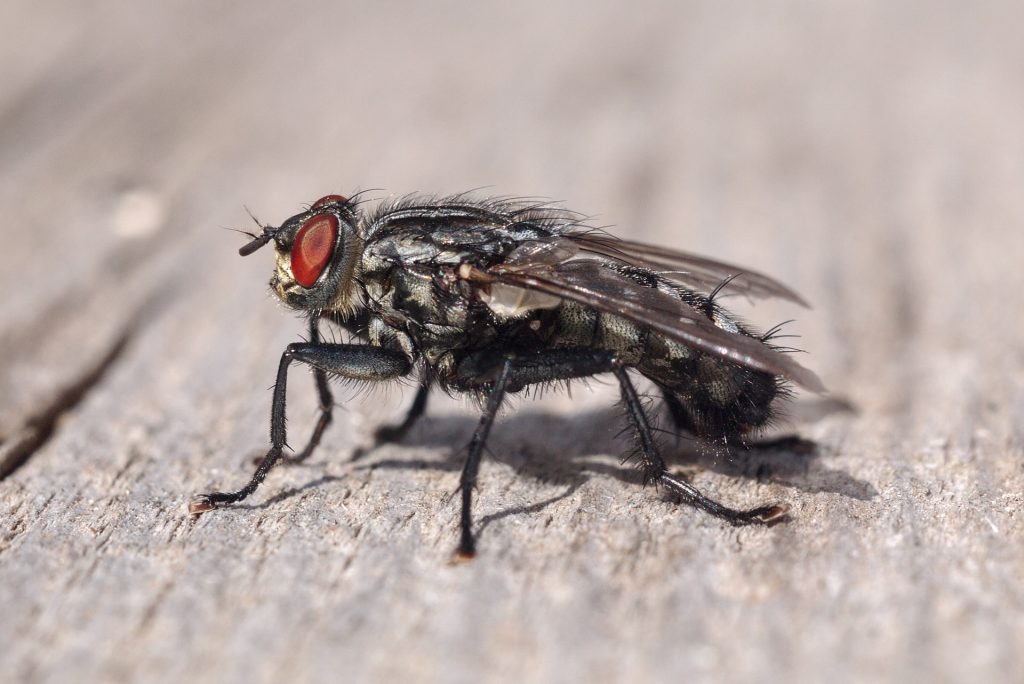
  • About 20% of the flies, cockroaches, spiders, moths, and ants were carrying carbapenem resistance.
  • Of these, 70-80% were carrying extended spectrum cephalosporin resistance, that is, enzymes that confer resistance to most beta-lactam antibiotics, including penicillins, cephalosporins, and the monobactam aztreonam.
  • Currently there are about 18 million flies to every human, but conservative global warming projections estimate insect and fly population will double if temperatures increase by 1.5 degrees.
  • By 2080 there could be around 50 000 trillion flies carrying carbapenem resistance and spreading AMR across the planet.

“Similar to our experience over the last eighteen months with the pandemic, a problem currently seen from afar will quickly come into focus much closer to home,” said Prof Walsh. “The clinical burden of AMR is most felt in low-middle income countries, but the increase in global temperatures, due to climate change, will result in a significant increase in flies and many other insects and a subsequent increase in the global velocity of antibiotic resistance.” Prof. Tim Walsh, Oxford University.

AMR is a pervasive issue, stretching from hospitals to farming and human waste processing. Resistance can spread within hospitals, communities, farms, and wastewater systems, and domestic animals can share AMR microorganisms with humans.

One tactic is to repurpose previously developed drugs that did not work for humans and use these for animals, buying time for us to develop new drugs.

Another is to rethink hospital prevention and infection control measures, especially in lower- and middle-income countries. Further research into how arthropods disseminate AMR and improving healthcare infrastructure to reduce the spread of AMR by arthropods.

“Most antibiotics currently used on animals are also the same that are used in humans, creating a pool where bacteria can evolve to evade drugs and then reinfect humans,” said Prof Tim Walsh of Oxford University.

“There is no silver bullet when it comes to tackling the worldwide threat of AMR,” he added. “The Ineos Oxford Institute for AMR Research is committed to finding non-human antibiotic therapies and feeds for animals, addressing the increase in AMR in human infections and raising awareness of this hidden threat to human health. But this is a global medical crisis that ultimately will only be resolved with a global response.”

Source: Oxford University

World-first Malaria Vaccine Receives WHO Recommendation

Mosquito
Photo by Егор Камелев on Unsplash

The World Health Organization (WHO) is recommending widespread use of a new malaria vaccine among children in sub-Saharan Africa and in other regions with moderate to high P. falciparum malaria transmission. The vaccine, known as the RTS,S/AS01 (RTS,S or Mosquirix), has been trialled in three countries in a pilot programme involving 800 000 children.

Though the vaccine only offers moderate protection against malaria, with 36% protection against malaria cases among children. One study estimated that even with realistic vaccine coverage, at a constraint of 30 million doses, 5.3 million cases and 24 000 deaths could be prevented among children under five, .

“This is a historic moment. The long-awaited malaria vaccine for children is a breakthrough for science, child health and malaria control,” said WHO Director-General Dr Tedros Adhanom Ghebreyesus. “Using this vaccine on top of existing tools to prevent malaria could save tens of thousands of young lives each year.”

This comes amid stagnation in progress in recent years against the deadly disease. In sub-Saharan Africa, malaria remains a primary cause of childhood illness and death. More than 260 000 African children under the age of five die from malaria annually.

“For centuries, malaria has stalked sub-Saharan Africa, causing immense personal suffering,” said Dr Matshidiso Moeti, WHO Regional Director for Africa. “We have long hoped for an effective malaria vaccine and now for the first time ever, we have such a vaccine recommended for widespread use. Today’s recommendation offers a glimmer of hope for the continent which shoulders the heaviest burden of the disease and we expect many more African children to be protected from malaria and grow into healthy adults.”

The WHO recommends that in the context of comprehensive malaria control the RTS,S malaria vaccine be used for the prevention of P. falciparum malaria in children living in regions with moderate to high transmission as defined by the WHO. This vaccine should be provided in a schedule of 4 doses in children from 5 months of age for the reduction of malaria disease and burden.

The outcome of the pilots informed the recommendation based on data and insights generated from two years of vaccination in child health clinics in Ghana, Kenya and Malawi. Findings include:

  • Vaccine introduction is feasible, improves health and saves lives, with good and equitable coverage of RTS,S seen through routine immunization systems. This occurred even in the context of the COVID pandemic.
  • RTS,S enhances equity in access to malaria prevention.
  • Data from the pilot programme showed that more than two-thirds of children in the 3 countries who are not sleeping under a bednet are benefitting from the RTS,S vaccine.
  • Layering of tools results in over 90% of children benefitting from at least one preventive intervention (insecticide treated bednets or the malaria vaccine).
  • Strong safety profile: To date, more than 2.3 million doses of the vaccine have been administered in 3 African countries – the vaccine has a favorable safety profile.
  • No negative impact on uptake of bednets, other childhood vaccinations, or health seeking behavior for febrile illness. In areas where the vaccine has been introduced, there has been no decrease in the use of insecticide-treated nets, uptake of other childhood vaccinations or health seeking behavior for febrile illness.
  • High impact in real-life childhood vaccination settings: Significant reduction (30%) in deadly severe malaria, even when introduced in areas where insecticide-treated nets are widely used and there is good access to diagnosis and treatment.
  • Highly cost-effective: Modelling estimates that the vaccine is cost effective in areas of moderate to high malaria transmission.

Next steps for the WHO-recommended malaria vaccine will include funding decisions from the global health community for broader rollout, and country decision-making on whether to adopt the vaccine as part of national malaria control strategies.

The pilot programme was financed through collaboration between Gavi, the Vaccine Alliance; the Global Fund to Fight AIDS, Tuberculosis and Malaria; and Unitaid.

Source: WHO

High Altitude Protects against Stroke Risk

Photo by Yura Lytkin on Unsplash

While there are well-known common lifestyle and health factors that contribute to stroke risk, including smoking, high blood pressure, high cholesterol, and lack of physical activity, there is another overlooked factor that could also affect stroke risk – altitude.

Higher altitude means less oxygen availability, to which people living there have adapted. However, how this environment affects someone’s risk for stroke is still unclear. Anecdotal evidence suggests that short-term exposure to low oxygen can contribute to increased blood clotting and stroke risk, but the risk among people who permanently live at high altitude is not clear.

Researchers in Ecuador are in a unique position to explore these phenomena, as the presence of the Ecuadorian Andes means that people in the country live at a wide array of altitudes. Study lead author Esteban Ortiz-Prado, and Professor, Universidad de las Americas, explained:

“The main motivation of our work was to raise awareness of a problem that is very little explored. That is, more than 160 million people live above 2500 metres and there is very little information regarding epidemiological differences in terms of stroke at altitude. We wanted to contribute to new knowledge in this population that is often considered to be the same as the population living at sea level, and from a physiological point of view we are very different.”

The researchers drew on hospital records in Ecuador from between 2001 and 2017, and analysed rates of stroke hospitalisation and mortality among people who live at four different elevation ranges: low altitude (under 1500m), moderate altitude (1500­–2500m), high altitude (2500–3500m) and very high altitude (3500–5500m).

Analysis showed that people who lived at higher altitudes (above 2500m) tended to experience stroke at a later age compared with those at lower altitudes. Intriguingly, people who lived at higher altitudes had a lower stroke hospitalisation or mortality risk. This protective effect was greater between 2000 and 3500m, tapering off somewhat above 3500m. In South Africa, Johannesburg sits above 1700m altitude.

One explanation for this finding may be that people who live at high altitude have adapted to the low oxygen conditions, and more readily grow new blood vessels to help overcome stroke-related damage. They may also have a more developed vascular network in their brains that helps them to make the most of the oxygen they take in, but this could also protect them from the worst effects of stroke.

Source: Medical Xpress

High Fat Dairy Intake not Tied to CVD Risk

Photo by Waldemar Brandt on Unsplash

In a study of countries with high dairy consumption, higher intakes of dairy fat, as measured by bloodstream levels of fatty acids, had a lower risk of cardiovascular disease (CVD) compared to those with low intakes. Higher intakes of dairy fat were not linked to an increased mortality risk.

In a study published in PLoS Medicine, researchers combined results from 4000 Swedish adults with those from 17 similar studies in other countries, creating the most comprehensive evidence to date on the relationship between this more objective measure of dairy fat consumption, risk of  and death.

Dr Matti Marklund from The George Institute for Global Health, Johns Hopkins Bloomberg School of Public Health, and Uppsala University said that with rising dairy consumption around the world, a better understanding of the health impact was needed.

“Many studies have relied on people being able to remember and record the amounts and types of dairy foods they’ve eaten, which is especially difficult given that dairy is commonly used in a variety of foods.

“Instead, we measured blood levels of certain fatty acids, or fat ‘building blocks’ that are found in dairy foods, which gives a more objective measure of dairy fat intake that doesn’t rely on memory or the quality of food databases,” he added.

“We found those with the highest levels actually had the lowest risk of CVD. These relationships are highly interesting, but we need further studies to better understand the full health impact of dairy fats and dairy foods.”

Sweden has one of the world’s highest consumption of dairy. An international team of researchers assessed dairy fat consumption in 4150 Swedish 60-year-olds by measuring blood levels of a particular fatty acid that is mainly found in dairy foods and therefore can be used to reflect intake of dairy fat.

The participants were then followed up for an average of 16 years, recording heart attacks, strokes and other serious circulatory events, and all cause mortality.

After adjustment for other known CVD risk factors including things like age, income, lifestyle, dietary habits, and other diseases, the CVD risk was lowest for those with high levels of the fatty acid (which reflects a high intake of dairy fats). Those with the highest levels had no increased all-cause mortality risk.

These findings highlight the uncertainty of evidence in this area, which is reflected in dietary guidelines, noted  Dr Marklund.

“While some dietary guidelines continue to suggest consumers choose low-fat dairy products, others have moved away from that advice, instead suggesting dairy can be part of a healthy diet with an  emphasis on selecting certain dairy foods — for example, yoghurt rather than butter — or avoiding sweetened dairy products that are loaded with added sugar,” he said.

Combining these results with 17 other studies with a total of almost 43 000 participants from the US, Denmark, and the UK confirmed these findings in other populations.

“While the findings may be partly influenced by factors other than dairy fat, our study does not suggest any harm of dairy fat per se,” Dr. Marklund said.

Lead author Dr Kathy Trieu from The George Institute for Global Health pointed out that consumption of some dairy products, especially fermented products, have been shown to be linked to cardiovascular benefits.

“Increasing evidence suggests that the health impact of dairy foods may be more dependent on the type — such as cheese, yoghurt, milk, and butter — rather than the fat content, which has raised doubts if avoidance of dairy fats overall is beneficial for cardiovascular health,” she said.

“Our study suggests that cutting down on dairy fat or avoiding dairy altogether might not be the best choice for heart health.”

“It is important to remember that although dairy foods can be rich in saturated fat, they are also rich in many other nutrients and can be a part of a healthy diet. However, other fats like those found in seafood, nuts, and non-tropical vegetable oils can have greater health benefits than dairy fats,” Dr Trieu added.

Source: The George Institute for Global Health